In the world of modern display technology, terms like LCD, LED, and LED LCD are often used interchangeably, yet they refer to different technologies with distinct characteristics. Understanding these differences is crucial whether you are purchasing a television, a computer monitor, or digital signage. This article aims to demystify these terms and provide a comprehensive explanation of LED displays, their advantages, limitations, and how they compare to traditional LCD screens.
Understanding the Basics: What is LCD?
LCD stands for Liquid Crystal Display. It is a flat-panel display technology commonly used in TVs, computer monitors, smartphones, and other electronic devices. The core principle behind LCD technology involves liquid crystals that do not emit light directly but manipulate light passing through them to create images.
LCD panels require a backlight to illuminate the screen because liquid crystals themselves are not light sources. Traditionally, this backlight was provided by cold cathode fluorescent lamps (CCFLs). The liquid crystals act as shutters that control the amount of light passing through colored filters to produce the desired image on the screen.
How LCD Technology Works
In an LCD display, a layer of liquid crystals is sandwiched between two polarizing filters and glass substrates. When an electric current passes through the liquid crystals, they align in a way that either blocks or allows light to pass through. This modulation of light creates images by controlling the brightness and color of each pixel.
The backlight shines through the liquid crystal layer, and the crystals adjust to either block or transmit light to form the image. Since the crystals do not emit light themselves, the quality of the backlight significantly impacts the display’s brightness and color accuracy.
What is LED and How Does It Relate to LCD?
LED stands for Light Emitting Diode, a semiconductor light source that emits light when current flows through it. In the context of displays, LED refers to the type of backlighting used in LCD panels rather than an entirely different display technology.
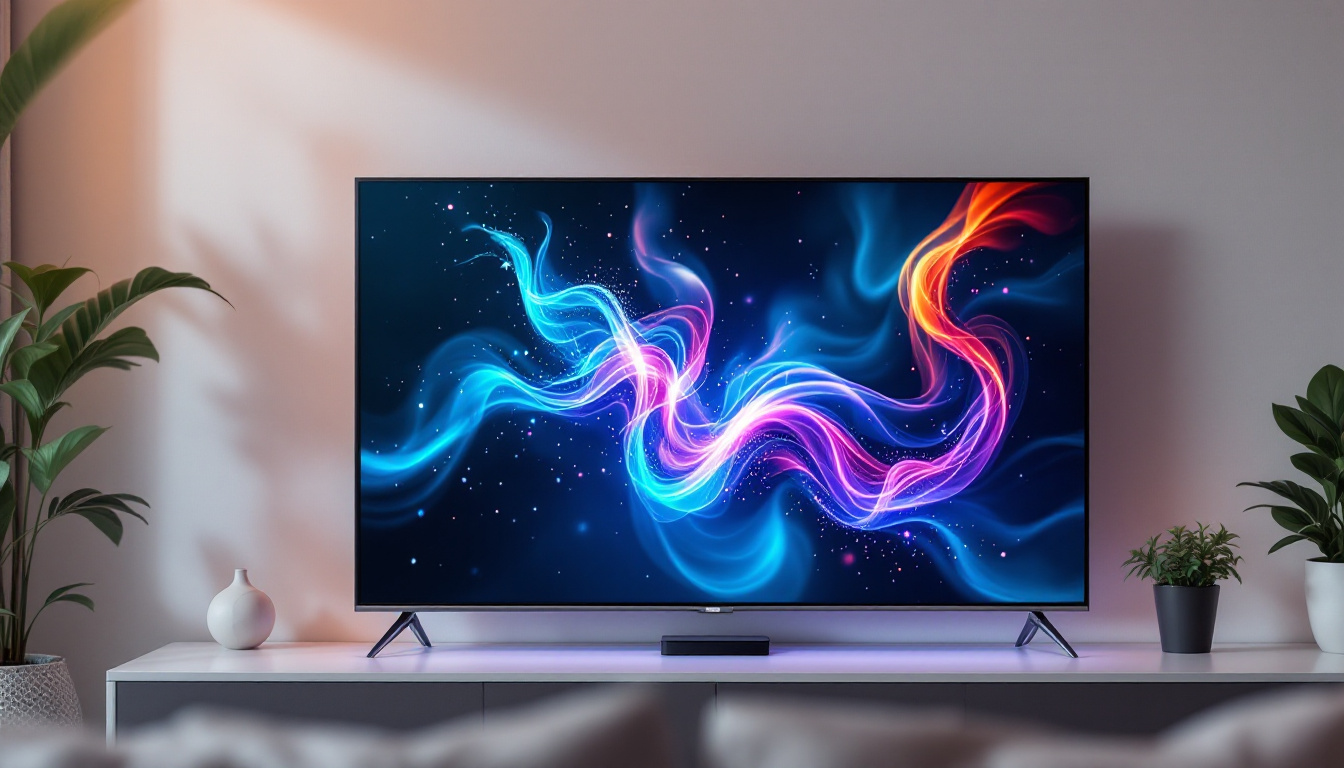
When people say “LED TV” or “LED display,” they are usually referring to an LCD screen that uses LED backlighting instead of the older CCFL backlighting. This distinction is important because the core display technology remains LCD, but the illumination method changes.
LED Backlighting: Advantages Over CCFL
LED backlighting offers several benefits compared to CCFL backlights:
- Energy Efficiency: LED backlights consume less power, making devices more energy-efficient and environmentally friendly.
- Thinner Panels: LEDs are smaller and can be arranged more flexibly, allowing for thinner and lighter display designs.
- Better Brightness and Contrast: LED backlights can achieve higher brightness levels and improved contrast ratios, enhancing image quality.
- Longer Lifespan: LEDs generally last longer than CCFLs, contributing to the durability of the display.
- Environmentally Friendly: LEDs do not contain mercury, unlike CCFLs, making disposal safer and more eco-friendly.
Types of LED Backlighting
LED backlighting comes in two main configurations:
- Edge-Lit LED: LEDs are placed along the edges of the screen, and light is distributed across the display using light guides. This allows for very thin panels but can sometimes lead to uneven brightness or “hot spots.”
- Full-Array LED: LEDs are arranged directly behind the LCD panel in a grid. This allows for better control of local dimming zones, improving contrast and black levels.
What is an LED Display? Understanding True LED Technology
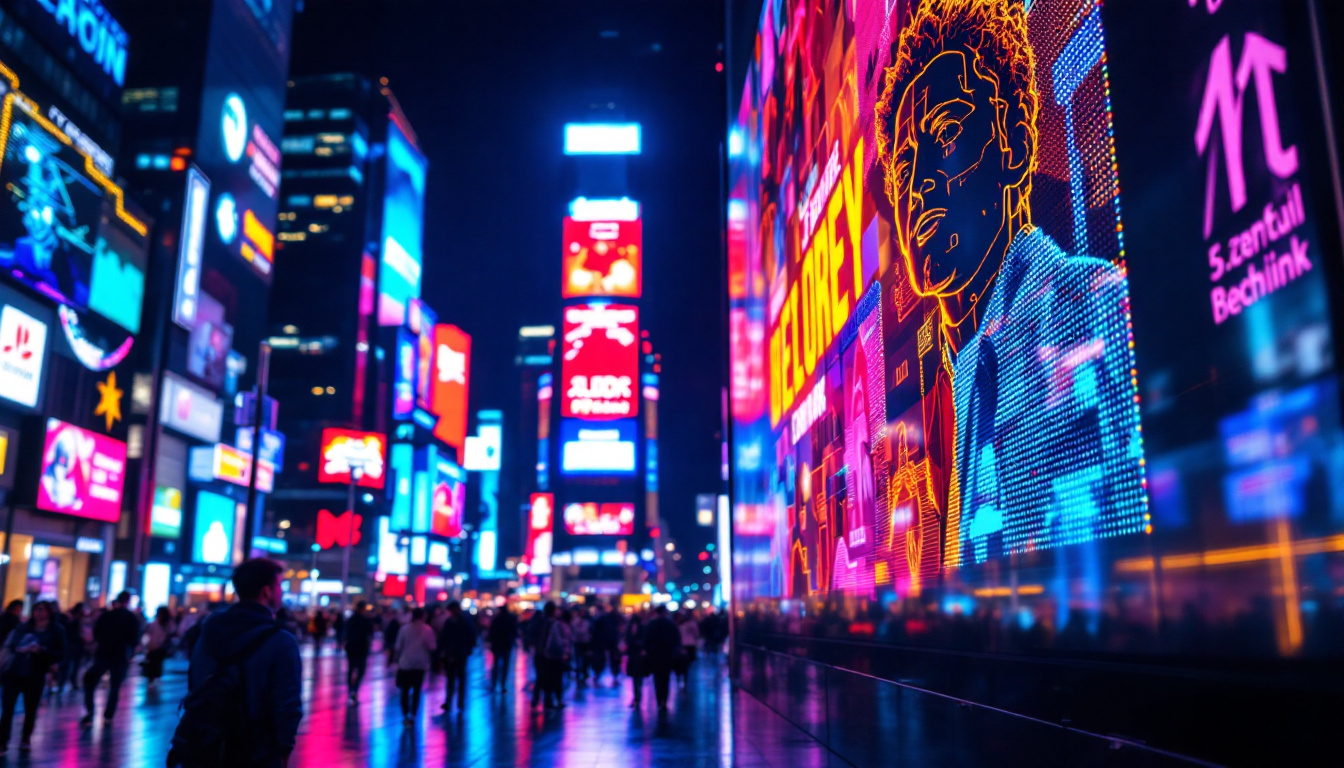
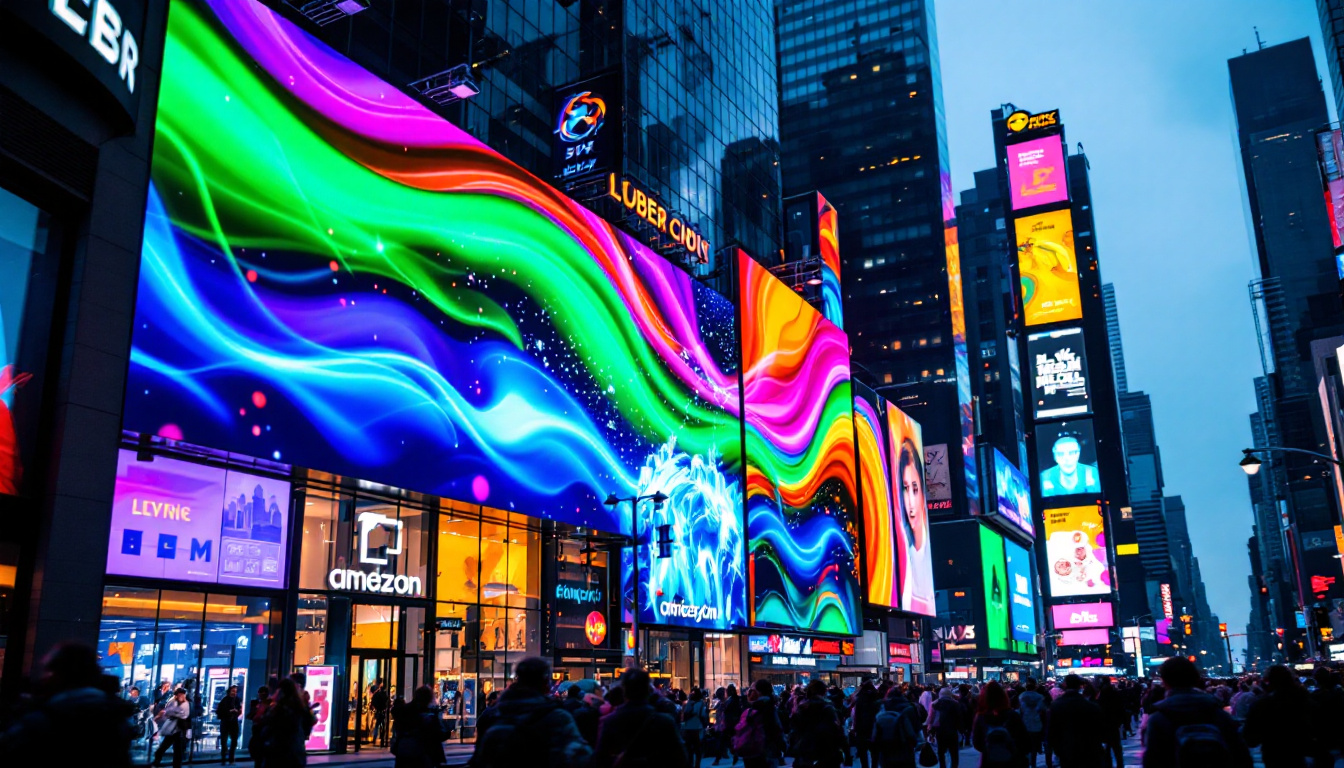
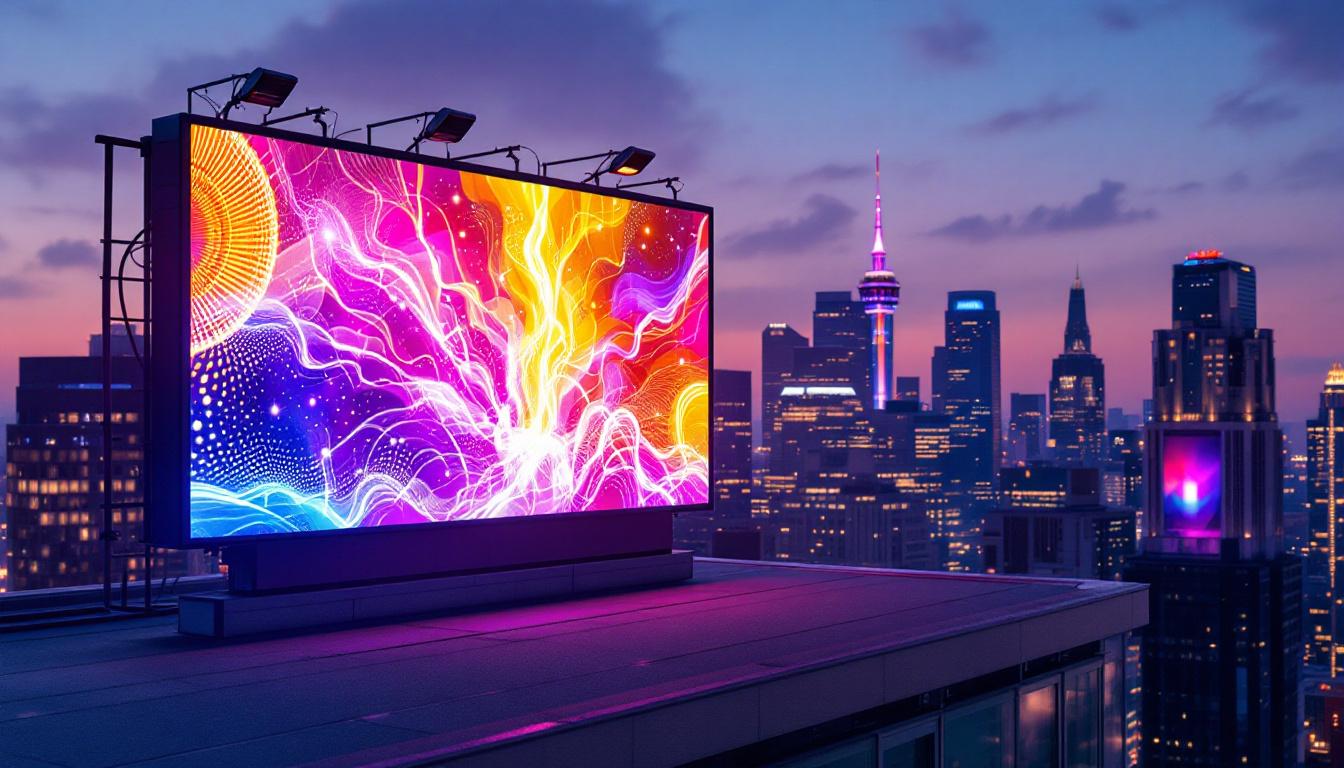
While the term “LED display” is often used to describe LED-backlit LCDs, there is a distinct display technology that uses LEDs as the actual pixels: the true LED display. These are commonly found in large outdoor screens, digital billboards, and some high-end TVs known as OLEDs or microLEDs.
True LED Displays: How They Work
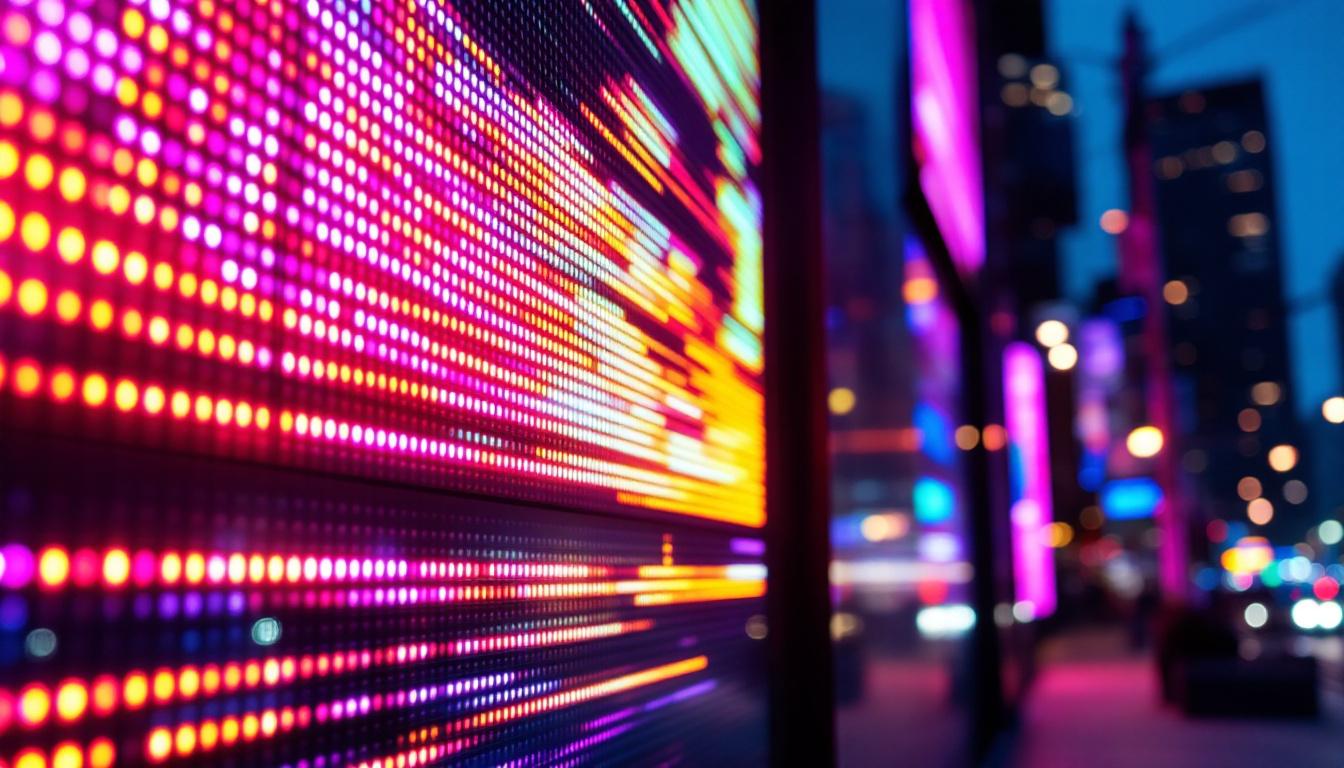
In true LED displays, each pixel is made up of one or more tiny LEDs that emit their own light. This means there is no need for a backlight. The LEDs can be individually controlled to turn on or off or adjust brightness and color, resulting in superior contrast and vibrant colors.
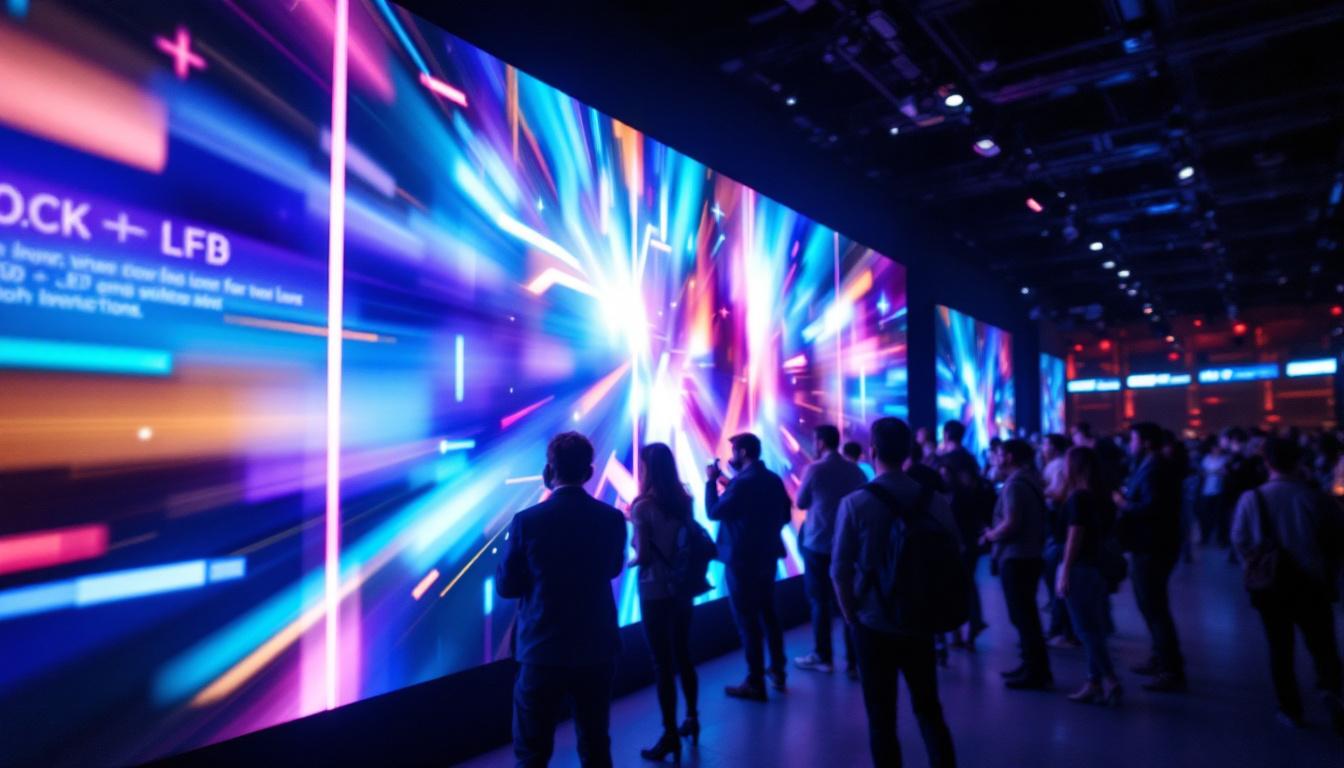
These displays are often modular, composed of panels that can be combined to create very large screens. This flexibility makes them ideal for stadiums, concerts, and public information displays.
Advantages of True LED Displays
- Superior Contrast and Black Levels: Since LEDs can be turned off completely, true black is achievable, unlike in LCDs where some backlight leakage occurs.
- High Brightness: True LED displays can achieve extremely high brightness levels, making them visible even in direct sunlight.
- Wide Viewing Angles: Colors and brightness remain consistent across wide viewing angles.
- Durability: LEDs are robust and suitable for outdoor environments.
Limitations of True LED Displays
Despite their advantages, true LED displays also have some drawbacks:
- Cost: True LED displays are generally more expensive than LED-backlit LCDs, especially for consumer applications.
- Resolution Constraints: Due to the physical size of LEDs, achieving very high pixel density for small screens is challenging, though technologies like microLED are addressing this.
- Power Consumption: While efficient, true LED displays can consume more power at high brightness levels compared to LCDs with LED backlighting.
Comparing LCD, LED-Backlit LCD, and True LED Displays
To clarify the distinctions, it is helpful to compare the three main types of displays often discussed:
| Feature | LCD (CCFL Backlit) | LED-Backlit LCD | True LED Display |
|---|---|---|---|
| Light Source | Cold Cathode Fluorescent Lamps (CCFL) | Light Emitting Diodes (LED) | Individual LEDs as Pixels |
| Panel Type | Liquid Crystal Display | Liquid Crystal Display | LED Matrix |
| Thickness | Thicker due to CCFL tubes | Thinner due to compact LEDs | Varies; often thicker for large outdoor displays |
| Energy Efficiency | Lower | Higher | Variable, generally higher at high brightness |
| Contrast Ratio | Lower due to backlight bleed | Improved with local dimming | Highest, true blacks achievable |
| Brightness | Moderate | Higher | Very High |
| Color Accuracy | Good | Better with advanced LED tech | Excellent |
| Cost | Lowest | Moderate | Highest |
Emerging Technologies: OLED and MicroLED
While LCD and LED-backlit LCD dominate the consumer market, newer display technologies are gaining traction, offering even better image quality and efficiency.
OLED (Organic Light Emitting Diode)
OLED displays use organic compounds that emit light when electrically stimulated. Like true LED displays, OLEDs do not require a backlight, allowing for incredibly thin panels with perfect black levels and excellent color accuracy.
OLED technology is widely used in premium smartphones, televisions, and monitors. However, OLEDs can suffer from burn-in and generally have a shorter lifespan compared to LED-backlit LCDs.
MicroLED
MicroLED is an emerging technology that uses microscopic LEDs as individual pixels, combining the advantages of true LED displays and OLED. MicroLEDs offer excellent brightness, contrast, and energy efficiency without the burn-in issues of OLED.
Currently, microLED displays are expensive and primarily used in high-end commercial applications, but they hold promise for future consumer devices.
Choosing the Right Display: What Should Consumers Know?
When selecting a display, understanding the differences between LCD, LED-backlit LCD, and true LED displays can help make an informed decision based on use case, budget, and desired image quality.
For Everyday Use
Most consumer TVs and monitors today are LED-backlit LCDs, offering a good balance of price, performance, and energy efficiency. Edge-lit LED displays are common in budget models, while full-array LED with local dimming is found in higher-end models, providing better contrast.
For Professional or High-End Applications
True LED displays, OLED, and microLEDs are preferred for applications requiring superior image quality, such as graphic design, video production, and home theater enthusiasts. These technologies provide better color accuracy, deeper blacks, and wider viewing angles.
Outdoor and Large-Scale Displays
True LED displays dominate outdoor signage and large venues due to their brightness, durability, and scalability. Their ability to maintain visibility in direct sunlight and withstand harsh environments makes them ideal for advertising and public information.
Conclusion
Understanding the distinctions between LCD, LED-backlit LCD, and true LED displays is essential in navigating the complex landscape of display technology. While LCD refers to the underlying panel technology, LED typically denotes the backlighting method used in modern LCD screens. True LED displays, on the other hand, use LEDs as the actual pixels, offering superior performance for specific applications.
As display technology continues to evolve with innovations like OLED and microLED, consumers and professionals alike benefit from improved image quality, energy efficiency, and design flexibility. Making an informed choice requires considering factors such as usage environment, budget, and desired visual experience.
Whether shopping for a new television, upgrading a computer monitor, or installing digital signage, understanding these technologies ensures the right investment and an optimal viewing experience.
Discover LumenMatrix’s Advanced LED Display Solutions
Now that you’re equipped with the knowledge of LCD, LED-backlit LCD, and true LED display technologies, take the next step in elevating your visual experience with LumenMatrix. As a pioneer in LED display innovation, LumenMatrix offers a diverse range of products designed to meet your specific needs. From stunning Indoor and Outdoor LED Wall Displays to dynamic Vehicle and Sports LED Displays, each solution is crafted to deliver unparalleled clarity and impact. Explore our LED Poster Displays, Floor LED Displays, Custom LED Solutions, and the revolutionary All-in-One and Transparent LED Displays. Embrace the future of visual communication and Check out LumenMatrix LED Display Solutions today to see how we can transform your space and captivate your audience.