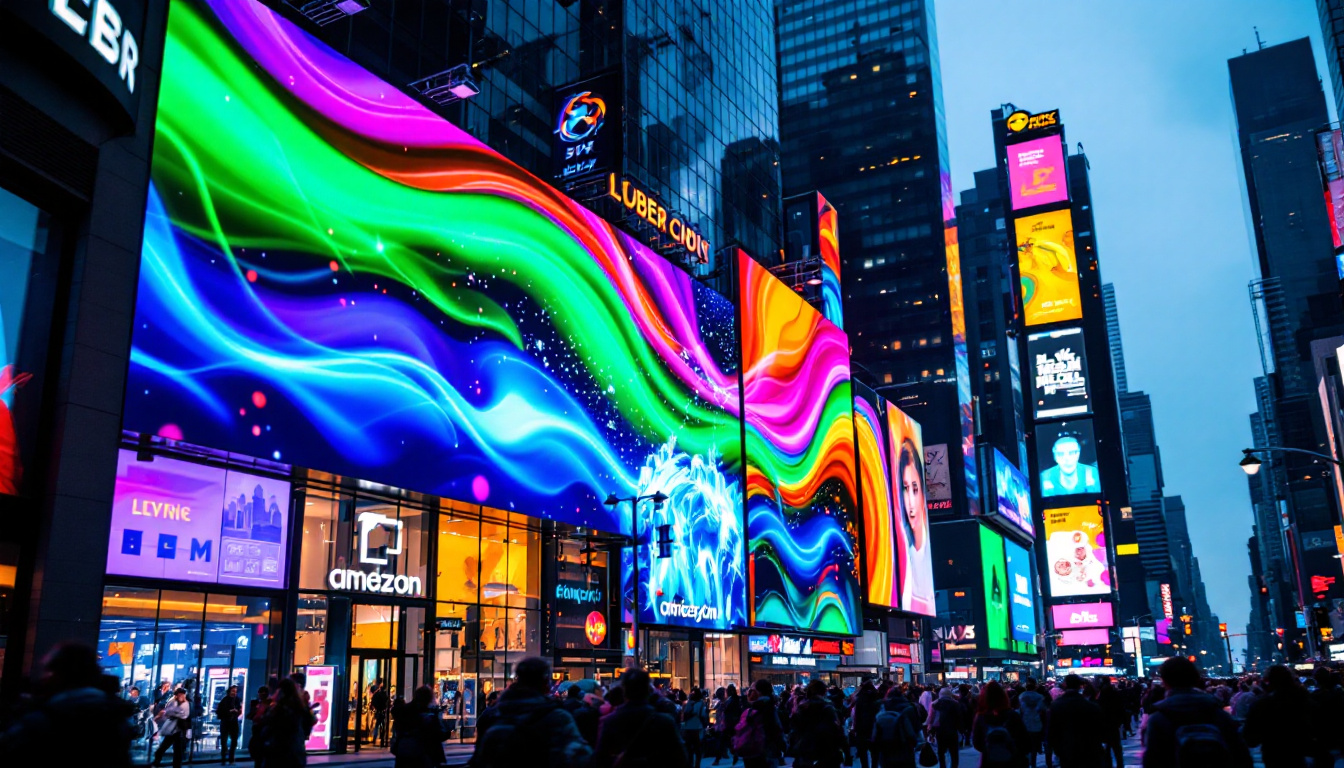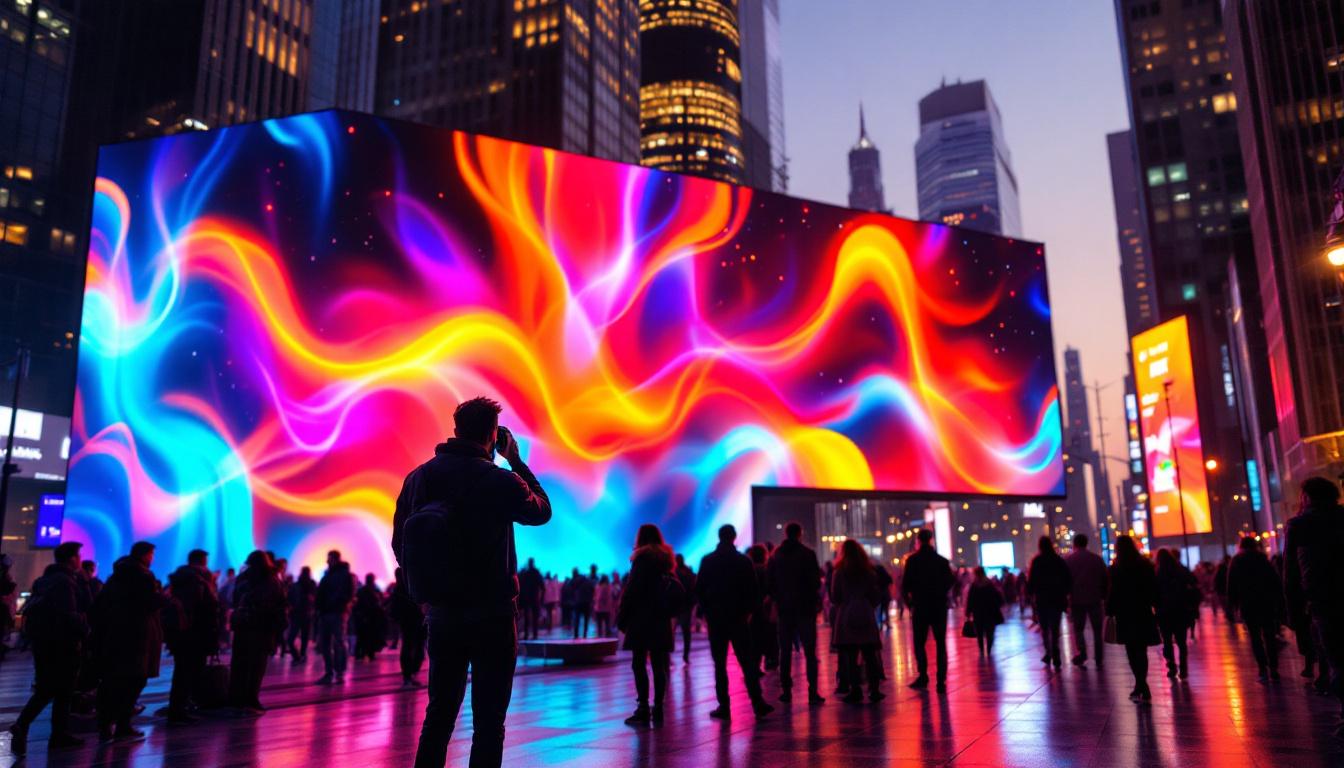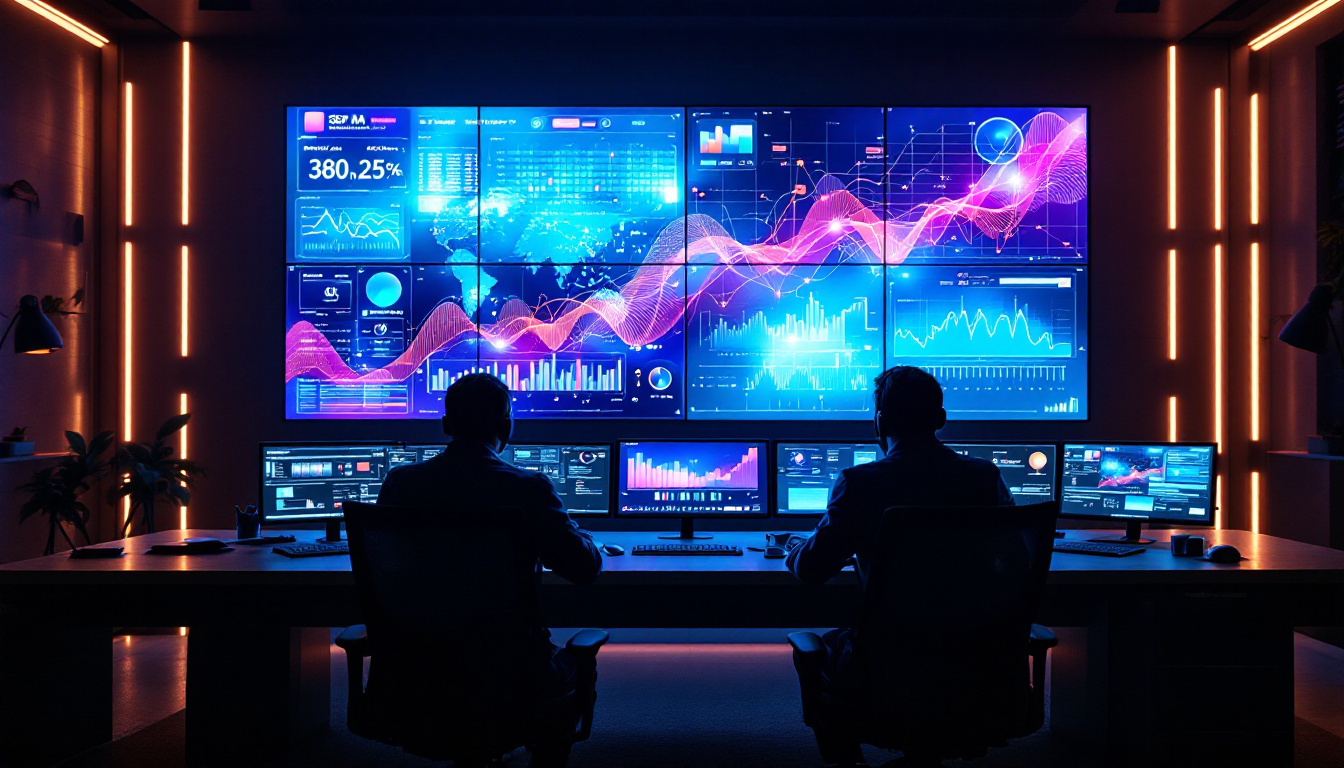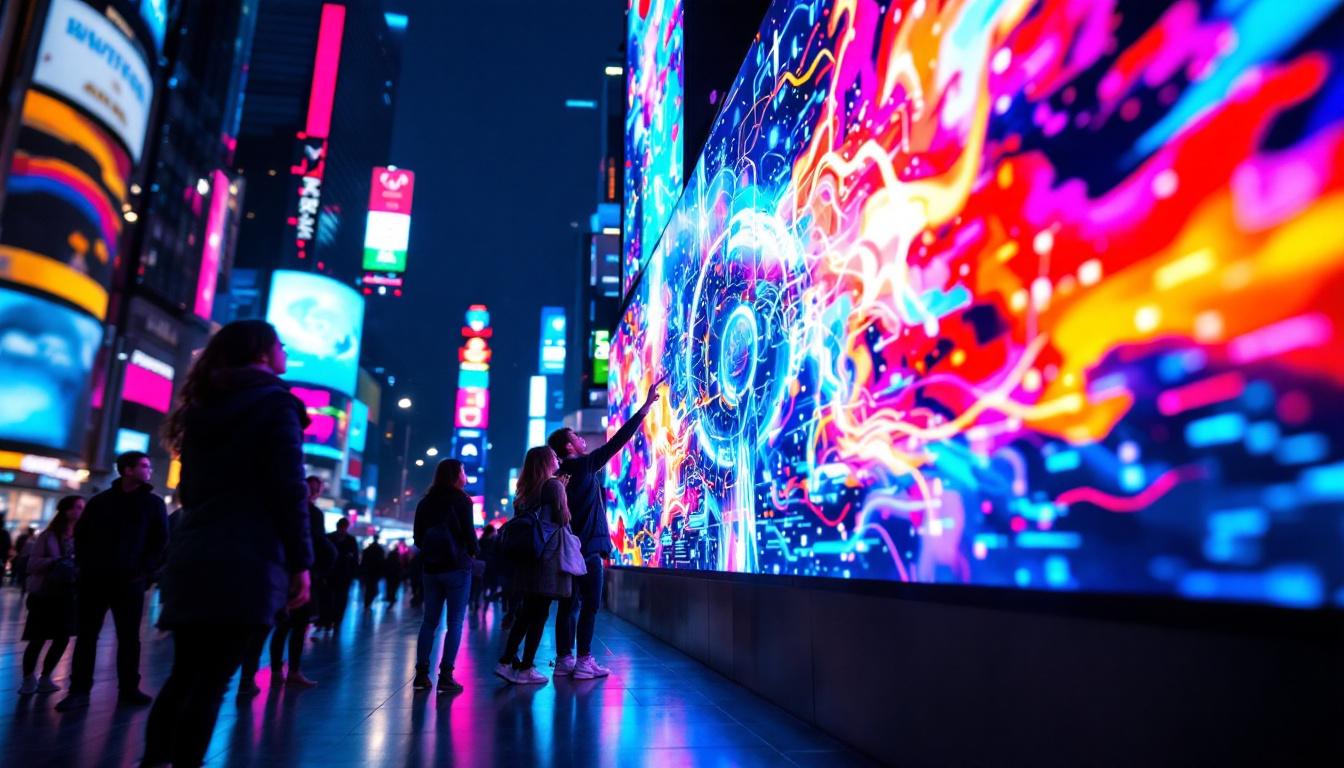
In today’s fast-paced digital world, LED displays have become a cornerstone of effective communication and advertising. From bustling city centers to retail storefronts, LED signs captivate audiences with vibrant visuals and dynamic content. However, behind the glowing screens lies a sophisticated integration of hardware and software that makes these displays truly versatile and impactful. This article dives deep into the world of software-led LED signs, explaining how software drives LED displays, their advantages, and practical applications across industries.
Understanding LED Displays: The Basics
LED, or Light Emitting Diode, technology has revolutionized the way information is presented in public spaces. Unlike traditional signage, LED displays use tiny diodes that emit light when an electric current passes through them. This technology allows for bright, energy-efficient, and long-lasting displays that can be viewed clearly in various lighting conditions. The adaptability of LED displays has made them a popular choice for everything from retail environments to transportation hubs, where visibility and clarity are paramount.
LED signs come in different forms, including single-color, dual-color, and full-color displays. Full-color LED displays, often used in advertising billboards and stadium screens, combine red, green, and blue diodes to produce millions of colors. This capability enables highly engaging, visually rich content that can attract and retain viewer attention. Moreover, the ability to program these displays for dynamic content allows businesses to change messages in real-time, making them a versatile tool for marketing and communication.
Hardware Components of LED Displays
At the core of any LED display is the physical hardware: the LED modules, power supplies, control cards, and the structural framework. LED modules are the panels that contain the diodes arranged in a grid; these modules are tiled together to create larger screens. Control cards manage the electrical signals sent to each diode, determining the brightness and color output. The power supplies are crucial as they convert standard electrical input into the necessary voltage and current for the diodes, ensuring optimal performance and longevity of the display.
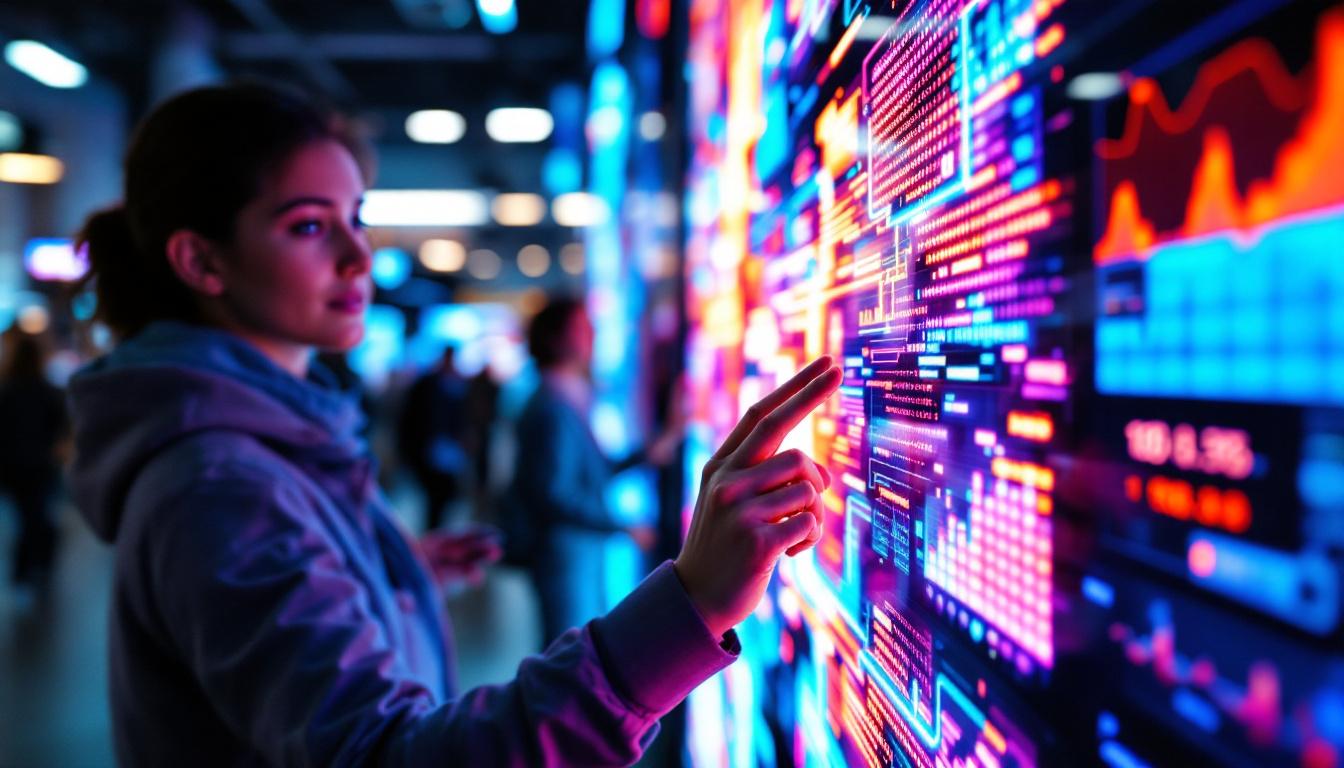
While the hardware forms the foundation, it is the software that orchestrates the display’s content, animation, and interactivity. Without software, an LED sign would be a static, unchanging board. Advanced software solutions allow for scheduling of content, integration with social media feeds, and even interactive elements that engage viewers directly. This level of interactivity can transform a simple advertisement into an immersive experience, encouraging audience participation and enhancing brand loyalty. In addition, many modern LED displays come with cloud-based management systems, enabling remote updates and monitoring, which significantly simplifies the maintenance and operational processes for businesses.
The Role of Software in LED Signage
Software is the brain behind LED displays, enabling dynamic content management, scheduling, and real-time updates. Modern LED signage software allows users to create, upload, and control multimedia content remotely, making it a powerful tool for businesses and organizations.
Content Management Systems (CMS) for LED Displays
Most LED signs operate through a specialized Content Management System (CMS) that provides a user-friendly interface for content creation and scheduling. These CMS platforms support various media types such as text, images, videos, and animations. Users can design eye-catching messages, set display timings, and even tailor content based on location or audience demographics.
For example, a retail chain can use CMS software to synchronize promotions across multiple stores, updating content instantly based on inventory or marketing campaigns. This centralized control reduces operational complexity and ensures consistent branding. Additionally, many CMS platforms offer templates and design tools that allow users with little to no graphic design experience to create professional-looking displays. This democratization of design empowers more team members to contribute to marketing efforts, fostering creativity and innovation within the organization.
Real-Time Data Integration
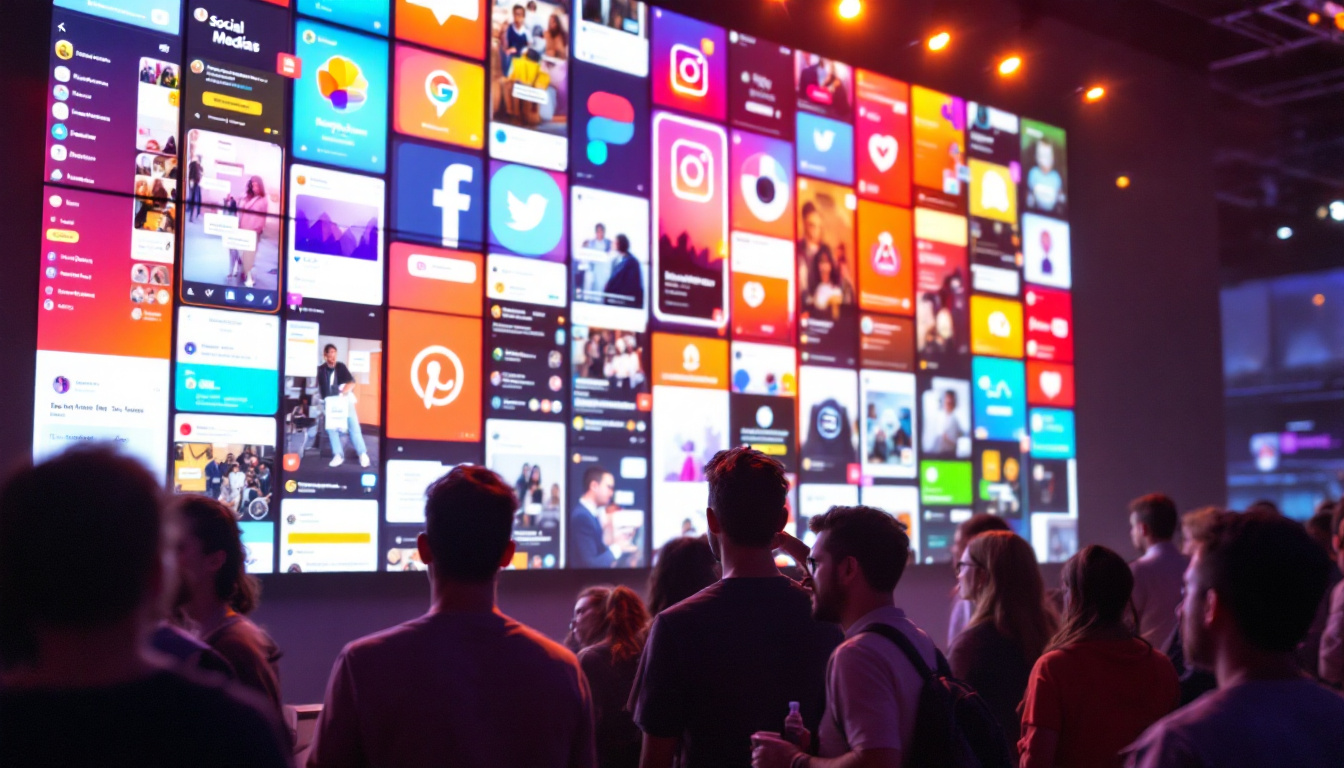
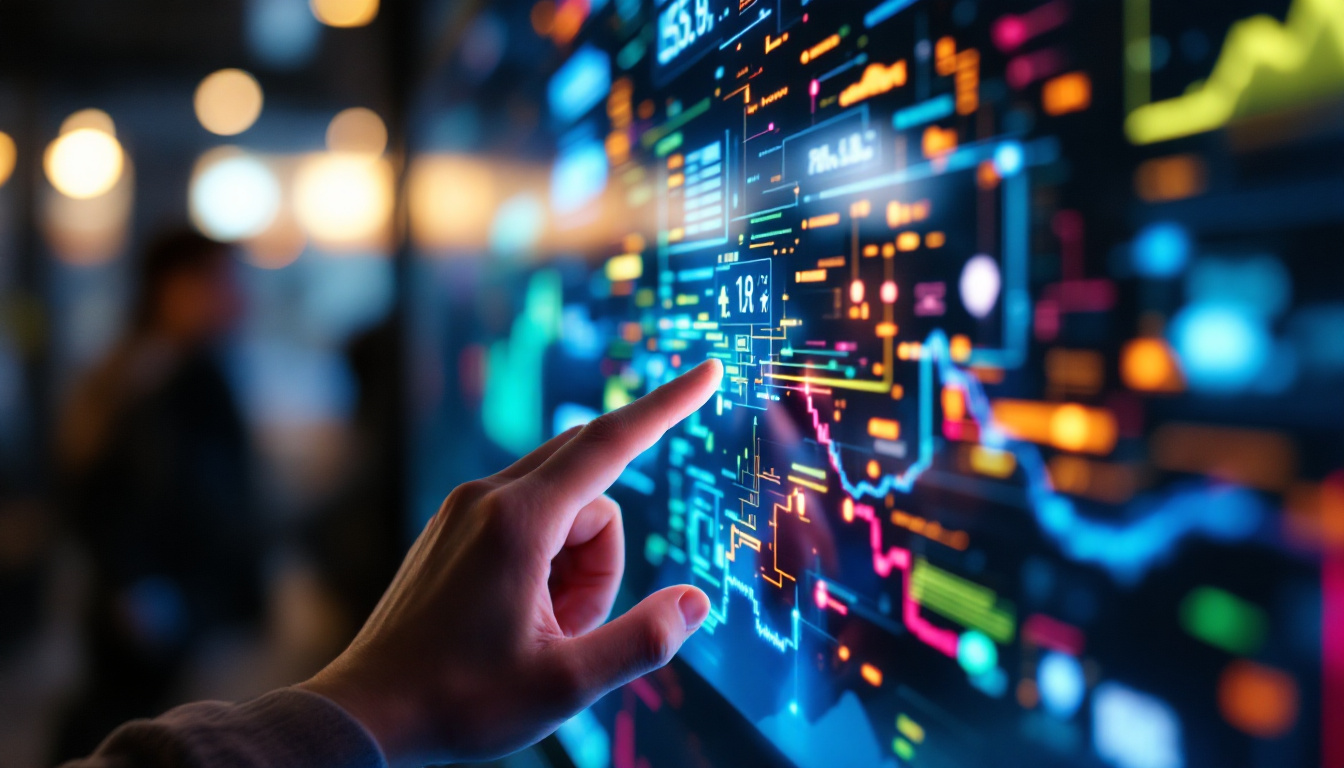
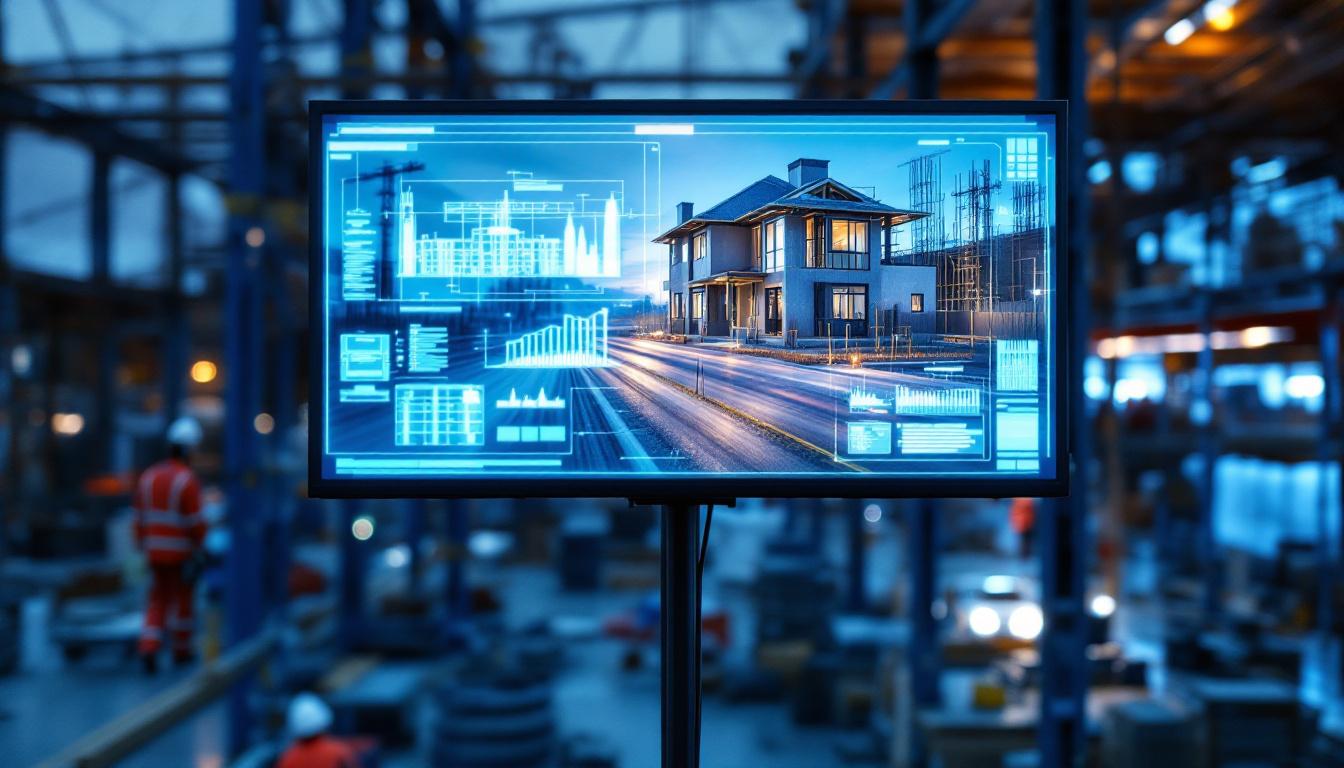
One of the most transformative aspects of software-led LED signs is their ability to integrate real-time data streams. Weather updates, stock prices, news feeds, or social media content can be displayed dynamically, keeping the signage relevant and engaging. This capability is especially valuable in sectors like transportation, where real-time arrival information improves passenger experience.
Moreover, this integration can enhance customer engagement in retail environments. For instance, a restaurant could display live social media mentions or customer reviews, creating a sense of community and encouraging patrons to share their experiences online. Additionally, businesses can leverage analytics from their LED signage software to gain insights into viewer engagement, helping them refine their messaging strategies and improve overall effectiveness. With the ability to adapt content on-the-fly based on audience reactions or external events, LED signage becomes not just a communication tool, but a dynamic part of the customer experience journey.
Advantages of Software-Driven LED Signs
Software-led LED displays offer numerous benefits over traditional static signs or hardware-only digital boards. These advantages extend from operational efficiency to enhanced audience engagement.
Flexibility and Customization
Software allows for rapid content changes without physical intervention. Businesses can tailor messages for different times of day, special events, or target audiences. This flexibility supports marketing agility, enabling companies to respond quickly to market trends or competitor actions.
Remote Accessibility and Control
With cloud-based LED signage software, operators can manage multiple displays from anywhere in the world. This remote access reduces the need for on-site maintenance and allows for quick troubleshooting or content updates, saving time and operational costs.
Cost Efficiency Over Time
Although the initial investment in LED hardware and software can be significant, the long-term savings are substantial. Software-driven content updates eliminate printing and installation costs associated with traditional signage. Additionally, LED technology’s energy efficiency and durability lower maintenance expenses.
Enhanced Audience Engagement
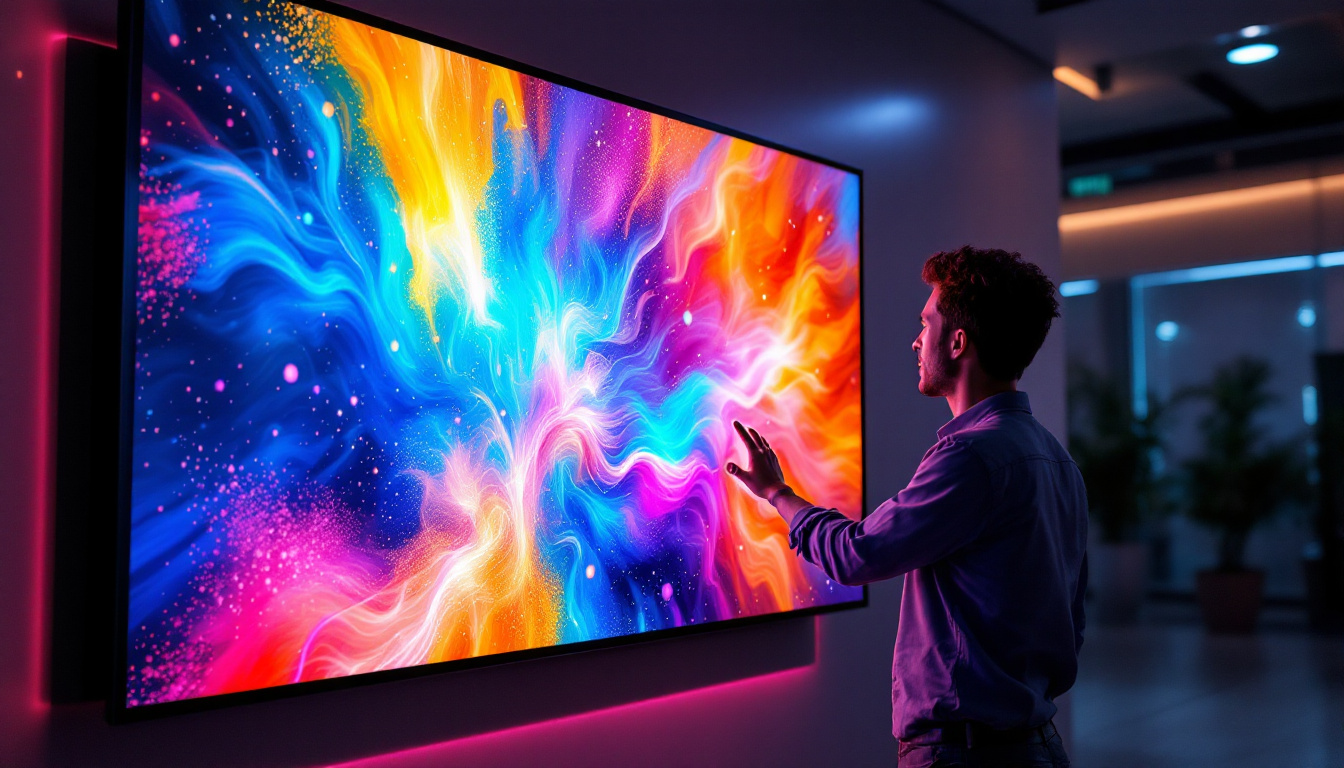
Dynamic content, animations, and real-time updates capture attention more effectively than static signs. Studies have shown that digital signage can increase customer engagement by up to 47%, leading to higher brand recall and sales conversions. Software enables the creation of interactive experiences, such as QR codes or touch-enabled displays, further deepening audience interaction.
Applications of Software-Led LED Displays
Software-controlled LED signs are versatile tools used across various industries. Their adaptability makes them suitable for marketing, public information, entertainment, and safety communications.
Retail and Advertising
Retailers use LED displays to showcase promotions, new products, and brand messages. Software enables them to schedule content that aligns with peak shopping hours or special sales events. For instance, a clothing store might display seasonal fashion videos during weekends and switch to discount announcements on weekdays.
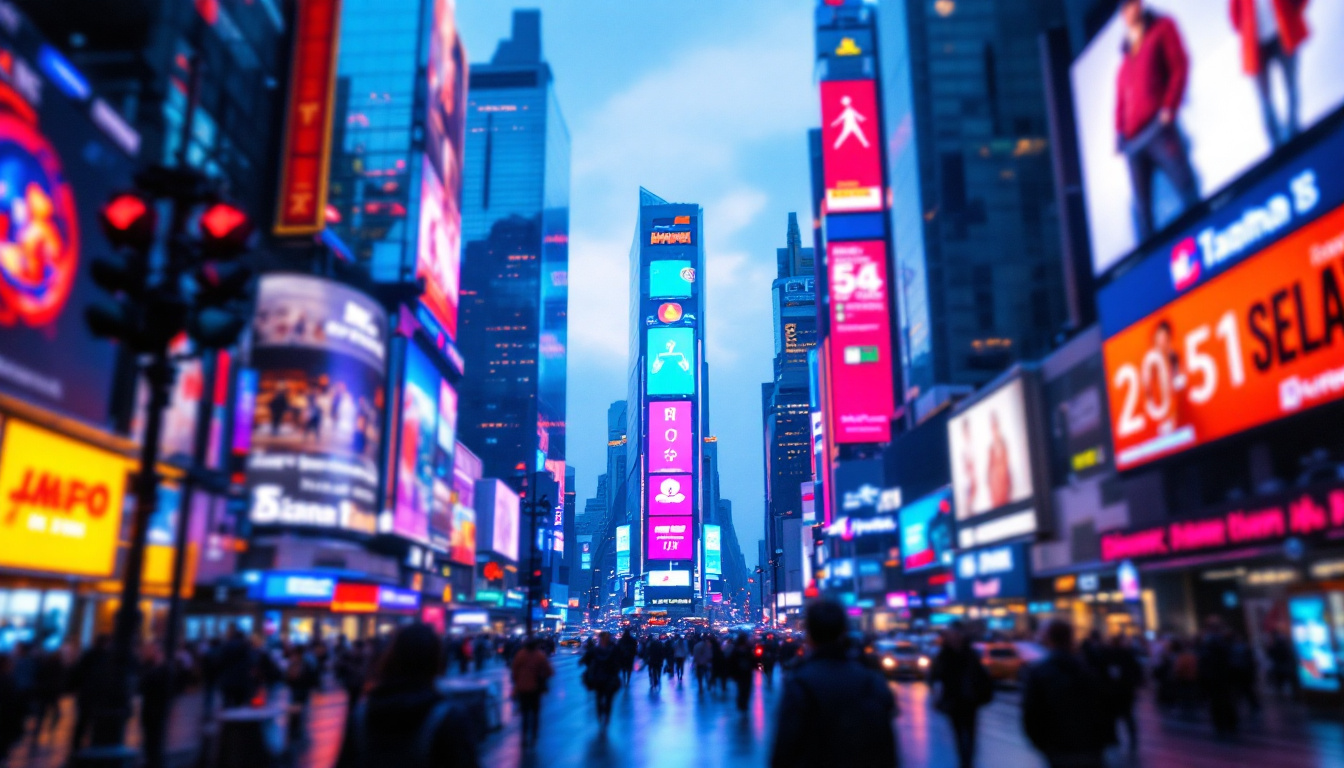
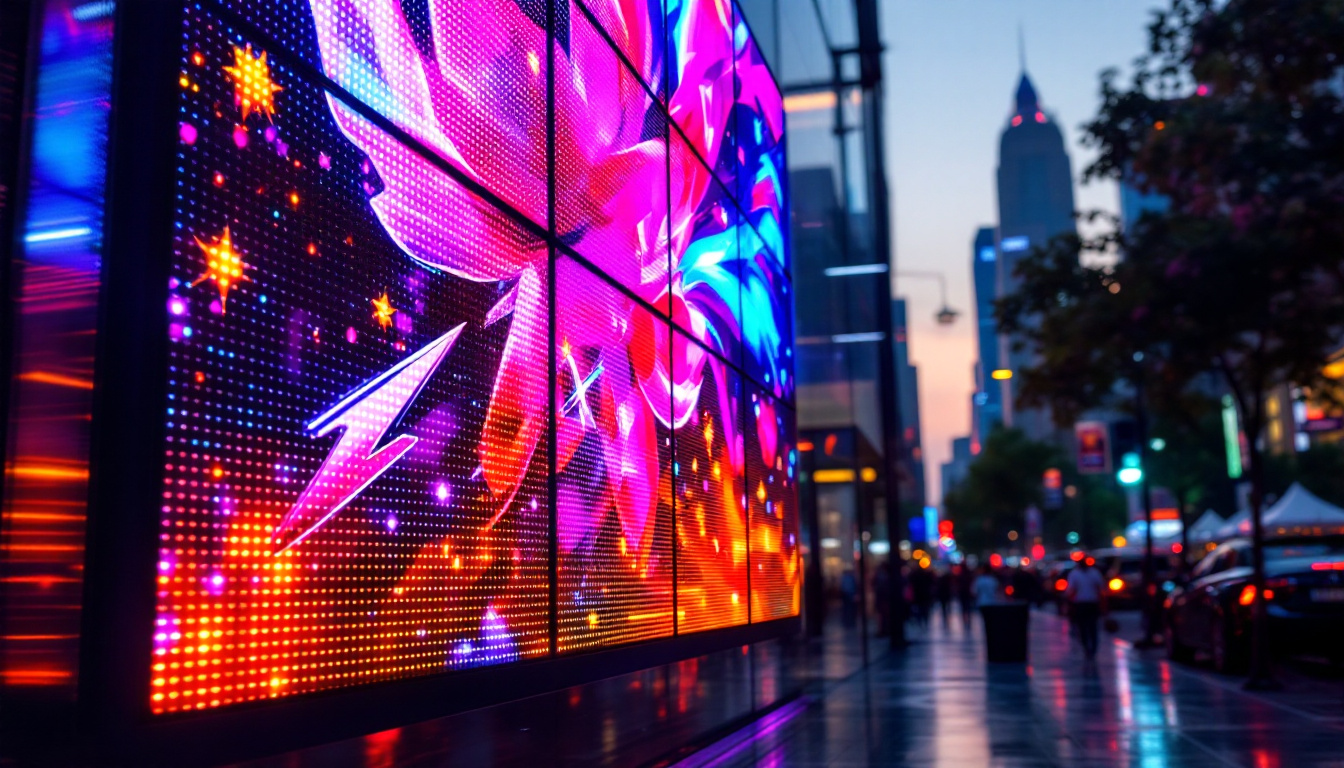
Outdoor advertising benefits from LED billboards that can be updated instantly to reflect current campaigns or breaking news. The ability to display high-resolution video content attracts more viewers and commands higher advertising rates.
Transportation and Public Spaces
In airports, train stations, and bus terminals, LED signs provide real-time updates on schedules, delays, and safety information. Software integration with transportation management systems ensures accurate and timely content delivery, improving passenger satisfaction and operational efficiency.
City authorities use LED displays for public announcements, emergency alerts, and event promotions. The capacity to broadcast urgent messages rapidly can be critical during natural disasters or public safety incidents.
Sports and Entertainment Venues
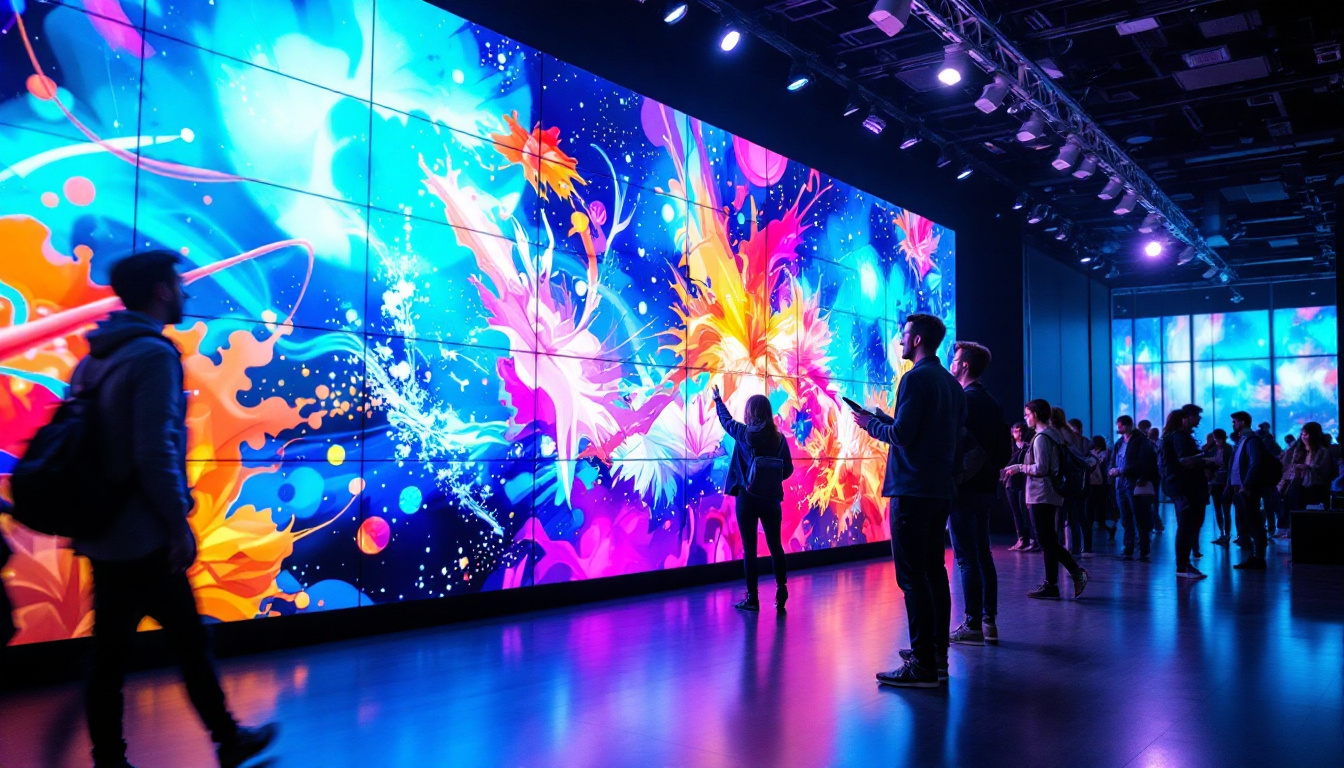
Stadiums and arenas utilize large-scale LED screens to enhance the spectator experience. Software allows for instant replays, live statistics, and interactive fan engagement features. This dynamic content keeps audiences entertained and informed throughout events.
Corporate and Educational Environments
Within corporate campuses and educational institutions, LED signs serve as communication hubs. They display meeting schedules, event notifications, and motivational messages. Software-driven content management ensures that information is current and relevant, fostering a connected community.
Choosing the Right Software for LED Signage
Selecting appropriate software is crucial to maximizing the potential of an LED display. Several factors should be considered to ensure seamless operation and content effectiveness.
User Interface and Ease of Use
A user-friendly interface reduces the learning curve and allows marketing teams or facility managers to update content without technical expertise. Drag-and-drop editors, template libraries, and preview functions enhance usability.
Compatibility and Integration
The software must be compatible with the specific LED hardware and support various file formats. Integration capabilities with external data sources, such as RSS feeds or APIs, expand the display’s functionality.
Scalability and Network Management
For organizations managing multiple displays, software should support centralized control and scheduling. Scalability ensures that the system can grow with business needs, accommodating additional screens or locations.
Security and Reliability
Robust security features protect against unauthorized access or content tampering. Reliable software minimizes downtime and ensures continuous operation, which is critical for public-facing displays.
Future Trends in Software-Led LED Displays
The LED signage industry continues to evolve rapidly, driven by advances in both hardware and software technologies. Emerging trends promise to further enhance the capabilities and impact of LED displays.
Artificial Intelligence and Personalization
AI-powered software can analyze audience demographics and behavior to deliver personalized content in real-time. For example, digital billboards might adjust advertisements based on the age or gender of passersby, increasing relevance and engagement.
Augmented Reality (AR) Integration
Combining LED displays with AR technology can create immersive experiences that blend physical and digital worlds. Interactive signage could allow users to engage with virtual objects or access additional information via smartphones.
Energy Efficiency and Sustainability
Software innovations are enabling smarter energy management, such as adjusting brightness based on ambient light or scheduling power-saving modes during low-traffic periods. These features contribute to greener operations and reduced costs.
5G Connectivity and IoT Integration
With the rollout of 5G networks, LED displays can benefit from faster data transmission and lower latency. Integration with Internet of Things (IoT) devices allows for more responsive and context-aware signage, such as adjusting content based on environmental sensors or crowd density.
Conclusion
Software-led LED signs represent a powerful convergence of technology and communication. By leveraging sophisticated software platforms, LED displays transcend traditional signage limitations, offering dynamic, customizable, and interactive content that resonates with audiences. Whether used in retail, transportation, entertainment, or corporate environments, these displays enhance engagement, improve operational efficiency, and open new avenues for creative expression.
As technology advances, the integration of AI, AR, and IoT will further transform LED signage into intelligent, adaptive tools that respond to real-world contexts in real-time. For businesses and organizations looking to stay ahead in a competitive landscape, investing in software-driven LED displays is not just an option—it’s becoming a necessity.
Illuminate Your Message with LumenMatrix
Ready to elevate your brand’s visual impact and engage your audience like never before? Explore LumenMatrix’s comprehensive range of LED display solutions, from vibrant Indoor and Outdoor LED Wall Displays to innovative LED Sports and Floor Displays. Each product is crafted with precision to ensure your message shines brightly in any setting. Embrace the future of digital signage with LumenMatrix and transform your communication strategy today. Check out LumenMatrix LED Display Solutions and start your journey towards unparalleled visual storytelling.