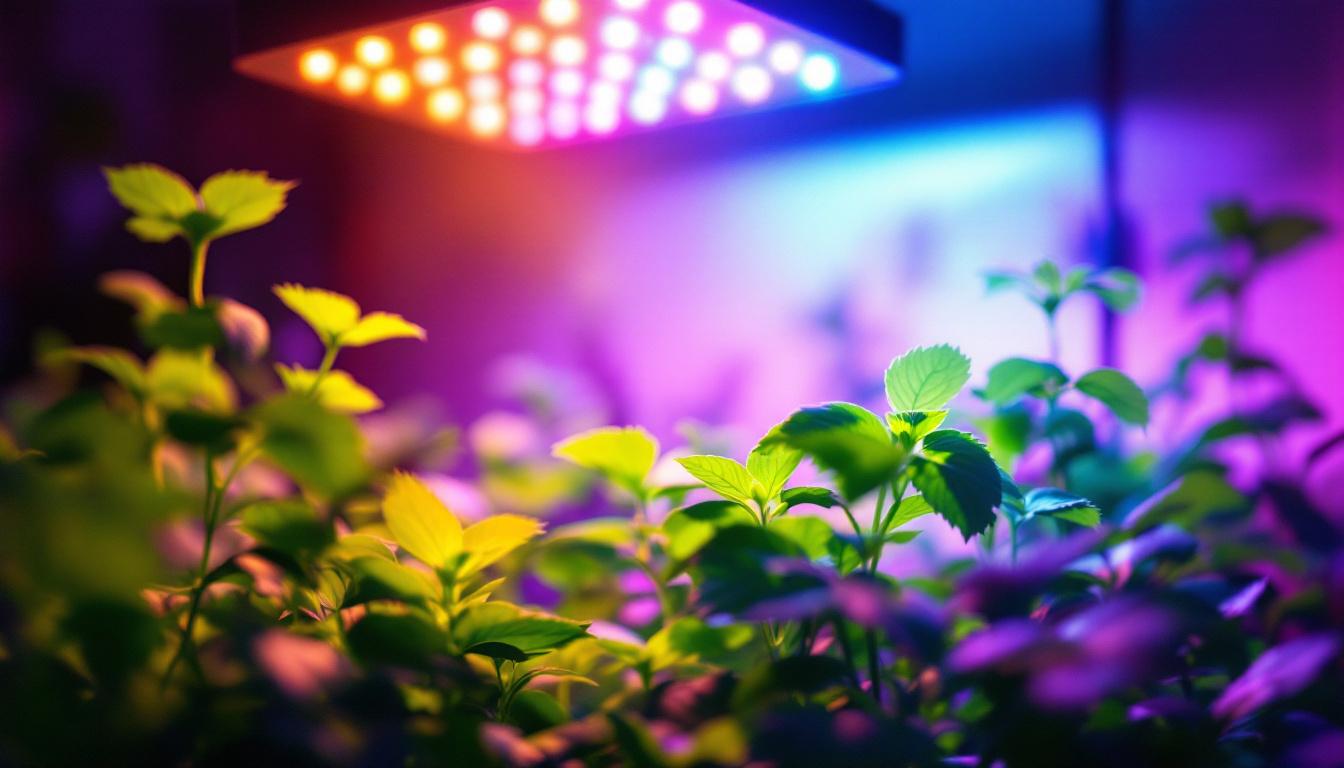
In recent years, LED grow lights have revolutionized indoor horticulture, offering efficient, customizable, and sustainable lighting solutions for plants. Among these innovations, the development of the largest LED grow lights has garnered significant attention, particularly for commercial growers and advanced hobbyists seeking maximum yield and optimal plant health. This article delves into the intricacies of the largest LED grow lights, explaining their LED display technology, benefits, and practical considerations for users.
Understanding LED Grow Lights: Basics and Benefits
LED grow lights are specialized lighting systems designed to support plant growth by emitting light spectra tailored to photosynthesis and plant development. Unlike traditional lighting such as high-pressure sodium (HPS) or fluorescent bulbs, LEDs provide a more energy-efficient and customizable solution.
The core advantage of LED grow lights lies in their ability to emit specific wavelengths of light that plants use most effectively, such as blue and red spectra. This targeted approach not only improves photosynthetic efficiency but also reduces wasted energy and heat output, which can stress plants and increase cooling costs.
For commercial growers, the switch to LED grow lights can result in up to 40% energy savings compared to HPS systems, according to recent studies by the U.S. Department of Energy. Additionally, LEDs have a longer lifespan, often exceeding 50,000 hours, which translates into lower maintenance and replacement costs over time.
Another significant benefit of LED grow lights is their versatility in various growing environments. They can be used in indoor gardens, greenhouses, and even vertical farming setups, allowing growers to optimize their lighting conditions based on specific plant species and growth stages. This adaptability makes them ideal for a wide range of horticultural applications, from small home gardens to large-scale commercial operations.
Furthermore, modern LED grow lights come equipped with advanced features such as programmable light schedules and adjustable light intensity. These features allow growers to simulate natural sunlight patterns, which can enhance plant growth and flowering cycles. By tailoring light exposure to the unique needs of each plant, growers can achieve higher yields and better-quality produce, making LED technology an invaluable tool in contemporary agriculture.
The Rise of the Largest LED Grow Lights: What Sets Them Apart?
Scale and Coverage
Largest LED grow lights are engineered to cover extensive growing areas, making them ideal for commercial greenhouses, vertical farms, and large indoor grow rooms. These units often feature arrays of hundreds or thousands of individual LEDs arranged to provide uniform light distribution over large surfaces.
For example, some of the largest LED grow lights on the market can cover areas exceeding 10,000 square feet, delivering consistent light intensity across the entire canopy. This scale reduces the need for multiple smaller fixtures, simplifying installation and maintenance. Furthermore, the ability to cover vast areas with a single lighting solution not only saves on initial setup costs but also minimizes energy consumption, making these systems more sustainable in the long run.
Advanced LED Display Technology
The term “LED display” in the context of grow lights refers to the configuration and control of the LED chips themselves. Modern large-scale LED grow lights utilize multi-chip arrays that combine different wavelengths into a single fixture, often incorporating red, blue, white, and sometimes ultraviolet (UV) and infrared (IR) LEDs.
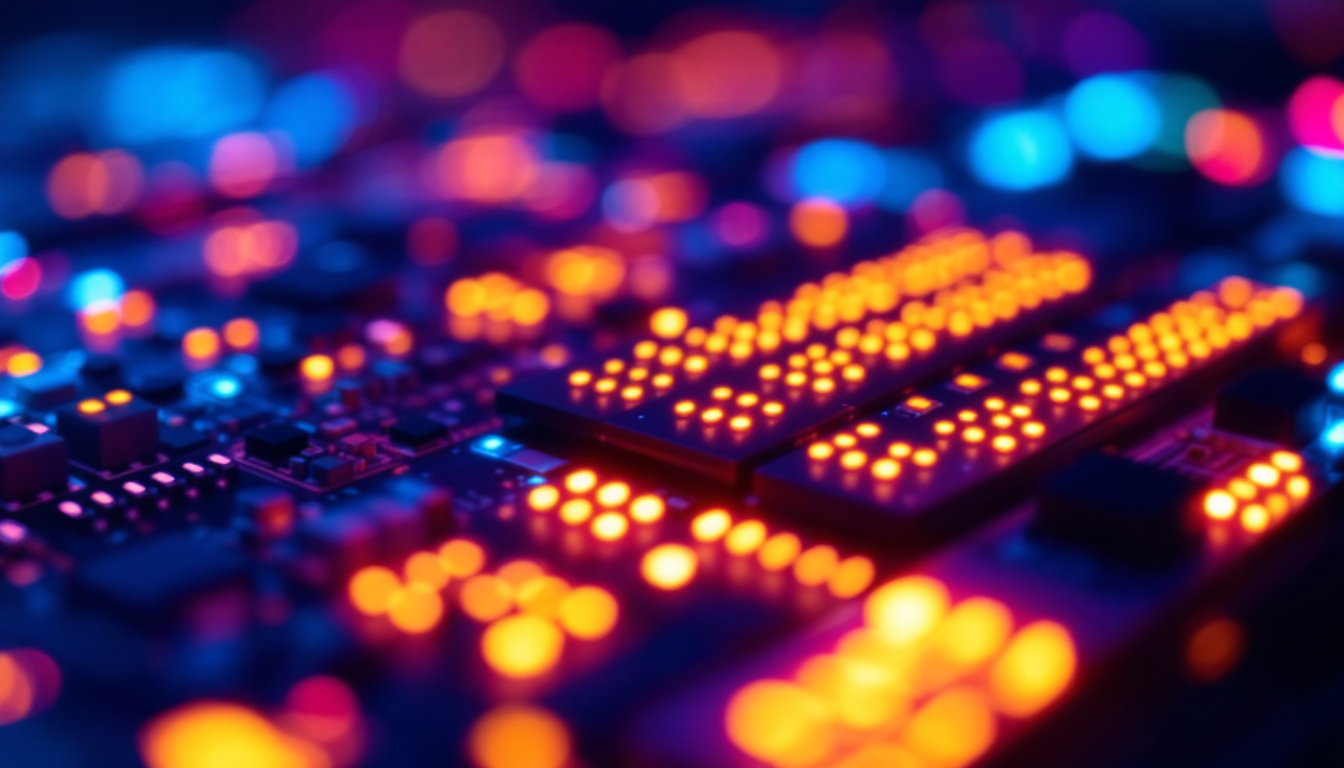
These arrays are often mounted on sophisticated circuit boards with integrated heat sinks and drivers to manage power delivery and thermal regulation. The LED display technology enables growers to fine-tune light spectra and intensity to match specific plant species and growth stages, enhancing photosynthetic efficiency and crop quality. Additionally, advancements in smart technology allow for remote monitoring and adjustments via mobile applications, giving growers greater control over their lighting environments and enabling them to respond swiftly to any changes in plant needs.
Modularity and Customization
Many large LED grow light systems are modular, allowing growers to add or remove panels depending on their spatial and lighting needs. This flexibility is crucial in commercial operations where crop types and growth cycles vary.
Moreover, some advanced systems incorporate programmable LED displays, enabling dynamic light recipes that adjust automatically throughout the day or growth cycle. This feature mimics natural sunlight patterns and can stimulate plant processes such as flowering and fruiting more effectively than static lighting. Beyond just light recipes, these systems can also integrate with environmental controls, allowing for synchronized adjustments in temperature and humidity, which are vital for optimizing plant health and maximizing yields. As a result, growers can create a highly customized environment that not only meets the specific needs of their plants but also enhances overall operational efficiency.
Technical Aspects of the Largest LED Grow Light Displays
LED Chip Types and Spectral Output
The quality and type of LED chips used in large grow lights significantly influence their performance. Typically, these lights use high-power chips from reputable manufacturers, such as Cree, Osram, or Samsung, known for their efficiency and reliability.
Red LEDs (around 660 nm) promote flowering and fruiting, while blue LEDs (around 450 nm) encourage vegetative growth and strong stems. White LEDs provide a broad spectrum that supports overall plant health and makes it easier for growers to observe plants without additional lighting.
Some of the most advanced LED displays incorporate UV (around 380 nm) and IR (around 730 nm) wavelengths. UV light can enhance plant pigmentation and resistance to pests, while IR light influences flowering timing and plant morphology.
Power Consumption and Efficiency
Largest LED grow lights are designed to maximize photosynthetic photon flux density (PPFD) while minimizing energy consumption. PPFD measures the amount of usable light (in micromoles per square meter per second) that reaches the plant canopy.
Top-tier large LED grow lights can deliver PPFD values exceeding 1000 µmol/m²/s over large areas while maintaining power efficiencies above 2.5 µmol/Joule. This level of efficiency means growers can achieve high yields without incurring prohibitively high electricity costs.
Thermal Management and Longevity
Heat dissipation is a critical factor in the design of large LED grow lights. Excess heat can reduce LED lifespan and degrade light quality. To address this, manufacturers integrate advanced heat sinks, fans, and sometimes liquid cooling systems to maintain optimal operating temperatures.
Proper thermal management ensures that the LED display maintains consistent light output and color spectrum over thousands of hours, preserving plant growth conditions and protecting the investment in lighting infrastructure.
Applications and Advantages of Using the Largest LED Grow Lights
Commercial Agriculture and Vertical Farming
Large LED grow lights have become indispensable in commercial agriculture, particularly in vertical farming where space is at a premium. Their ability to deliver intense, uniform light across stacked layers of crops maximizes yield per square foot.
Vertical farms using large LED arrays can produce leafy greens, herbs, and even fruiting plants year-round, independent of outdoor climate conditions. This consistency improves supply chain reliability and reduces transportation emissions by enabling urban farming.
Greenhouse Supplementary Lighting
In traditional greenhouses, natural sunlight can be supplemented with large LED grow lights to extend photoperiods or compensate for low light conditions during winter months. This approach enhances plant growth rates and accelerates crop cycles.
Unlike HPS lamps, LED grow lights produce less heat, reducing the risk of overheating and allowing for closer placement to plants. This proximity increases light intensity and energy efficiency.
Research and Development
Research institutions and plant breeders utilize large LED grow lights to conduct controlled experiments on plant responses to various light spectra. The programmable nature of these LED displays enables precise manipulation of light variables, facilitating breakthroughs in crop genetics and cultivation techniques.
Considerations When Choosing the Largest LED Grow Light
Assessing Light Coverage and Intensity Needs
Before investing in a large LED grow light, it is essential to evaluate the size of the growing area and the light intensity requirements of the crops. Different plants have varying optimal PPFD ranges; for instance, leafy greens thrive at lower intensities compared to fruiting plants like tomatoes or peppers.
Choosing a fixture that offers adjustable intensity or modular expansion can provide flexibility as cultivation needs evolve.
Energy Consumption and Operating Costs
While LED grow lights are more energy-efficient than traditional options, the largest units still consume significant power. Growers should calculate expected electricity costs and consider integrating renewable energy sources or energy management systems to optimize operating expenses.
Installation and Maintenance
Large LED grow lights require proper mounting infrastructure and electrical setup. It is advisable to work with experienced professionals to ensure safe and effective installation.
Maintenance considerations include cleaning LED surfaces, monitoring heat sinks, and ensuring drivers and control systems function correctly. Many manufacturers offer warranties and support services that can mitigate downtime and repair costs.
Future Trends in Largest LED Grow Light Technology
The development of the largest LED grow lights continues to advance rapidly, driven by innovations in LED chip efficiency, smart controls, and integration with Internet of Things (IoT) technologies.
Emerging trends include adaptive lighting systems that respond in real-time to plant health sensors, optimizing light delivery for maximum growth and resource efficiency. Additionally, improvements in quantum dot technology promise even more precise spectral tuning, potentially unlocking new growth potentials.
As sustainability becomes a central focus in agriculture, the largest LED grow lights will play a pivotal role in enabling high-yield, low-impact indoor farming solutions worldwide.
Conclusion
The largest LED grow lights represent a significant leap forward in indoor horticulture technology. Their advanced LED display configurations, high efficiency, and scalability make them indispensable tools for commercial growers, researchers, and urban farmers alike.
Understanding the technical aspects and practical applications of these systems empowers growers to make informed decisions that optimize plant health, yield, and operational costs. As technology continues to evolve, the future of LED grow lighting promises even greater innovations that will shape the landscape of sustainable agriculture.
Illuminate Your Grow Space with LumenMatrix
Ready to harness the power of the largest LED grow lights for your horticultural projects? LumenMatrix is at the forefront of LED display technology, offering a spectrum of innovative solutions that can transform your indoor farming experience. From enhancing plant growth to optimizing your operational efficiency, our LED display modules are designed to meet the diverse needs of commercial growers, researchers, and urban farmers. Check out LumenMatrix LED Display Solutions today and take the first step towards a brighter, more sustainable future in agriculture.