In modern architectural and construction projects, integrating technology seamlessly into building structures has become increasingly important. One such innovation is the incorporation of LED displays within block walls, often referred to as a “window in block wall” detail. This design element not only enhances the aesthetic appeal of buildings but also serves functional purposes such as advertising, information dissemination, and interactive engagement. This article explores the technical, structural, and design considerations involved in embedding LED displays within block walls, providing a comprehensive understanding for architects, engineers, and builders.
Understanding the Concept of Window in Block Wall Detail
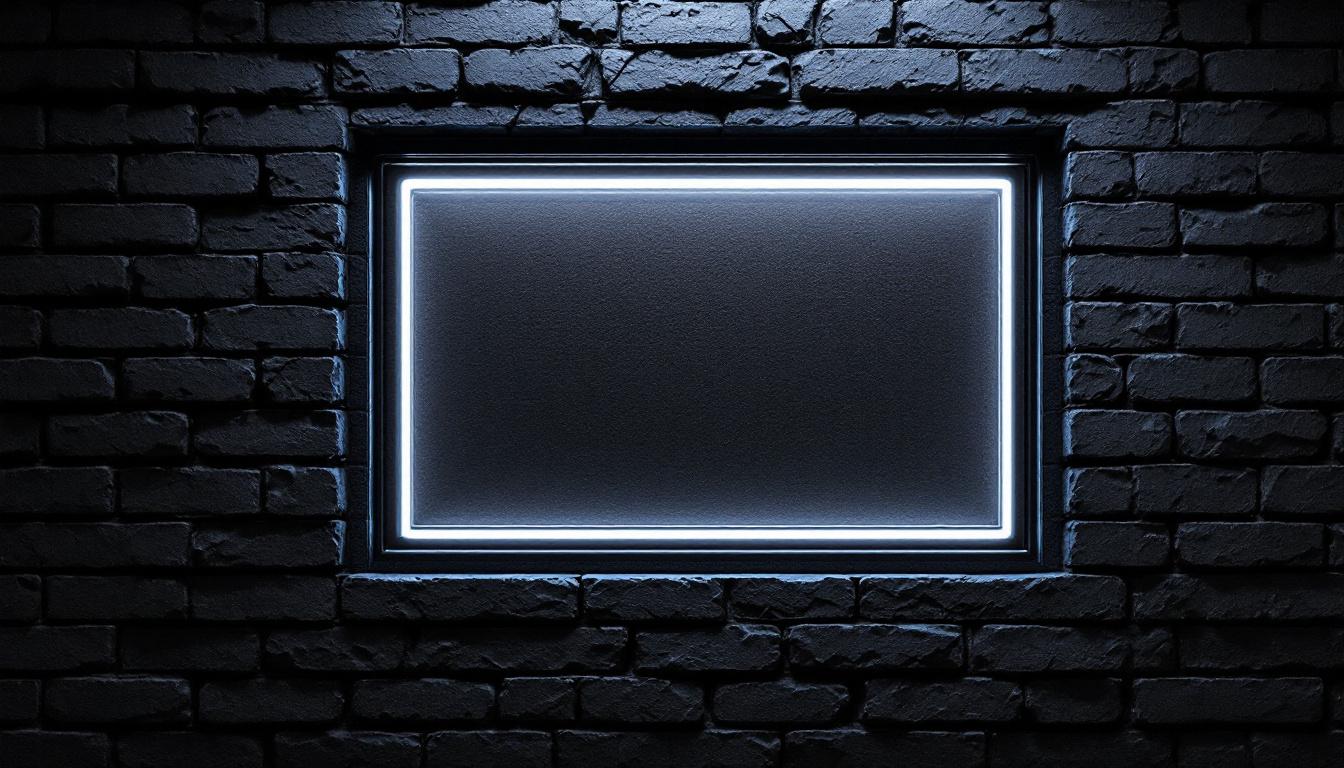
The term “window in block wall” refers to an intentional opening or recess within a masonry block wall designed to house an LED display panel. Unlike traditional windows that allow light and air to pass through, these “windows” are solid installations that incorporate digital screens. This approach blends the robustness of block construction with the dynamic capabilities of LED technology.
LED (Light Emitting Diode) displays have become ubiquitous in public spaces due to their brightness, energy efficiency, and versatility. When integrated into block walls, they offer a unique way to communicate messages or enhance the visual appeal of a structure without compromising the wall’s integrity. The combination of durable masonry and cutting-edge display technology not only provides a functional solution but also transforms the aesthetic experience of a space, making it more engaging for visitors.
Furthermore, the strategic placement of these LED displays can significantly influence the flow of information in a building. For instance, in commercial settings, they can serve as digital signage to promote products, share news, or provide directions, effectively guiding foot traffic and enhancing the customer experience. In educational institutions, these displays can be used to showcase important announcements or highlight student achievements, fostering a sense of community and pride among students and faculty alike.
Why Choose LED Displays in Block Walls?
There are several compelling reasons for embedding LED displays within block walls:
- Durability: Block walls provide a sturdy frame that protects the LED display from physical damage and environmental factors.
- Seamless Integration: Embedding the display creates a flush, streamlined appearance that avoids the bulky look of mounted screens.
- Energy Efficiency: Modern LED technology consumes less power compared to other display types, making it cost-effective for long-term use.
- Enhanced Visibility: LED displays offer high brightness and contrast, ensuring visibility even in direct sunlight.
Additionally, the use of LED displays in block walls can contribute to sustainability efforts. Many LED systems are designed to be environmentally friendly, utilizing materials and technologies that reduce waste and energy consumption. By choosing to integrate these displays into block walls, businesses and organizations can demonstrate their commitment to green practices while simultaneously enhancing their branding and outreach capabilities. The adaptability of LED technology also means that as advancements occur, these displays can be updated or replaced with minimal disruption, ensuring that the installation remains current and effective over time.
Technical Considerations for Embedding LED Displays in Block Walls
Integrating an LED display into a block wall requires careful planning and execution to ensure structural integrity, optimal performance, and longevity. Several technical factors must be addressed during the design and construction phases.
Structural Design and Support
Block walls are typically load-bearing or non-load-bearing masonry structures composed of concrete or cinder blocks. Creating an opening for an LED display involves modifying the wall’s structure, which can affect its strength. To maintain stability, engineers often incorporate reinforced concrete lintels or steel frames around the opening.
Reinforcement is essential to distribute loads around the display and prevent cracking or sagging. The size and weight of the LED panel influence the type and extent of reinforcement needed. For example, larger displays require more robust support systems.
Weatherproofing and Environmental Protection
LED displays embedded in exterior block walls are exposed to weather elements such as rain, wind, dust, and temperature fluctuations. Proper sealing and waterproofing are critical to protect the electronic components.
Common solutions include:
- Installing weatherproof enclosures with IP65 or higher ratings to prevent water ingress.
- Using gaskets and sealants around the perimeter of the display.
- Incorporating ventilation systems to manage heat generated by the LEDs while preventing moisture buildup.
Electrical and Data Connectivity
Power supply and data connections must be carefully routed through the block wall to the LED display. Conduits embedded within the wall often carry wiring, ensuring protection and accessibility for maintenance.
Additionally, designers must consider:
- Voltage requirements and surge protection to safeguard the display electronics.
- Data transmission methods, such as fiber optic cables or wireless systems, depending on the installation environment.
- Accessibility for troubleshooting and replacement without damaging the block wall.
Thermal Management
LED displays generate heat during operation, which can affect performance and lifespan if not properly managed. Block walls, being dense and insulating, can trap heat around the display.
Effective thermal management strategies include:
- Incorporating heat sinks and fans within the LED module.
- Designing ventilation gaps or channels within the block wall assembly.
- Using materials with good thermal conductivity around the display opening.
Design and Aesthetic Integration
The visual impact of embedding an LED display within a block wall is significant, and thoughtful design ensures the display complements the building’s architecture.
Choosing the Right LED Display Type
LED displays come in various formats, including:
- Indoor vs. Outdoor: Outdoor-rated displays have higher brightness and weather resistance.
- Fixed vs. Modular: Modular panels allow for easier installation and maintenance.
- Pixel Pitch: The distance between individual LEDs affects image resolution and viewing distance. Smaller pixel pitch is ideal for close viewing, while larger pitch suits distant audiences.
Selecting the appropriate display type ensures the content is clear and engaging for the intended viewers.
Architectural Harmony
Integrating an LED display into a block wall should enhance, not detract from, the building’s overall aesthetic. Designers often use the following approaches:
- Framing: Using complementary materials such as metal or wood trim around the display to create a defined “window” effect.
- Color Matching: Choosing LED display bezels and surrounding finishes that blend with the block wall’s color palette.
- Content Design: Tailoring the display content to reflect the building’s purpose, branding, or environment, ensuring a cohesive visual experience.
Lighting and Visibility Considerations
Proper illumination is critical for the LED display to stand out without overwhelming the surroundings. Designers may incorporate ambient lighting or shading elements to optimize visibility during different times of day.
For example, installing sunshades or louvers above the display can reduce glare, while integrated lighting can highlight the display during nighttime.
Applications and Benefits of LED Displays in Block Walls
The versatility of LED displays embedded in block walls opens up a range of applications across various sectors.
Commercial and Retail Environments
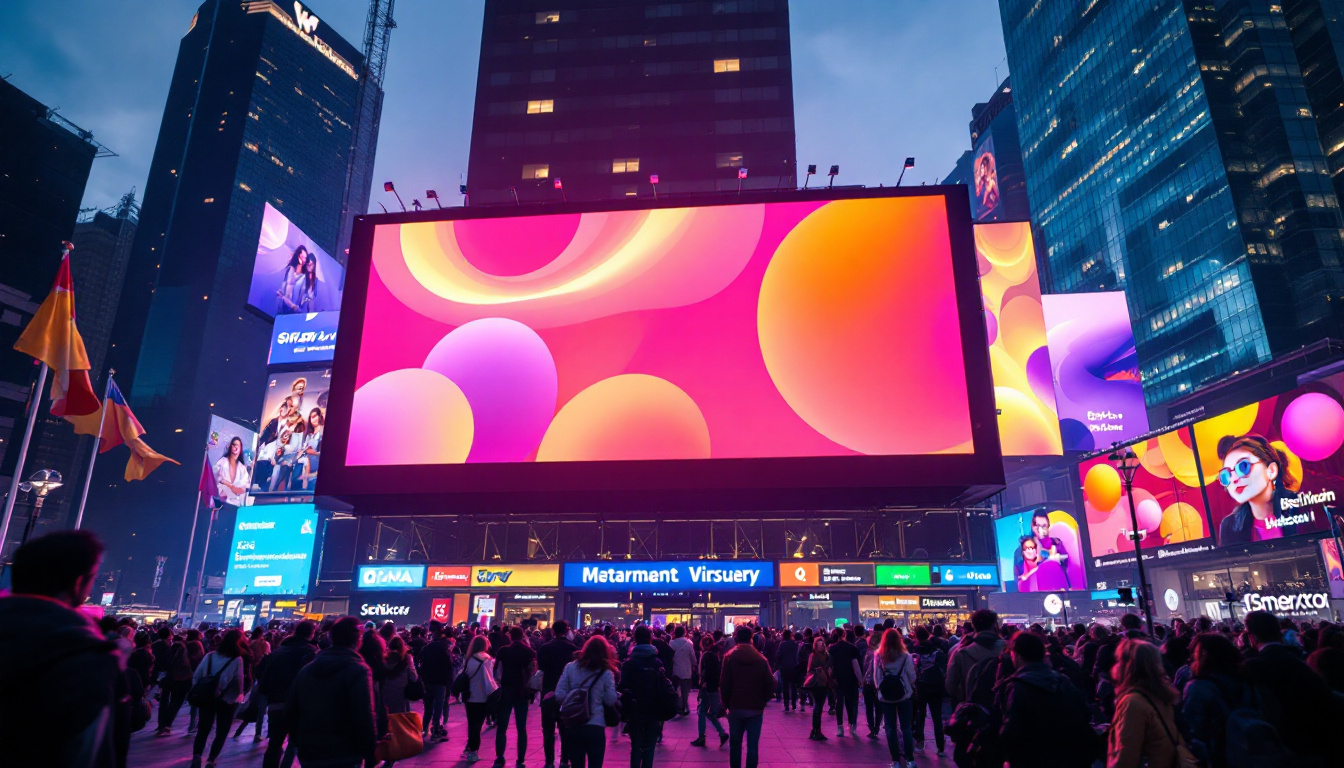
Retail stores and shopping centers use LED displays within block walls to showcase promotions, advertisements, and interactive content. This approach attracts customers and enhances brand visibility.
For instance, a retail facade featuring a large LED “window” can dynamically change its messaging throughout the day, adapting to sales events or seasonal campaigns.
Public Spaces and Urban Design
Municipalities and urban planners incorporate LED displays in block walls to provide real-time information such as transit schedules, weather updates, or public announcements. These installations contribute to smart city initiatives by improving communication with residents and visitors.
Corporate and Institutional Buildings
Corporate headquarters and educational institutions use embedded LED displays for branding, event information, and wayfinding. The integration within block walls offers a professional and modern appearance while maintaining security and durability.
Benefits Summary
- Enhanced Communication: Dynamic content delivery improves engagement and information dissemination.
- Space Efficiency: Embedding displays saves space compared to freestanding or mounted units.
- Security: The display is less vulnerable to vandalism due to its recessed installation.
- Longevity: Protection from environmental elements extends the lifespan of the display.
Installation Best Practices and Maintenance
Successful implementation of an LED display within a block wall requires adherence to best practices during installation and ongoing maintenance.
Pre-Installation Planning
Before construction, detailed coordination between architects, structural engineers, electrical contractors, and LED display manufacturers is essential. This collaboration ensures:
- Accurate dimensions and tolerances for the display opening.
- Proper integration of electrical and data infrastructure.
- Compliance with local building codes and safety standards.
Installation Process
Key steps include:
- Constructing the block wall with the designated opening reinforced as per engineering specifications.
- Installing waterproofing membranes and sealants to protect the display cavity.
- Mounting the LED display securely with consideration for thermal expansion and vibration.
- Connecting power and data lines with appropriate surge protection and cable management.
Maintenance and Troubleshooting
Regular maintenance ensures optimal performance and extends the display’s lifespan. Recommended practices include:
- Periodic cleaning of the display surface to remove dust and debris.
- Inspection of seals and enclosures for signs of wear or damage.
- Monitoring electrical connections and replacing faulty components promptly.
- Software updates to maintain content management and display functionality.
Access panels or removable modules within the block wall design facilitate maintenance without requiring major structural alterations.
Future Trends and Innovations
As LED technology and construction methods evolve, new possibilities emerge for integrating displays within block walls.
Flexible and Transparent LED Panels
Advancements in flexible LED technology allow displays to conform to curved or irregular surfaces, expanding design options. Transparent LED panels enable displays that do not obscure natural light, combining functionality with openness.
Smart Integration and IoT Connectivity
Future installations may incorporate sensors and IoT devices to enable interactive experiences and real-time data analytics. For example, displays could adjust brightness based on ambient light or show customized content triggered by nearby mobile devices.
Sustainability and Energy Efficiency
Innovations in low-power LEDs and renewable energy integration, such as solar panels embedded in block walls, will reduce the environmental footprint of these installations.
Conclusion
Embedding LED displays within block walls is a sophisticated architectural detail that combines structural engineering, technology, and design. This approach offers durable, visually appealing, and functional solutions for a wide range of applications, from commercial advertising to public information systems.
Successful implementation requires careful consideration of structural support, weatherproofing, electrical infrastructure, and aesthetic integration. As LED technology continues to advance, the potential for innovative and sustainable applications within block walls will only grow, making this a dynamic area of interest for architects, engineers, and developers alike.
Discover LumenMatrix LED Display Solutions
Ready to elevate your architectural projects with the latest in LED display technology? LumenMatrix offers a comprehensive range of innovative solutions tailored to your needs. From Indoor and Outdoor LED Wall Displays to specialized options like Vehicle, Sports, and Floor LED Displays, our products are designed to integrate seamlessly into any block wall detail, providing exceptional durability and captivating visual experiences. Embrace the future of visual communication with LumenMatrix and transform your space into a dynamic environment. Check out LumenMatrix LED Display Solutions today and start making a lasting impression.