In the world of modern electronics, display technology plays a crucial role in how we interact with devices, from smartphones and televisions to computer monitors and digital signage. Two of the most commonly encountered terms are LCD and LED displays. While they might seem interchangeable to many, understanding their full forms, underlying technologies, and differences is essential for making informed decisions whether you’re purchasing a new device or simply curious about how screens work. This article delves into the full form of LCD, explains LED displays, and clarifies the distinctions and applications of both technologies.
Understanding the Full Form and Basics of LCD Display
What Does LCD Stand For?
LCD stands for Liquid Crystal Display. This technology has been a staple in the display industry for several decades, powering everything from digital watches to large television screens. The fundamental principle behind LCD technology involves using liquid crystals that modulate light to produce images. The innovation of LCD technology has significantly transformed how we interact with digital content, making it more accessible and visually appealing.
How Does an LCD Work?
Liquid crystals themselves do not emit light. Instead, they control the passage of light from a backlight or reflector. An LCD panel consists of several layers, including polarizing filters, glass substrates, and the liquid crystal layer sandwiched between them. When an electric current is applied, the liquid crystals align in a way that either blocks or allows light to pass through, creating the desired image on the screen. This intricate process allows for the precise control of light, resulting in sharp and vibrant visuals.
This method of controlling light results in displays that are thin, lightweight, and energy-efficient compared to older technologies like cathode ray tubes (CRT). The first commercial LCDs appeared in the 1970s, and since then, the technology has evolved significantly, becoming the dominant display type for many applications. Modern advancements have led to the development of high-definition and 4K LCDs, which provide even greater clarity and detail, enhancing the viewing experience for movies, games, and other media.
Types of LCD Panels
Within the LCD category, there are several panel types, each with unique characteristics:
- Twisted Nematic (TN): Known for fast response times and affordability but limited viewing angles and color reproduction.
- In-Plane Switching (IPS): Offers better color accuracy and wider viewing angles, making it popular for professional monitors and smartphones.
- Vertical Alignment (VA): Provides higher contrast ratios and deeper blacks, often used in TVs and high-end monitors.
Understanding these variations helps consumers select the right LCD display for their specific needs. For instance, gamers might prefer TN panels for their rapid refresh rates, while graphic designers may opt for IPS panels to ensure color fidelity in their work. Additionally, the choice of panel can greatly affect the overall user experience, influencing everything from gaming performance to the enjoyment of cinematic content.
Furthermore, the integration of technologies such as LED backlighting has further enhanced the capabilities of LCD displays. LED backlighting allows for improved brightness and energy efficiency, while also enabling features like local dimming, which enhances contrast by adjusting the backlight in specific areas of the screen. This evolution has made LCD displays not only more versatile but also more appealing to a broader audience, catering to both casual users and professionals alike.
What is an LED Display? Clarifying the Term
LED: The Full Form and Basic Concept
LED stands for Light Emitting Diode. An LED is a semiconductor device that emits light when an electric current passes through it. LEDs are widely used in various applications, including indicator lights, automotive lighting, and increasingly, display technologies.
LED Displays: What Are They Exactly?
The term “LED display” can be somewhat ambiguous because it is used in two main contexts:
- LED-backlit LCD Displays: These are LCD screens that use LEDs as a backlight source instead of older fluorescent lamps. This combination is often marketed simply as “LED TVs” or “LED monitors,” though the actual image is still created by liquid crystals.
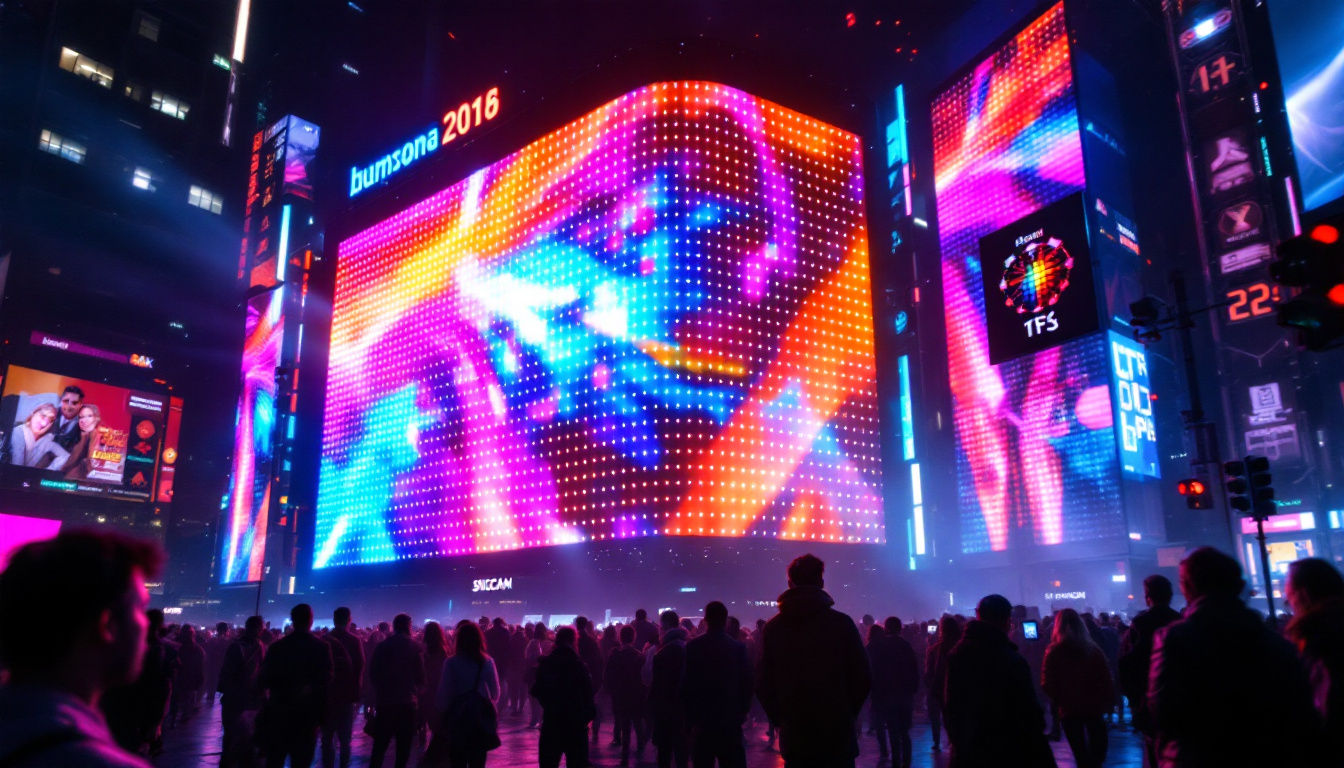
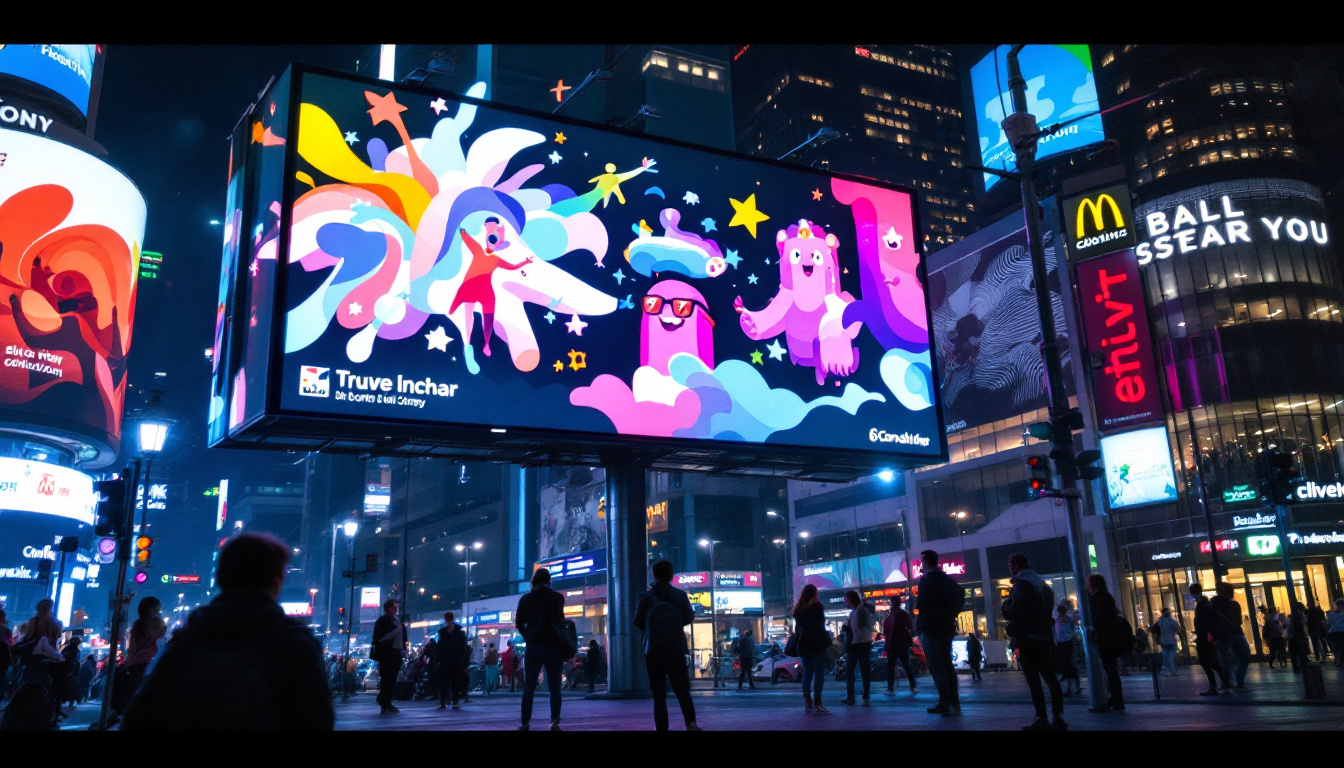
- Direct LED Displays (or LED Video Walls): These displays use arrays of LEDs as individual pixels to create images. They are commonly used in large outdoor screens, stadium displays, and digital billboards.
It’s important to distinguish between these two to avoid confusion when shopping for electronic devices or discussing display technology.
How Do LED-Backlit LCDs Work?
Traditional LCDs used cold cathode fluorescent lamps (CCFLs) for backlighting. Modern LCDs use LEDs as the light source, which offer several advantages:
- Energy Efficiency: LEDs consume less power than CCFLs, helping reduce overall energy usage.
- Better Brightness and Contrast: LED backlighting can be controlled more precisely, allowing for improved picture quality.
- Thinner Panels: LEDs are smaller and more flexible, enabling slimmer device designs.
Despite these improvements, the image formation still relies on the liquid crystal layer modulating the LED backlight.
Direct LED Displays and Their Applications
In contrast, direct LED displays do not use liquid crystals. Instead, each pixel is a tiny LED that emits light directly. These displays are known for their high brightness, durability, and scalability, making them ideal for:
- Outdoor advertising billboards
- Concert and event screens
- Sports stadium scoreboards
- Large public information displays
Because each pixel is self-illuminating, direct LED displays can achieve vibrant colors and excellent visibility even in bright sunlight.
Comparing LCD and LED Displays: Key Differences
Technology and Construction
The primary difference between LCD and LED displays lies in their light source and image formation:
- LCD Displays: Use liquid crystals to modulate light from a backlight, which can be CCFL or LED.
- LED Displays: Use light-emitting diodes as individual pixels that produce light directly.
Because of this, LED displays tend to be brighter and more robust, while LCDs are more common in consumer electronics due to their cost-effectiveness and image quality.
Image Quality and Performance
When it comes to image quality, both technologies have their strengths:
- LCD with LED Backlighting: Offers sharp images, good color accuracy, and energy efficiency. Advanced techniques like local dimming can improve contrast ratios.
- Direct LED Displays: Provide exceptional brightness and color vibrancy, especially suitable for large-scale and outdoor environments.
However, direct LED displays are generally not used for close-up consumer viewing due to pixel size and resolution limitations.
Cost and Availability
LCD panels with LED backlighting dominate the consumer market because they balance performance and affordability. Direct LED displays, on the other hand, are more expensive and specialized, primarily found in commercial and industrial applications.
Practical Applications of LCD and LED Displays
Consumer Electronics
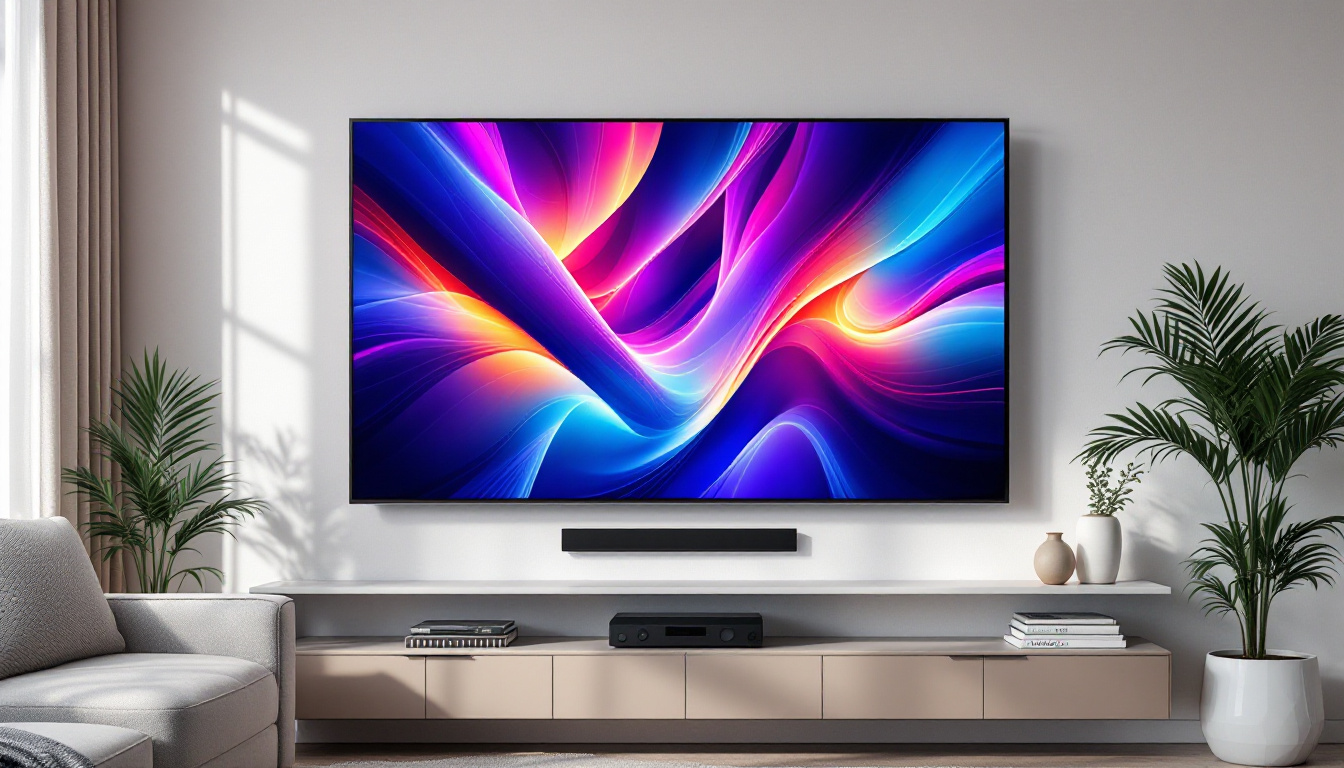
Most smartphones, laptops, tablets, and televisions use LCD panels with LED backlighting. This combination provides a slim form factor, vibrant colors, and energy efficiency, making it ideal for everyday use. For instance, according to a 2023 market report, over 85% of flat-panel TVs sold worldwide utilize LED-backlit LCD technology.
Commercial and Outdoor Displays
Direct LED displays are favored for outdoor advertising and large venue screens due to their brightness and durability. The Times Square digital billboards in New York City, for example, use massive LED display panels capable of producing millions of nits of brightness, ensuring visibility even in direct sunlight.
Specialized Uses
In medical imaging, aviation, and professional graphic design, high-quality LCD panels with IPS technology are preferred for their color accuracy and viewing angles. Meanwhile, LED technology is also advancing in microLED displays, which combine the benefits of direct LED lighting with high resolution suitable for consumer devices, though these are still emerging in the market.
Future Trends in Display Technology
Emergence of OLED and MicroLED
While LCD and LED technologies remain dominant, OLED (Organic Light Emitting Diode) and MicroLED are gaining traction. OLED displays emit light from organic compounds, allowing for even thinner panels, deeper blacks, and flexible screens. MicroLED, on the other hand, uses microscopic LEDs for each pixel, promising superior brightness and longevity without burn-in issues.
Impact on LCD and LED Markets
Despite the rise of these new technologies, LCD with LED backlighting remains cost-effective and widely used. Industry forecasts suggest that LCD panels will continue to hold a significant share of the market through the mid-2020s, especially in budget and mid-range devices.
Environmental Considerations
Both LCD and LED technologies have improved in energy efficiency, but environmental impact from manufacturing and disposal remains a concern. Innovations in recycling and the use of eco-friendly materials are becoming increasingly important as demand for displays grows globally.
Conclusion: Making Sense of LCD and LED Displays
Understanding the full form of LCD — Liquid Crystal Display — and the role of LED technology is fundamental to navigating today’s display market. While LCD refers to the technology that manipulates light to create images, LED refers to the light source used either as backlighting in LCDs or as direct pixels in LED displays.
For consumers, knowing these distinctions helps in making informed decisions when buying TVs, monitors, or other devices. LCDs with LED backlighting dominate the market due to their balance of cost, performance, and energy efficiency. Meanwhile, direct LED displays serve specialized commercial needs where brightness and durability are paramount.
As display technology continues to evolve with innovations like OLED and MicroLED, the lines between these categories may blur further. However, the foundational knowledge of LCD and LED technologies remains invaluable for understanding how the screens that surround us every day function and improve.
Explore Cutting-Edge LED Display Solutions with LumenMatrix
As you consider the advancements and applications of LCD and LED display technologies, LumenMatrix stands at the forefront of LED innovation, ready to elevate your visual experience. Whether you’re looking to enhance brand visibility, captivate audiences, or create dynamic visual communications, LumenMatrix offers a comprehensive range of LED display solutions, including Indoor and Outdoor LED Wall Displays, Vehicle LED Displays, and more. Embrace the future of display technology and check out LumenMatrix LED Display Solutions to discover how our state-of-the-art products can transform your space and message.