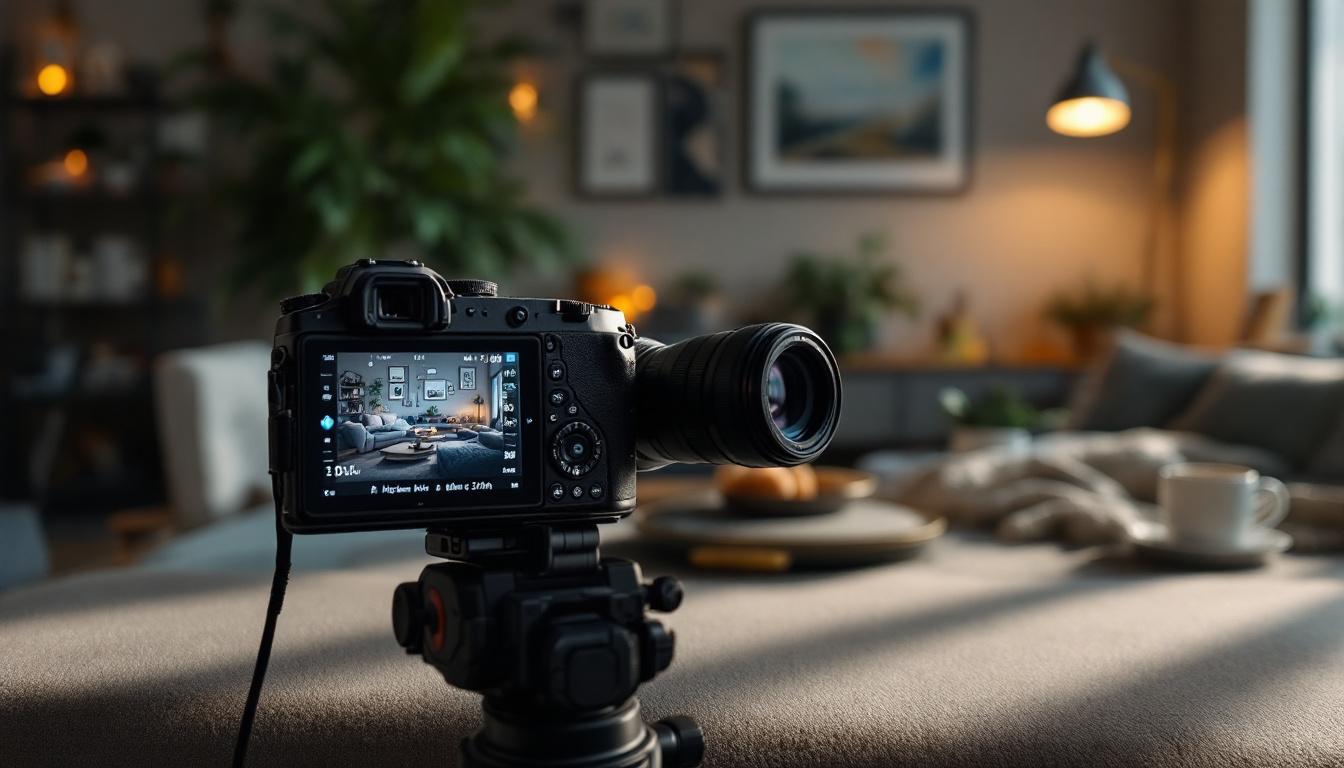
In today’s rapidly evolving home security landscape, interior cameras have become an essential component for safeguarding households. Among the many features these devices offer, LED displays stand out as a critical yet often misunderstood element. This article dives deep into the role of LED displays in interior cameras for homes, explaining their purpose, benefits, and considerations for consumers looking to enhance their home security systems.
Understanding Interior Cameras for Home Security
Interior cameras are designed to monitor indoor spaces, offering homeowners peace of mind by keeping an eye on their property when they’re away or even while at home. Unlike outdoor cameras, which focus on perimeter security, interior cameras provide detailed surveillance of living rooms, nurseries, hallways, and other indoor areas. These devices can also be instrumental in ensuring the safety of children and pets, allowing parents to check in on their little ones or keep an eye on their furry friends while they are busy with daily tasks.
According to a 2023 report by Statista, approximately 45% of U.S. households with smart home devices have installed at least one indoor security camera. This growing adoption highlights the increasing importance of interior surveillance in modern home security strategies. Furthermore, the rise of remote monitoring capabilities has made it easier than ever for homeowners to stay connected to their living spaces, fostering a sense of control and security that was previously unattainable.
Key Features of Interior Cameras
Modern interior cameras come equipped with a variety of features including motion detection, night vision, two-way audio, and cloud storage. Among these, the LED display is a feature that offers both functional and user-friendly benefits, yet it is often overlooked in consumer discussions. The integration of smart technology has transformed these cameras into versatile tools that can adapt to various household needs, from monitoring for intruders to keeping tabs on elderly family members.
LED displays on interior cameras serve multiple purposes: they provide visual feedback on the camera’s status, assist in user interaction, and sometimes display real-time information such as time, temperature, or alerts. Understanding how these displays work can help homeowners make informed decisions when selecting a camera. For instance, some models even allow users to customize the display settings, enabling them to show specific notifications or alerts that are most relevant to their security needs. Additionally, many cameras now offer mobile app integration, allowing users to receive instant alerts and view live feeds directly from their smartphones, further enhancing the convenience and effectiveness of interior surveillance systems.
The Role of LED Displays in Interior Cameras
LED (Light Emitting Diode) displays are integral to many electronic devices, including interior security cameras. They use small, energy-efficient diodes to emit light and display information. In the context of home cameras, LED displays are typically small panels or indicator lights that communicate the device’s operational status.
Types of LED Displays in Interior Cameras
There are generally two types of LED displays found in interior cameras:
- Indicator LEDs: These are simple lights that indicate power status, recording activity, connectivity, or alerts. For example, a green LED might indicate the camera is powered on, while a red LED signals active recording.
- Segment or Dot-Matrix Displays: Some advanced cameras feature small LED panels capable of displaying numbers, letters, or symbols. These can show time, date, or system messages, providing users with immediate, glanceable information.
While indicator LEDs are more common, the use of segment or dot-matrix LED displays is growing in smart home devices as manufacturers seek to enhance user interaction without relying solely on smartphone apps.
Why LED Displays Matter for Homeowners
The presence of an LED display on an interior camera can significantly impact the user experience and the effectiveness of the security system. Here are some key reasons why LED displays are important:
- Instant Status Feedback: LED indicators allow users to quickly verify if the camera is on, recording, or connected to the network without needing to open an app.
- Deterrence Factor: Visible LEDs can act as a deterrent to potential intruders by signaling active surveillance.
- Ease of Setup and Troubleshooting: LEDs can provide error codes or status updates that help users identify issues such as connectivity problems or low battery levels.
- Energy Efficiency: LED technology consumes minimal power, ensuring that the camera remains efficient even with continuous display use.
How LED Displays Enhance User Interaction
One of the challenges with interior cameras is ensuring that users can interact with and manage the device easily. LED displays contribute to a more intuitive and seamless experience.
Visual Indicators for Connectivity and Recording
When setting up or using an interior camera, users need clear signals about the device’s status. LED displays can show whether the camera is connected to Wi-Fi, actively recording, or in standby mode. For example, a blinking blue LED might indicate an ongoing connection process, while a steady blue light confirms a stable connection.
This immediate visual feedback reduces confusion and enhances user confidence, especially for those who may not be tech-savvy.
Real-Time Information Display
Some interior cameras with LED screens can display real-time information such as the current time, temperature, or even notifications about detected motion. This feature transforms the camera from a simple security device into a multifunctional gadget that integrates smoothly into daily life.
For instance, a camera placed in a nursery might display the room temperature alongside its security functions, providing parents with additional peace of mind.
Facilitating Voice and App Controls
Many modern interior cameras support voice commands via smart home assistants like Amazon Alexa or Google Assistant. LED displays often provide visual confirmation of these commands, such as lighting up when the camera is activated or when a command is recognized.
Similarly, when users operate the camera through a smartphone app, LED indicators can confirm that the device has received and is executing the command, such as starting a live stream or enabling motion alerts.
Considerations When Choosing an Interior Camera with LED Display
While LED displays offer many advantages, there are several factors homeowners should consider to ensure they select the right camera for their needs.
Brightness and Visibility
The brightness of LED displays can impact both usability and privacy. A very bright LED might be distracting in a bedroom or nursery, especially at night. Conversely, a dim or poorly visible LED can make it difficult to interpret the camera’s status.
Many manufacturers now include adjustable LED brightness or the option to disable the LED entirely, balancing visibility with discretion.
Privacy Concerns
Some users worry that visible LEDs might reveal the camera’s presence to visitors or intruders. While this can be a deterrent, in some cases, homeowners may prefer a more discreet device.
Choosing a camera with customizable LED settings allows users to control when and how the LEDs are displayed, addressing these privacy concerns.
Power Consumption and Battery Life
For battery-operated interior cameras, LED displays can impact battery life. Although LEDs are energy-efficient, continuous illumination can drain power faster than devices without displays.
Consumers should check manufacturer specifications regarding battery performance and LED usage to ensure the camera meets their expectations for longevity.
Integration with Smart Home Systems
Homeowners with existing smart home ecosystems should consider how the camera’s LED display complements other devices. Cameras that provide clear LED feedback can simplify integration and troubleshooting within complex setups.
For example, a camera that uses consistent LED color codes aligned with other smart devices can create a more cohesive and user-friendly environment.
Future Trends in Interior Camera LED Displays
The technology behind LED displays in interior cameras continues to evolve, driven by advances in smart home innovation and user demand for enhanced functionality.
Miniaturization and OLED Technology
Emerging display technologies like OLED (Organic Light Emitting Diode) offer thinner, more flexible, and higher-resolution displays compared to traditional LEDs. Future interior cameras may incorporate OLED panels that provide richer information and sharper visuals without increasing device size.
This advancement could enable cameras to display detailed alerts, facial recognition results, or environmental data directly on the device.
Interactive Displays and Touch Controls
Some manufacturers are exploring interactive LED or OLED displays with touch capabilities for interior cameras. This would allow users to control camera settings, review footage, or respond to alerts directly from the device, reducing reliance on external apps.
Such features could be particularly useful in homes where multiple users need quick access to camera functions.
Adaptive and Context-Aware Displays
Future LED displays may become context-aware, adjusting brightness, color, or information based on environmental conditions or user behavior. For example, the display might dim automatically at night or highlight critical alerts more prominently during suspicious activity.
This kind of intelligent display management would enhance usability while minimizing disruptions.
Conclusion: Making an Informed Choice
Interior cameras with LED displays offer a blend of functionality, user interaction, and aesthetic appeal that can significantly enhance home security systems. Understanding the types of LED displays, their benefits, and potential drawbacks empowers homeowners to select devices that best fit their lifestyle and security needs.
When choosing an interior camera, consider how the LED display will impact usability, privacy, and power consumption. Look for models that offer customizable LED settings and integrate well with your existing smart home ecosystem.
As technology advances, LED displays on interior cameras will likely become more sophisticated, offering richer information and greater interactivity. Staying informed about these trends ensures that homeowners can continue to protect their homes effectively while enjoying the convenience of modern smart devices.
Discover the Future of Home Security with LumenMatrix
As you consider enhancing your home security with an interior camera featuring an advanced LED display, let LumenMatrix guide you to the forefront of innovation. Our commitment to revolutionizing visual communication extends to providing top-tier LED display modules that integrate seamlessly into your smart home ecosystem. Experience the perfect blend of functionality, design, and cutting-edge technology with our diverse range of LED display solutions, including Indoor LED Wall Displays and Custom LED Displays, designed to enrich your home security and visual experience. Check out LumenMatrix LED Display Solutions today and step into a world where clarity, engagement, and security are in perfect harmony.