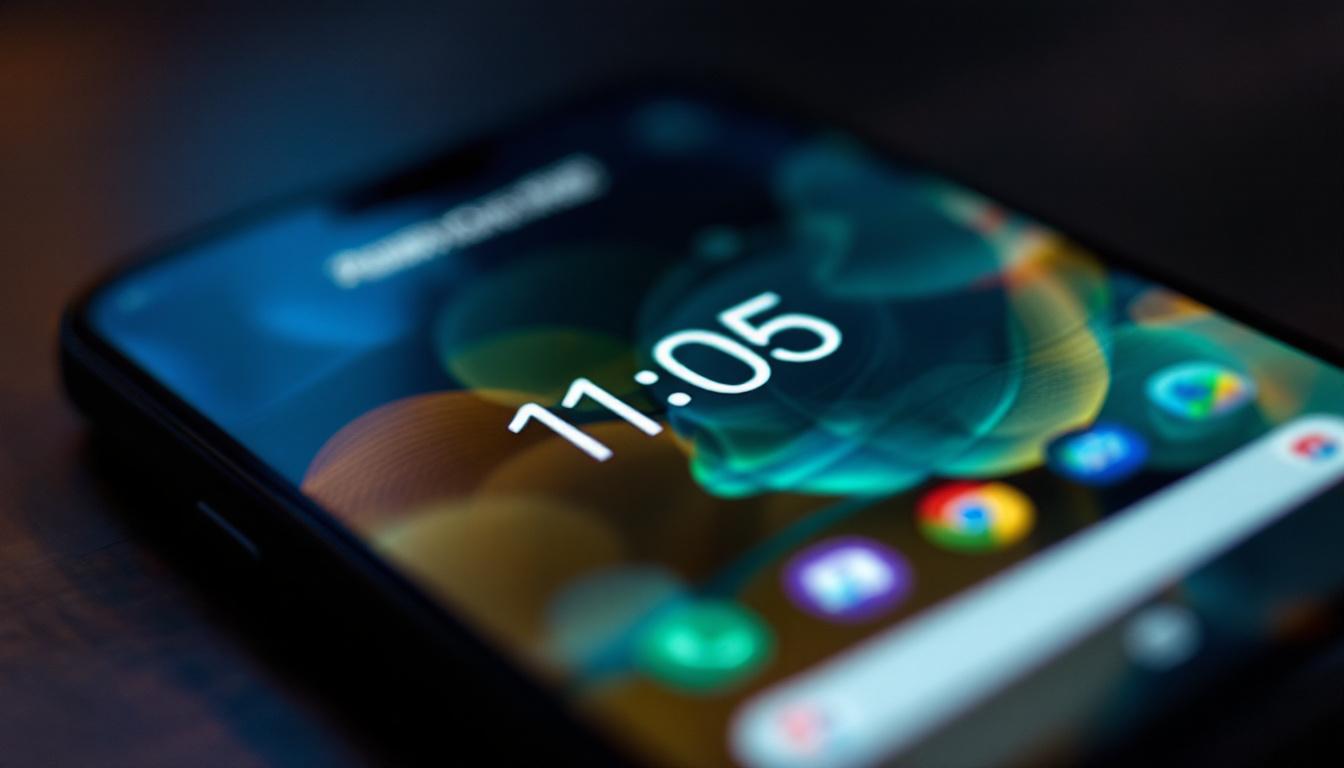
In today’s fast-paced digital world, display technology plays a crucial role in how we interact with our devices. From smartphones to smartwatches, the way information is presented on screens has evolved dramatically. One of the most innovative features that has gained popularity in recent years is the “Pixel Always On Display” (AOD) technology, particularly in LED displays. This article delves into what Pixel Always On Display means, how LED displays function, and why this technology matters for users and manufacturers alike.
Understanding Always On Display Technology
Always On Display (AOD) refers to a feature that allows certain information, such as time, date, notifications, and battery status, to be visible on a device’s screen even when it is in standby mode. Unlike traditional displays that turn off completely to save power, AOD keeps a portion of the screen active at all times.
This technology is especially prevalent in smartphones and smartwatches, where users benefit from quick glances at important information without needing to wake the entire device. The challenge, however, lies in balancing visibility with power consumption, as keeping pixels lit continuously can drain battery life. Manufacturers have made significant strides in optimizing this balance, often employing advanced sensors that detect ambient light levels to adjust the brightness of the AOD display accordingly. This means that in darker environments, the display can dim to conserve energy while still providing essential information.
How Pixel Always On Display Differs from Traditional AOD
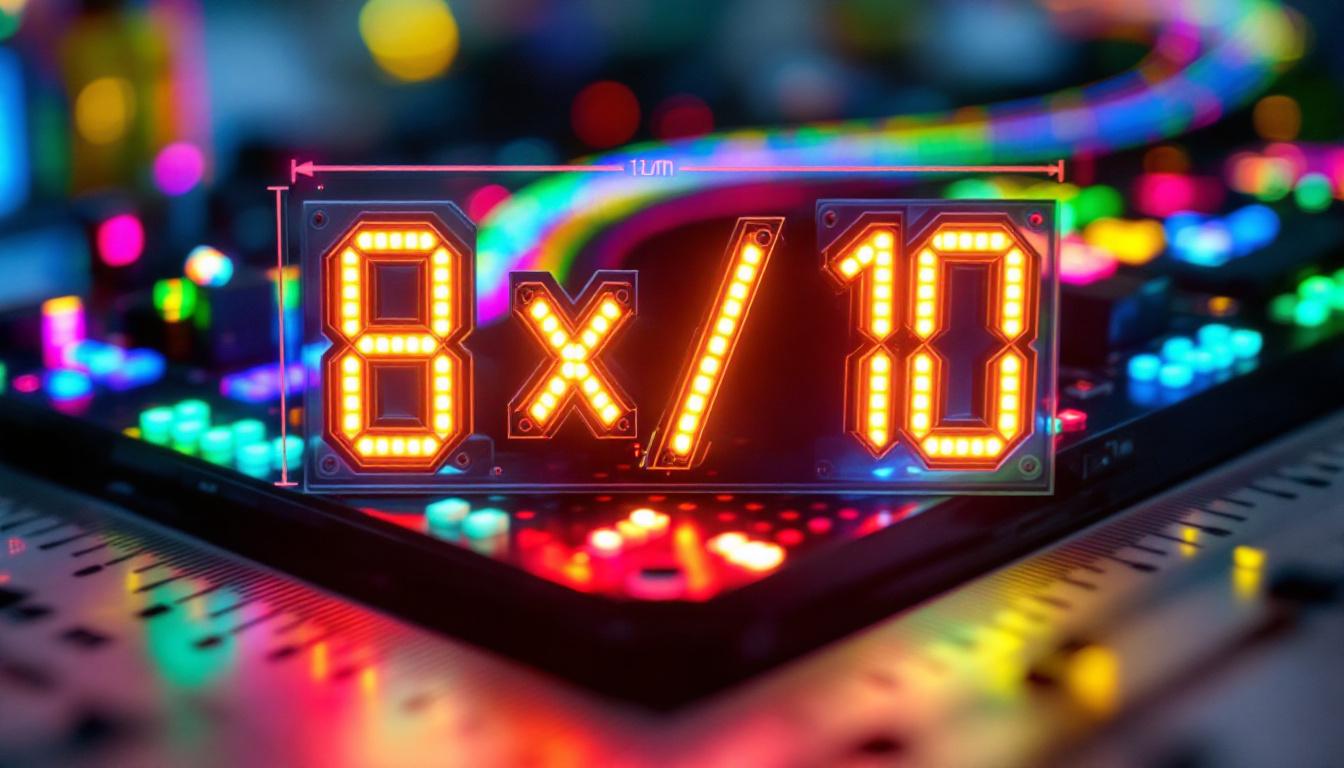
Pixel Always On Display takes the concept of AOD a step further by illuminating only the specific pixels necessary to show information, rather than lighting up large portions of the screen. This granular control over pixel activation significantly reduces power usage while maintaining clarity and readability.
For example, instead of lighting up an entire clock face or notification area, Pixel AOD selectively activates just the pixels forming the numbers or icons. This precision is made possible by advancements in LED display technology, enabling more efficient and visually appealing displays. Furthermore, many devices now allow users to customize what information is displayed on their AOD, enabling a more personalized experience. Users can choose from various themes, colors, and layouts, ensuring that the Always On Display not only serves a functional purpose but also complements their style. Some manufacturers have even integrated animations and dynamic backgrounds, adding a touch of flair while still being mindful of battery life, showcasing the evolution of AOD technology into a blend of utility and aesthetics.
LED Display Technology: The Foundation of Pixel AOD
Light Emitting Diode (LED) displays are at the heart of Pixel Always On Display technology. Understanding how LED displays work is essential to appreciating the benefits and limitations of Pixel AOD.
Basics of LED Displays
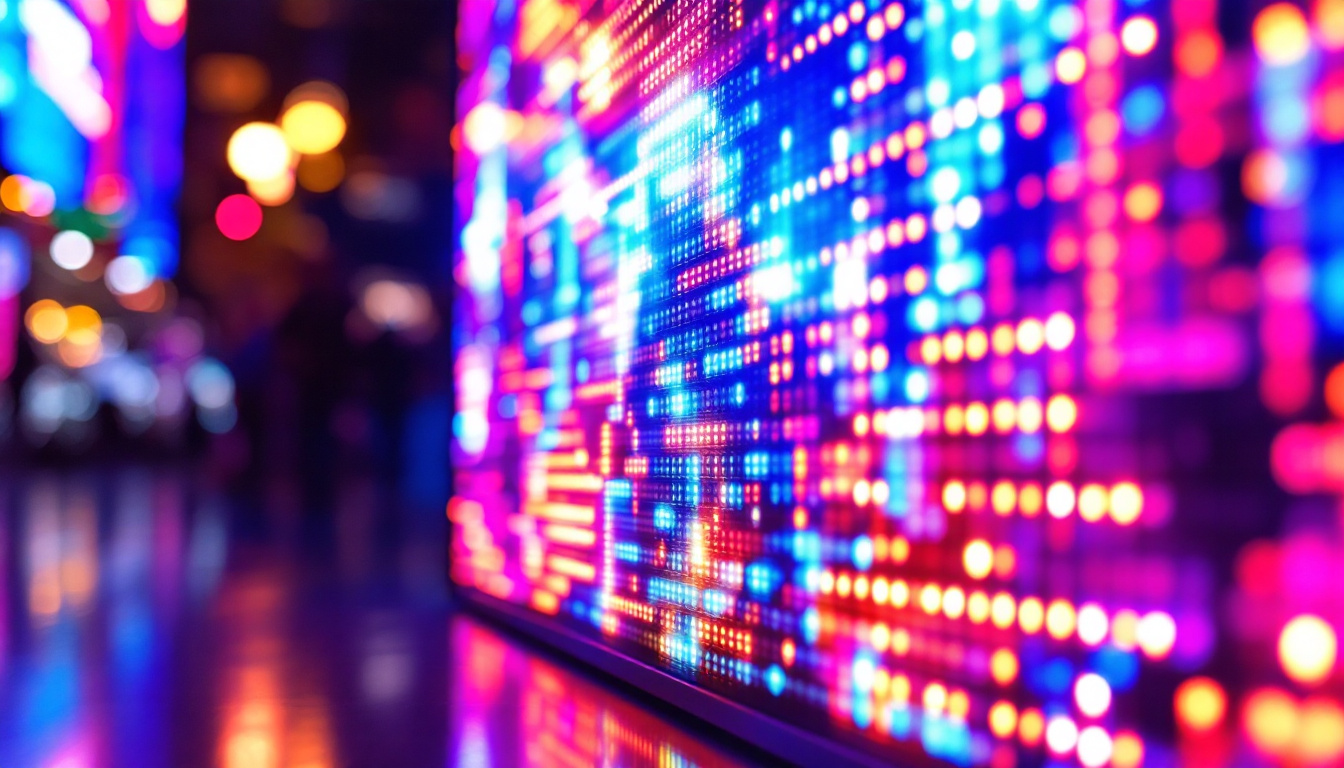
LED displays consist of an array of tiny light-emitting diodes that produce light when an electric current passes through them. Each LED corresponds to a pixel on the screen, and by controlling the intensity and color of each diode, the display can render images, text, and videos.
Compared to older display technologies like LCDs, LEDs offer higher brightness, better contrast, and faster response times. They also allow for thinner and more flexible screen designs, which is why they are widely used in modern devices. The efficiency of LED displays also translates to lower power consumption, making them an environmentally friendly option for consumers and manufacturers alike.
Types of LED Displays
There are several types of LED displays, but the two most relevant to Pixel Always On Display are:
- OLED (Organic LED): Uses organic compounds that emit light in response to electric current. OLEDs are known for their deep blacks and high contrast because individual pixels can be turned off completely.
- MicroLED: A newer technology that uses microscopic LEDs for each pixel, offering even higher brightness and efficiency than OLEDs, with longer lifespan and less burn-in risk.
Both OLED and MicroLED displays enable Pixel AOD by allowing selective pixel activation, which is not possible with traditional backlit LCDs where the entire screen is illuminated from behind. This selective activation not only enhances battery life during use but also allows for a more personalized user experience, as users can customize what information is displayed when the device is idle.
Moreover, the advancements in LED technology have led to the development of flexible and foldable displays, opening up new possibilities for device design. Manufacturers are now able to create innovative form factors that can adapt to various usage scenarios, from smartphones that can fold into compact sizes to wearables that seamlessly integrate into everyday life. As the technology continues to evolve, we can expect even more exciting applications of Pixel AOD in future devices, enhancing the way we interact with our screens while maintaining energy efficiency and visual performance.
Advantages of Pixel Always On Display
The integration of Pixel Always On Display in LED screens brings multiple benefits that enhance user experience and device performance.
Energy Efficiency and Battery Life
One of the most significant advantages of Pixel AOD is its energy efficiency. By lighting only the necessary pixels, devices consume far less power compared to traditional AOD or full-screen illumination. This efficiency translates into longer battery life, which is a critical factor for mobile devices.
For instance, studies show that Pixel AOD implementations can reduce power consumption by up to 30-50% compared to standard AOD modes, depending on the screen size and brightness settings. This improvement is particularly important for wearables and smartphones, where battery capacity is limited.
Improved Visibility and Customization
Pixel AOD allows for sharper and clearer display of information because it can render text and icons with high precision. Users benefit from better readability in various lighting conditions, including bright sunlight and low-light environments.
Moreover, manufacturers can offer greater customization options, such as different clock styles, colors, and notification icons, without compromising battery life. This flexibility enhances the personalization of devices, which is increasingly demanded by consumers.
Reduced Screen Burn-in Risk
Screen burn-in, where static images leave permanent marks on the display, is a common concern with OLED screens. Pixel AOD helps mitigate this risk by activating only the pixels needed and often incorporating subtle movement or dimming techniques to prevent any single pixel from being on continuously for too long.
This prolongs the lifespan of the display and maintains visual quality over time, providing a better long-term user experience.
Challenges and Considerations in Pixel Always On Display Implementation
Despite its benefits, implementing Pixel Always On Display technology comes with technical and design challenges that manufacturers must address.
Balancing Brightness and Power Consumption
While Pixel AOD reduces power usage by limiting pixel activation, the brightness level of those pixels still impacts battery drain. Achieving the right balance between visibility and energy efficiency requires sophisticated software algorithms and hardware optimization.
Manufacturers often implement adaptive brightness controls that adjust pixel intensity based on ambient light conditions, further conserving energy without sacrificing readability.
Hardware Costs and Complexity
Integrating Pixel AOD requires high-quality LED panels capable of precise pixel control, which can increase manufacturing costs. Additionally, the software needed to manage pixel activation and display customization adds complexity to device design.
These factors can influence the final price of devices and may limit the technology’s adoption to premium models initially. However, as production scales and technology matures, costs are expected to decrease.
Compatibility and Software Support
For Pixel AOD to function seamlessly, operating systems and applications must support the feature. This requires collaboration between hardware manufacturers, OS developers, and app creators to ensure consistent performance and user experience.
Ongoing software updates and optimizations are necessary to address bugs, improve efficiency, and introduce new customization options.
Real-World Applications and Future Trends
Pixel Always On Display technology is already making a significant impact in various consumer electronics, with promising developments on the horizon.
Smartphones and Wearables
Leading smartphone brands have incorporated Pixel AOD in their flagship models, leveraging OLED displays to provide users with instant access to information while preserving battery life. Similarly, smartwatches benefit greatly from this technology, as their small screens and limited battery capacity make energy efficiency paramount.
For example, the latest smartwatches use Pixel AOD to display time and notifications continuously, allowing users to check their devices without pressing any buttons or raising their wrists.
Automotive Displays and Smart Home Devices
Beyond personal devices, Pixel AOD is gaining traction in automotive dashboards and smart home appliances. Cars equipped with LED instrument clusters use Pixel AOD to keep essential information visible without distracting the driver or draining the vehicle’s battery.
Smart thermostats, security panels, and other IoT devices also benefit from this technology by providing constant status updates in a power-efficient manner.
The Future: MicroLED and Beyond
As MicroLED technology matures, it promises to revolutionize Pixel Always On Display with even greater brightness, efficiency, and durability. Unlike OLEDs, MicroLEDs do not suffer from burn-in and can achieve higher peak brightness, making them ideal for outdoor visibility.
Researchers are also exploring flexible and transparent LED displays, which could enable new form factors and applications for Pixel AOD, such as foldable devices and heads-up displays.
Conclusion
Pixel Always On Display represents a significant advancement in display technology, combining the benefits of LED screens with intelligent pixel control to deliver energy-efficient, customizable, and visually appealing information presentation. As consumer demand for longer battery life and enhanced usability grows, Pixel AOD is poised to become a standard feature across a wide range of devices.
Understanding the principles behind LED displays and the nuances of Pixel AOD helps consumers appreciate the technology’s value and anticipate future innovations. With ongoing developments in MicroLED and software optimization, the future of always-on displays looks brighter and more efficient than ever.
Explore the Future of LED Displays with LumenMatrix
Ready to experience the pinnacle of LED display technology? LumenMatrix is at the forefront of innovation, offering a wide array of LED display solutions that bring your visual communications to life. From captivating Indoor LED Walls to dynamic Vehicle LED Displays, our products are designed to maximize engagement and deliver your message with unparalleled clarity. Embrace the future of Pixel Always On Display and discover how LumenMatrix can transform your space. Check out LumenMatrix LED Display Solutions today and see the difference cutting-edge technology can make.