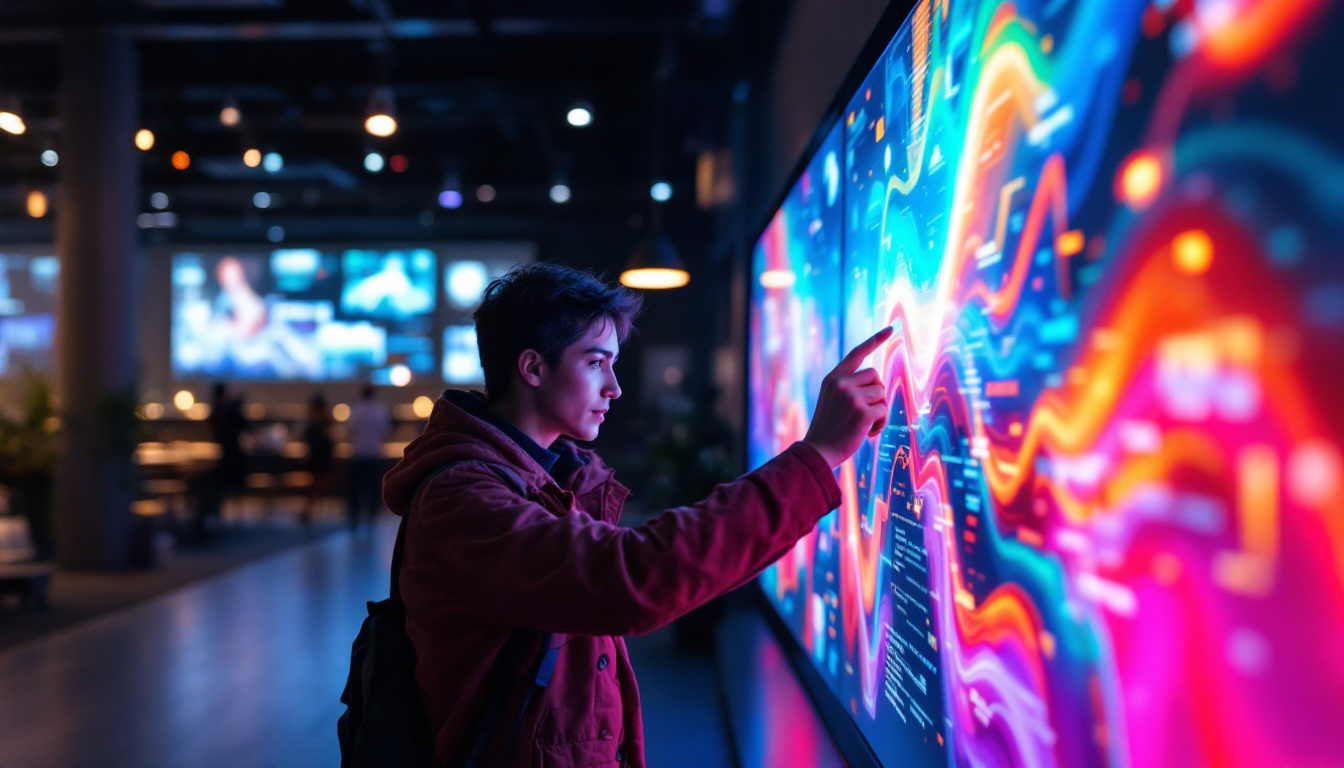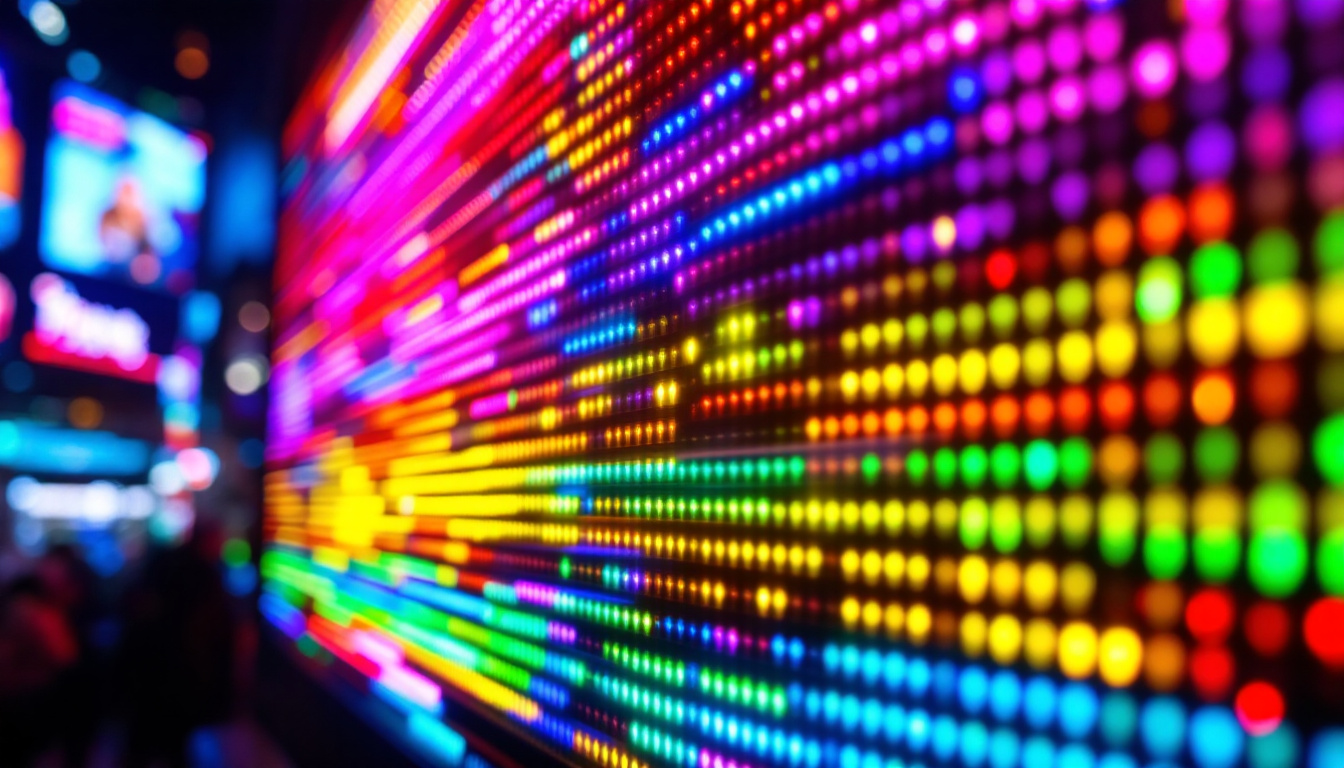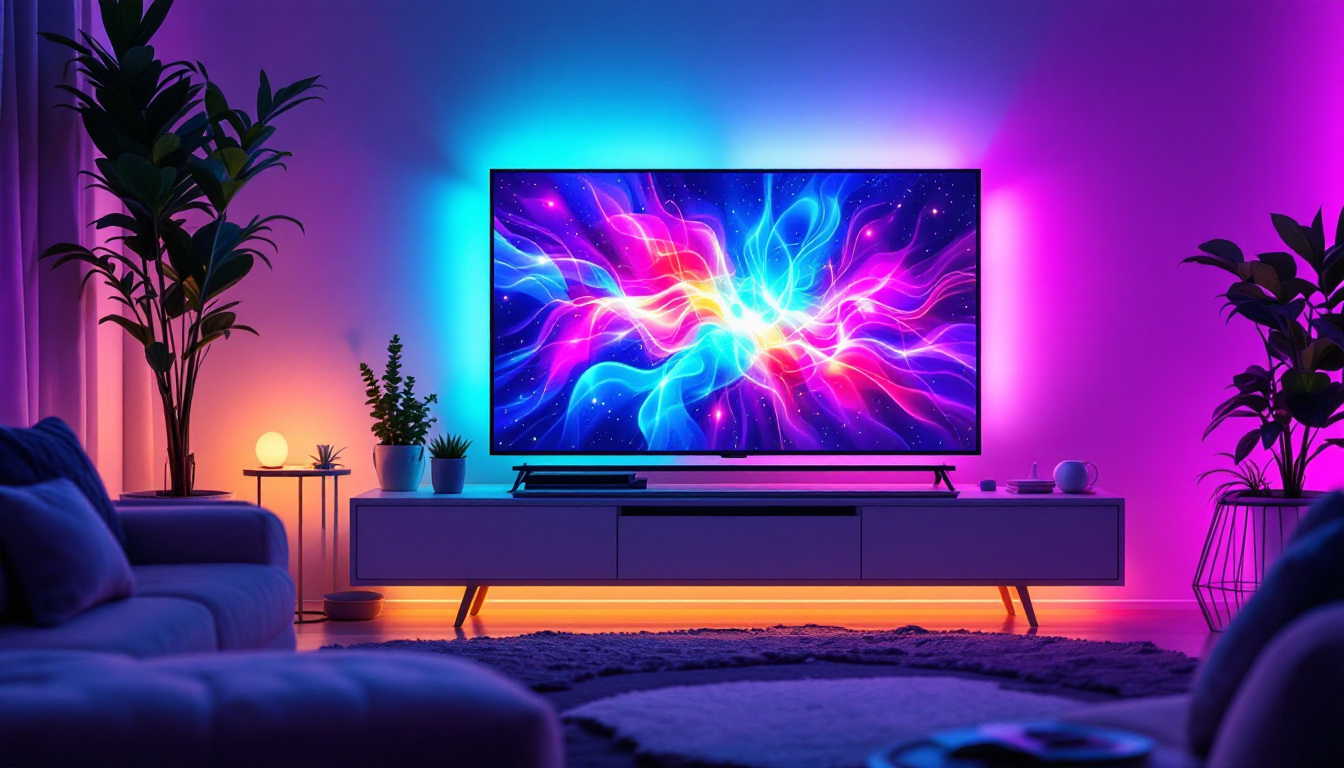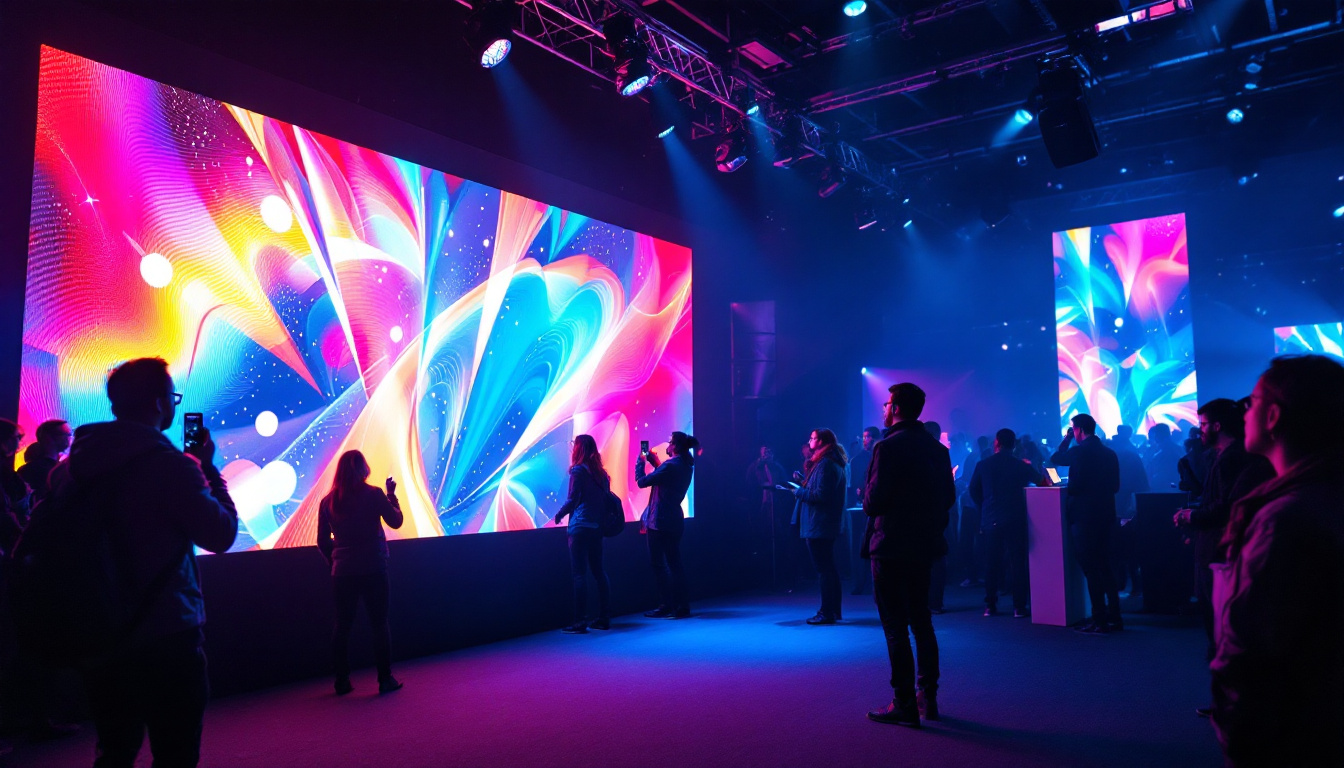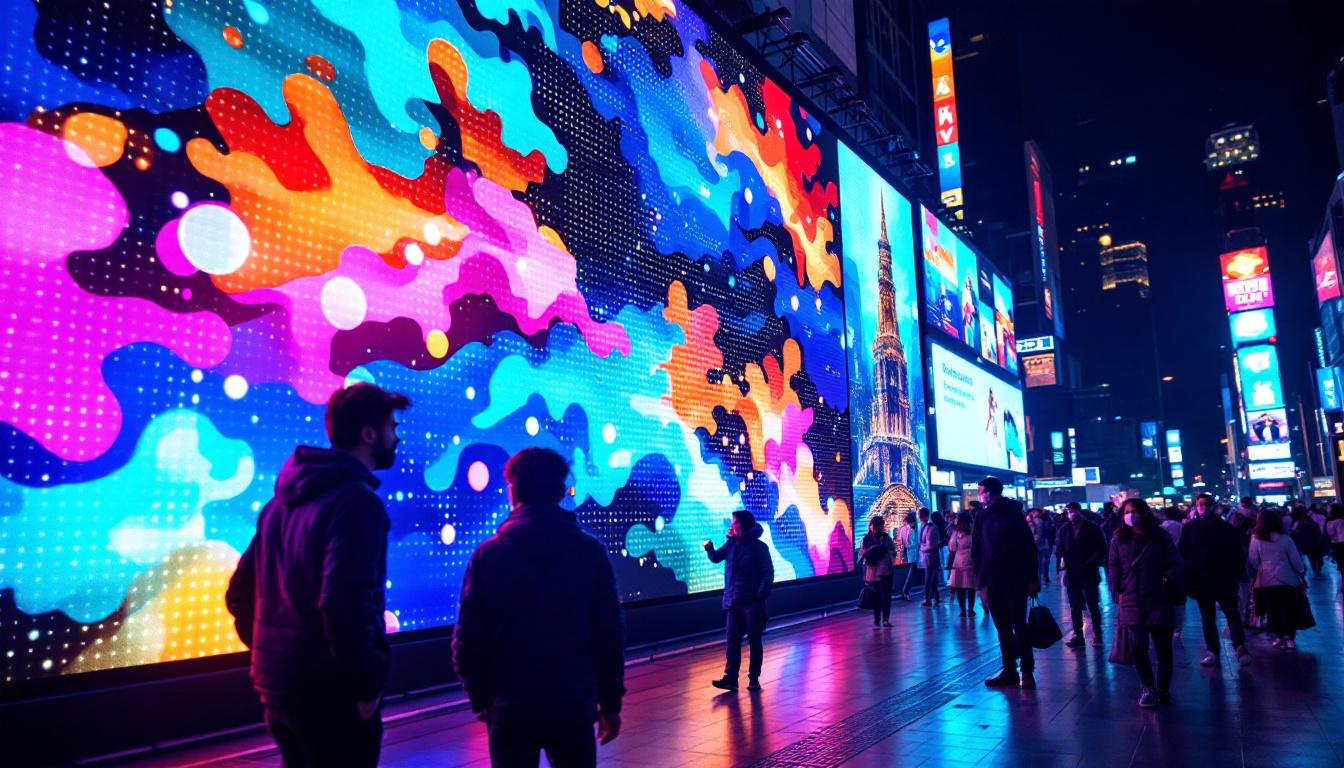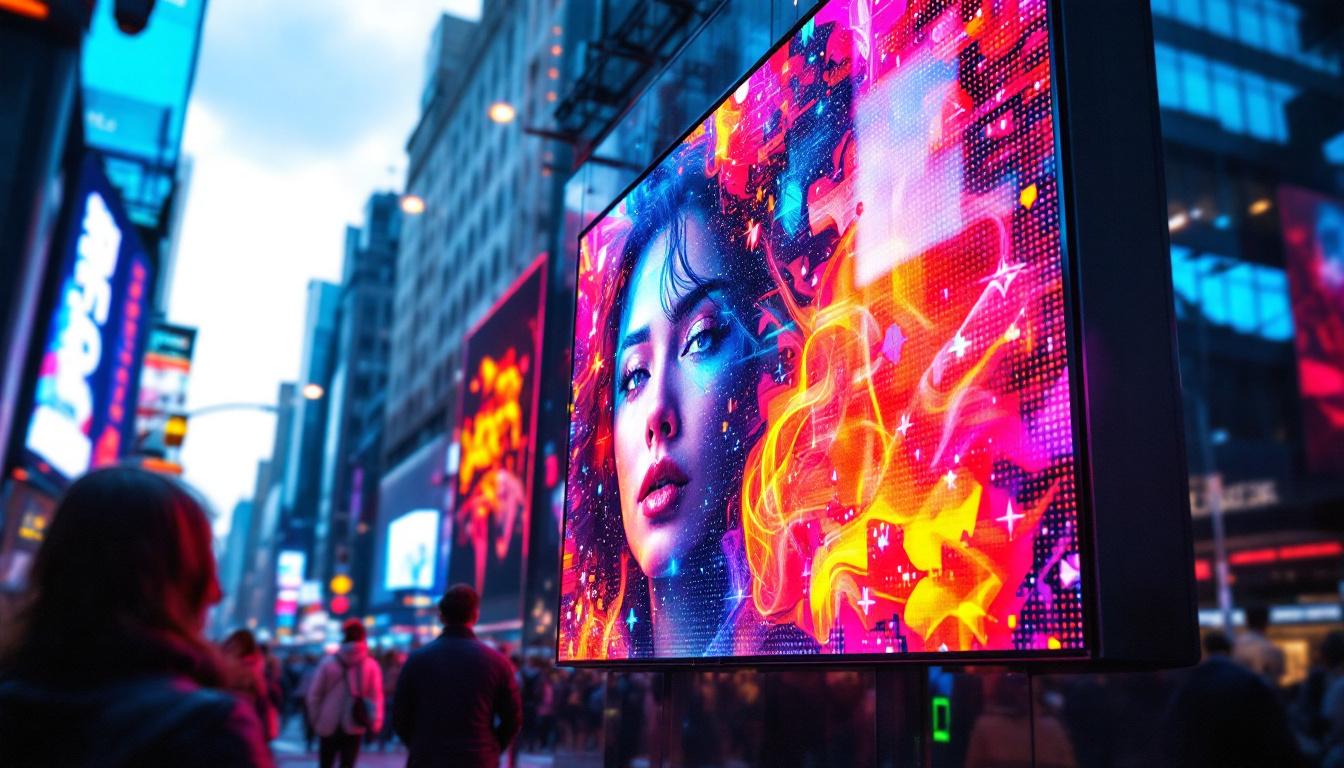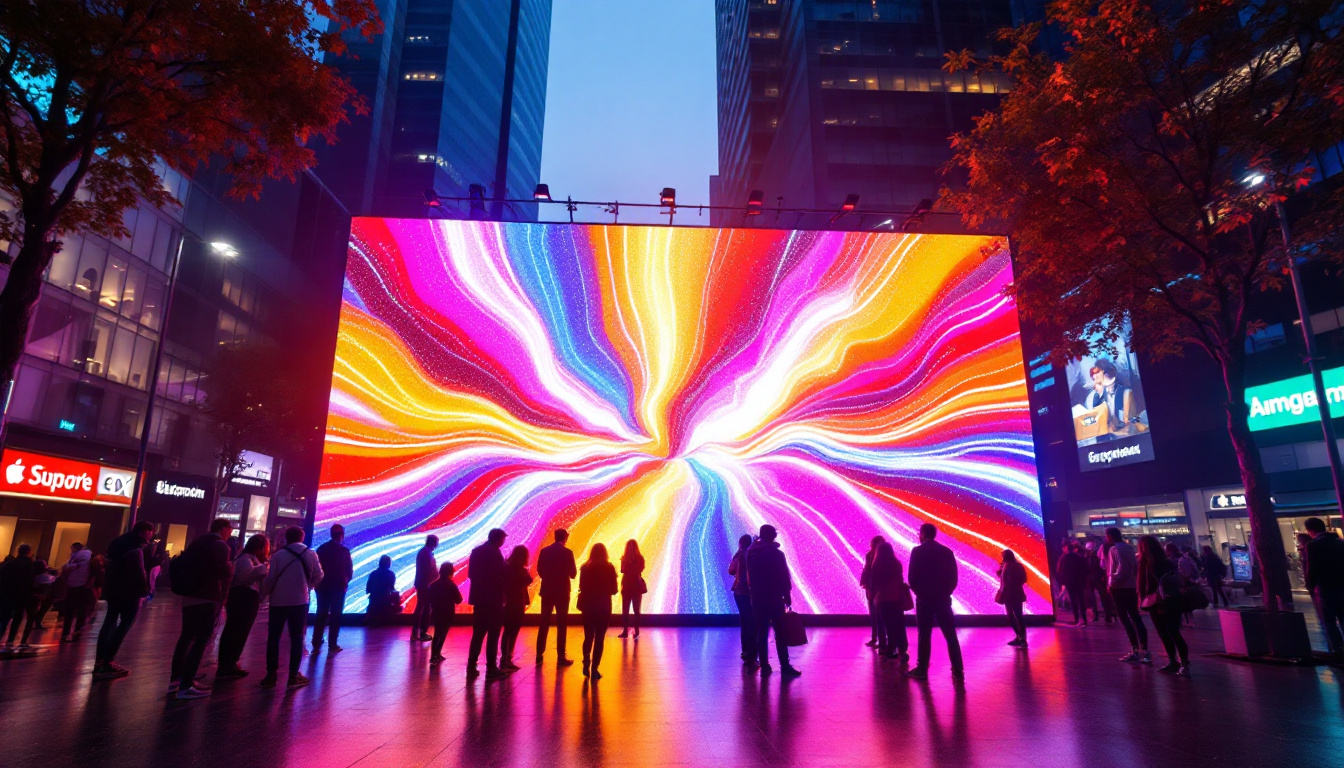
In recent years, LED technology has revolutionized the way we experience visual displays, from giant stadium screens to intimate wearable devices. Among the many innovations in this field, LED micro lights stand out for their remarkable versatility and efficiency. This article delves into what LED micro lights are, how they function within LED displays, and why they are becoming a crucial component in modern digital signage and display technologies.
Understanding LED Micro Lights: What Are They?
LED micro lights are essentially miniature light-emitting diodes designed to create high-resolution, vibrant displays. Unlike traditional LEDs, which can be relatively large and bulky, micro LEDs measure just a few micrometers across. This tiny size allows for an unprecedented level of detail and precision in display technology.
Micro LEDs are self-emissive, meaning each diode emits its own light rather than relying on a backlight. This characteristic leads to deeper blacks, higher contrast ratios, and better energy efficiency compared to LCD or OLED displays. Their compact size also enables manufacturers to create displays that are thinner, lighter, and more flexible.
The Evolution of LED Technology
The journey of LED technology began in the early 1960s with the development of the first visible-spectrum LEDs. Over the decades, improvements in materials and manufacturing processes have led to brighter, more energy-efficient, and more durable LEDs. The advent of micro LED technology represents the latest leap forward, combining the benefits of traditional LEDs with the precision of microfabrication techniques.
Micro LEDs are now being integrated into various applications, including smartphones, augmented reality (AR) glasses, and large-scale digital billboards. Their ability to deliver high brightness and color accuracy without the drawbacks of burn-in or limited lifespan makes them a promising alternative to OLED and LCD technologies.
One of the most exciting aspects of micro LED technology is its potential for creating immersive visual experiences. For instance, in the realm of virtual reality (VR), micro LEDs can be used to develop headsets that provide a wider field of view and higher pixel density, enhancing the realism of virtual environments. Additionally, the flexibility of micro LED panels allows for innovative designs, such as curved or foldable screens, which can adapt to various user needs and preferences.
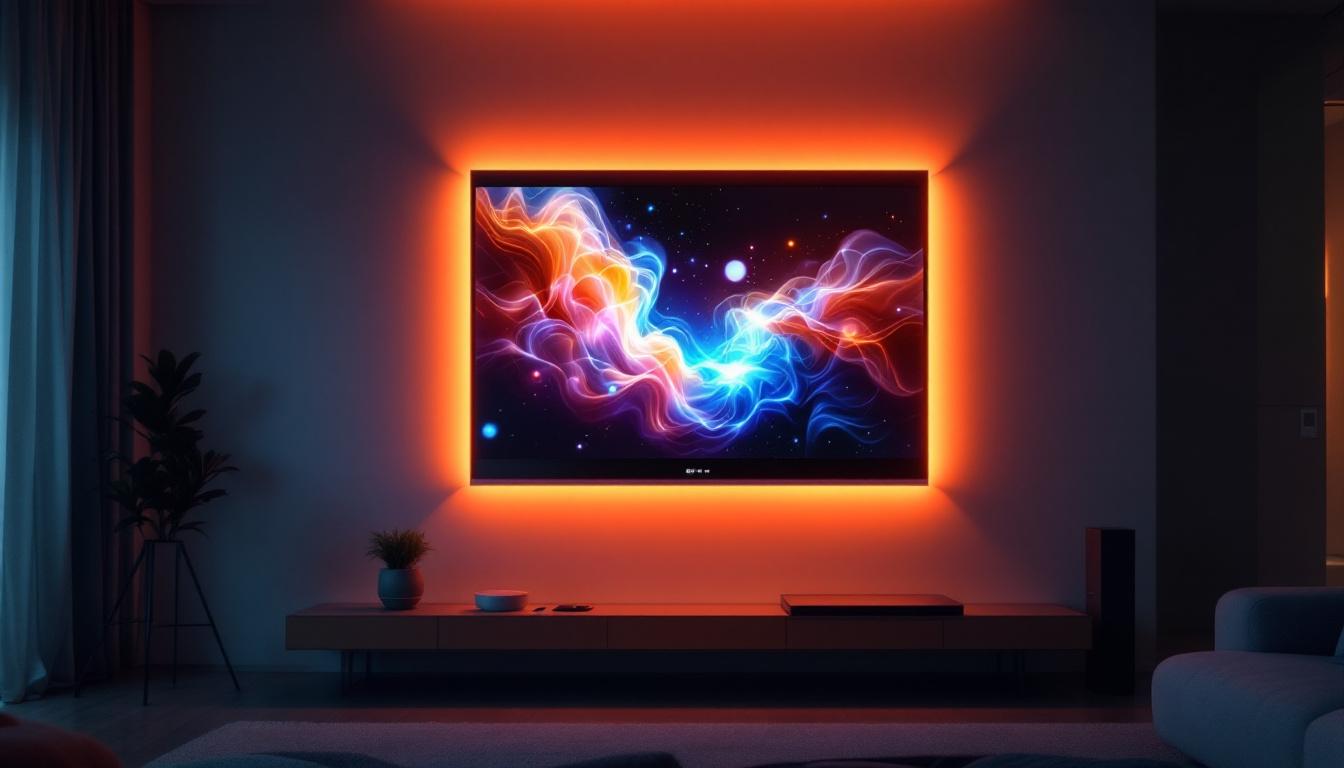
Moreover, micro LEDs are paving the way for advancements in smart home technology. With their small size and energy efficiency, they can be embedded into everyday objects, transforming them into smart devices that can respond to user commands or environmental changes. This integration not only enhances functionality but also contributes to a more aesthetically pleasing environment, as these lights can be seamlessly incorporated into furniture or architectural elements without being obtrusive.
How LED Micro Lights Work in Displays
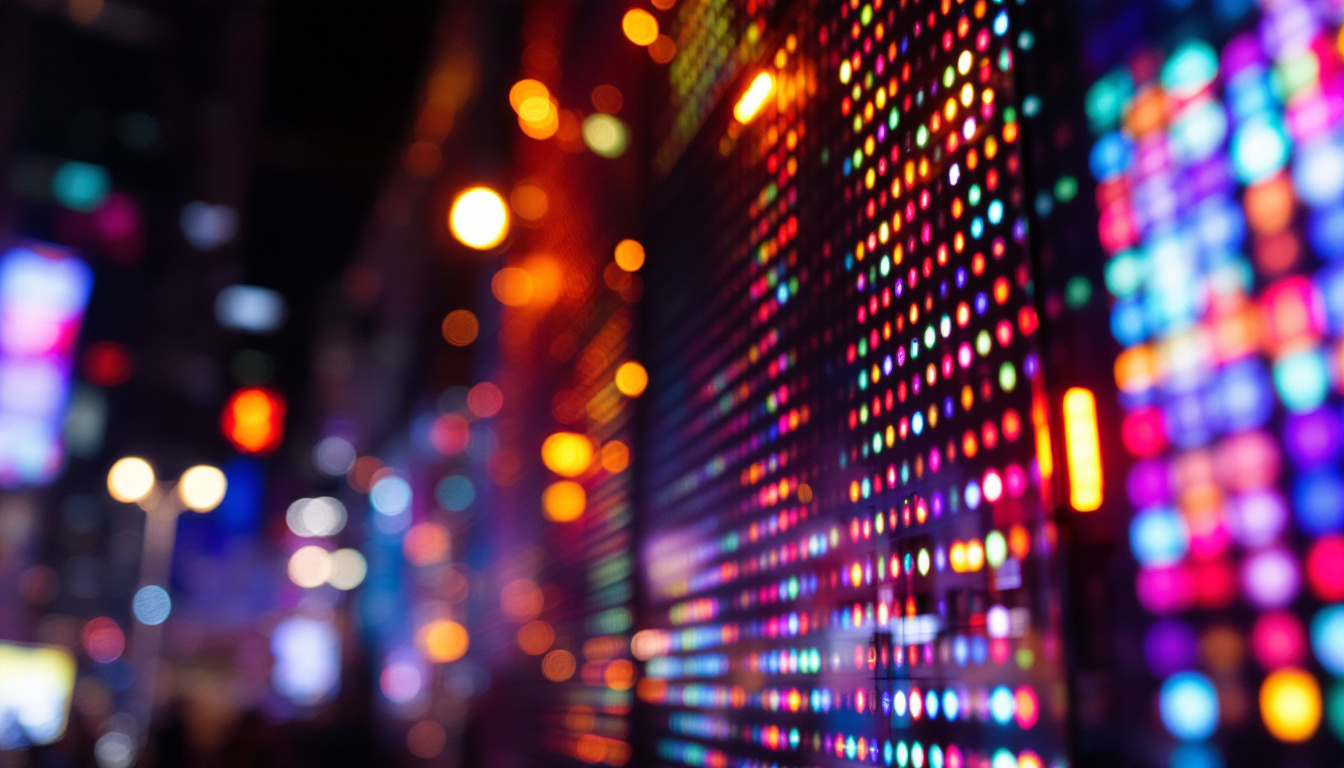
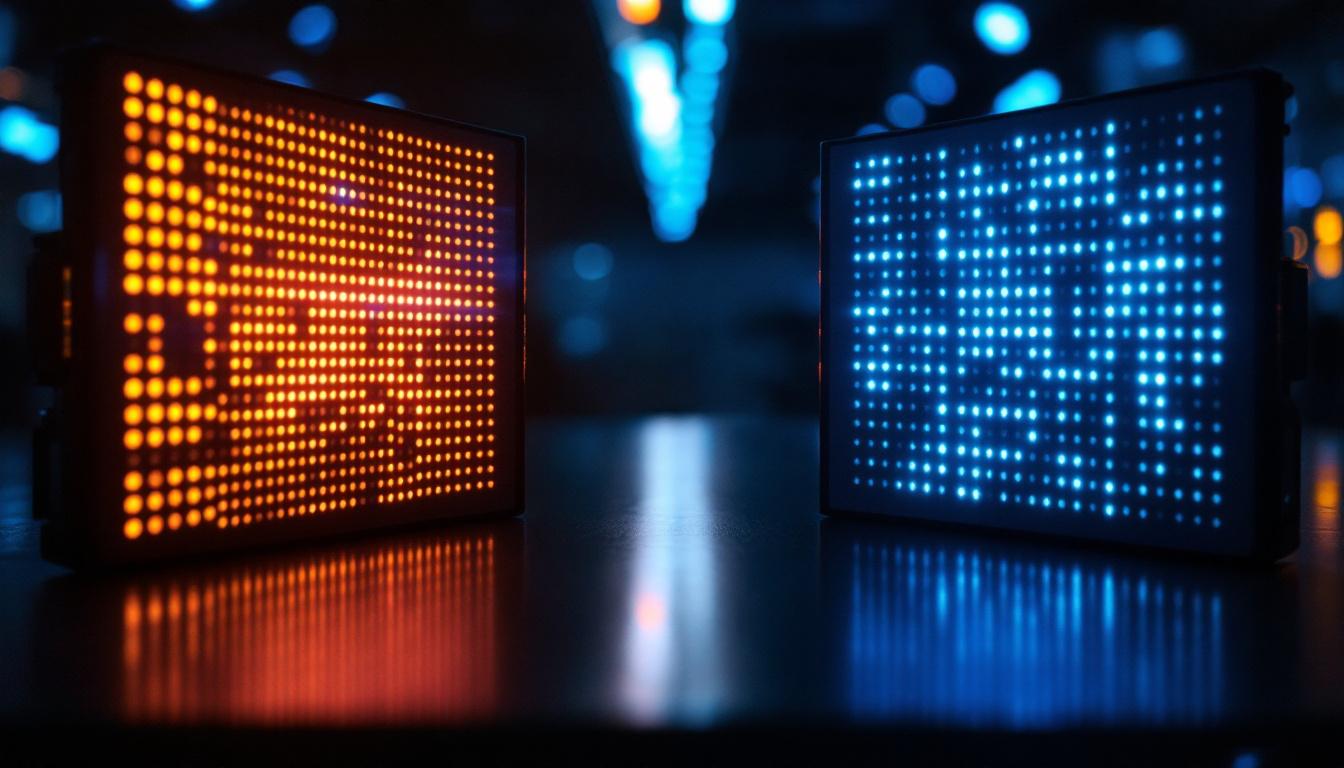
At the core of LED micro light displays is the principle of individually addressable pixels. Each micro LED acts as a single pixel or sub-pixel, capable of emitting light independently. This allows for precise control over color and brightness on a per-pixel basis, resulting in stunning image quality.
Structure and Composition
Micro LEDs are typically composed of semiconductor materials such as gallium nitride (GaN) or indium gallium nitride (InGaN). These materials are chosen for their ability to efficiently emit light in various colors, including red, green, and blue — the primary colors used in digital displays.
The manufacturing process involves growing these semiconductor layers on substrates, then using photolithography and etching techniques to create micro-scale LED chips. These chips are then transferred onto a display backplane, which contains the circuitry needed to control each pixel. The precision of this manufacturing process is crucial, as even the slightest variation in size or placement can affect the overall performance and visual quality of the display. Innovations in fabrication technology continue to push the boundaries, allowing for even smaller micro LEDs that enhance pixel density and resolution, making displays sharper and more vibrant.
Driving and Control Mechanisms
Each micro LED is connected to a driver circuit that regulates its electrical current, controlling brightness and color output. Advanced control systems use sophisticated algorithms to manage power consumption while maintaining image fidelity. This level of control is essential for applications requiring dynamic content and high refresh rates, such as video playback and interactive displays.
Moreover, because micro LEDs are self-emissive, they do not require a separate backlight, reducing the overall complexity and thickness of the display. This also contributes to lower power consumption and improved durability. The self-emissive nature of micro LEDs also allows for true blacks and an extended color gamut, enhancing the viewing experience significantly. As a result, micro LED technology is increasingly being adopted in high-end televisions, smartphones, and even augmented reality devices, where display quality is paramount. Additionally, ongoing research into integrating micro LED technology with flexible substrates opens up exciting possibilities for wearable displays and other innovative applications that were previously unattainable with traditional display technologies.
Advantages of LED Micro Lights in Display Technology
Micro LED displays offer several compelling advantages over traditional display technologies, making them increasingly attractive for a wide range of applications.
Superior Image Quality
One of the most significant benefits of micro LED displays is their exceptional image quality. With individually controlled pixels, these displays can achieve higher contrast ratios and more accurate color reproduction than LCDs, which rely on backlighting and color filters. Compared to OLEDs, micro LEDs are less prone to burn-in and can maintain brightness over longer periods.
Additionally, micro LED displays can reach peak brightness levels exceeding 1,000 nits, making them highly visible even in direct sunlight. This feature is particularly valuable for outdoor digital signage and automotive displays. The ability to produce vibrant colors and deep blacks enhances the viewing experience, making micro LEDs ideal for applications ranging from high-end televisions to immersive virtual reality environments. As a result, users can enjoy a more lifelike and engaging visual experience, whether watching movies, playing video games, or engaging in professional presentations.
Energy Efficiency and Longevity
Micro LEDs consume less power than traditional LED or OLED displays because they emit light directly without the need for backlighting. This efficiency translates into longer battery life for portable devices and reduced energy costs for large-scale installations.
Furthermore, micro LEDs have a longer operational lifespan, often exceeding 100,000 hours, which is significantly higher than OLED displays. Their inorganic materials are more resistant to degradation, ensuring consistent performance over time. This longevity not only reduces the frequency of replacements but also contributes to a lower environmental impact, as fewer devices end up in landfills. The combination of energy efficiency and durability makes micro LEDs an attractive choice for both consumers and businesses looking to minimize their carbon footprint while maximizing performance.
Design Flexibility
The small size and modular nature of micro LEDs enable innovative display designs. Manufacturers can create flexible, curved, or even transparent displays that were previously difficult or impossible with conventional technologies. This flexibility opens up new possibilities in consumer electronics, automotive interiors, wearable devices, and architectural installations.
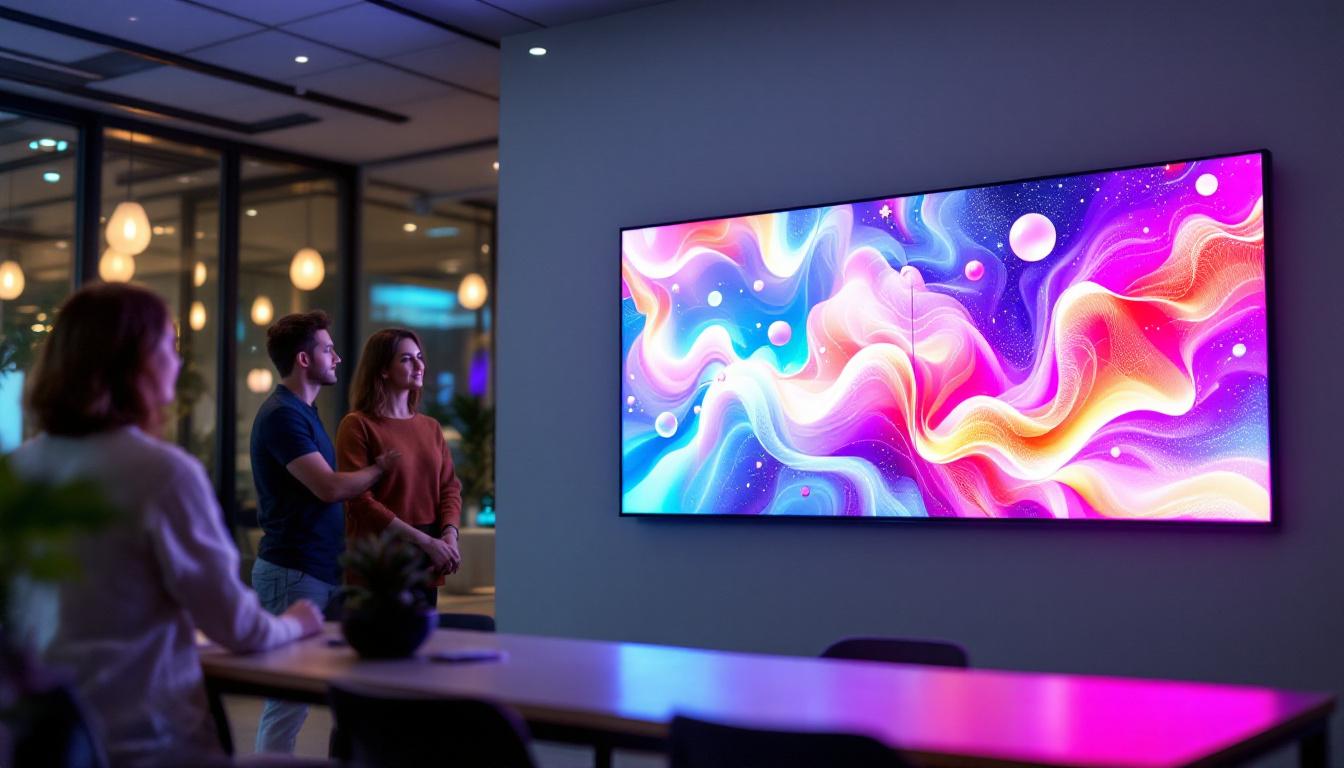
Moreover, the scalability of micro LED technology allows for the creation of large video walls or intricate installations that can adapt to various environments and user needs. For instance, in retail spaces, brands can utilize micro LED displays to craft dynamic and eye-catching advertisements that can change shape and size, drawing in customers with stunning visuals. In the realm of smart homes, micro LED technology can seamlessly integrate into furniture or walls, providing a sleek and modern aesthetic that enhances the overall design while delivering high-quality visual content. This adaptability is paving the way for a new era of immersive experiences, where displays are no longer just screens, but integral components of our living and working spaces.
Current Applications and Future Prospects
Micro LED technology is rapidly gaining traction across multiple industries. Its unique combination of high resolution, brightness, and durability makes it ideal for both consumer and commercial applications.
Consumer Electronics
Leading technology companies are investing heavily in micro LED displays for smartphones, smartwatches, and AR/VR devices. The promise of brighter screens with better battery efficiency and no risk of burn-in is driving research and development in this area. For example, some flagship smartphones are expected to incorporate micro LED panels within the next few years, offering users an enhanced viewing experience.
Digital Signage and Outdoor Displays
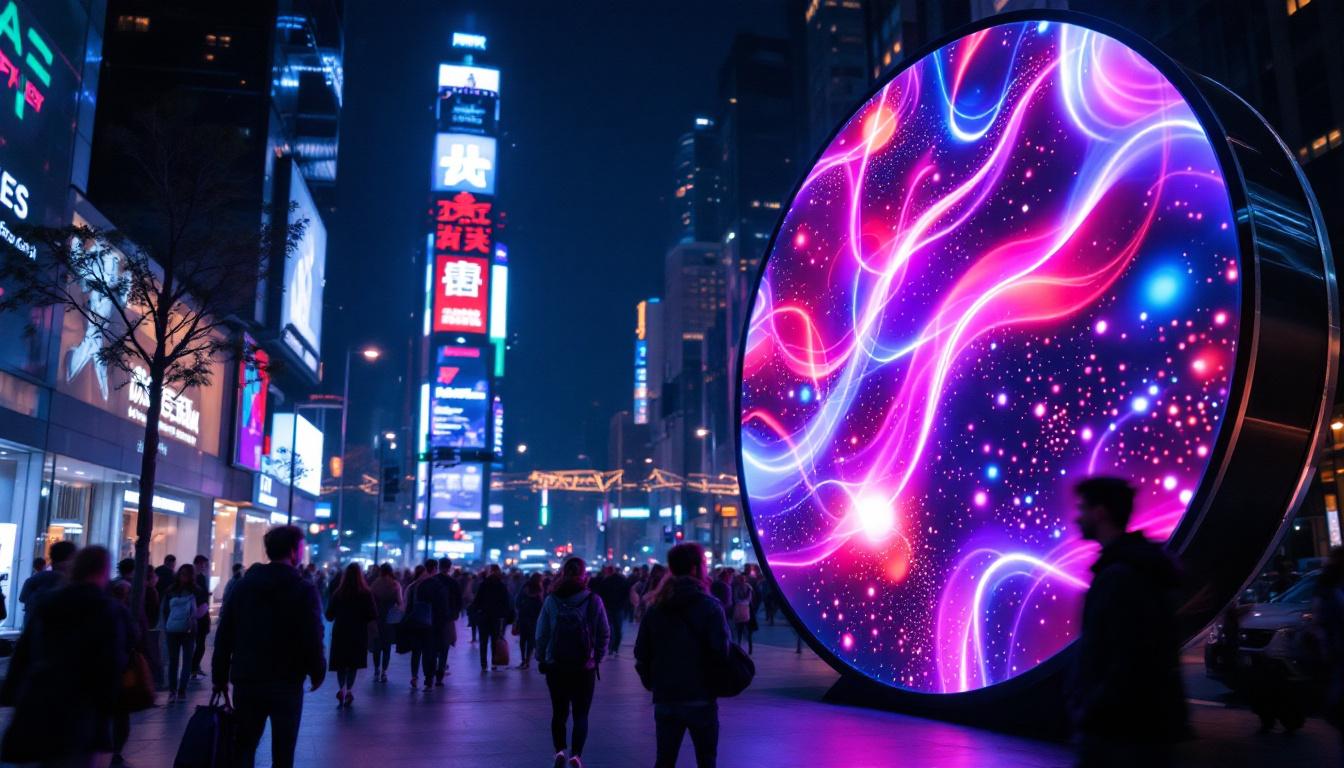
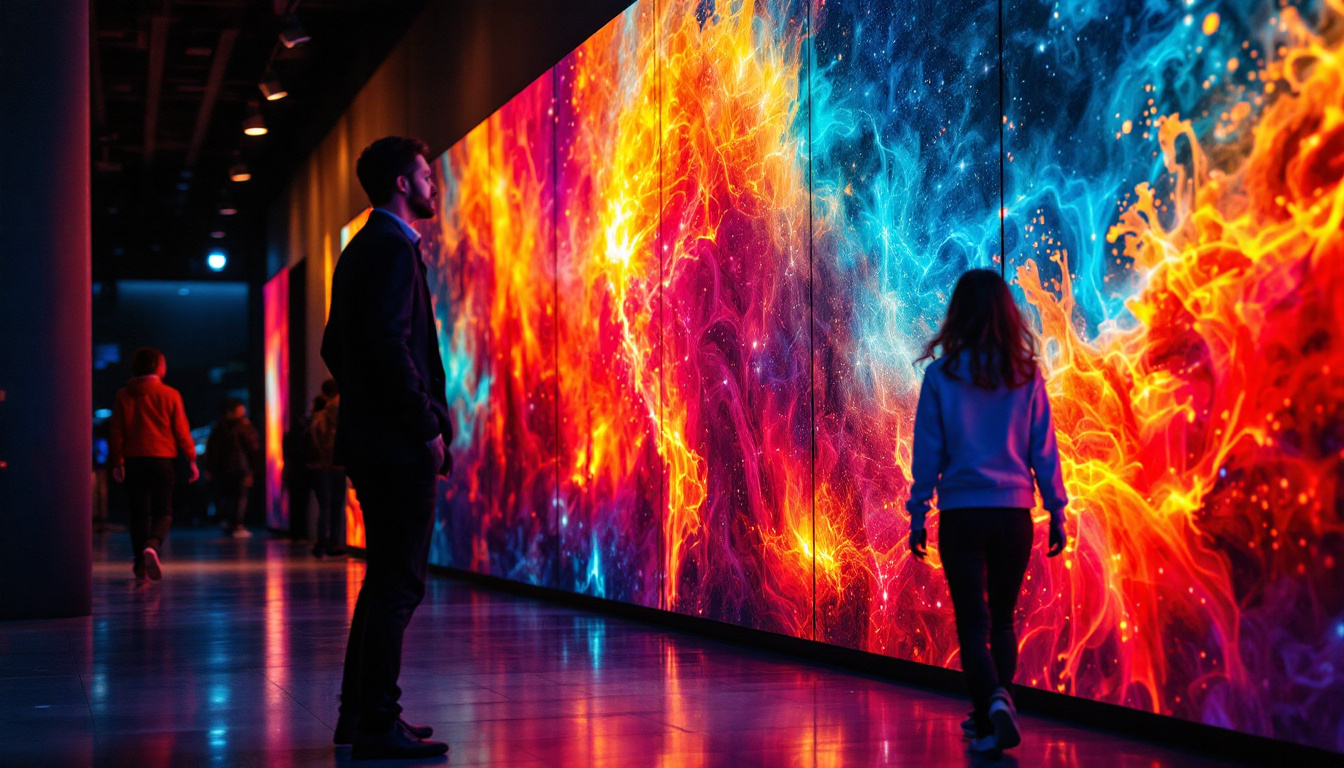
Micro LED displays are well-suited for large-scale digital signage due to their brightness and weather resistance. Stadiums, shopping malls, and transportation hubs are increasingly adopting micro LED technology to deliver vibrant, eye-catching content that remains visible under various lighting conditions.
Moreover, the modular nature of micro LED panels allows for scalable installations, from small kiosks to massive video walls, providing flexibility in design and deployment.
Automotive and Aerospace
The automotive industry is exploring micro LED displays for dashboards, heads-up displays, and infotainment systems. Their high brightness ensures visibility in daylight, while their durability meets the demanding conditions of vehicle interiors.
In aerospace, micro LEDs are being considered for cockpit displays and cabin entertainment systems, where reliability and performance are critical.
Challenges and Developmental Hurdles
Despite their advantages, micro LED displays face several challenges before widespread adoption can occur. Manufacturing micro LEDs at scale remains complex and costly, primarily due to the precision required in transferring millions of tiny LEDs onto a substrate.
Additionally, achieving uniform color and brightness across large displays requires advanced calibration techniques. Researchers and manufacturers are actively working on solutions to these issues, and progress is steady.
Conclusion: The Future of LED Micro Lights in Displays
LED micro lights represent a transformative advancement in display technology. Their ability to deliver superior image quality, energy efficiency, and design flexibility positions them as a leading candidate to replace or complement existing display technologies like OLED and LCD.
As production techniques improve and costs decrease, micro LED displays are expected to become more prevalent across consumer electronics, commercial signage, automotive, and aerospace sectors. For businesses and consumers alike, this means access to brighter, more durable, and more versatile displays that enhance visual experiences in countless ways.
Understanding the fundamentals of LED micro lights and their role in modern displays provides valuable insight into the future of digital visualization. As this technology continues to evolve, it promises to redefine how we interact with screens in everyday life.
Discover the Future of Visual Displays with LumenMatrix
Ready to experience the cutting-edge of LED display technology? LumenMatrix is at the forefront of innovation, offering a wide array of LED display solutions that bring your visual communication to life. From captivating Indoor and Outdoor LED Wall Displays to dynamic Vehicle and Sports LED Displays, our products are designed to make an impact. Explore the possibilities with our LED Poster Displays, immersive Floor LED Displays, and the sleek aesthetics of LED Transparent Displays. Embrace the future with LumenMatrix and check out our LED Display Solutions today to see how we can transform your space into a vibrant canvas for engagement and storytelling.