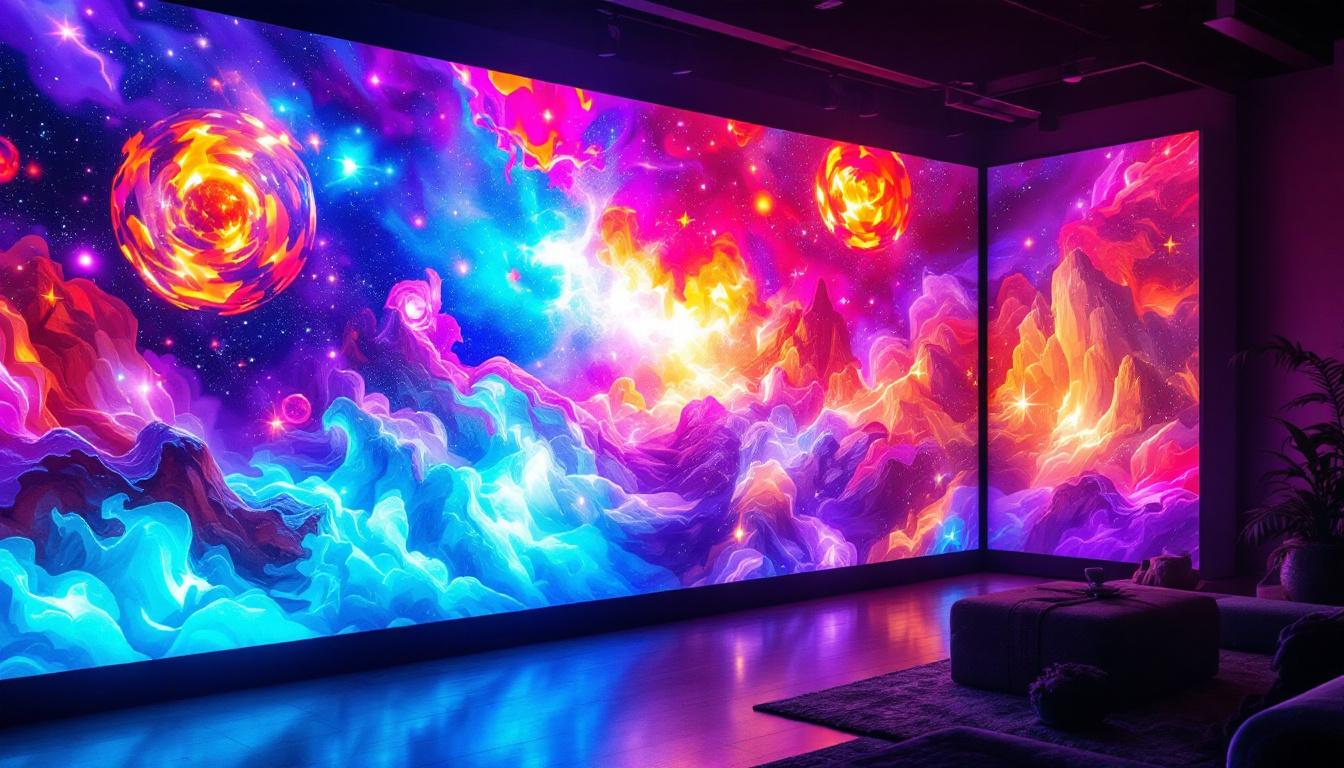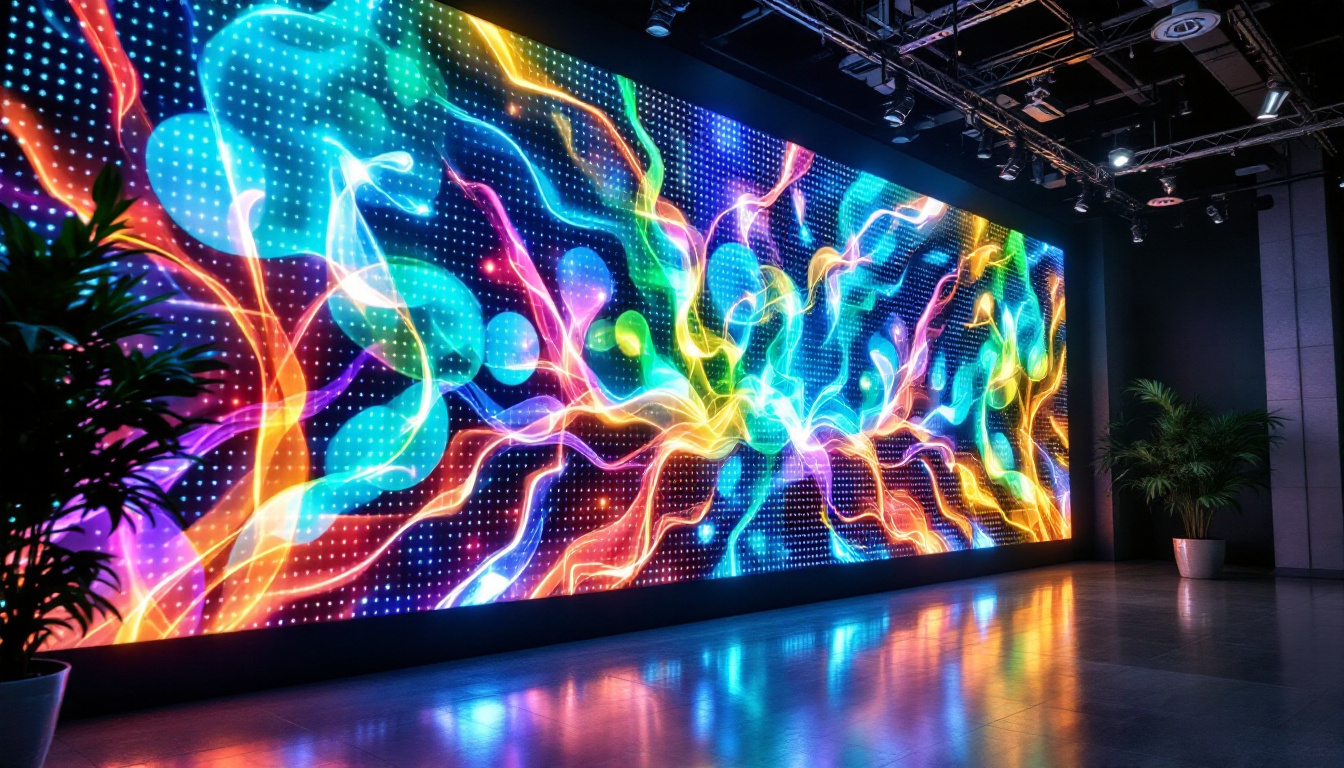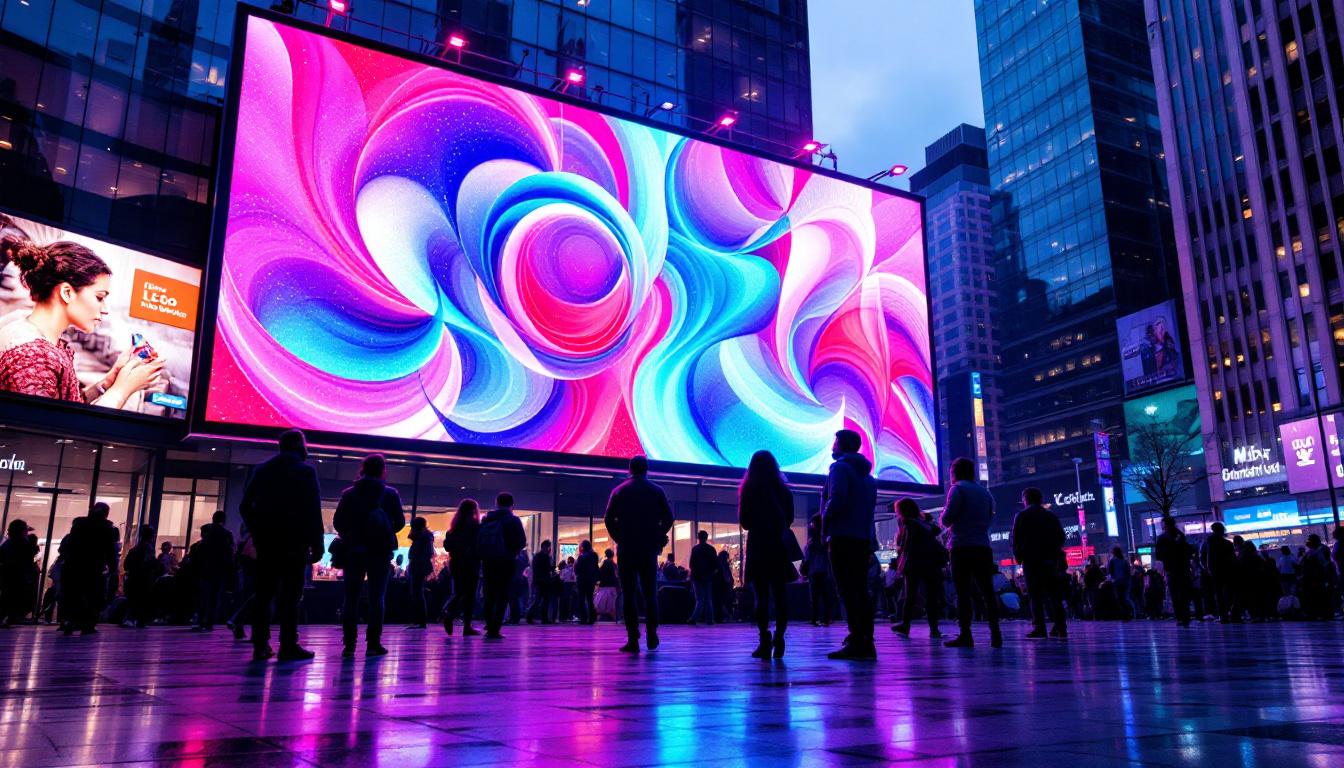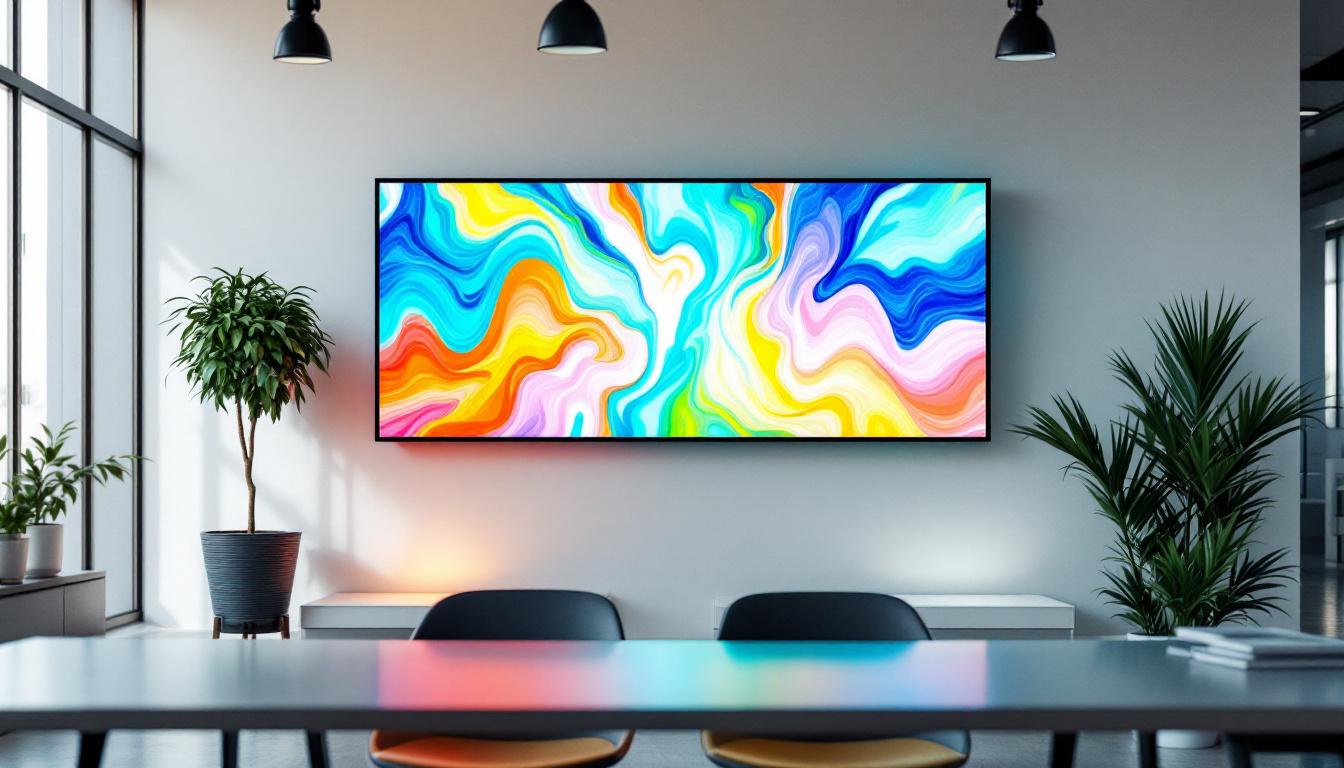
In modern office environments, the way spaces are decorated has evolved far beyond traditional framed paintings or static photographs. Dynamic digital displays, particularly LED screens, have become a popular choice for adding vibrancy, flexibility, and interactivity to office walls. This article explores how LED displays can transform office aesthetics, the technology behind them, and practical considerations for integrating them into professional spaces.
The Evolution of Office Wall Decor
Office wall art has long been a staple for creating an inviting and motivating atmosphere. Historically, businesses relied on printed posters, paintings, or photographs to personalize their spaces. However, these static images often lack versatility and can quickly become outdated or uninspiring. The choice of artwork also played a significant role in reflecting a company’s culture and values, with many organizations opting for pieces that resonated with their brand identity or mission. As a result, the art on the walls often became a conversation starter, influencing both employee morale and client perceptions.
With the rise of digital technology, offices began incorporating screens to display information, branding, or art. LED displays, in particular, have emerged as a leading solution due to their brightness, energy efficiency, and ability to showcase a wide range of content. According to a 2023 report by MarketsandMarkets, the global LED display market is expected to grow at a compound annual growth rate (CAGR) of 11.2% through 2028, highlighting their increasing popularity in commercial environments. This shift towards digital decor not only enhances aesthetic appeal but also aligns with the growing emphasis on sustainability, as many LED displays consume less power than traditional lighting methods.
Why Choose LED Displays Over Traditional Pictures?
LED displays offer several advantages compared to conventional wall pictures:
- Dynamic Content: Unlike static images, LED screens can cycle through multiple pictures, videos, or even live data feeds.
- Customization: Content can be tailored to suit different times of day, events, or moods, enhancing engagement.
- Space Efficiency: One display can replace dozens of framed pictures, reducing clutter.
- Brightness and Visibility: LED technology ensures vibrant colors and clear visibility even in well-lit office environments.
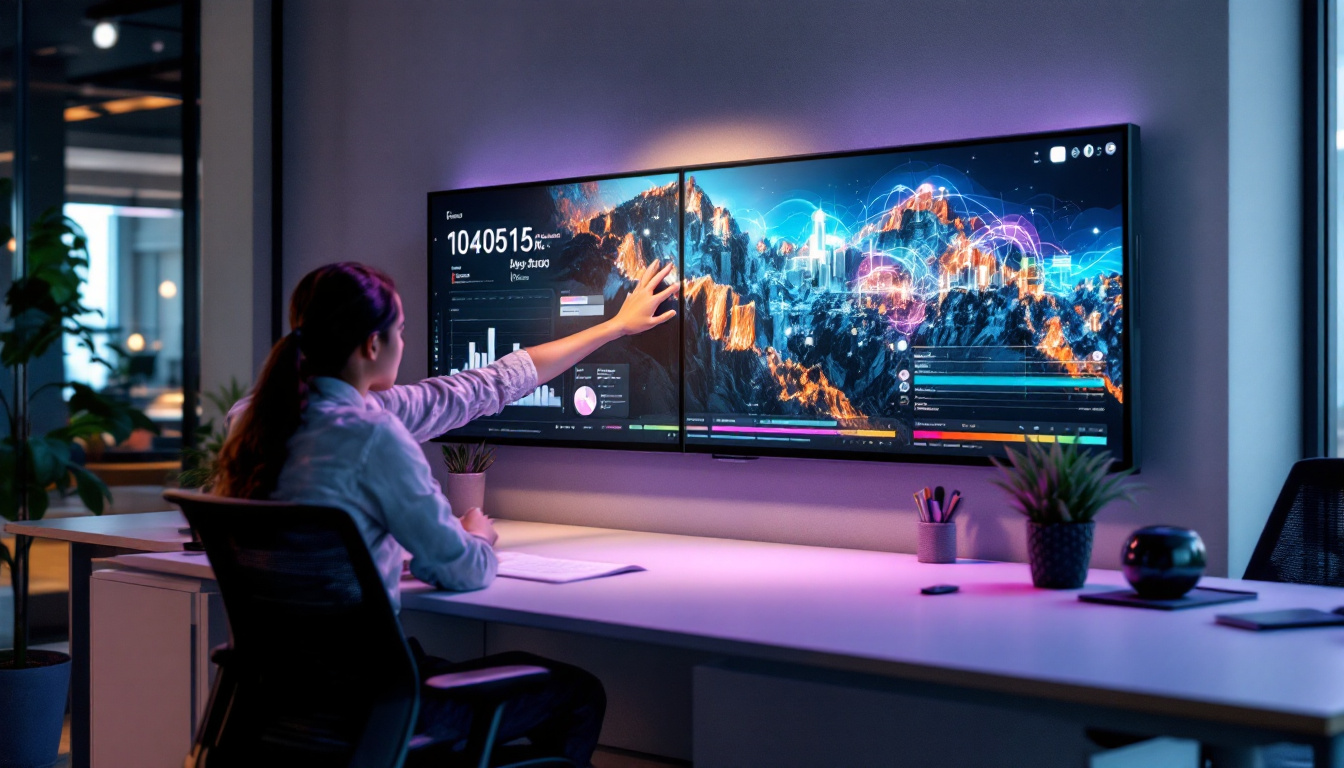
Furthermore, the interactivity of modern LED displays can transform the way employees and clients engage with the space. Touchscreen capabilities allow users to navigate through galleries, access information about displayed pieces, or even contribute their own content, fostering a sense of community and collaboration. This interactive element can be particularly beneficial in creative industries, where brainstorming and idea-sharing are essential. As companies strive to create environments that inspire innovation, the integration of LED displays into office decor represents a forward-thinking approach to workplace design.
Additionally, the aesthetic flexibility of LED displays means that businesses can easily adapt their decor to reflect seasonal themes, marketing campaigns, or even employee achievements. This adaptability not only keeps the environment fresh and exciting but also reinforces company values and goals. For instance, during a product launch, a company might showcase promotional videos or customer testimonials, while during the holiday season, festive graphics can create a warm and inviting atmosphere. Such versatility ensures that the office remains a dynamic space, continually evolving to meet the needs and aspirations of its occupants.
Understanding LED Display Technology
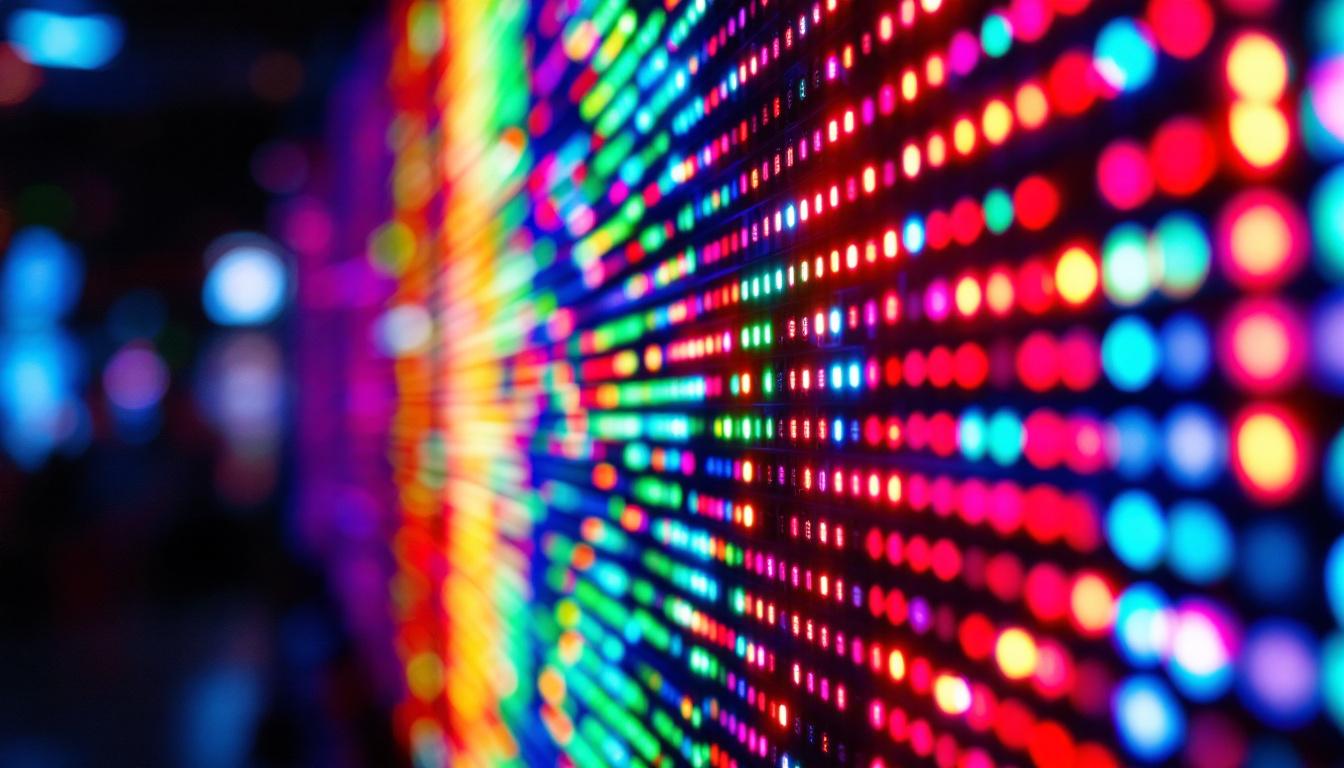
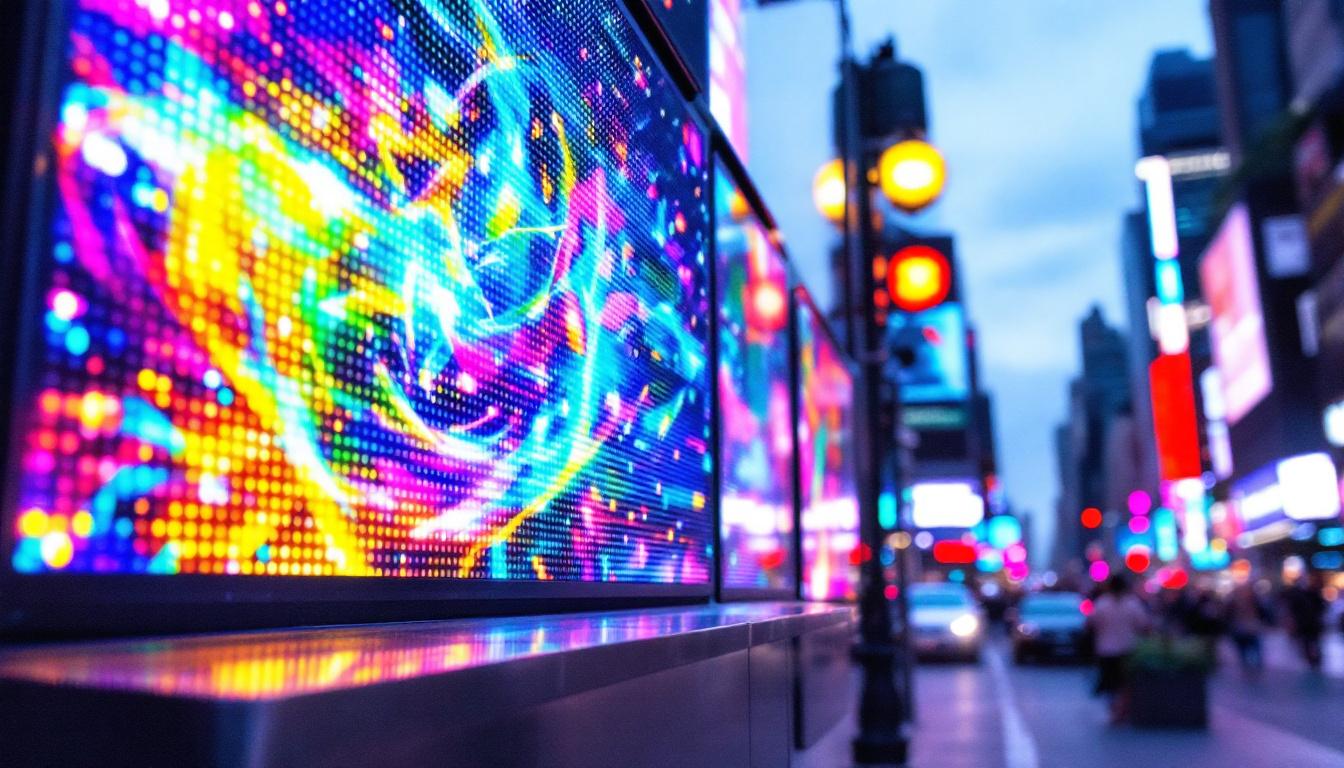
LED stands for Light Emitting Diode, a semiconductor device that emits light when an electric current passes through it. LED displays use thousands of these tiny diodes arranged in a grid to create images and videos. The technology has advanced significantly, making it suitable for indoor office use.
Types of LED Displays Suitable for Offices
There are several types of LED displays, each with unique characteristics that affect their suitability for office walls:
- Direct View LED (DVLED): These displays consist of individual LEDs that form the image directly. They offer excellent brightness and color accuracy, ideal for large feature walls or digital art installations.
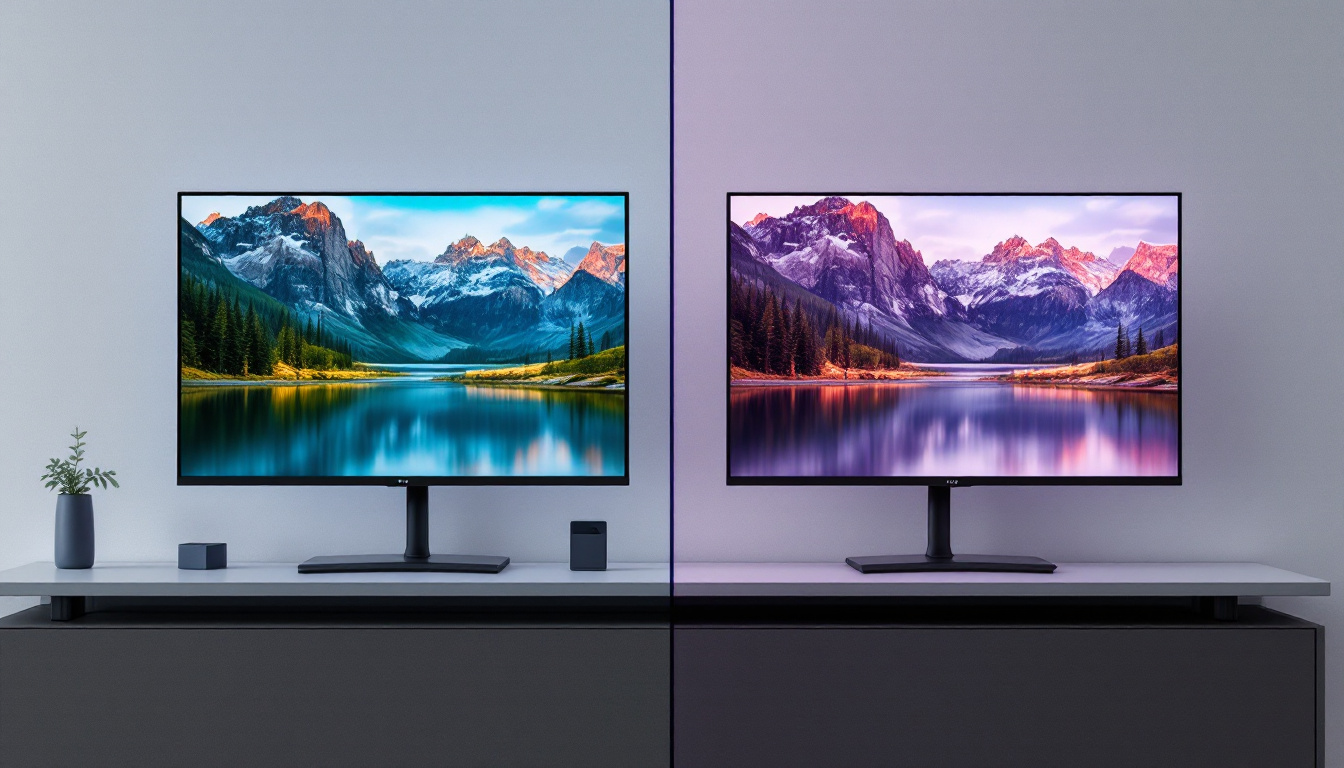
- LED-backlit LCD: This technology combines traditional LCD panels with LED backlighting, offering high resolution and energy efficiency. It is common in monitors and smaller digital frames.
- MicroLED: An emerging technology that promises even better color accuracy and contrast by using microscopic LEDs. While currently expensive, it is expected to become more accessible in the coming years.
Key Technical Specifications to Consider
When selecting an LED display for office walls, several technical factors should be evaluated:
- Resolution: Higher resolution means sharper images. For wall art, a resolution of 4K or higher is often desirable to ensure crisp visuals.
- Pixel Pitch: This refers to the distance between individual LEDs. Smaller pixel pitch results in finer image detail, essential for close viewing distances common in offices.
- Brightness: Measured in nits, brightness levels between 300 and 600 nits are typically sufficient for indoor office lighting conditions.
- Viewing Angle: Wide viewing angles ensure that images look good from different parts of the room.
- Refresh Rate: A higher refresh rate reduces flicker and improves video smoothness, important for dynamic content.
Benefits of LED Displays in Office Environments
Integrating LED displays into office walls offers numerous benefits that go beyond aesthetics. These advantages can positively impact employee productivity, client impressions, and overall workplace culture.
Enhancing Workplace Ambiance and Branding
LED displays allow companies to showcase their brand identity dynamically. From displaying company logos and mission statements to highlighting employee achievements or upcoming events, these screens serve as a powerful communication tool. A visually engaging environment can foster a sense of pride and belonging among employees.
For client-facing areas such as lobbies or conference rooms, LED displays create a modern and professional impression. A 2022 survey by Steelcase found that 70% of visitors to offices with digital displays perceived the company as more innovative and forward-thinking.
Flexibility and Content Variety
One of the most compelling reasons to use LED displays is their ability to change content instantly. Offices can rotate through artwork collections, display motivational quotes, or even stream live news or social media feeds relevant to the business. This flexibility keeps the environment fresh and engaging without the need for physical replacements or redecoration.
Supporting Collaboration and Information Sharing
Beyond decorative purposes, LED displays can serve functional roles by presenting meeting schedules, project updates, or interactive dashboards. This real-time information sharing can improve communication and streamline workflows, especially in open-plan offices or coworking spaces.
Practical Considerations for Installing LED Displays on Office Walls
While LED displays offer many advantages, successful implementation requires careful planning and consideration of several factors.
Choosing the Right Location
Placement is crucial for maximizing the impact of LED displays. Ideal locations include reception areas, hallways, break rooms, and conference rooms—spaces where employees and visitors naturally gather. It’s important to consider sightlines, ambient lighting, and wall space dimensions.
Installation and Maintenance
Professional installation ensures that the display is securely mounted and integrated with the office’s electrical and network infrastructure. Maintenance considerations include cleaning, software updates, and occasional hardware servicing. Many modern LED displays come with remote management capabilities, allowing IT teams to update content and monitor performance without physical access.
Budget and Energy Consumption
Costs for LED displays vary widely depending on size, resolution, and features. While initial investment can be higher than traditional art, the long-term benefits and reduced need for physical replacements often justify the expense. Additionally, LED technology is energy-efficient compared to older display types, helping to manage operational costs.
Case Studies: LED Displays Transforming Office Spaces
Several companies have successfully integrated LED displays into their office environments, illustrating their potential.
Tech Startup Creates Immersive Brand Experience
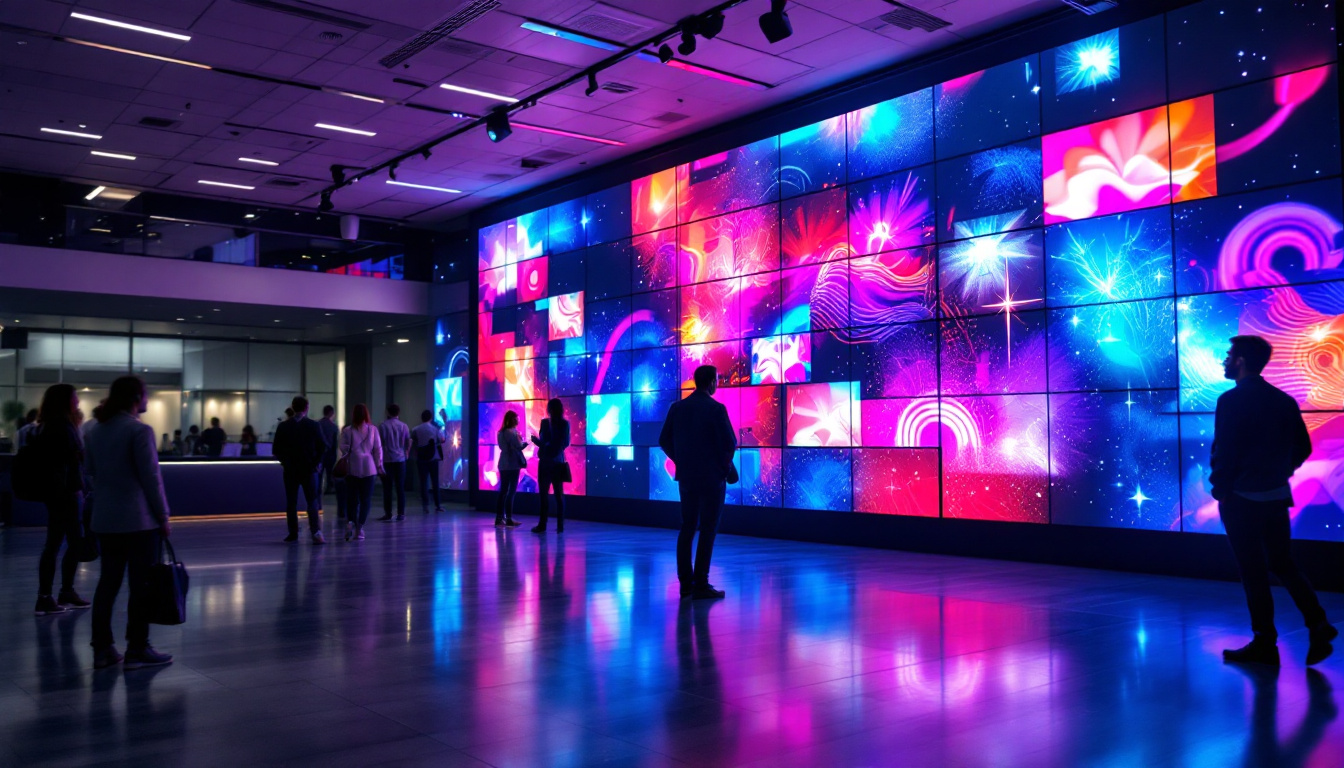
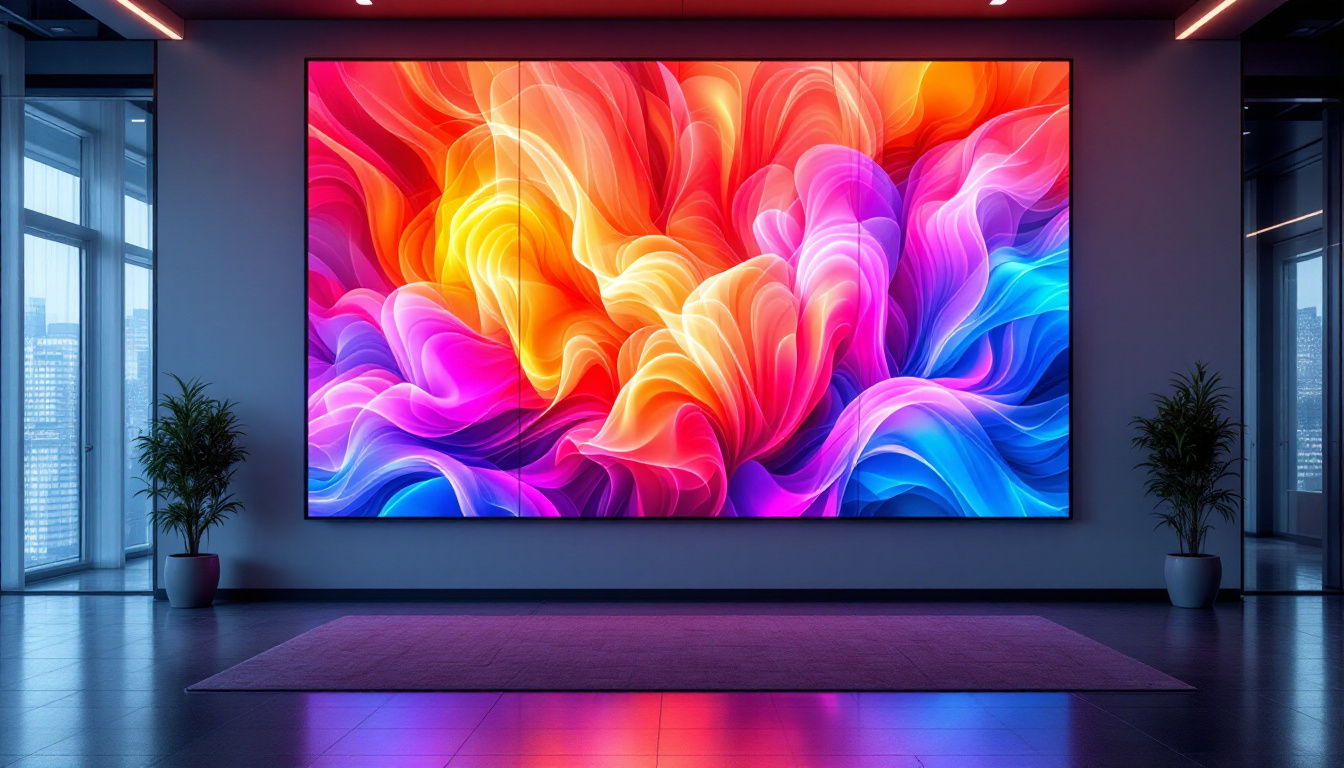
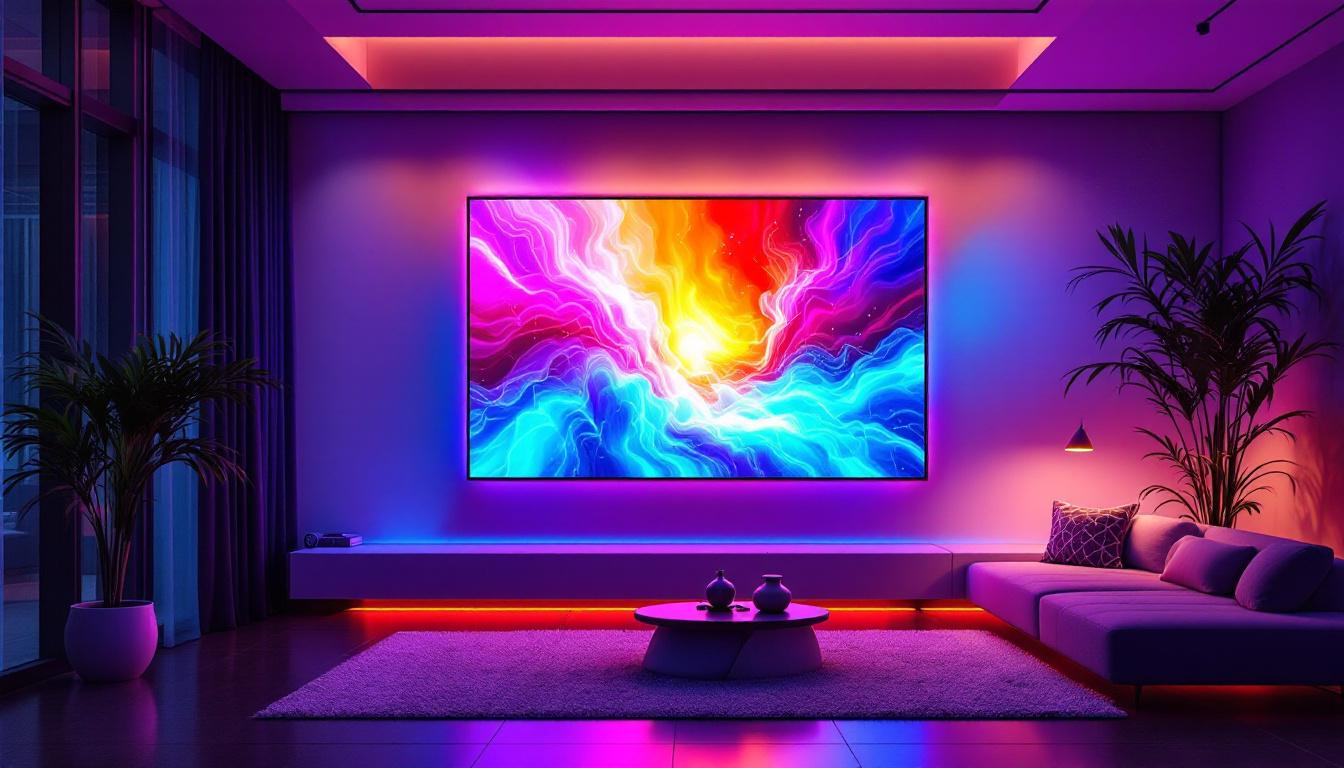
A rapidly growing technology startup installed a large direct view LED wall in their main lobby. The display cycles through vibrant digital art, company milestones, and live social media feeds. This installation not only impresses visitors but also serves as a daily inspiration for employees, reinforcing the company’s innovative culture.
Financial Firm Uses LED Displays for Real-Time Data
A financial services company utilizes LED-backlit LCD panels in their trading floor and meeting rooms to display live market data, news updates, and internal communications. The dynamic content helps traders make informed decisions quickly and keeps teams aligned during fast-paced market conditions.
Design Agency Showcases Portfolio with MicroLED
A creative agency invested in a microLED display wall to showcase their portfolio in ultra-high resolution. The vivid colors and sharp detail allow clients to experience their work in a new dimension, enhancing client presentations and boosting sales conversions.
Future Trends in LED Displays for Offices
As LED technology continues to advance, several trends are shaping the future of office wall displays.
Integration with Smart Office Systems
LED displays are increasingly being integrated with smart office platforms, enabling automated content updates based on calendar events, occupancy sensors, or environmental conditions. This creates responsive environments that adapt to the needs of occupants in real time.
Interactive and Touch-Enabled Displays
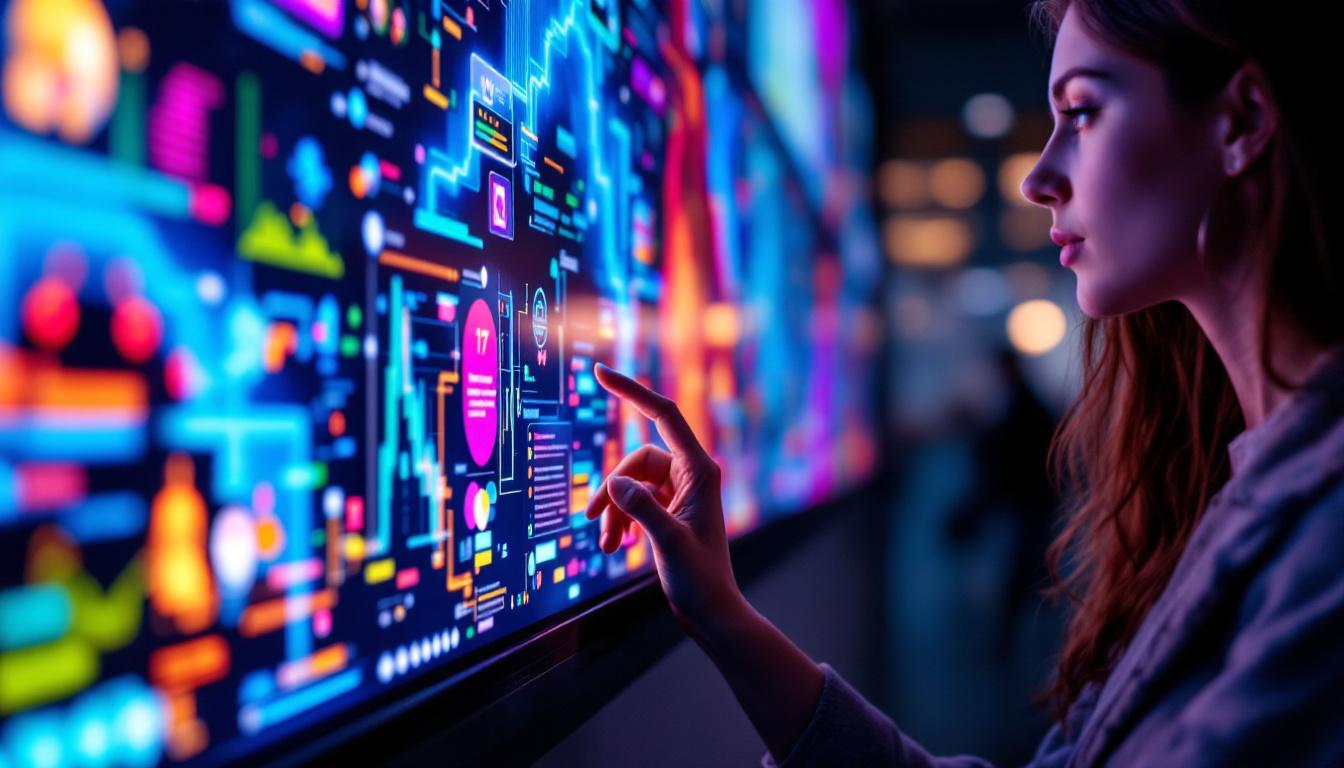
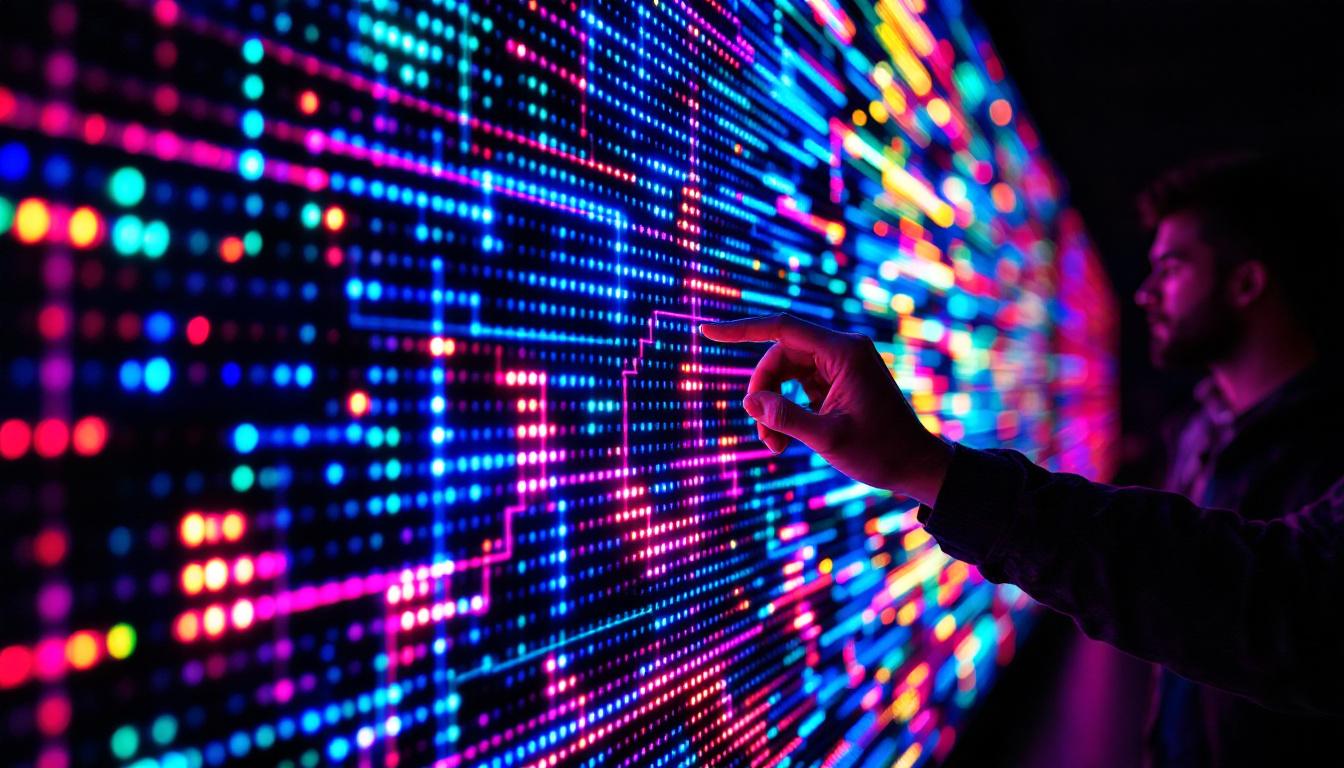
Touch-sensitive LED walls are gaining popularity, allowing users to interact directly with the content. This interactivity supports collaborative work, presentations, and wayfinding in large office complexes.
Sustainability and Energy Efficiency
Manufacturers are focusing on reducing the environmental impact of LED displays by improving energy efficiency, using recyclable materials, and developing longer-lasting components. These efforts align with corporate sustainability goals and can contribute to green building certifications.
Conclusion
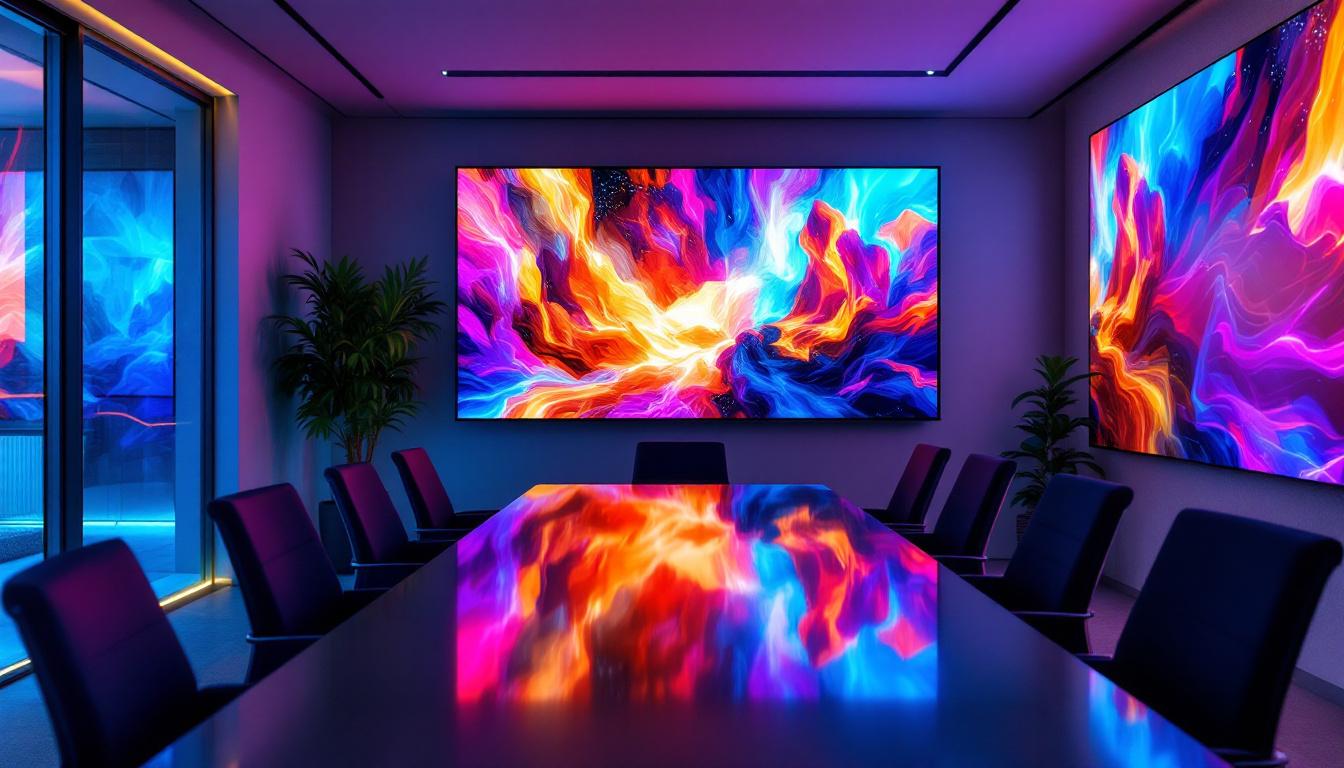
LED displays represent a transformative approach to decorating and utilizing office wall space. Their ability to deliver dynamic, customizable, and visually stunning content makes them an excellent investment for businesses looking to enhance their workplace environment and brand presence. By understanding the technology, benefits, and practical considerations, companies can make informed decisions that align with their aesthetic and functional goals.
As the technology evolves, LED displays will become even more integral to the modern office, blending art, information, and interactivity in ways that inspire and engage everyone who walks through the door.
Discover LumenMatrix LED Display Solutions
Ready to elevate your office environment with dynamic, customizable LED displays? LumenMatrix is at the forefront of LED display innovation, offering a diverse range of solutions from Indoor and Outdoor LED Wall Displays to specialized options like Vehicle, Sports, and Floor LED Displays. Embrace the future of visual communication and create an office space that inspires, engages, and stands out. Check out LumenMatrix LED Display Solutions today and transform your brand presence with unparalleled clarity and impact.