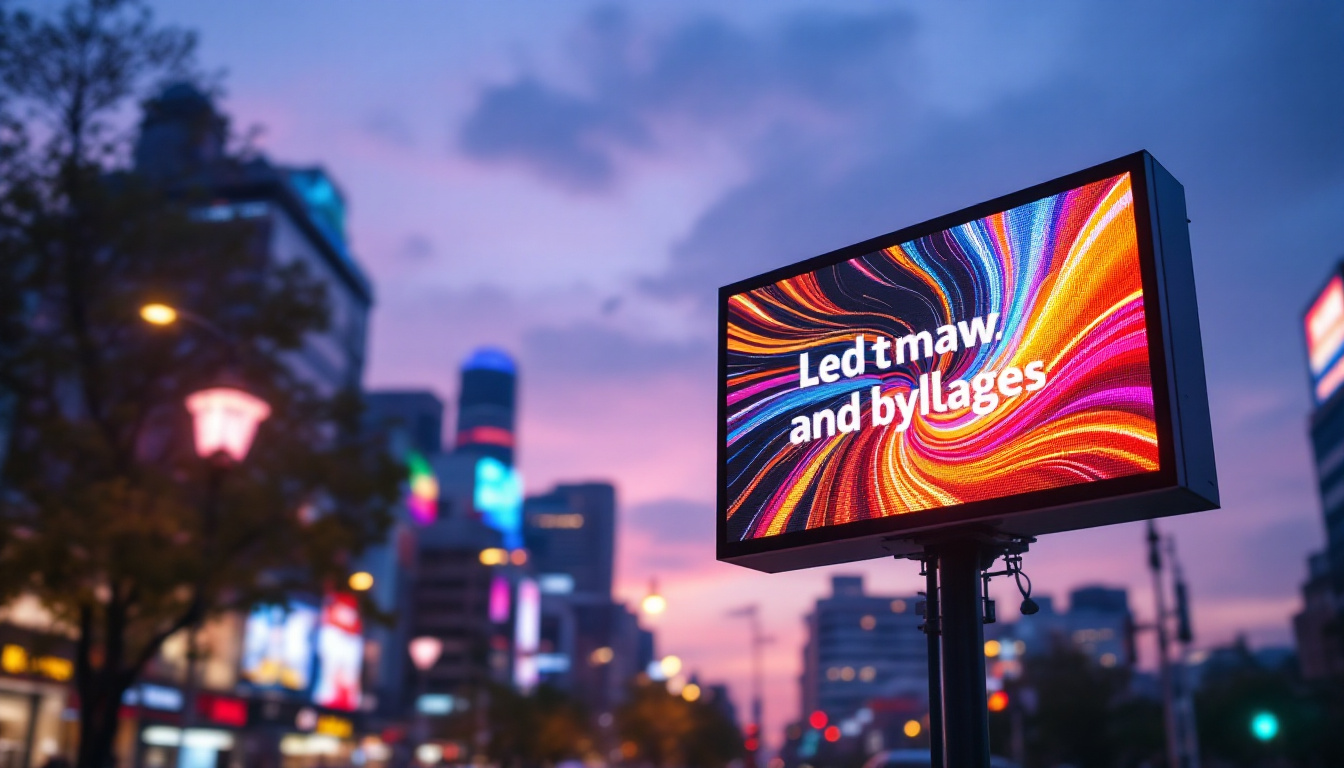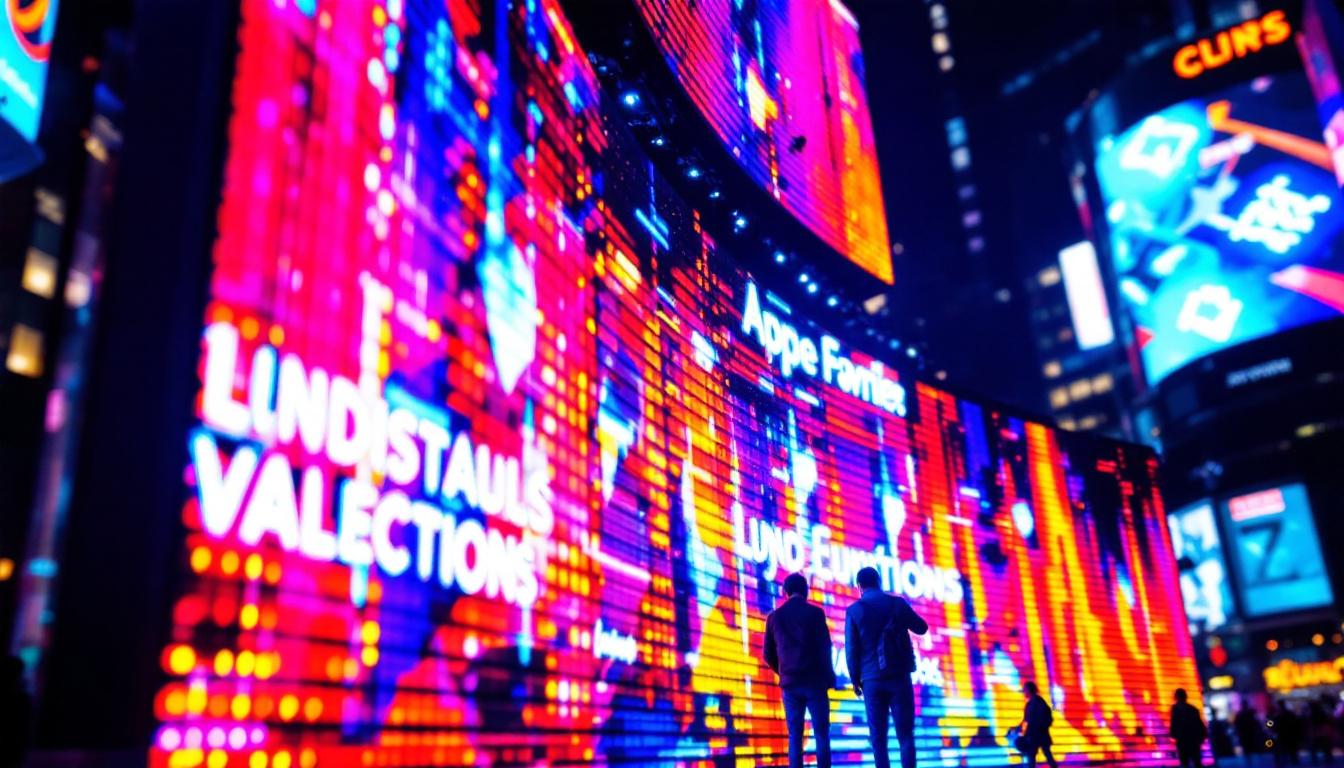
In the rapidly evolving world of digital signage and display technology, LED displays have emerged as a dominant force. From vibrant billboards in Times Square to dynamic information panels in airports and stadiums, LED displays are everywhere, captivating audiences with their brightness, clarity, and versatility. This article delves into the fundamentals of LED displays, exploring how they work, their types, applications, and the factors driving their widespread adoption.
Understanding the Basics of LED Displays
What is an LED Display?
An LED (Light Emitting Diode) display is a flat panel display technology that uses an array of light-emitting diodes as pixels to create images, videos, and text. Unlike traditional LCD or plasma screens, LED displays emit their own light, which allows for higher brightness levels, better contrast, and superior energy efficiency.
LED displays can be found in various sizes and formats, ranging from small indicator lights on electronic devices to massive outdoor billboards stretching hundreds of feet. The core principle involves controlling the intensity and color of each LED to form the desired image. This versatility has made LED technology a popular choice in numerous applications, including televisions, computer monitors, and digital signage, where clarity and visibility are paramount.
Furthermore, the durability of LED displays is noteworthy. They are less prone to damage from impacts and environmental factors compared to traditional display technologies. This resilience makes them ideal for outdoor use, where they can withstand harsh weather conditions while maintaining high performance. As a result, LED displays have become a staple in advertising, sports arenas, and public information systems, captivating audiences with their vibrant visuals.
How Do LED Displays Work?
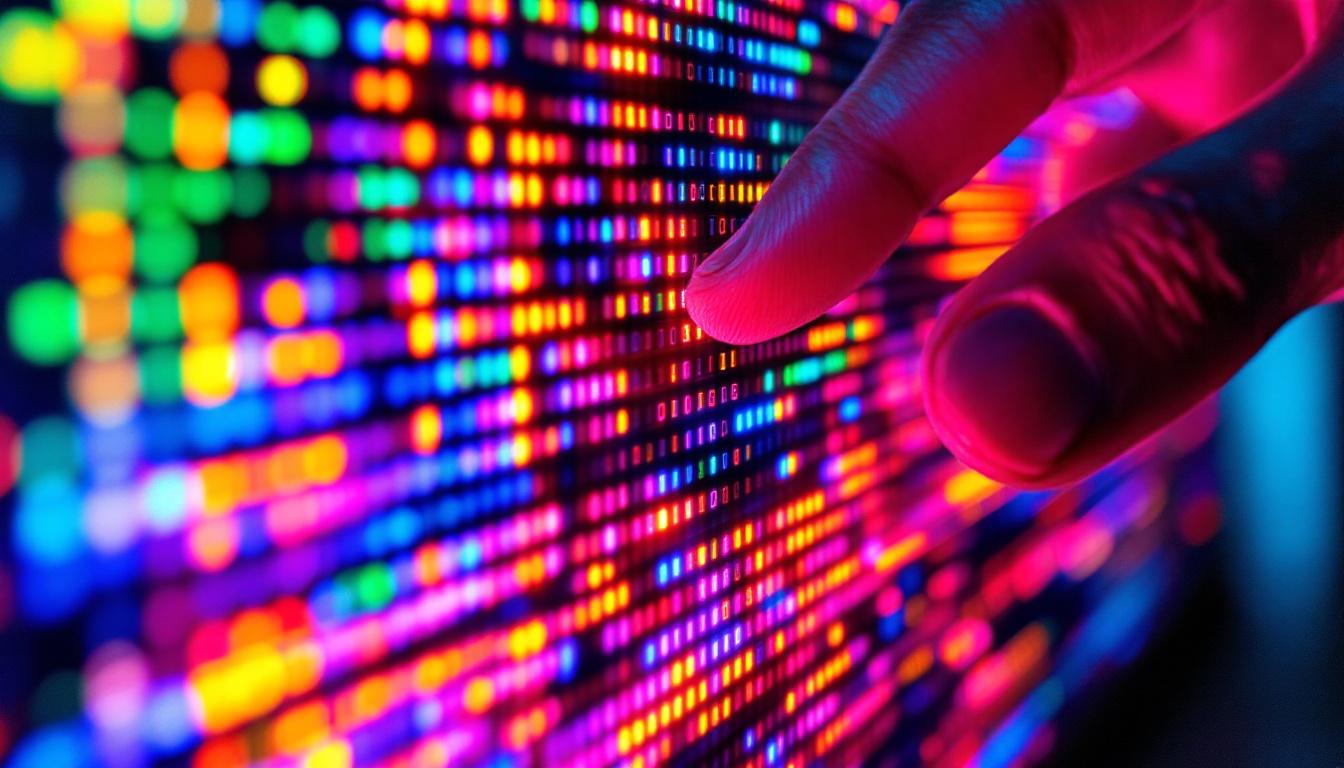
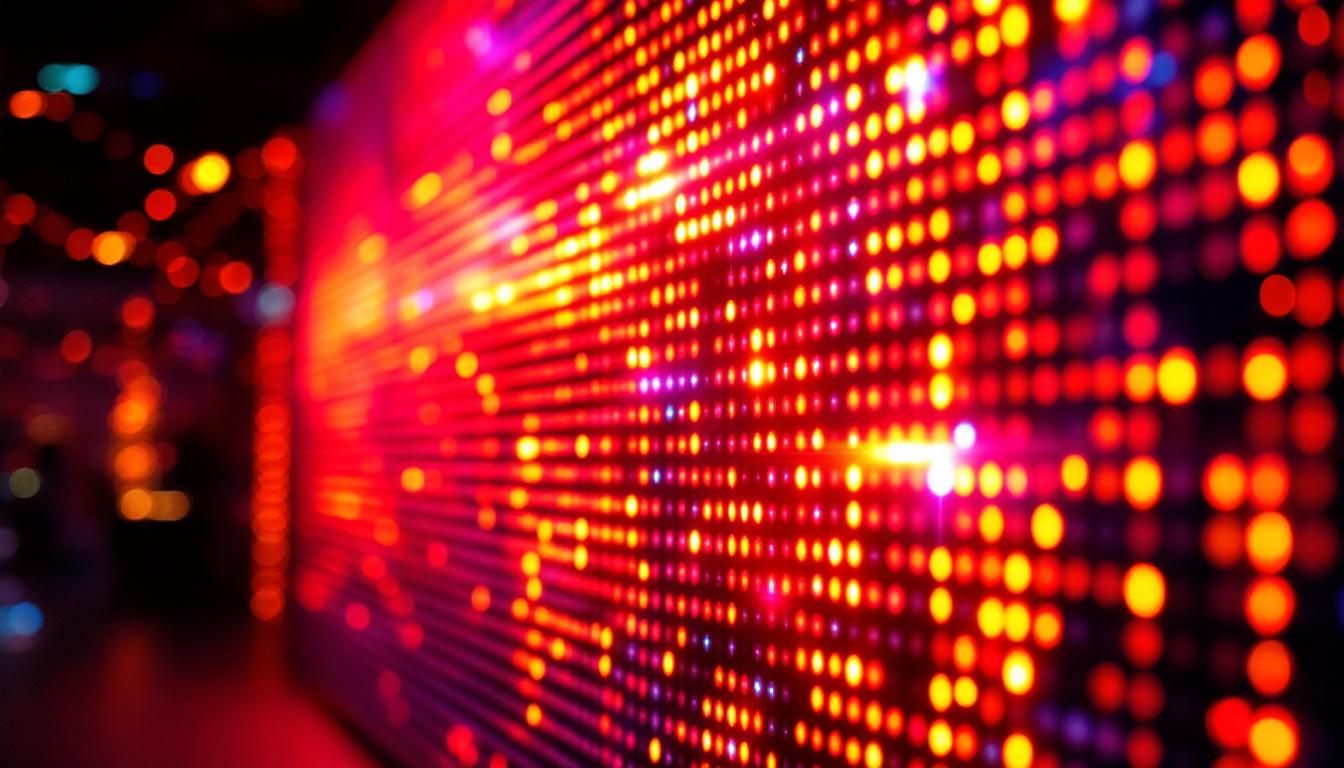
At the heart of an LED display are thousands to millions of tiny LEDs arranged in a grid pattern. Each LED acts as a pixel, and by adjusting the brightness of red, green, and blue LEDs within each pixel, the display can produce a full spectrum of colors. This RGB (Red-Green-Blue) color model is fundamental to digital displays. The ability to mix these primary colors in various intensities allows for the creation of millions of different hues, making LED displays capable of producing stunningly realistic images.
Modern LED displays use sophisticated driver circuits and control systems to manage the timing and intensity of each diode, enabling smooth video playback and crisp images. The light emitted by LEDs is direct, meaning it doesn’t rely on backlighting as LCDs do, which contributes to their vivid colors and energy efficiency. Additionally, advancements in technology have led to the development of various types of LED displays, such as OLED (Organic LED) and MicroLED, which offer even greater contrast ratios and flexibility in design. These innovations are paving the way for more immersive viewing experiences, allowing for curved screens and ultra-thin panels that can seamlessly integrate into any environment.
Types of LED Displays
1. Direct View LED Displays
Direct View LED (DVLED) displays are composed of LEDs that are visible directly to the viewer without any intermediary layers. These displays are often used for large-scale applications such as outdoor advertising, sports arenas, and concert stages. Their modular design allows for flexible sizing and shapes.
One of the key advantages of DVLEDs is their exceptional brightness, which can exceed 5,000 nits, making them easily visible even in direct sunlight. Additionally, their wide viewing angles and fast refresh rates make them ideal for dynamic content.
2. LED-Backlit LCD Displays
Many consumer electronics, such as televisions and computer monitors, use LED backlighting behind an LCD panel. In this configuration, LEDs illuminate the liquid crystals, which then modulate the light to form images. Although technically not a pure LED display, this hybrid approach benefits from the energy efficiency and brightness of LEDs while maintaining the color accuracy and resolution of LCDs.
LED-backlit LCDs are more affordable and widely available, making them the standard for most indoor displays where ultra-high brightness is not critical.
3. MicroLED Displays
MicroLED technology represents the next frontier in LED displays. MicroLEDs are microscopic LEDs that serve as individual pixels, offering unparalleled brightness, contrast, and energy efficiency. Unlike OLEDs, MicroLEDs do not suffer from burn-in issues and can achieve higher peak brightness.
Currently, MicroLED displays are primarily found in high-end commercial applications and experimental consumer devices due to their complex manufacturing process and cost. However, as production techniques improve, MicroLEDs are expected to revolutionize display technology in the coming years.
Key Advantages of LED Displays
Brightness and Visibility
One of the most significant benefits of LED displays is their brightness. Outdoor LED billboards can reach brightness levels of up to 10,000 nits, ensuring visibility even in direct sunlight. This makes them indispensable for advertising, traffic signage, and public information systems where clarity is essential regardless of ambient lighting conditions.
Energy Efficiency and Longevity
LEDs consume less power than traditional lighting and display technologies. For example, an LED display can use up to 50% less energy than a comparable LCD screen with fluorescent backlighting. This efficiency translates into lower operating costs and a smaller environmental footprint.
Moreover, LEDs have a long operational life, often exceeding 100,000 hours. This durability reduces maintenance costs and downtime, particularly important for large-scale installations.
Color Accuracy and Contrast
Because LEDs emit light directly, they can achieve true blacks by turning off individual diodes, resulting in superior contrast ratios compared to LCDs that rely on backlighting. The ability to produce vibrant colors with high saturation enhances the visual impact of content, making LED displays ideal for advertising and entertainment.
Applications of LED Displays
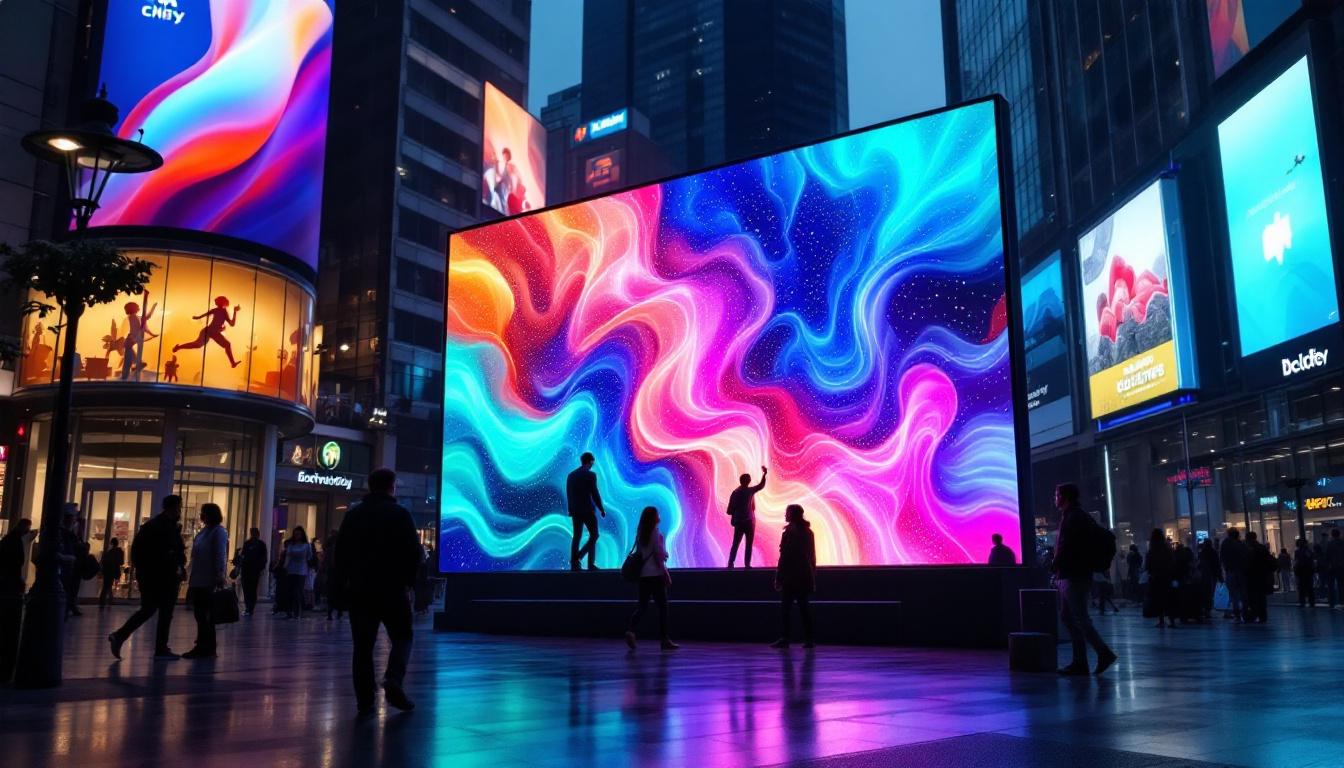
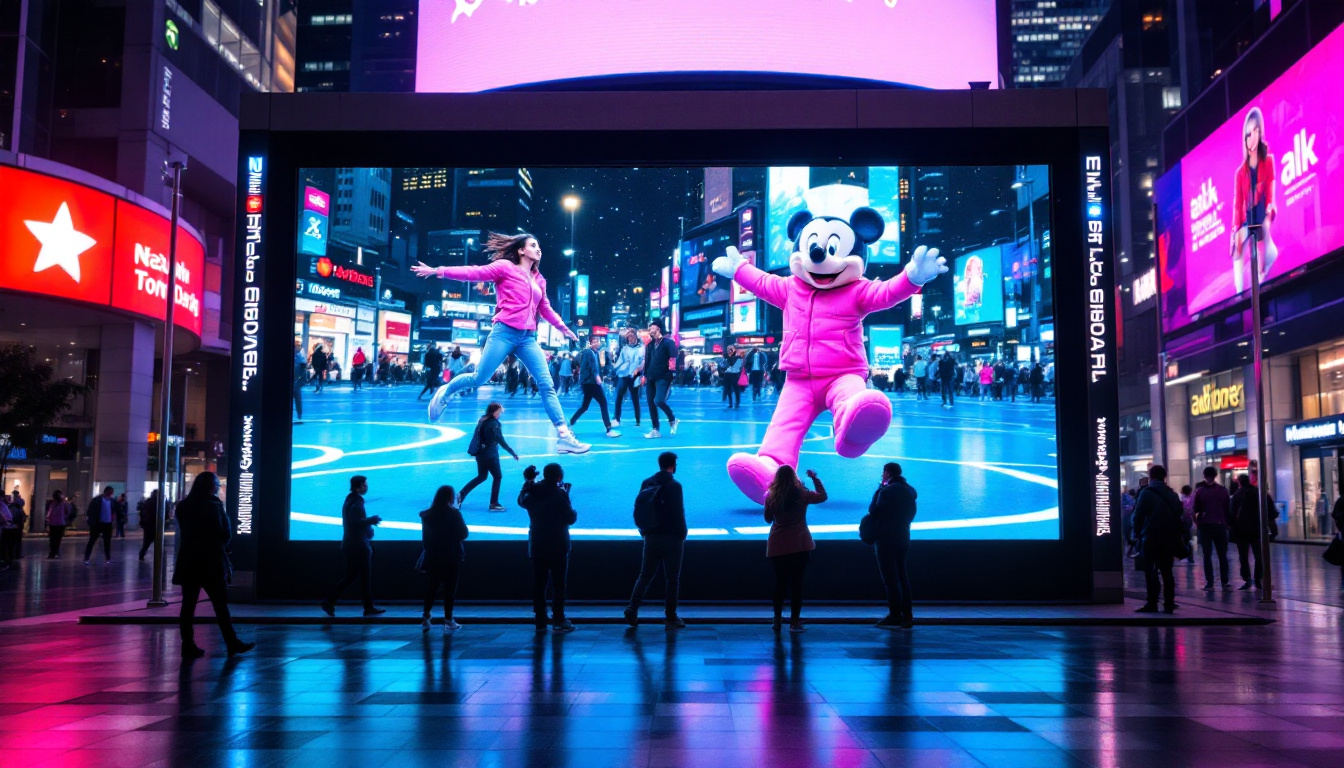
Outdoor Advertising and Digital Billboards
LED displays have transformed outdoor advertising by enabling dynamic, eye-catching content that can be updated remotely and in real-time. According to recent industry reports, the global digital out-of-home (DOOH) advertising market is expected to grow at a compound annual growth rate (CAGR) of over 10% through 2027, driven largely by LED display adoption.
Billboards equipped with LED technology can display multiple advertisements throughout the day, incorporate animations and videos, and even respond to environmental data such as weather or traffic conditions, making advertising more engaging and targeted.
Sports Arenas and Event Venues
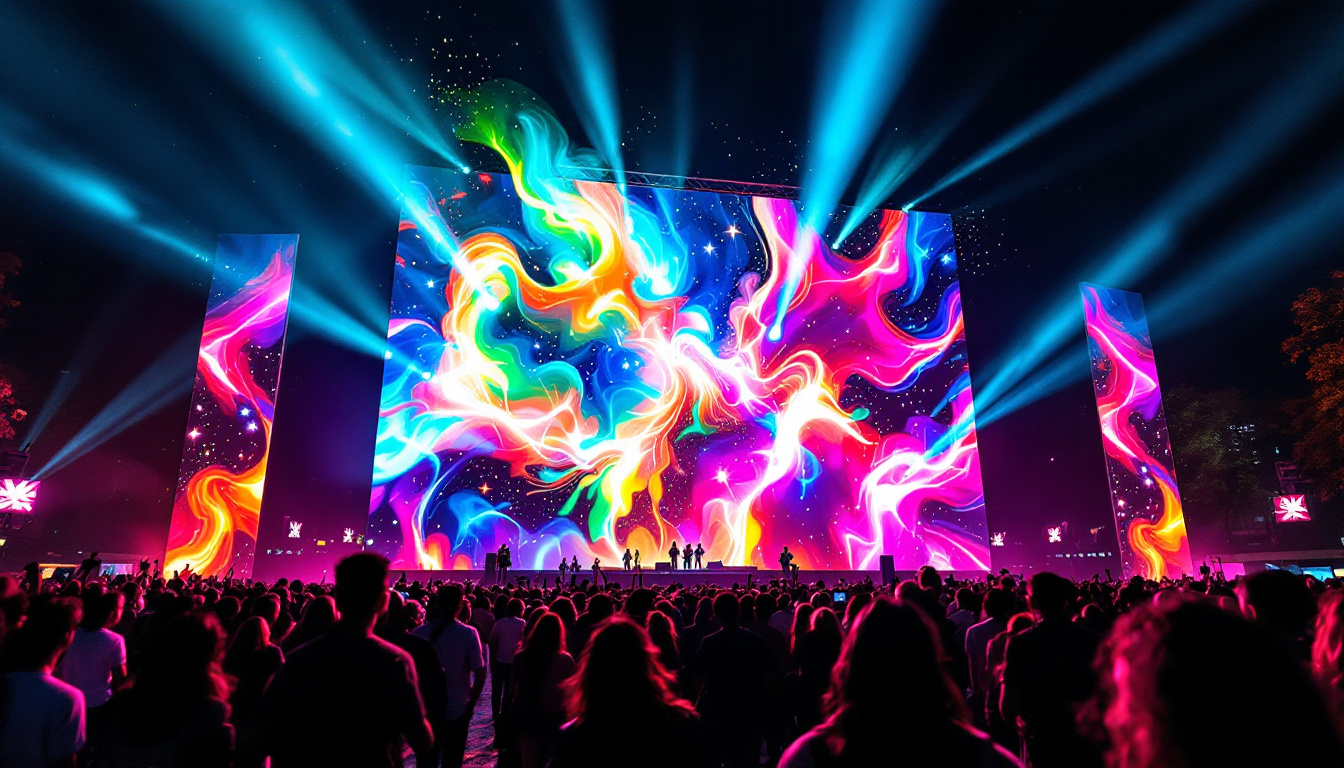
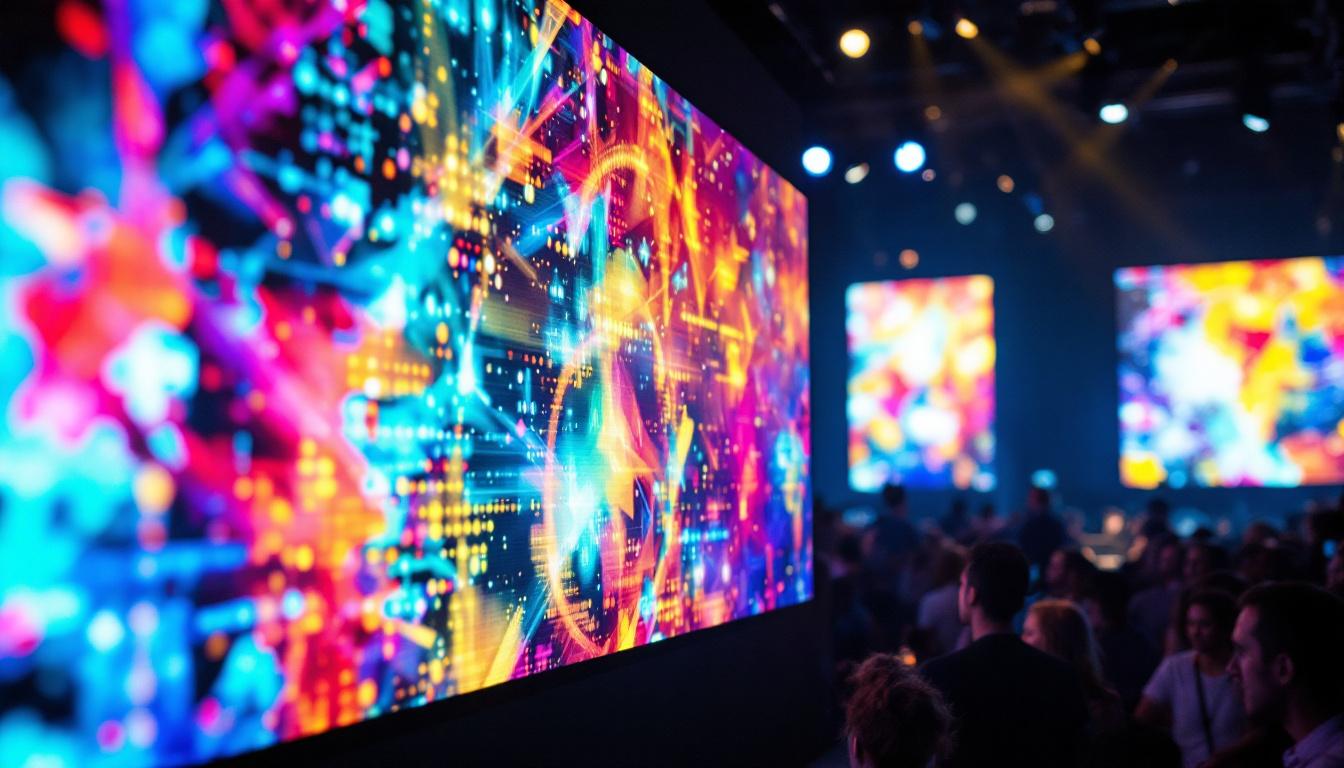
LED displays are ubiquitous in sports arenas and concert venues, where they provide scoreboards, live video feeds, and immersive visual effects. Their high refresh rates and brightness ensure that fans have an optimal viewing experience regardless of their seating location.
For example, the AT&T Stadium in Texas features one of the largest LED video boards in the world, measuring over 160 feet wide and 72 feet tall, delivering stunning visuals to tens of thousands of spectators.
Transportation and Public Information Systems
Airports, train stations, and bus terminals utilize LED displays to convey real-time schedules, alerts, and wayfinding information. The clarity and reliability of LED technology make it ideal for environments where timely and accurate information is critical.
Additionally, LED traffic signs and variable message signs improve road safety by providing drivers with up-to-date information on traffic conditions, road work, and emergencies.
Retail and Corporate Environments
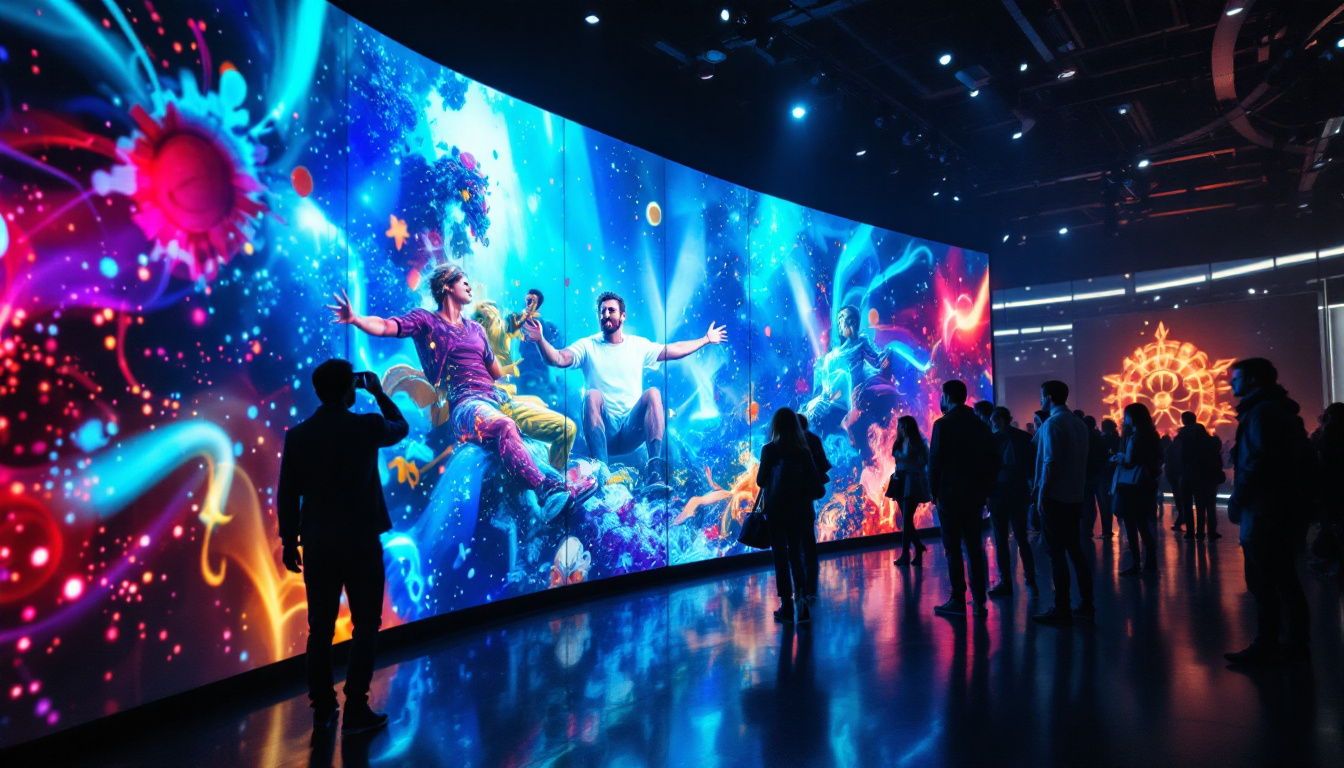
Retailers use LED displays to attract customers with promotional content, interactive signage, and digital price tags. In corporate settings, LED video walls enhance presentations, meetings, and branding efforts.
The flexibility of LED displays allows businesses to customize the size, shape, and resolution of their screens to fit unique spaces and branding needs.
Factors to Consider When Choosing an LED Display
Pixel Pitch and Resolution
Pixel pitch refers to the distance between the centers of adjacent LEDs and is measured in millimeters. A smaller pixel pitch means higher resolution and sharper images, which is crucial for close-up viewing environments like retail stores or conference rooms.
For outdoor billboards viewed from a distance, a larger pixel pitch is acceptable and can reduce costs. Choosing the right pixel pitch depends on the intended viewing distance and content type.
Brightness and Environmental Conditions
Brightness requirements vary based on installation location. Outdoor displays require high brightness to combat sunlight, while indoor displays benefit from lower brightness levels to reduce eye strain and energy consumption.
Environmental factors such as temperature, humidity, and exposure to dust or water also influence the choice of LED display. Many outdoor LED displays come with IP65 or higher ratings to ensure weather resistance.
Viewing Angle and Refresh Rate
Wide viewing angles ensure that content remains clear and vibrant when viewed from different positions. This is particularly important in public spaces where audiences are dispersed.
Refresh rate affects the smoothness of video playback and the reduction of flicker, which is critical for broadcast environments and live events.
The Future of LED Display Technology
Integration with Smart Technologies
LED displays are increasingly integrated with IoT (Internet of Things) and AI technologies to enable smarter content delivery. For instance, facial recognition and audience analytics can tailor advertisements in real time, maximizing engagement and return on investment.
Advancements in Flexible and Transparent LEDs
Emerging innovations include flexible LED panels that can curve around surfaces, opening new possibilities for architectural integration and wearable displays. Transparent LED displays allow for see-through screens, enhancing retail windows and vehicle windshields with dynamic content without obstructing views.
Sustainability and Energy Innovations
With growing emphasis on sustainability, manufacturers are developing LED displays with improved energy efficiency and recyclable materials. Solar-powered LED billboards and low-power modes are examples of how the industry is reducing environmental impact.
Conclusion
LED display technology has revolutionized the way information and advertising are presented across multiple industries. Its unparalleled brightness, energy efficiency, and versatility make it the preferred choice for everything from massive outdoor billboards to intricate indoor video walls. As innovations like MicroLED and smart integration continue to advance, LED displays will become even more immersive, interactive, and sustainable.
For businesses and organizations looking to communicate effectively in today’s visually driven world, understanding the capabilities and options of LED displays is essential. Whether for advertising, entertainment, or information dissemination, LED technology offers a powerful medium to captivate audiences and deliver messages with impact.
Discover LumenMatrix LED Display Solutions
Ready to elevate your visual communication with cutting-edge LED technology? Explore LumenMatrix’s innovative LED display solutions, designed to captivate your audience and amplify your message. From Indoor and Outdoor LED Wall Displays to specialized options like Vehicle, Sports, and Floor LED Displays, LumenMatrix offers a diverse range of products to fit any application. Embrace the future of digital signage with our Custom, All-in-One, and Transparent LED Displays. Check out LumenMatrix LED Display Solutions today and transform your space into a dynamic visual experience.