In the world of large-scale digital screens, the term “Jumbotron” has become almost synonymous with massive outdoor displays. However, as technology evolves, the terminology and the technology behind these displays have expanded and become more precise. This article explores the concept of the Jumbotron, its modern equivalents, and why “LED display” is a more accurate and widely used term today.
The Origin of the Term “Jumbotron”
The word “Jumbotron” was originally a brand name coined by Sony in the 1980s. It referred to a large-screen video display used primarily in sports stadiums and arenas. The first Jumbotron was installed at the 1985 World’s Fair in Japan, showcasing Sony’s groundbreaking technology in large-scale video displays.
Back then, the Jumbotron was revolutionary. It used cathode ray tube (CRT) technology, which was bulky and energy-intensive but allowed for a screen size and visibility previously unseen in public venues. The term quickly became a genericized trademark, much like “Kleenex” for tissues or “Xerox” for photocopying, and it entered popular vocabulary to describe any large video screen.
As the years progressed, the Jumbotron evolved alongside advancements in display technology. The transition from CRT to more efficient and lightweight technologies like LED and LCD screens marked a significant shift in how large-scale displays were utilized. These newer screens not only provided better image quality and brightness but also reduced energy consumption, making them more environmentally friendly and cost-effective for venues. This evolution allowed for the integration of Jumbotrons into a wider variety of settings, including concerts, festivals, and even corporate events, further solidifying their place in modern entertainment culture.
Moreover, the impact of Jumbotrons extended beyond mere visual entertainment. They transformed the spectator experience by providing real-time statistics, instant replays, and interactive content that engaged audiences in ways that were previously unimaginable. Fans could now enjoy a more immersive experience, with close-ups of the action and dynamic graphics that enhanced the overall atmosphere of events. This shift not only changed how audiences interacted with live performances but also set new standards for event production and marketing, leading to the widespread adoption of large video displays across various industries.
Why “Jumbotron” Is No Longer the Best Term
Despite its popularity, the term “Jumbotron” is somewhat outdated and technically inaccurate when describing modern large-scale displays. The original Jumbotron used CRT technology, which has long been replaced by more efficient, brighter, and versatile display technologies.
Today’s large screens are almost exclusively LED-based. LED, or Light Emitting Diode, displays offer superior brightness, energy efficiency, and flexibility in size and resolution. Unlike the original Jumbotron, LED displays can be used both indoors and outdoors, in a variety of lighting conditions, and can be customized to fit a wide range of applications beyond sports arenas.
Using “Jumbotron” to describe any large screen can also cause confusion, especially in professional contexts where precise terminology matters. For example, event organizers, advertisers, and AV professionals prefer the term “LED display” or “LED video wall” to specify the technology used.
Moreover, the evolution of display technology has led to the emergence of various types of LED displays, including fine-pitch LED screens that offer high-resolution imagery suitable for close viewing. These screens are increasingly used in corporate environments for presentations, digital signage, and immersive experiences. With advancements in pixel density, the clarity and vibrancy of images on these displays have reached new heights, making them ideal for applications that require detailed visuals, such as art galleries and museums.
Furthermore, the integration of smart technology into LED displays has revolutionized how content is managed and delivered. Many modern displays come equipped with software that allows for real-time content updates, remote management, and interactive features. This capability not only enhances audience engagement but also streamlines the workflow for content creators and marketers, allowing them to adapt their messaging on the fly. As the demand for dynamic and responsive visual communication continues to grow, the need for precise terminology that reflects these advancements becomes even more critical.
What Is an LED Display?
Understanding LED Technology
LED displays are composed of thousands to millions of tiny light-emitting diodes arranged in a grid. Each diode acts as a pixel, producing light in red, green, or blue. By varying the intensity of these diodes, the display can produce a full spectrum of colors and render images and videos with high clarity.
One of the key advantages of LED technology is its brightness. LED displays can reach brightness levels of over 5,000 nits, making them easily visible even in direct sunlight. This makes them ideal for outdoor advertising, sports venues, concerts, and public information displays.
Types of LED Displays
LED displays come in various forms, primarily categorized by their pixel pitch—the distance between the centers of two adjacent pixels. Smaller pixel pitches mean higher resolution and sharper images, suitable for close viewing distances, such as indoor displays or retail signage. Larger pixel pitches are used for outdoor displays where viewers are farther away, such as billboards or stadium screens.
There are also flexible and transparent LED displays, which allow for innovative design possibilities. These can be curved, wrapped around structures, or integrated into glass facades, opening new avenues for advertising and architectural integration.
Applications of LED Displays Beyond the “Jumbotron”
Sports and Entertainment Venues
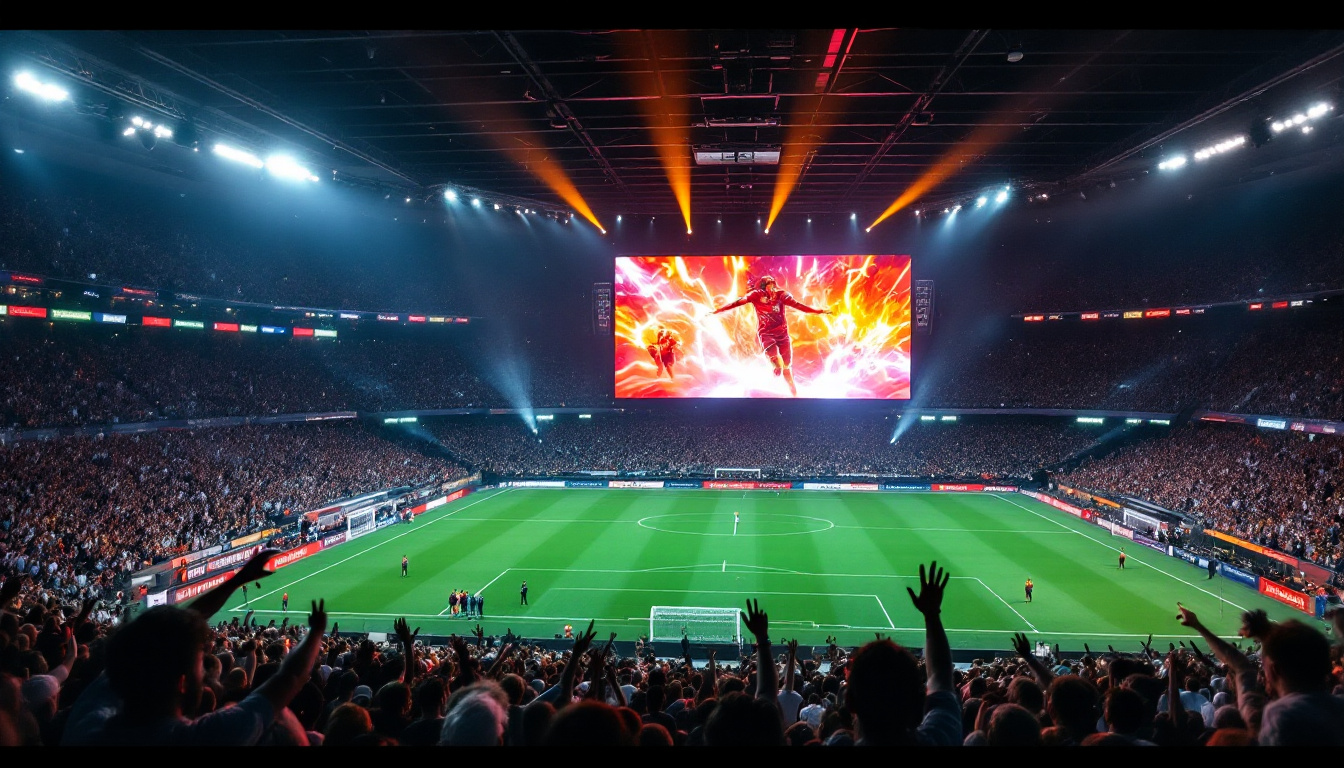
While the original Jumbotron was designed for sports stadiums, modern LED displays have vastly expanded their role. They are now integral to the fan experience, providing live video feeds, instant replays, interactive content, and advertising. For example, the LED video board at AT&T Stadium in Texas spans over 11,000 square feet, delivering crystal-clear images to tens of thousands of spectators.
Advertising and Digital Billboards
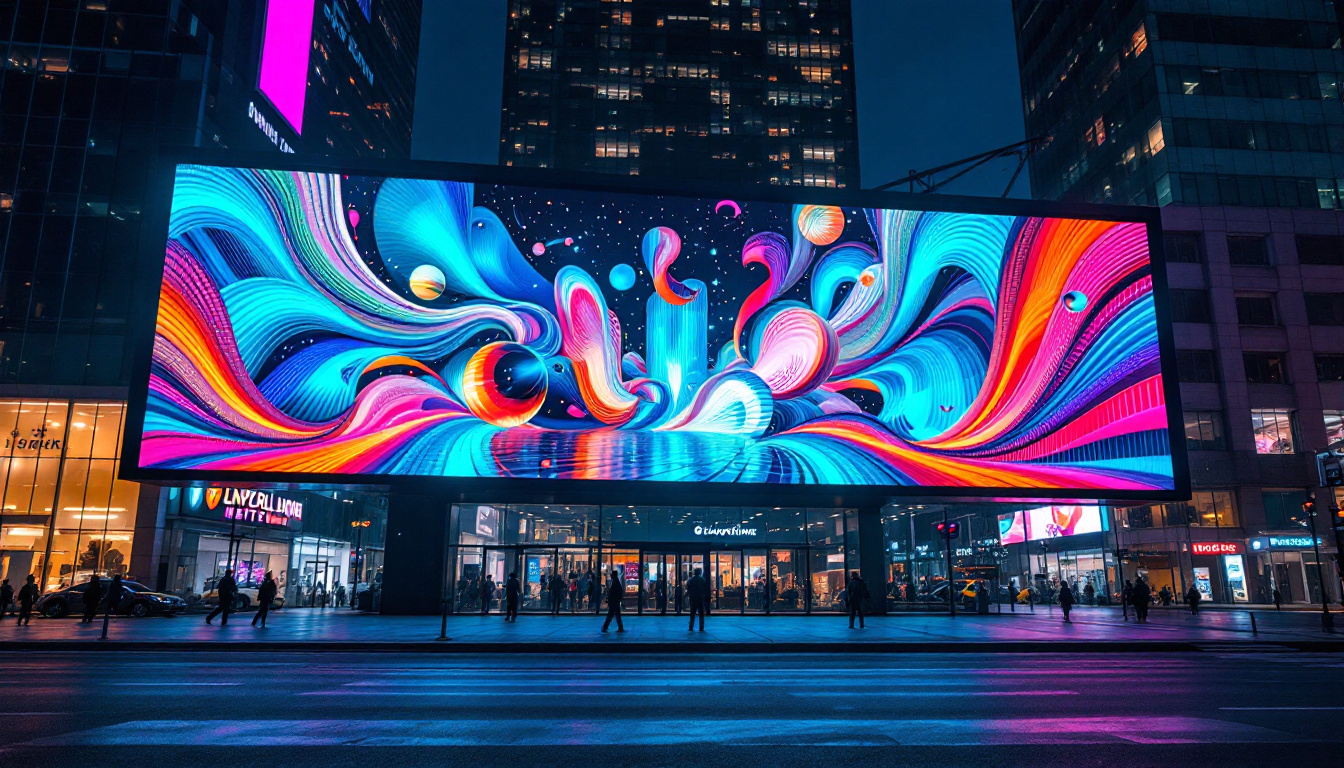
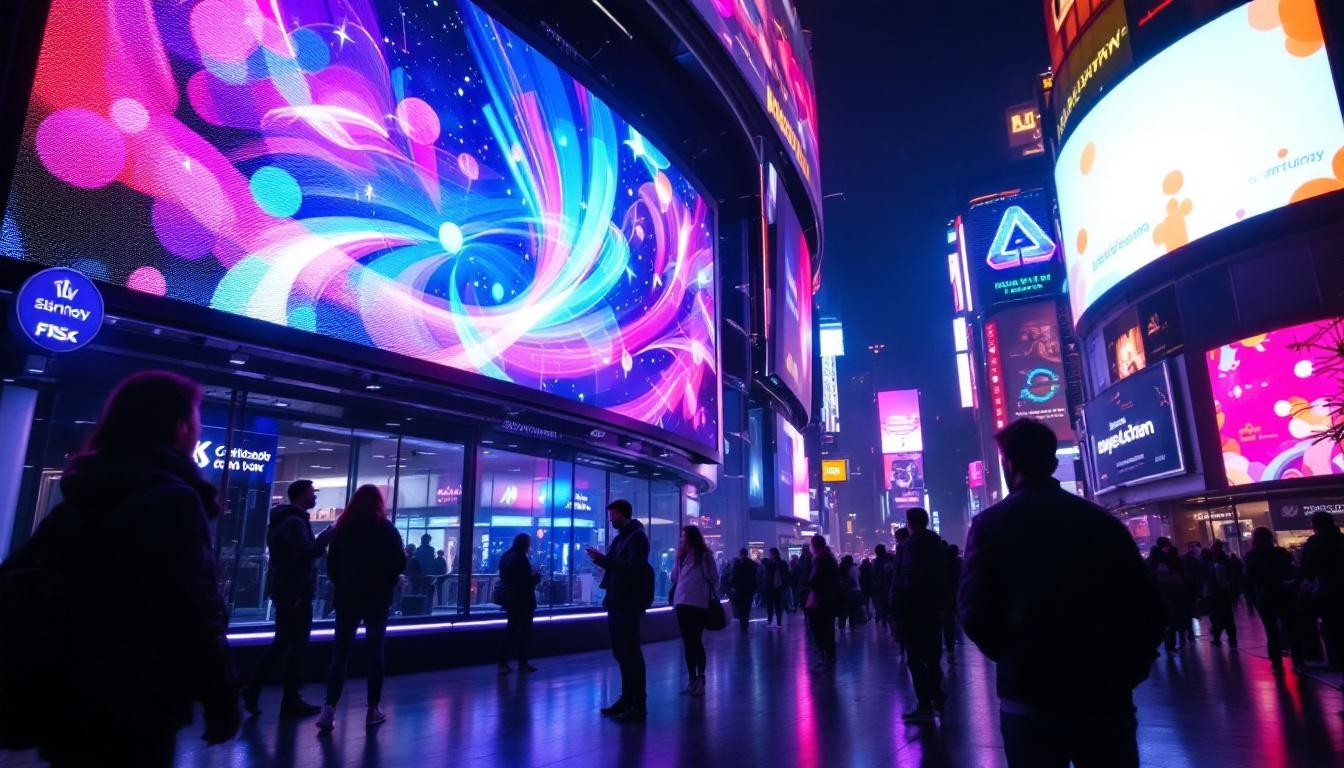
LED displays have transformed outdoor advertising. Digital billboards using LED technology allow advertisers to change content dynamically, schedule ads by time of day, and even integrate real-time data such as weather or social media feeds. According to the Outdoor Advertising Association of America, digital billboards accounted for over 30% of all billboard revenue in the U.S. in 2023, highlighting their growing importance.
Corporate and Retail Environments
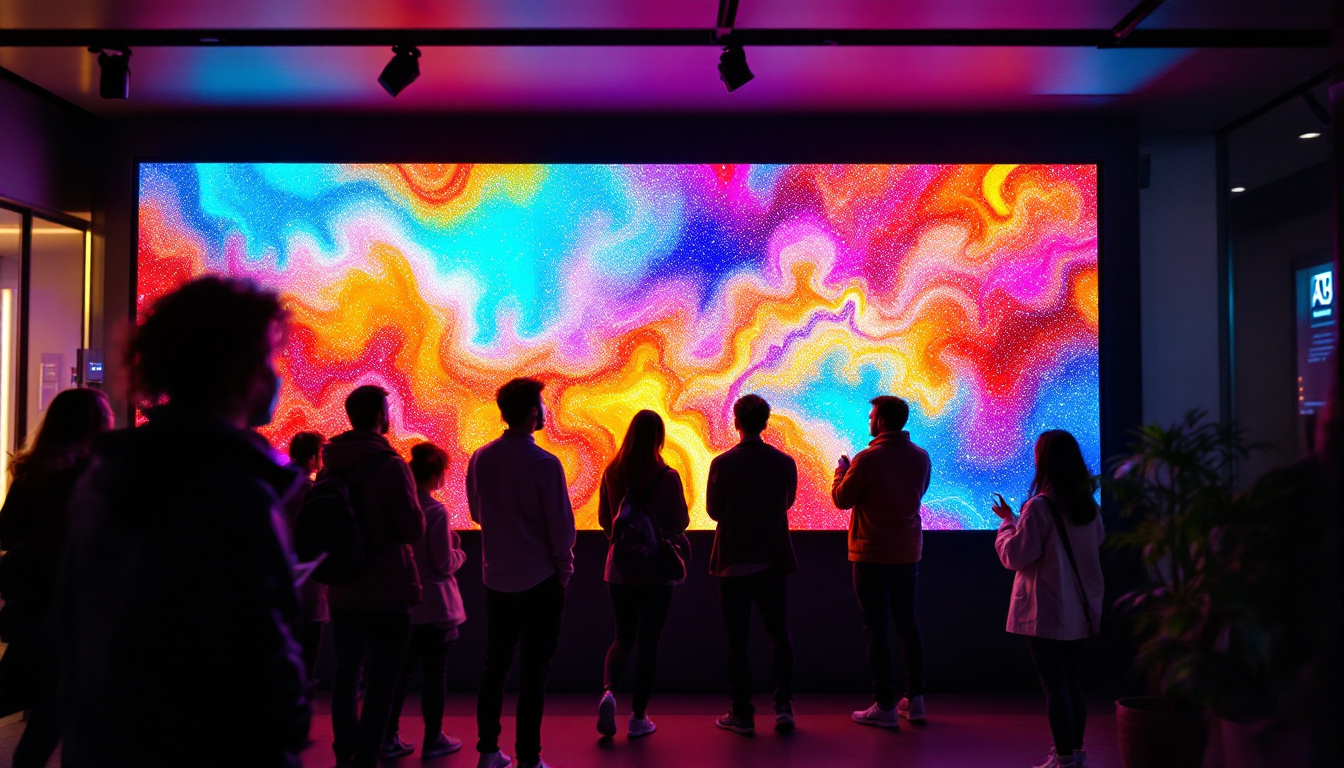
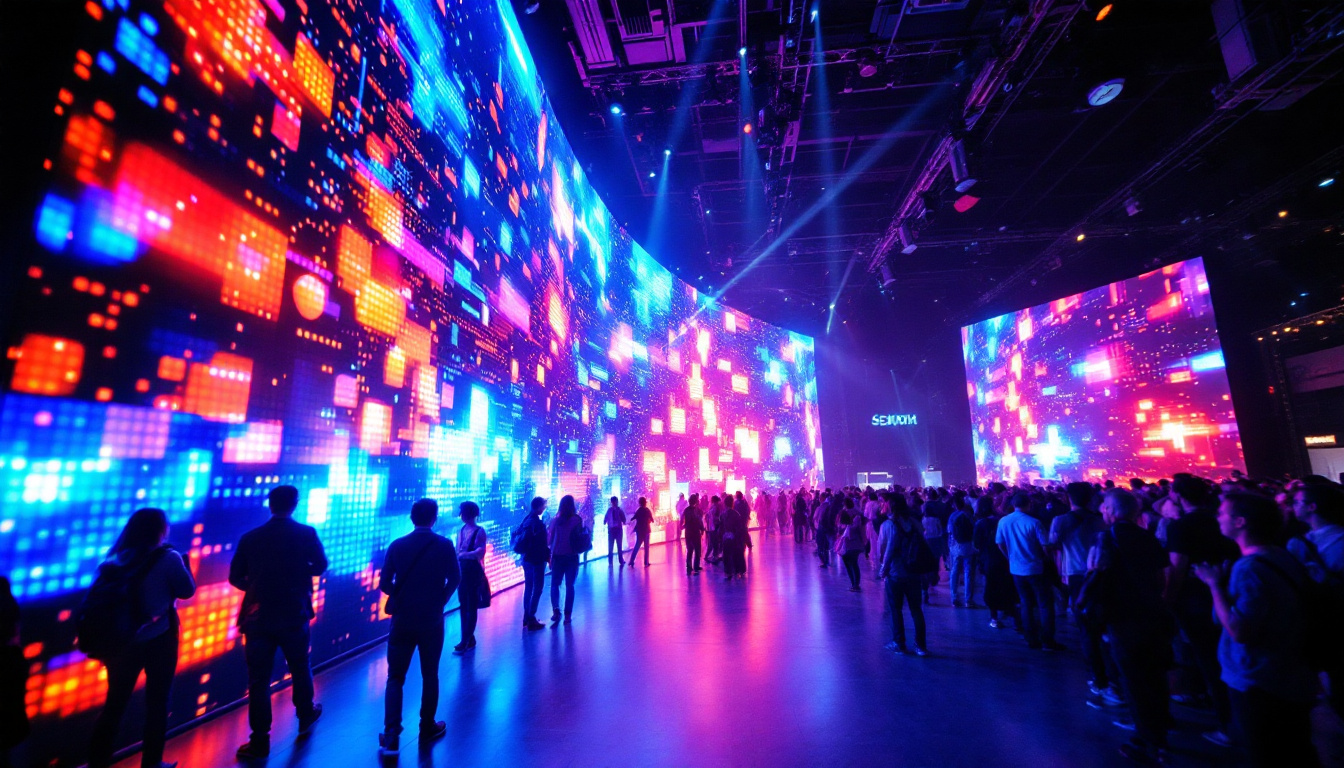
In corporate lobbies, retail stores, and trade shows, LED displays create engaging visual experiences that attract customers and convey brand messages effectively. Their flexibility in size and shape allows for creative installations that can be tailored to the space and audience. For instance, Samsung’s flagship store in New York features a massive LED wall that showcases immersive content, enhancing the brand’s high-tech image.
Transportation Hubs and Public Information
Airports, train stations, and bus terminals utilize LED displays to provide real-time information, directions, and emergency alerts. Their high visibility and reliability make them ideal for environments where clear communication is critical. LED displays also support multilingual content, ensuring accessibility for diverse audiences.
Advantages of LED Displays Over Traditional Technologies
Energy Efficiency and Longevity
Compared to older display technologies like CRT or plasma, LED displays consume significantly less power. This energy efficiency translates into lower operational costs and a smaller environmental footprint. Additionally, LEDs have a longer lifespan, often exceeding 100,000 hours of use, reducing maintenance and replacement expenses.
Superior Image Quality
LED displays offer high contrast ratios, vibrant colors, and wide viewing angles. This ensures that content remains clear and visually appealing from various perspectives and lighting conditions. The ability to produce true blacks and bright whites enhances the overall viewing experience, which is essential for advertising effectiveness and audience engagement.
Scalability and Customization
One of the most significant benefits of LED technology is its modularity. LED panels can be combined seamlessly to create displays of virtually any size and shape. This scalability allows for tailored solutions that meet specific spatial and functional requirements, whether it’s a small indoor screen or a massive outdoor video wall.
Future Trends in LED Display Technology
MicroLED and MiniLED Innovations
Emerging technologies like MicroLED and MiniLED are pushing the boundaries of display performance. MicroLEDs are even smaller diodes that promise higher resolution, better color accuracy, and lower power consumption. These advancements may soon lead to ultra-high-definition displays that are thinner, lighter, and more energy-efficient than current LED screens.
Integration with Smart Technologies
LED displays are increasingly integrated with IoT (Internet of Things) and AI (Artificial Intelligence) technologies. This integration enables dynamic content adjustments based on audience demographics, environmental conditions, and real-time analytics. For example, smart LED billboards can optimize advertising content to maximize engagement and return on investment.
Sustainability and Eco-Friendly Materials
As environmental concerns grow, manufacturers are focusing on sustainable production methods and recyclable materials for LED displays. Innovations in this area aim to reduce the ecological impact of large-scale digital signage, aligning with corporate social responsibility goals and regulatory requirements.
Conclusion: Why “LED Display” Is the Preferred Term Today
While “Jumbotron” remains a nostalgic and recognizable term, it no longer accurately represents the technology behind modern large-scale digital screens. LED displays have become the industry standard, offering superior performance, flexibility, and sustainability.
Understanding the distinction between the original Jumbotron and today’s LED displays is important for professionals in advertising, event management, and digital signage. Using precise terminology helps ensure clear communication and better decision-making when selecting and implementing display solutions.
In summary, when referring to large, vibrant, and dynamic digital screens, “LED display” is the most appropriate and descriptive term. It reflects the current technology, capabilities, and applications that define the future of visual communication.
Discover the Future of Visual Communication with LumenMatrix
Ready to elevate your visual presence and create unforgettable experiences? LumenMatrix is at the forefront of LED display innovation, offering a wide array of solutions tailored to your needs. From Indoor and Outdoor LED Wall Displays to specialized options like Vehicle LED Displays and LED Sports Displays, our technology is designed to captivate and engage. Embrace the power of advanced LED display modules and transform your space with vibrant, dynamic signage. Check out LumenMatrix LED Display Solutions today and step into the future of visual communication.