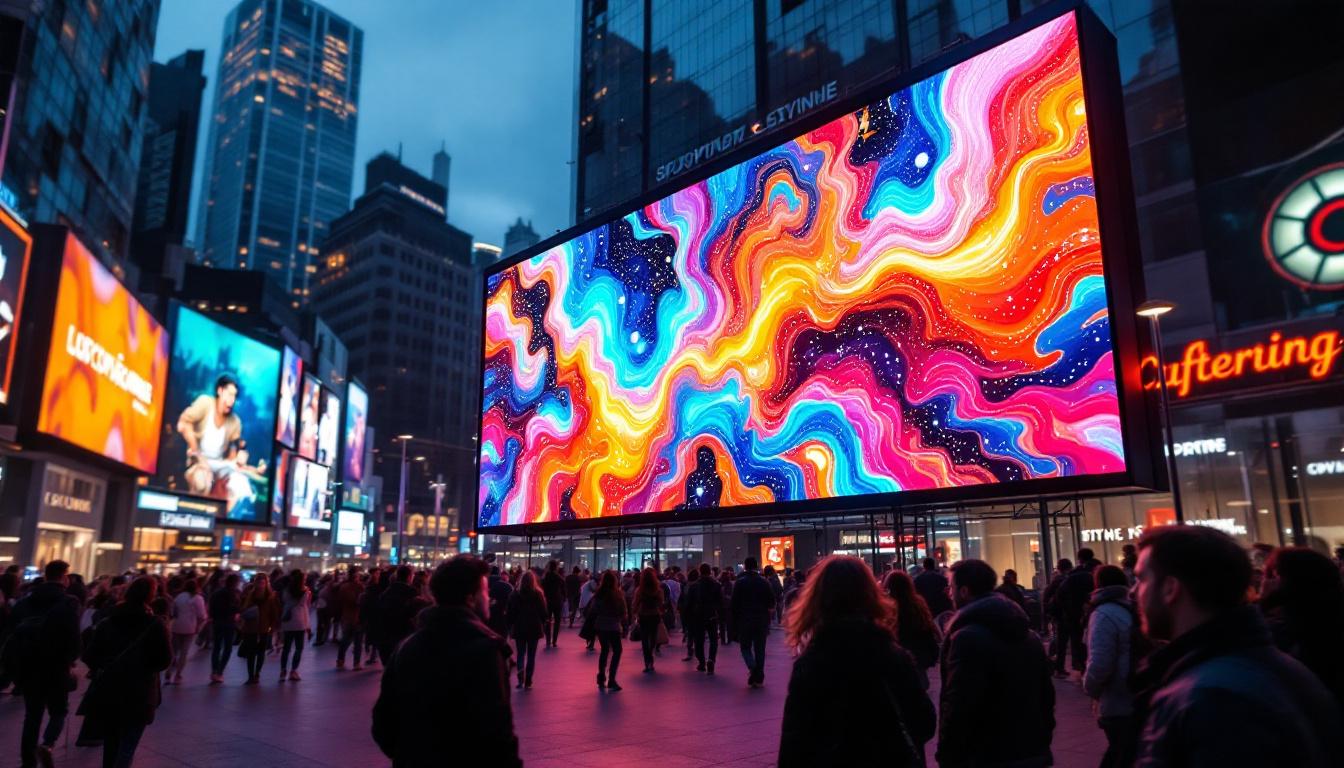
In today’s digital age, LED displays have become an integral part of how we communicate visually. From massive outdoor billboards to indoor event screens, LED technology powers some of the most vibrant and dynamic visual experiences worldwide. But what exactly makes LED displays superior, and how do they work? This article dives deep into the world of LED displays, exploring their technology, advantages, applications, and future trends.
Understanding LED Display Technology
What is an LED Display?
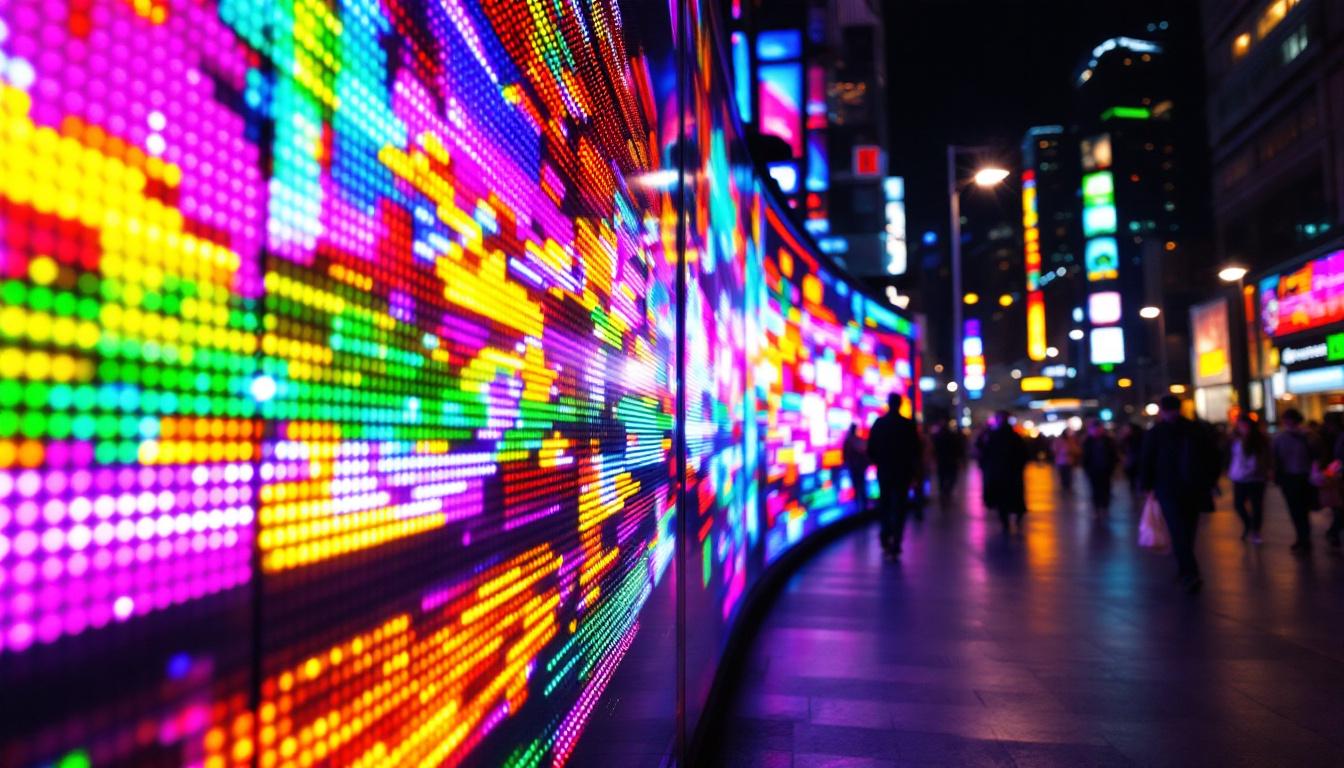
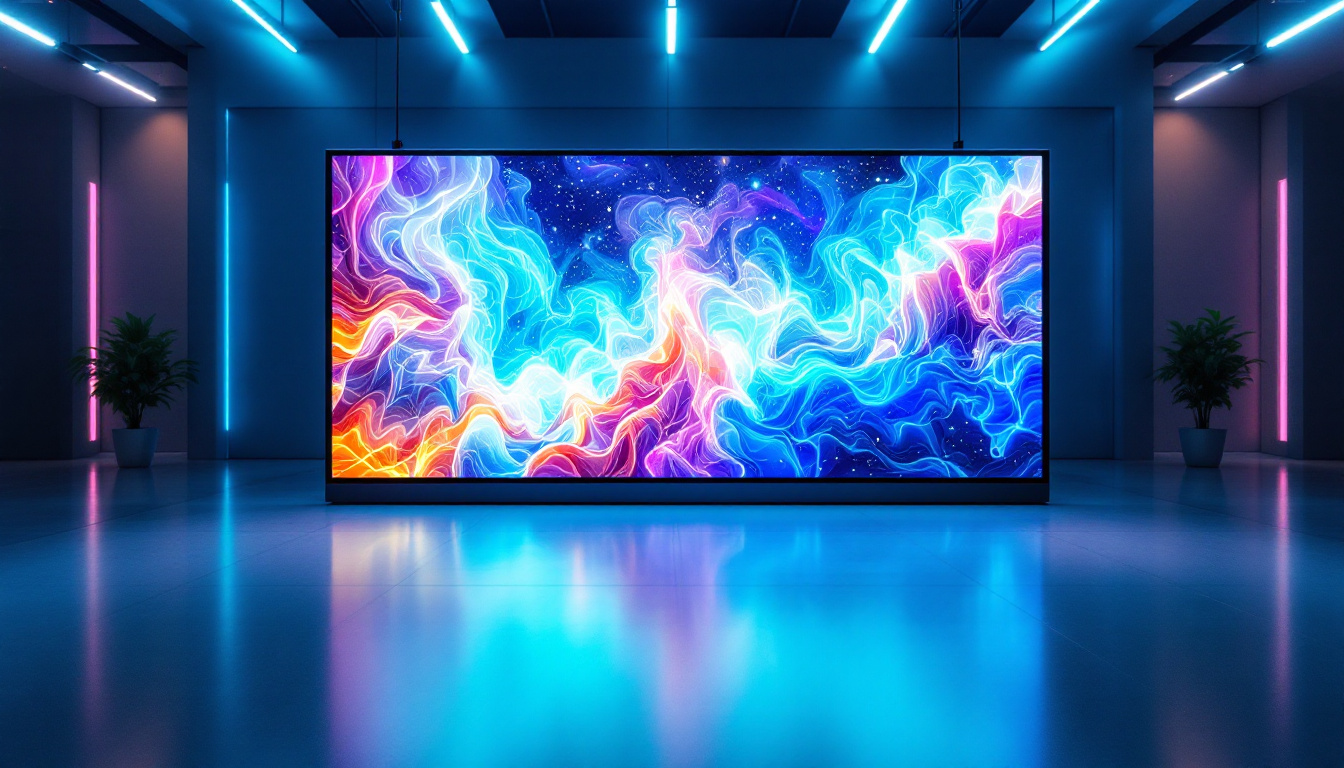
LED stands for Light Emitting Diode, a semiconductor device that emits light when an electric current passes through it. An LED display consists of many such diodes arranged in a grid or matrix to form pixels, which collectively create images, videos, or text. Unlike traditional LCD or plasma screens, LED displays use these tiny light sources directly, enabling brighter and more efficient screens.
LED displays can be categorized into two main types: direct view LED and LED-backlit LCD. Direct view LED displays use LEDs as the actual pixels that emit light, while LED-backlit LCDs use LEDs as a backlight behind an LCD panel. This article focuses primarily on direct view LED displays, which are widely used in large-format screens and digital signage. Their versatility allows them to be deployed in a variety of settings, from sports arenas and concert venues to retail environments and transportation hubs, making them a popular choice for impactful visual communication.
How Do LED Displays Work?
Each pixel on an LED display is composed of one or more LEDs, typically red, green, and blue (RGB). By adjusting the brightness of these three colors, the display can produce a full spectrum of colors. The control system sends signals to the LEDs, instructing them on how brightly to shine, thus creating the desired image.
The resolution and clarity of an LED display depend on the pixel pitch, which is the distance between the centers of adjacent pixels. A smaller pixel pitch means more pixels per square meter, resulting in sharper images and finer detail. For example, a pixel pitch of 1.2 mm is common in high-resolution indoor LED screens, while outdoor displays often have larger pitches like 6 mm or more to accommodate viewing distances. Additionally, advancements in technology have led to the development of ultra-high-definition (UHD) LED displays, which can deliver stunning visuals with a resolution of 4K or even 8K, providing an immersive experience that captivates audiences. The integration of smart technology also allows for dynamic content management, enabling users to easily update and schedule displays to ensure that the information presented is always current and relevant.
The Advantages of LED Displays Over Other Technologies
Brightness and Visibility
One of the most significant advantages of LED displays is their exceptional brightness. LEDs can achieve brightness levels of 1,000 to over 5,000 nits, making them visible even in direct sunlight. This capability is crucial for outdoor advertising, sports stadiums, and transportation hubs, where ambient light conditions vary dramatically.
Compared to LCDs, which typically max out around 500 to 700 nits, LEDs offer much higher luminance, ensuring content remains clear and vibrant regardless of environmental lighting. This high visibility not only enhances the viewing experience for audiences but also increases the effectiveness of advertising campaigns, as bright and eye-catching displays are more likely to capture attention and drive engagement. Furthermore, the ability to adjust brightness levels dynamically allows LED displays to maintain optimal visibility in varying light conditions, ensuring that the content is always presented at its best.
Energy Efficiency and Longevity
LEDs are highly energy-efficient compared to other display technologies. They consume less power for the same brightness level, which translates to lower operating costs and a reduced environmental footprint. According to a 2023 study by the International Energy Agency, LED displays can use up to 40% less energy than comparable LCD screens in commercial applications.
Additionally, LEDs boast a long lifespan, often exceeding 100,000 hours of operation before significant brightness degradation occurs. This durability makes LED displays a cost-effective investment for businesses and municipalities alike. The long operational life not only reduces the frequency of replacements but also minimizes waste, contributing to a more sustainable approach to display technology. As organizations increasingly prioritize eco-friendly practices, the longevity and efficiency of LED displays align perfectly with these goals, making them a preferred choice in various sectors.
Flexibility and Customization
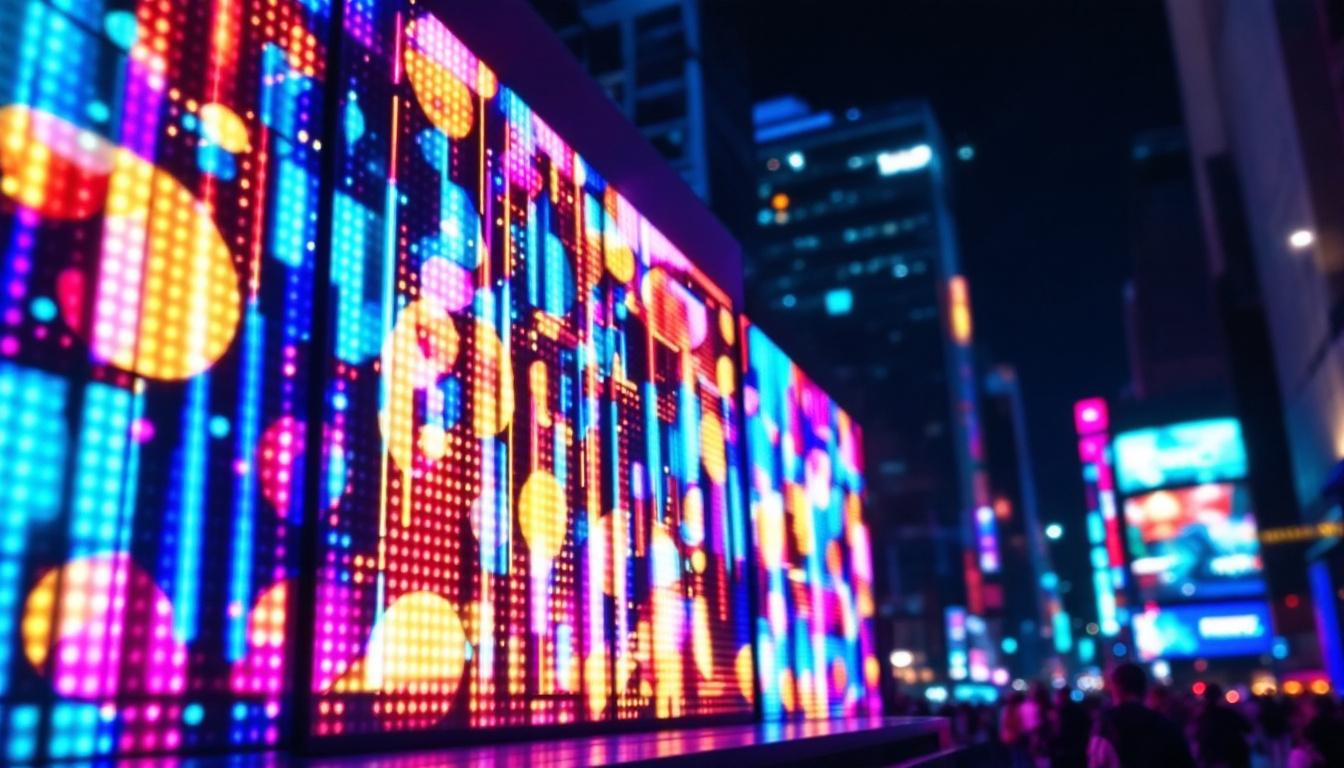
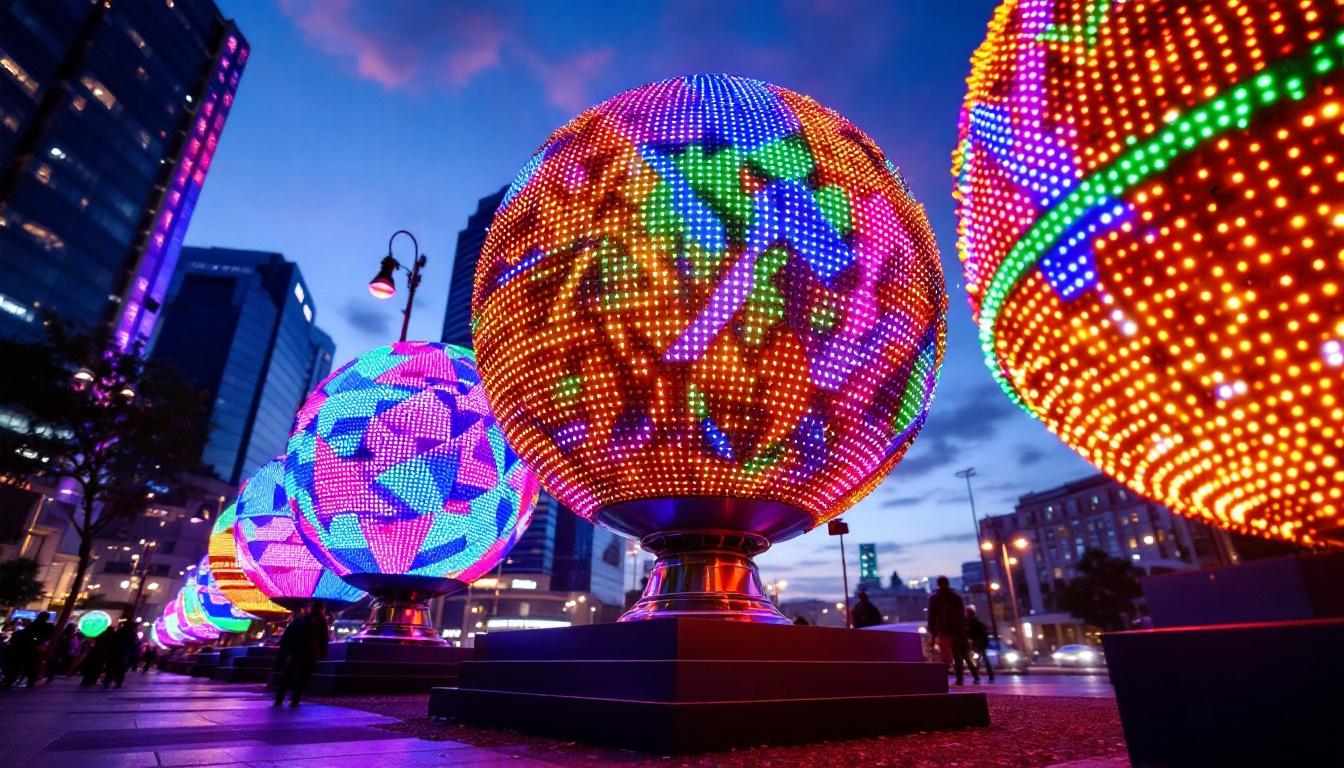
LED displays are highly modular, allowing for custom sizes and shapes. Panels can be seamlessly tiled to create enormous screens or curved to fit architectural designs. This flexibility has led to creative applications in retail, entertainment, and public spaces.
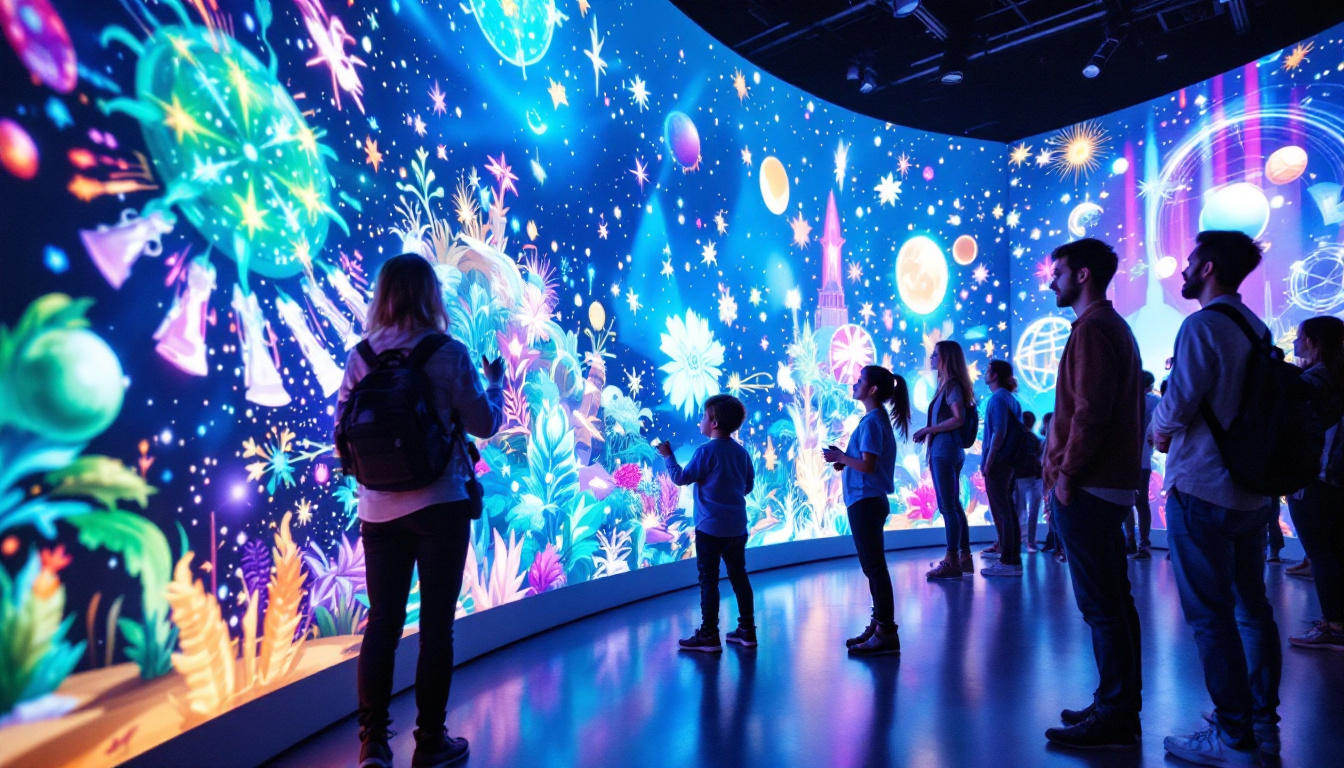
Moreover, LED technology supports dynamic content, including live video feeds, interactive elements, and real-time data visualization. This adaptability enhances audience engagement and provides advertisers and event organizers with powerful communication tools. The ability to create unique and immersive experiences through customized displays is revolutionizing how brands connect with consumers. From stunning visual installations in shopping malls to captivating backdrops at concerts and festivals, the versatility of LED displays opens up endless possibilities for creativity and innovation in visual storytelling.
Applications of LED Displays Across Industries
Outdoor Advertising and Digital Billboards
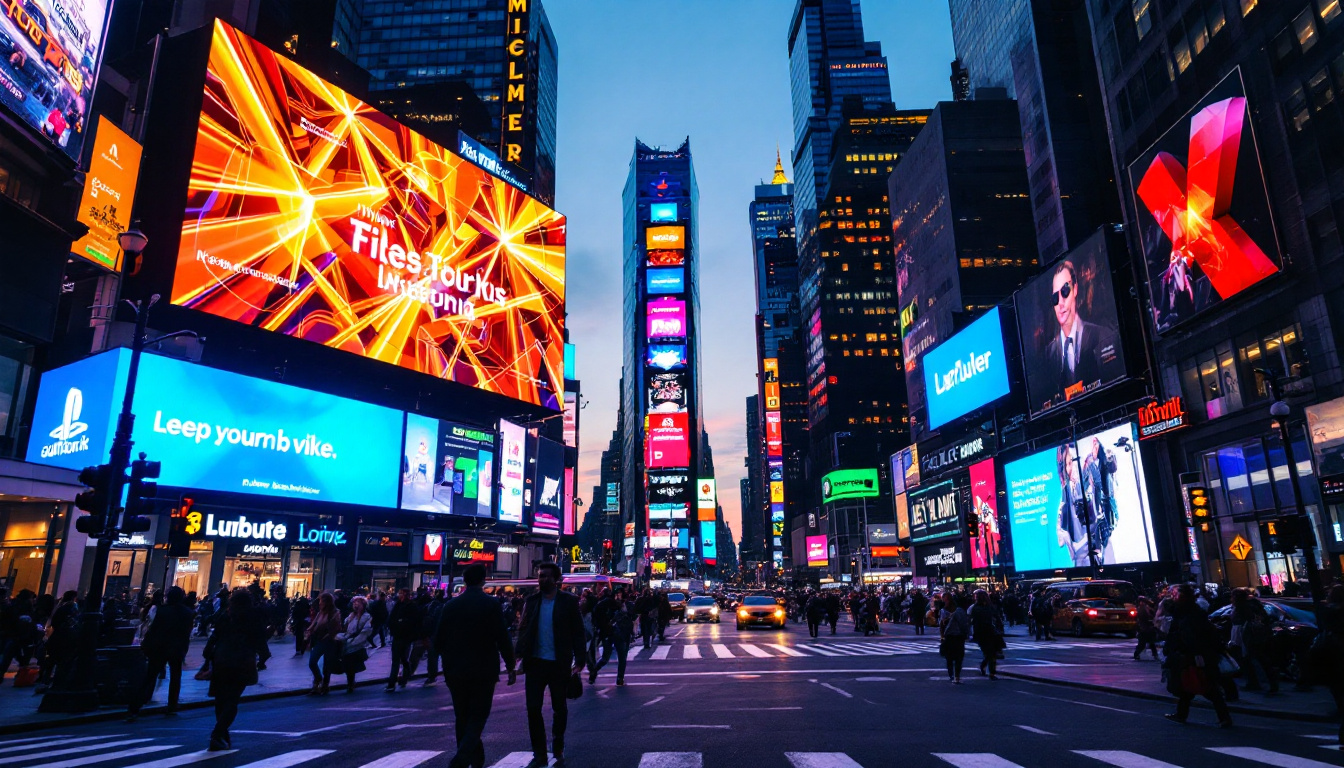
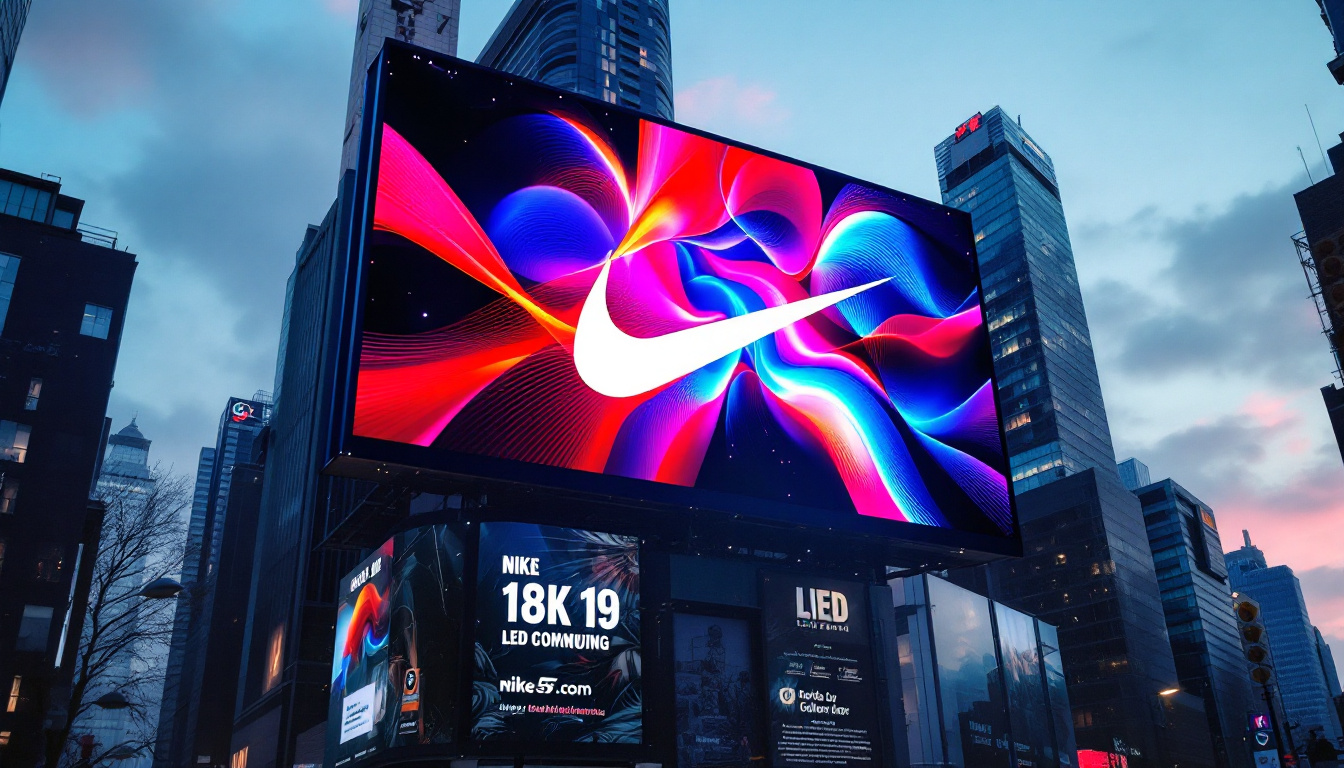
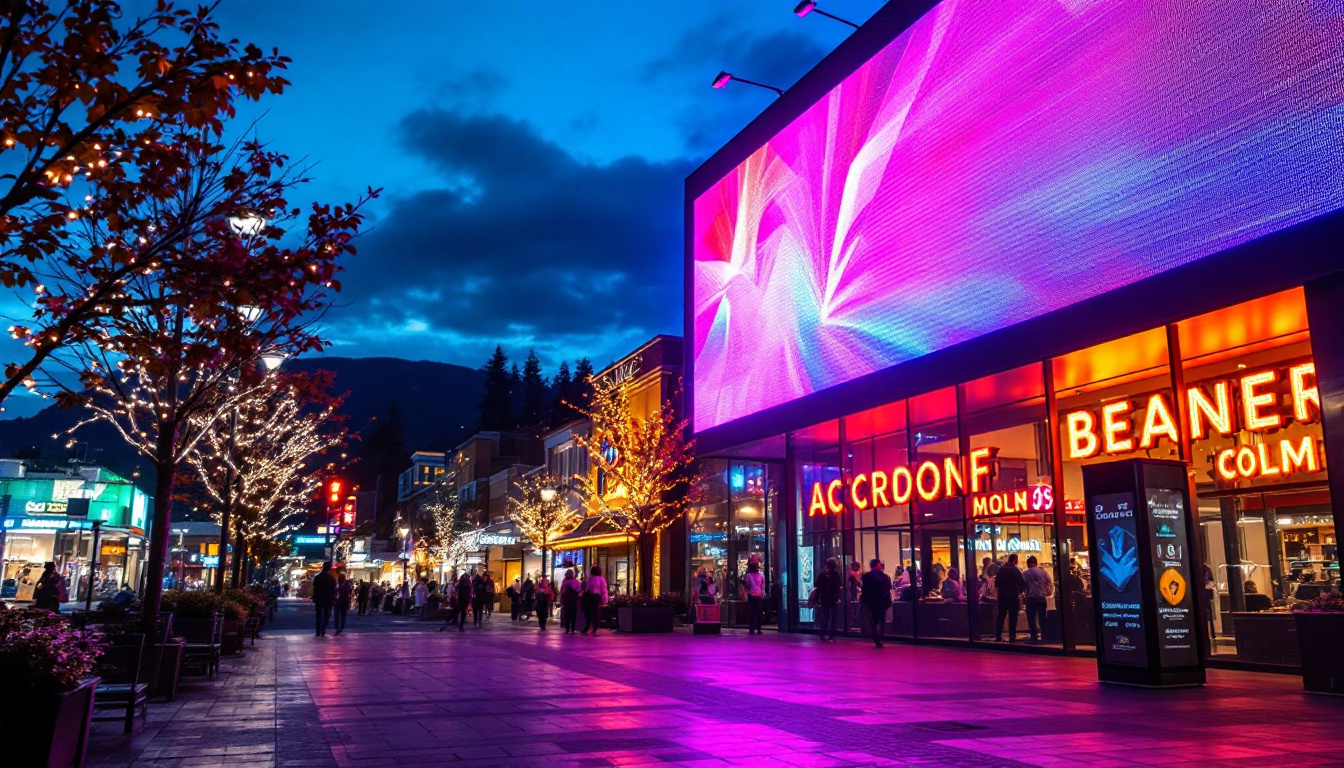
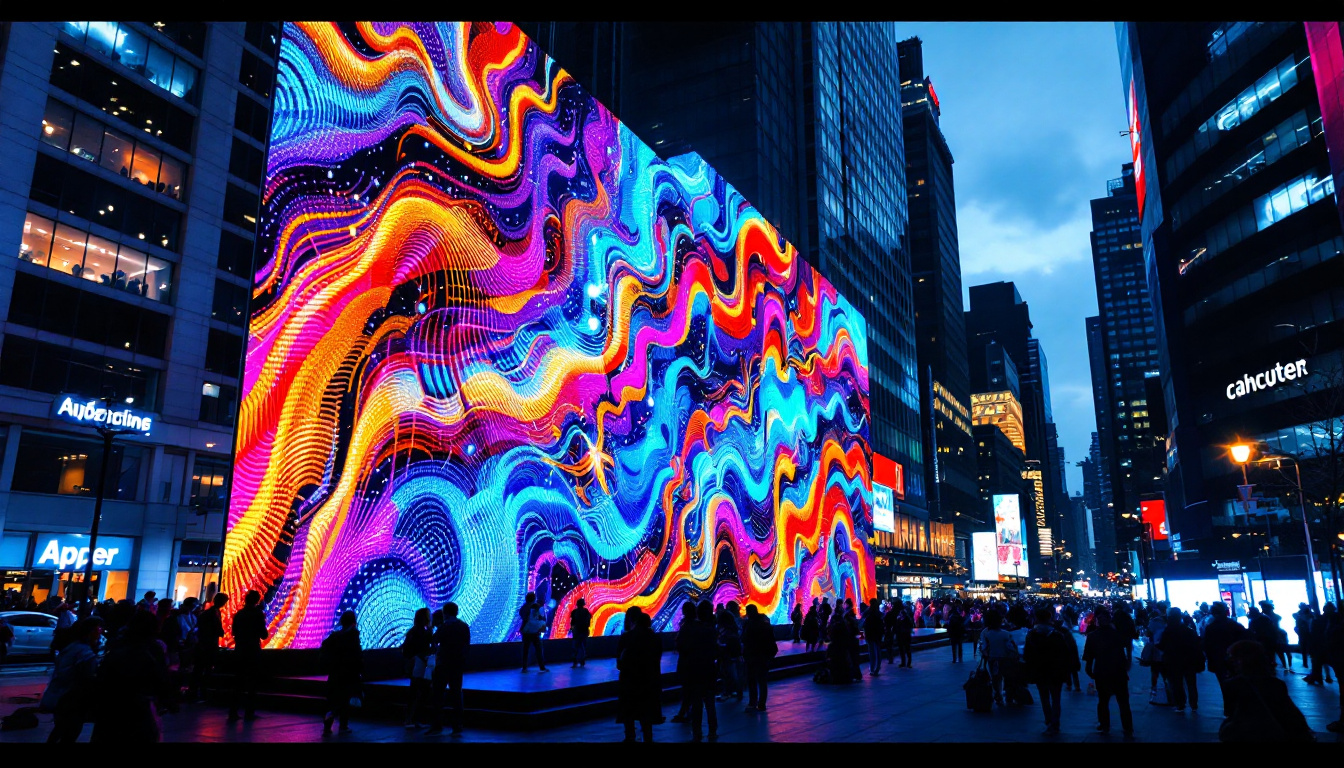
Digital billboards powered by LED displays have revolutionized outdoor advertising. Their brightness, durability, and ability to display dynamic content enable advertisers to capture attention more effectively than static posters. According to the Outdoor Advertising Association of America, LED billboards have contributed to a 25% increase in viewer engagement compared to traditional billboards.
LED billboards also allow for quick content updates, enabling advertisers to tailor messages based on time of day, weather, or special events. This real-time flexibility maximizes the impact and relevance of advertising campaigns.
Sports and Entertainment Venues
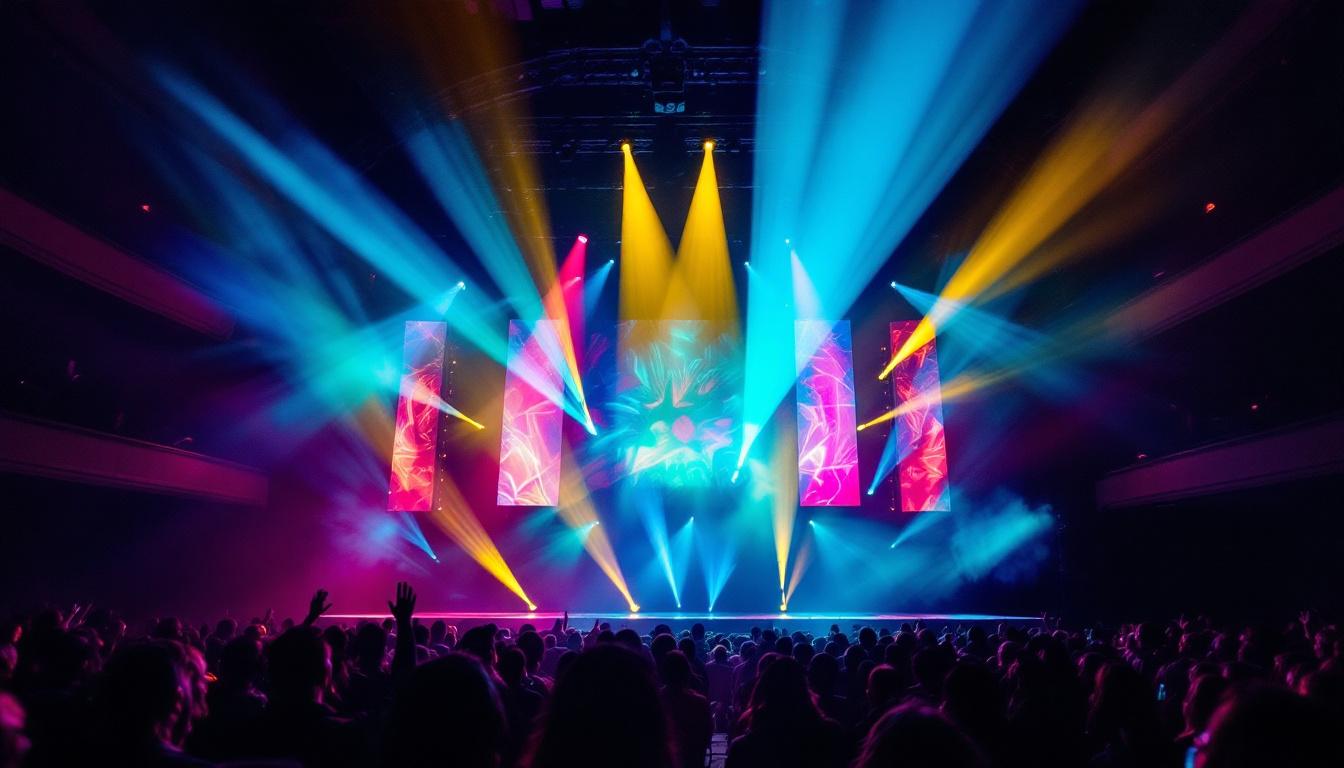
Modern sports arenas and concert venues rely heavily on LED displays for scoreboards, video walls, and immersive experiences. The ability to deliver crisp, bright images visible from any seat enhances fan engagement. For example, the AT&T Stadium in Texas features one of the largest LED video boards in the world, measuring 160 feet wide and 72 feet tall, providing spectators with unparalleled viewing experiences.
Beyond large screens, LED technology is used in wearable displays, stage backdrops, and interactive installations, pushing the boundaries of live entertainment.
Retail and Corporate Environments
Retailers use LED displays to create eye-catching window displays, digital signage, and in-store promotions. The dynamic nature of LED screens attracts customers and allows for targeted marketing. Studies have shown that stores utilizing digital signage can see up to a 30% increase in sales compared to those with static signage.
In corporate settings, LED video walls are used for presentations, video conferencing, and branding. Their high resolution and brightness ensure clear communication, even in large conference rooms or auditoriums.
Transportation and Public Information Systems
LED displays are widely used in airports, train stations, and bus terminals to provide real-time information. Their visibility in various lighting conditions and reliability make them ideal for guiding travelers efficiently. Dynamic updates on arrivals, departures, delays, and emergency messages improve passenger experience and safety.
Key Considerations When Choosing an LED Display
Pixel Pitch and Viewing Distance
Selecting the appropriate pixel pitch is critical to achieving optimal image quality. For close-range viewing, such as indoor retail displays or control rooms, a smaller pixel pitch (1-2 mm) is preferred to ensure sharp visuals. For outdoor or large venue applications where viewers are farther away, larger pixel pitches (5-10 mm or more) are sufficient and more cost-effective.
Understanding the typical viewing distance helps balance resolution, cost, and brightness requirements.
Brightness and Environmental Conditions
Outdoor LED displays must withstand varying weather conditions and maintain visibility under direct sunlight. Therefore, brightness ratings of at least 5,000 nits are recommended for outdoor use. Additionally, weatherproofing and temperature control features are essential to ensure longevity and performance.
Indoor displays generally require lower brightness levels but benefit from higher color accuracy and contrast ratios.
Installation and Maintenance
The modular nature of LED displays simplifies installation but requires careful planning for power supply, data cabling, and structural support. Maintenance accessibility is also important to minimize downtime and service costs. Many modern LED systems offer front or rear access panels to facilitate repairs and cleaning.
Cost and Return on Investment
While LED displays can have higher upfront costs compared to traditional signage, their durability, energy efficiency, and advertising effectiveness often lead to a strong return on investment. Businesses should consider total cost of ownership, including installation, operation, and maintenance, when evaluating options.
The Future of LED Display Technology
MicroLED and MiniLED Innovations
Emerging technologies like MicroLED and MiniLED promise to push LED displays to new heights. MicroLED uses microscopic LEDs to create even higher resolution and contrast, rivaling OLED displays but with better brightness and longevity. MiniLED, on the other hand, enhances LCD backlighting with smaller LEDs, improving contrast and color accuracy.
These advancements are expected to impact everything from consumer electronics to large-scale digital signage within the next few years.
Integration with AI and Interactive Technologies
Artificial intelligence is increasingly integrated with LED displays to enable personalized content, facial recognition, and interactive experiences. For example, smart billboards can analyze audience demographics in real-time and adjust advertisements accordingly, maximizing engagement and effectiveness.
Touch-sensitive LED walls and gesture controls are also becoming more common, transforming passive displays into interactive platforms.
Sustainability and Energy Efficiency
As environmental concerns grow, manufacturers are focusing on making LED displays more sustainable. Innovations include using eco-friendly materials, improving energy efficiency, and designing for recyclability. These efforts align with global goals to reduce carbon footprints and promote green technologies.
Conclusion
LED displays represent a superior visual technology that combines brightness, flexibility, and energy efficiency to deliver compelling digital experiences. Their widespread adoption across advertising, entertainment, retail, and public sectors underscores their versatility and effectiveness. Understanding the technical aspects and application-specific considerations helps businesses and organizations make informed decisions when investing in LED display solutions.
With ongoing innovations like MicroLED and AI integration on the horizon, the future of LED displays promises even more immersive and sustainable visual communications that will continue to transform how we engage with digital content.
Explore the Future of Visual Technology with LumenMatrix
Ready to elevate your visual communication with the latest in LED display technology? LumenMatrix is at the forefront of innovation, offering a diverse range of LED display solutions tailored to meet your needs. From vibrant Indoor LED Wall Displays to dynamic Outdoor LED Wall Displays, and from versatile Vehicle LED Displays to engaging LED Sports Displays, our products are designed to captivate and engage your audience. Discover how our state-of-the-art LED Poster Displays, Floor LED Displays, Custom LED Displays, All-in-One LED Displays, and LED Transparent Displays can transform your space and message. Check out LumenMatrix LED Display Solutions today and join the revolution in visual storytelling.