Which Screen Is Better LCD Or LED: LED Display Explained
Choosing the right display technology can be confusing, especially with terms like LCD and LED often used interchangeably. While both LCD and LED screens are widely used in televisions, monitors, and other digital displays, understanding their differences, advantages, and drawbacks is essential for making an informed purchase decision. This article dives deep into the technology behind LCD and LED screens, compares their performance, and helps clarify which screen might be better suited for your needs.
Understanding the Basics: What Are LCD and LED Screens?
What is an LCD Screen?
LCD stands for Liquid Crystal Display. It is a flat-panel display technology that uses liquid crystals sandwiched between two layers of polarized glass or plastic. These crystals do not emit light by themselves. Instead, they manipulate light passing through them to form images. Because liquid crystals can block or allow light to pass through depending on the electrical current applied, they serve as shutters for each pixel on the screen.
To make the image visible, an LCD screen requires a backlight. Early LCDs used cold cathode fluorescent lamps (CCFLs) as their backlight source. These lamps emit white light that passes through the liquid crystal layer and color filters to produce the final image. Over the years, advancements in technology have led to improvements in the efficiency and brightness of LCD screens, making them a popular choice for a wide range of applications, from computer monitors to televisions. The ability to produce vibrant colors and sharp images has made LCD technology a staple in the display industry.
Moreover, LCD screens are known for their thin profile and lightweight design, which has contributed to the rise of portable devices such as laptops and smartphones. The technology has also evolved to include features like wide viewing angles and faster response times, enhancing the user experience in gaming and multimedia consumption. As a result, LCD technology continues to be a relevant and widely used option in the ever-evolving world of display technology.
What is an LED Screen?
LED stands for Light Emitting Diode. When people refer to LED screens in the context of televisions and monitors, they generally mean LED-backlit LCD screens. In other words, the display panel is still an LCD, but instead of CCFLs, the backlighting is provided by LEDs.
There are two main types of LED backlighting: edge-lit and full-array. Edge-lit LED displays place LEDs along the edges of the screen, using light guides to distribute light evenly. Full-array LED displays have LEDs placed directly behind the screen in a grid, allowing for more precise local dimming and better contrast. This local dimming capability enables full-array displays to produce deeper blacks and brighter whites, enhancing the overall picture quality, especially in scenes with high contrast.
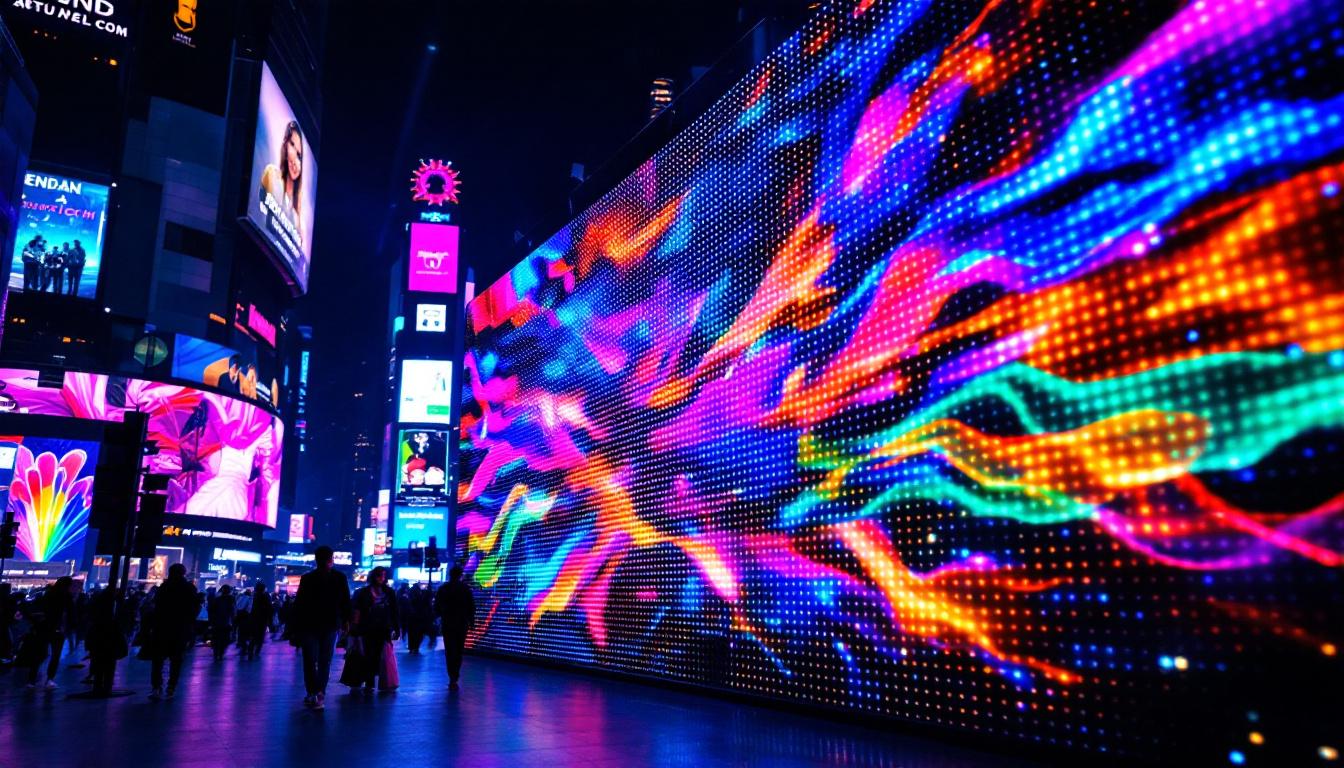
It’s important to note that true LED displays, such as those used in large outdoor billboards, are different from LED-backlit LCDs. These true LED displays use tiny LEDs for each pixel, but in consumer electronics, LED usually refers to the backlighting technology. The use of LEDs not only improves brightness but also reduces power consumption, making LED-backlit screens more energy-efficient than their CCFL counterparts. Additionally, the longevity of LED technology means that these displays can last significantly longer, providing a better return on investment for consumers. As the demand for high-definition and ultra-high-definition content continues to grow, LED technology has become increasingly essential in delivering stunning visuals across various media platforms.
Key Differences Between LCD and LED Displays
Backlighting Technology
The most significant difference between LCD and LED displays lies in the backlighting. Traditional LCDs use CCFLs, which consume more power, are bulkier, and have a shorter lifespan. LED-backlit LCDs use LEDs, which are more energy-efficient, thinner, and offer better brightness control.
LED backlighting also enables features like local dimming, where specific zones of the screen can dim independently to improve contrast and black levels. CCFL backlights cannot achieve this level of control, resulting in less dynamic images. Furthermore, the advancements in LED technology have led to the development of edge-lit displays, which use LEDs positioned around the edges of the screen. This design allows for even thinner panels while still providing excellent brightness and color accuracy, making them ideal for modern applications where space is a premium.
Picture Quality and Contrast
LED-backlit LCDs generally offer superior picture quality compared to CCFL-backlit LCDs. The ability to control LED brightness in different areas of the screen enhances contrast ratios and black depth. Full-array LED displays with local dimming can produce deep blacks and vibrant colors, which is especially noticeable in dark scenes.
On the other hand, traditional LCDs with CCFL backlighting tend to have lower contrast ratios and sometimes suffer from light bleed, where light leaks around the edges of the screen, reducing picture quality. In addition, the color reproduction in LED displays has improved significantly, with many models now supporting a wider color gamut. This means that viewers can enjoy more accurate and vivid colors, enhancing the overall viewing experience, particularly for movies and high-definition content.
Energy Efficiency and Lifespan
LED-backlit displays consume less power than CCFL-backlit LCDs. According to studies, LED backlighting can reduce energy consumption by up to 40% compared to CCFLs. This efficiency translates into lower electricity bills and a smaller environmental footprint.
In terms of lifespan, LEDs typically last longer than CCFLs. LEDs can function effectively for up to 100,000 hours, whereas CCFLs usually last between 20,000 to 30,000 hours. This means LED displays tend to maintain brightness and color accuracy longer over time. Additionally, the reduced heat generation of LEDs not only contributes to their longevity but also minimizes the risk of overheating, which can be a concern in densely packed electronic devices.
Thickness and Design Flexibility
LED backlighting allows for thinner and lighter display designs. Since LEDs are smaller and generate less heat than CCFLs, manufacturers can create sleek, ultra-thin screens that are aesthetically pleasing and easier to mount or carry.
CCFL backlighting requires more space and cooling, leading to bulkier designs. For consumers looking for modern, slim TVs or monitors, LED-backlit LCDs are generally the preferred choice. Moreover, the versatility of LED technology has enabled the creation of innovative form factors, such as curved displays and even flexible screens, which can adapt to various environments and user preferences. This trend towards more dynamic and customizable display options is reshaping how we interact with technology in our daily lives.
Types of LED Backlighting: Edge-Lit vs. Full-Array
Edge-Lit LED Displays
Edge-lit LED displays place the LEDs along the edges of the screen. Light is then guided across the panel using light guides to illuminate the entire screen. This design enables extremely thin displays and is cost-effective to manufacture.
However, edge-lit displays may suffer from uneven brightness and limited local dimming capabilities. This can result in less accurate contrast and occasional light bleed, especially in darker scenes.
Full-Array LED Displays
Full-array LED displays have a grid of LEDs placed directly behind the entire screen. This setup allows for local dimming, where specific zones can be dimmed or brightened independently. This results in better contrast ratios and improved black levels.
Full-array LED displays tend to be thicker and more expensive than edge-lit models but offer superior picture quality, making them popular among enthusiasts and professionals.
Other Display Technologies to Consider
OLED vs. LED LCD
While LED-backlit LCDs dominate the market, OLED (Organic Light Emitting Diode) technology is gaining traction. OLED displays emit light from each pixel individually, eliminating the need for a backlight. This allows for perfect black levels, wide viewing angles, and vibrant colors.
However, OLEDs are typically more expensive and may suffer from burn-in issues over time. For many users, LED-backlit LCDs offer a more affordable and durable option with excellent overall performance.
QLED and Mini-LED Technologies
QLED (Quantum Dot LED) is a marketing term used by some manufacturers to describe LED-backlit LCDs enhanced with quantum dot technology, which improves color accuracy and brightness.
Mini-LED is an emerging backlighting technology that uses thousands of tiny LEDs to provide even more precise local dimming and better contrast than traditional full-array LED displays. Mini-LEDs are becoming popular in high-end monitors and TVs, bridging the gap between LED LCDs and OLEDs.
Which Screen is Better for You?
Consider Your Usage and Environment
Choosing between LCD and LED largely depends on your specific needs and environment. For everyday use, LED-backlit LCDs offer excellent brightness, energy efficiency, and picture quality at reasonable prices. They are suitable for watching movies, gaming, and office work.
If you prioritize deep blacks and superior contrast for cinematic experiences, full-array LED displays with local dimming or OLEDs might be better options. For bright rooms, LED-backlit LCDs with high brightness levels perform well, while OLEDs can struggle with glare.
Budget and Longevity
LED-backlit LCDs generally provide the best balance of cost, performance, and longevity. They are more affordable than OLEDs and have longer lifespans compared to CCFL-backlit LCDs. If budget is a primary concern, an LED-backlit LCD is usually the best choice.
Portability and Design
For portable devices like laptops and tablets, LED-backlit LCDs dominate due to their slim profiles and energy efficiency. CCFL-backlit LCDs are largely obsolete in portable electronics because of their bulk and power consumption.
Conclusion: LED-Backlit LCDs Are the Modern Standard
In summary, the term “LCD” refers to the panel technology, while “LED” refers to the backlighting method used in most modern LCD screens. Traditional CCFL-backlit LCDs have mostly been replaced by LED-backlit LCDs due to their superior energy efficiency, picture quality, and design flexibility.
When comparing LCD and LED screens, LED-backlit LCDs are generally better in almost every aspect, including brightness, contrast, thickness, and power consumption. Advances in LED backlighting, such as full-array local dimming and mini-LED technology, continue to improve display quality and user experience.
Ultimately, the best screen depends on your personal preferences, budget, and intended use. Understanding the underlying technologies helps make a more informed decision, ensuring that the screen you choose delivers the performance and quality you expect.
Discover the Future of Visual Display with LumenMatrix
As you consider upgrading to the superior performance of LED-backlit LCD screens, why not experience the pinnacle of LED technology with LumenMatrix? Our innovative solutions, from Indoor and Outdoor LED Wall Displays to specialized formats like Vehicle and Sports LED Displays, are designed to bring your visual communication to life. Embrace the revolution in display technology with our Custom, All-in-One, and Transparent LED Displays that promise to captivate your audience and amplify your message. Check out LumenMatrix LED Display Solutions and transform your space into a dynamic visual experience.