Outdoor televisions have revolutionized the way people enjoy entertainment in open-air environments, from backyard patios to poolside lounges. However, one of the biggest challenges with outdoor TVs is protecting the delicate electronics from the elements. This is where weatherproof covers and LED display technology come into play, ensuring durability without compromising on picture quality. This article explores the essentials of weatherproof covers for outdoor TVs and provides an in-depth explanation of LED display technology, helping homeowners and businesses make informed decisions for their outdoor entertainment setups.
Understanding the Need for Weatherproof Covers
Outdoor TVs are exposed to a variety of environmental factors that can damage their components or degrade performance. Rain, dust, humidity, extreme temperatures, and even UV rays from the sun can all negatively impact an outdoor television. Without proper protection, these elements can lead to corrosion, short circuits, and fading of the screen.
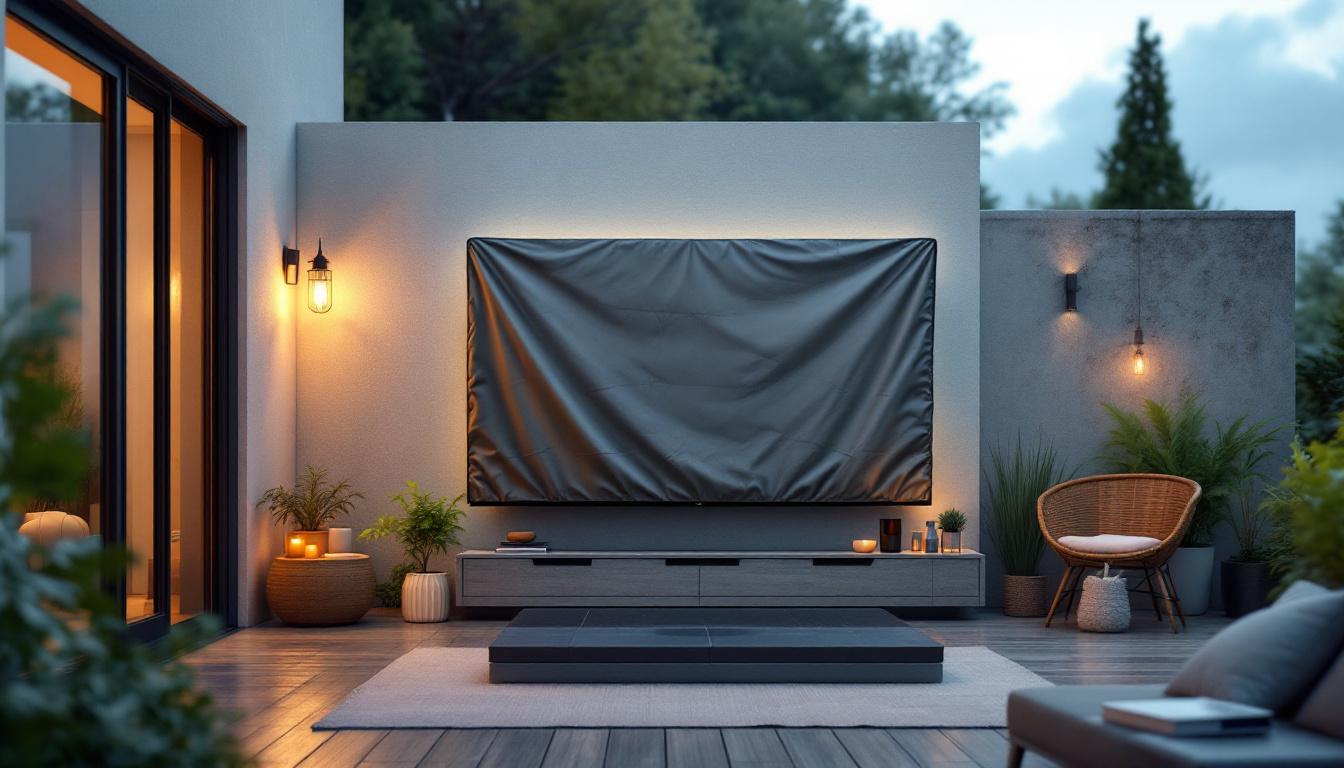
Weatherproof covers serve as a critical line of defense. They are designed to shield the TV from moisture, dust, and debris while allowing adequate ventilation to prevent overheating. Unlike simple plastic covers, weatherproof covers are engineered with materials and features that ensure longevity and maintain the TV’s functionality throughout the year. Additionally, these covers can be tailored to fit various TV sizes and styles, ensuring that your outdoor entertainment setup remains both functional and aesthetically pleasing.
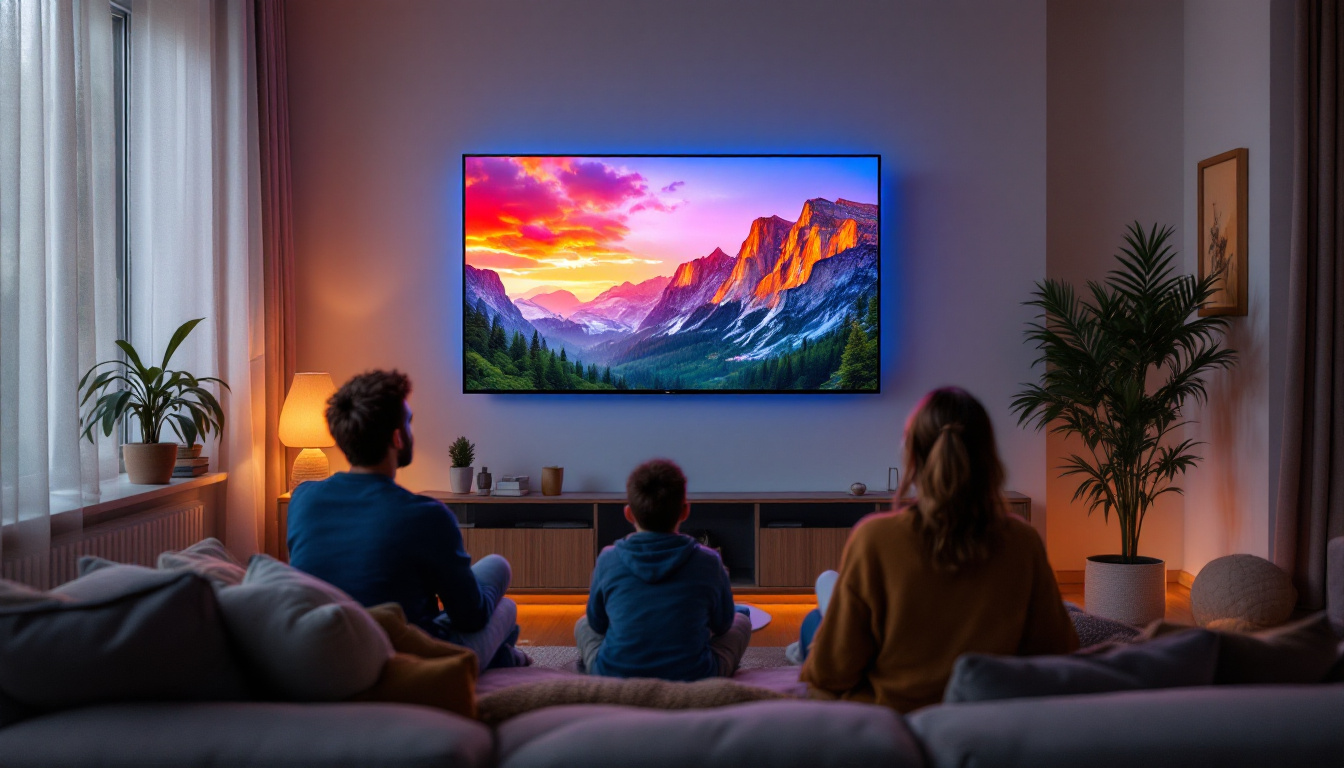
Moreover, the investment in a weatherproof cover not only protects the television but also enhances the overall outdoor experience. Picture hosting a summer barbecue or a cozy winter movie night; having a reliable cover means you can enjoy your outdoor TV without the constant worry of sudden weather changes. This peace of mind allows for more spontaneous gatherings and entertainment, as you can confidently leave your equipment outside without fear of damage.
Key Features of Effective Weatherproof Covers
When selecting a weatherproof cover for an outdoor TV, several features should be considered:
- Water Resistance: The cover must be fully waterproof or at least highly water-resistant to prevent rain or sprinkler water from reaching the TV.
- UV Protection: Prolonged exposure to sunlight can cause discoloration and damage to the TV’s exterior and screen. UV-resistant materials help mitigate this risk.
- Breathability: Covers should allow air circulation to avoid moisture buildup inside, which can lead to mold or damage to internal components.
- Durability: Heavy-duty fabrics like marine-grade vinyl or polyester with reinforced stitching provide resistance against wear and tear.
- Ease of Use: Covers should be easy to install and remove, ideally with secure fastenings or zippers to keep them in place during windy conditions.
Investing in a high-quality weatherproof cover can extend the life of an outdoor TV by several years, making it a cost-effective accessory for outdoor entertainment setups. Additionally, many manufacturers offer warranties on their covers, providing extra assurance that the product will perform as promised. This not only reflects the quality of the materials used but also gives consumers confidence in their purchase. With various designs and colors available, you can choose a cover that complements your outdoor decor while providing the necessary protection for your valuable equipment.
LED Display Technology: The Backbone of Outdoor TVs
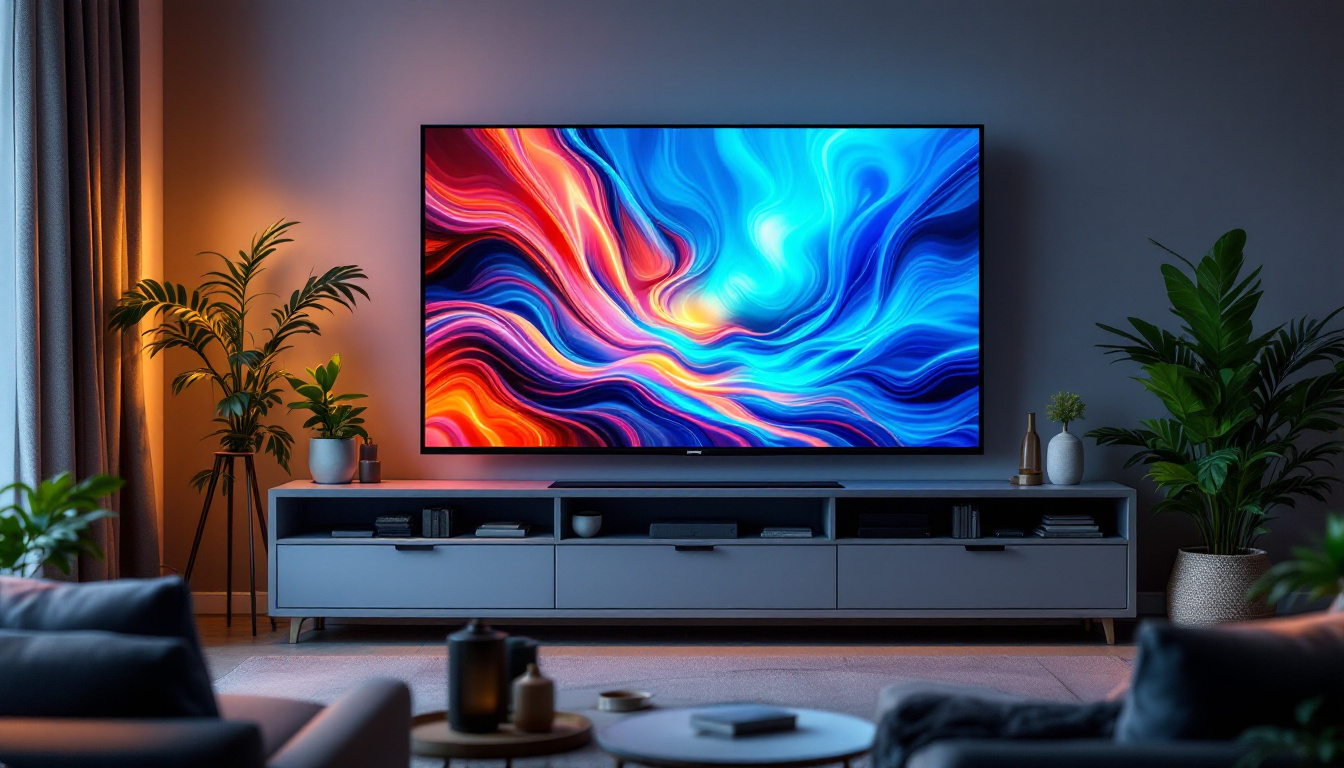
At the heart of most modern outdoor televisions is LED display technology. Understanding how LED displays work and why they are well-suited for outdoor use is essential for anyone looking to purchase or maintain an outdoor TV.
What is an LED Display?
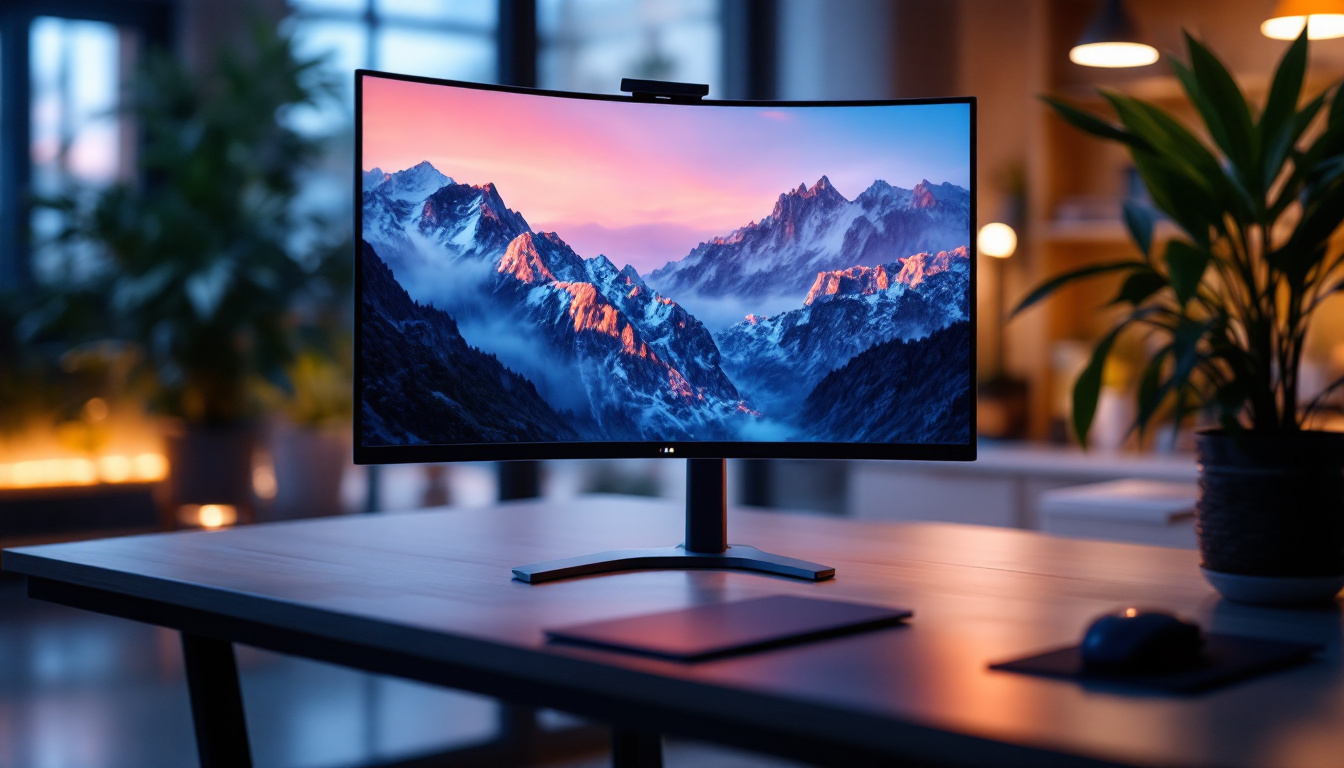
LED stands for Light Emitting Diode. An LED display uses an array of tiny diodes that emit light when an electric current passes through them. These diodes form the pixels that create images on the screen. LED displays are a type of LCD (Liquid Crystal Display) that use LEDs as a backlight source instead of traditional cold cathode fluorescent lamps (CCFLs).
This technology offers several advantages, including higher brightness, better color accuracy, and improved energy efficiency. These benefits make LED displays particularly suitable for outdoor environments where ambient light levels are high. Additionally, LED technology is known for its longevity, often lasting up to 100,000 hours, which is crucial for outdoor TVs that may be exposed to various weather conditions and require less frequent replacements.
Types of LED Displays Used in Outdoor TVs
Outdoor TVs commonly use two main types of LED technology:
- Edge-Lit LED: In this design, LEDs are positioned along the edges of the screen. Light is diffused across the display panel to create the image. Edge-lit LED TVs tend to be thinner and more energy-efficient but may have less uniform brightness compared to other types.
- Direct-Lit and Full-Array LED: These displays have LEDs placed directly behind the screen, providing more uniform brightness and better contrast. Full-array LED displays often include local dimming features, which enhance black levels and overall picture quality.
For outdoor use, full-array LED displays with high brightness and contrast ratios are generally preferred to combat glare and sunlight interference. Furthermore, many outdoor TVs are designed with enhanced weatherproofing features, allowing them to withstand rain, humidity, and temperature fluctuations. This durability ensures that the vibrant colors and sharp images produced by LED technology remain intact, regardless of the outdoor conditions.
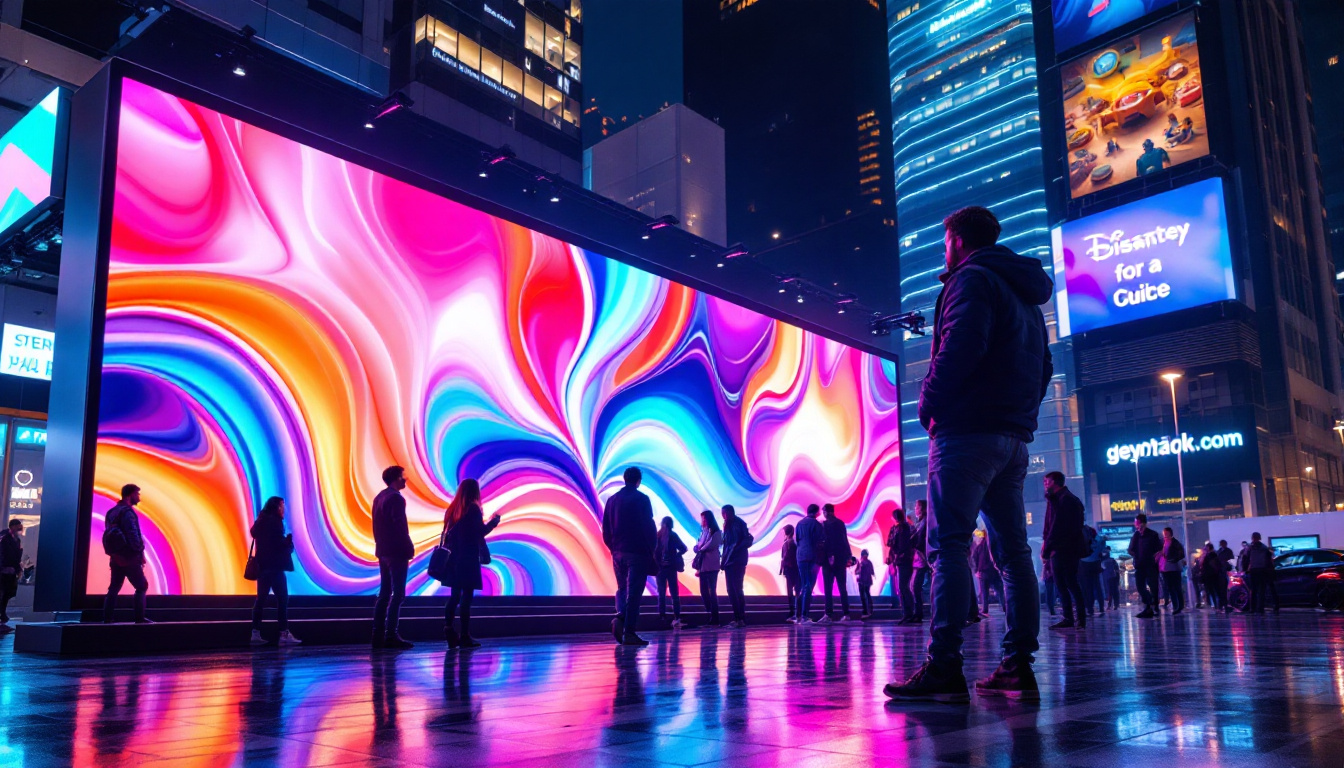
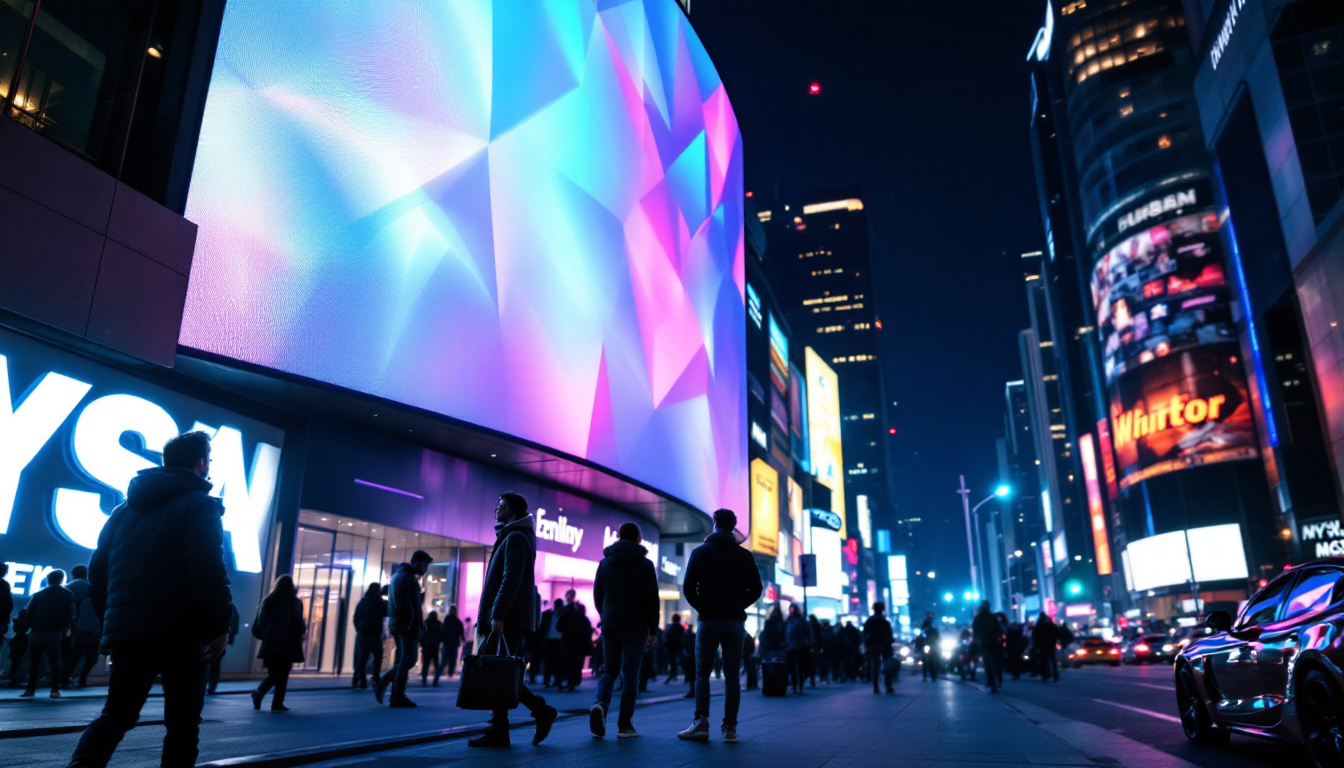
Moreover, advancements in LED technology have led to the development of ultra-bright displays specifically engineered for outdoor viewing. These displays can reach brightness levels of 2,000 nits or more, making them visible even in direct sunlight. This capability is particularly important for outdoor gatherings, where viewers expect a clear and engaging visual experience, whether they’re watching a game, a movie, or a presentation. As a result, the integration of cutting-edge LED technology into outdoor TVs not only enhances the viewing experience but also expands the possibilities for outdoor entertainment.
Why LED Displays are Ideal for Outdoor TVs
Outdoor environments present unique challenges for television displays. LED technology addresses many of these challenges effectively:
High Brightness Levels
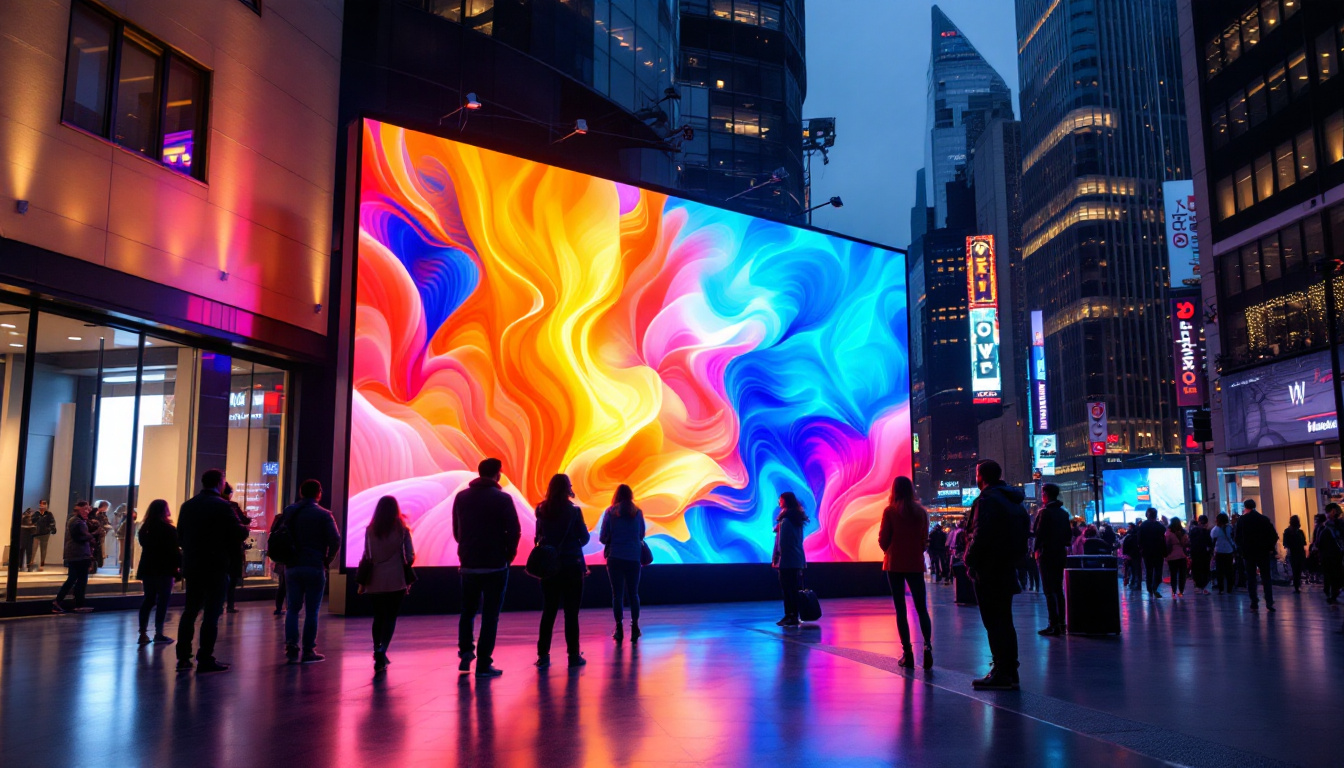
Sunlight can wash out images on conventional screens, making them difficult to see. LED displays, especially those designed for outdoor use, can reach brightness levels of 700 nits or more, compared to indoor TVs that typically range between 250 and 350 nits. Some premium outdoor LED TVs offer brightness levels exceeding 1000 nits, ensuring clear visibility even in direct sunlight.
Enhanced Durability and Energy Efficiency
LEDs are solid-state devices, which means they are more robust and less prone to damage from shocks or vibrations compared to older technologies like plasma or CCFL-backlit LCDs. Additionally, LEDs consume less power, which is beneficial for energy savings and reduces heat generation — a crucial factor in outdoor settings where ventilation might be limited.
Improved Color Accuracy and Contrast
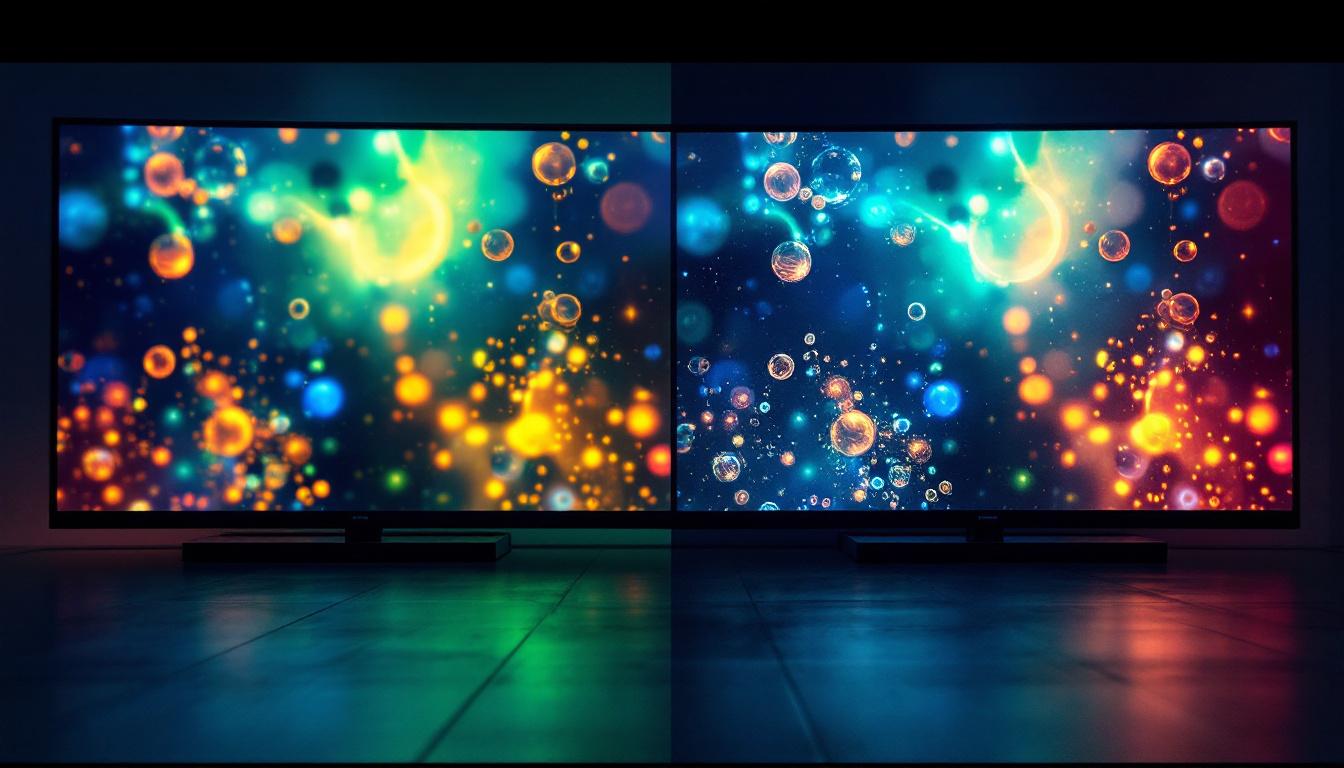
High-quality LED displays deliver vibrant colors and deep blacks, enhancing the viewing experience. Features like local dimming in full-array LED TVs allow for better control over brightness in different screen areas, improving contrast and making images more lifelike outdoors.
Integrating Weatherproof Covers with LED Outdoor TVs
While LED displays offer many advantages for outdoor viewing, they still require protection from environmental factors. Combining a weatherproof cover with an LED outdoor TV ensures optimal performance and longevity.
Maintaining Screen Clarity and Touch Sensitivity
Some weatherproof covers include transparent, anti-glare panels that protect the screen without compromising image quality. These panels are designed to reduce reflections and maintain touch sensitivity if the TV supports touch controls. This feature is particularly useful for outdoor commercial displays or interactive entertainment systems.
Ventilation and Heat Management
LED TVs generate heat during operation, and outdoor models often have enhanced cooling systems. Weatherproof covers must be designed to allow airflow to prevent overheating. Covers with mesh panels or strategically placed vents help maintain proper temperature without exposing the TV to moisture.
Custom Fit and Secure Installation
To maximize protection, weatherproof covers should fit the TV snugly and securely. Custom-fit covers reduce the risk of wind lifting the cover or moisture seeping in through gaps. Many manufacturers offer covers tailored to specific TV models or sizes, ensuring a precise fit and easy installation.
Additional Considerations for Outdoor TV Owners
Beyond weatherproof covers and LED technology, several other factors contribute to the successful deployment of outdoor televisions.
Placement and Mounting
Choosing the right location for an outdoor TV is critical. Areas with natural shade or under a pergola can reduce direct sun exposure, minimizing glare and heat buildup. Mounting the TV on a sturdy, weather-resistant bracket ensures stability and allows for optimal viewing angles.
Connectivity and Power Supply
Outdoor TVs require reliable power sources and connectivity options. Weatherproof enclosures for cables and connectors prevent corrosion and electrical hazards. Wireless streaming devices with robust outdoor Wi-Fi coverage can enhance convenience and reduce cable clutter.
Regular Maintenance
Even with weatherproof covers, periodic maintenance is essential. Cleaning the screen and cover, checking seals, and inspecting for damage help maintain performance and extend the TV’s lifespan. It is advisable to remove the cover occasionally to air out the TV and prevent moisture buildup.
Conclusion
Outdoor televisions equipped with LED displays offer an exceptional viewing experience, combining bright, vivid images with energy efficiency and durability. However, the outdoor environment poses challenges that require careful protection. Weatherproof covers designed specifically for outdoor TVs provide essential defense against moisture, dust, UV rays, and temperature extremes, ensuring these devices perform reliably year-round.
By understanding the benefits of LED technology and the critical features of weatherproof covers, consumers can make informed choices that enhance their outdoor entertainment spaces. Whether for residential patios, commercial venues, or public spaces, investing in quality weatherproofing solutions and LED outdoor TVs guarantees a seamless and enjoyable viewing experience regardless of the weather.
Enhance Your Outdoor Entertainment with LumenMatrix
Ready to elevate your outdoor viewing experience? LumenMatrix is at the forefront of LED display technology, offering innovative solutions that bring your outdoor entertainment to life. From vibrant Outdoor LED Wall Displays to Custom LED Displays tailored to your unique needs, our products are designed to deliver unparalleled brightness, color accuracy, and durability. Embrace the future of visual communication with LumenMatrix and transform your outdoor spaces into captivating hubs of engagement. Check out LumenMatrix LED Display Solutions today and see the difference for yourself.