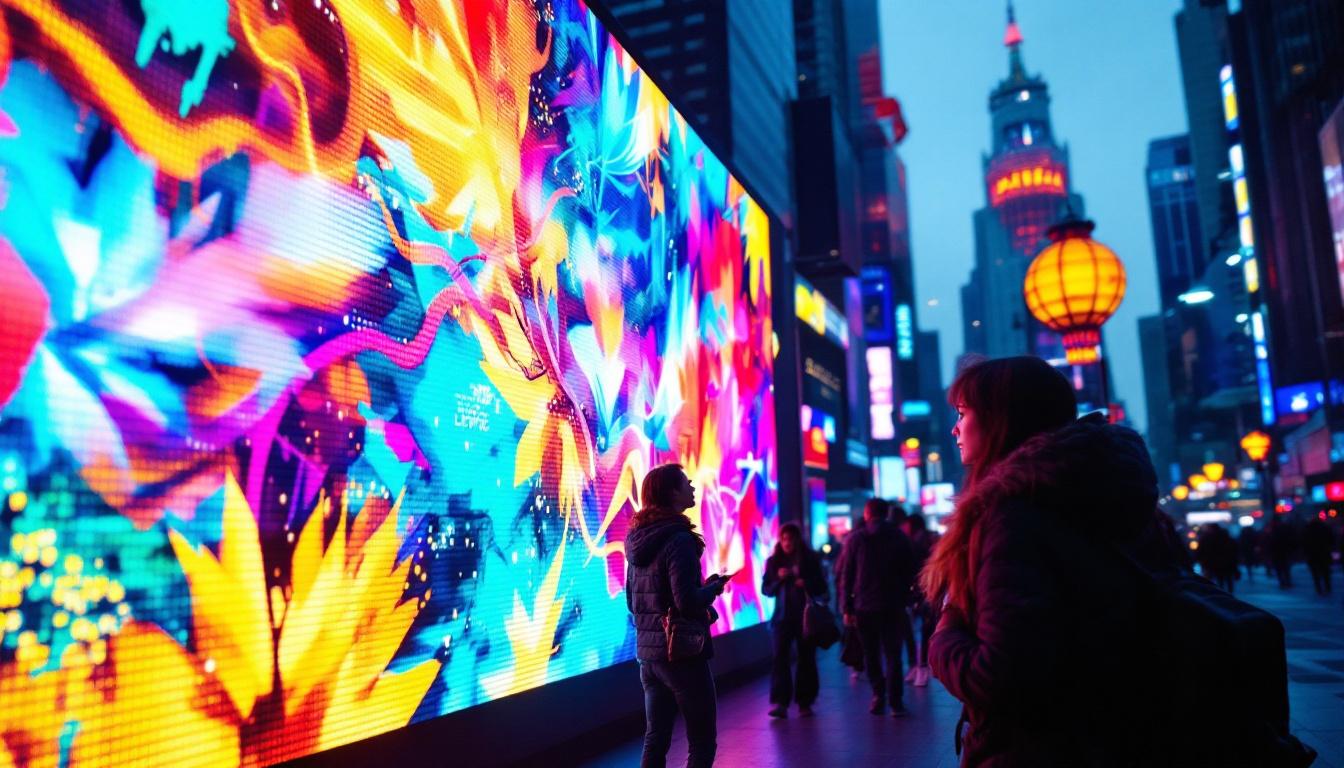
In today’s digital age, LED displays have become a ubiquitous part of our visual landscape. From Times Square billboards to sports arenas, retail stores, and corporate lobbies, these vibrant, dynamic screens capture attention and communicate messages with unparalleled clarity and impact. But how exactly do you “get on the wall” with an LED display? What does it take to create, install, and manage these impressive visual installations? This article dives deep into the world of LED displays, explaining the technology, the process, and the considerations involved in bringing content to life on these dazzling digital canvases.
Understanding LED Display Technology
What Is an LED Display?
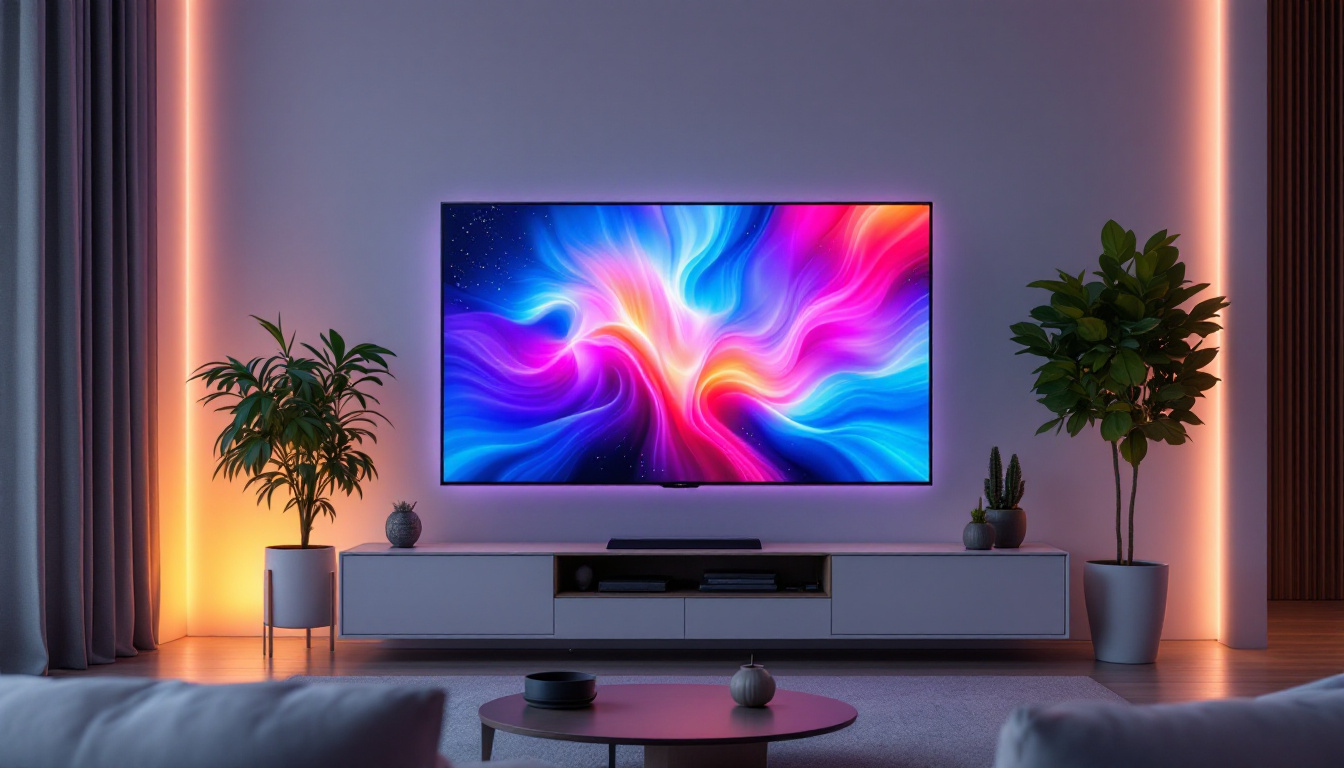
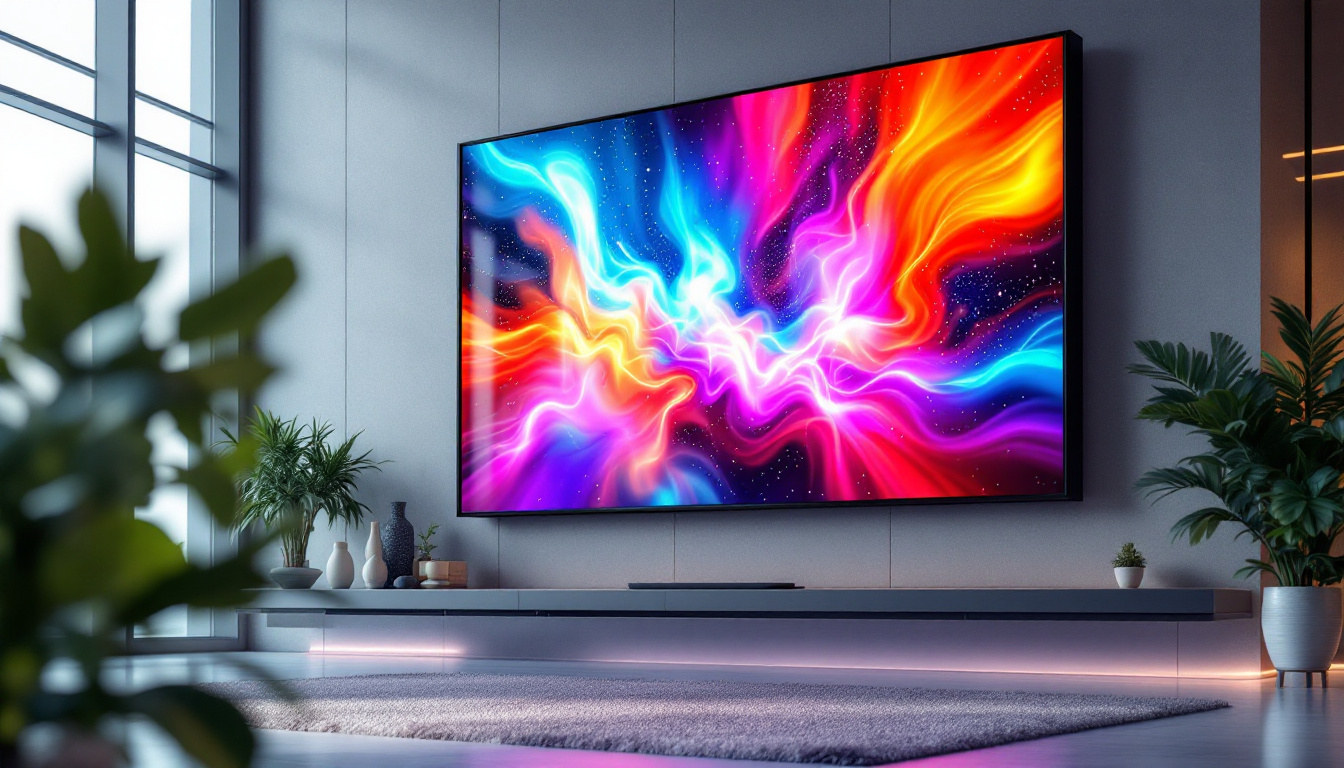
LED stands for Light Emitting Diode, a semiconductor device that emits light when an electric current passes through it. An LED display is a flat panel that uses an array of these tiny diodes to produce images, videos, and text. Unlike traditional LCD screens, LED displays are self-illuminating, meaning each diode emits its own light, which results in higher brightness, better contrast, and improved visibility in various lighting conditions. This self-illuminating feature not only enhances the viewing experience but also contributes to energy efficiency, as LEDs consume less power compared to conventional lighting methods.
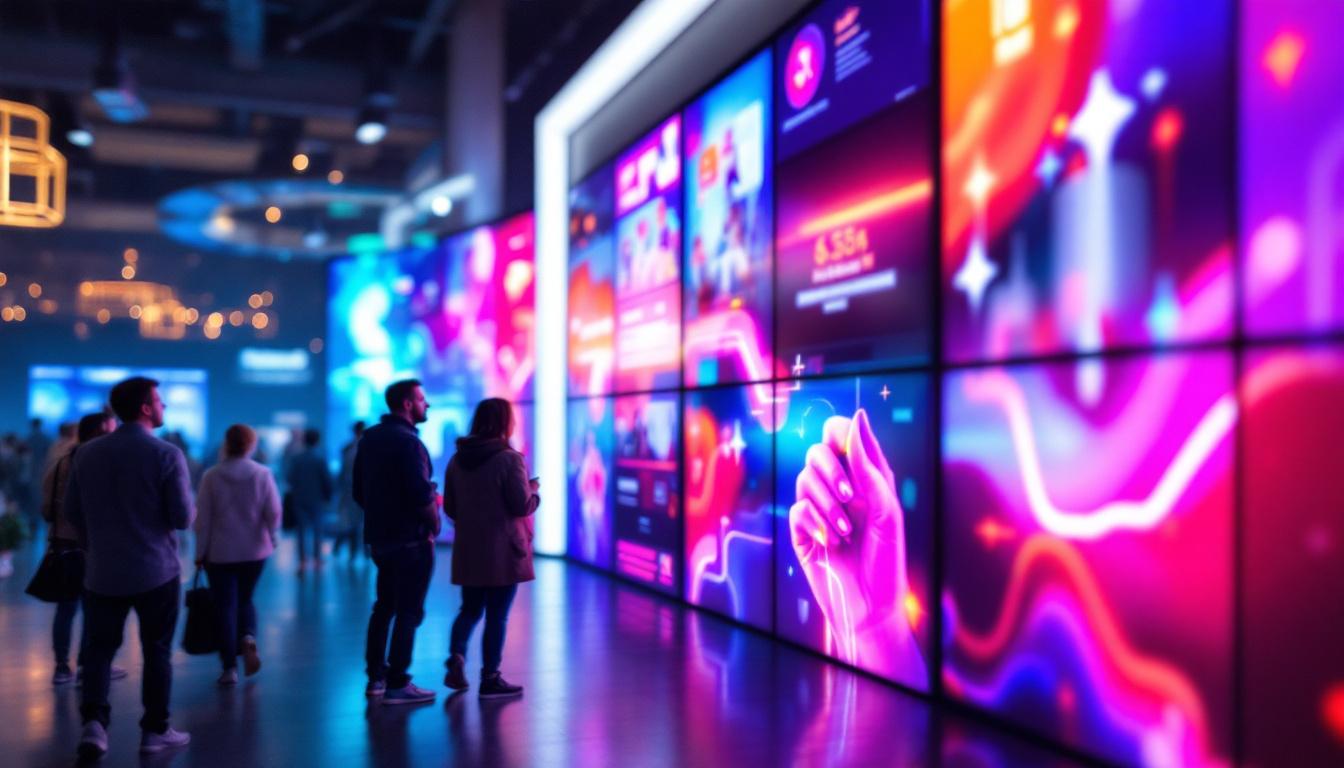
LED displays can be configured in various sizes and resolutions, from small indoor screens to massive outdoor billboards. They are composed of modules or panels that can be seamlessly tiled to create large, continuous surfaces, often referred to as “walls.” This modularity allows for great flexibility in design and scale. Moreover, the lightweight nature of LED panels makes them easier to install and transport, which is particularly beneficial for temporary installations at events or exhibitions. The advancements in LED technology have also enabled the development of high-definition displays that can showcase intricate graphics and dynamic content, making them ideal for advertising and entertainment venues.
Types of LED Displays
There are primarily two categories of LED displays: indoor and outdoor. Indoor LED displays typically have a higher pixel density (smaller pixel pitch) because viewers are closer to the screen. This results in sharper images and finer detail. Outdoor LED displays, on the other hand, prioritize brightness and durability to withstand sunlight, weather, and environmental factors. These outdoor models often come equipped with protective coatings and robust casings to ensure longevity and performance in harsh conditions, making them a popular choice for stadiums, concerts, and public events.
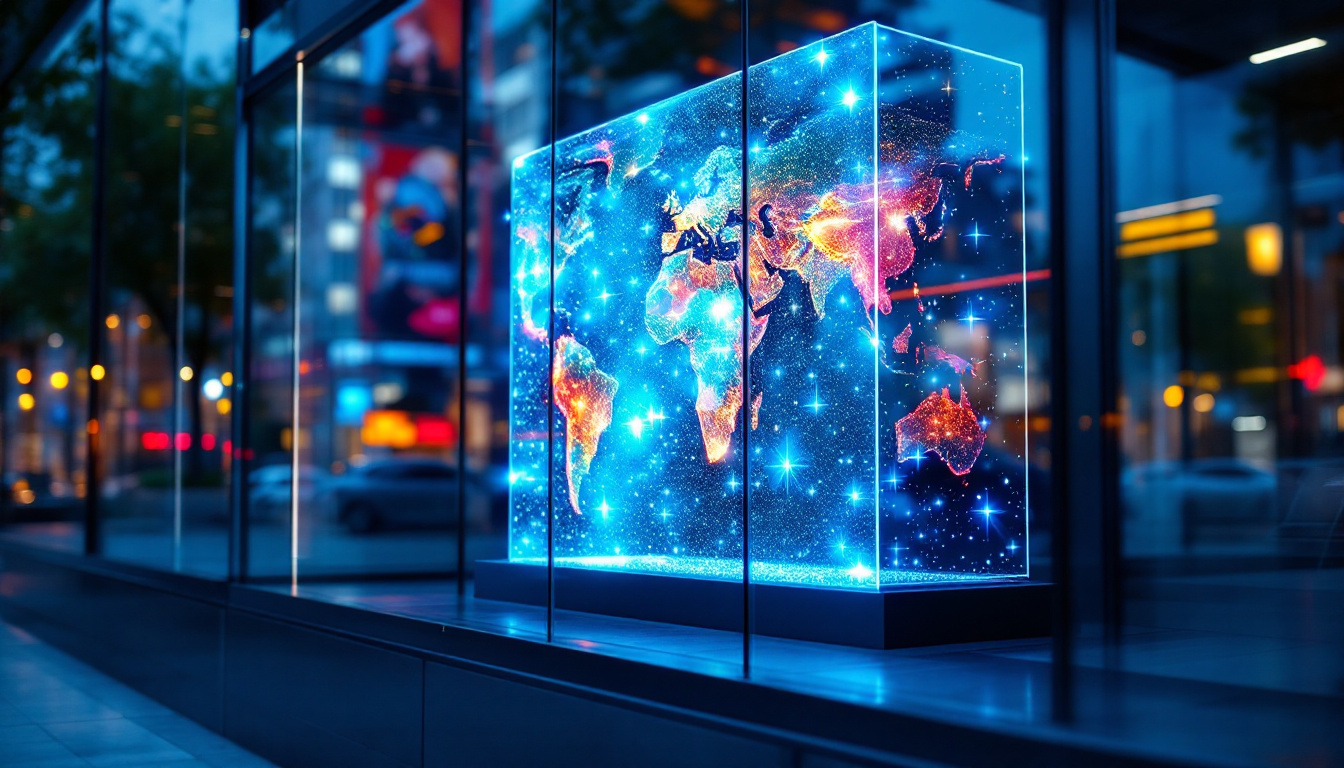
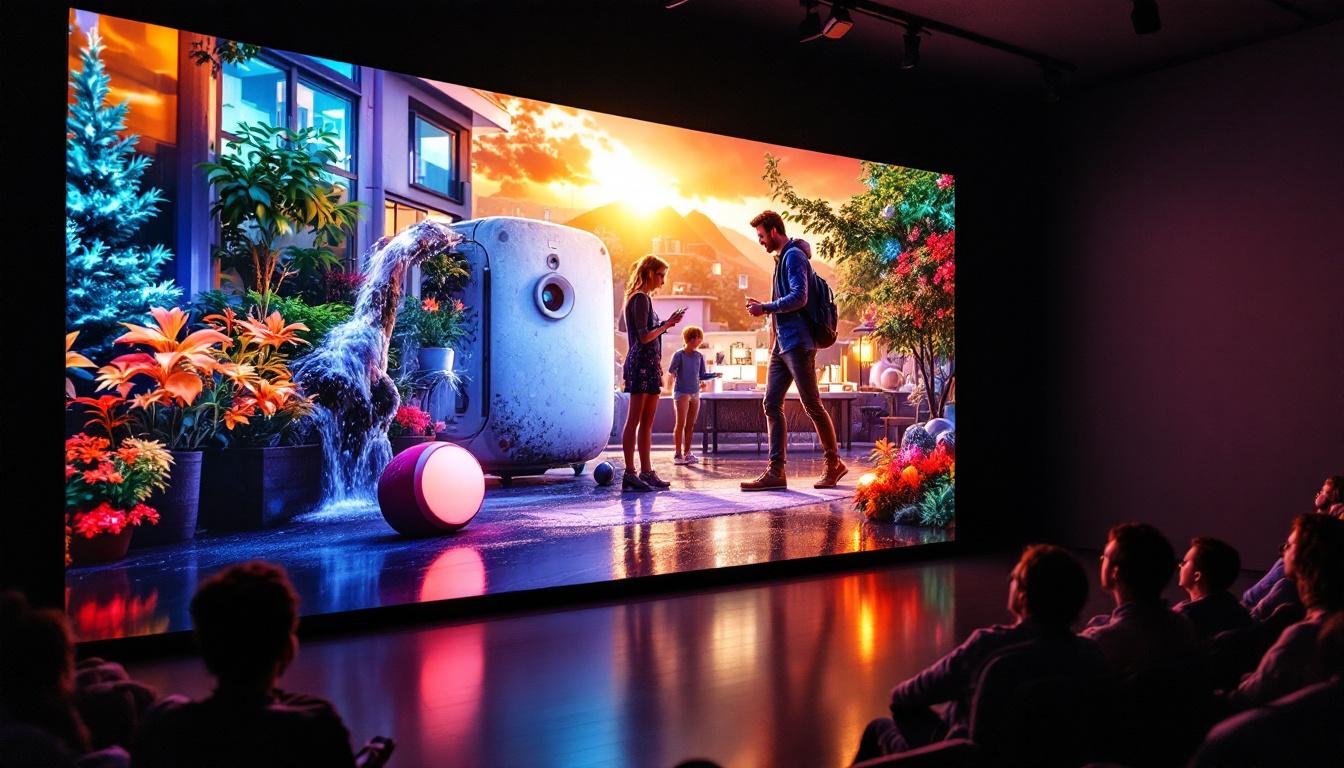
Additionally, there are specialized LED displays such as transparent LED screens, flexible LED panels, and curved LED walls that cater to specific architectural or creative needs. Transparent LED screens can be integrated into glass structures, allowing for stunning visual displays without obstructing views. Flexible LED panels can be bent and shaped to fit unique designs, making them perfect for creative installations in retail spaces or art exhibits. Curved LED walls provide immersive experiences by wrapping around audiences, enhancing engagement in environments like theaters and theme parks. Each type requires different installation techniques and content optimization strategies, ensuring that the display not only looks great but also functions effectively in its intended environment.
The Process of Getting Your Content “On the Wall”
Step 1: Defining Your Objectives and Audience
Before diving into the technical aspects, it’s crucial to clarify the purpose of your LED display. Are you aiming to advertise products, provide information, enhance brand presence, or entertain an audience? Understanding your goals will guide decisions about screen size, resolution, location, and content type.
Knowing your audience is equally important. For example, a retail store targeting millennials might prioritize dynamic, colorful visuals and interactive content, while a corporate lobby display might focus on sleek branding and informational messaging. The context in which the display will be viewed affects everything from design to hardware choices. Additionally, considering the demographics of your audience—such as age, interests, and behaviors—can help refine your content strategy. Engaging with your audience through surveys or social media can provide valuable insights into what resonates with them, ensuring that your display captures their attention effectively.
Step 2: Selecting the Right LED Display
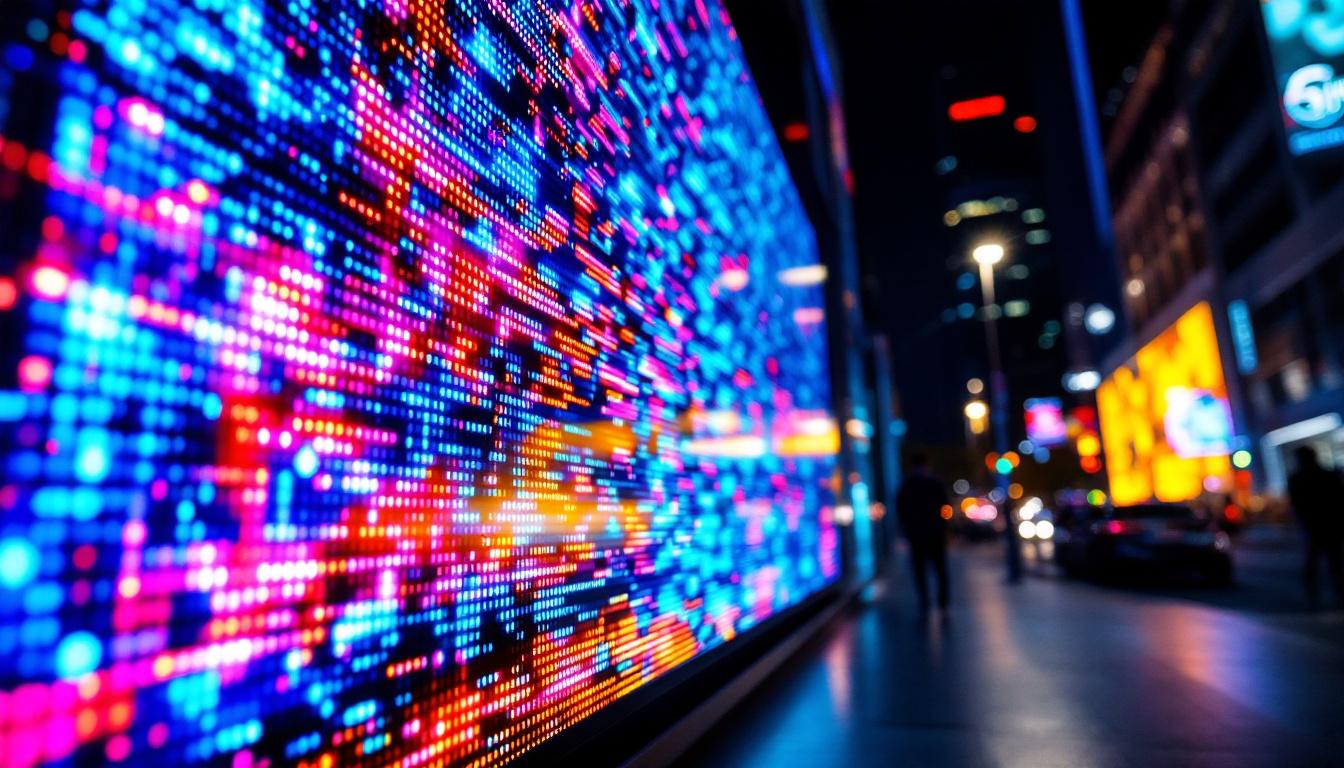
Choosing the appropriate LED display involves balancing factors such as pixel pitch, brightness, refresh rate, and viewing distance. Pixel pitch—the distance between the centers of adjacent LEDs—is a critical specification that determines image sharpness. Smaller pixel pitch means higher resolution but generally higher cost.
Brightness is measured in nits, with outdoor displays often exceeding 5,000 nits to remain visible in direct sunlight, while indoor displays typically range between 800 and 1,200 nits. Refresh rate impacts motion clarity, especially important for video content. Furthermore, the installation location can influence these choices; for instance, displays in high-traffic areas may require more robust features to withstand environmental factors and frequent use. Consulting with LED display manufacturers or integrators can help identify the best product for your specific environment and budget. They can also advise on additional features such as weatherproofing, anti-glare coatings, and energy efficiency. Understanding the total cost of ownership, including maintenance and energy consumption, is also essential for making an informed decision.
Step 3: Content Creation and Formatting
Once the hardware is selected, the next step is content creation. Effective LED display content is visually striking, concise, and tailored to the screen’s resolution and aspect ratio. Unlike traditional print media, LED content often incorporates motion graphics, animations, and real-time data feeds.
Content must be formatted to match the technical specifications of the LED wall. This includes resolution, color calibration, and file formats compatible with the display’s media player or control system. Many LED display providers offer software tools or templates to assist with content development. Moreover, incorporating a variety of content types—such as videos, images, and text—can keep the display fresh and engaging. Regularly updating the content not only maintains viewer interest but also allows for timely promotions or announcements. Collaborating with creative professionals who specialize in digital content can elevate the quality of your visuals, ensuring they align with your brand identity and effectively communicate your message to the audience.
Installation and Integration: Bringing the Wall to Life
Physical Installation
Installing an LED display wall is a complex process requiring precise engineering and coordination. The mounting structure must support the weight and size of the panels while allowing for ventilation and maintenance access. For outdoor installations, weatherproofing and protection against environmental hazards are critical.
Professional installers use specialized equipment to align and secure each module, ensuring a seamless image without gaps or misalignments. Electrical wiring, power supply, and data cabling are carefully routed and tested to guarantee reliable operation.
System Integration and Calibration
After physical installation, the LED wall must be integrated with control systems that manage content playback, scheduling, and remote monitoring. This often involves connecting media players, computers, or network interfaces that allow for real-time updates and content management.
Calibration is essential to achieve uniform brightness, color accuracy, and contrast across the entire display. Technicians use specialized tools to adjust each module, compensating for variations in LED performance and environmental lighting conditions.
Maintaining and Optimizing Your LED Display
Routine Maintenance
To ensure longevity and consistent performance, LED displays require regular maintenance. This includes cleaning the panels to remove dust and debris, inspecting electrical connections, and monitoring for dead pixels or color inconsistencies.
Many modern LED systems incorporate remote diagnostics that alert operators to potential issues before they impact display quality. Scheduled maintenance helps prevent costly downtime and extends the lifespan of the installation.
Content Refresh and Audience Engagement
Keeping content fresh and relevant is key to maximizing the impact of your LED display. Regular updates, seasonal campaigns, and interactive elements can sustain audience interest and drive engagement.
Analytics tools can track viewer interactions, dwell time, and demographic data, enabling data-driven content strategies. For example, digital signage in retail environments that adapts promotions based on time of day or customer behavior can significantly boost sales.
Real-World Examples: LED Walls in Action
Times Square, New York City
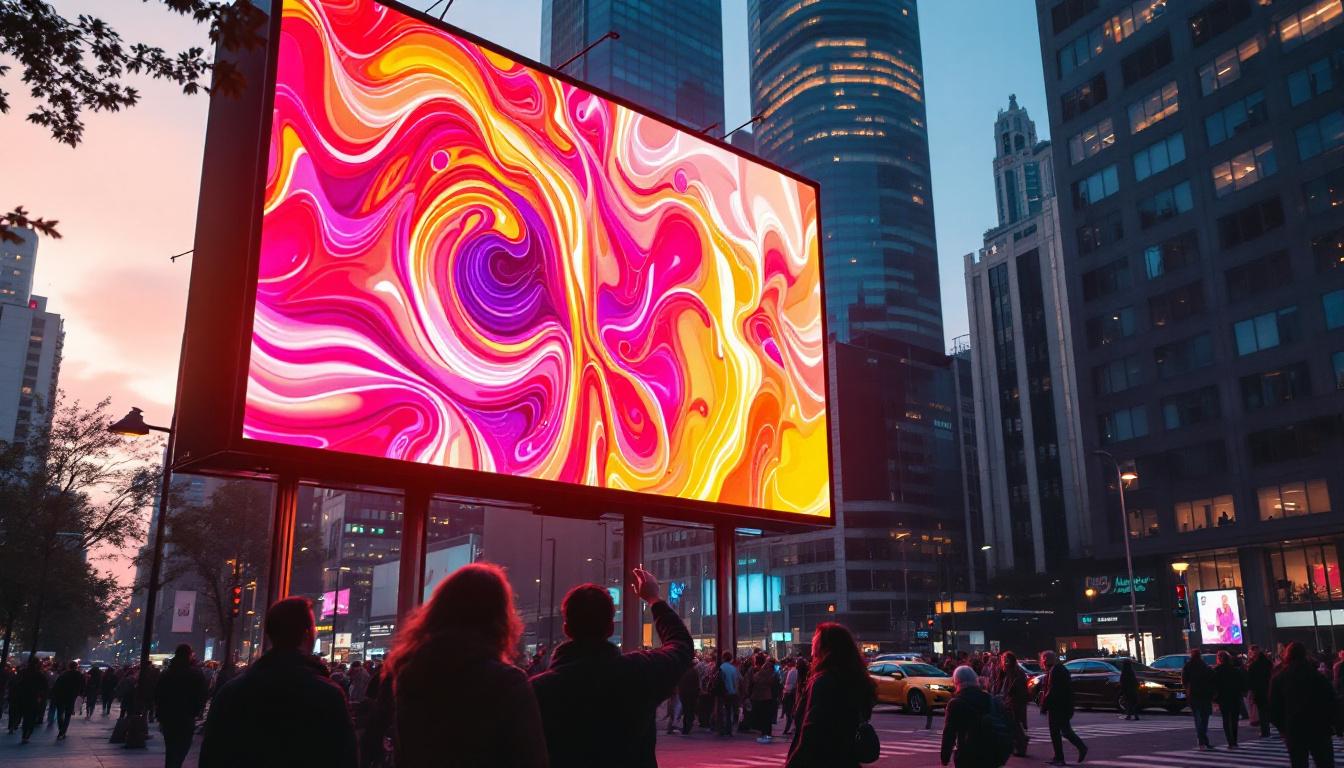
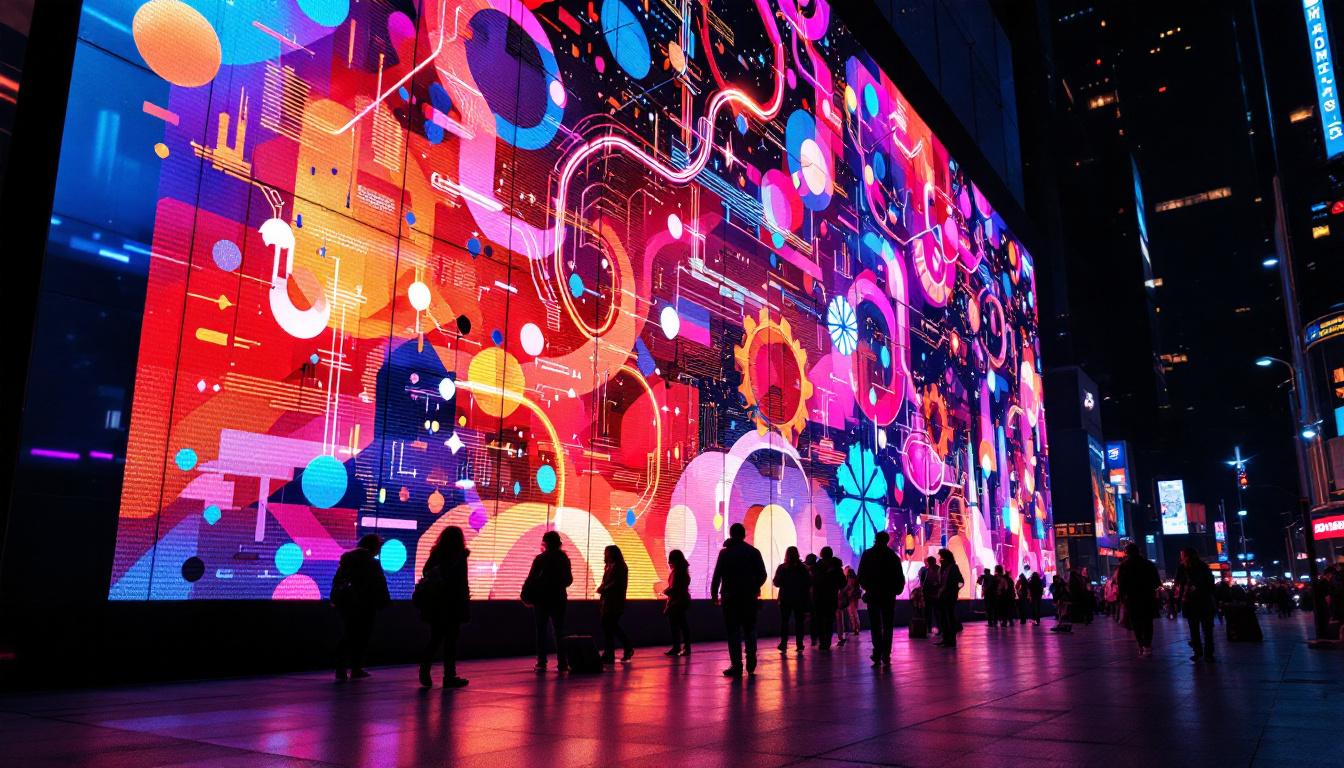
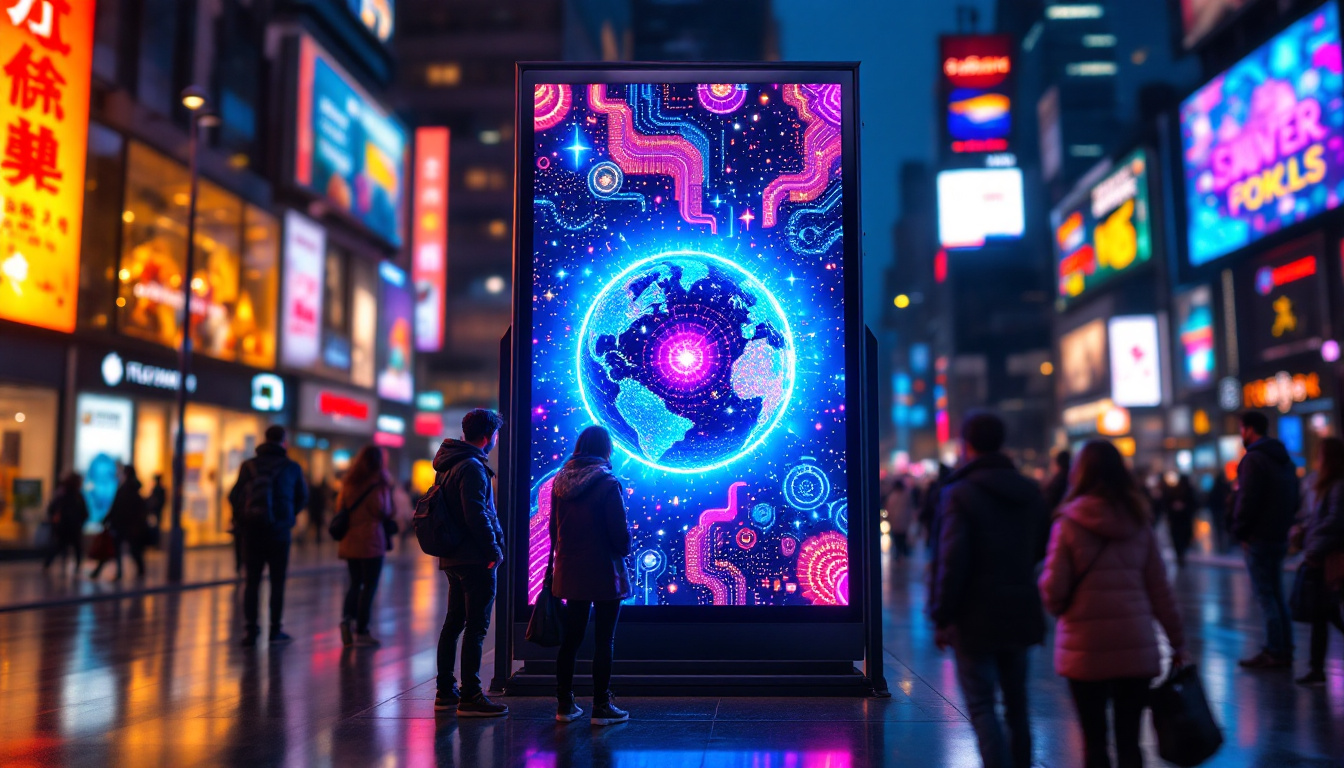
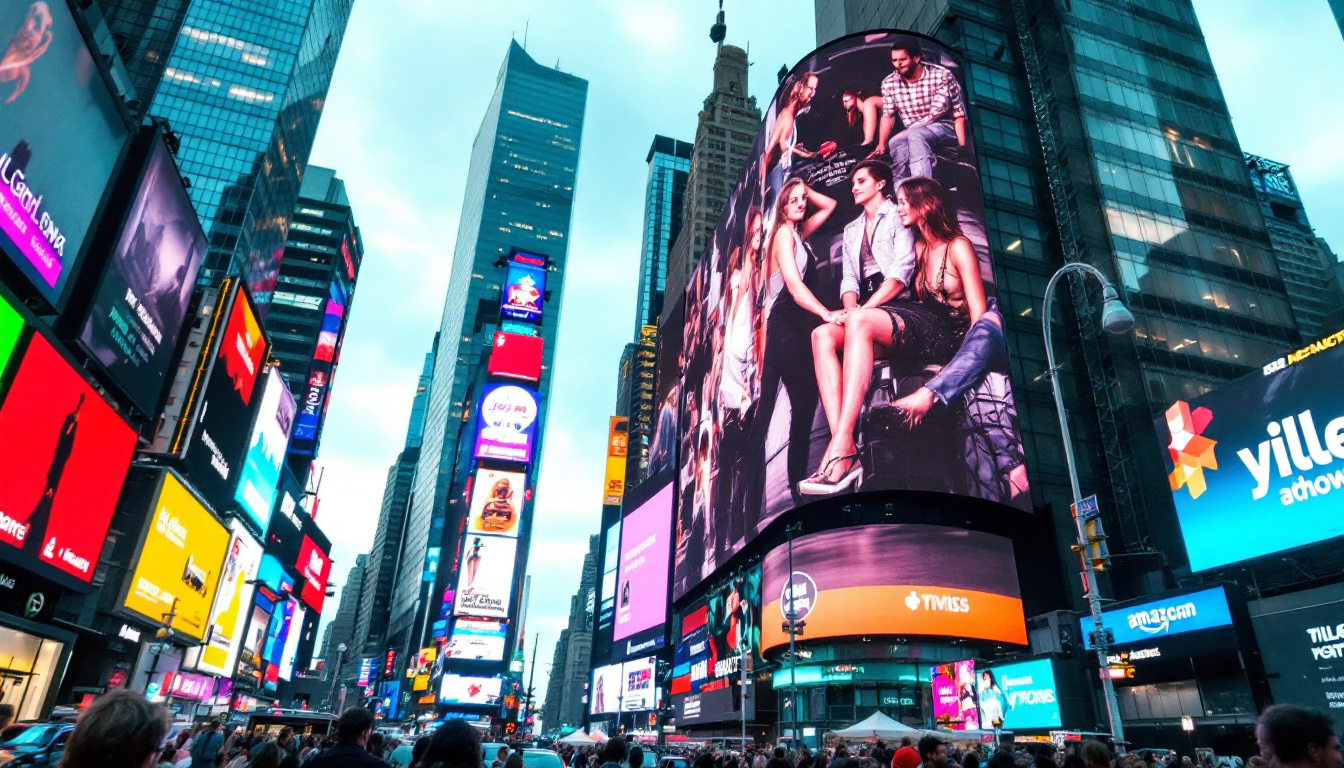
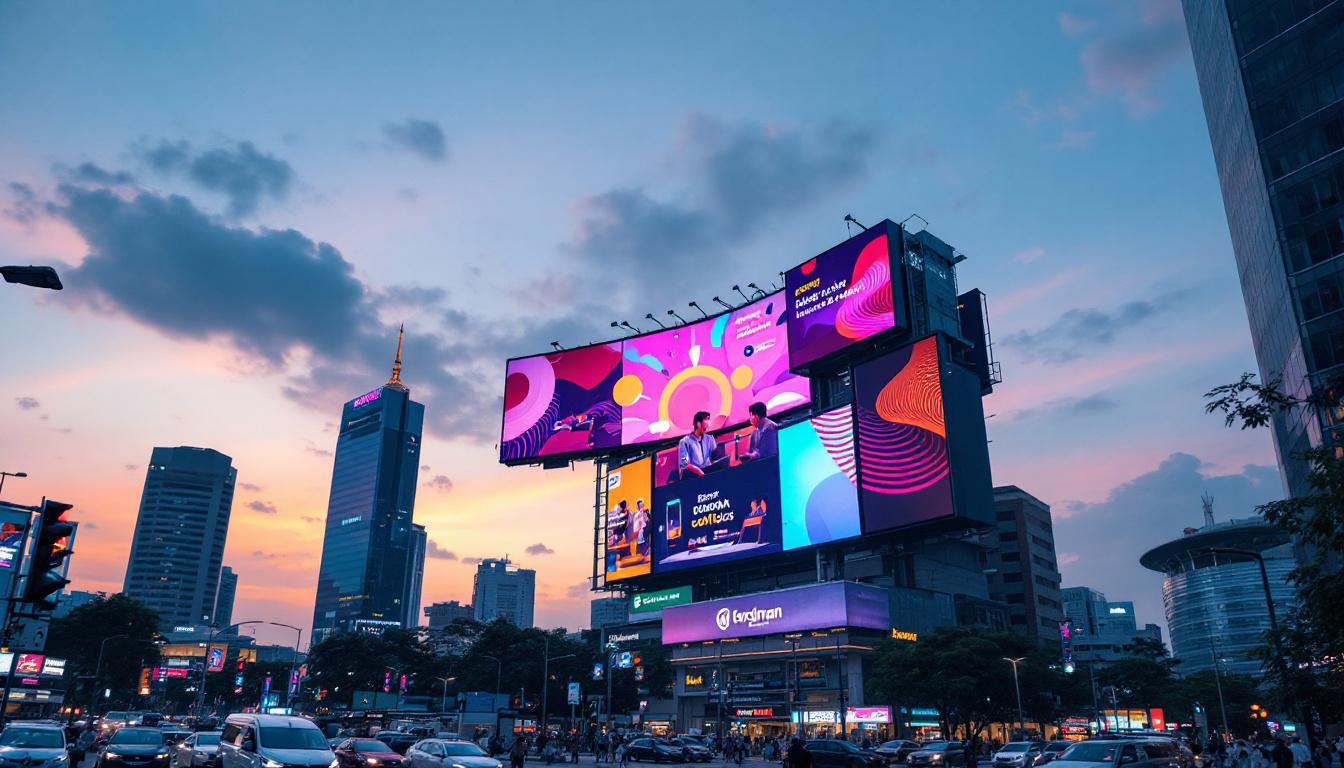
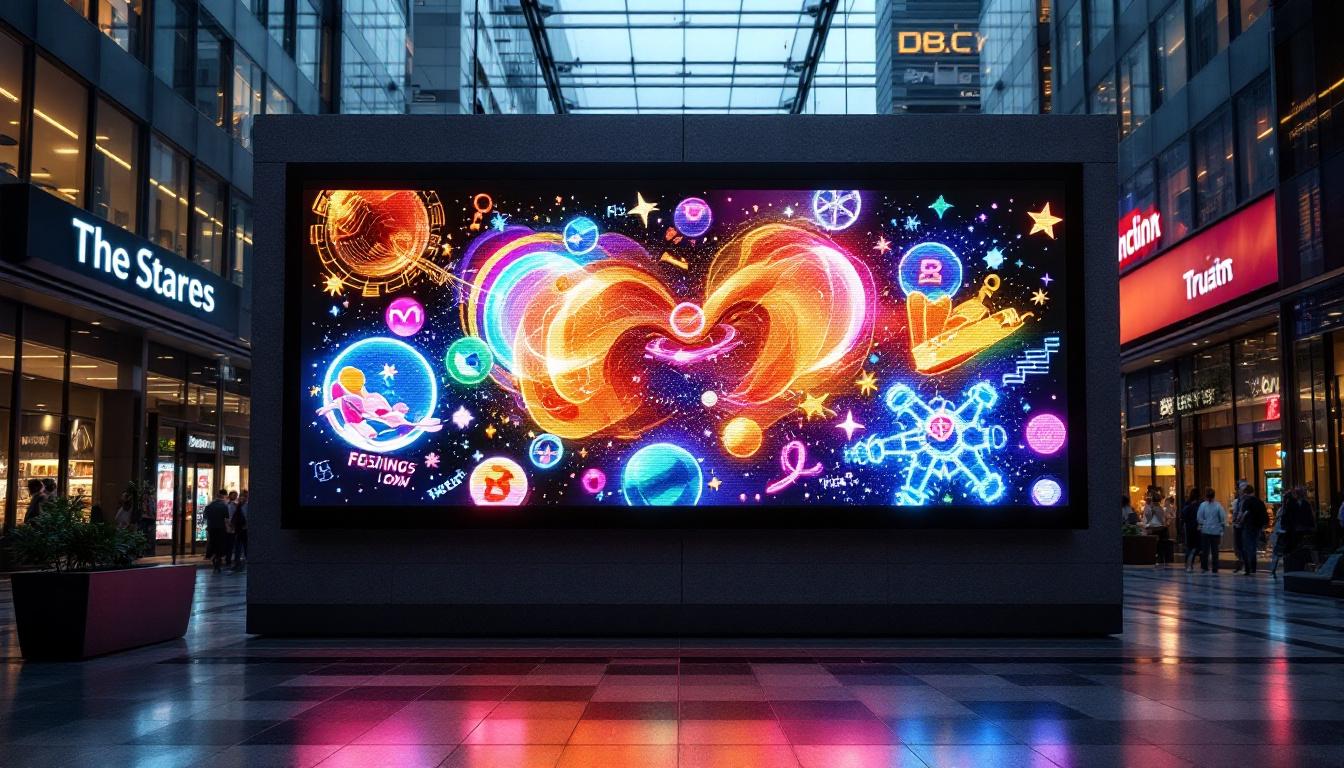
Perhaps the most iconic example of LED display usage is the massive digital billboards in Times Square. These walls combine ultra-high brightness, enormous scale, and cutting-edge content to create an immersive advertising environment that reaches millions of people daily. Brands invest millions annually to secure prime spots on these walls, demonstrating the value and prestige associated with LED display presence.
Sports Arenas and Event Venues
LED walls have transformed the spectator experience at stadiums worldwide. From giant screens showing live action replays to dynamic advertising panels, these displays enhance engagement and generate significant revenue streams through sponsorships. The ability to deliver crisp, bright images visible from great distances makes LED technology ideal for large venues.
Retail and Corporate Spaces
In retail, LED walls create captivating storefront displays that attract foot traffic and communicate brand identity. Corporate offices use LED walls in lobbies and conference rooms to showcase company achievements, news, and real-time data dashboards, reinforcing professionalism and innovation.
Conclusion: The Future of Getting “On the Wall”
Getting your content “on the wall” with an LED display is a multifaceted process that blends technology, creativity, and strategic planning. As LED technology continues to advance—with improvements in resolution, energy efficiency, and interactivity—the opportunities for impactful visual communication will only grow.
Whether for advertising, entertainment, or information, LED walls offer a dynamic platform to engage audiences in ways that static media cannot match. By understanding the technology, selecting the right hardware, crafting compelling content, and maintaining the system effectively, businesses and organizations can harness the full power of LED displays to illuminate their messages and stand out in a crowded visual world.
Illuminate Your Message with LumenMatrix
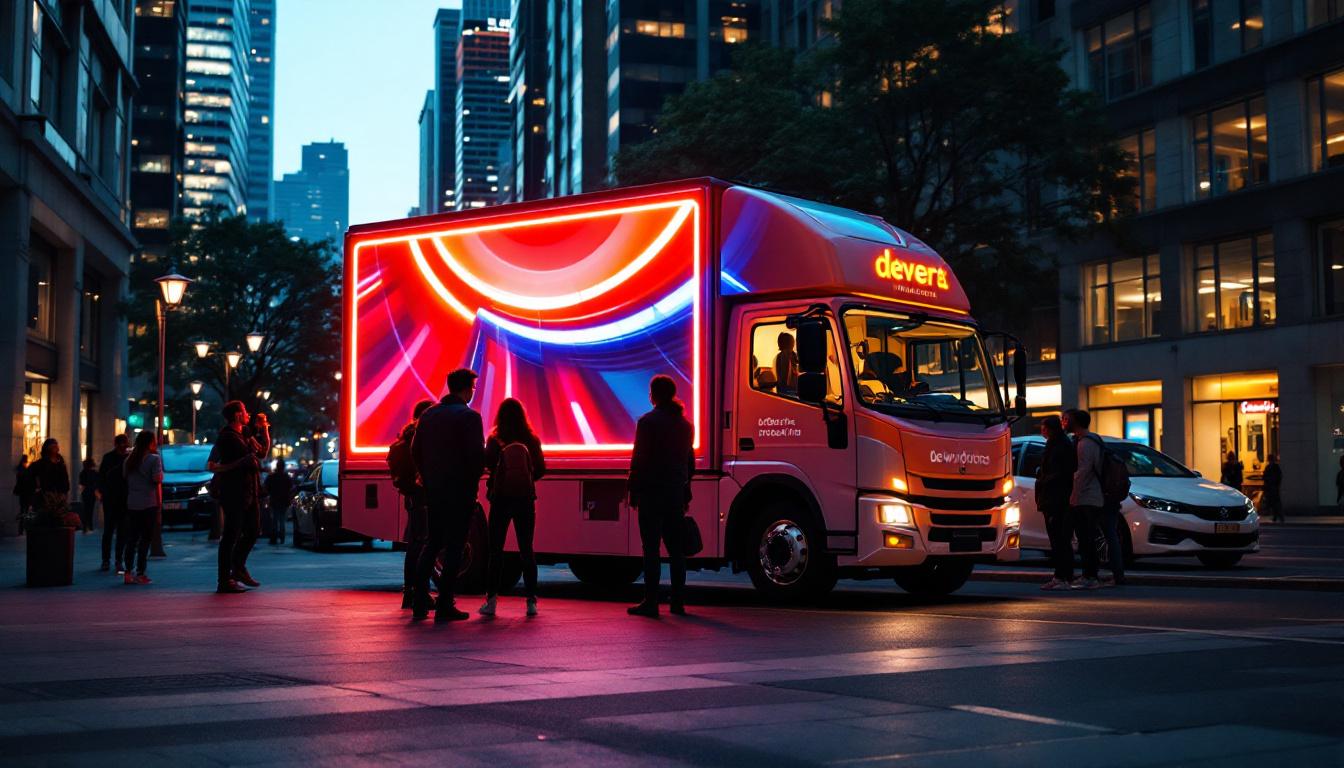
Ready to make a lasting impression in the digital world? LumenMatrix is at the forefront of LED display innovation, offering a diverse range of solutions tailored to your unique needs. From Indoor and Outdoor LED Wall Displays to specialized options like Vehicle, Sports, and Floor LED Displays, we have the technology to bring your vision to life. Embrace the future of visual communication with our Custom, All-in-One, and Transparent LED Displays, designed to captivate and engage your audience. Check out LumenMatrix LED Display Solutions today and transform your brand’s visibility with unparalleled clarity and impact.