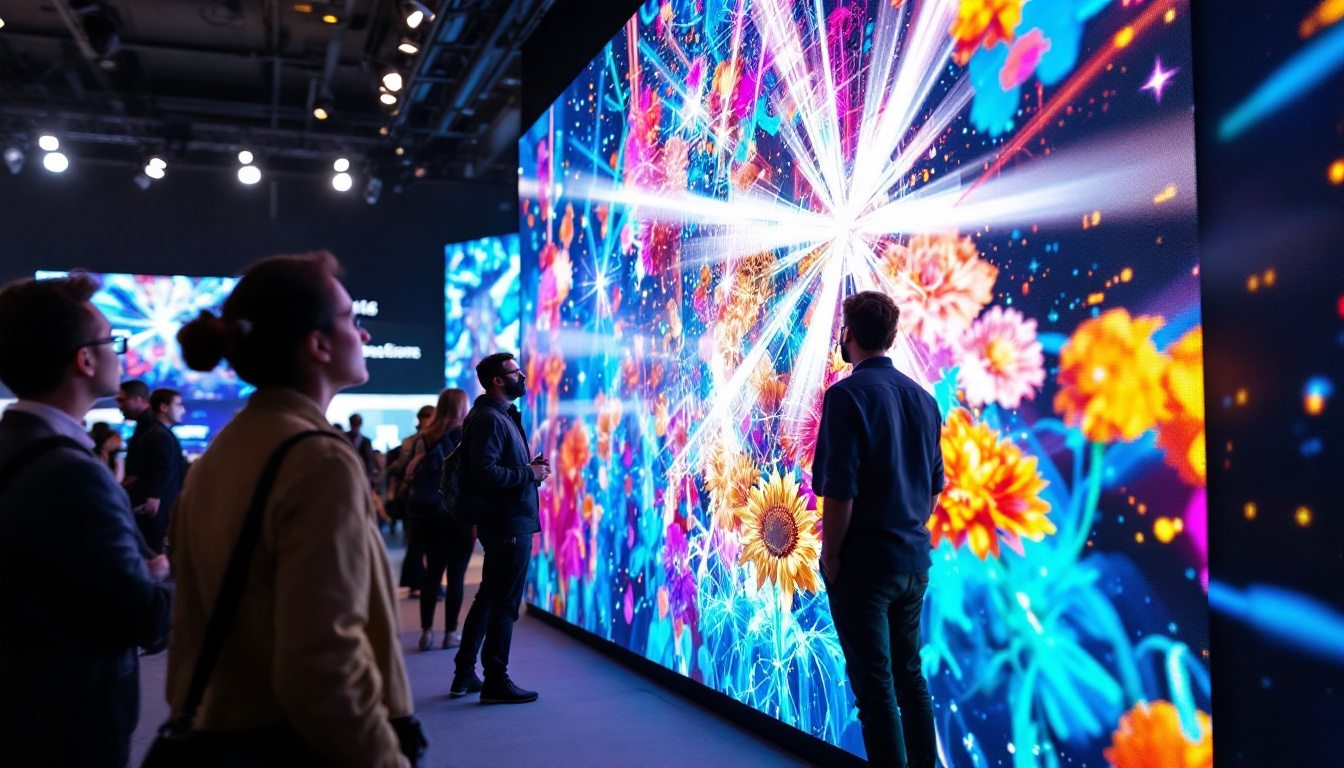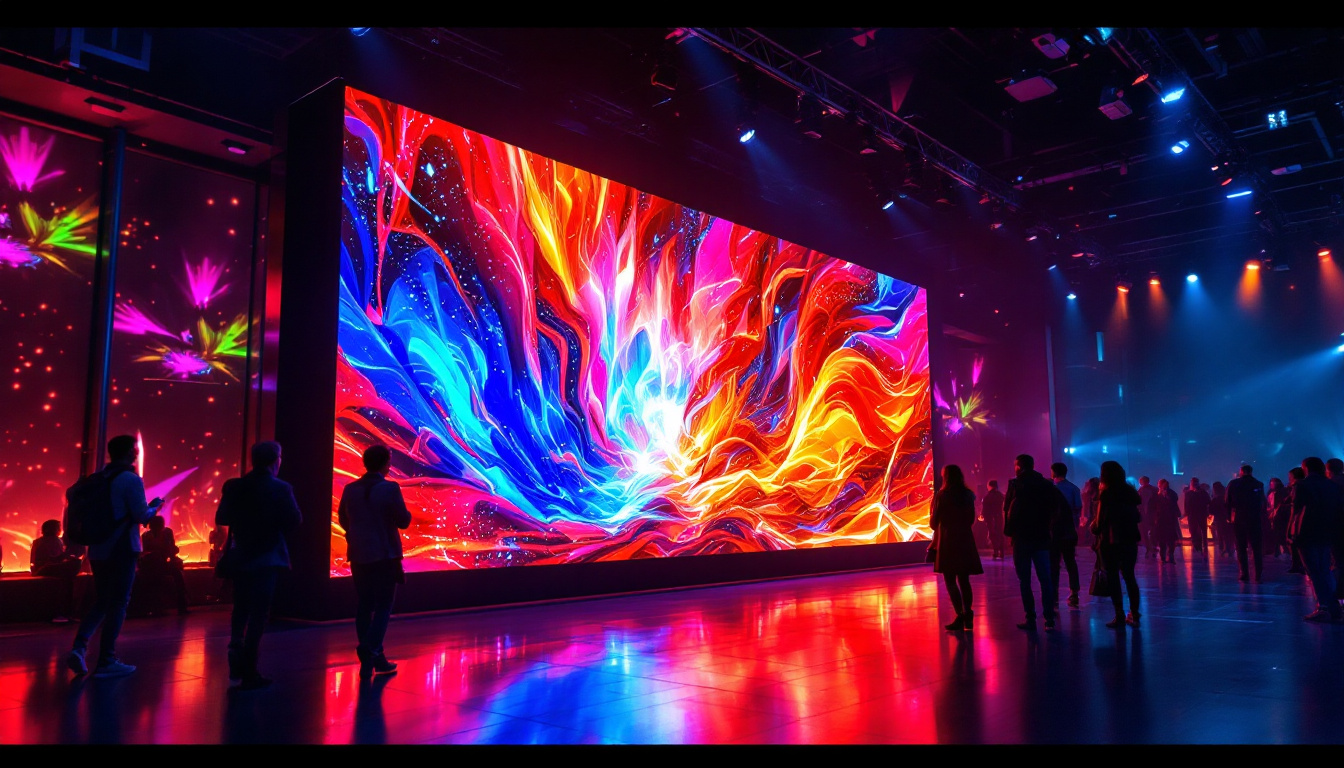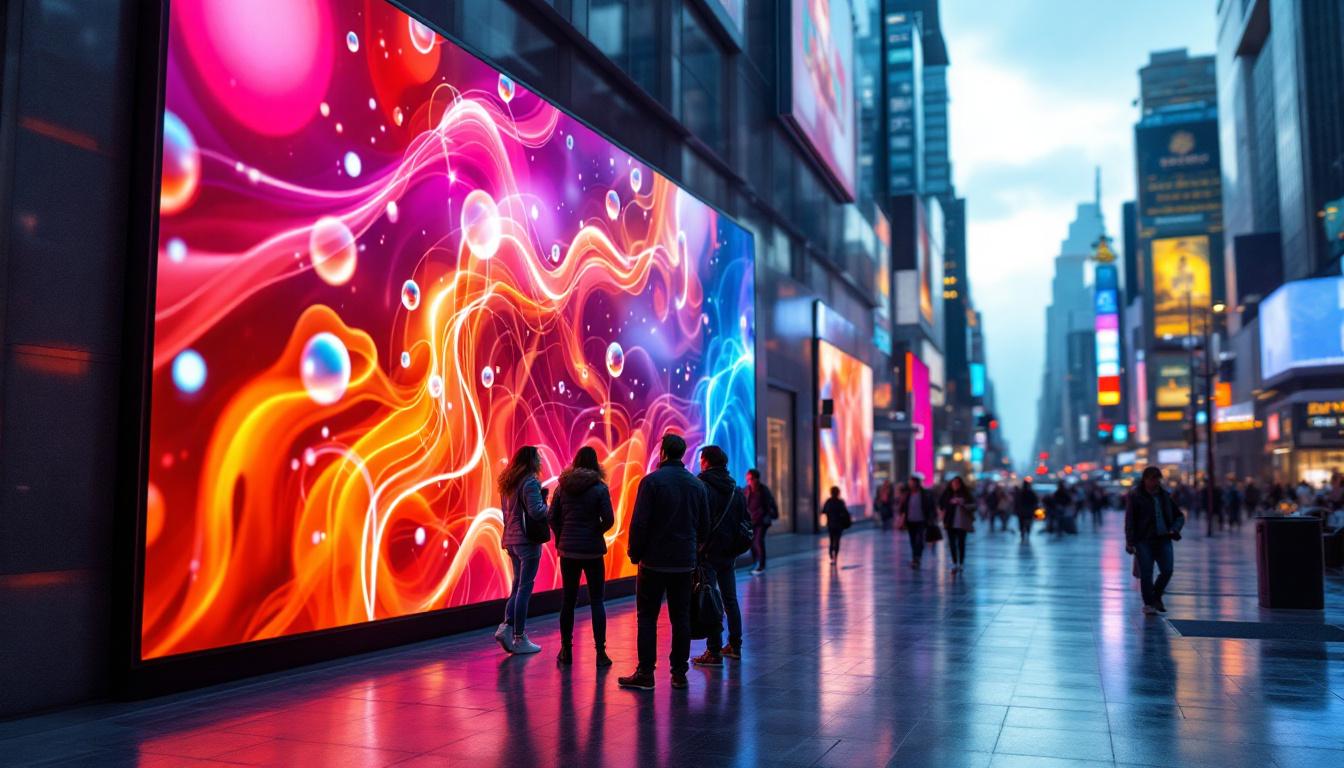
In today’s fast-paced world, visual communication plays an essential role in marketing, events, and public information dissemination. LED displays have become a cornerstone technology for these purposes, offering vibrant, dynamic, and highly visible content delivery. For businesses and event organizers considering renting LED displays, understanding the technology, benefits, and planning considerations is crucial to making informed decisions. This article provides a comprehensive explanation of LED displays, tailored to those looking to rent such equipment, ensuring you get the most value and impact from your investment.
Understanding LED Display Technology
LED, or Light Emitting Diode, displays are screens composed of numerous tiny diodes that emit light when an electric current passes through them. Unlike traditional LCD or projection screens, LED displays produce their own light, resulting in brighter images and better visibility even in direct sunlight. This self-illuminating capability not only enhances the viewing experience but also contributes to energy efficiency, as LED technology consumes less power compared to older display technologies.
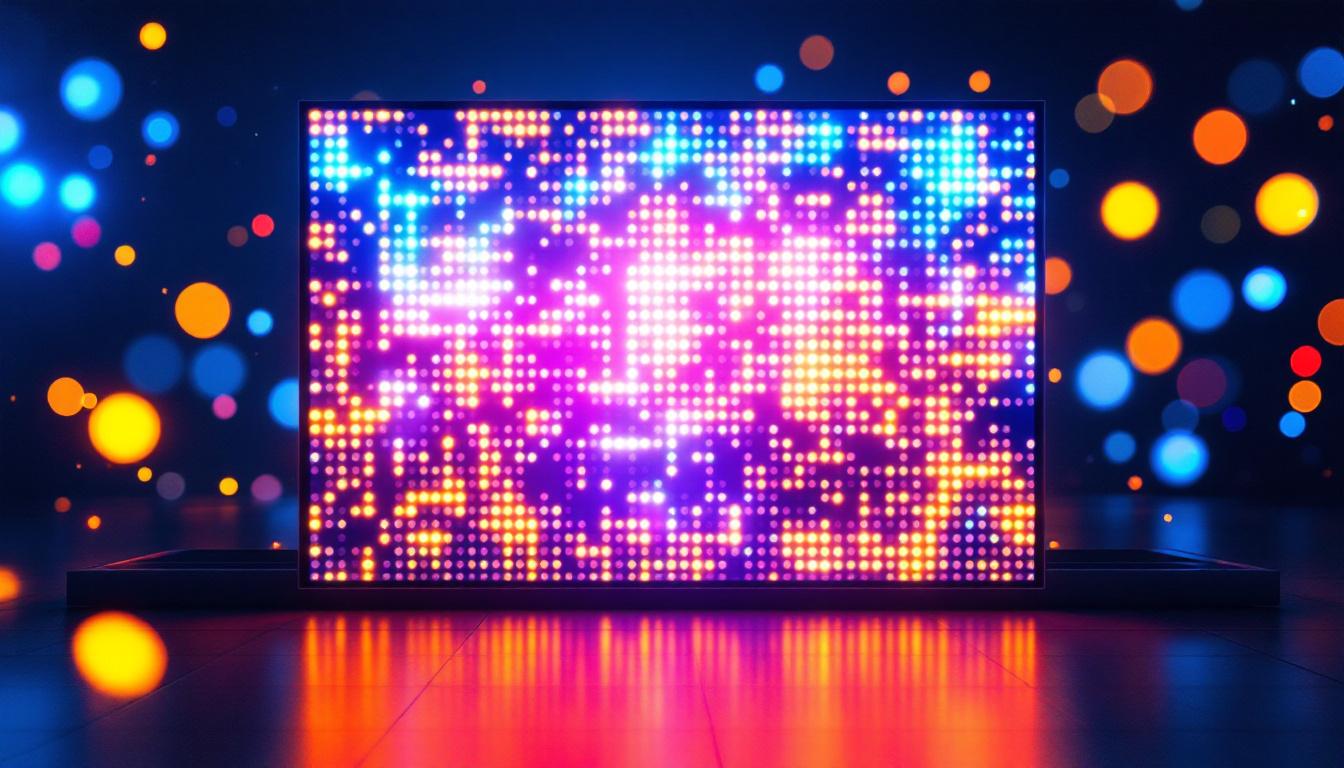
The core components of an LED display include individual LED pixels arranged in a grid, which together form the screen. Each pixel typically consists of red, green, and blue diodes, which combine to produce a full spectrum of colors. This RGB system allows for vibrant and accurate color reproduction, making LED displays ideal for advertising, live events, and public information. Additionally, the longevity of LED diodes means that these displays can operate for tens of thousands of hours before needing replacement, making them a cost-effective solution over time.
Types of LED Displays
When planning to rent an LED display, it’s important to understand the different types available. The main categories include:
- Indoor LED Displays: Designed for controlled lighting environments, these displays have smaller pixel pitches (the distance between pixels), resulting in higher resolution and sharper images. They are often used in corporate settings, trade shows, and concerts, where close viewing is common.
- Outdoor LED Displays: Built to withstand weather conditions, they are brighter to combat sunlight and have a larger pixel pitch. These are commonly used for billboards, sports arenas, and outdoor events, where visibility from a distance is crucial. Many outdoor displays also feature advanced weatherproofing technologies to ensure durability against rain, wind, and extreme temperatures.
- Transparent LED Displays: These innovative screens allow light to pass through, making them ideal for storefronts and glass walls without blocking visibility. They create a stunning visual effect, enabling businesses to showcase products while still maintaining an open and inviting atmosphere.
Choosing the right type depends on the event location, viewing distance, and content requirements. For instance, a high-resolution indoor display may be perfect for a product launch where attendees are close to the screen, while a robust outdoor display would be necessary for a large festival where viewers are spread out. Additionally, advancements in LED technology have led to the development of flexible and curved displays, allowing for even more creative applications in various environments.
Key Features and Benefits of Renting LED Displays
Renting LED displays offers several advantages over purchasing, especially for short-term or one-off events. Here are some key benefits:
High Visibility and Brightness
LED displays are renowned for their brightness, often ranging from 1,000 to over 6,000 nits, making them visible even in direct sunlight. This brightness ensures that your message reaches the audience clearly, regardless of ambient lighting conditions. Furthermore, the vibrant colors produced by LED technology can captivate attention and create a memorable visual experience, making them ideal for events like concerts, festivals, and trade shows where standing out is crucial.
Flexibility and Customization
Rental providers typically offer a variety of screen sizes and configurations, allowing you to tailor the display to your event’s specific needs. Whether it’s a small indoor screen for a conference or a massive outdoor billboard, LED displays can be customized to fit the space and audience size. Additionally, many rental companies provide professional installation and technical support, ensuring that your display is set up correctly and functions flawlessly throughout the event.
Dynamic Content Capabilities
Unlike static banners or posters, LED displays support video, animations, live feeds, and real-time updates. This dynamic content capability enhances audience engagement and allows for timely messaging adjustments. For instance, during a sports event, you can display live scores or highlight reels, keeping the audience informed and entertained. The ability to change content on the fly also means you can adapt your messaging to suit different segments of your audience, maximizing the impact of your display.
Cost-Effectiveness
For many businesses, renting an LED display is more economical than purchasing, especially when the display is needed for a limited time. Renting eliminates maintenance costs, storage concerns, and depreciation risks. Moreover, many rental agreements include options for additional services, such as delivery, setup, and technical support, which can further reduce the burden on your team. This allows you to allocate your budget more effectively, investing in other areas of your event while still achieving a high-quality visual presentation.
Another financial advantage of renting LED displays is the ability to experiment with different technologies without a long-term commitment. As technology evolves, newer and more advanced display options become available. By renting, you can stay up-to-date with the latest innovations, ensuring that your presentations are not only visually stunning but also incorporate the most current features and capabilities. This flexibility can be particularly beneficial for businesses looking to enhance their brand visibility and engagement at various events throughout the year.
Planning Your LED Display Rental
Effective planning is essential to maximize the impact of your rented LED display. Several factors should be considered before finalizing your rental agreement.
Assessing Your Audience and Viewing Distance
Understanding your audience size and typical viewing distance is critical to selecting the appropriate pixel pitch and screen size. For example, a pixel pitch of 2-3 mm is ideal for close viewing distances (under 10 feet), while a larger pitch of 6-10 mm suits audiences viewing from farther away.
Choosing the wrong pixel pitch can lead to blurry images or unnecessarily high costs, so consulting with your rental provider about your venue and audience is recommended.
Location and Environmental Considerations
The installation environment influences the type of LED display you should rent. Outdoor events require weatherproof and high-brightness screens, while indoor venues prioritize resolution and viewing angles.
Additionally, consider factors such as mounting options, power availability, and potential obstructions that might affect visibility.
Content Preparation and Management
Dynamic LED displays require careful content planning. High-resolution videos, graphics, and animations should be optimized for the screen’s resolution and aspect ratio. Many rental companies offer content management services or software to help schedule and update content in real time.
It’s also important to prepare backup content and test all media before the event to avoid technical glitches.
Case Studies: Successful LED Display Rentals
Examining real-world examples can provide valuable insights into how LED displays enhance events and marketing campaigns.
Outdoor Music Festival
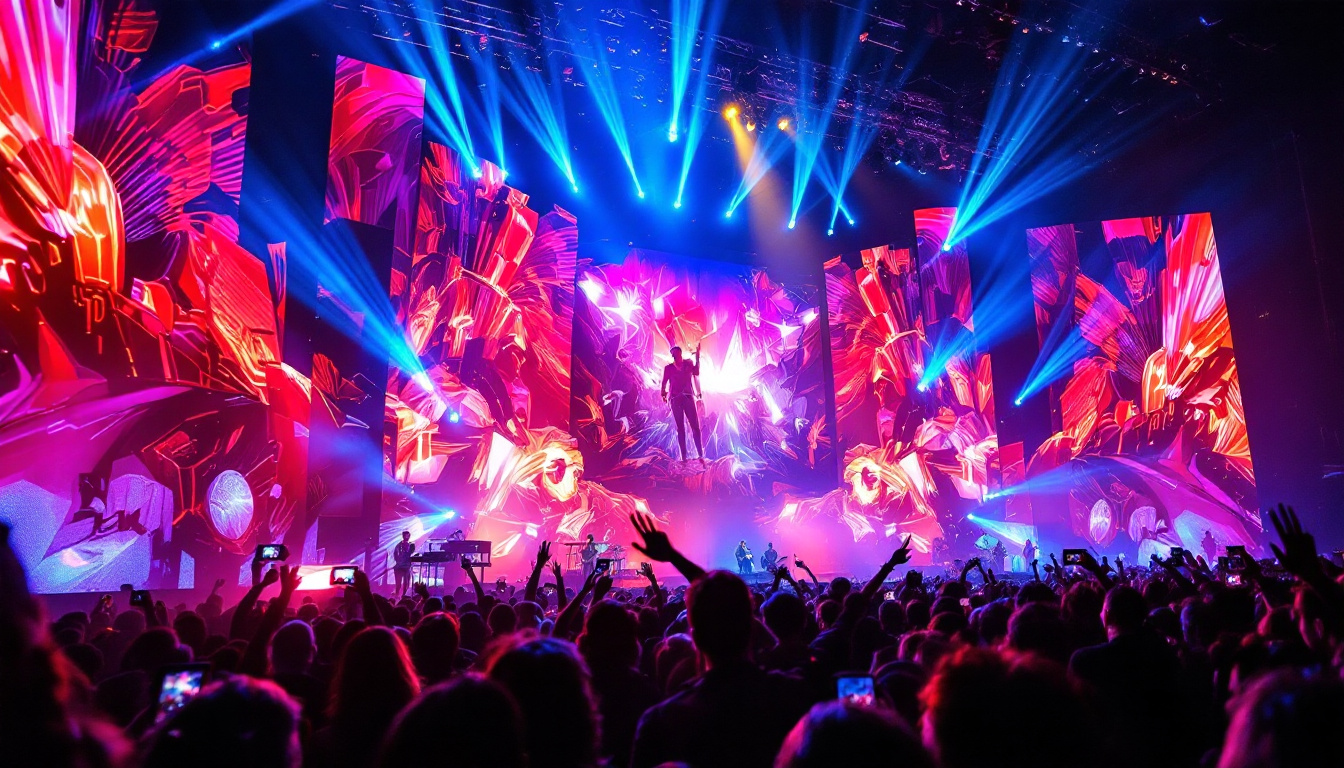
A large-scale music festival rented multiple outdoor LED displays to ensure visibility from all angles across a sprawling venue. The bright, weather-resistant screens displayed live performances, schedules, and sponsor messages, significantly improving audience engagement and safety by broadcasting emergency information promptly.
Corporate Conference
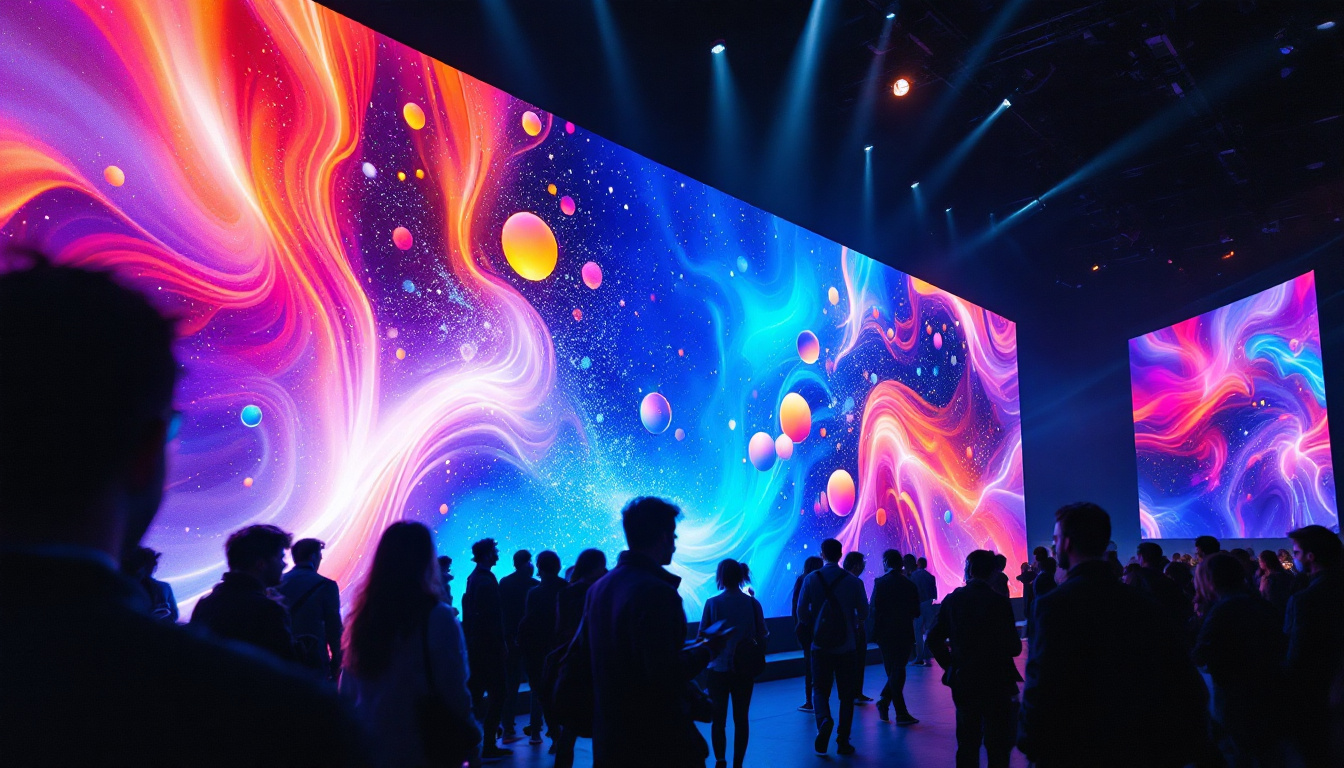
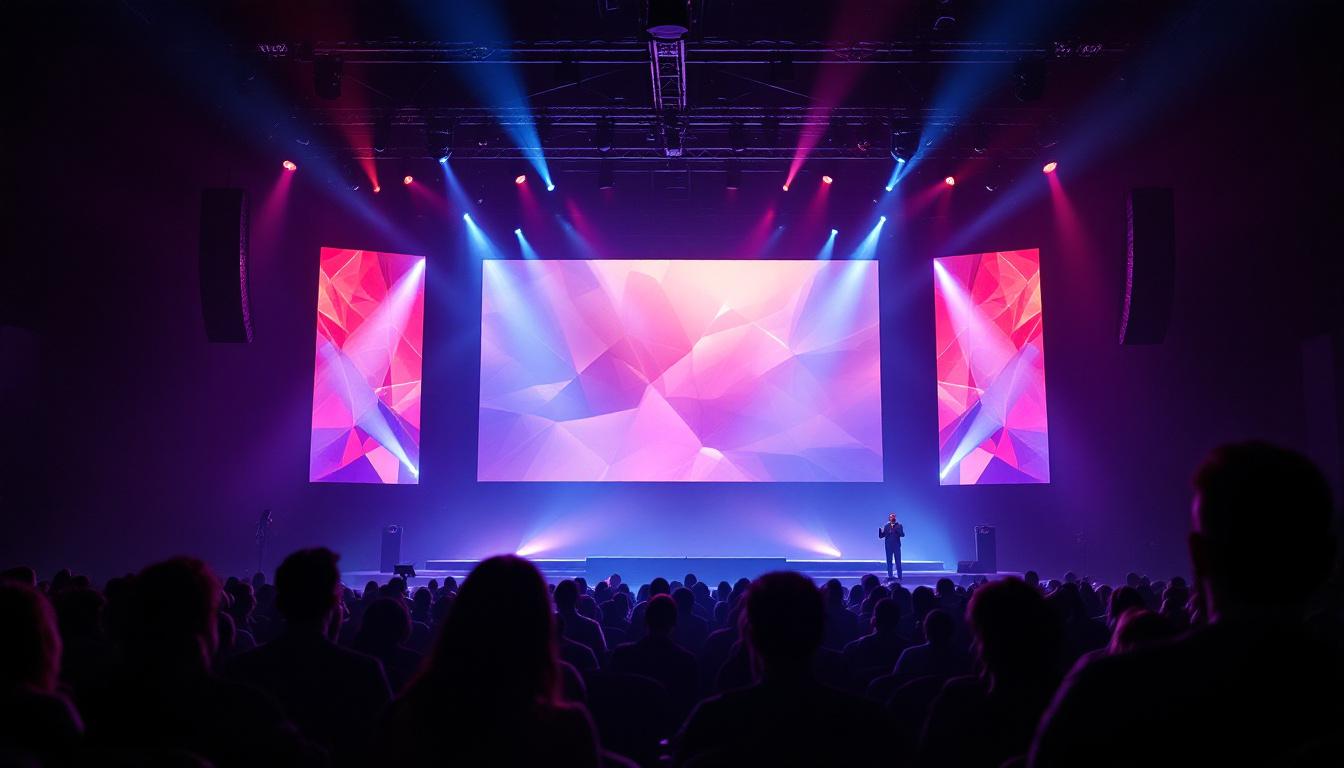
For an international conference, indoor LED displays were rented to create immersive presentation backdrops and interactive information kiosks. The high-resolution screens allowed for crisp visuals and seamless video playback, elevating the professionalism and impact of the event.
Retail Store Launch
A retail brand used transparent LED displays on their storefront windows to showcase promotional videos and product highlights without obstructing the view inside. This innovative use of LED technology attracted foot traffic and created a memorable launch experience.
Common Challenges and How to Overcome Them
While LED displays offer many advantages, renters should be aware of potential challenges to ensure smooth operation.
Technical Setup and Support
Setting up LED displays can be complex, requiring expertise in assembly, calibration, and troubleshooting. To mitigate risks, it’s advisable to rent from companies that provide professional installation and on-site technical support.
Power Consumption and Logistics
LED displays can consume significant power, especially large outdoor models. Planning for adequate power sources and backup options is essential to prevent interruptions.
Logistics such as transportation, storage, and timely setup also require coordination, particularly for multi-day or multi-location events.
Content Compatibility and Quality
Ensuring that your content is compatible with the LED display’s specifications is critical. Poorly formatted or low-resolution content can diminish the visual appeal and effectiveness of your message.
Working closely with your rental provider’s content team can help optimize your media for the best results.
Future Trends in LED Display Technology
The LED display industry continues to evolve rapidly, driven by advances in materials, software, and integration capabilities.
MicroLED and MiniLED Innovations
Emerging technologies like MicroLED and MiniLED offer even higher resolution, improved energy efficiency, and thinner displays. These advancements promise sharper images and more versatile applications in the near future.
Interactive and Smart Displays
Integration with touch technology, sensors, and AI is making LED displays more interactive and personalized. This trend is particularly relevant for retail, education, and corporate environments seeking to engage audiences more deeply.
Eco-Friendly Solutions
Manufacturers are increasingly focusing on sustainability, developing LED displays that consume less power and use recyclable materials. This aligns with growing corporate responsibility and environmental awareness.
Conclusion
Renting an LED display is a strategic choice that can significantly enhance the impact of your event or marketing campaign. By understanding the technology, assessing your specific needs, and planning carefully, you can leverage the vibrant, dynamic capabilities of LED displays to captivate your audience.
Whether for a large outdoor festival, a corporate event, or a retail promotion, LED displays offer unmatched visibility and flexibility. Partnering with experienced rental providers ensures professional support, high-quality equipment, and a seamless experience from setup to teardown.
As LED technology continues to advance, staying informed about the latest trends will help you make the best decisions and keep your visual communications ahead of the curve.
Discover LumenMatrix LED Display Solutions
Ready to elevate your event or marketing campaign with the latest in LED display technology? LumenMatrix is at the forefront of creating immersive visual experiences that captivate and engage. From indoor and outdoor displays to custom and transparent solutions, we have the perfect LED display to bring your vision to life. Don’t just share your message—make it unforgettable. Check out LumenMatrix LED Display Solutions today and see the difference innovation can make.