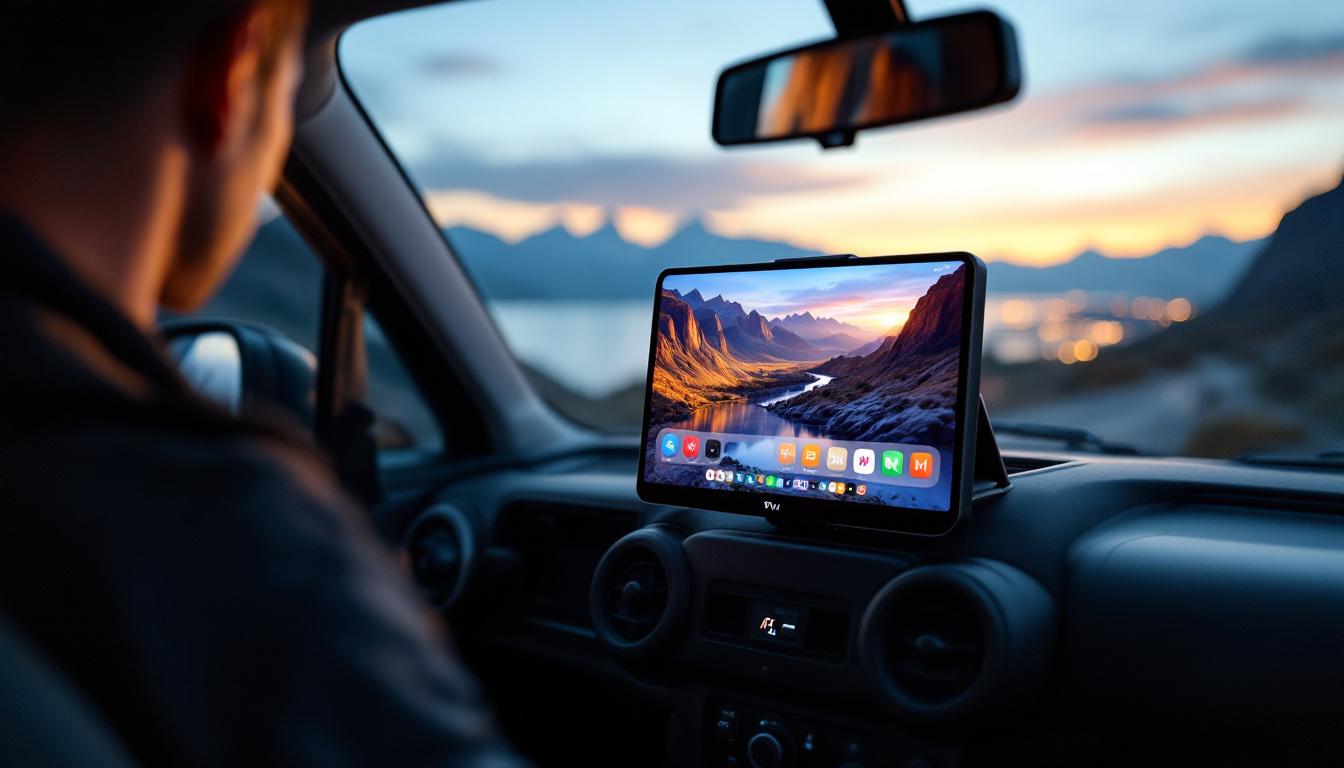
Portable TVs For Cars: LED Display Explained
In today’s fast-paced world, staying entertained and connected while on the road has become a priority for many travelers. Portable TVs for cars have emerged as a popular solution, offering convenience and entertainment without the need for bulky equipment or complex installations. Among the various display technologies, LED displays stand out for their brightness, energy efficiency, and durability. This article explores the essentials of portable TVs for cars, focusing on the LED display technology that powers them, and what makes these devices a smart choice for drivers and passengers alike.
Understanding Portable TVs for Cars
Portable TVs designed for vehicles have evolved significantly over the past decade. Unlike traditional car entertainment systems, these devices are compact, lightweight, and easy to install or remove. They are typically powered by the car’s electrical system or rechargeable batteries, making them versatile for use in different types of vehicles, including cars, trucks, RVs, and even boats.
Modern portable TVs come with a variety of features such as built-in digital tuners, HDMI inputs, USB ports, and wireless connectivity options. This versatility allows users to watch live TV, stream content from mobile devices, or play media files from external storage. The portability factor means these TVs can also be used outside the vehicle, such as during camping trips or outdoor gatherings. Many models even include built-in speakers or headphone jacks, ensuring that everyone can enjoy their favorite shows or movies without disturbing others nearby.
Why Choose a Portable TV for Your Car?
For families with children, long road trips can become much more enjoyable when a portable TV is available to keep young passengers entertained. Similarly, for business travelers, having access to news, presentations, or video conferences on the go can enhance productivity. Portable TVs also serve as a great companion for tailgating events, providing live sports and entertainment wherever you park. With the ability to connect to mobile hotspots or use apps that allow for offline viewing, these devices can transform any location into a mini-theater, making every outing more enjoyable.
Moreover, portable TVs for cars are often more cost-effective compared to built-in infotainment systems. They require no professional installation, reducing upfront costs and making them accessible to a wider audience. Their flexibility and ease of use make them a practical choice for anyone looking to upgrade their in-car entertainment experience. Additionally, many models come with adjustable stands or mounting options, allowing users to position the screen for optimal viewing angles, whether it’s mounted on the back of a seat or placed on a table during a picnic. This adaptability not only enhances the viewing experience but also caters to various scenarios, ensuring that entertainment is always within reach, no matter where the journey takes you.
What is LED Display Technology?
LED, or Light Emitting Diode, display technology has become the standard for many types of screens, including portable TVs. Understanding how LED displays work helps in appreciating the advantages they bring to portable car TVs.
How LED Displays Work
LED displays consist of tiny light-emitting diodes arranged in a grid to form images. Each diode emits light when an electrical current passes through it. In portable TVs, these LEDs are used either as a direct light source (in the case of OLEDs) or as backlighting for LCD panels, which is the most common configuration for portable car TVs.
The backlit LED LCDs use an array of LEDs behind or along the edges of the screen to illuminate liquid crystal pixels. These pixels adjust the light passing through them to create images with varying colors and brightness levels. This method results in vibrant displays with excellent contrast and color accuracy. Moreover, advancements in technology have led to the development of local dimming features, where specific areas of the screen can be dimmed or brightened independently, enhancing the overall picture quality and providing a more immersive viewing experience.
Advantages of LED Displays in Portable Car TVs
LED displays offer several benefits that make them particularly suitable for portable TVs in vehicles:
- Brightness: LED screens provide high brightness levels, which is crucial for visibility in bright environments such as daytime driving or outdoor use.
- Energy Efficiency: LEDs consume less power compared to older display technologies like CCFL-backlit LCDs, helping to conserve the vehicle’s battery life.
- Durability: LED displays are more robust and resistant to shocks and vibrations, an important consideration for devices used in moving vehicles.
- Thin and Lightweight: The compact nature of LED technology allows for slimmer and lighter TVs, enhancing portability and ease of installation.
- Color Accuracy and Contrast: LED displays produce vivid colors and deep blacks, improving the overall viewing experience.
In addition to these advantages, LED technology is continually evolving, with innovations such as HDR (High Dynamic Range) support becoming more prevalent in portable car TVs. HDR enhances the range of colors and contrast, allowing viewers to experience more lifelike images that closely resemble what the human eye can see. Furthermore, many modern LED displays are designed with anti-glare coatings, making them easier to view in direct sunlight, which is particularly beneficial for passengers in moving vehicles. As manufacturers continue to push the boundaries of LED technology, we can expect even more enhancements in picture quality and functionality, ensuring that portable car TVs remain a popular choice for entertainment on the go.
Key Features to Look for in Portable LED TVs for Cars
When selecting a portable LED TV for your vehicle, several factors should be considered to ensure the device meets your needs and performs well in the automotive environment.
Screen Size and Resolution
Screen size is a balance between portability and viewing comfort. Most portable car TVs range from 7 inches to around 15 inches. A larger screen offers a better viewing experience but may be less convenient to carry or mount. Resolution is equally important; a minimum of 720p HD is recommended for clear images, though many models now offer full HD (1080p) or even 4K resolution for superior picture quality.
Power Options and Battery Life
Portable TVs for cars typically draw power from the vehicle’s 12V power outlet or come with rechargeable batteries. Battery life varies widely, with some models offering up to 4-6 hours of continuous use on a single charge. For longer trips or outdoor use, it’s beneficial to choose a TV with efficient power consumption and quick charging capabilities.
Connectivity and Input Options
Versatile connectivity options enhance the utility of portable TVs. Look for models with HDMI ports for connecting gaming consoles or streaming devices, USB ports for playback of media files, and SD card slots for additional storage. Built-in Wi-Fi or Bluetooth can also enable streaming from smartphones or tablets, expanding entertainment possibilities.
Mounting and Installation
Ease of installation is a major advantage of portable TVs. Many come with adjustable mounts, suction cups, or straps that allow secure attachment to headrests, dashboards, or windows. Some models include magnetic mounts or foldable stands for flexible placement inside or outside the vehicle.
Practical Applications and Use Cases
Portable LED TVs for cars serve a variety of practical purposes beyond simple entertainment. Understanding these use cases can help potential buyers identify the best features for their specific needs.
Family Road Trips
Long drives can be challenging for families, especially with young children. Portable TVs provide a distraction and entertainment source, reducing restlessness and making the journey more enjoyable. Features like parental controls and headphone jacks are particularly useful in this context.
Professional Use
For professionals who spend significant time on the road, portable TVs can double as monitors for presentations, video conferencing, or reviewing media content. High-resolution LED displays ensure clear visuals, while multiple input options facilitate connectivity with laptops and other devices.
Outdoor and Recreational Activities
Camping, tailgating, and outdoor events benefit from portable TVs that can be powered by vehicle batteries or portable power stations. Bright LED displays ensure visibility even in daylight, while rugged designs withstand environmental challenges.
Choosing the Right Portable LED TV for Your Car
With numerous options available on the market, selecting the right portable LED TV involves assessing your personal requirements and budget.
Budget Considerations
Prices for portable LED TVs vary widely, from budget models under $100 to premium devices exceeding $500. While higher-end models offer better resolution, connectivity, and build quality, many mid-range options provide excellent value and performance for everyday use.
Brand Reputation and Warranty
Choosing a reputable brand ensures better customer support and product reliability. Additionally, a warranty period of at least one year is advisable to protect against manufacturing defects and early failures.
User Reviews and Expert Ratings
Reading user reviews and expert evaluations can provide insights into real-world performance, durability, and ease of use. Look for feedback on picture quality, battery life, and mounting options to make an informed decision.
Future Trends in Portable Car TV Technology
The portable TV market continues to evolve, driven by advancements in display technology and connectivity. Emerging trends include:
Integration with Smart Devices
Future portable TVs are expected to feature deeper integration with smartphones and cloud services, allowing seamless streaming and content sharing. Voice control and AI-assisted features may also become standard.
Improved Display Technologies
While LED remains dominant, technologies like MicroLED and OLED are gaining traction due to their superior color accuracy and energy efficiency. These advancements could lead to even thinner, brighter, and more durable portable TVs.
Enhanced Power Solutions
Innovations in battery technology and solar charging options will extend usage times and reduce reliance on vehicle power, making portable TVs more versatile for outdoor and off-grid use.
Conclusion
Portable TVs for cars equipped with LED displays offer a compelling combination of portability, performance, and convenience. Their bright, energy-efficient screens ensure excellent visibility and entertainment quality, whether on a family road trip, a business journey, or an outdoor adventure. By understanding the technology behind LED displays and considering key features such as screen size, power options, and connectivity, consumers can select the ideal portable TV to enhance their in-car experience. As technology continues to advance, these devices will become even more integrated, efficient, and user-friendly, solidifying their place as essential travel companions.
Explore Cutting-Edge LED Displays for Your Vehicle
Ready to elevate your in-car entertainment experience with the latest in LED display technology? Look no further than LumenMatrix, a pioneer in crafting visually stunning and technologically advanced LED display solutions. Whether you’re interested in enhancing your family road trips, optimizing your business travel, or adding excitement to outdoor adventures, LumenMatrix has the perfect vehicle LED display to meet your needs. Immerse yourself in the world of vibrant colors, dynamic visuals, and unparalleled efficiency. Check out LumenMatrix LED Display Solutions today and transform your vehicle into a hub of cutting-edge entertainment and engagement.