In the evolving world of visual communication, LED displays have become a cornerstone technology for businesses, event organizers, and advertisers alike. For residents and businesses in Beaverton, understanding how LED displays work and their benefits can transform the way photos and digital content are presented. This article delves into the fundamentals of LED displays, their application in photo printing, and why they have become an essential tool in modern visual marketing.
What is an LED Display?
LED stands for Light Emitting Diode, a semiconductor device that emits light when an electric current passes through it. An LED display is essentially a flat panel that uses these tiny diodes to create images, videos, and animations. Unlike traditional screens that rely on LCD or plasma technology, LED displays offer superior brightness, energy efficiency, and durability.
LED displays are composed of thousands to millions of individual diodes arranged in a grid. Each diode can emit red, green, or blue light, and by varying the intensity of these colors, the display produces a full spectrum of colors. This technology allows for vibrant, high-contrast images that remain visible even in bright outdoor environments. The versatility of LED displays extends beyond mere visibility; they can be used for various applications, from advertising billboards to intricate art installations, making them a popular choice across numerous industries.
Types of LED Displays
There are primarily two types of LED displays used in photo printing and advertising:
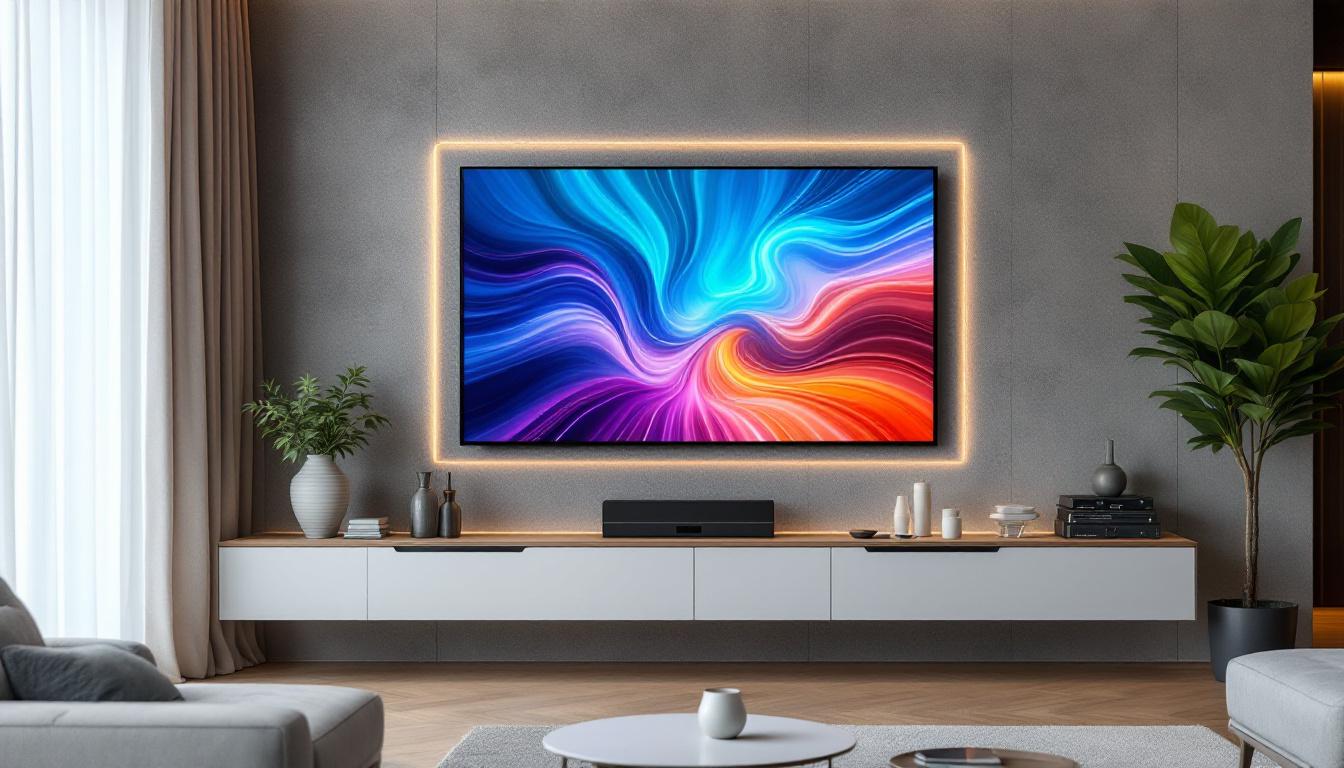
- Indoor LED Displays: Designed for environments with controlled lighting, these displays have higher pixel density, meaning more LEDs per square inch for sharper images. They are often used in retail settings, conference rooms, and entertainment venues, where clarity and detail are paramount.
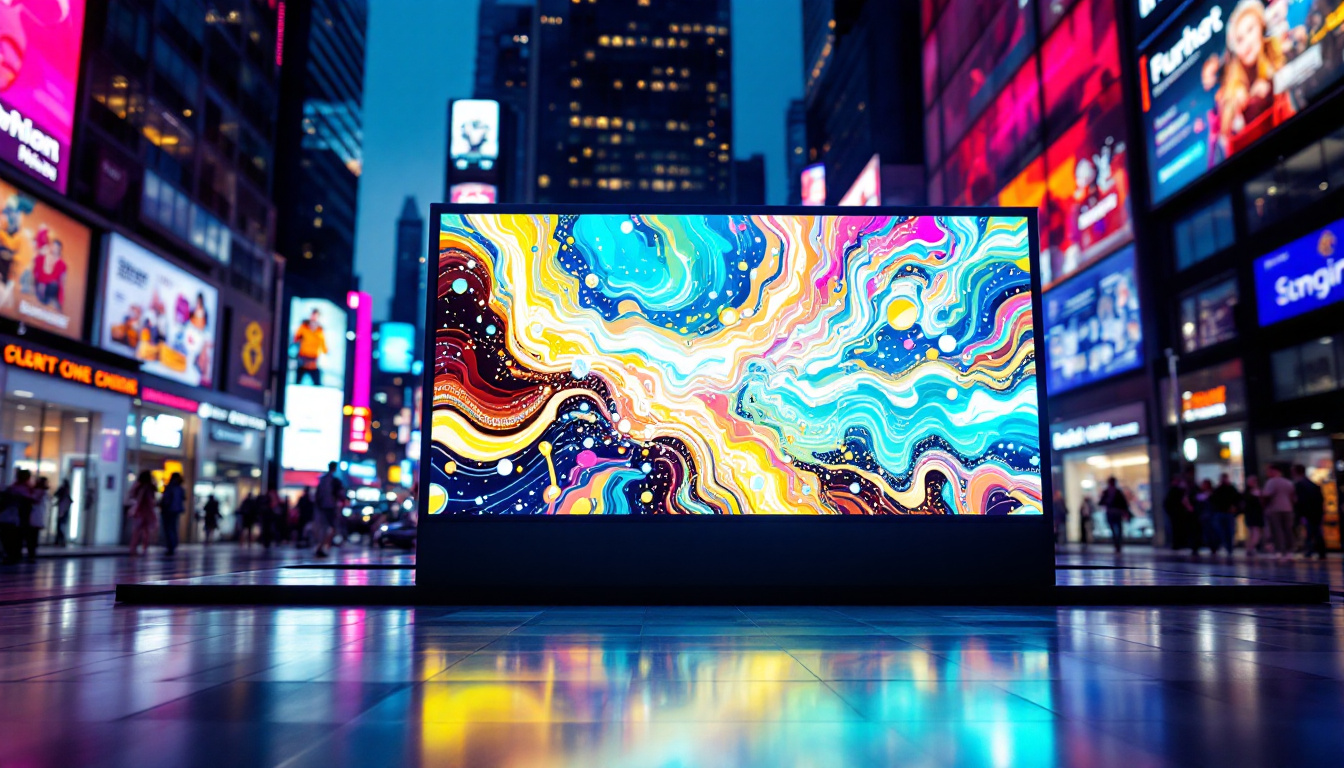
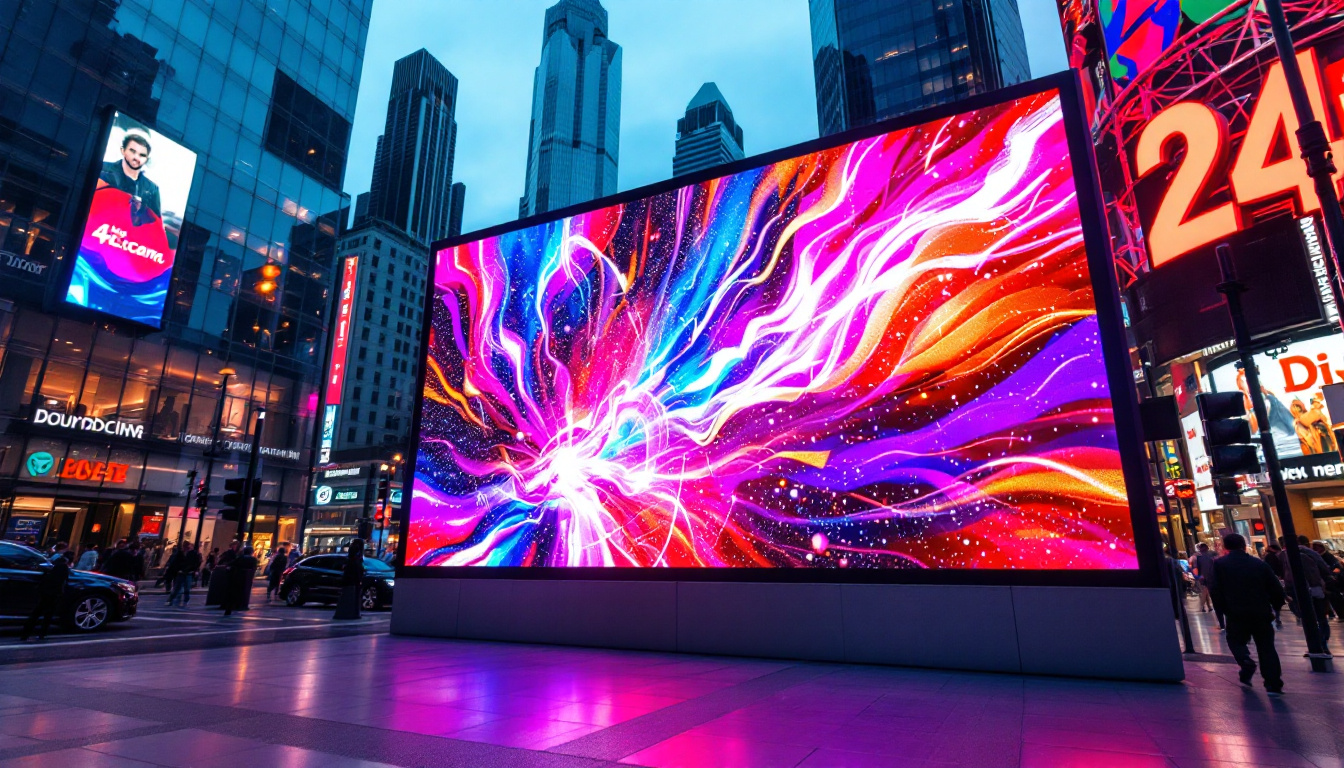
- Outdoor LED Displays: Built to withstand weather conditions and bright sunlight, these displays are brighter and more robust but typically have a lower pixel density. They are commonly found in stadiums, public squares, and along highways, where their resilience and visibility are crucial for attracting attention from afar.
Choosing the right type depends on the intended use, location, and viewing distance. Additionally, advancements in LED technology have led to the development of flexible displays that can conform to various shapes and surfaces, opening up new possibilities for creative applications. For instance, curved LED screens can enhance the viewer’s experience in immersive environments, such as theme parks or exhibitions, by providing a more engaging visual experience that traditional flat screens cannot achieve.
The Role of LED Displays in Photo Printing
Photo printing traditionally involves producing physical copies of images on paper or other materials. However, with the integration of LED technology, the definition of photo printing has expanded to include dynamic digital displays that showcase photos in vivid detail. This evolution has not only transformed how we think about photography but also how we interact with visual content in various settings.
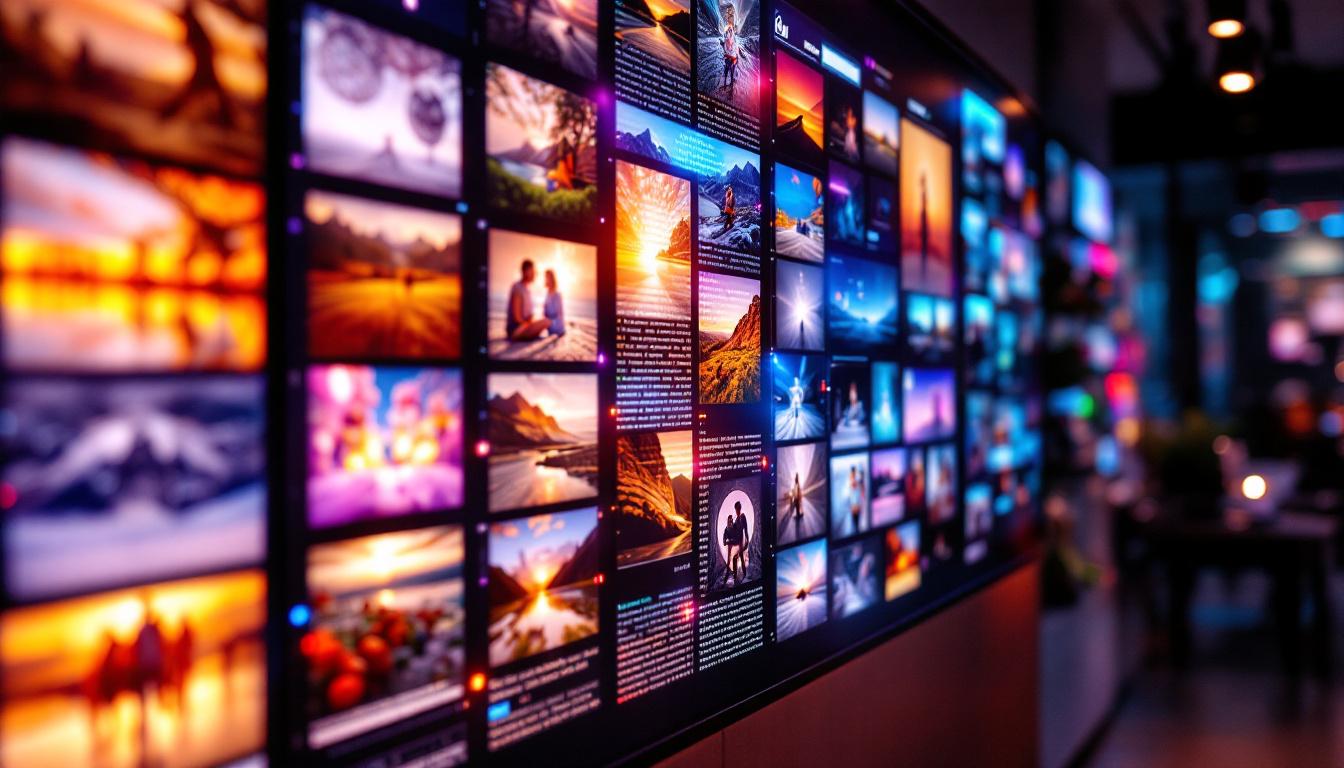
In Beaverton, businesses specializing in photo printing are increasingly incorporating LED displays to offer clients innovative ways to present their images. Whether it’s a retail store showcasing product photos or an event venue displaying photo montages, LED displays provide an interactive and eye-catching medium. These displays allow for creative installations, such as immersive photo walls or interactive kiosks, where viewers can engage with the content, making the experience more memorable and impactful.
Advantages Over Traditional Photo Prints
LED displays bring several benefits compared to conventional printed photos:
- Dynamic Content: Unlike static prints, LED displays can cycle through multiple images, animations, or videos, providing a richer storytelling experience. This capability is particularly advantageous for businesses that want to showcase a variety of products or highlight different aspects of an event in a captivating manner.
- Customization: Content can be updated instantly without the need for reprinting, allowing for real-time changes and personalization. This flexibility is essential for businesses that frequently update their offerings or wish to tailor their messages to specific audiences or occasions.
- Durability: LED displays are less susceptible to damage from environmental factors such as moisture, fading, or physical wear. This longevity makes them a cost-effective solution for long-term installations, reducing the need for frequent replacements and maintenance.
- Engagement: Bright, colorful displays attract more attention, making them ideal for marketing and promotional purposes. The ability to incorporate movement and sound can further enhance viewer engagement, drawing in potential customers and creating a vibrant atmosphere.
Moreover, the energy efficiency of LED technology is another significant advantage. Compared to traditional lighting methods, LED displays consume less power, making them a more sustainable choice for businesses looking to reduce their carbon footprint. This eco-friendly aspect aligns with the growing consumer demand for environmentally responsible practices, allowing businesses to appeal to a broader audience. Additionally, the versatility of LED displays means they can be used in various settings, from art galleries to corporate events, adapting to the unique needs of each environment while maintaining high-quality visual standards.
How LED Displays Work: A Technical Overview
Understanding the inner workings of LED displays helps appreciate their capabilities and limitations. At the core, each LED pixel consists of three sub-pixels: red, green, and blue. By adjusting the brightness of each sub-pixel, the display creates a wide range of colors through additive color mixing.
The display is controlled by a driver circuit that sends electrical signals to each LED based on the input image data. This data is processed by a controller board, which interprets the digital content and translates it into signals that the LEDs can display. The refresh rate, pixel pitch, and resolution are critical parameters that determine the quality and smoothness of the displayed images.
Pixel Pitch and Resolution
Pixel pitch refers to the distance between the centers of two adjacent pixels, usually measured in millimeters. A smaller pixel pitch means more pixels per unit area, resulting in higher resolution and sharper images. For indoor photo display, pixel pitches as small as 1.2mm are common, whereas outdoor displays may have pixel pitches ranging from 4mm to 20mm.
Resolution is the total number of pixels in the display, often expressed as width x height. Higher resolution enables finer detail, which is particularly important for displaying high-quality photographs.
Brightness and Viewing Angles
LED displays are known for their high brightness levels, often exceeding 1,000 nits for indoor models and 5,000 nits or more for outdoor units. This ensures visibility even in direct sunlight, a key advantage over LCD displays.
Viewing angle is another important consideration. Quality LED displays offer wide viewing angles, typically around 160 to 170 degrees horizontally and vertically, ensuring that images remain clear and vibrant from various perspectives.
Applications of LED Displays in Beaverton’s Photo Printing Industry
Beaverton’s vibrant business community and cultural scene have embraced LED display technology in numerous ways. From retail environments to public art installations, LED displays have become a versatile medium for photo presentation.
Retail and Commercial Spaces
Retail stores use LED displays to showcase product images, promotional offers, and seasonal campaigns. For photo printing businesses, these displays serve as dynamic portfolios, allowing customers to browse through sample prints and creative ideas in real time.
For example, a photo studio in Beaverton might use an indoor LED wall to display client galleries during events or consultations, enhancing the customer experience and facilitating decision-making.
Event and Exhibition Spaces
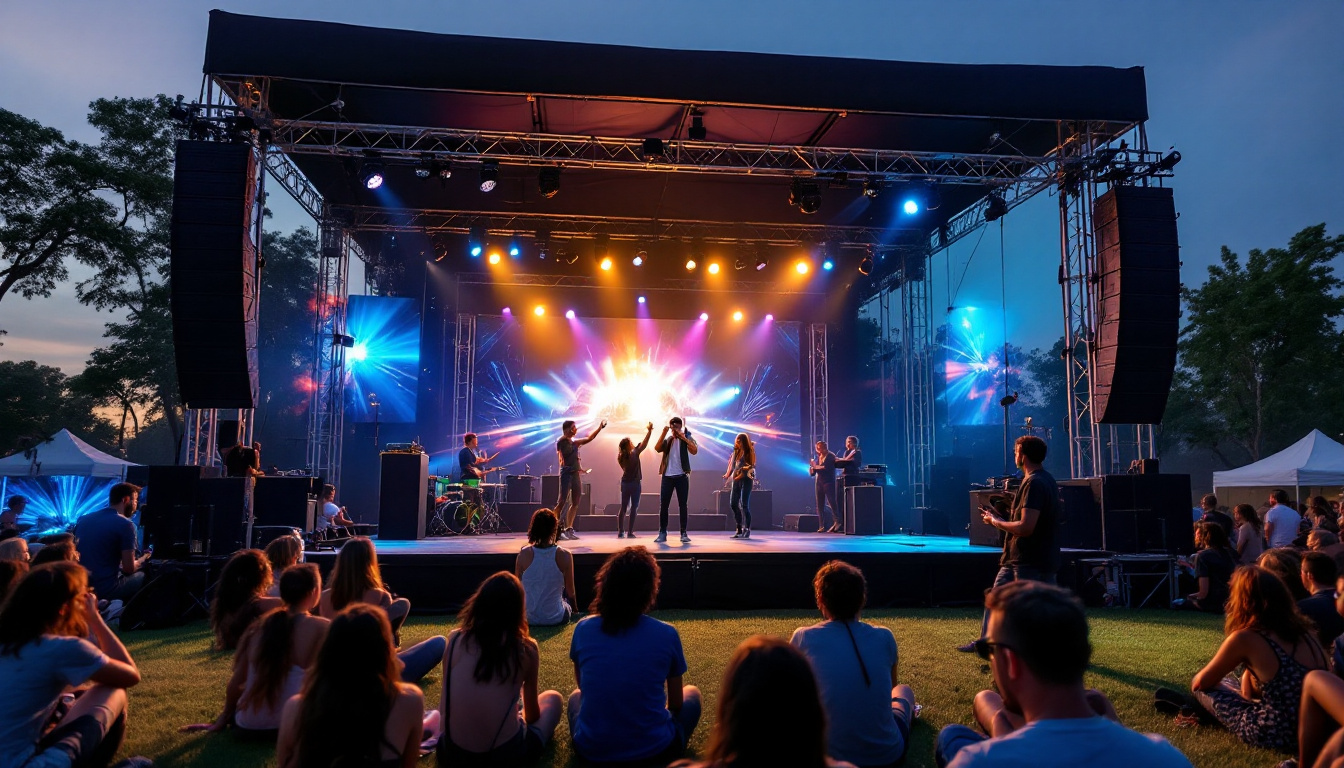
Events such as weddings, corporate functions, and art exhibitions benefit from LED displays by offering a modern way to present photo slideshows and digital art. The ability to customize content on the fly makes LED displays invaluable for event planners and photographers.
In Beaverton, venues equipped with LED display technology can attract a wider range of clients looking for innovative presentation options.
Outdoor Advertising and Public Displays
Outdoor LED billboards and signage are common in Beaverton, providing high-impact advertising opportunities. Photo printing companies collaborate with advertisers to create visually compelling content tailored for these large-format displays.
These outdoor displays not only promote products and services but also enhance community engagement by showcasing local art and photography.
Choosing the Right LED Display for Photo Printing Needs
Selecting an LED display involves evaluating several factors to ensure it meets the specific requirements of photo printing applications.
Consider the Viewing Environment
Indoor environments with controlled lighting allow for higher resolution displays with smaller pixel pitches, while outdoor settings require brighter, weather-resistant models. Understanding the installation location is crucial for optimal performance.
Determine the Content Type
Static images, videos, or interactive content demand different technical specifications. For static photo displays, resolution and color accuracy are paramount. For dynamic content, refresh rate and processing capabilities become more important.
Budget and Maintenance
LED displays vary widely in cost depending on size, resolution, and features. Additionally, maintenance requirements such as cleaning, software updates, and potential repairs should be factored into the decision-making process.
Future Trends in LED Displays and Photo Printing
The LED display industry continues to innovate, with emerging technologies promising even more immersive and versatile photo presentation options.
MicroLED and MiniLED Technologies
MicroLED and MiniLED are next-generation display technologies offering higher brightness, better contrast, and improved energy efficiency. These advancements will enable photo printing businesses in Beaverton to deliver ultra-high-definition displays with greater color fidelity.
Interactive and Touch-Enabled Displays
Interactive LED displays that respond to touch or gestures are becoming more prevalent. This interactivity enhances customer engagement by allowing users to navigate photo galleries, customize images, or access additional information.
Integration with Augmented Reality (AR)
Combining LED displays with AR technology opens new possibilities for photo printing, such as overlaying digital content on physical prints or creating immersive photo experiences at events.
Conclusion
LED displays have revolutionized the way photos are presented and experienced in Beaverton. Their superior brightness, flexibility, and dynamic capabilities make them an indispensable tool for photo printing businesses aiming to stand out in a competitive market. By understanding the technology behind LED displays and their practical applications, businesses and consumers alike can harness their full potential to create stunning visual experiences.
As LED technology continues to advance, the future of photo printing in Beaverton looks brighter than ever, offering exciting opportunities for innovation and creativity.
Discover LumenMatrix LED Display Solutions
Ready to elevate your photo printing and visual marketing to the next level in Beaverton? LumenMatrix is at the forefront of LED display innovation, offering a wide array of solutions tailored to your needs. From vibrant Indoor and Outdoor LED Wall Displays to versatile Vehicle and Floor LED Displays, our technology is designed to capture attention and immerse audiences. Experience the future of visual communication with our Custom, All-in-One, and Transparent LED Displays. Check out LumenMatrix LED Display Solutions today and transform your brand’s presence with unparalleled clarity and impact.