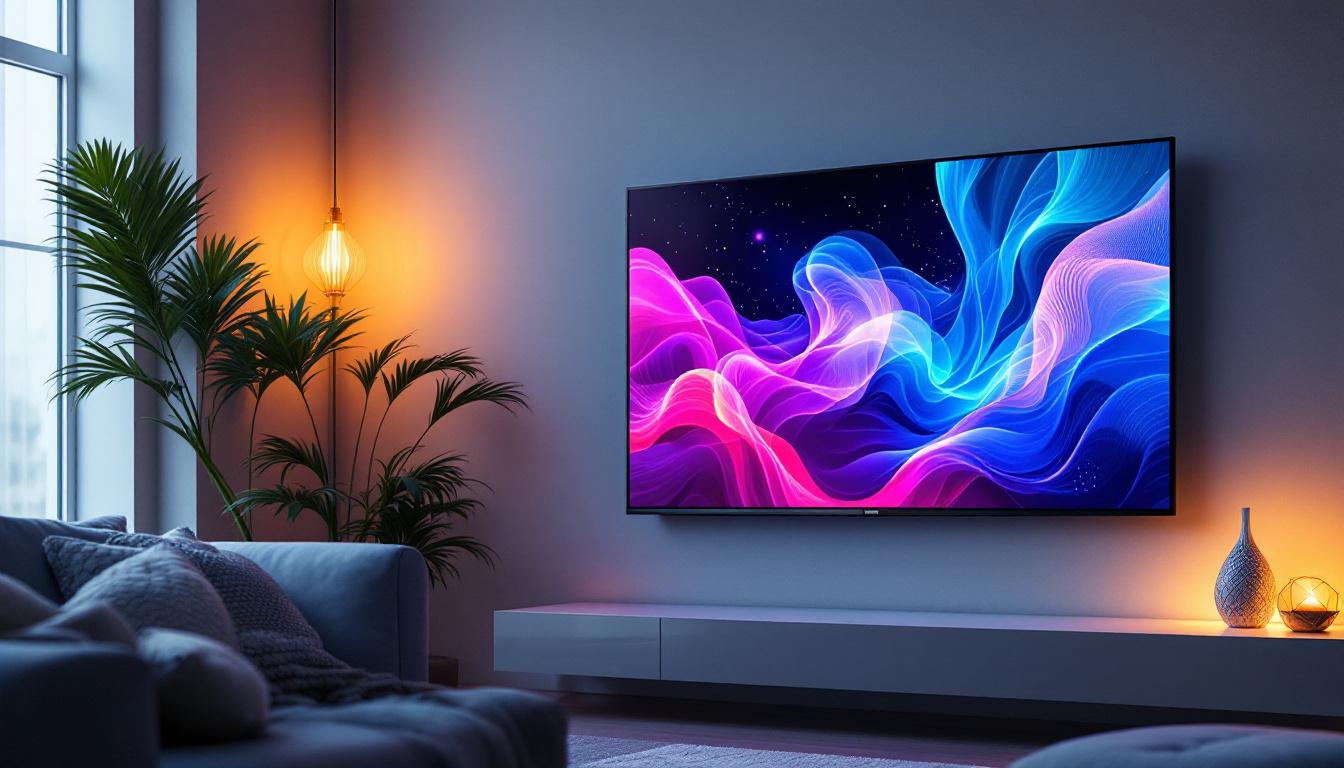
In the rapidly evolving world of display technology, 4K LED displays have become a cornerstone for delivering stunning visuals across various devices and environments. From ultra-high-definition televisions to dynamic tech wallpapers on desktops and smartphones, understanding the intricacies behind LED displays is essential for tech enthusiasts, designers, and consumers alike. This article delves deep into the technology behind 4K LED displays, exploring how they work, their advantages, and why they have become the preferred choice for high-resolution tech wallpapers.
Understanding 4K Resolution: What Does It Mean?
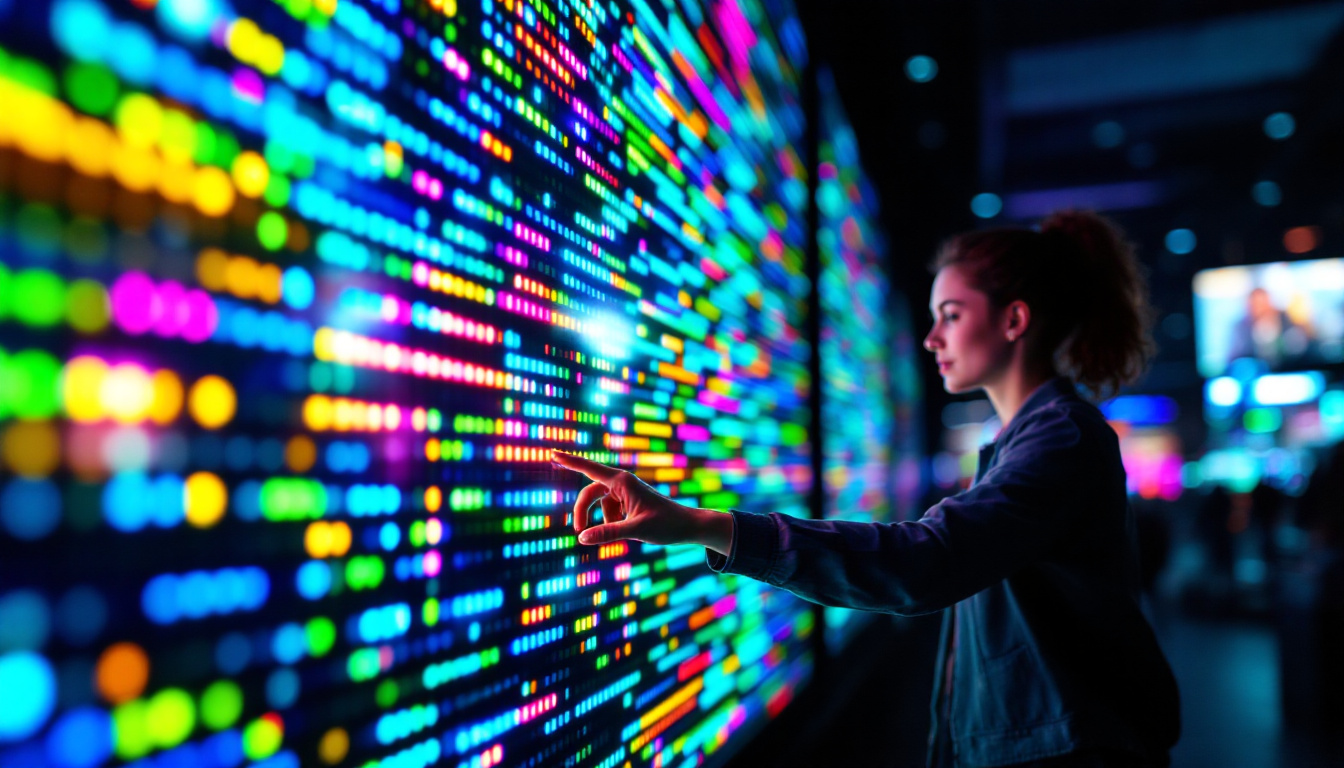
The term “4K” refers to the horizontal resolution of approximately 4,000 pixels, which translates into a display resolution of 3840 x 2160 pixels for consumer screens. This is four times the pixel count of Full HD (1920 x 1080), resulting in sharper, more detailed images. The increased pixel density enables users to enjoy crisp visuals with finer details, making 4K displays ideal for tech wallpapers that demand clarity and vibrancy.
4K resolution is particularly significant for wallpaper technology because it allows images to fill larger screens without losing quality or appearing pixelated. As screen sizes continue to grow, especially with the rise of ultra-wide monitors and large-format displays, 4K ensures that wallpapers maintain their visual integrity, enhancing user experience.
Moreover, the benefits of 4K resolution extend beyond just aesthetic appeal; they also enhance the overall viewing experience in various applications. For instance, in gaming, 4K resolution provides gamers with a more immersive experience, allowing them to spot details in the environment that would be lost at lower resolutions. This heightened level of detail can be crucial in competitive gaming scenarios, where every pixel can make a difference. Additionally, streaming services have begun to embrace 4K content, offering a plethora of movies and shows that take full advantage of this resolution, thereby elevating the home entertainment experience.
In the realm of photography and digital art, 4K resolution opens up new possibilities for creators. Photographers can showcase their work with stunning detail, while digital artists can create intricate designs that are rich in texture and color depth. The ability to zoom in on images without losing clarity allows for a more interactive experience, where viewers can appreciate the finer aspects of the artwork. As 4K technology continues to evolve, it is likely that we will see even more innovative uses and applications across various fields, pushing the boundaries of what is possible in visual media.
LED Display Technology: The Basics
What is an LED Display?
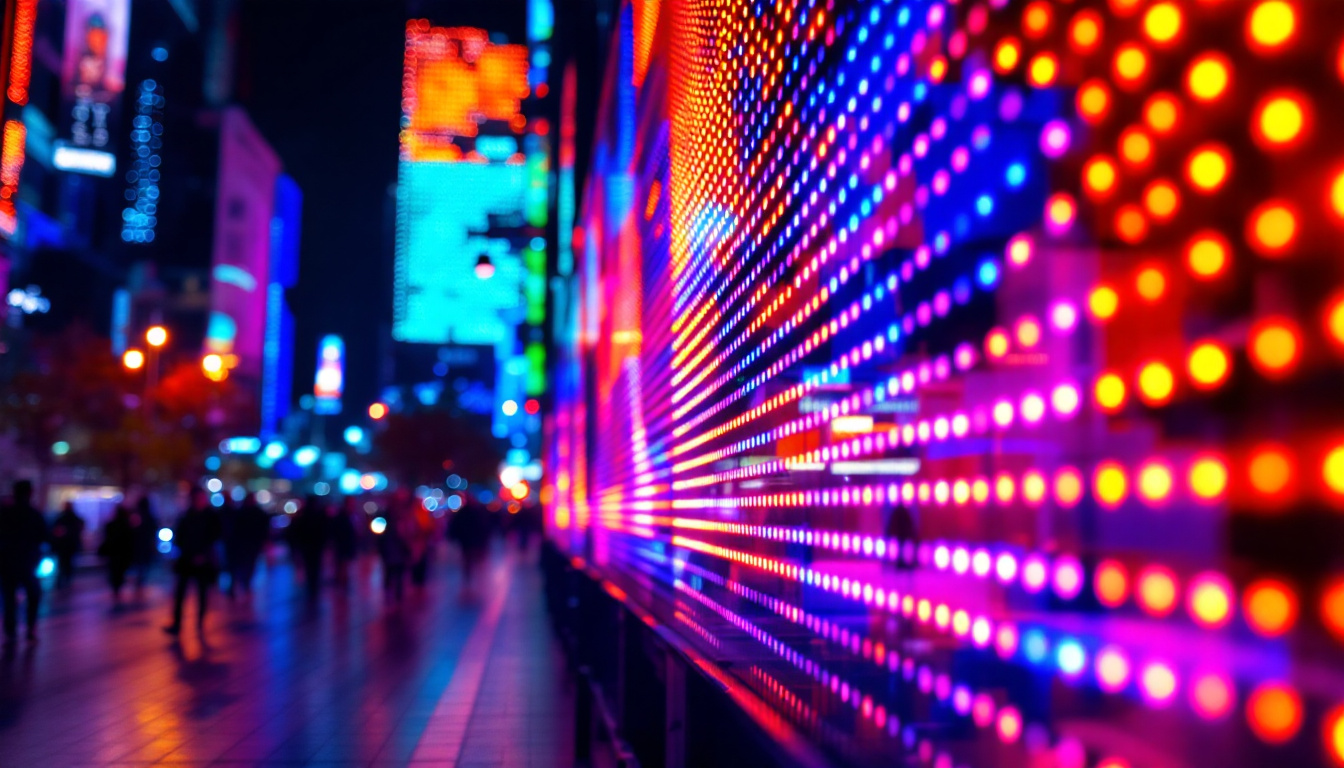
LED stands for Light Emitting Diode, a semiconductor device that emits light when an electric current passes through it. LED displays use an array of these diodes to create images by controlling the brightness and color of each pixel. Unlike traditional LCDs that rely on fluorescent backlighting, LED displays use LEDs either as backlights or as individual pixels in the case of OLED and microLED technology.
The use of LEDs provides several advantages, including higher brightness, better energy efficiency, and improved color accuracy. These factors contribute significantly to the quality of 4K tech wallpapers, ensuring they look vivid and lifelike on modern displays. Furthermore, LED technology has evolved to include features such as HDR (High Dynamic Range), which enhances the contrast and color range of images, making them even more immersive. This is particularly beneficial for gaming and movie-watching experiences, where visual fidelity is paramount.
Types of LED Displays
There are several types of LED display technologies commonly used in consumer electronics:
- LED-backlit LCDs: These are LCD panels illuminated by an LED backlight. They are the most common and affordable type of LED displays.
- OLED (Organic LED): Each pixel emits its own light, allowing for deeper blacks and higher contrast ratios. OLEDs are popular in smartphones and high-end TVs.
- MicroLED: An emerging technology where microscopic LEDs form the pixels themselves, combining the best features of OLED and traditional LEDs with improved brightness and longevity.
For tech wallpapers, OLED and microLED displays offer superior image quality due to their ability to produce true blacks and vibrant colors, enhancing the visual impact of 4K images. Additionally, the flexibility of OLED technology allows for innovative designs, such as curved and foldable screens, which can transform the way content is consumed. This adaptability is particularly appealing to designers and artists who seek to push the boundaries of visual presentation.
Moreover, as the market for LED displays continues to grow, advancements in technology are leading to the development of even more sophisticated display types. For instance, Mini-LED technology is gaining traction, which utilizes smaller LED chips to create more precise lighting control and improved local dimming capabilities. This results in enhanced picture quality, particularly in scenes with high contrast. As these technologies evolve, they promise to further enrich the viewing experience, making LED displays an integral part of modern digital life.
Why 4K LED Displays Are Ideal for Tech Wallpapers
Enhanced Visual Detail and Clarity
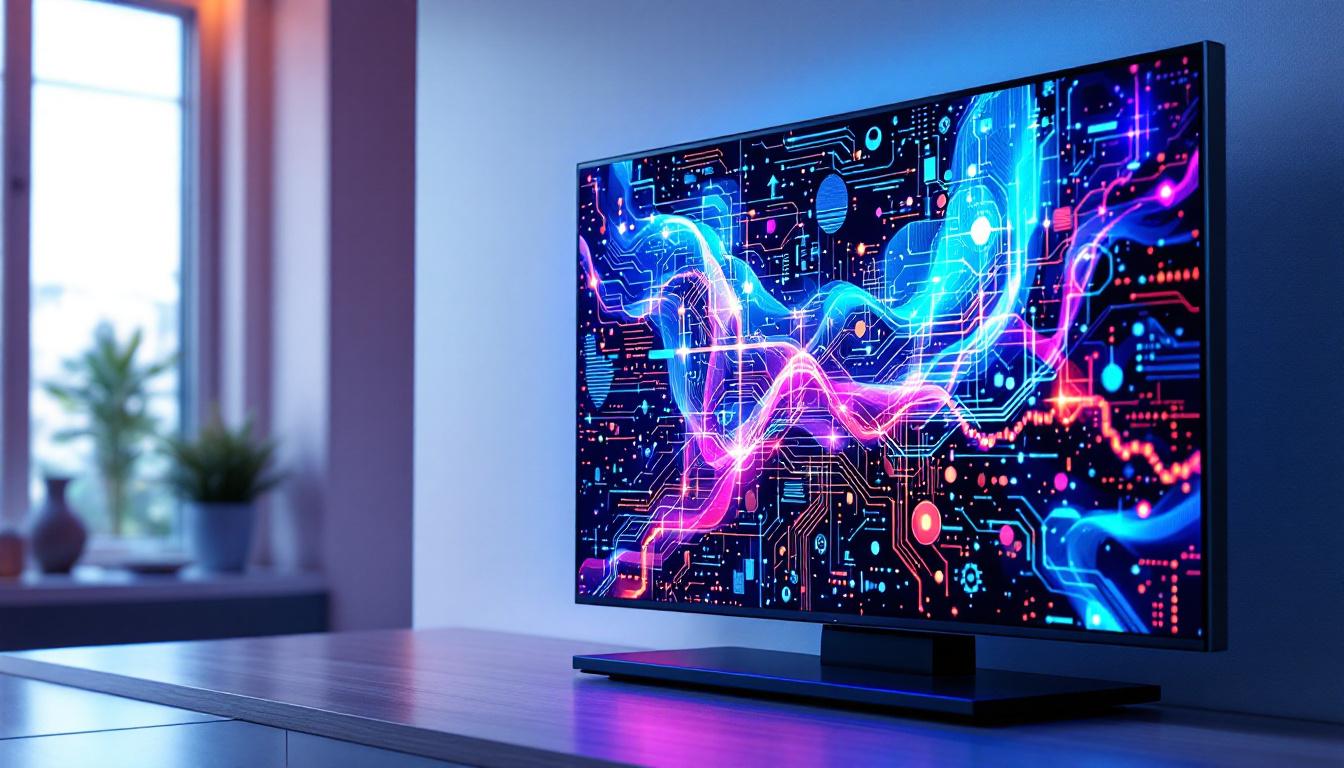
Tech wallpapers are meant to be visually striking and often feature intricate designs, high-contrast elements, and vivid colors. The high pixel density of 4K LED displays ensures that every detail is rendered sharply, preventing blurring or pixelation even on large screens. This level of detail is crucial for designers and users who want their desktops or devices to reflect a sleek, modern aesthetic.
Superior Color Accuracy and Contrast
LED technology, especially OLED and microLED, provides exceptional color reproduction and contrast ratios. This means wallpapers can display a broader color gamut with more accurate shades and deeper blacks. For users who appreciate subtle gradients and color nuances in their tech wallpapers, 4K LED displays offer a viewing experience that is both immersive and true to the original artwork.
Energy Efficiency and Longevity
Compared to older display technologies, LED displays consume less power, which is beneficial for devices like laptops and smartphones where battery life is a concern. Additionally, LEDs tend to have longer lifespans and maintain brightness over time, ensuring that tech wallpapers remain vibrant without the need for frequent screen replacements.
Applications of 4K LED Displays Beyond Wallpapers
Entertainment and Media Consumption
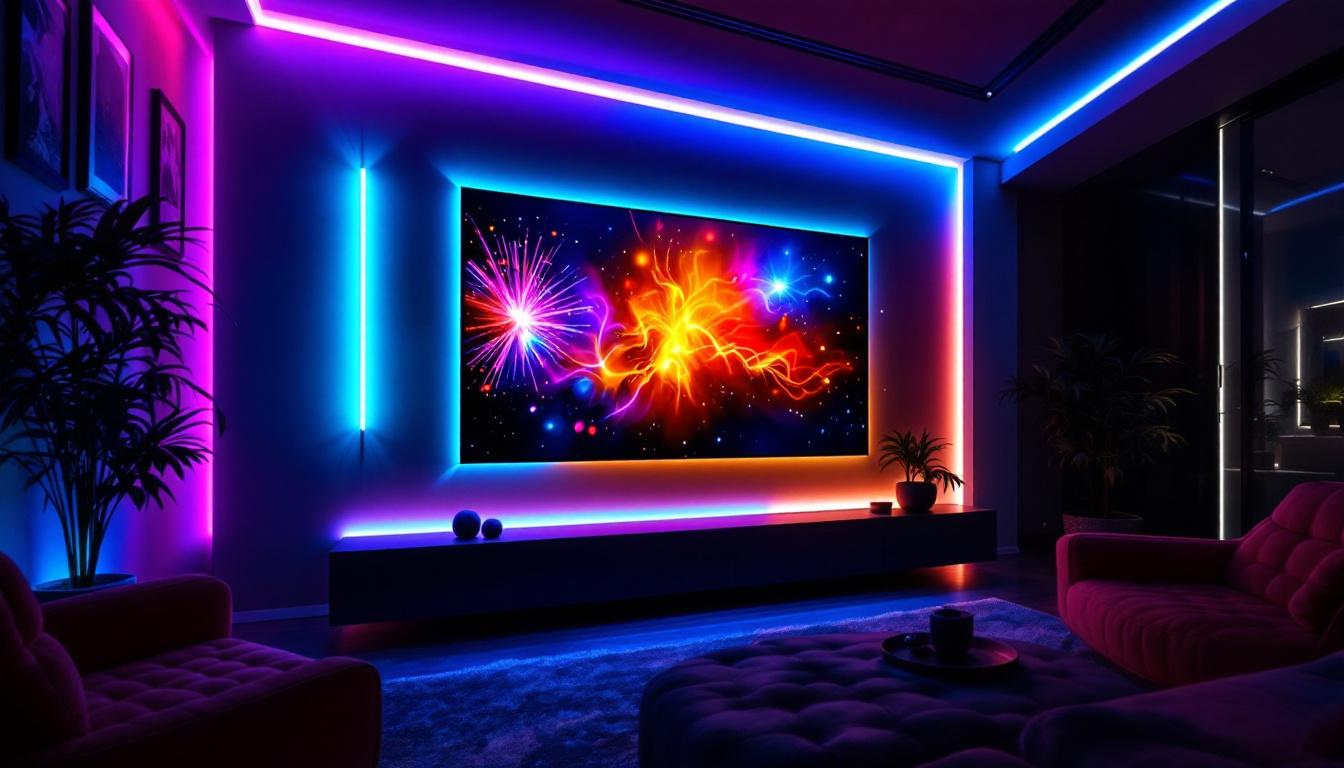
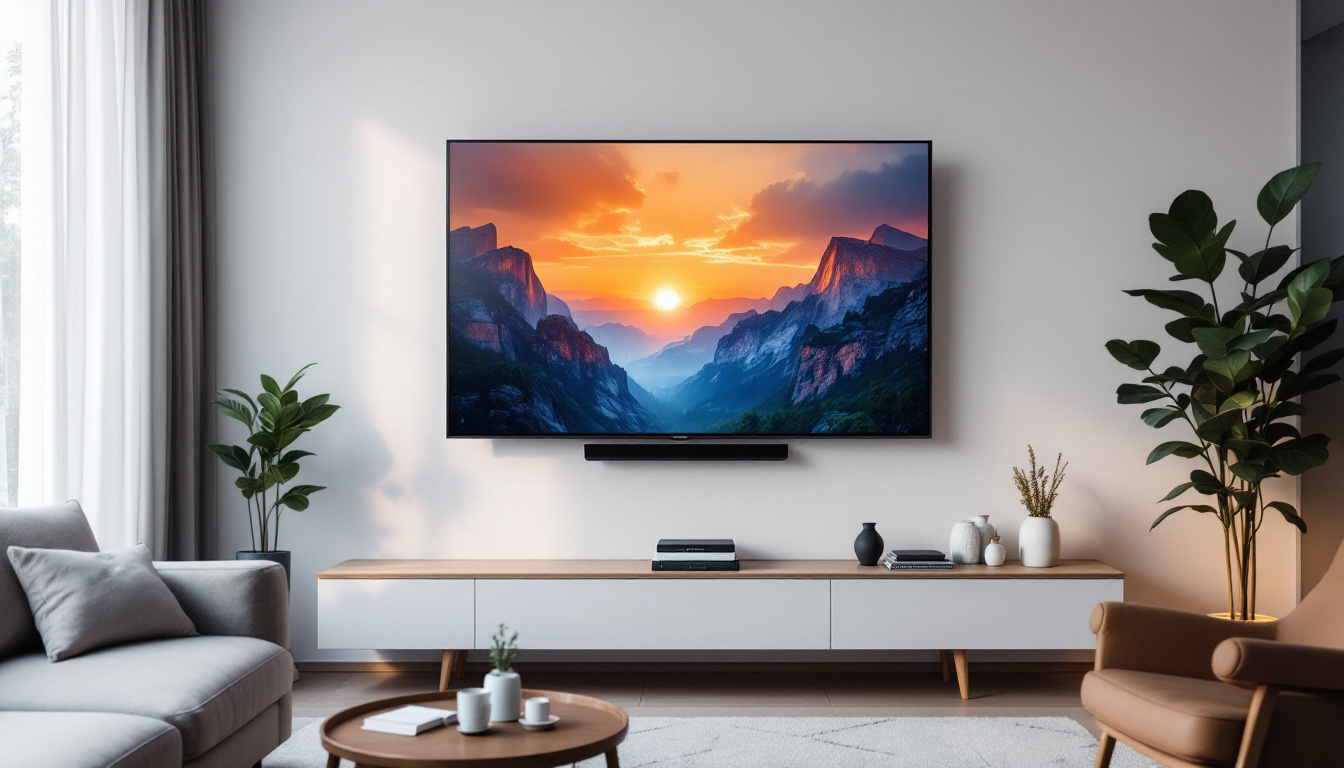
4K LED displays have revolutionized the way audiences consume media. Streaming platforms like Netflix, Amazon Prime Video, and Disney+ increasingly offer 4K content, which looks spectacular on LED displays. The enhanced resolution and color accuracy make movies, TV shows, and video games more immersive and visually engaging.
Professional and Creative Work
Graphic designers, video editors, and photographers rely heavily on 4K LED displays for their work. The ability to view content in ultra-high definition with precise color fidelity allows professionals to create and edit with confidence. Many creative studios now equip their workstations with 4K OLED or microLED monitors to ensure the highest quality output.
Digital Signage and Advertising
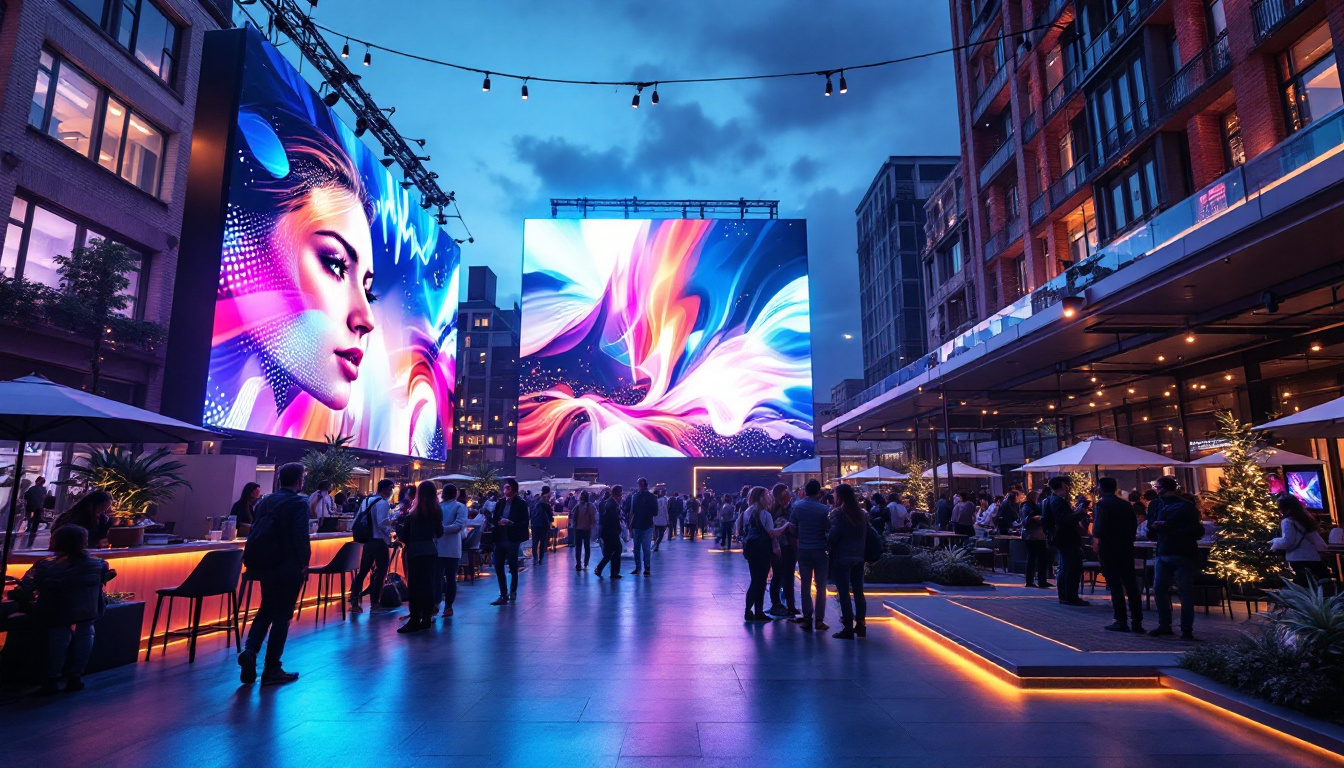
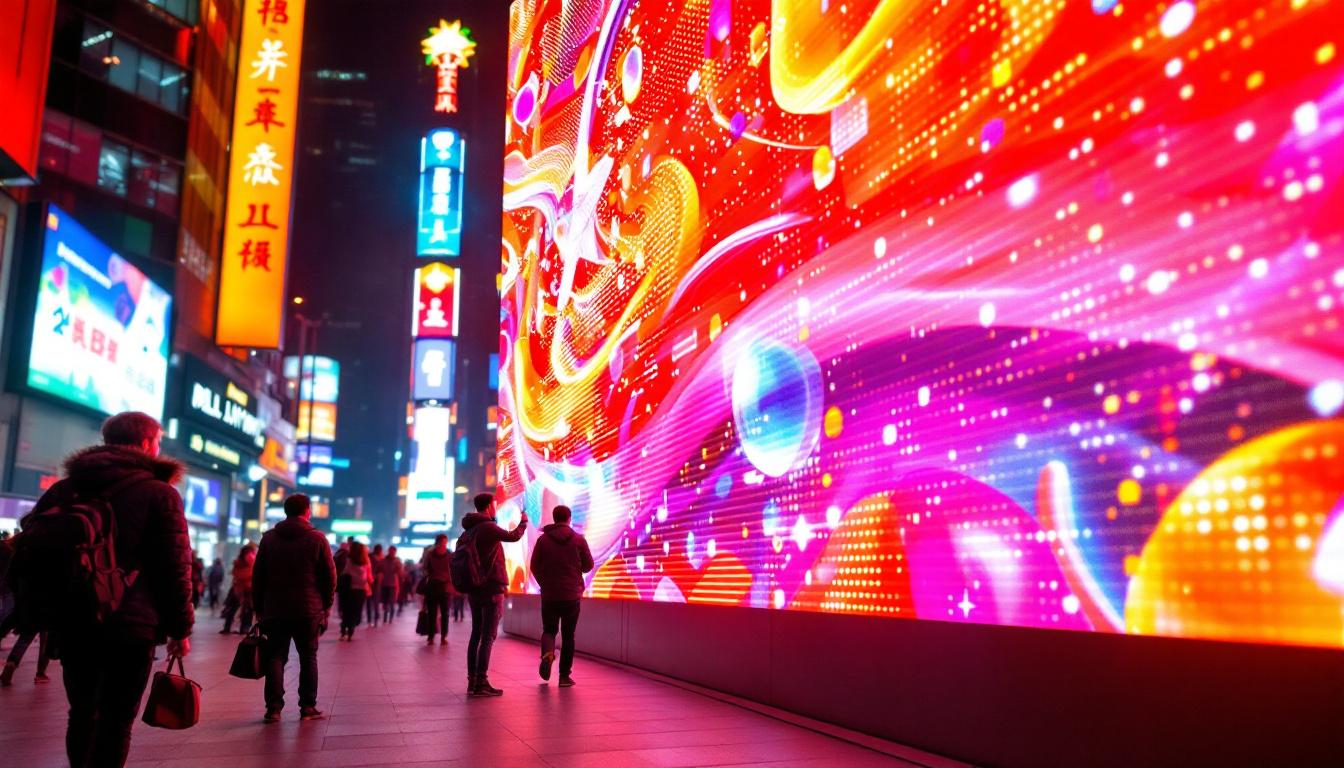
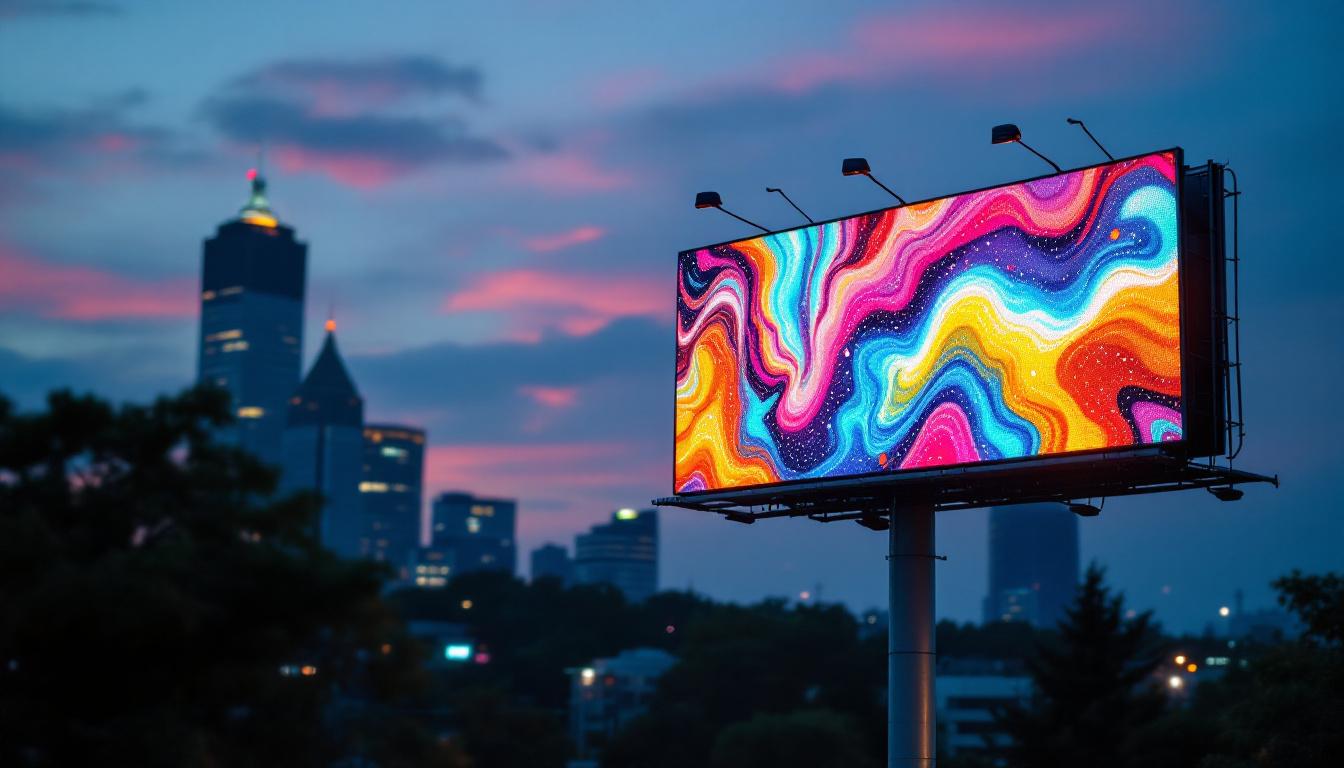
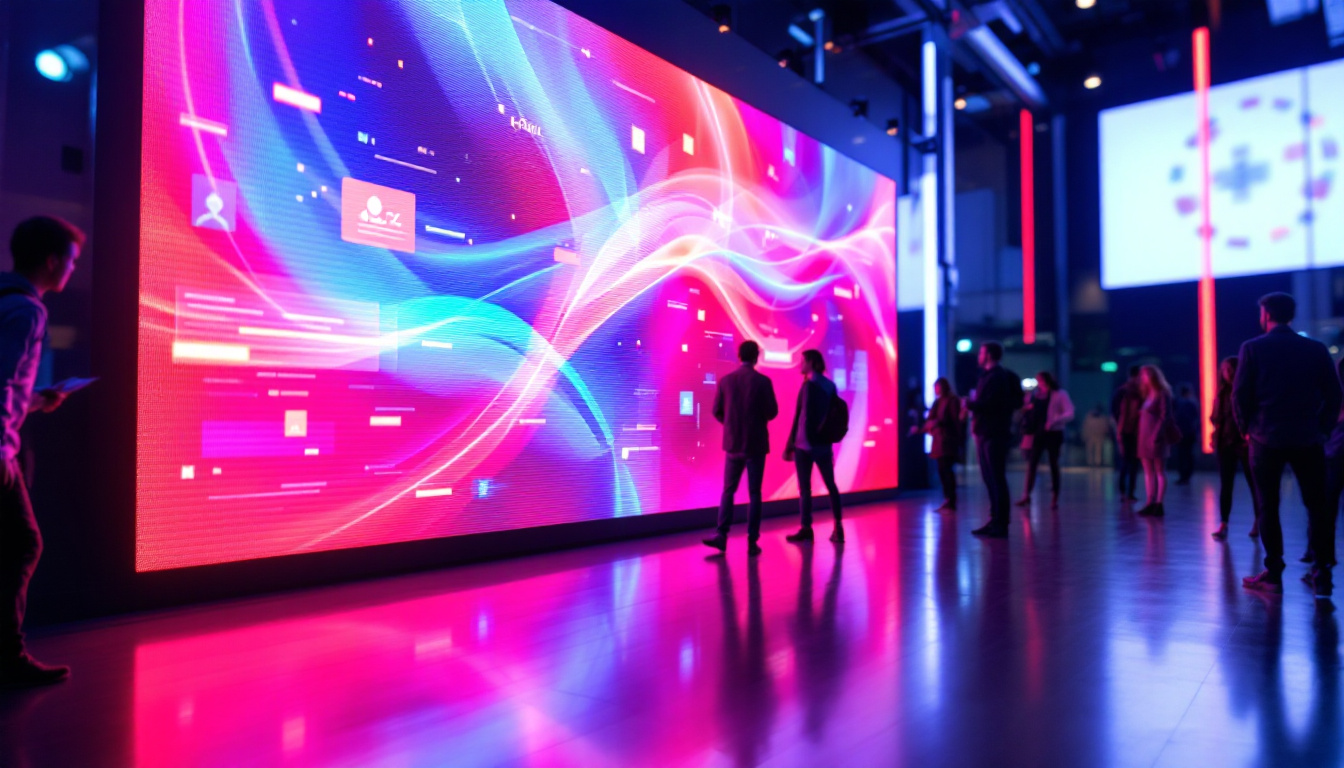
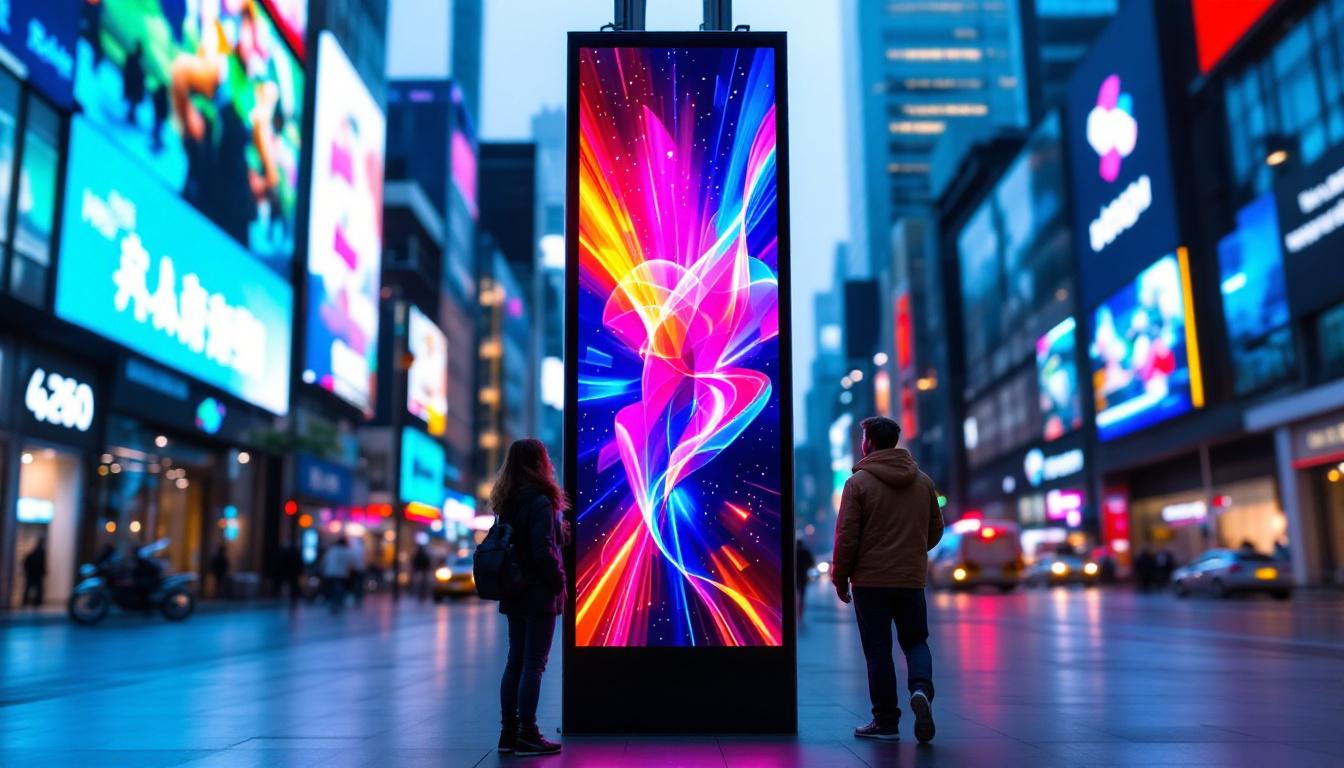
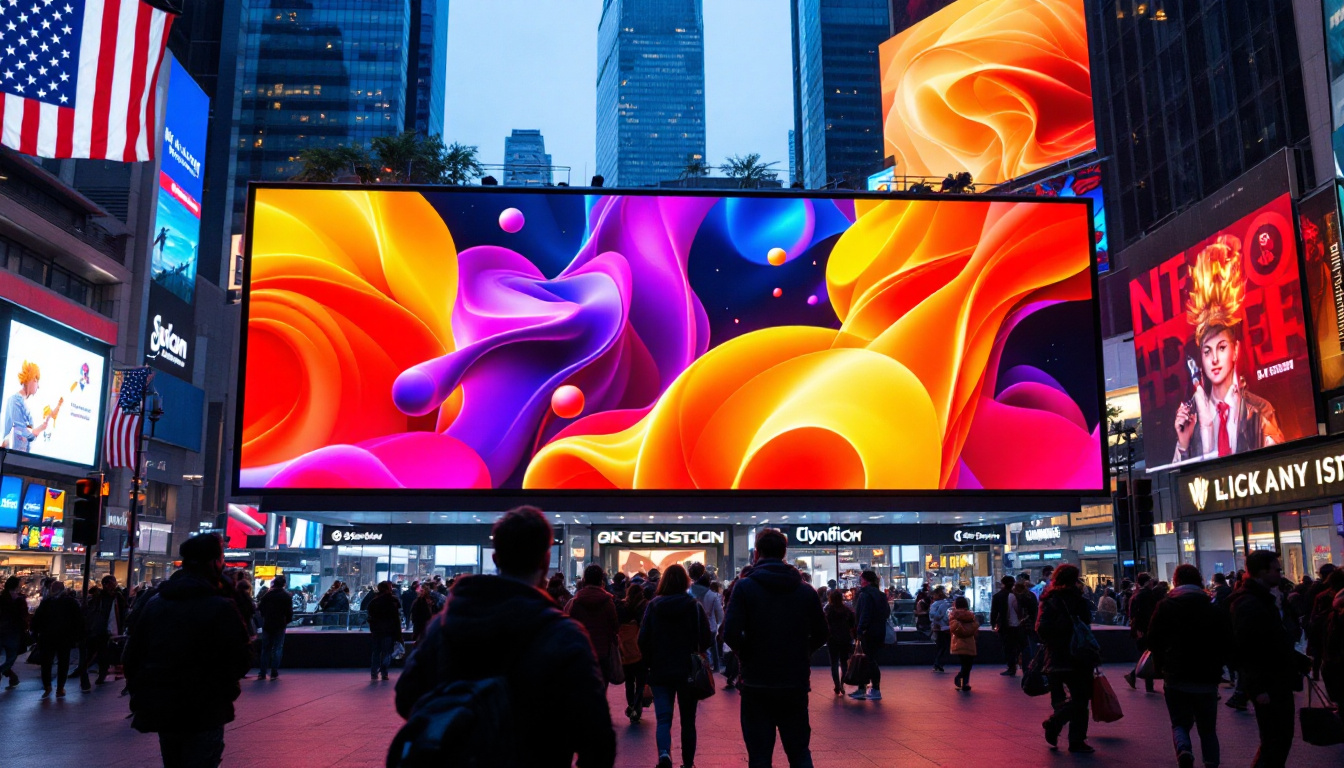
In commercial settings, 4K LED displays are used for digital signage, advertising, and information boards. Their brightness and clarity make them suitable for both indoor and outdoor environments, attracting attention with vibrant visuals. The scalability of LED technology allows for large-format displays that maintain image quality at any size.
Choosing the Right 4K LED Display for Your Tech Wallpaper
Screen Size and Pixel Density
When selecting a display for showcasing 4K tech wallpapers, consider the screen size and pixel density. Larger screens benefit more from 4K resolution as they can display more detail without visible pixels. However, pixel density (measured in pixels per inch, or PPI) is equally important; a higher PPI means sharper images, especially on smaller devices like smartphones.
Panel Type and Color Performance
IPS (In-Plane Switching) panels are known for their wide viewing angles and accurate color reproduction, making them a popular choice for 4K LED displays. OLED and microLED panels offer even better contrast and color performance but tend to be more expensive. For users prioritizing color accuracy in their tech wallpapers, investing in an OLED or high-quality IPS display is worthwhile.
Refresh Rate and Response Time
While these specifications are more critical for gaming and video playback, they can also affect the smoothness of animations and transitions in dynamic tech wallpapers. A higher refresh rate (such as 120Hz or 144Hz) and lower response time reduce motion blur and provide a more fluid visual experience.
Future Trends in 4K LED Display Technology
MicroLED and Beyond
MicroLED technology is poised to become the next big leap in display technology. By combining the self-emissive properties of OLED with the brightness and durability of traditional LEDs, microLED displays promise unparalleled image quality and energy efficiency. Although still in the early stages of mass production, microLED could redefine how tech wallpapers are displayed in the near future.
Higher Resolutions and HDR Enhancements
While 4K remains the current standard for ultra-high-definition displays, 8K resolution is gradually entering the market. Coupled with advancements in High Dynamic Range (HDR) technology, future displays will offer even more lifelike visuals with greater depth and realism. These improvements will further enhance the appeal of tech wallpapers, making them more dynamic and engaging.
Flexible and Transparent Displays
Innovations in flexible OLED and LED displays are enabling new form factors, including foldable smartphones and rollable screens. Transparent LED displays are also being developed for augmented reality and heads-up display applications. These technologies will expand the possibilities for tech wallpapers, allowing them to adapt to unconventional surfaces and environments.
Conclusion
4K LED displays represent a significant advancement in visual technology, offering unparalleled resolution, color accuracy, and energy efficiency. Their ability to showcase tech wallpapers in stunning detail and vibrant color makes them an essential component of modern digital aesthetics. As display technologies continue to evolve with innovations like microLED and flexible screens, the future of tech wallpapers looks brighter and more immersive than ever.
For anyone looking to elevate their digital environment—whether on a desktop, smartphone, or large-format display—understanding the capabilities and benefits of 4K LED displays is crucial. Investing in the right display technology not only enhances the visual experience but also ensures that digital content is rendered with the fidelity and impact it deserves.
Discover the Future of Visuals with LumenMatrix
Ready to experience the ultimate in 4K LED display technology? LumenMatrix is at the forefront of creating immersive visual experiences that captivate and engage. Whether you’re looking to enhance your brand’s visibility with an Indoor LED Wall Display, make a statement in the great outdoors with an Outdoor LED Wall Display, or innovate on the move with Vehicle LED Displays, LumenMatrix has a solution tailored for you. Our range extends to LED Poster Displays, LED Sports Displays, Floor LED Displays, Custom LED Displays, All-in-One LED Displays, and even LED Transparent Displays. Embrace the revolution in visual communication and let your message shine with clarity and impact. Check out LumenMatrix LED Display Solutions today and step into a brighter, more engaging digital world.