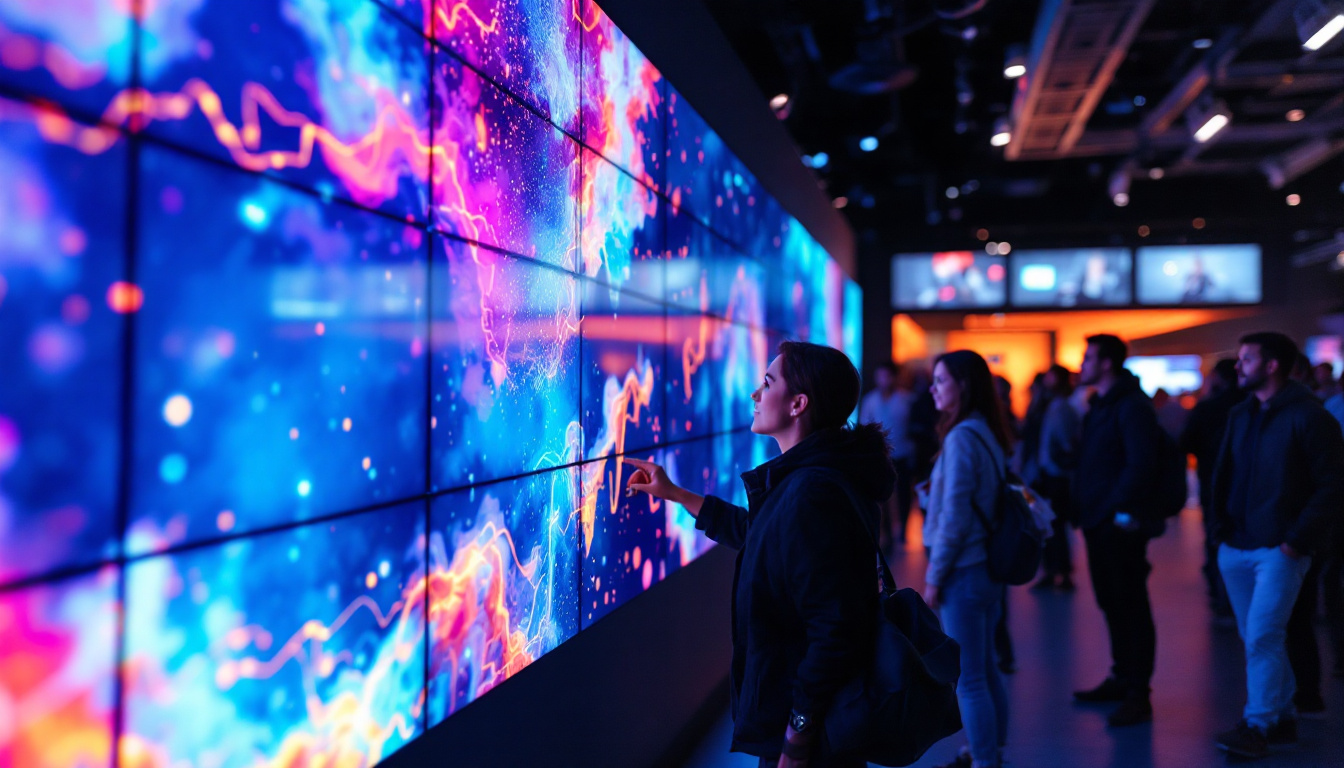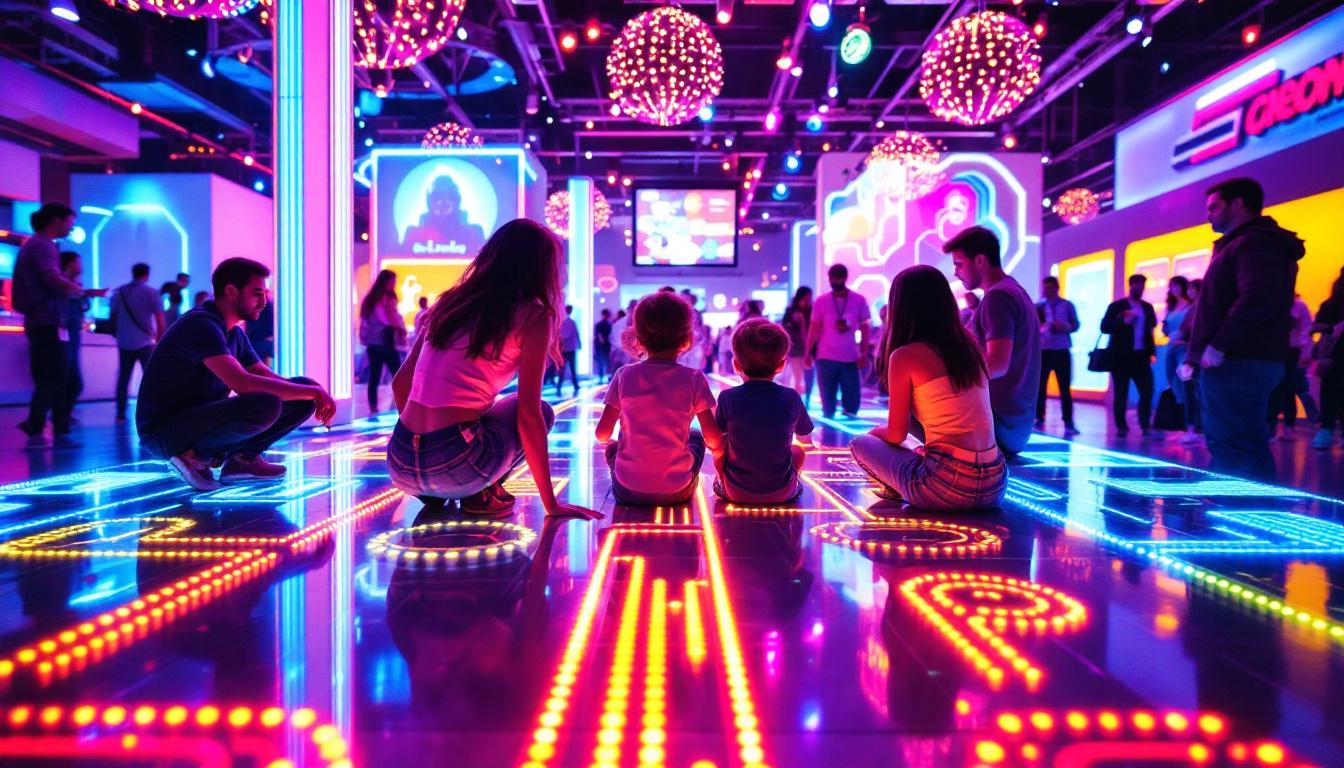
Interactive LED floor games are transforming the way people engage with digital content in public spaces, educational environments, and entertainment venues. These innovative systems combine cutting-edge LED display technology with interactive sensors to create immersive, dynamic experiences that respond to movement and touch. From children’s play areas to corporate events, interactive LED floors offer a unique blend of entertainment, education, and marketing potential.
This article delves into the technology behind interactive LED floor games, exploring how LED displays work, the types of interactive systems available, and the benefits these installations bring to various sectors. Whether you are a business owner considering an interactive installation or simply curious about the technology, this comprehensive guide will shed light on the fascinating world of LED floor games.
Understanding LED Display Technology
What is an LED Display?
LED, or Light Emitting Diode, displays are screens made up of thousands of tiny LEDs that emit light when an electric current passes through them. These displays are widely used in digital signage, televisions, and increasingly in interactive installations due to their brightness, energy efficiency, and versatility.
Unlike traditional LCD screens that rely on backlighting, LED displays produce their own light, resulting in higher contrast ratios and vibrant colors. This makes LED technology particularly suitable for environments with varying lighting conditions, such as shopping malls, museums, and outdoor venues. The ability to maintain visibility in direct sunlight or brightly lit areas gives LED displays a significant advantage over other display technologies, making them a preferred choice for advertisers and event organizers alike.
Furthermore, the longevity of LED displays is another compelling factor; they can last up to 100,000 hours, significantly reducing the need for frequent replacements. This durability not only contributes to lower maintenance costs but also supports sustainability efforts by minimizing electronic waste. As technology continues to evolve, LED displays are becoming more sophisticated, incorporating features such as smart connectivity and integration with augmented reality, enhancing user engagement in various applications.
Types of LED Displays Used in Interactive Floors
Interactive LED floors typically utilize two main types of LED display technologies: LED panels and LED tiles. These components are modular, allowing for flexible configurations tailored to different floor sizes and shapes.
- LED Panels: These are larger, flat modules that can be combined to form a seamless floor surface. They are durable and designed to withstand foot traffic, making them ideal for high-traffic areas like shopping centers and exhibition halls.
- LED Tiles: Smaller than panels, tiles offer greater flexibility for creating intricate patterns or integrating with other flooring materials. This modularity allows for creative designs that can be easily adapted or expanded as needed.
Both options feature high brightness and robust construction to ensure visibility and longevity even under constant use. Additionally, many interactive LED floors are equipped with sensors that detect movement, allowing for dynamic interactions. This capability transforms the floor into an engaging canvas where users can play games, navigate information, or even participate in artistic displays, making the experience more immersive and enjoyable.
Resolution and Pixel Pitch
Resolution and pixel pitch are critical factors influencing the clarity and detail of LED floor displays. Pixel pitch refers to the distance between individual LEDs, usually measured in millimeters. A smaller pixel pitch means more LEDs per square meter, resulting in higher resolution and sharper images. This is particularly important in environments where viewers are close to the display, such as in museums or interactive exhibits.
For interactive floors, a balance must be struck between resolution and durability. Extremely fine pixel pitches provide stunning visuals but may be more delicate and costly. Most interactive floor installations opt for a pixel pitch between 3mm and 10mm, which offers clear imagery while maintaining robustness. Moreover, advancements in technology have led to the development of flexible LED displays that can conform to various surfaces, further expanding the creative possibilities for interactive installations. This flexibility not only enhances aesthetic appeal but also allows for unique user interactions, such as responsive designs that change based on foot traffic or touch, creating a truly engaging experience for visitors.
How Interactive LED Floor Games Work
Sensor Integration and User Interaction
The defining feature of interactive LED floor games is their ability to respond to user movement. This is achieved by integrating various types of sensors beneath or alongside the LED panels.
Common sensor technologies include:
- Infrared Sensors: Detect heat signatures and movement across the floor surface.
- Pressure Sensors: Trigger responses when weight is applied to specific areas.
- Motion Cameras: Use computer vision to track players’ positions and gestures.
These sensors feed data to a central processing unit that interprets user actions and triggers corresponding visual or audio feedback on the LED floor. For example, stepping on a particular tile might cause it to light up or initiate an animation, encouraging users to engage with the game.
Software and Content Customization
Behind the scenes, interactive LED floors rely on specialized software platforms that manage sensor input, graphics rendering, and game logic. These platforms allow operators to customize content, ranging from simple light patterns to complex educational games or branded marketing experiences.
Many providers offer user-friendly interfaces to create or modify content without extensive programming knowledge. This flexibility enables venues to update their interactive offerings regularly, keeping users engaged and attracting repeat visits.
Examples of Popular Interactive LED Floor Games
Interactive LED floors support a wide variety of game types, each designed to encourage movement, coordination, and social interaction. Some popular examples include:
- Dance and Rhythm Games: Players step on illuminated tiles in time with music, promoting physical activity and fun.
- Educational Quizzes: Floors display questions or puzzles that users solve by stepping on correct answers.
- Sports Simulations: Interactive soccer or basketball games that respond to players’ footwork and positioning.
- Creative Play Areas: Dynamic environments where children can create patterns, chase virtual objects, or engage in storytelling.
Applications and Benefits of Interactive LED Floor Games
Enhancing Educational Environments
Interactive LED floors are increasingly popular in schools and museums as tools for experiential learning. By combining physical activity with digital content, these systems help improve cognitive development, motor skills, and social interaction among children.
Studies have shown that kinesthetic learning—learning through movement—can significantly enhance retention and engagement. Interactive floors provide a safe and stimulating environment for this type of learning, making abstract concepts more tangible and enjoyable.
Driving Engagement in Retail and Hospitality
Retailers and hospitality venues use interactive LED floors to attract customers and create memorable experiences. For example, shopping centers may install interactive floors that display seasonal promotions or games that reward shoppers with discounts.
Hotels and event spaces leverage these installations to entertain guests and encourage social interaction during conferences or parties. The novelty and interactivity of LED floor games can increase foot traffic, dwell time, and brand awareness.
Promoting Health and Fitness
Interactive LED floors also find applications in fitness centers and rehabilitation clinics. Games that require stepping, jumping, or balancing can motivate users to exercise while tracking their progress and providing real-time feedback.
For rehabilitation, these systems offer customizable exercises that adapt to individual needs, making therapy more engaging and effective. The combination of visual stimuli and physical movement supports motor recovery and coordination.
Entertainment and Public Spaces
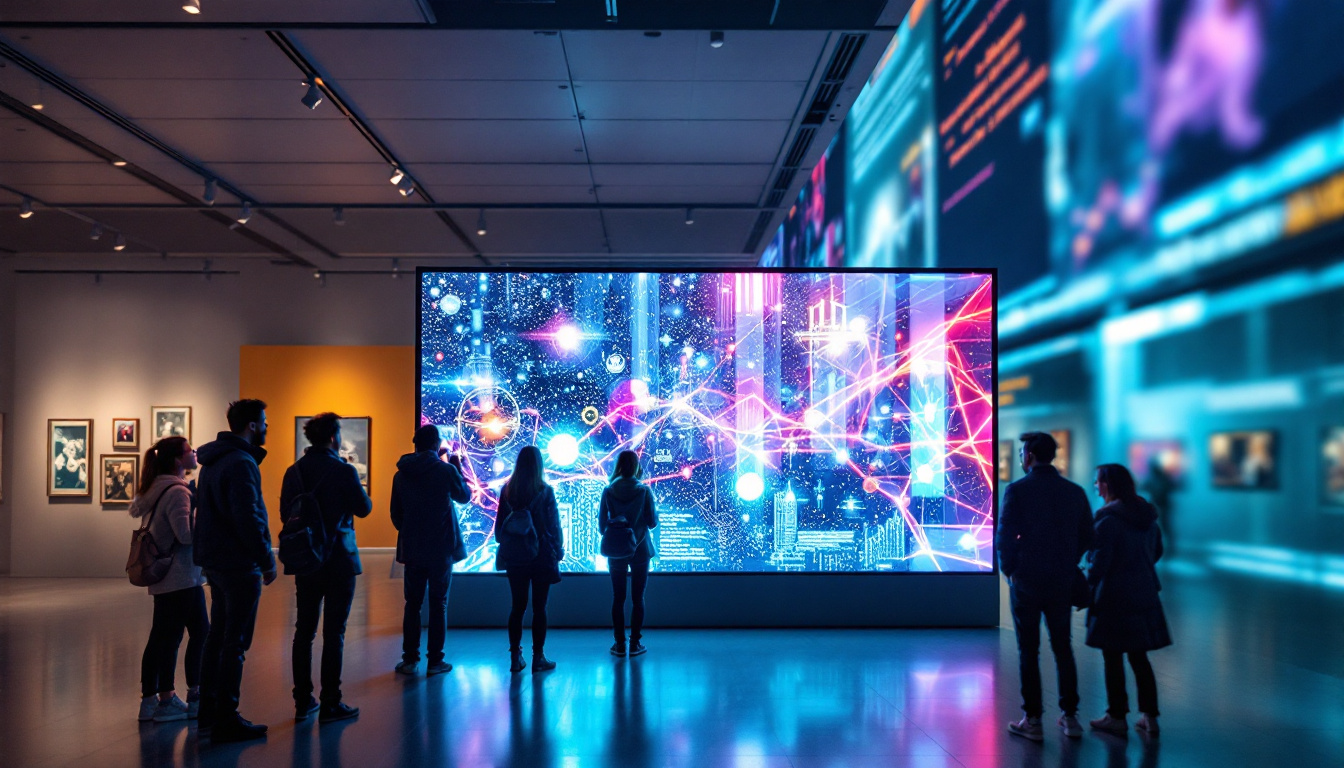
Public spaces such as airports, museums, and amusement parks benefit from interactive LED floors by offering visitors engaging distractions and interactive art installations. These floors can transform waiting areas into playful environments, reducing perceived wait times and enhancing visitor satisfaction.
Moreover, the versatility of LED floor games allows for seasonal or thematic updates, keeping the experience fresh and relevant.
Technical Considerations for Installation and Maintenance
Durability and Safety
Since interactive LED floors must withstand heavy foot traffic, durability is paramount. Manufacturers use toughened glass or acrylic surfaces to protect the LED modules while maintaining touch sensitivity and clarity.
Safety standards require that the floor surface is slip-resistant and capable of supporting various footwear types. Additionally, the installation must ensure proper cable management and waterproofing to prevent damage and hazards.
Power Consumption and Energy Efficiency
LED technology is inherently energy-efficient compared to other lighting options. However, large interactive floors can consume significant power, especially when displaying bright, dynamic content continuously.
Modern systems incorporate power-saving features such as automatic dimming during inactivity and selective lighting to reduce energy use. These measures help minimize operational costs and environmental impact.
Installation Challenges
Installing an interactive LED floor requires careful planning and coordination with architects, electricians, and IT professionals. Key challenges include:
- Ensuring a level and stable subfloor to support the LED panels
- Integrating sensor systems without compromising floor integrity
- Providing adequate ventilation and cooling for electronic components
- Establishing reliable network connections for software updates and remote monitoring
Professional installation teams with experience in interactive displays are essential to address these complexities and deliver a seamless user experience.
The Future of Interactive LED Floor Games
Advancements in Sensor and Display Technology
Emerging technologies such as LiDAR sensors and ultra-high-resolution microLED displays promise to enhance the responsiveness and visual quality of interactive floors. These advancements will enable more precise motion tracking and richer, more immersive graphics.
Additionally, flexible and transparent LED materials are under development, potentially allowing interactive floors to blend seamlessly with other surfaces or even be integrated into furniture and walls.
Integration with Augmented Reality (AR) and Artificial Intelligence (AI)
The convergence of interactive floors with AR and AI technologies is poised to create even more engaging experiences. For instance, AR glasses could overlay virtual objects onto the LED floor games, expanding the scope of interaction beyond the physical surface.
AI algorithms can personalize content based on user behavior, skill level, and preferences, making each interaction unique and tailored.
Expanding Market Opportunities
As costs decrease and technology matures, interactive LED floor games are expected to become more accessible to small businesses, schools, and even private homes. This democratization will foster creativity and innovation in how these systems are used.
Moreover, the rise of smart cities and connected public spaces will likely incorporate interactive floors as part of broader digital infrastructure, enhancing urban environments and community engagement.
Conclusion
Interactive LED floor games represent a fascinating intersection of technology, design, and human interaction. By leveraging the unique properties of LED displays and sophisticated sensor systems, these installations offer dynamic, engaging experiences that appeal to a wide range of audiences and applications.
From education and fitness to retail and entertainment, the benefits of interactive LED floors are clear: they promote active participation, foster social connection, and create memorable moments. As technology continues to evolve, the potential for these systems to transform public and private spaces is immense.
For organizations considering the adoption of interactive LED floor games, understanding the underlying technology, installation requirements, and application possibilities is crucial to making informed decisions and maximizing the impact of their investment.
Discover LumenMatrix’s Innovative LED Display Solutions
Ready to elevate your space with the interactive magic of LED floor games? LumenMatrix, a pioneer in LED display technology, offers a wide array of solutions that bring your environment to life. From captivating Floor LED Displays to versatile Indoor and Outdoor LED Wall Displays, our products are designed to engage and inspire. Experience the future of visual communication with our Custom LED Displays, LED Sports Displays, and more. Check out LumenMatrix LED Display Solutions today and transform your space into an interactive wonderland.