In the modern digital landscape, large-scale visual displays have become essential for businesses, public venues, and control centers. Among the most popular solutions is the LCD video wall, a technology that offers vibrant imagery, seamless scalability, and versatile applications. This article delves into the fundamentals of building an LCD video wall, demystifies LED display technology, and provides practical insights for those considering this impactful visual tool.
Understanding LCD Video Walls: What They Are and Why They Matter
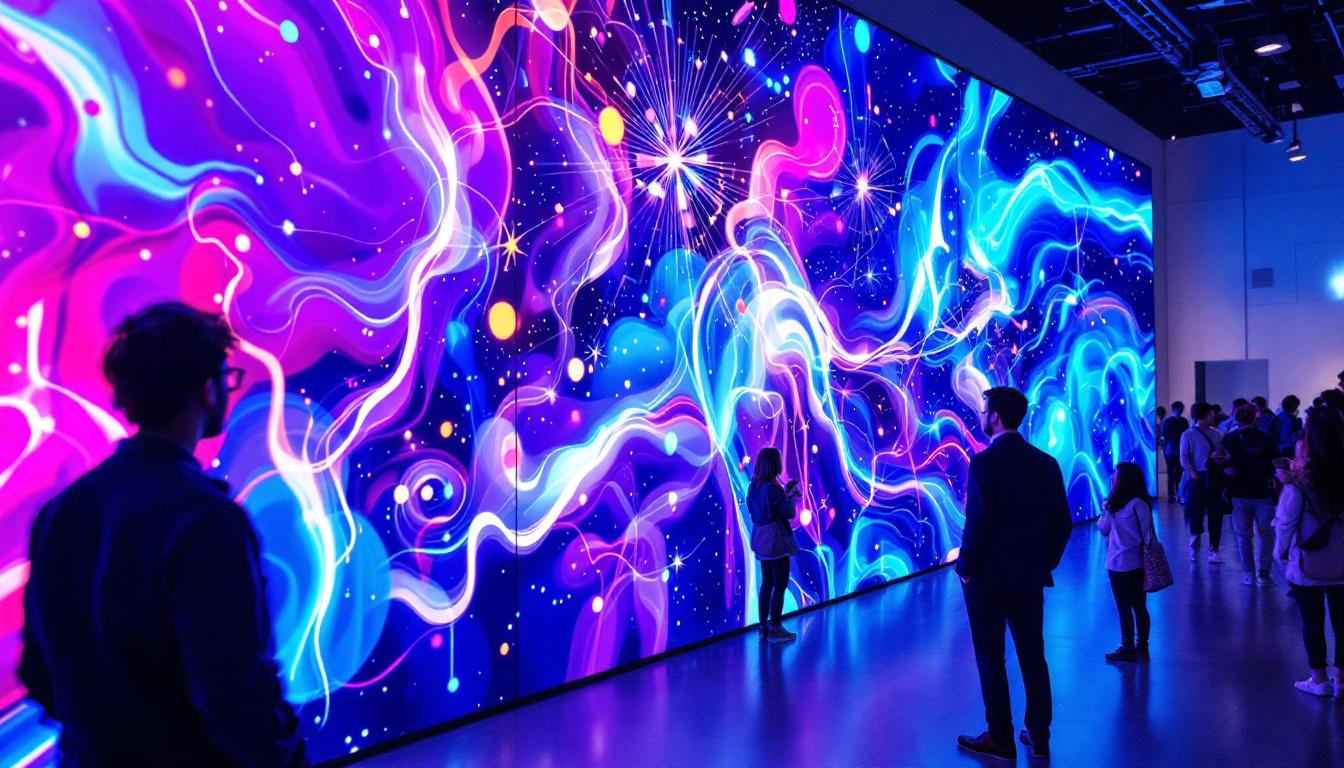
LCD video walls consist of multiple liquid crystal display (LCD) panels tiled together to form one large, continuous screen. Unlike a single large display, these video walls allow for flexible sizing and aspect ratios, making them ideal for environments where large-format visuals are necessary. The modular nature of these walls means they can be configured to fit various spaces, from expansive arenas to intimate conference rooms, providing an adaptable solution for any visual communication need.
The primary advantage of LCD video walls lies in their ability to deliver high-resolution images with excellent color accuracy and brightness. This makes them suitable for a wide range of applications including corporate boardrooms, retail advertising, broadcast studios, and public information displays. For instance, in retail settings, dynamic video walls can capture consumer attention with vibrant advertisements, while in corporate environments, they can facilitate collaborative presentations and data visualization, enhancing communication and decision-making processes.
According to recent industry reports, the global video wall market is expected to grow at a compound annual growth rate (CAGR) of over 7% through 2027, driven by increasing demand for digital signage and immersive visual experiences. This growth underscores the importance of understanding how to build and optimize LCD video walls effectively. As technology advances, the integration of artificial intelligence and machine learning into these systems is also becoming more prevalent, allowing for real-time content adaptation based on audience engagement and preferences.
Key Components of an LCD Video Wall
Building an LCD video wall requires several critical components working in harmony:
- LCD Panels: These are the individual screens that make up the video wall. They must have narrow bezels to minimize the visible gaps between screens, ensuring a seamless visual experience. The choice of panel technology, including IPS or VA, can significantly impact viewing angles and color reproduction, making it essential to select panels that meet the specific needs of the installation.
- Mounting System: A robust and adjustable mounting frame ensures precise alignment and stability of the panels. These systems can be wall-mounted or freestanding, depending on the layout of the space and the intended use of the video wall, providing versatility in design.
- Video Wall Controller: This hardware or software solution manages the input sources and distributes the content across the multiple panels seamlessly. Advanced controllers can support multiple input formats, allowing for a diverse range of content to be displayed simultaneously, enhancing the overall impact of the presentation.
- Content Management System (CMS): Enables scheduling, updating, and customizing the displayed content remotely. A user-friendly CMS can empower organizations to quickly adapt their messaging in response to changing circumstances or marketing strategies, ensuring that the content remains relevant and engaging.
- Cabling and Connectivity: High-quality cables and connectors are essential for reliable signal transmission and power supply. The choice of cabling can affect both the performance and longevity of the video wall, making it crucial to invest in durable and efficient solutions.
In addition to these components, proper calibration and maintenance are vital for ensuring optimal performance over time. Regularly scheduled maintenance checks can help identify potential issues before they escalate, while calibration ensures that color consistency and brightness levels remain uniform across all panels. As organizations increasingly rely on these visual solutions for communication and engagement, understanding the intricacies of setup and upkeep becomes paramount to maximizing their investment.
The Role of LED Technology in Video Walls
While LCD video walls have been the standard for many years, LED technology has emerged as a powerful alternative, especially for large-scale and outdoor applications. It’s important to distinguish between LCD and LED video walls to make informed decisions.
What is an LED Display?
LED displays use light-emitting diodes as pixels to create images. Unlike LCDs, which rely on backlighting, LEDs emit their own light, resulting in higher brightness levels and better contrast ratios. This makes LED displays highly visible even in direct sunlight, a critical factor for outdoor installations.
LED displays can be categorized into two main types:
- Direct View LED (DVLED): These are composed of individual LED modules that form the entire display surface. They offer excellent color uniformity and can be built in virtually any size or shape.
- LED-Backlit LCD: These are traditional LCD panels that use LEDs as a backlight source, improving brightness and energy efficiency compared to older fluorescent backlights.
Comparing LCD and LED Video Walls
Choosing between LCD and LED video walls depends on several factors including viewing environment, budget, and desired image quality.
| Feature | LCD Video Wall | LED Video Wall |
|---|---|---|
| Brightness | Typically 500-700 nits, suitable for indoor use | Up to 5,000 nits or more, ideal for outdoor and high ambient light |
| Seamlessness | Visible bezels between panels, though narrow-bezel options exist | Virtually bezel-free, providing a seamless image |
| Viewing Angle | Wide but can vary by panel quality | Extremely wide, consistent color from all angles |
| Durability | Designed mainly for indoor use; sensitive to moisture and dust | Highly durable and weather-resistant, suitable for outdoor |
| Cost | Generally lower upfront cost | Higher initial investment but longer lifespan |
Understanding these differences helps stakeholders select the right technology to meet their specific needs.
Planning and Building Your LCD Video Wall
Constructing a successful LCD video wall requires careful planning, precise execution, and ongoing maintenance. Below are the essential steps and considerations for the process.
1. Define Your Objectives and Environment
Start by identifying the primary purpose of the video wall. Is it for digital signage, data visualization, or immersive presentations? The environment—whether a brightly lit lobby, a dim control room, or an outdoor venue—will influence the choice of panels and brightness levels.
Additionally, consider the viewing distance and audience size. For example, a video wall in a large auditorium needs higher resolution and brightness than one in a small conference room.
2. Selecting the Right Panels
Choose LCD panels with ultra-narrow bezels to minimize the visible lines between screens. Popular bezel widths range from 0.88mm to 3.5mm. The smaller the bezel, the more seamless the image appears.
Resolution is another critical factor. Full HD (1920×1080) panels are common, but 4K panels are becoming more affordable and provide sharper images, especially on larger walls.
3. Designing the Mounting System
Precision is key when mounting LCD panels. A well-engineered mounting system allows for fine adjustments in tilt, height, and depth to ensure perfect alignment. Many manufacturers offer modular mounting kits designed specifically for video walls.
Proper ventilation and cable management should also be integrated into the mounting design to maintain performance and ease of maintenance.
4. Choosing a Video Wall Controller
The video wall controller is the brain of the system. It processes input signals and distributes content across the multiple panels. Controllers range from simple splitters to advanced processors capable of handling multiple input sources, complex layouts, and interactive content.
For large or mission-critical installations, consider controllers with redundancy features to avoid downtime.
5. Content Management and Software
Effective content management software (CMS) enables users to schedule, update, and customize the displayed content remotely. Modern CMS platforms support dynamic content, real-time data feeds, and multi-user collaboration.
Integrating CMS with the video wall controller ensures smooth content delivery and maximizes the impact of the display.
6. Installation and Calibration
Professional installation ensures that panels are aligned perfectly and securely mounted. Calibration involves adjusting color, brightness, and contrast settings across all panels to achieve a uniform image.
Regular calibration sessions are recommended to maintain image consistency over time, especially in environments with variable lighting conditions.
Maintenance and Future-Proofing Your Video Wall
Once installed, maintaining an LCD video wall is crucial to extend its lifespan and preserve image quality.
Routine Maintenance
Regular cleaning of the panels using appropriate non-abrasive materials prevents dust and smudges from degrading image clarity. Inspect cables and connections periodically to avoid signal loss or power issues.
Monitoring software can alert operators to any panel failures or performance issues, enabling proactive maintenance.
Upgradability and Scalability
Design your video wall infrastructure with future growth in mind. Modular panels allow for easy expansion or replacement as technology evolves. Choosing controllers and CMS platforms with scalable architectures ensures the system can adapt to new content formats and resolutions.
With rapid advancements in display technology, planning for upgrades can protect your investment and keep your video wall competitive.
Conclusion: Making the Most of Your LCD Video Wall
Building an LCD video wall is a complex but rewarding endeavor that can transform visual communication in any setting. By understanding the technology, carefully planning each step, and investing in quality components, organizations can create stunning, reliable displays that captivate audiences and convey information effectively.
As LED technology continues to advance, hybrid solutions and direct-view LED walls are becoming increasingly viable alternatives, especially for outdoor and ultra-large installations. However, for many indoor applications, LCD video walls remain a cost-effective and high-performance choice.
Whether upgrading an existing setup or embarking on a new installation, informed decisions backed by industry knowledge will ensure that your video wall delivers maximum impact for years to come.
Discover Cutting-Edge LED Displays with LumenMatrix
Ready to elevate your visual communication with the latest in LED display technology? LumenMatrix is at the forefront of innovation, offering a wide array of LED display solutions tailored to your needs. From vibrant Indoor and Outdoor LED Wall Displays to dynamic Vehicle and Sports LED Displays, our products are designed to make your brand stand out. Experience the future of digital signage with our All-in-One LED Displays, LED Transparent Displays, and more. Check out LumenMatrix LED Display Solutions today and transform your space into a captivating visual experience.