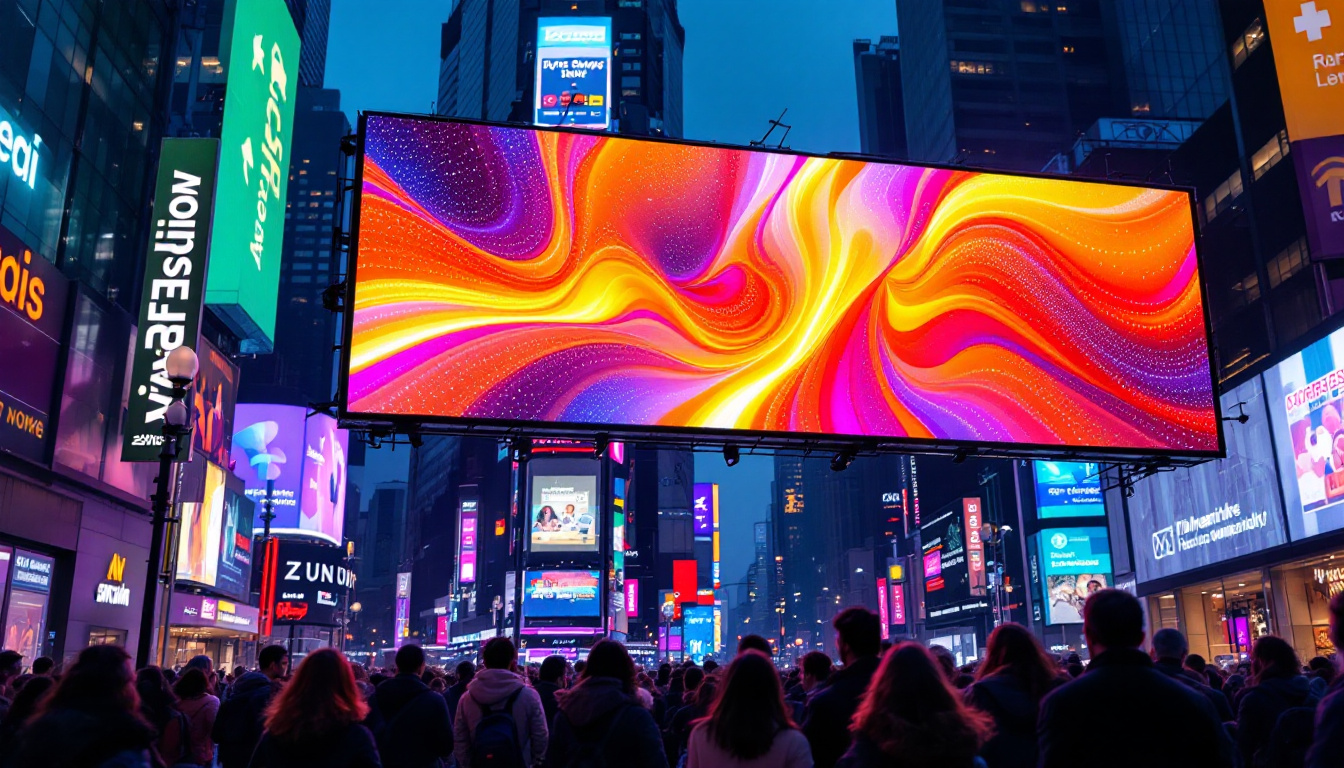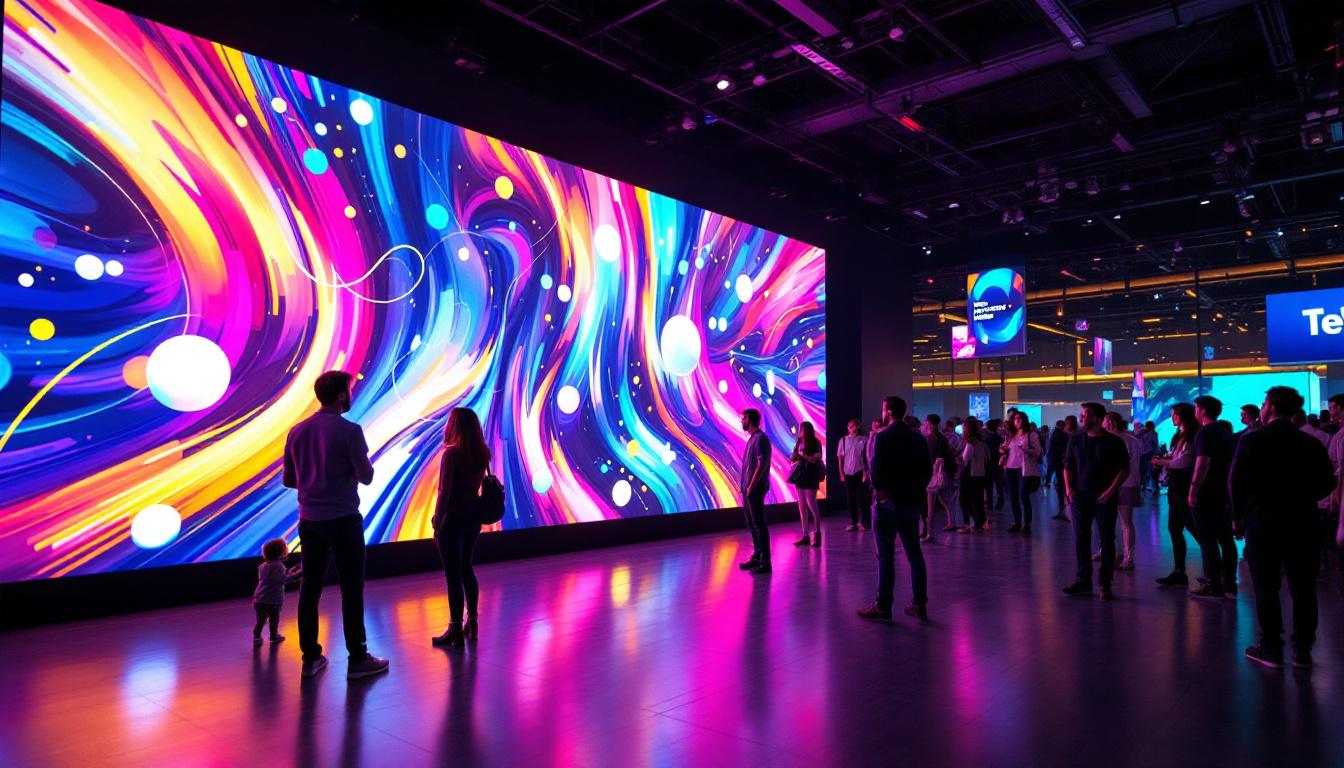
In today’s fast-paced digital world, the demand for vibrant, large-scale visual displays has never been higher. From bustling retail environments to corporate boardrooms and public event spaces, digital video walls have become an essential medium for delivering impactful, dynamic content. Among the various technologies available, LED displays stand out as a leading solution due to their brightness, scalability, and versatility.
This article explores the fundamentals of digital video walls, with a focus on LED display technology. It covers how LED video walls work, their advantages, typical applications, and key considerations for choosing and deploying these systems. Whether you’re a business owner, event organizer, or technology enthusiast, understanding LED video walls will help you make informed decisions about your visual communication needs.
What Is a Digital Video Wall?
A digital video wall is a large-scale display system composed of multiple screens or panels tiled together to form one cohesive visual surface. Unlike traditional single-screen displays, video walls allow for much larger and more flexible presentations of images, videos, and live feeds.
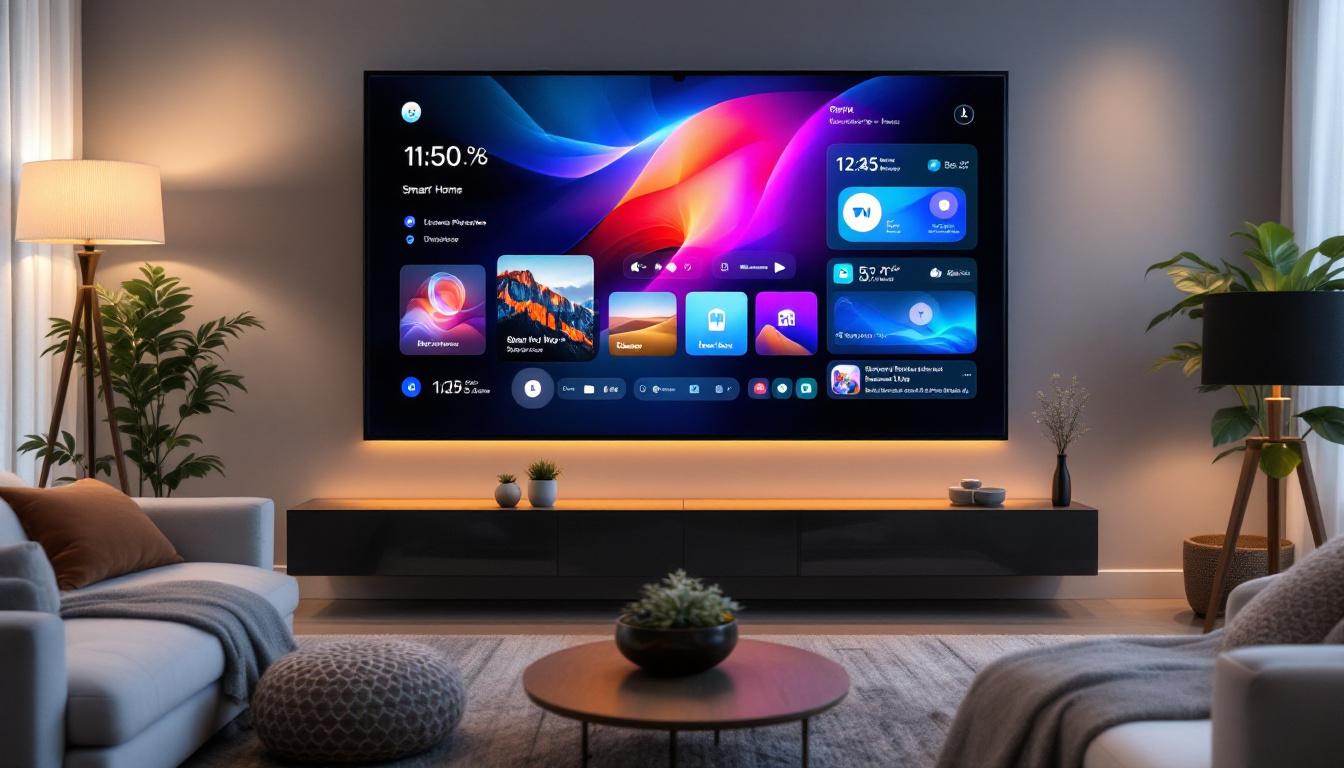
These walls are commonly used to create immersive environments, deliver advertising messages, provide real-time information, or enhance entertainment experiences. The content displayed can be static or dynamic, often controlled by sophisticated software that manages multiple inputs and outputs seamlessly. This versatility makes digital video walls an essential tool in various sectors, including retail, transportation, education, and corporate environments, where engaging visuals can significantly impact audience engagement.
Types of Digital Video Walls
There are several technologies used to build digital video walls, including LCD, projection, and LED. Each has its own strengths and limitations:
- LCD Video Walls: These consist of multiple LCD panels arranged edge-to-edge. They offer high resolution and color accuracy but can suffer from visible bezels and limited viewing angles.
- Projection Video Walls: Using projectors to cast images onto a large surface, these walls can achieve massive sizes but require controlled lighting environments and often involve complex calibration.
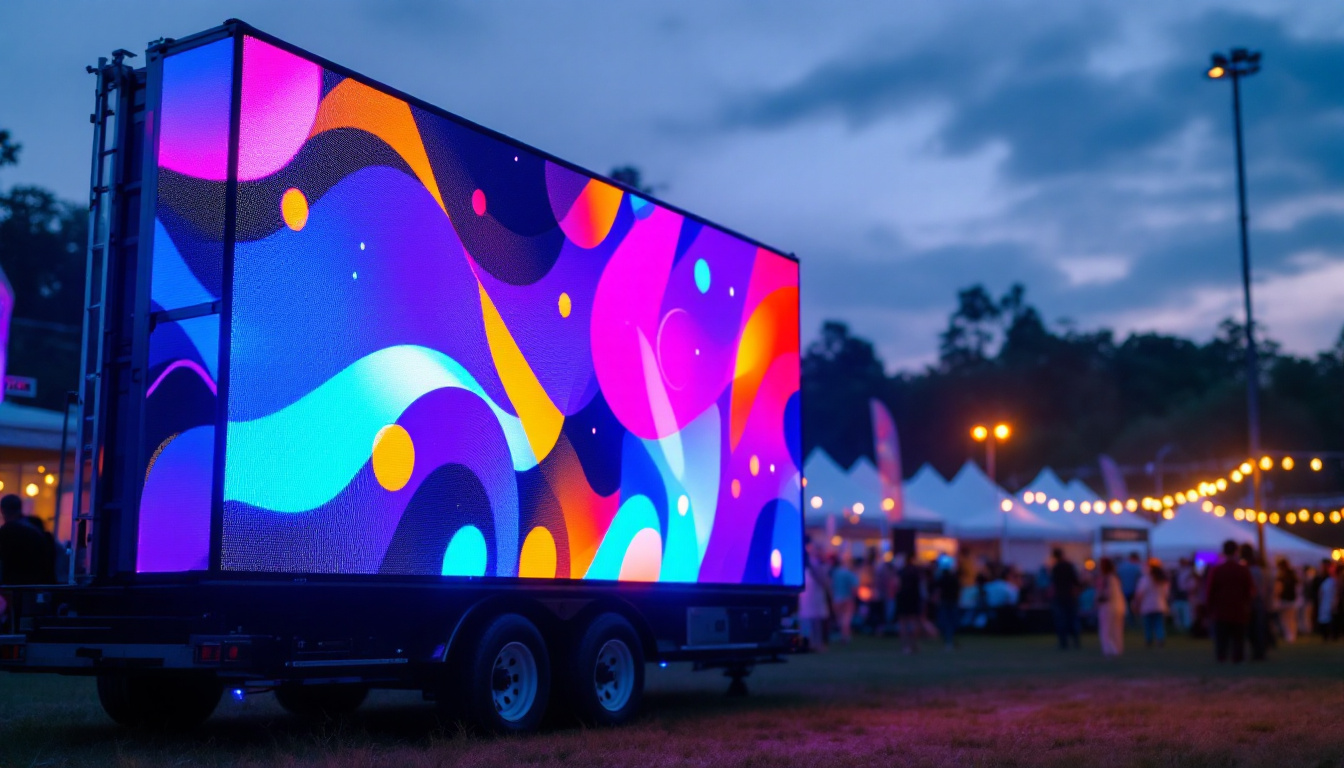
- LED Video Walls: Made up of modular LED panels, these walls provide exceptional brightness, wide viewing angles, and seamless image quality, making them ideal for both indoor and outdoor use.
Among these, LED video walls have gained significant popularity due to their superior performance in various environments. Their ability to deliver vibrant colors and high contrast ratios makes them particularly effective for live events, concerts, and sports arenas, where capturing the audience’s attention is crucial. Furthermore, advancements in technology have led to the development of flexible and curved LED panels, allowing for innovative designs that can fit into unconventional spaces and create unique visual experiences.
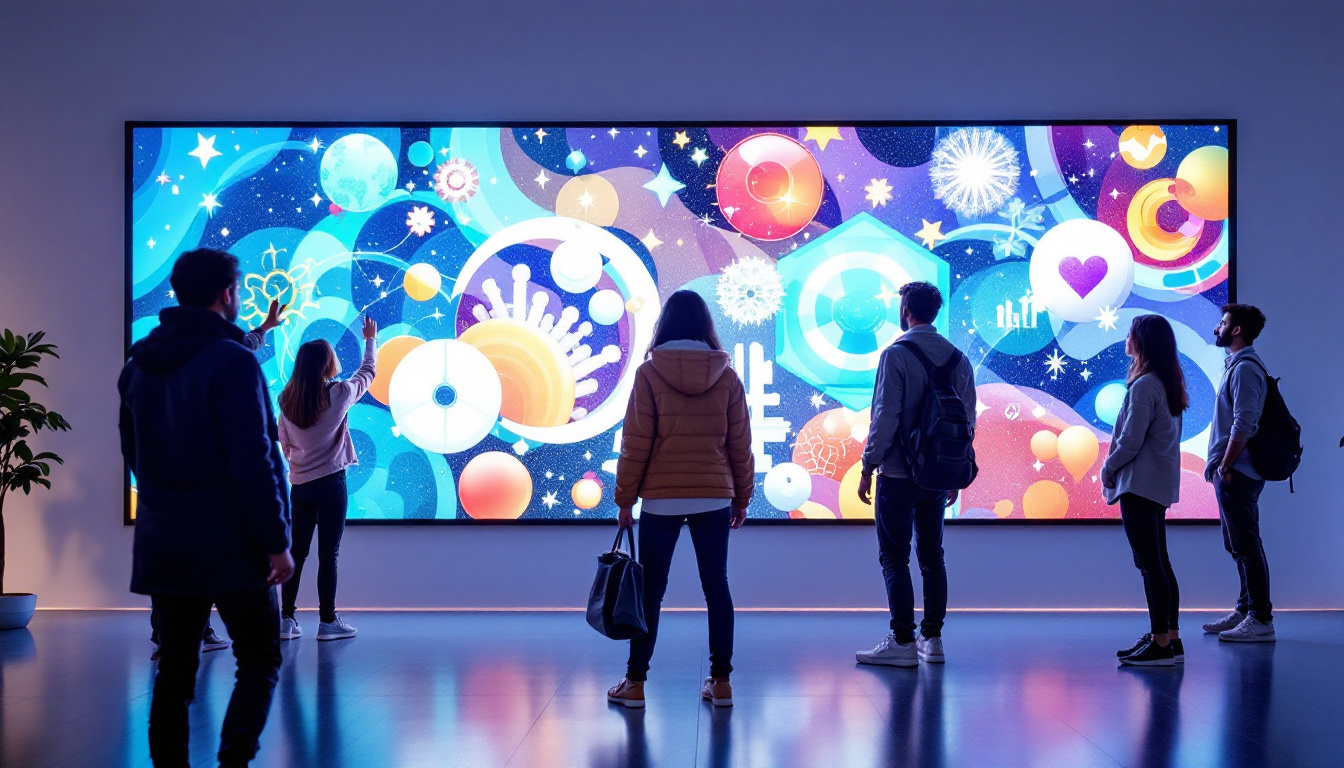
Moreover, the integration of interactive elements into digital video walls is becoming increasingly common. Touch-sensitive screens or motion sensors can transform a passive viewing experience into an engaging interaction, allowing users to navigate content or participate in presentations. This interactivity not only enhances user engagement but also opens up new avenues for storytelling and information dissemination, making digital video walls a dynamic choice for modern communication strategies.
Understanding LED Video Wall Technology
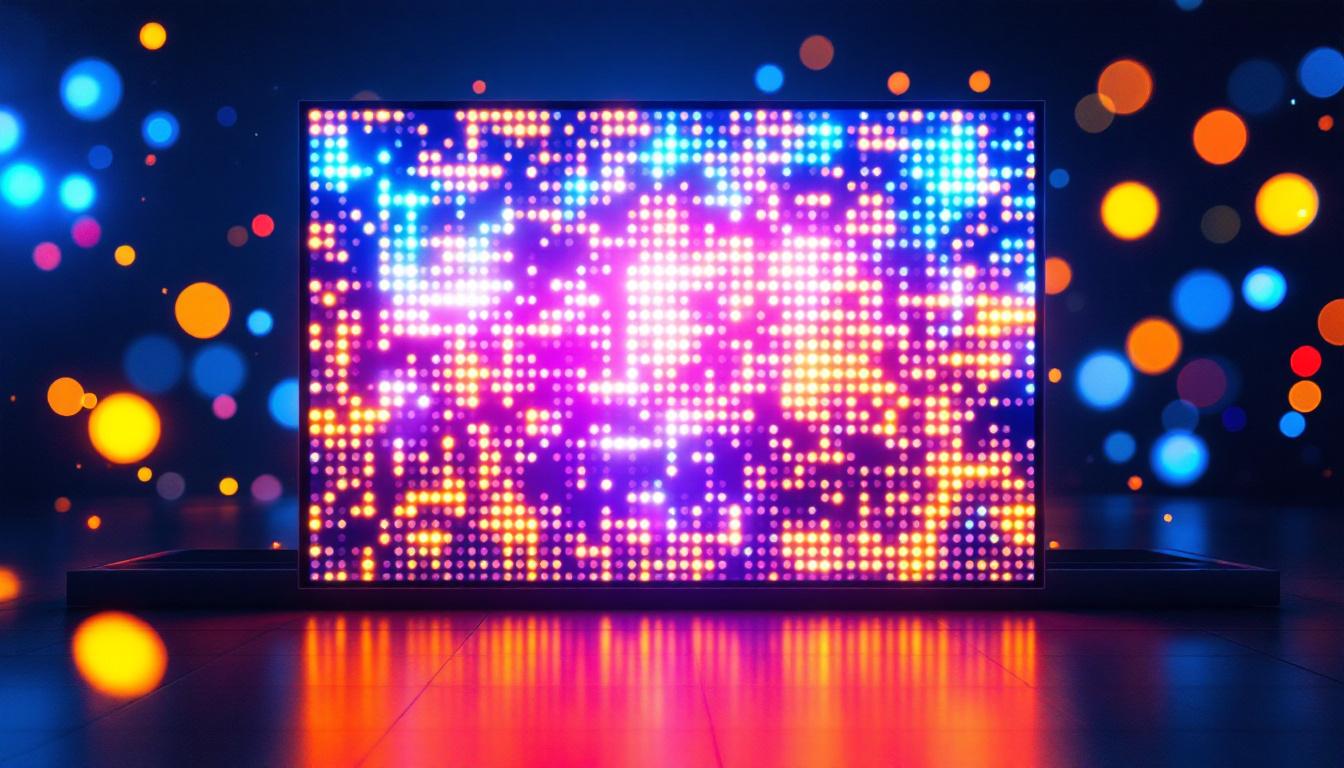
LED, or Light Emitting Diode, technology underpins the most advanced video walls available today. An LED video wall is composed of numerous small LED modules, each containing thousands of tiny LEDs that emit light in red, green, and blue (RGB) colors. By adjusting the intensity of these LEDs, the system produces a full spectrum of colors to render images and videos.
How LED Video Walls Work
Each LED module acts as a pixel or group of pixels in the overall display. These modules are connected and controlled by a central processing unit that synchronizes the content across the entire wall. The result is a seamless, large-format image that can be viewed clearly from various distances and angles.
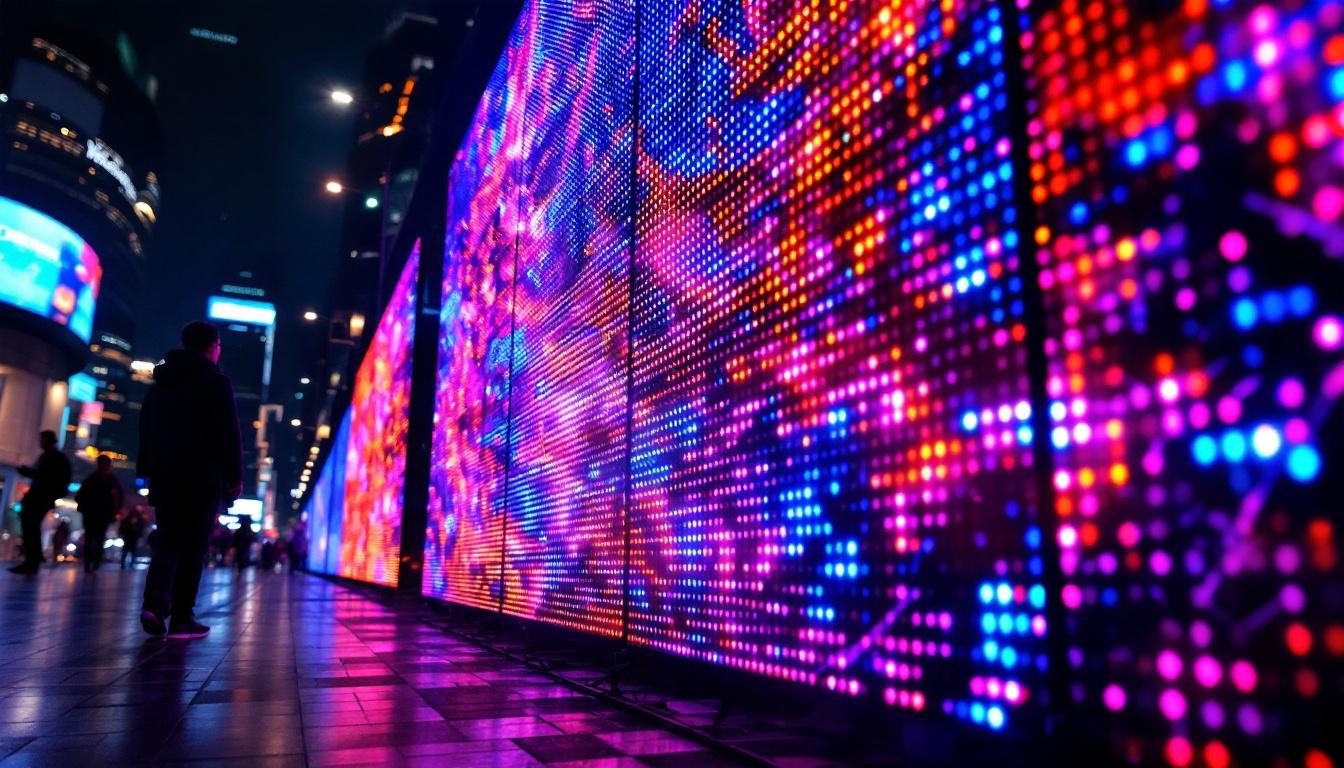
Modern LED video walls use surface-mount technology (SMT) LEDs, which are tiny and densely packed to create high-resolution displays. The pixel pitch—the distance between the centers of two adjacent pixels—is a critical factor influencing image clarity. Smaller pixel pitches allow for closer viewing distances without visible pixelation.
In addition to pixel pitch, the refresh rate of an LED video wall is crucial for maintaining image quality, especially in dynamic content like videos or live broadcasts. A higher refresh rate ensures that motion appears smooth and fluid, reducing the likelihood of flickering or ghosting effects. This is particularly important in environments such as sports arenas or concert venues, where fast-paced visuals are common.
Advantages of LED Video Walls
LED video walls offer several compelling benefits compared to other display technologies:
- Brightness: LEDs produce intense brightness levels, often exceeding 1,000 nits, making them highly visible even in direct sunlight. This makes LED walls suitable for outdoor advertising and public spaces.
- Durability: LED panels are robust and designed to withstand harsh environmental conditions, including temperature fluctuations and moisture, especially when rated for outdoor use.
- Scalability and Flexibility: The modular nature of LED panels allows for custom sizes and shapes, from small indoor walls to massive outdoor billboards.
- Energy Efficiency: LEDs consume less power compared to traditional lighting and projection systems, reducing operational costs over time.
- Wide Viewing Angles: LED walls maintain color accuracy and brightness across broad viewing angles, ensuring consistent image quality for all viewers.
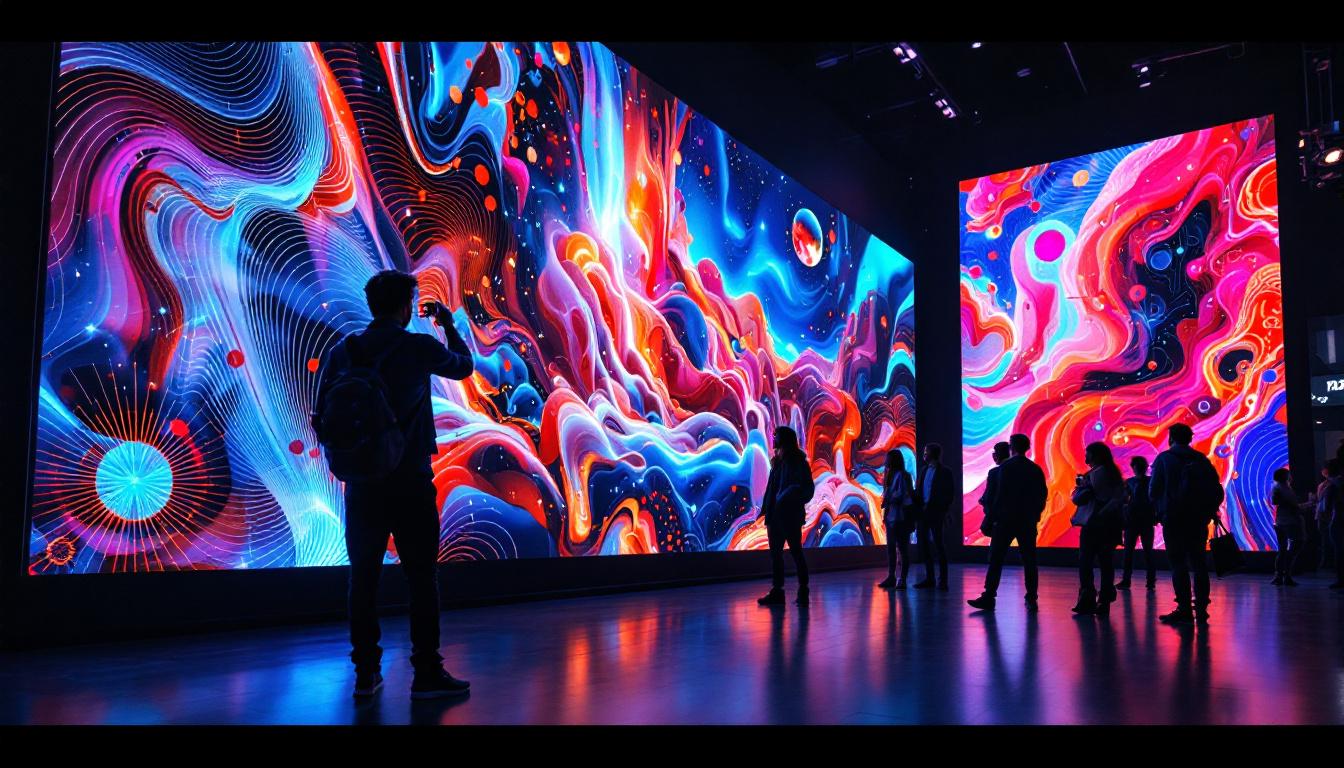
Moreover, the integration of advanced technologies such as HDR (High Dynamic Range) and 4K resolution has significantly enhanced the visual experience provided by LED video walls. HDR allows for a greater range of colors and contrasts, making images appear more vibrant and lifelike. This technology is particularly beneficial in applications such as art galleries or museums, where the fidelity of color representation is paramount. Additionally, the ability to connect multiple video walls into a single cohesive display allows for creative and immersive experiences, transforming spaces into dynamic environments that can adapt to various themes and events.
Applications of LED Video Walls
LED video walls have transformed how businesses and organizations communicate visually. Their versatility enables use across numerous sectors and scenarios.
Retail and Advertising
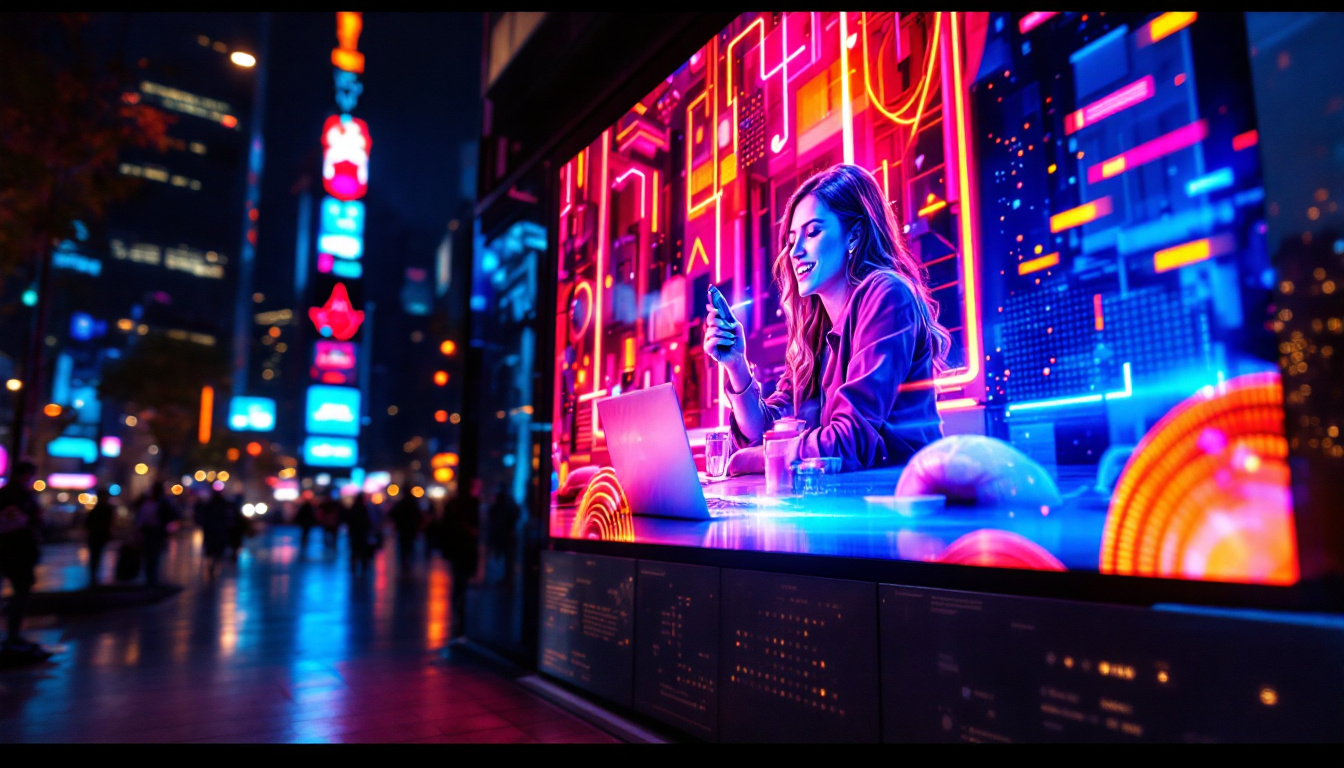
Retailers leverage LED video walls to create eye-catching storefront displays that attract foot traffic and promote products effectively. Digital signage powered by LED walls can showcase dynamic promotions, brand stories, and interactive content that engage customers on a deeper level.
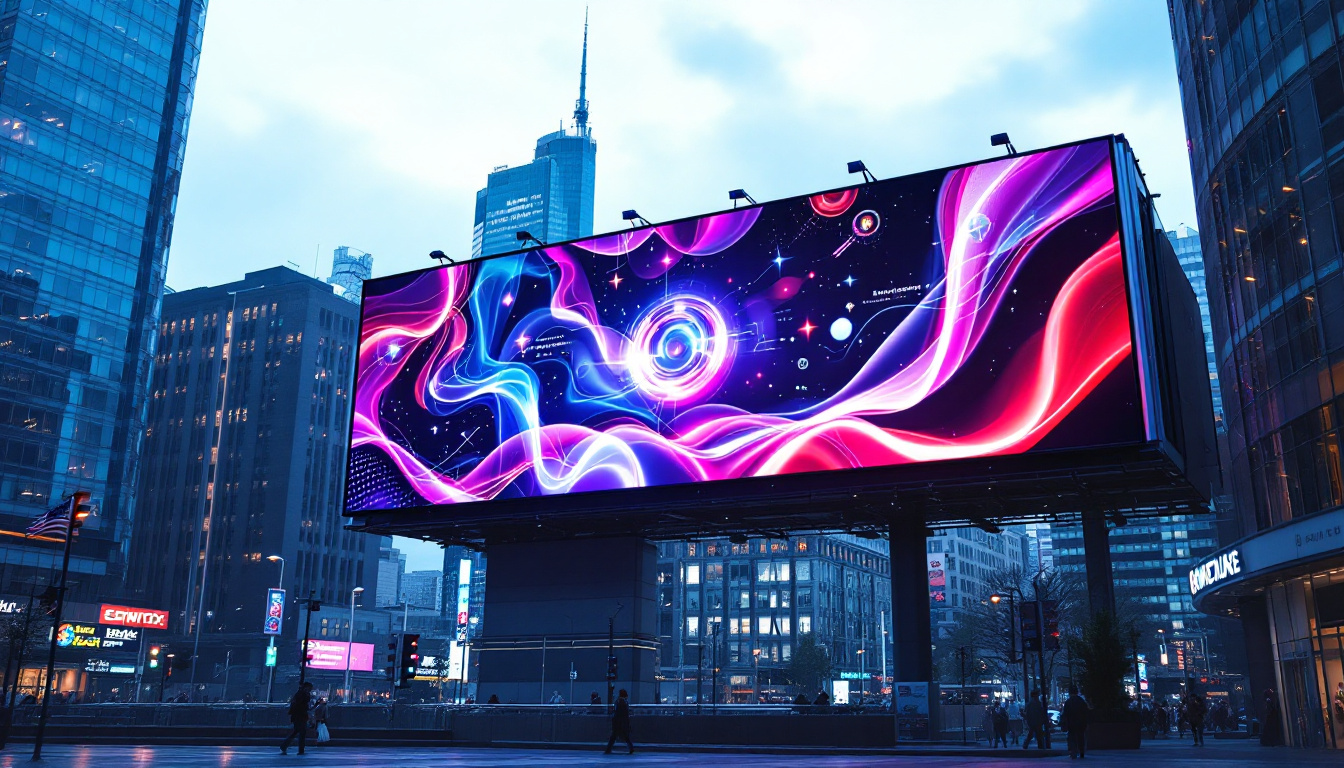
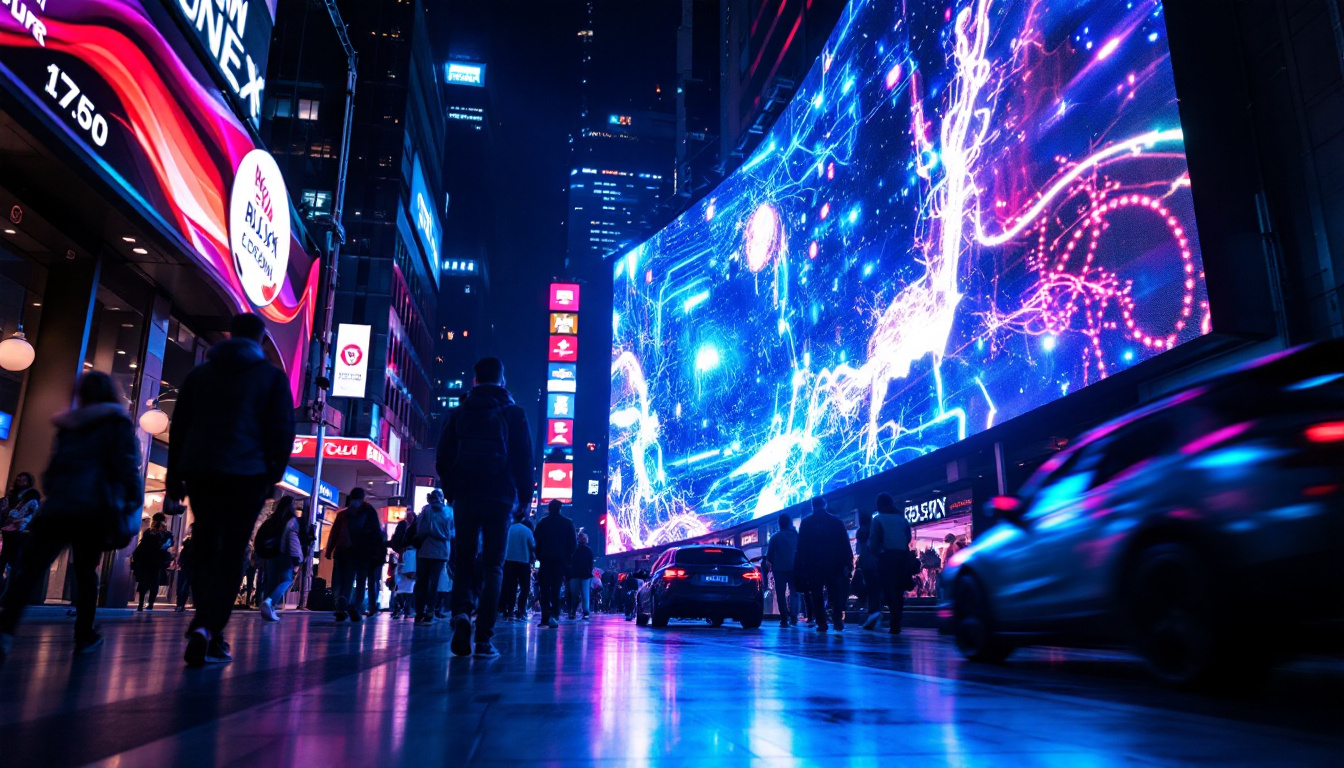
In advertising, LED billboards dominate outdoor spaces due to their brightness and ability to display changing content in real time. According to recent market research, the global digital signage market is expected to grow at a compound annual growth rate (CAGR) of over 8% through 2027, driven largely by LED technology adoption.
Corporate and Control Rooms
In corporate environments, LED video walls are used for presentations, video conferencing, and data visualization. Control rooms for utilities, transportation, and emergency services rely on large LED walls to monitor multiple data streams simultaneously, enhancing decision-making and operational efficiency.
Entertainment and Events
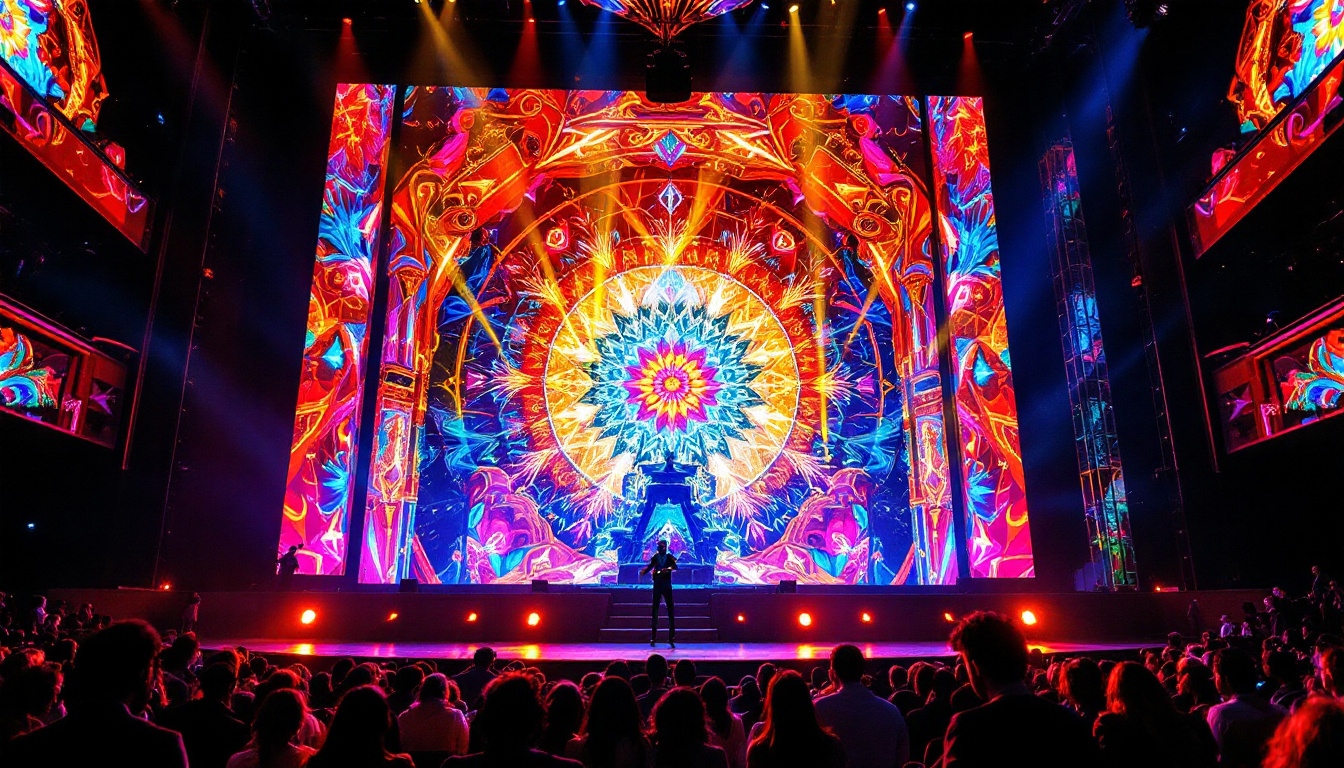
Concerts, sports arenas, and live events utilize LED video walls to provide immersive experiences for audiences. These walls can display live footage, graphics, and interactive content, creating engaging atmospheres that elevate entertainment value.
Education and Public Spaces
Educational institutions use LED video walls for digital classrooms, auditoriums, and information displays. Public spaces such as airports, train stations, and museums benefit from LED walls by delivering real-time updates, wayfinding, and promotional content.
Key Considerations When Choosing an LED Video Wall
Selecting the right LED video wall involves evaluating several factors to ensure it meets your specific needs and budget.
Resolution and Pixel Pitch
The resolution determines the clarity and detail of the displayed content. For indoor installations where viewers are close, a smaller pixel pitch (1.2mm to 2.5mm) is preferable to avoid visible pixelation. Outdoor walls can have larger pixel pitches (4mm to 10mm) since viewing distances are greater.
Brightness and Contrast
Consider the ambient lighting conditions where the wall will be installed. High brightness levels are essential for outdoor and brightly lit indoor environments to maintain visibility. Contrast ratio affects how well the display renders dark and bright areas, impacting overall image quality.
Durability and Maintenance
LED panels designed for outdoor use should have appropriate IP (Ingress Protection) ratings to resist dust and water. Maintenance accessibility is also important, as LED modules may require occasional servicing or replacement. Front-access panels simplify upkeep in tight spaces.
Content Management System (CMS)
The software controlling the video wall plays a crucial role in content scheduling, layout design, and real-time updates. A user-friendly CMS with robust features enhances the flexibility and effectiveness of your digital signage strategy.
Budget and Total Cost of Ownership
While LED video walls can be a significant investment upfront, their longevity, energy efficiency, and impact often justify the cost. It’s important to consider installation, maintenance, and operational expenses alongside the initial purchase price.
Future Trends in LED Video Wall Technology
As LED technology continues to evolve, several trends are shaping the future of digital video walls:
MicroLED and MiniLED Innovations
Emerging MicroLED and MiniLED technologies promise even higher resolutions, improved brightness, and lower power consumption. These advancements will enable ultra-fine pixel pitches and more compact display designs.
Flexible and Transparent LED Displays
Flexible LED panels allow for curved and irregularly shaped video walls, expanding creative possibilities. Transparent LED displays enable see-through screens that can be integrated into glass facades and windows, blending digital content with physical environments.
AI-Driven Content and Analytics
Artificial intelligence is being integrated into content management systems to deliver personalized, context-aware content. Real-time analytics help optimize engagement and measure the effectiveness of digital campaigns displayed on LED walls.
Conclusion
LED video walls represent a powerful and versatile solution for large-scale digital displays, combining brightness, durability, and flexibility. Their ability to deliver vibrant, seamless visuals across diverse environments has made them indispensable in retail, corporate, entertainment, and public sectors.
Understanding the technology behind LED video walls, along with key factors such as pixel pitch, brightness, and content management, is essential for selecting the right system. As innovations continue to advance, LED video walls will play an increasingly prominent role in shaping how information and experiences are communicated visually.
Investing in an LED video wall is not only about adopting cutting-edge technology but also about creating impactful visual narratives that captivate audiences and drive engagement in an ever-more digital world.
Explore Cutting-Edge LED Solutions with LumenMatrix
Ready to elevate your visual communication with a digital video wall that embodies innovation, vibrancy, and unparalleled performance? Discover LumenMatrix’s comprehensive range of LED display modules, designed to transform any space into a dynamic visual spectacle. Whether you’re looking to enhance your retail space, captivate your audience at events, or drive engagement in public areas, LumenMatrix has the perfect solution tailored to your needs. From Indoor and Outdoor LED Wall Displays to specialized options like Vehicle, Sports, and Floor LED Displays, our offerings are crafted to deliver maximum impact. Embrace the future of digital signage with our Custom, All-in-One, and Transparent LED Displays. Check out LumenMatrix LED Display Solutions and join the revolution in visual storytelling.