In the rapidly evolving world of advertising, brands continuously seek innovative ways to capture consumer attention. Mobile advertising trucks equipped with LED displays have emerged as a powerful medium, combining mobility with dynamic visual content. This article delves into the technology behind LED displays on mobile advertising trucks, explores their advantages, and examines why they are becoming an indispensable tool for marketers worldwide.
Understanding Mobile Advertising Trucks
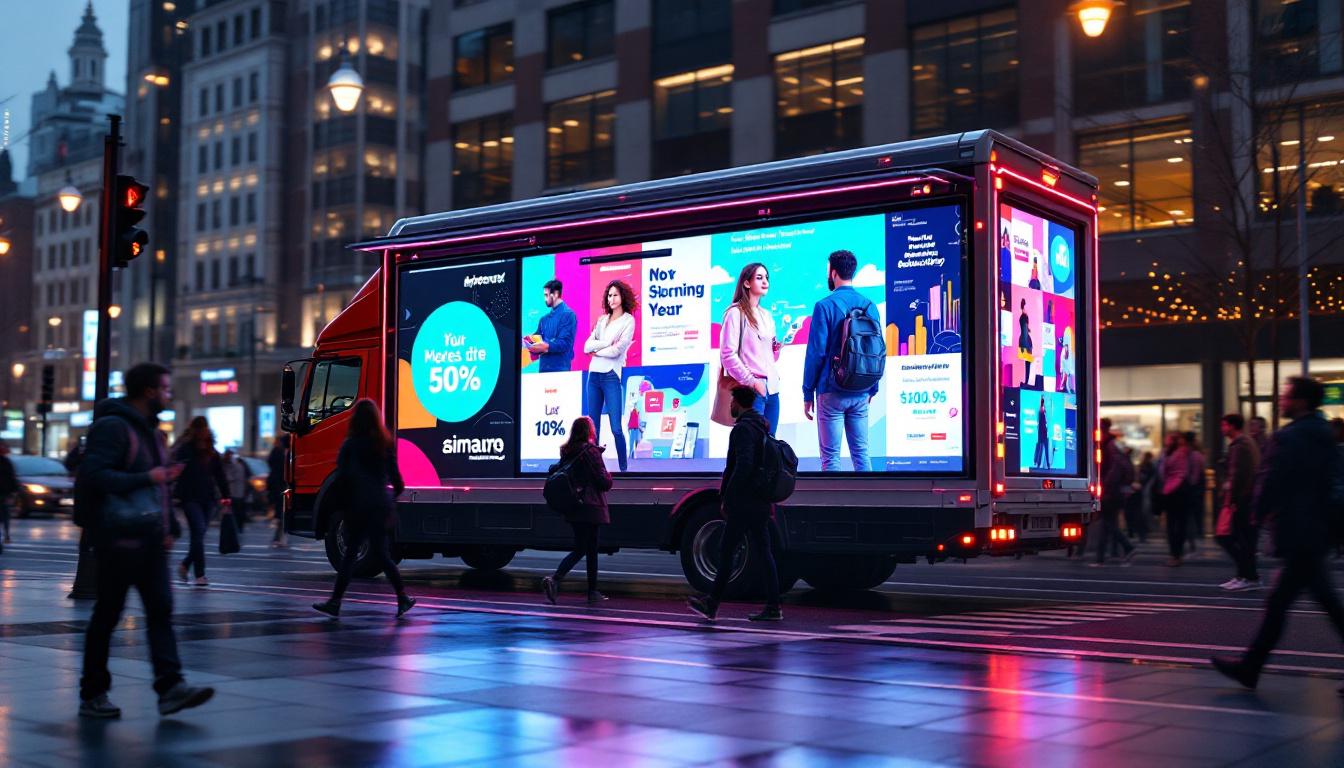
Mobile advertising trucks are vehicles outfitted with large-scale digital screens, most commonly LED (Light Emitting Diode) displays, used to showcase advertisements while moving through targeted locations. Unlike traditional static billboards, these trucks bring advertisements directly to audiences, offering flexibility and enhanced visibility.
These vehicles can range from small vans to large trucks, often customized to maximize screen size and brightness. The mobility factor allows advertisers to target specific events, neighborhoods, or high-traffic areas, creating a dynamic advertising experience that can be adapted in real-time. This adaptability is particularly advantageous for brands looking to capitalize on fleeting opportunities, such as local festivals, sports events, or even spontaneous gatherings, ensuring that their message reaches the right audience at the right moment.
Moreover, the technology behind these trucks has advanced significantly, allowing for high-resolution displays that can showcase vibrant colors and intricate graphics. Many trucks are equipped with GPS tracking, enabling advertisers to analyze foot traffic and optimize routes for maximum exposure. This data-driven approach not only enhances the effectiveness of campaigns but also provides valuable insights into consumer behavior and preferences.
The Rise of Mobile Advertising Trucks
According to a 2023 report by the Outdoor Advertising Association of America (OAAA), mobile digital advertising has seen a year-over-year growth rate of approximately 15%, outpacing many traditional advertising formats. This growth is driven by the increasing demand for personalized, location-based marketing and the ability to deliver high-impact visuals in a cost-effective manner.
Brands ranging from automotive companies to entertainment franchises have embraced mobile advertising trucks to launch new products, promote events, or reinforce brand messaging. The combination of mobility and digital display technology makes this medium uniquely suited to today’s fast-paced consumer environment. Furthermore, the interactive capabilities of some mobile advertising trucks allow for audience engagement through QR codes, social media integration, and even live polling, creating a two-way communication channel that enhances brand connection.
As consumers become more accustomed to digital experiences, the effectiveness of mobile advertising trucks is further amplified by their ability to create memorable moments. For instance, brands can use these trucks to host giveaways or live demonstrations, turning a simple advertisement into an immersive experience. This not only captures attention but also fosters a sense of community and excitement around the brand, making it a powerful tool in the modern marketer’s arsenal.
LED Display Technology Explained
At the heart of mobile advertising trucks lies the LED display—a technology that has revolutionized outdoor advertising with its brightness, clarity, and versatility. Understanding the components and functioning of LED displays is essential to appreciating their effectiveness.
What is an LED Display?
LED displays consist of numerous tiny light-emitting diodes arranged in a grid. Each diode emits light when an electric current passes through it, and by controlling the intensity and color of each diode, the display can render images, videos, and animations with vivid detail.
Modern LED displays used on advertising trucks typically employ full-color RGB (Red, Green, Blue) LEDs, which combine these three colors at varying intensities to produce a wide color spectrum. This capability allows for eye-catching visuals that stand out even in direct sunlight.
Key Features of LED Displays on Mobile Trucks
- Brightness: LED displays can reach brightness levels exceeding 5,000 nits, making them highly visible during daytime, a critical factor for outdoor advertising.
- Resolution: Pixel pitch, the distance between individual LEDs, determines the resolution. Mobile trucks often use pixel pitches between 4mm and 10mm, balancing clarity with screen size and viewing distance.
- Durability: LED panels are designed to withstand various weather conditions, including rain, dust, and temperature fluctuations, ensuring reliable performance on the road.
- Energy Efficiency: LEDs consume less power compared to other lighting technologies, an important consideration for vehicles operating on battery or generator power.
Advantages of Using LED Displays on Mobile Advertising Trucks
The integration of LED displays with mobile advertising trucks offers several distinct advantages that make this medium highly effective for marketers.
Enhanced Visual Impact
LED displays deliver bright, vibrant images that capture attention more effectively than static billboards or printed posters. The ability to display moving images, animations, and video content creates a dynamic advertising experience that engages viewers and increases message retention.
Studies indicate that digital displays can increase brand recall by up to 47% compared to traditional static ads, making LED-equipped trucks a valuable tool for brand awareness campaigns.
Flexibility and Real-Time Content Updates
One of the most significant benefits of LED displays is the ability to update content remotely and instantly. Advertisers can tailor messages based on location, time of day, or audience demographics, ensuring maximum relevance.
For example, a food delivery service might promote breakfast specials in the morning and switch to lunch offers by noon, all without the need to physically change the advertisement. This flexibility allows for more targeted and timely marketing strategies.
Targeted Reach and Mobility
Mobile advertising trucks can be deployed to specific neighborhoods, events, or high-traffic areas, enabling advertisers to reach their desired audience directly. This contrasts with fixed billboards, which rely on passersby in a single location.
During major events such as sports games, festivals, or concerts, mobile trucks can navigate through crowds, amplifying brand visibility when consumer attention is at its peak.
Cost-Effectiveness
While initial investment in LED-equipped mobile trucks may be higher than traditional advertising methods, the long-term benefits often outweigh the costs. The ability to run multiple campaigns on the same vehicle without additional printing or installation expenses reduces overall marketing costs.
Moreover, the enhanced engagement and reach can lead to improved return on investment (ROI), making mobile LED advertising a financially sound choice for many businesses.
Technical Considerations for Mobile LED Advertising
Deploying LED displays on mobile trucks involves several technical factors that influence performance and effectiveness.
Screen Size and Resolution
The size of the LED screen affects visibility and impact. Larger screens can display more detailed content but require more power and may affect vehicle maneuverability. Resolution must be chosen based on typical viewing distances; higher resolution is essential for close-up viewing, while lower resolution suffices for distant audiences.
Power Supply and Management
LED displays require a stable power source. Mobile advertising trucks typically use onboard generators or battery systems, sometimes supplemented by the vehicle’s engine power. Efficient power management ensures consistent brightness and prevents interruptions during campaigns.
Weatherproofing and Durability
Since these trucks operate outdoors, LED panels and electronic components must be weatherproof. IP65 or higher ratings are common, indicating protection against dust and water jets. Robust construction prevents damage from road vibrations and environmental exposure.
Content Management Systems (CMS)
Modern LED advertising trucks use sophisticated CMS platforms that allow advertisers to schedule, update, and monitor content remotely. These systems often include analytics tools to track engagement and optimize campaign performance.
Case Studies: Success Stories in Mobile LED Advertising
Examining real-world examples highlights the practical benefits and creative possibilities of mobile advertising trucks with LED displays.
Automotive Launch Campaign
A leading automotive brand launched a new electric vehicle model using a fleet of mobile advertising trucks equipped with high-resolution LED screens. The trucks toured major cities, displaying immersive videos showcasing the car’s features and benefits.
The campaign resulted in a 30% increase in showroom visits during the launch month and generated significant social media buzz, demonstrating the effectiveness of combining mobility with dynamic digital content.
Music Festival Promotion
Organizers of a large music festival utilized mobile LED trucks to promote event schedules, artist lineups, and ticket sales. Positioned in high-traffic urban areas and near transportation hubs, the trucks delivered real-time updates and interactive content.
This approach not only boosted ticket sales by 25% compared to the previous year but also enhanced attendee engagement and satisfaction by providing timely information.
Future Trends in Mobile LED Advertising
The intersection of mobile advertising trucks and LED technology continues to evolve, driven by advancements in display technology, data analytics, and connectivity.
Integration with Augmented Reality (AR)
Emerging AR technologies are being incorporated into mobile advertising to create immersive experiences. For instance, LED displays might interact with mobile devices, enabling passersby to engage with ads through AR apps, deepening consumer interaction.
5G Connectivity and Real-Time Data
With widespread 5G adoption, mobile advertising trucks can leverage high-speed networks to deliver hyper-localized and context-aware content. Real-time data such as weather, traffic, or social trends can dynamically influence advertising messages, increasing relevance and impact.
Eco-Friendly Innovations
As sustainability becomes a priority, manufacturers are developing energy-efficient LED panels and electric-powered mobile advertising trucks. These innovations reduce carbon footprints and appeal to environmentally conscious consumers.
Conclusion
Mobile advertising trucks equipped with LED displays represent a compelling fusion of technology, creativity, and mobility. Their ability to deliver bright, engaging content directly to targeted audiences offers marketers unparalleled flexibility and impact. As LED technology advances and integrates with emerging digital trends, mobile advertising trucks are poised to become even more influential in the advertising landscape.
For businesses aiming to maximize visibility and engagement in a crowded marketplace, investing in mobile LED advertising trucks offers a dynamic, adaptable, and cost-effective solution that resonates with today’s consumers.
Discover LumenMatrix LED Display Solutions
Ready to elevate your advertising strategy with the power of mobile LED technology? LumenMatrix is at the forefront of LED display innovation, offering a wide array of solutions that bring your brand to life. From captivating Indoor LED Wall Displays to dynamic Vehicle LED Displays, our products are designed to maximize visibility and engagement. Embrace the future of visual communication with LumenMatrix and create unforgettable visual experiences that resonate with your audience. Check out LumenMatrix LED Display Solutions today and transform the way you connect with consumers.