In the rapidly evolving world of advertising, LED display billboards have become a cornerstone for brands aiming to capture attention in high-traffic areas. From Times Square to urban highways, these vibrant, dynamic displays offer unparalleled visibility and creative flexibility. This article explores the technology behind LED billboards, showcases notable examples, and explains why they have become an essential tool in modern marketing strategies.
Understanding LED Billboard Technology
What is an LED Billboard?
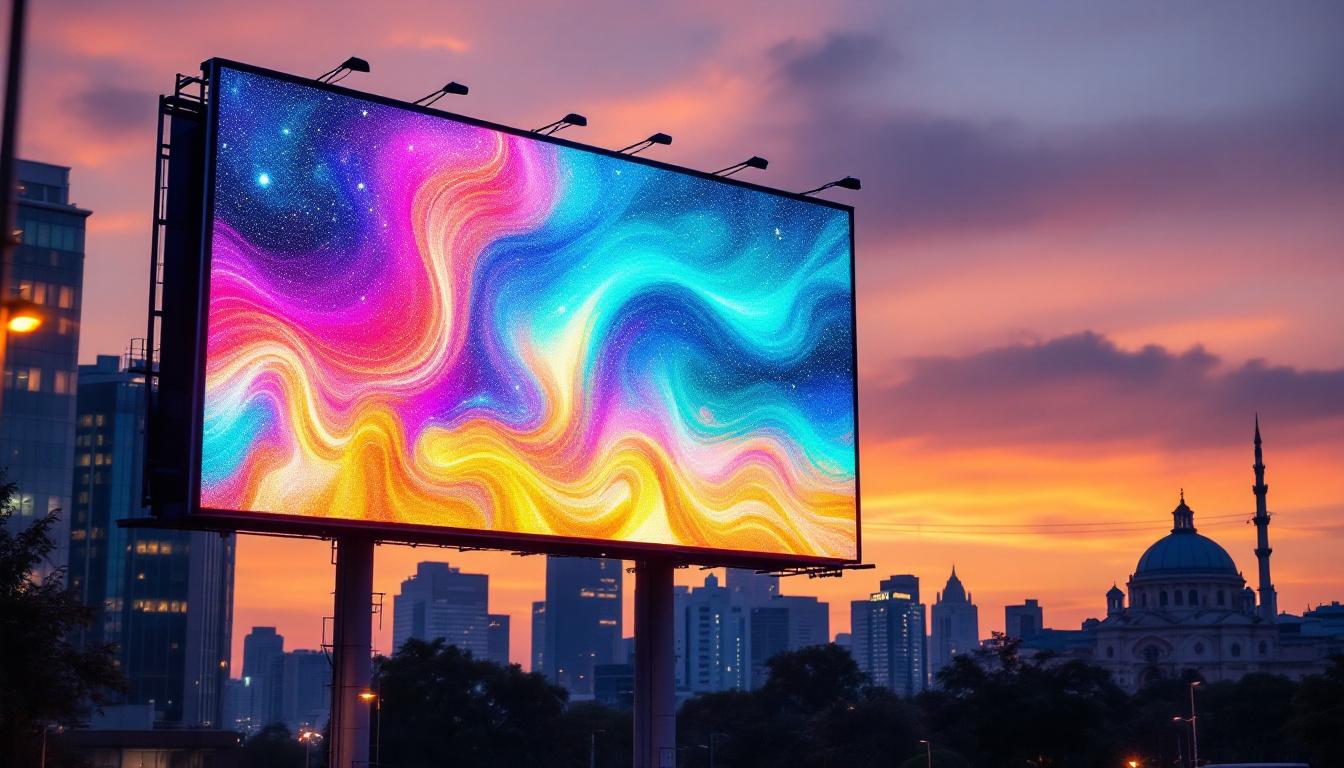
LED (Light Emitting Diode) billboards are large-scale digital displays composed of thousands of tiny LEDs that emit light when an electric current passes through them. Unlike traditional static billboards that rely on printed materials, LED billboards can display dynamic content, including videos, animations, and changing messages. This adaptability allows advertisers to update their campaigns in real-time, tailoring messages to different audiences or times of day.
How Do LED Displays Work?
Each LED pixel on the billboard is made up of red, green, and blue diodes. By adjusting the intensity of these three colors, the display can produce a full spectrum of colors visible to the human eye. These pixels are arranged in grids, and the resolution depends on the pixel pitch—the distance between individual pixels. A smaller pixel pitch means higher resolution and clearer images, especially important for billboards viewed from closer distances.
Modern LED billboards often incorporate advanced control systems connected via the internet, enabling remote content management. This technology allows advertisers to schedule different ads throughout the day or respond instantly to events, weather conditions, or promotions.
Advantages Over Traditional Billboards
LED billboards offer several benefits compared to their static counterparts. Firstly, their brightness ensures visibility in various lighting conditions, including direct sunlight and nighttime. Secondly, their dynamic nature enables multiple advertisements to be displayed on the same screen, maximizing revenue for billboard owners and offering advertisers more flexibility. Lastly, LED displays reduce the need for physical materials, making them a more sustainable option in the long run.
Notable Examples of LED Billboards Around the World
Times Square, New York City
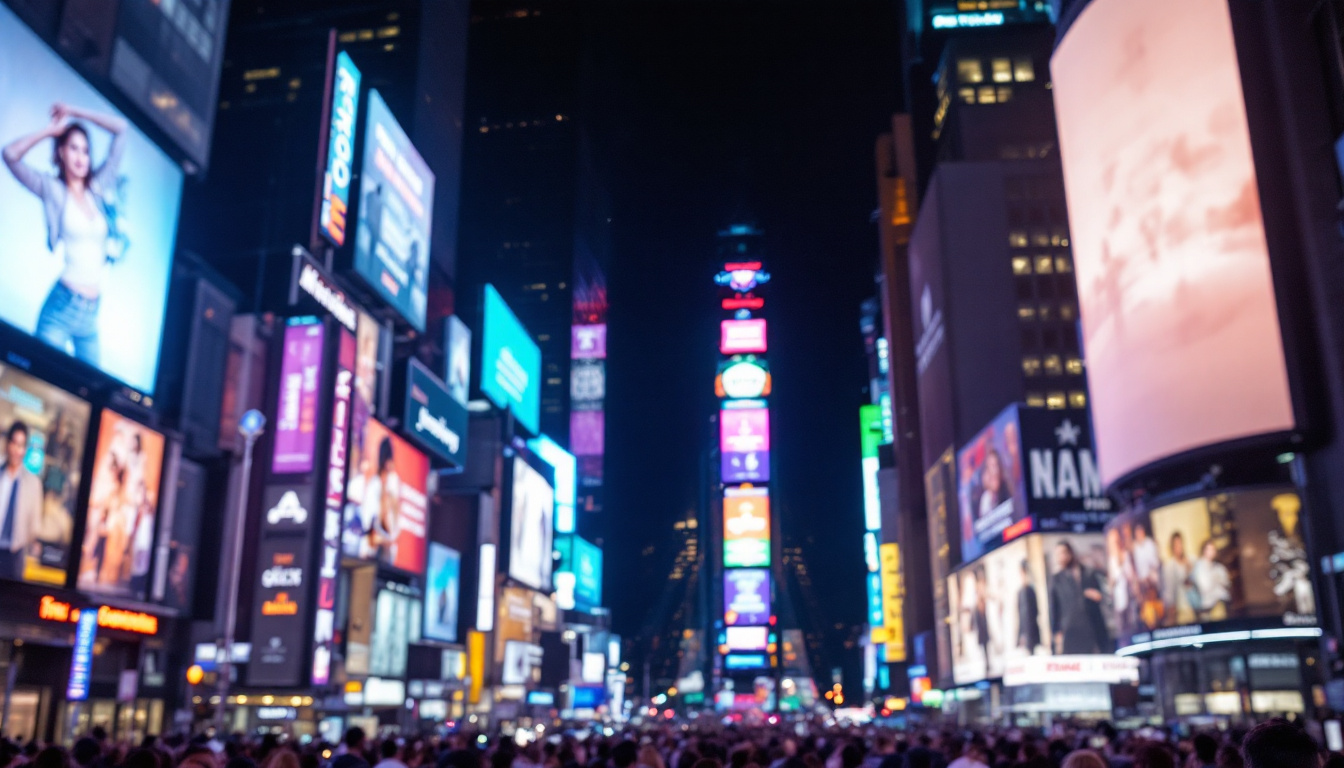
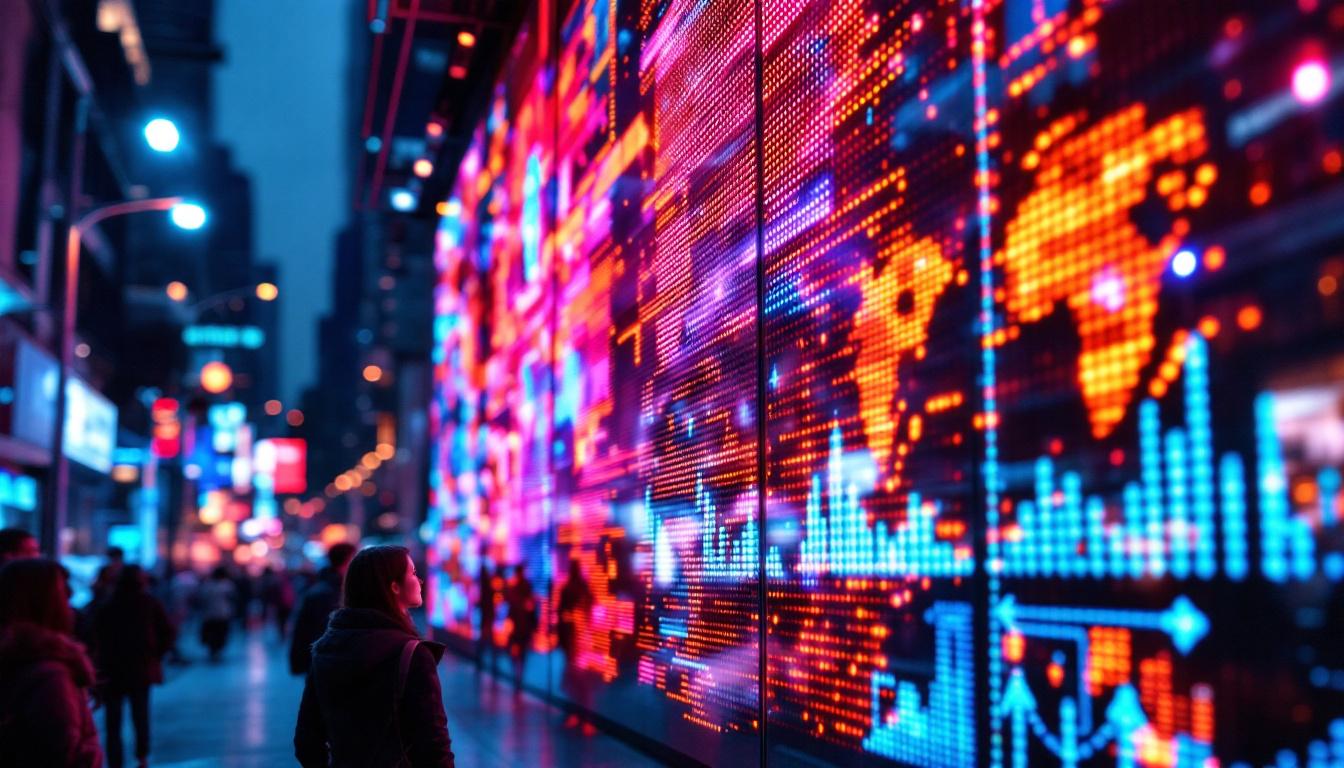
Perhaps the most iconic example of LED billboard use is Times Square in New York City. This bustling commercial intersection is famous for its massive digital displays that light up the area 24/7. Brands like Coca-Cola, Samsung, and Disney have leveraged these billboards to create immersive advertising experiences that combine video, animation, and interactive elements.
One standout example is the Coca-Cola billboard, which integrates real-time social media feeds and interactive features that engage passersby. The high resolution and sheer scale of these displays make them a benchmark for LED billboard technology, attracting millions of viewers daily.
Piccadilly Circus, London
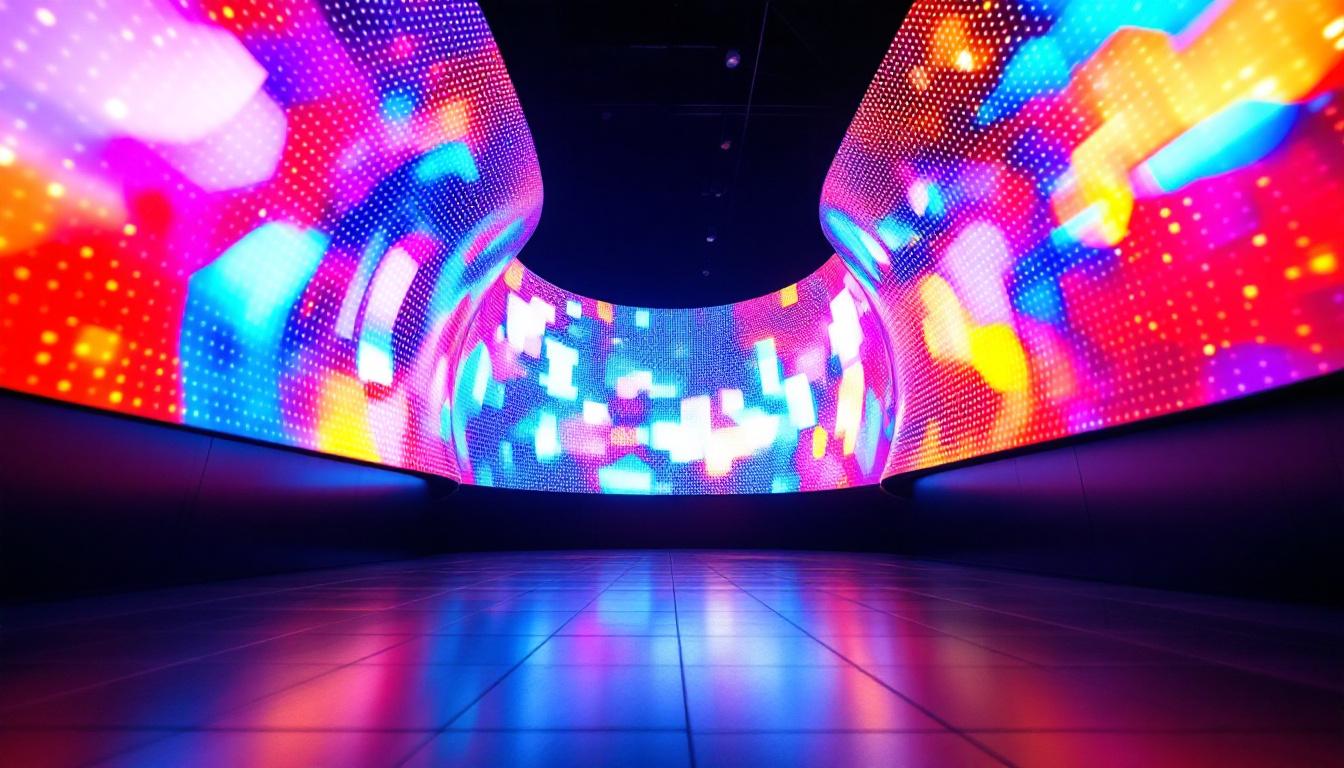
Another renowned location is Piccadilly Circus in London, home to a large curved LED billboard that has been a symbol of the city’s vibrant advertising scene since the early 20th century. The current digital display, installed in 2017, boasts a resolution of 4,608 x 16,384 pixels, making it one of the highest-resolution LED billboards globally.
This display has been used by brands such as McDonald’s, Samsung, and Nike to showcase visually stunning campaigns that take advantage of the billboard’s wraparound design. The ability to display high-definition video content on such a large scale creates a captivating experience for both locals and tourists.
Shibuya Crossing, Tokyo
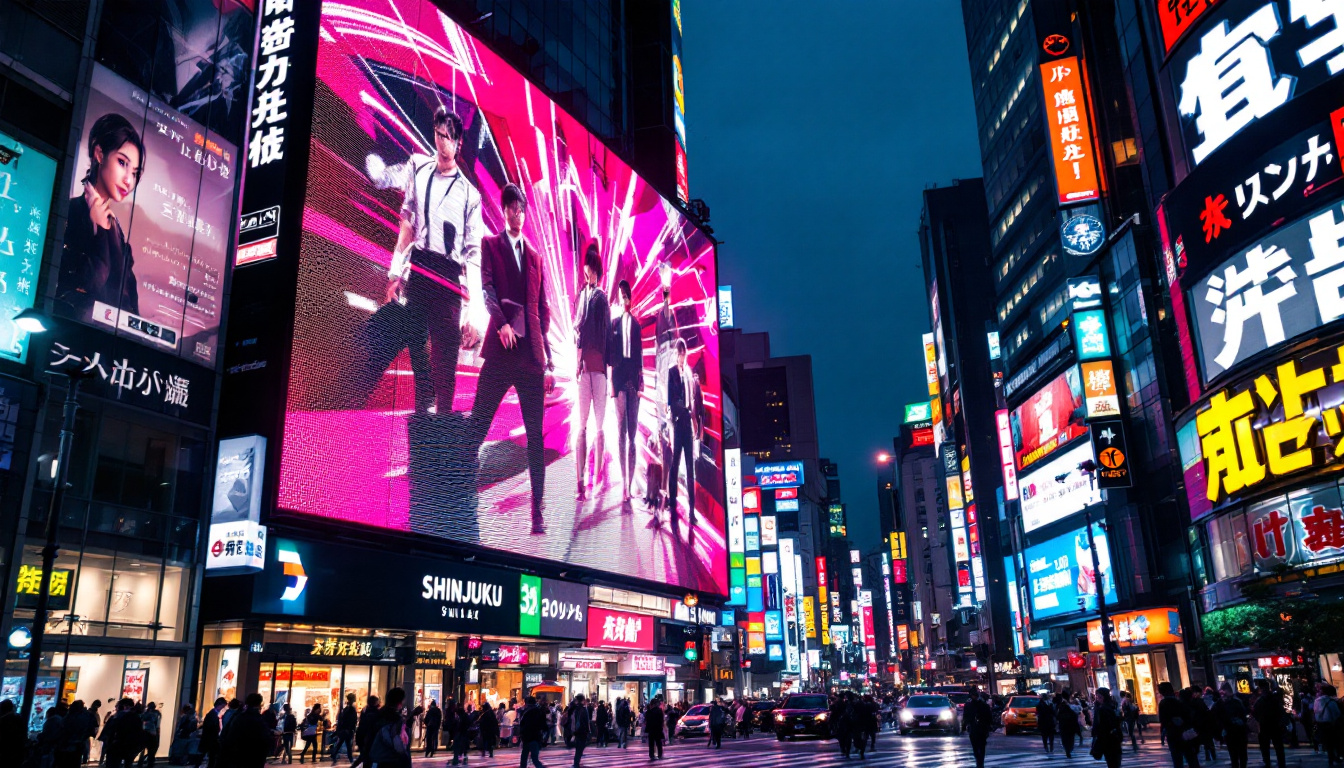
Tokyo’s Shibuya Crossing is famous for its pedestrian scramble and neon-lit advertisements. The area features multiple LED billboards that combine to create a dazzling urban canvas. The screens here often display synchronized content, including advertisements, public service announcements, and cultural promotions.
One innovative campaign involved a collaboration between a technology company and a fashion brand, where the LED billboards displayed real-time fashion show footage, blending live events with outdoor advertising. This integration of live content highlights the versatility of LED displays in creating immersive brand experiences.
Applications and Impact of LED Billboards in Advertising
Targeted Advertising and Real-Time Updates
One of the most significant advantages of LED billboards is their ability to deliver targeted advertising. Using data analytics and location-based technology, advertisers can tailor content to specific demographics or times of day. For example, a coffee brand might display morning promotions during rush hour and switch to snack ads in the afternoon.
This flexibility not only increases the relevance of the advertisements but also enhances engagement rates. According to a 2023 study by the Outdoor Advertising Association of America (OAAA), LED billboards with dynamic content saw a 30% higher recall rate compared to static billboards.
Environmental and Economic Benefits
While LED billboards require electricity to operate, they are more energy-efficient than many other forms of digital advertising. Advances in LED technology have reduced power consumption significantly, making these billboards a more sustainable choice. Additionally, the elimination of printing and installation costs associated with traditional billboards results in lower overall expenses and waste.
From an economic perspective, LED billboards provide greater revenue opportunities for advertisers and billboard operators. The ability to rotate multiple ads on a single screen increases inventory and allows for premium pricing on prime time slots. This dynamic pricing model benefits both advertisers and media owners.
Enhancing Urban Aesthetics and Public Engagement
Beyond commercial use, LED billboards contribute to urban aesthetics and community engagement. Many cities have embraced these displays for public art installations, event announcements, and emergency alerts. For instance, during the 2020 Tokyo Olympics, LED billboards were used extensively to share event schedules, athlete highlights, and cultural messages, enhancing the visitor experience.
Moreover, interactive LED billboards with touch or motion sensors invite public participation, transforming passive viewers into active participants. This interactivity fosters a deeper connection between brands and audiences, making advertising more memorable and impactful.
Challenges and Considerations in LED Billboard Deployment
Technical and Maintenance Issues
Despite their advantages, LED billboards require careful planning and maintenance. Exposure to weather elements can affect the lifespan of LEDs, and technical malfunctions may disrupt advertising campaigns. Regular maintenance, including cleaning, software updates, and hardware checks, is essential to ensure optimal performance.
Additionally, the initial installation of LED billboards involves significant investment in infrastructure, including power supply and mounting structures. Selecting the right location with appropriate sightlines and minimal obstructions is critical for maximizing effectiveness.
Regulatory and Ethical Concerns
Many municipalities regulate LED billboard brightness and content to prevent light pollution and distractions to drivers. For example, some cities impose curfews requiring billboards to dim or turn off during late-night hours. Advertisers must also consider ethical guidelines to avoid misleading or offensive content.
Balancing commercial interests with community standards is an ongoing challenge. Collaboration between advertisers, city planners, and local residents helps ensure that LED billboards contribute positively to the urban environment without causing nuisance.
Adapting to Changing Consumer Behaviors
As digital media consumption shifts towards mobile and personalized experiences, outdoor advertising must evolve. LED billboards increasingly integrate with mobile marketing campaigns, QR codes, and augmented reality to bridge the gap between physical and digital engagement.
Advertisers are exploring ways to make LED billboard content more interactive and contextually relevant, leveraging artificial intelligence and data analytics. Staying ahead of these trends is crucial for maintaining the effectiveness of LED billboard advertising in a competitive landscape.
The Future of LED Billboards
Technological Innovations on the Horizon
Emerging technologies promise to enhance LED billboard capabilities further. MicroLED technology, which offers higher brightness and energy efficiency, is poised to revolutionize outdoor displays. Additionally, flexible and transparent LED panels enable new forms of advertising, such as wrapping entire buildings or integrating displays into glass surfaces.
Advances in AI-driven content management systems will allow for hyper-personalized advertising, adjusting messages based on real-time environmental data, audience behavior, and even emotional responses. These innovations will make LED billboards more engaging and effective than ever before.
Integration with Smart Cities and IoT
As cities become smarter, LED billboards will play a role in the Internet of Things (IoT) ecosystem. Connected displays can interact with other urban infrastructure, such as traffic signals, public transportation, and environmental sensors, to provide timely information and enhance public safety.
For example, during emergencies, LED billboards can display evacuation routes or hazard warnings instantly. This integration not only improves the utility of billboards but also strengthens their role as community assets beyond advertising.
Sustainability and Social Responsibility
Future developments in LED billboard technology will likely emphasize sustainability and social impact. Innovations in renewable energy integration, such as solar-powered billboards, aim to reduce environmental footprints. Moreover, brands are increasingly using LED billboards to promote social causes, diversity, and inclusion, reflecting broader societal values.
By aligning advertising with ethical and environmental considerations, LED billboard campaigns can resonate more deeply with conscious consumers and contribute positively to brand reputation.
Conclusion
LED billboards represent a powerful evolution in outdoor advertising, combining technological sophistication with creative potential. Their ability to deliver dynamic, targeted, and visually striking content makes them indispensable in today’s marketing landscape. From the dazzling lights of Times Square to the bustling streets of Tokyo, LED displays captivate audiences and drive brand engagement like never before.
As technology advances and urban environments become increasingly connected, LED billboards will continue to innovate, offering new opportunities for advertisers and communities alike. Understanding their capabilities, challenges, and future trends is essential for anyone involved in advertising, urban planning, or digital media.
Whether used for commercial promotion, public information, or artistic expression, LED billboards are shaping the future of how messages are communicated in the public sphere—bright, bold, and impossible to ignore.
Illuminate Your Message with LumenMatrix
As you’ve seen, LED billboards are transforming the advertising landscape with their dynamic and engaging displays. If you’re ready to elevate your brand’s visibility and create unforgettable visual experiences, look no further than LumenMatrix. Specializing in a wide array of LED display solutions—from Indoor and Outdoor LED Walls to innovative Transparent Displays—LumenMatrix is at the forefront of digital signage technology. Embrace the future of visual communication and check out LumenMatrix LED Display Solutions today to see how we can help your business shine.