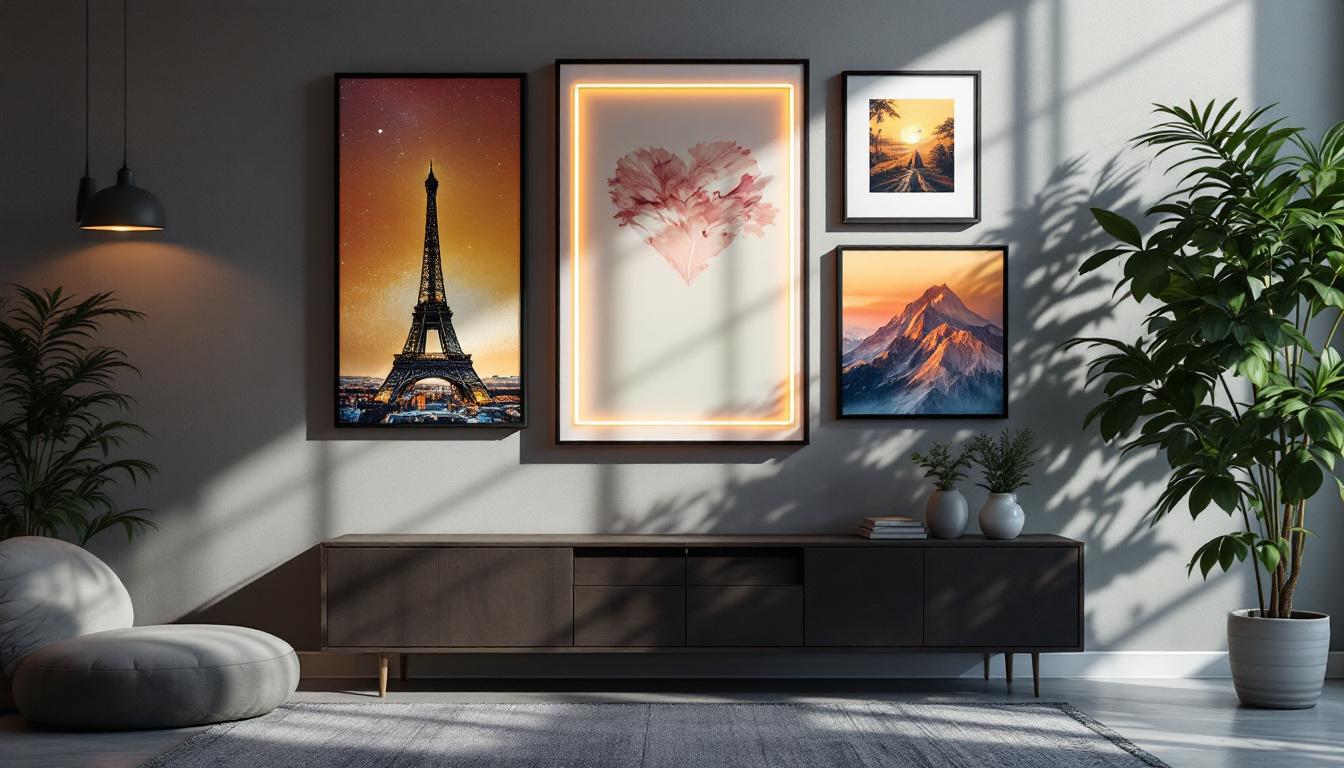
In the evolving world of interior design and digital art, multi frame wall art featuring LED displays has emerged as a captivating trend. Combining technology with aesthetics, these installations offer dynamic, customizable visual experiences that transform any space. This article explores the fascinating realm of multi frame LED wall art, breaking down its technology, design possibilities, and practical applications to help you understand why it’s becoming a staple in modern décor.
Understanding Multi Frame LED Wall Art
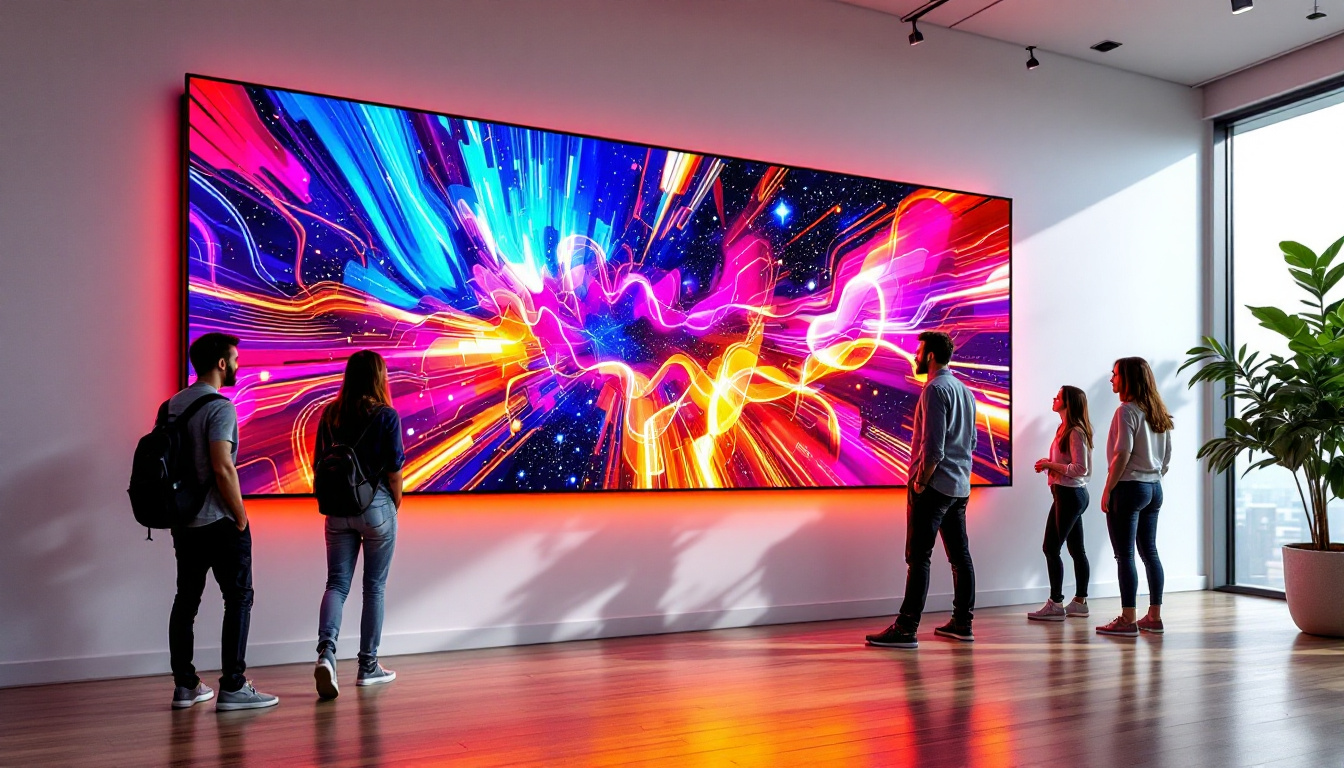
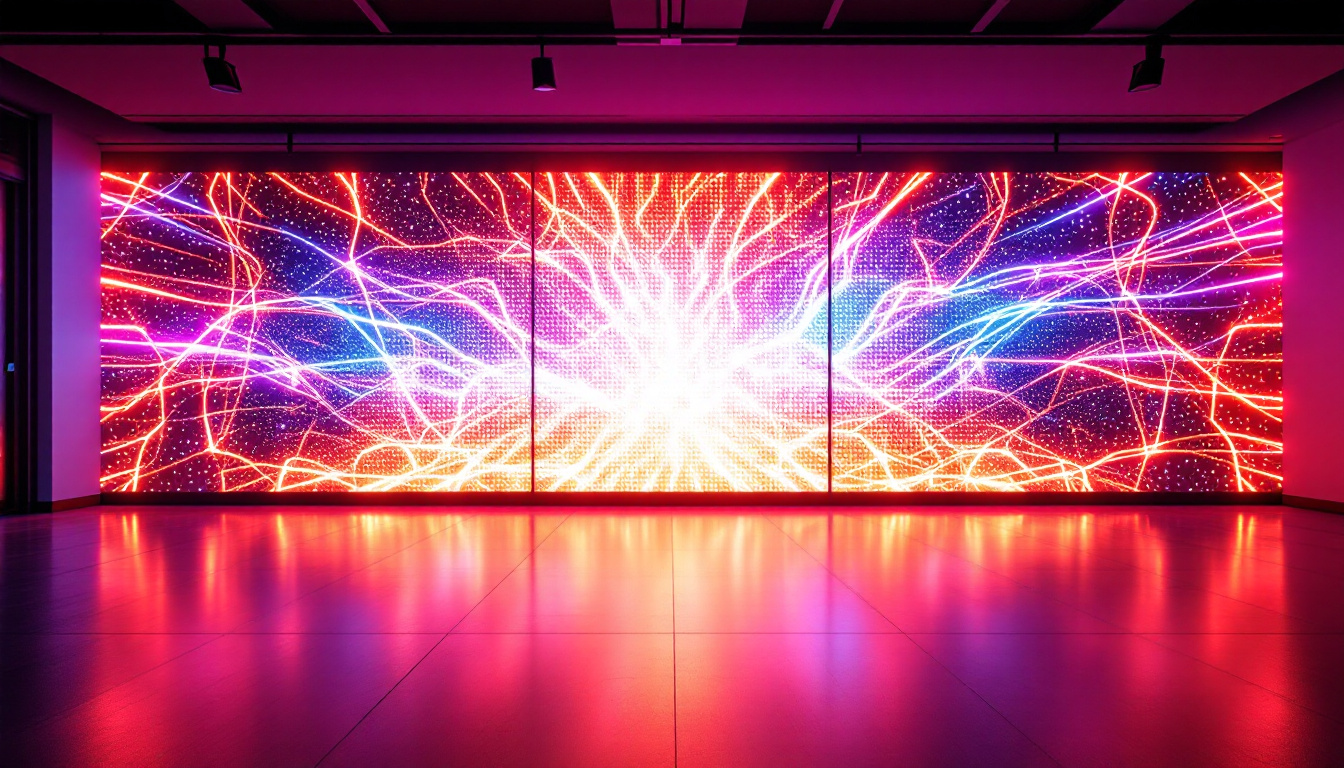
Multi frame LED wall art refers to a collection of individual panels or frames, each embedded with LED technology, arranged together to create a larger, cohesive image or a series of images. Unlike traditional static wall art, these displays can change content, brightness, and color, offering an interactive and versatile approach to decorating walls. This adaptability makes them an excellent choice for various settings, from residential spaces to commercial environments, where the ability to alter the ambiance is paramount.
LED, or Light Emitting Diode, is a semiconductor light source that emits light when current flows through it. In wall art, LEDs are used because of their energy efficiency, brightness, and ability to produce vivid colors. When integrated into multiple frames, LEDs enable the creation of dynamic visuals that can be programmed or controlled remotely. This feature not only enhances the aesthetic appeal but also allows for personalization, as users can easily switch themes or images to suit their mood or occasion, making it a popular choice for events and celebrations.
The Technology Behind LED Displays in Wall Art
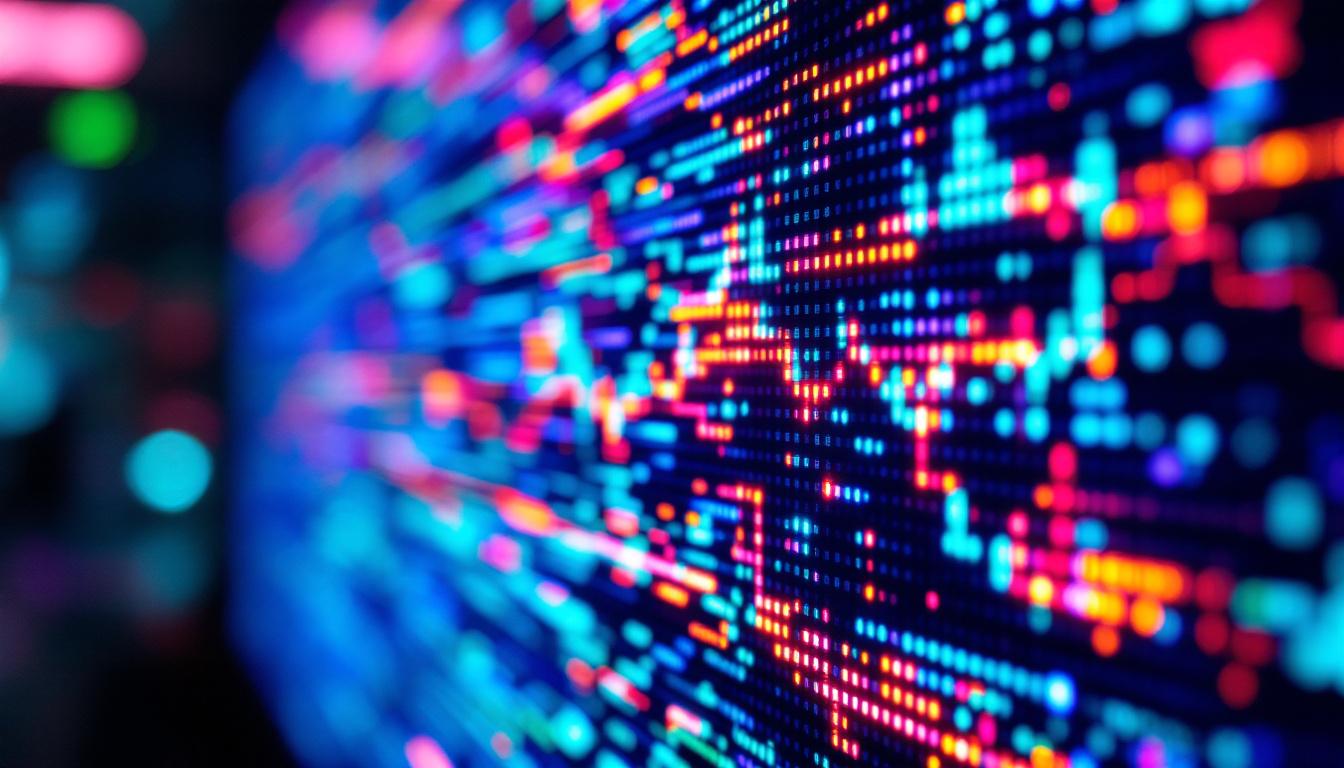
At the core of multi frame LED wall art is a network of LED panels connected to a central control system. Each panel contains numerous tiny LEDs arranged in a grid, capable of displaying images or videos. The resolution depends on the density of LEDs per square inch, with higher densities producing sharper images. This technology allows for a stunning visual experience, where intricate details and vibrant colors come to life, captivating viewers and transforming ordinary spaces into extraordinary displays.
Modern LED wall art often uses addressable LEDs, meaning each LED can be individually controlled to display different colors and intensities. This capability allows for intricate designs and animations across the entire multi frame setup. Control systems range from simple remote controls to sophisticated software that can sync with music, respond to environmental factors, or connect to smart home systems. Additionally, many systems now offer mobile app integration, enabling users to control their art from their smartphones, making it easier than ever to customize their space. This level of interactivity not only enhances the visual impact but also engages viewers, inviting them to become a part of the art experience itself.
Design Possibilities and Customization
One of the most appealing aspects of multi frame LED wall art is its versatility in design. Artists and designers can create bespoke installations tailored to specific spaces, moods, or themes. The ability to customize not only the visuals but also the dimensions and layout allows for a unique expression that resonates with the intended audience. This adaptability makes multi frame LED wall art an ideal choice for both personal and commercial spaces, where individual tastes and branding can be seamlessly integrated into the artwork.
Modular Layouts and Configurations
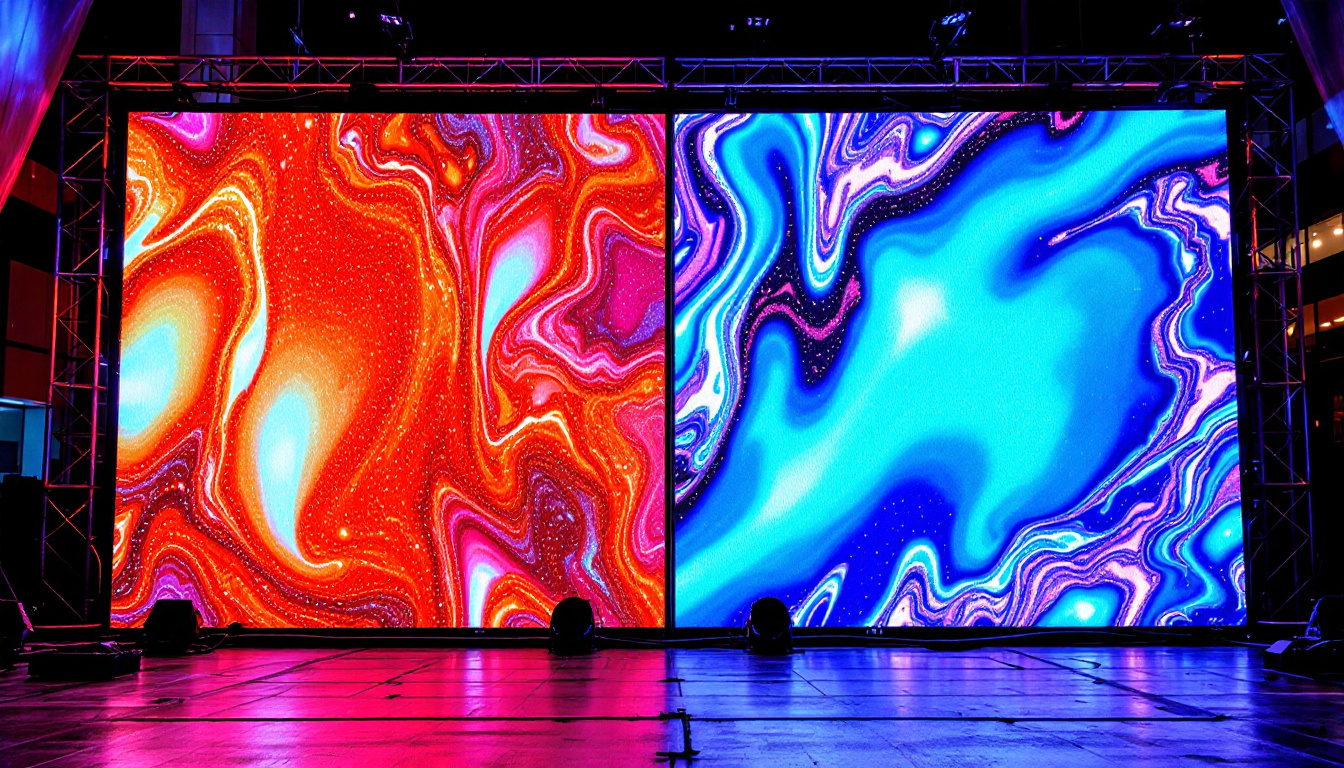
The modular nature of multi frame setups means they can be arranged in various patterns — grids, staggered layouts, or even abstract shapes. This flexibility allows for creative freedom in how the art interacts with the room’s architecture and lighting. Moreover, the frames can be easily rearranged or replaced, enabling users to refresh their space without the need for extensive renovations.
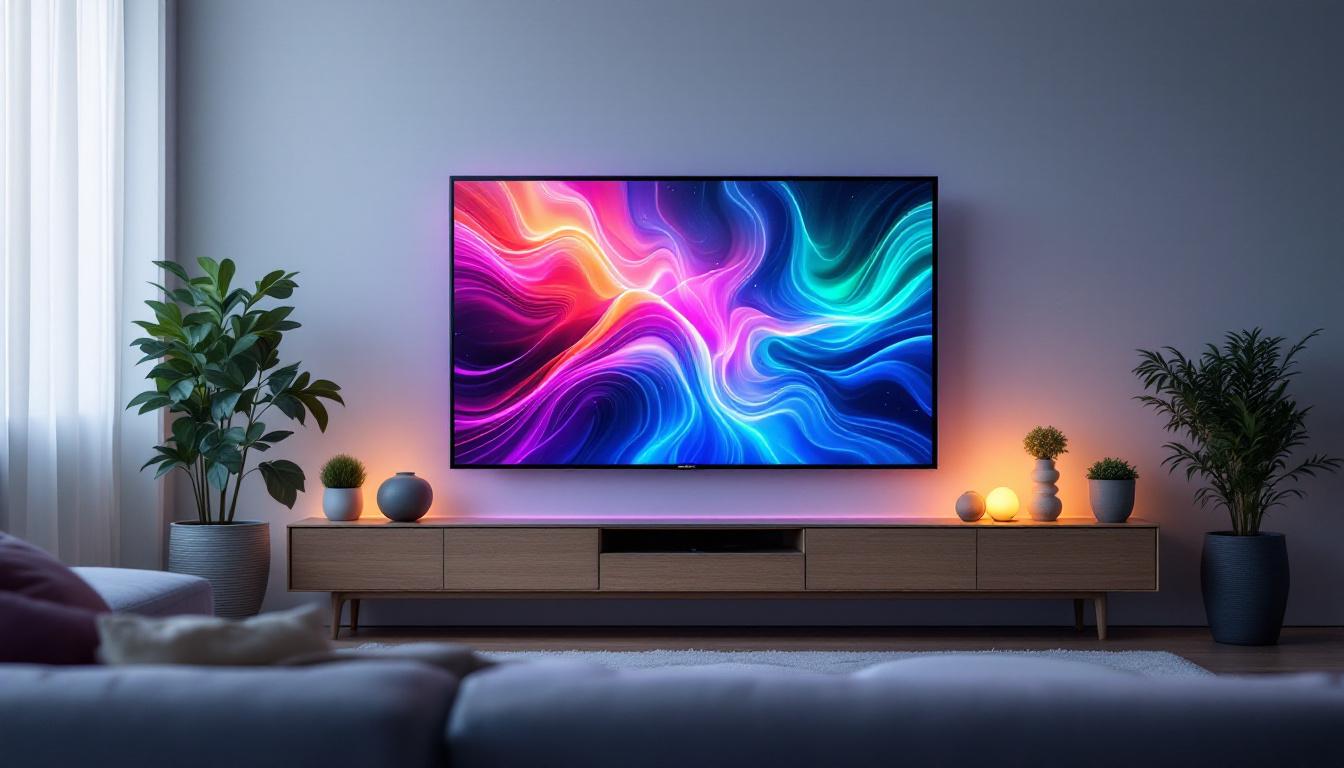
For example, a living room might feature a symmetrical grid of LED frames displaying a calming nature scene during the day and transitioning to abstract patterns in the evening. In contrast, a commercial space like a hotel lobby could use an irregular arrangement to create a striking focal point that draws visitors’ attention. This adaptability not only enhances aesthetic appeal but also allows for seasonal updates, keeping the environment fresh and engaging throughout the year.
Dynamic Content and Interactivity
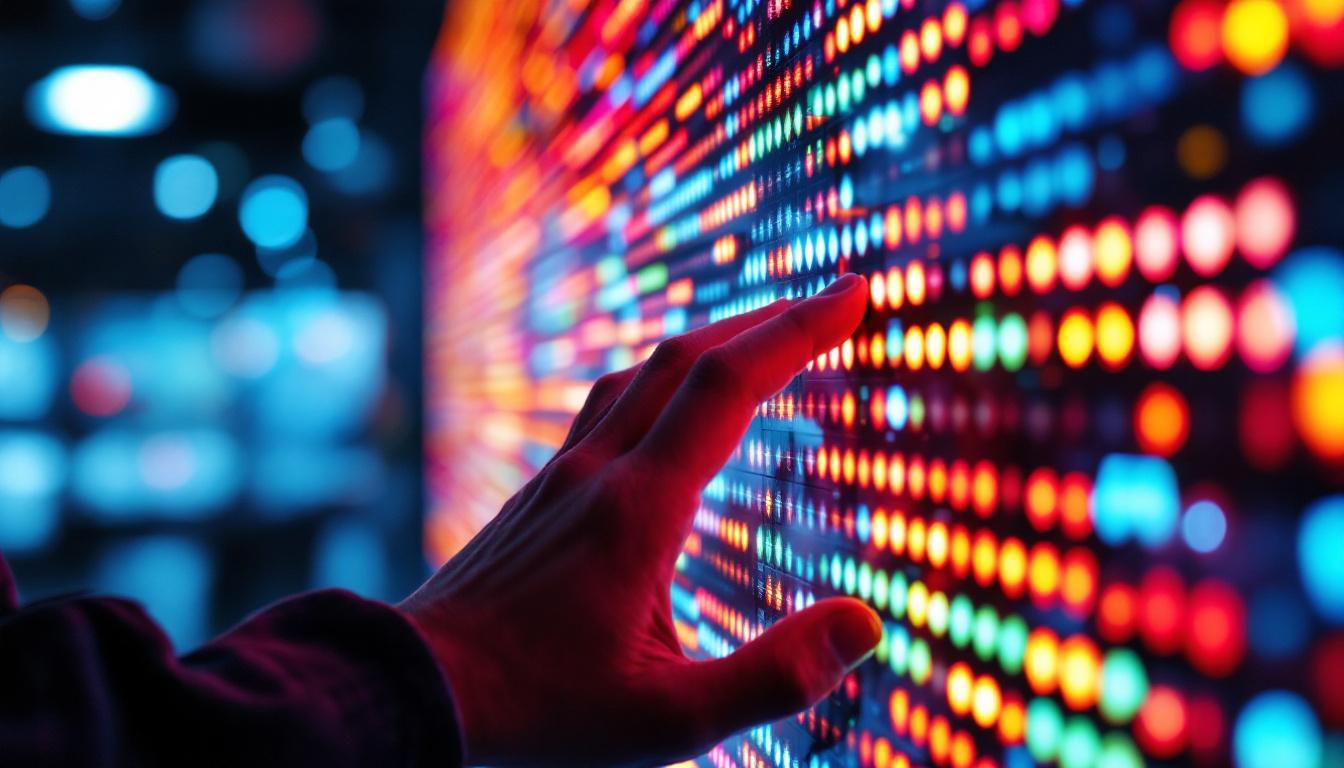
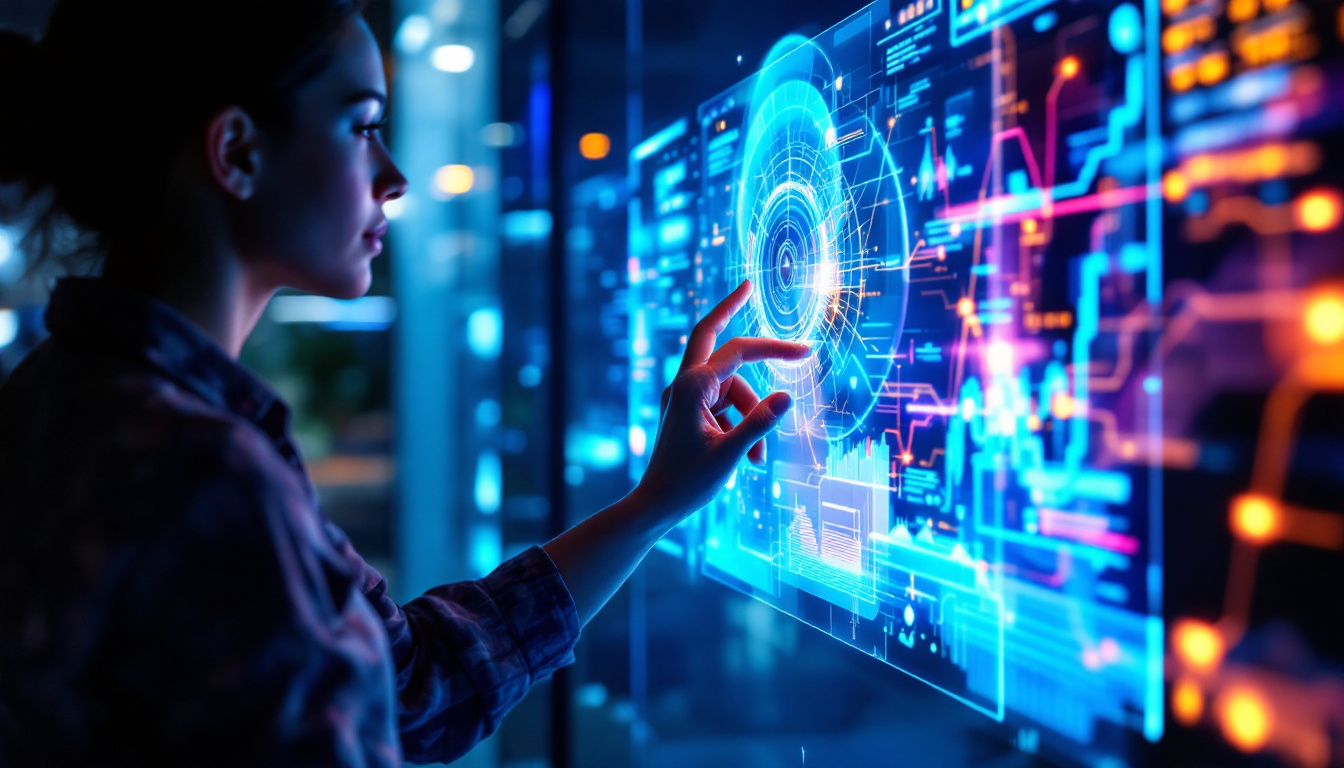
Unlike traditional art, LED displays can host dynamic content. This means the artwork can change over time, showcasing slideshows, animations, or even live data visualizations. Some installations incorporate sensors that adjust the display based on ambient light, sound, or motion, creating an immersive experience. This level of interactivity can transform a static viewing experience into an engaging journey, inviting viewers to interact with the art in unexpected ways.
For instance, a multi frame LED wall art piece in a music venue might pulse in sync with the beat, while in a corporate setting, it could display real-time social media feeds or company metrics. Such interactivity enhances engagement and makes the artwork a living part of the environment. Additionally, the potential for user-generated content opens up exciting avenues for collaboration, allowing patrons to contribute their own images or videos to the display, fostering a sense of community and connection.
Color and Brightness Control
LED technology offers unparalleled control over color and brightness. Users can customize the color palette to match interior themes or moods, and adjust brightness to suit different times of day or lighting conditions. This adaptability ensures the artwork remains visually appealing without overwhelming the space. Furthermore, the ability to create dynamic lighting effects can enhance the overall ambiance, making the art not just a visual centerpiece but also a contributor to the room’s atmosphere.
For instance, a serene blue hue might be perfect for a spa environment, promoting relaxation, while vibrant reds and oranges could invigorate a creative workspace. The precise control over these elements allows for a tailored experience that can evolve throughout the day, reflecting the changing moods and activities within the space. This thoughtful integration of color and light can significantly impact how individuals perceive and interact with their surroundings, making multi frame LED wall art a powerful tool for enhancing both personal and communal experiences.
Practical Applications of Multi Frame LED Wall Art
The versatility of multi frame LED wall art lends itself to a wide range of applications across residential, commercial, and public spaces.
Residential Spaces
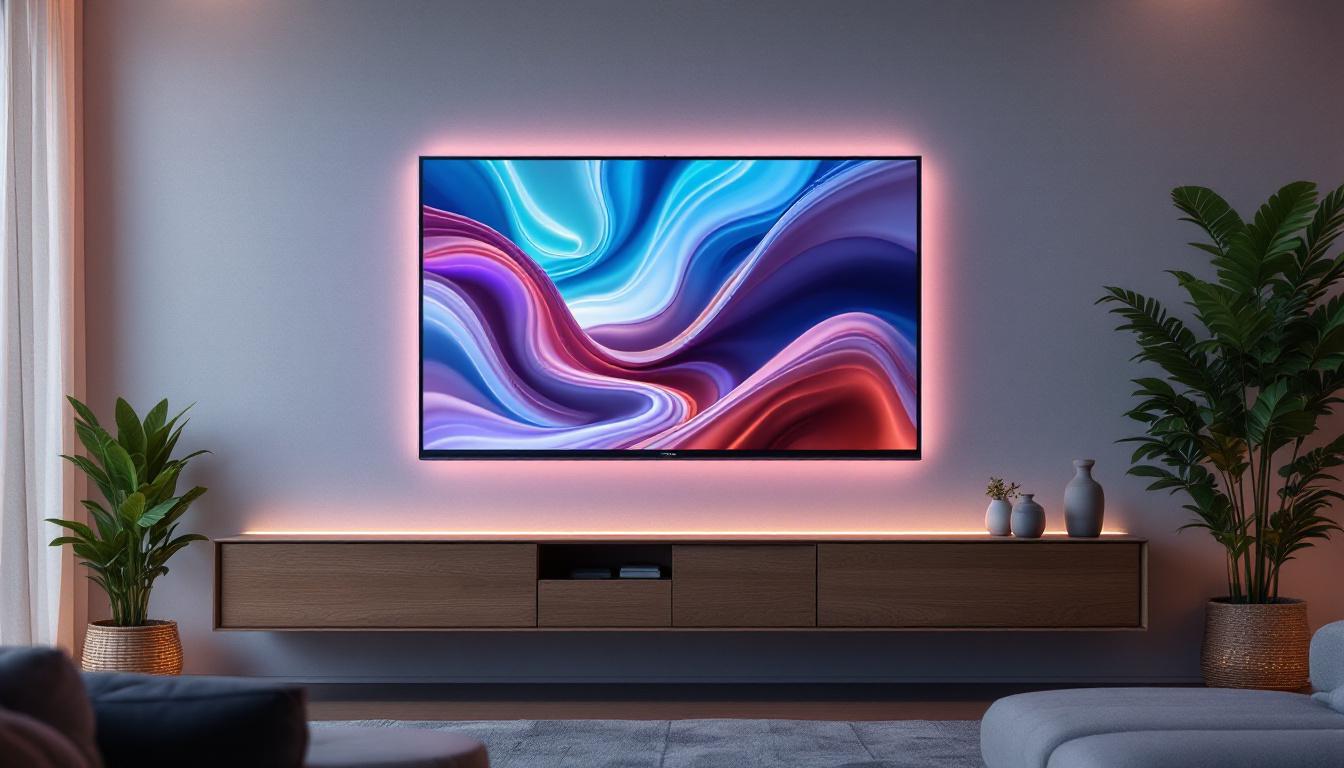
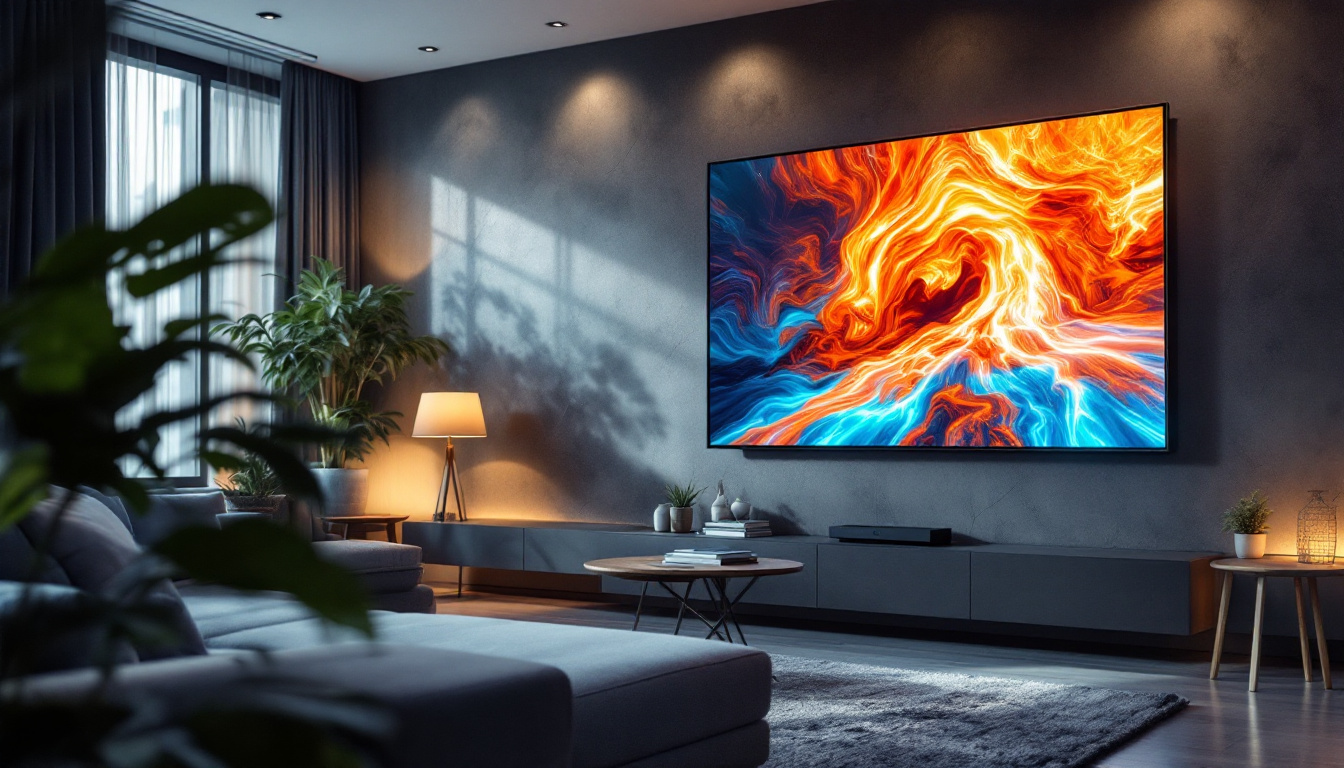
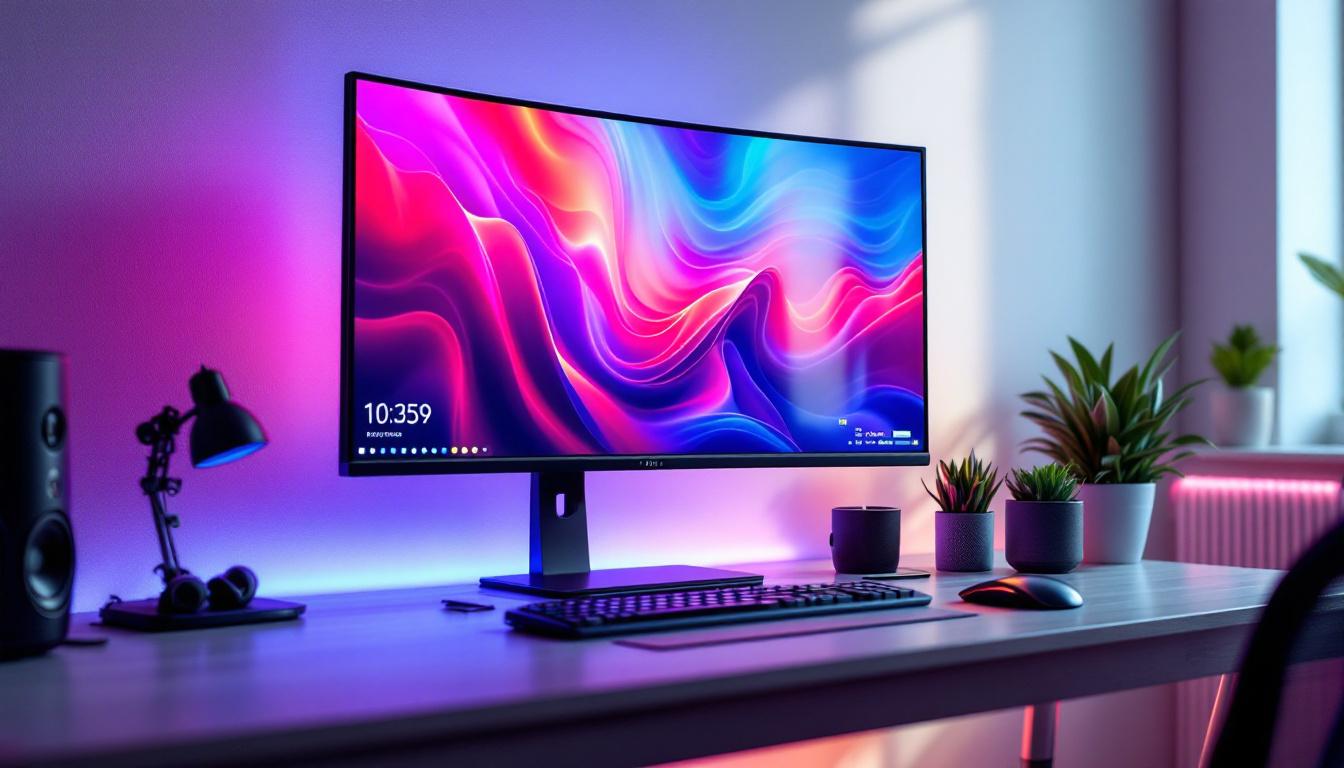
In homes, these installations serve as statement pieces that blend technology with personal expression. Homeowners can display family photos, digital paintings, or ambient visuals that change with their lifestyle. The ability to update content without replacing physical artwork is a significant advantage, offering long-term value and freshness.
Moreover, LED wall art can be integrated with smart home systems, allowing voice or app control for seamless user experience. This integration supports modern living trends where convenience and customization are highly valued.
Commercial and Retail Environments
Businesses leverage multi frame LED wall art to enhance branding and customer engagement. Retail stores use these displays to highlight products, promotions, or seasonal themes dynamically. Restaurants and bars create ambiance by showcasing mood lighting or thematic visuals that complement their cuisine and atmosphere.
Corporate offices employ LED wall art in lobbies and meeting rooms to convey company values, display achievements, or provide real-time information. The dynamic nature of these displays helps maintain a fresh and professional environment that impresses clients and motivates employees.
Public and Cultural Spaces
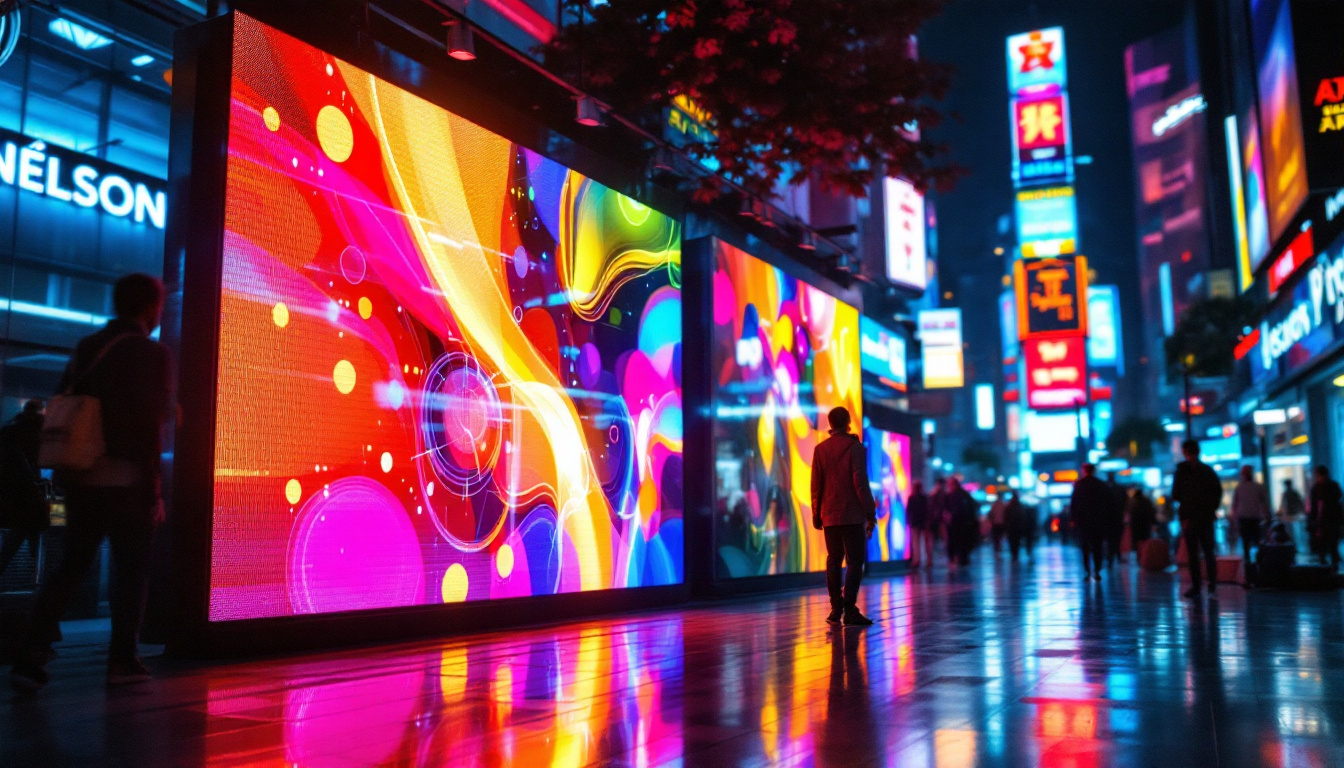
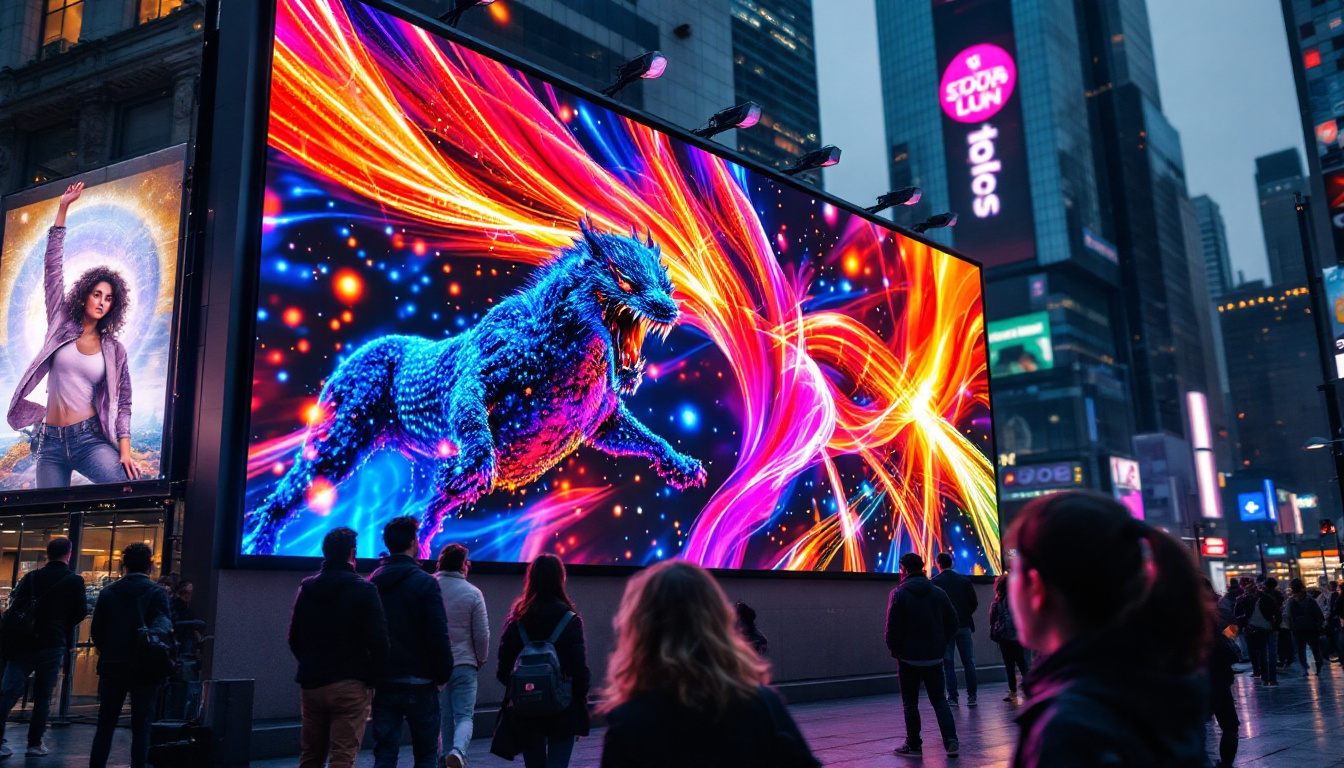
Museums, galleries, and public installations benefit from the adaptability of multi frame LED wall art to present interactive exhibits and digital storytelling. These displays can be programmed to educate, entertain, and engage diverse audiences, often incorporating multimedia elements that traditional art cannot offer.
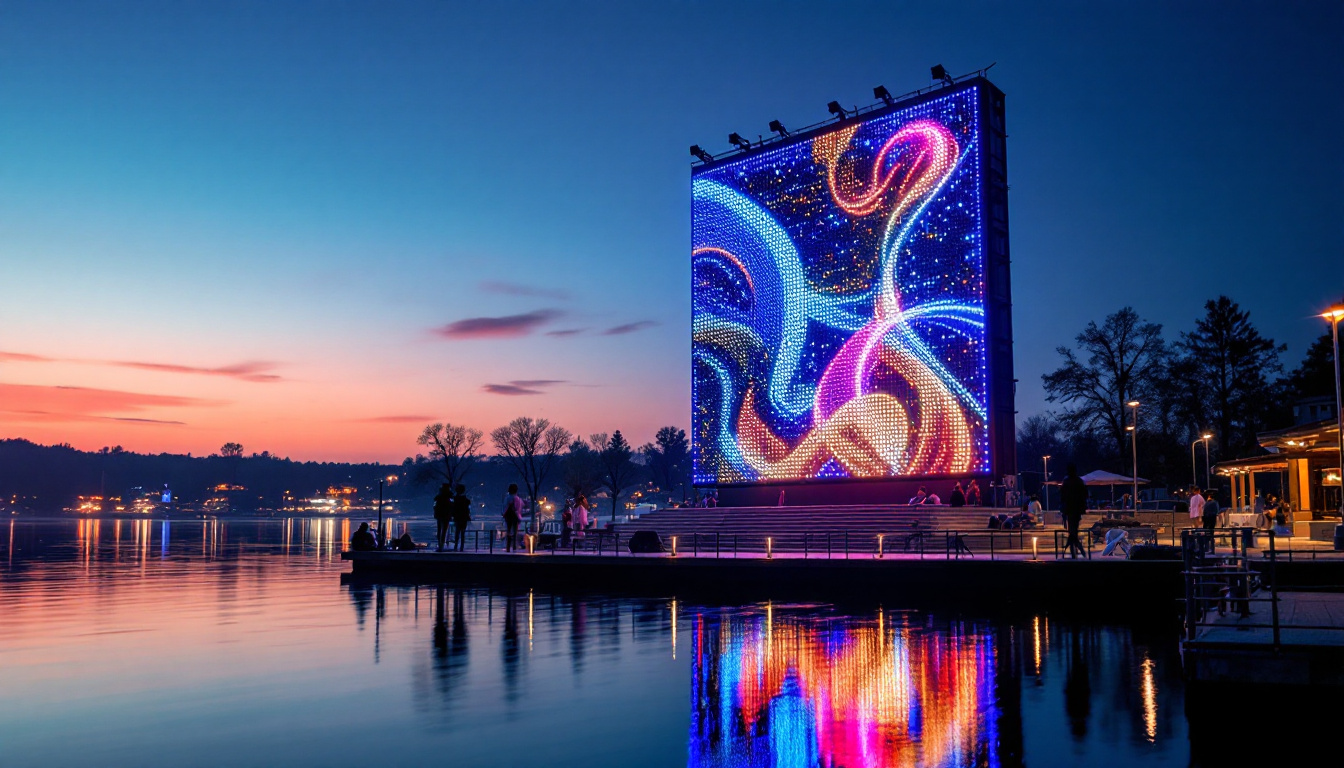
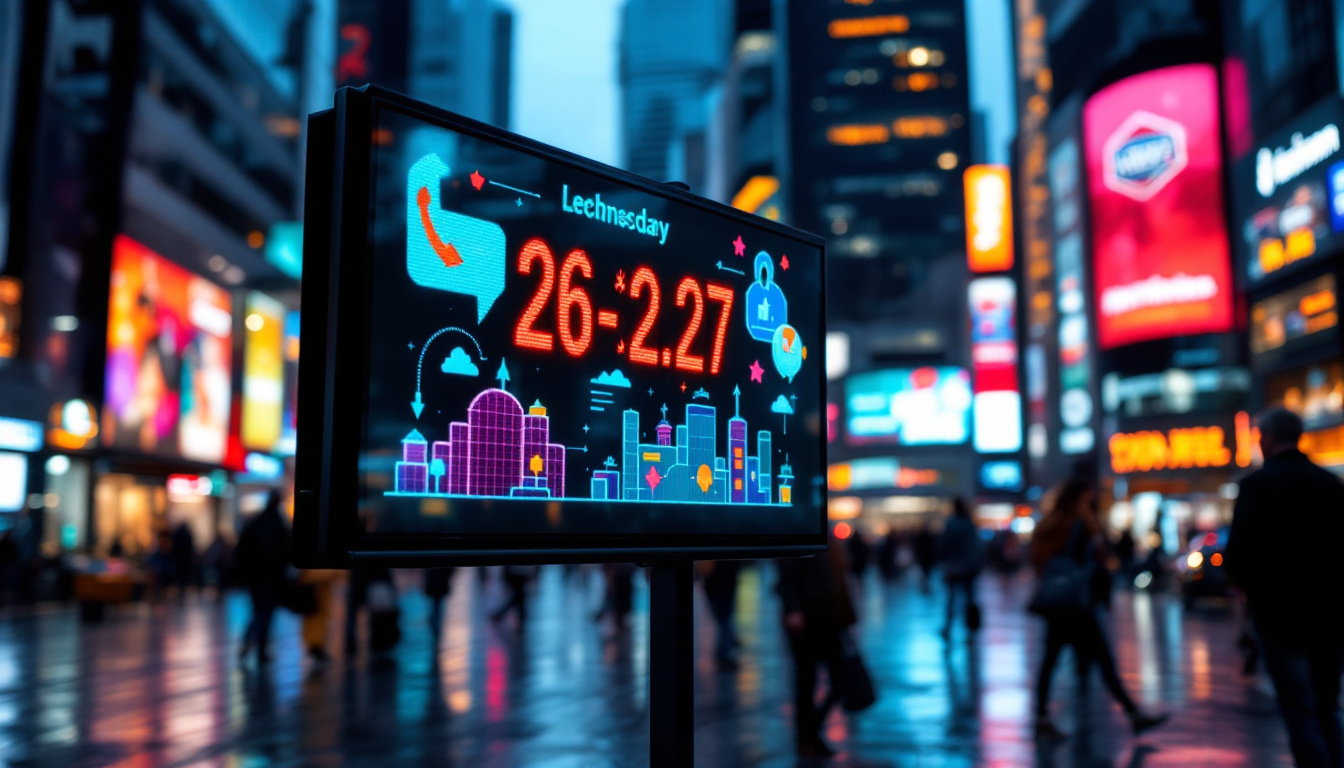
Urban planners also use LED wall art in public spaces to enhance cityscapes, create landmarks, or facilitate community interaction through participatory digital art projects.
Installation and Maintenance Considerations
While multi frame LED wall art offers many benefits, successful implementation requires careful planning and maintenance.
Installation Requirements
Installing a multi frame LED display involves ensuring proper electrical wiring, mounting hardware, and connectivity between panels. The weight and size of each frame must be supported securely, and alignment is critical to maintain image continuity. Professional installation is often recommended to address these technical challenges and optimize performance.
Additionally, consideration must be given to the room’s lighting conditions, viewing angles, and power supply to maximize the visual impact and longevity of the installation.
Maintenance and Longevity
LED technology is known for its durability and low energy consumption, but maintenance is still essential. Regular cleaning of the panels prevents dust buildup that can affect brightness and image clarity. Software updates ensure compatibility with new content formats and control features.
In case of malfunctioning LEDs or panels, modular designs allow for easy replacement without dismantling the entire installation. This modularity reduces downtime and maintenance costs, making multi frame LED wall art a practical choice for long-term use.
Future Trends in Multi Frame LED Wall Art
The intersection of art and technology continues to evolve rapidly, and multi frame LED wall art is poised to benefit from several emerging trends.
Integration with Augmented Reality (AR) and Virtual Reality (VR)
Future installations may combine LED displays with AR and VR technologies to create immersive environments that extend beyond the physical frames. Visitors could interact with the artwork using smartphones or AR glasses, unlocking additional layers of content and narrative.
Advancements in LED Technology
Ongoing improvements in LED efficiency, resolution, and flexibility will enable even more stunning and energy-efficient displays. Flexible and transparent LED panels are already in development, which could lead to innovative applications such as curved or window-integrated multi frame art.
AI-Driven Content Generation
Artificial intelligence is beginning to play a role in generating and curating digital art. AI algorithms can create unique visuals tailored to user preferences or environmental data, making multi frame LED wall art more personalized and responsive than ever before.
Conclusion
Multi frame LED wall art represents a fusion of creativity, technology, and functionality that is reshaping the way spaces are decorated and experienced. Its ability to deliver dynamic, customizable, and interactive visuals makes it an appealing choice for a wide range of settings—from homes and offices to public venues and cultural institutions.
Understanding the technology, design possibilities, and practical considerations is essential for anyone interested in incorporating this innovative art form. As LED technology and digital content continue to advance, multi frame wall art will undoubtedly become an even more integral part of modern interior design and artistic expression.
Explore LumenMatrix LED Display Solutions
Ready to elevate your space with the transformative power of multi frame LED wall art? LumenMatrix is at the forefront of LED display innovation, offering a diverse range of solutions that bring your environment to life. From indoor and outdoor displays to custom configurations that fit your unique needs, our technology is designed to captivate and engage. Discover how LumenMatrix can revolutionize your visual storytelling and create unforgettable experiences. Check out LumenMatrix LED Display Solutions today and see the difference for yourself.