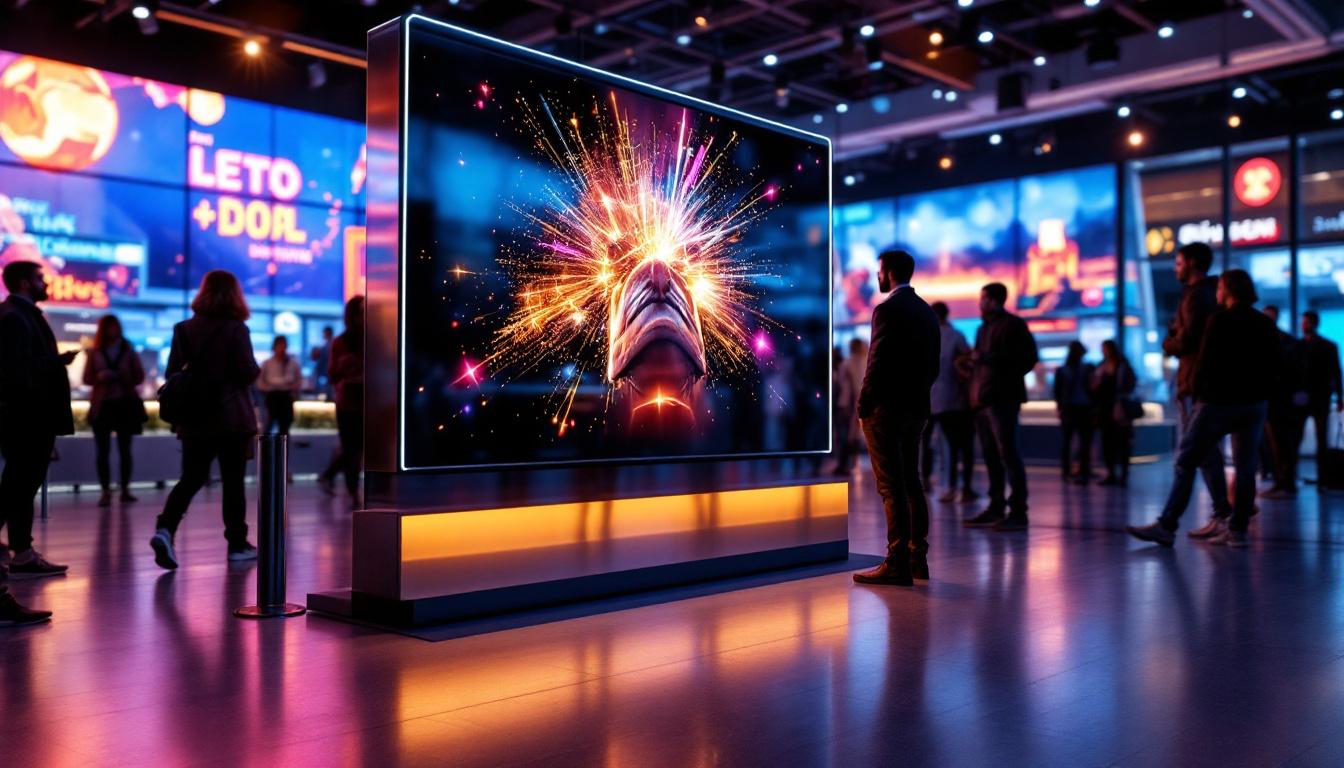
In today’s fast-paced retail and commercial environments, capturing consumer attention is more challenging than ever. Traditional static signage often falls short in engaging modern audiences who are accustomed to dynamic and interactive content. Indoor digital advertising screens, particularly LED displays, have emerged as a powerful solution to this challenge. These screens offer vibrant visuals, flexibility, and high visibility, making them an essential tool for businesses looking to enhance their in-store marketing strategies.
This article explores the technology behind indoor LED advertising screens, their advantages, applications, and key considerations for businesses aiming to leverage this innovative medium effectively.
Understanding LED Display Technology
What Is an LED Display?
LED stands for Light Emitting Diode, a semiconductor device that emits light when an electric current passes through it. An LED display is a flat panel that uses an array of these diodes as pixels to create images, videos, or text. Unlike LCD or OLED screens, LED displays are composed of tiny light sources that can be individually controlled, allowing for superior brightness and contrast. This capability makes LED displays particularly effective in environments where ambient light is prevalent, ensuring that the content remains visible and vibrant.
Indoor LED displays are specifically designed to operate in controlled lighting environments, such as shopping malls, airports, corporate offices, and entertainment venues. They differ from outdoor LED screens primarily in terms of brightness levels and pixel pitch, which is the distance between individual pixels. Indoor displays typically have lower brightness requirements, as they are not exposed to direct sunlight, allowing for a more refined pixel density that enhances image quality. Furthermore, the design of indoor LED displays often incorporates sleek bezels and lightweight materials, making them easier to integrate into various architectural settings.
How Do Indoor LED Screens Work?
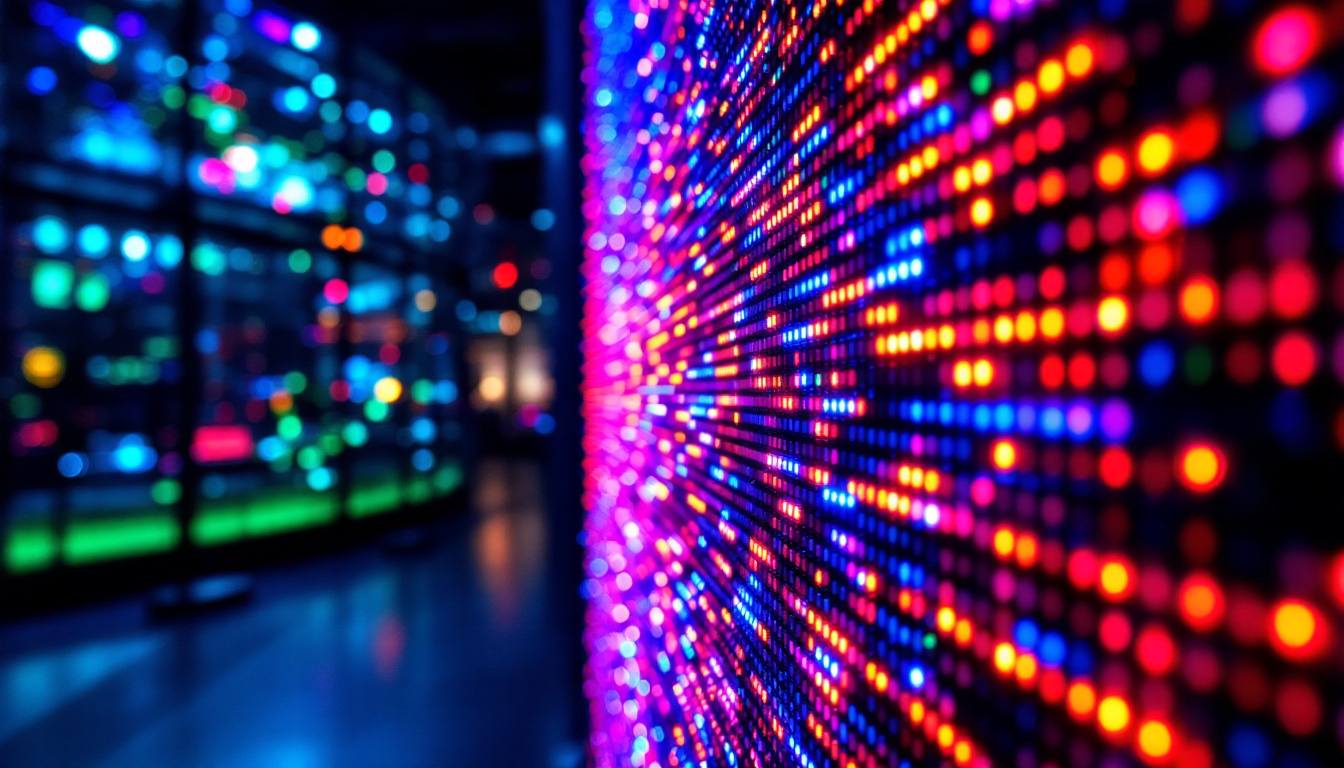
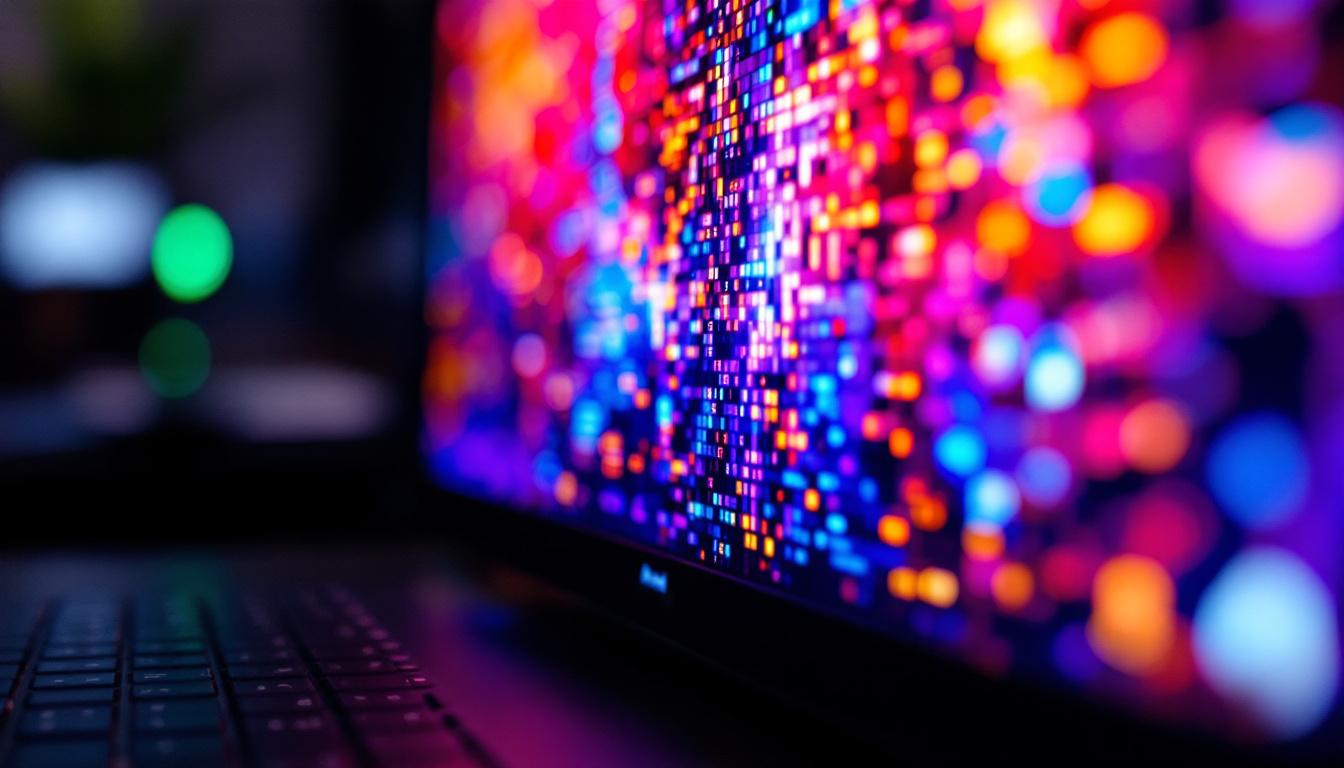
Indoor LED screens consist of numerous modules, each containing clusters of red, green, and blue LEDs. By varying the intensity of these three colors, the screen can produce a full spectrum of colors. The pixel pitch determines the resolution and clarity of the image; smaller pixel pitches result in sharper images, which is critical for close viewing distances typical of indoor environments. This precision allows for detailed graphics and text to be displayed, making LED screens a popular choice for high-impact advertising and information dissemination.
The screens are connected to a media player or content management system, which controls the content displayed. Modern LED displays support high-definition video playback, live feeds, and even interactive content, making them versatile for various advertising needs. Additionally, many indoor LED screens are equipped with advanced features such as automatic brightness adjustment, which optimizes visibility based on surrounding light conditions. This adaptability not only enhances the viewer experience but also contributes to energy efficiency, as the display can reduce power consumption during low-light scenarios. The integration of smart technology further allows for remote management and real-time updates, making it easier for businesses to keep their content fresh and engaging.
Advantages of Indoor LED Advertising Screens
Vibrant Visual Impact
One of the most significant benefits of indoor LED displays is their exceptional brightness and color accuracy. Unlike traditional printed posters or LCD screens, LED displays can produce vivid, eye-catching visuals that stand out in busy indoor settings. This heightened visibility can increase consumer engagement and improve brand recall.
According to a study by the Digital Signage Federation, digital signage, including LED screens, can increase customer dwell time by up to 30%, directly influencing purchasing decisions. The ability to captivate an audience with dynamic imagery not only draws attention but also creates an immersive experience that can lead to higher conversion rates. This is particularly important in environments such as shopping malls, airports, and event venues, where competition for attention is fierce.
Flexibility and Dynamic Content
Indoor LED screens allow businesses to update their advertising content instantly and remotely. This capability enables timely promotions, seasonal campaigns, and real-time messaging without the cost and delay of reprinting physical materials. For example, a retail store can display flash sales, new product launches, or interactive social media feeds throughout the day. This adaptability not only keeps the content fresh and relevant but also allows businesses to respond quickly to market trends or customer feedback.
Moreover, LED displays support multimedia content, including videos, animations, and live broadcasts, providing a richer storytelling medium than static signs. This versatility means that brands can create engaging narratives that resonate with their target audience, using eye-catching animations to highlight key features or customer testimonials to build trust. As a result, businesses can foster a deeper emotional connection with consumers, encouraging brand loyalty and repeat visits.
Energy Efficiency and Longevity
LED technology is known for its energy efficiency compared to other display types. Indoor LED screens consume less power while delivering higher brightness, which translates to lower operating costs over time. Additionally, LEDs have a longer lifespan, often exceeding 50,000 hours of continuous use, reducing maintenance and replacement expenses. This durability is especially advantageous for businesses that rely on continuous advertising, as it minimizes downtime and ensures that promotional messages are consistently visible.
Furthermore, the environmental benefits of using LED technology cannot be overlooked. With a lower carbon footprint and reduced waste from fewer replacements, businesses can align their advertising strategies with sustainability goals. This commitment to eco-friendly practices not only appeals to environmentally conscious consumers but also enhances a brand’s reputation, making it more attractive in a market that increasingly values corporate responsibility. By investing in indoor LED advertising screens, companies not only improve their marketing effectiveness but also contribute positively to the environment.
Applications of Indoor LED Advertising Screens
Retail Environments
Retailers are among the most prolific users of indoor LED advertising screens. These displays are often placed at store entrances, checkout areas, and high-traffic zones to promote products, highlight special offers, and enhance the overall shopping experience. For instance, fashion retailers use LED screens to showcase runway videos or seasonal lookbooks, creating an immersive brand environment.
Corporate and Hospitality Settings
In corporate offices and hotels, indoor LED displays serve multiple purposes, including brand promotion, wayfinding, event information, and employee communications. Hotels often use these screens in lobbies to welcome guests, advertise amenities, or display local attractions. Corporations leverage them for internal communications and to impress visitors with dynamic branding.
Entertainment and Public Spaces
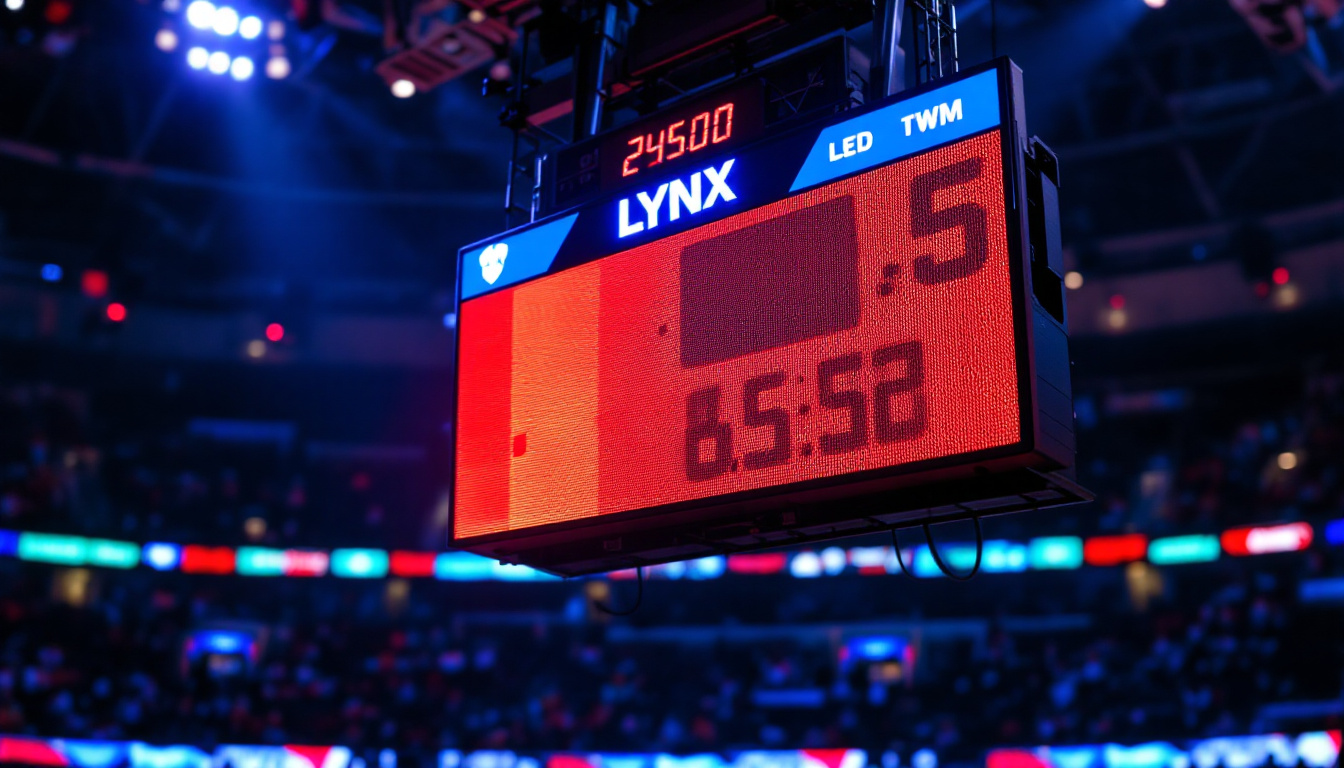
Indoor LED screens are also prevalent in entertainment venues such as theaters, museums, and sports arenas. They provide real-time updates, advertising, and interactive content that enhances visitor engagement. For example, museums use LED displays to deliver educational content, while sports arenas show live game statistics and sponsor advertisements.
Key Considerations When Choosing Indoor LED Advertising Screens
Pixel Pitch and Resolution
Choosing the right pixel pitch is crucial for achieving optimal image quality. Indoor environments typically require a pixel pitch between 1.2mm and 4mm, depending on the viewing distance. A smaller pixel pitch offers higher resolution and is suitable for close-up viewing, while a larger pitch may suffice for screens viewed from a distance.
Brightness and Viewing Angle
Indoor LED screens generally have brightness levels ranging from 800 to 1500 nits, which is sufficient to combat ambient indoor lighting without causing glare. Additionally, wide viewing angles ensure that content remains clear and vibrant from various positions within the space, maximizing audience reach.
Content Management Systems (CMS)
The effectiveness of an indoor LED advertising screen largely depends on the ease and flexibility of its content management system. A robust CMS allows marketers to schedule content, manage multiple screens remotely, and integrate dynamic data feeds. Selecting a CMS that supports various media formats and real-time updates is essential for maximizing the return on investment.
Installation and Maintenance
Proper installation is vital to ensure the longevity and performance of LED displays. This includes considerations for mounting, ventilation, and accessibility for maintenance. Indoor LED screens require periodic cleaning and calibration to maintain brightness and color accuracy. Partnering with experienced installers and service providers can help avoid common pitfalls.
Future Trends in Indoor LED Advertising Screens
Integration with Artificial Intelligence and Data Analytics
Emerging technologies are transforming indoor LED advertising into a more personalized and data-driven experience. AI-powered systems can analyze audience demographics and behaviors in real-time, enabling dynamic content adjustments that resonate better with viewers. For example, a screen in a shopping mall could display different ads based on the time of day or the predominant age group present.
Interactive and Touchscreen Capabilities
Interactivity is becoming a key feature of indoor LED displays. Touch-enabled LED screens allow users to engage directly with content, such as browsing product catalogs, signing up for promotions, or navigating directories. This interactive layer not only enhances user experience but also provides valuable data on consumer preferences and behaviors.
Improved Energy Efficiency and Sustainability
As sustainability becomes a priority, manufacturers are developing LED displays with even lower power consumption and environmentally friendly materials. Advances in LED chip technology and smart power management systems contribute to reducing the carbon footprint of digital signage solutions.
Conclusion
Indoor digital advertising screens powered by LED technology represent a significant advancement in how businesses communicate with their audiences. Their vibrant visuals, flexibility, and energy efficiency make them an attractive choice for retailers, corporations, and public venues seeking to enhance engagement and drive sales.
By understanding the technical aspects, benefits, and practical applications of indoor LED displays, businesses can make informed decisions that align with their marketing goals and budget. As technology continues to evolve, integrating AI, interactivity, and sustainability features will further elevate the impact of indoor digital advertising, making it an indispensable tool in the modern marketing arsenal.
Discover LumenMatrix LED Display Solutions
Ready to elevate your indoor advertising strategy with the latest in LED display technology? LumenMatrix is at the forefront of innovation, offering a diverse range of LED display solutions that bring your brand to life. From captivating Indoor LED Wall Displays to dynamic Vehicle LED Displays and beyond, our mission is to transform your visual communication with unparalleled clarity and impact. Don’t miss the opportunity to engage your audience with LumenMatrix’s cutting-edge digital signage. Check out LumenMatrix LED Display Solutions today and start creating unforgettable visual experiences.