In the rapidly evolving world of digital signage and display technology, LED displays have become a dominant force. Whether it’s the colossal screens lighting up Times Square or the sleek video walls in corporate lobbies, LED displays are everywhere. But what exactly is “pitch” in the context of LED displays, and why does it matter so much? This article dives deep into the concept of pitch, its significance, and how it shapes the quality and application of LED displays.
Understanding LED Display Pitch: The Basics
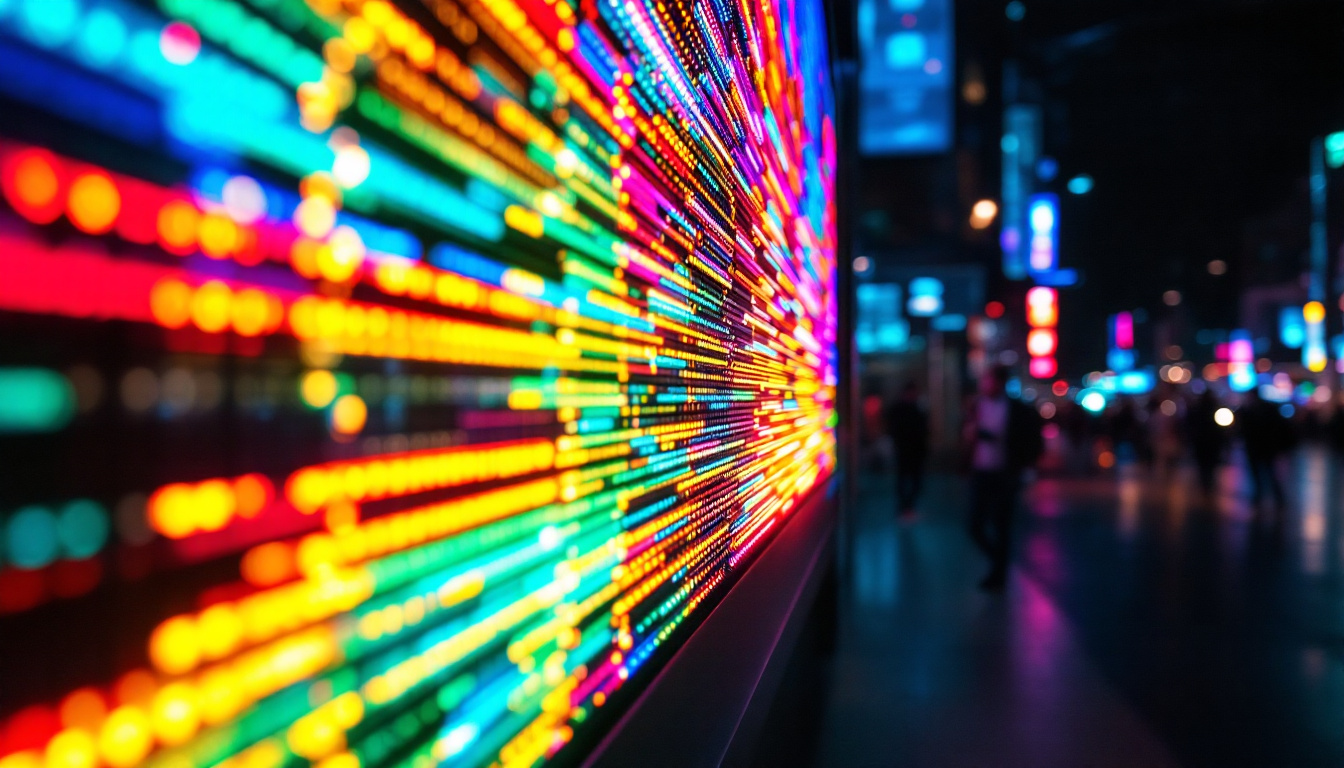
At its core, the term “pitch” in LED displays refers to the distance between the centers of two adjacent LED pixels. This measurement is usually expressed in millimeters (mm) and is a critical factor in determining the resolution and viewing quality of an LED screen.
For example, a pitch of 1.5mm means there is a 1.5mm gap from the center of one LED pixel to the center of the next. The smaller the pitch, the closer the pixels are to each other, resulting in a higher pixel density and sharper image quality. Conversely, a larger pitch means pixels are spaced further apart, which can reduce image clarity but may be more suitable for long-distance viewing.
Why Pitch Matters
The pitch directly influences the resolution of the LED display. Resolution, in turn, affects how detailed and crisp the image or video appears. A display with a 0.9mm pitch can show finer details and smoother graphics compared to a display with a 10mm pitch, which might appear pixelated up close.
Understanding pitch is essential for selecting the right LED display for specific applications. For indoor environments such as conference rooms, retail stores, or control rooms, smaller pitch displays are preferred because viewers are closer to the screen. Outdoor billboards or stadium screens typically use larger pitch displays since viewers are farther away.
Moreover, the choice of pitch can also impact the overall viewing experience. In environments where high-definition content is displayed, such as digital signage or immersive video walls, a smaller pitch enhances the visual appeal, making the content more engaging and easier to read. This is particularly important in settings like museums or galleries, where the audience may spend significant time observing intricate details. Additionally, advancements in LED technology have led to the development of ultra-fine pitch displays, which can achieve remarkable clarity even at very close viewing distances, pushing the boundaries of what is possible in digital displays.
Another important consideration is the impact of pitch on the cost and installation of LED displays. Smaller pitch displays typically come with a higher price tag due to the increased number of LEDs required and the more complex manufacturing processes involved. This can influence budget decisions for businesses looking to invest in LED technology. Additionally, the installation process may vary based on pitch size, with smaller pitch displays often requiring more precise calibration and alignment to ensure optimal performance. Understanding these factors can help businesses make informed decisions that align with their specific needs and budget constraints.
The Technical Side: How Pitch Affects LED Display Performance
Pixel Density and Resolution
Pixel density, measured in pixels per square meter, is inversely proportional to the square of the pitch. For instance, a 1mm pitch display will have approximately 1,000,000 pixels per square meter, whereas a 10mm pitch display will have only 10,000 pixels per square meter. This drastic difference explains why smaller pitch displays deliver much finer image quality.
Higher pixel density allows for displaying high-definition content with greater clarity, making it ideal for applications where viewers are close to the screen. This is why ultra-fine pitch LED displays, with pitches below 1mm, are gaining popularity in premium indoor installations.
Brightness and Viewing Distance
While pitch impacts resolution, brightness and viewing distance are equally important for overall display performance. Outdoor LED displays, often with pitches ranging from 6mm to 20mm, need to be extremely bright to combat sunlight and environmental factors. These displays typically have higher brightness levels, sometimes exceeding 6,000 nits.
Viewing distance is a critical consideration when selecting pitch. A general rule of thumb is that the optimal viewing distance (in meters) should be approximately equal to the pitch (in millimeters) multiplied by 1,000. For example, a 5mm pitch display is best viewed from about 5 meters or more. This ensures the pixels blend together visually, creating a smooth image.
Energy Consumption and Cost Implications
Smaller pitch LED displays tend to consume more power because they contain more LEDs per square meter. This can increase both operational costs and heat generation, necessitating more robust cooling solutions. Additionally, fine-pitch LED modules are more complex to manufacture, contributing to higher initial costs.
Conversely, larger pitch displays are more energy-efficient and cost-effective for large-scale outdoor applications where ultra-fine detail is less critical. Balancing cost, energy consumption, and image quality is vital when planning an LED display installation.
Applications and Use Cases: Matching Pitch to Purpose
Indoor LED Displays: Precision and Detail
Indoor environments demand high-resolution displays because viewers are typically close to the screen. Applications include corporate meeting rooms, broadcast studios, retail signage, museums, and control centers. In these cases, pitch sizes often range from 0.9mm to 4mm.
For example, a 1.2mm pitch LED video wall in a television studio can deliver crystal-clear images and smooth video playback, essential for professional broadcasting. Similarly, retail stores use fine-pitch LED displays to showcase products and promotions with vivid detail that attracts customers.
Outdoor LED Displays: Visibility and Impact
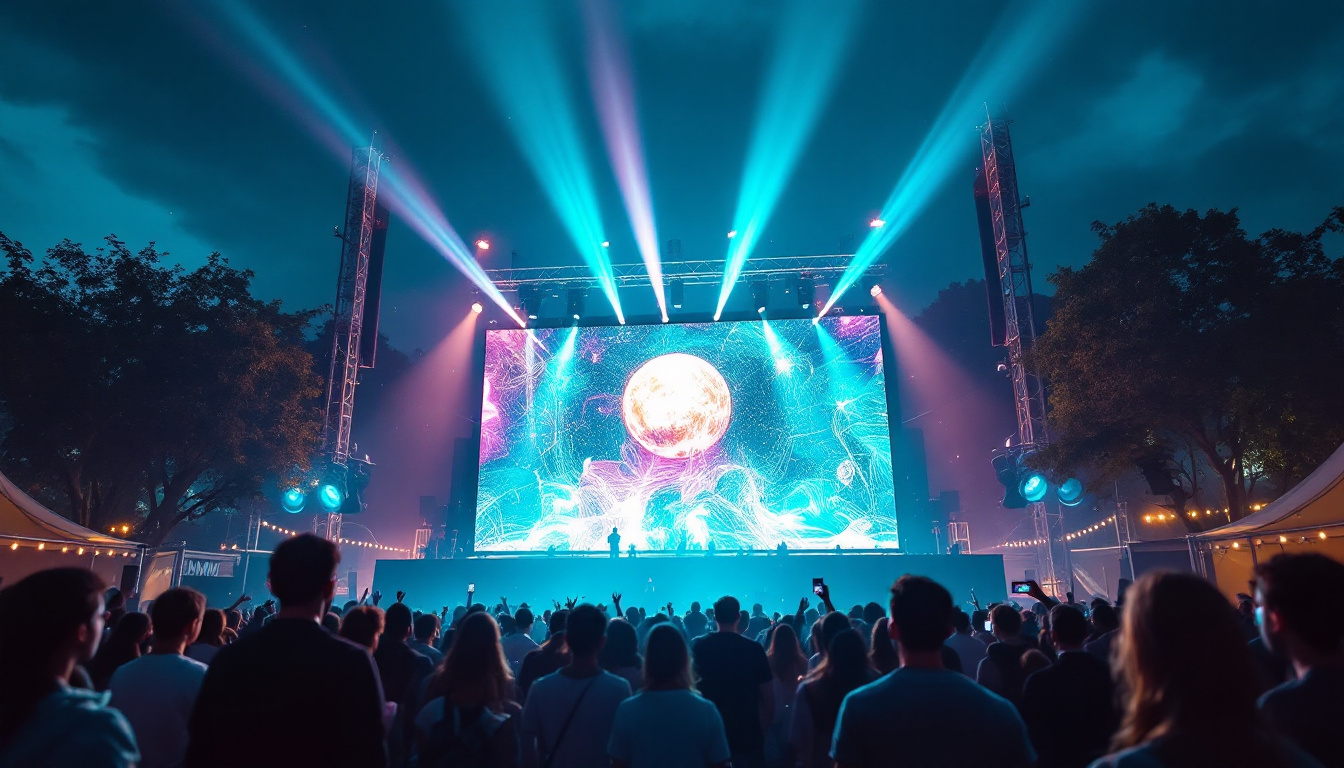
Outdoor LED displays prioritize brightness and durability. Typical pitch sizes range from 6mm to 20mm or more, depending on the viewing distance and application. Billboards, sports stadium screens, transportation hubs, and large public event displays fall into this category.
A famous example is the massive LED screens in Times Square, New York City, where pitches of around 10mm provide visibility from hundreds of meters away. These displays must withstand weather conditions and maintain high brightness levels to remain visible in daylight.
Specialized Applications: Flexible and Creative Uses
Advancements in LED technology have led to innovative applications such as curved LED walls, transparent LED displays, and flexible LED panels. These often use fine pitch LEDs to maintain image quality on unconventional surfaces.
For instance, transparent LED glass with a pitch of around 3mm allows natural light to pass through while displaying dynamic content, ideal for retail storefronts or architectural installations. Flexible LED panels with pitches between 2mm and 5mm enable creative designs in events and exhibitions.
Choosing the Right Pitch: Key Considerations for Buyers
Viewing Distance and Environment
Determining the appropriate pitch starts with understanding the typical viewing distance. For close-up viewing, such as in conference rooms or control centers, smaller pitches below 2mm are advisable. For public spaces where viewers are farther away, pitches between 6mm and 20mm are more suitable.
Environmental factors also play a role. Indoor displays do not require extremely high brightness, allowing for more energy-efficient options. Outdoor displays need higher brightness and weather resistance, which can influence pitch selection and overall design.
Content Type and Resolution Requirements
The nature of the content displayed is another critical factor. High-definition video, detailed graphics, and text-heavy content require finer pitch displays to ensure clarity and legibility. Conversely, simpler content like large text or basic animations can be effectively displayed on larger pitch screens.
For example, a digital menu board in a fast-food restaurant might only need a 3mm pitch, while a control room monitoring multiple data streams would benefit from a 1.5mm pitch for maximum detail.
Budget and Maintenance
Fine pitch LED displays come with a higher upfront cost and may require more frequent maintenance due to their complexity. Budget constraints often necessitate a balance between pitch, screen size, and performance requirements.
It’s also important to consider the total cost of ownership, including energy consumption, installation, and potential repairs. Consulting with LED display manufacturers and integrators can help identify the best solution for specific needs and budgets.
The Future of LED Display Pitch: Trends and Innovations
Ultra-Fine Pitch and MicroLED Technology
Recent advancements have pushed LED pitch sizes below 1mm, enabling near-retina quality displays. MicroLED technology, which uses microscopic LEDs, promises even higher resolution, better color accuracy, and improved energy efficiency compared to traditional LED displays.
These ultra-fine pitch displays are expected to revolutionize indoor digital signage, virtual reality, and even consumer electronics like TVs and smartphones. However, their high manufacturing costs currently limit widespread adoption.
Integration with Smart Technologies
LED displays are increasingly integrated with smart technologies such as AI-driven content management, interactive touch capabilities, and IoT connectivity. These innovations enhance user engagement and enable dynamic, context-aware content delivery.
Smart LED displays with optimized pitch settings can adapt content resolution and brightness based on ambient conditions and viewer proximity, improving both efficiency and viewer experience.
Sustainability and Energy Efficiency
As environmental concerns grow, manufacturers are focusing on reducing the energy consumption of LED displays without compromising quality. Innovations in LED chip design, power management, and cooling systems contribute to greener display solutions.
Choosing the right pitch can also support sustainability goals by ensuring that energy is not wasted on unnecessarily high pixel densities for a given application.
Conclusion: Pitch as a Critical Factor in LED Display Success
Understanding pitch is fundamental to selecting and deploying LED displays that meet specific visual and operational requirements. From the pixel density that defines image clarity to the viewing distance that dictates optimal pitch size, this measurement influences every aspect of LED display performance.
Whether for a high-resolution indoor video wall or a massive outdoor billboard, the right pitch ensures the display delivers impactful, engaging content that captivates audiences. As LED technology continues to advance, staying informed about pitch and its implications will remain essential for businesses, designers, and technology enthusiasts alike.
Discover the Perfect LED Display Solution with LumenMatrix
Now that you understand the importance of pitch in achieving the ultimate LED display performance, it’s time to bring your vision to life with LumenMatrix. As a leader in LED display technology, we offer an extensive range of solutions tailored to your needs, from Indoor and Outdoor LED Walls to specialized displays for Vehicles, Sports, and even Custom configurations. Elevate your brand’s presence and engage your audience like never before. Check out LumenMatrix LED Display Solutions today and experience the power of advanced visual communication.