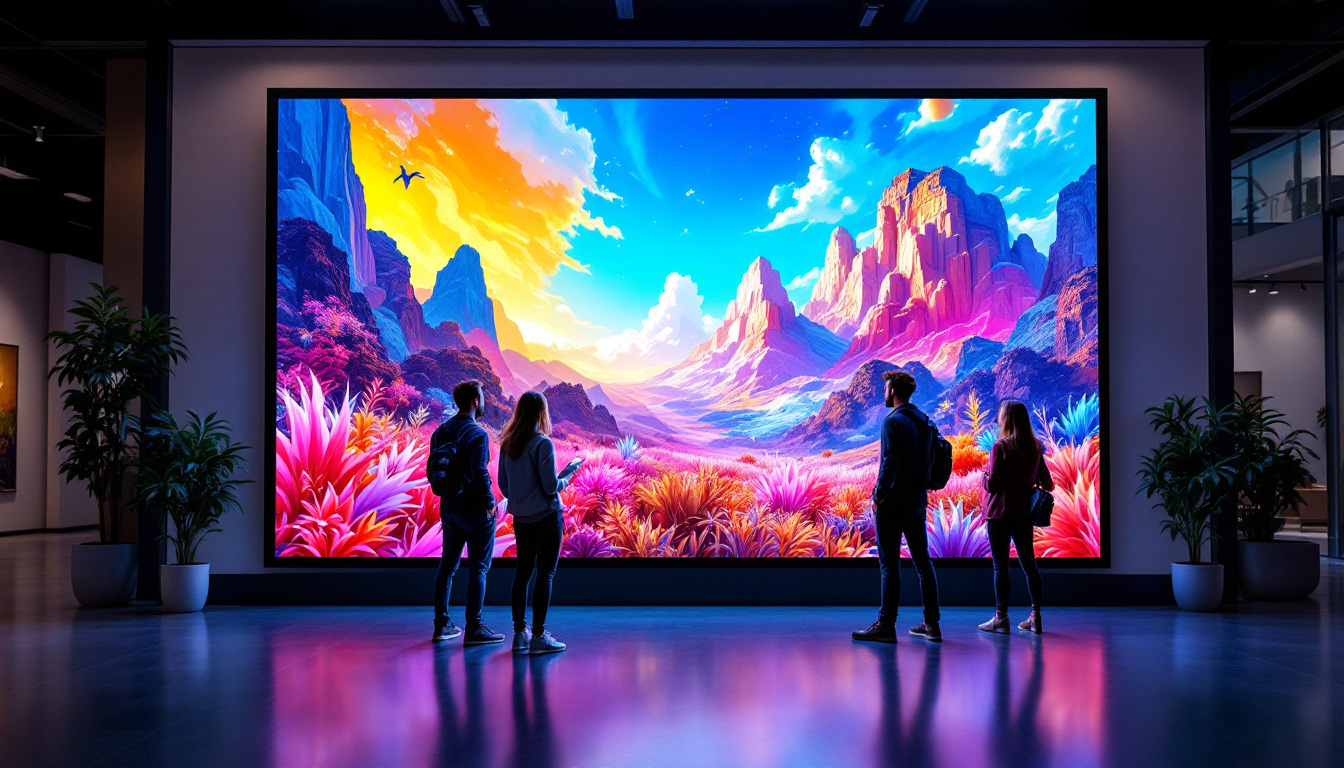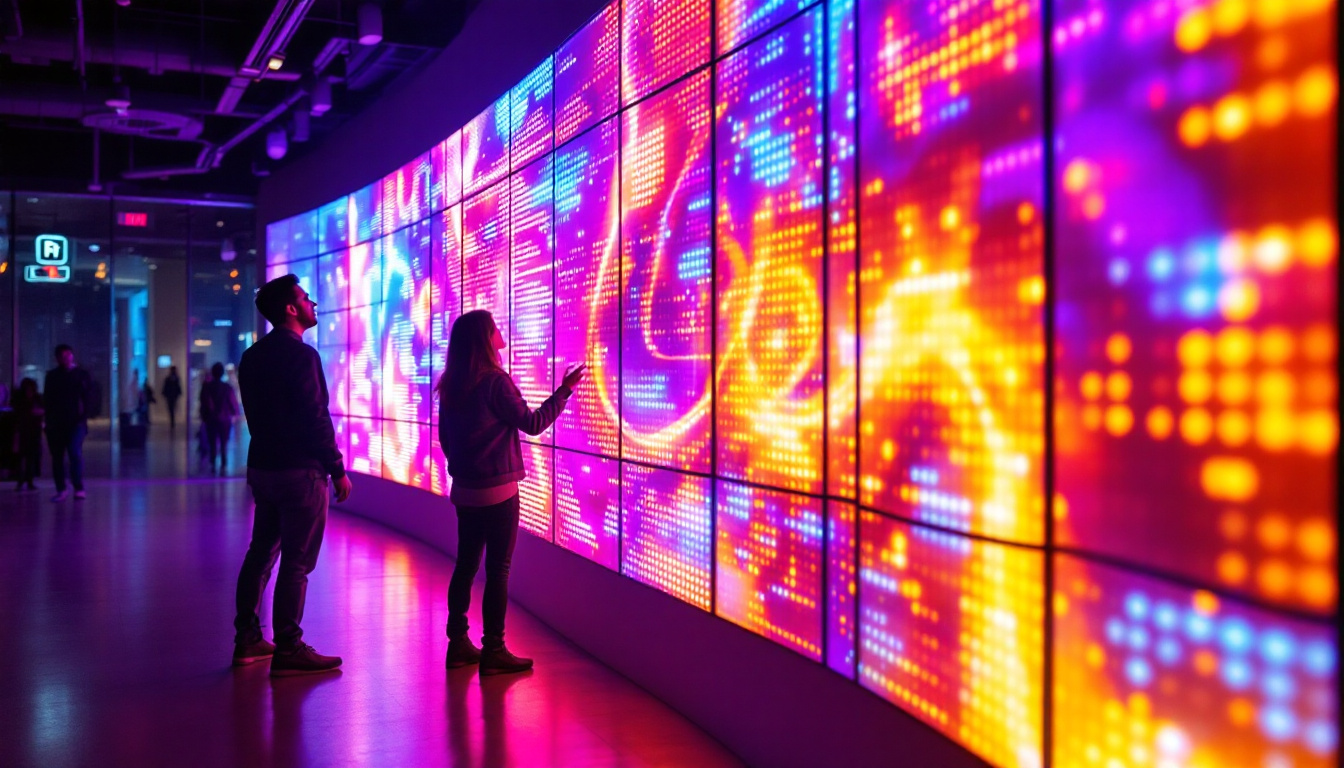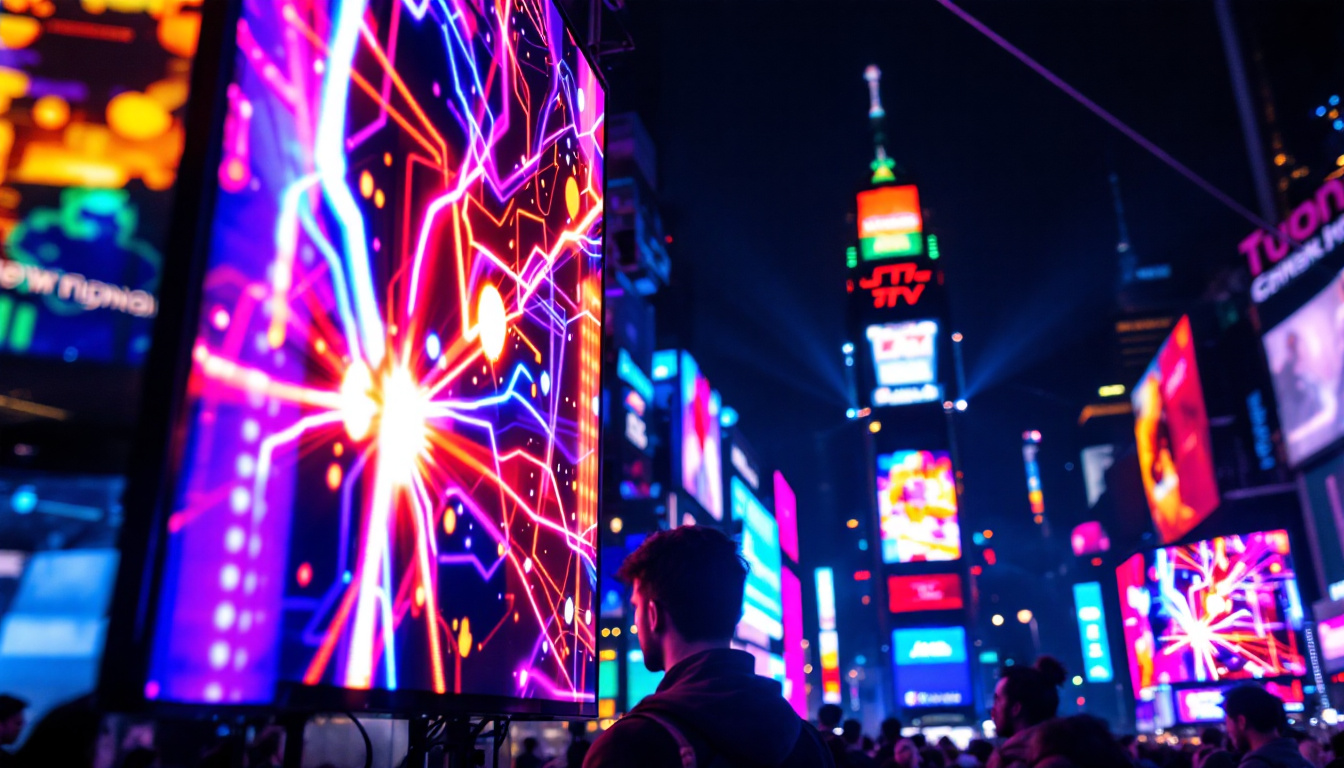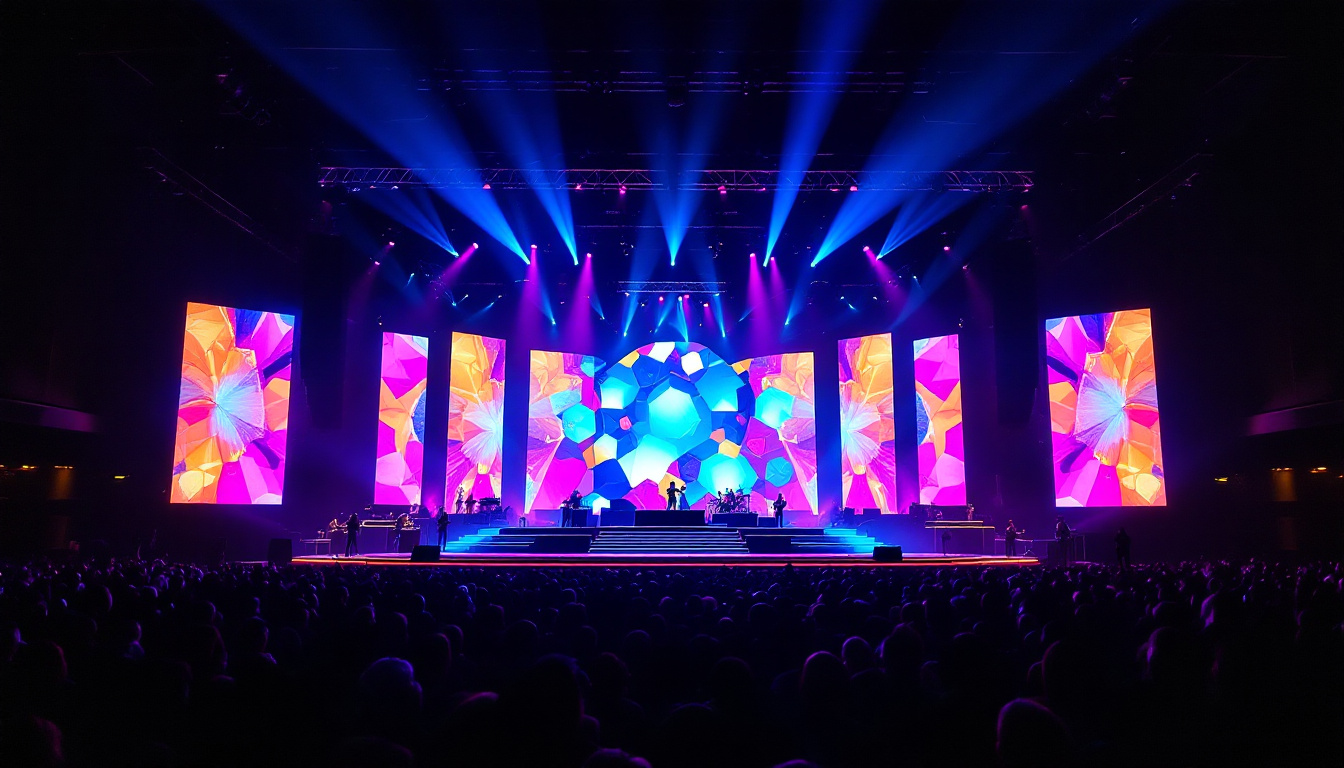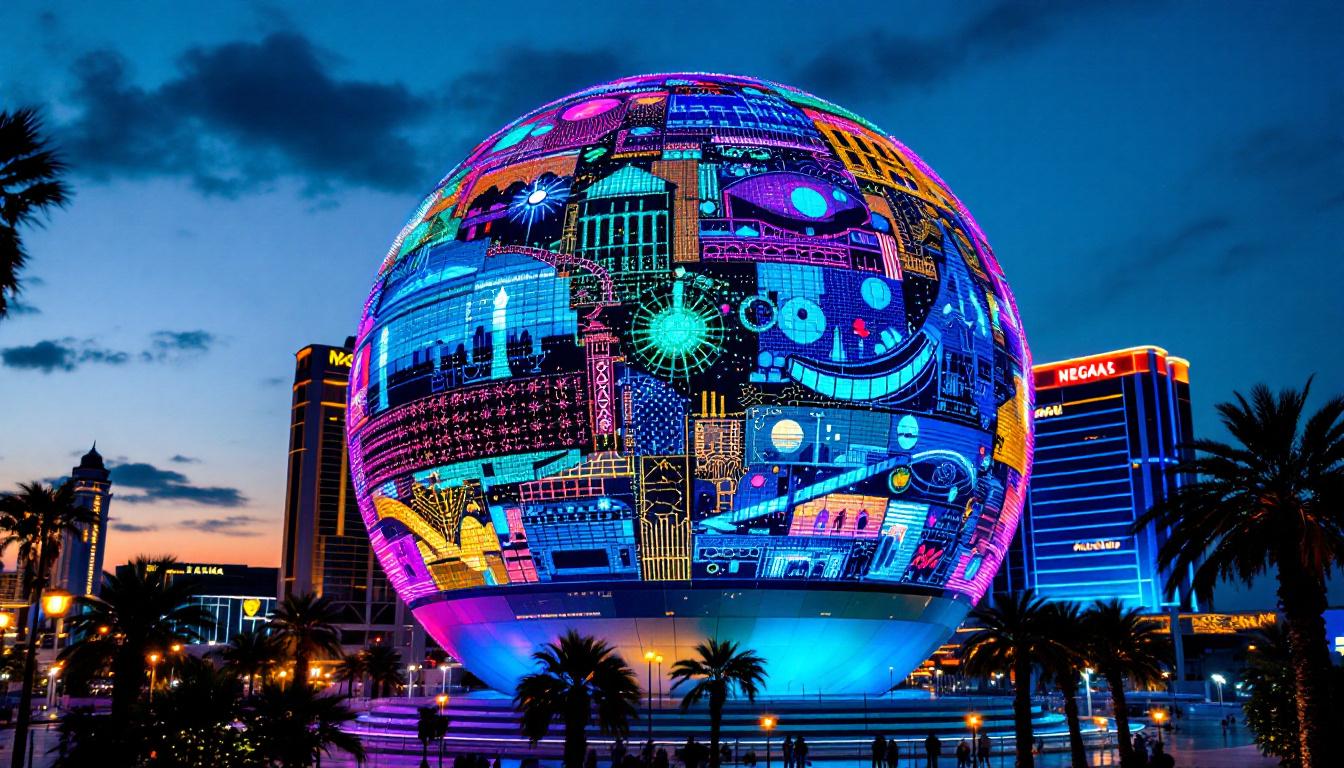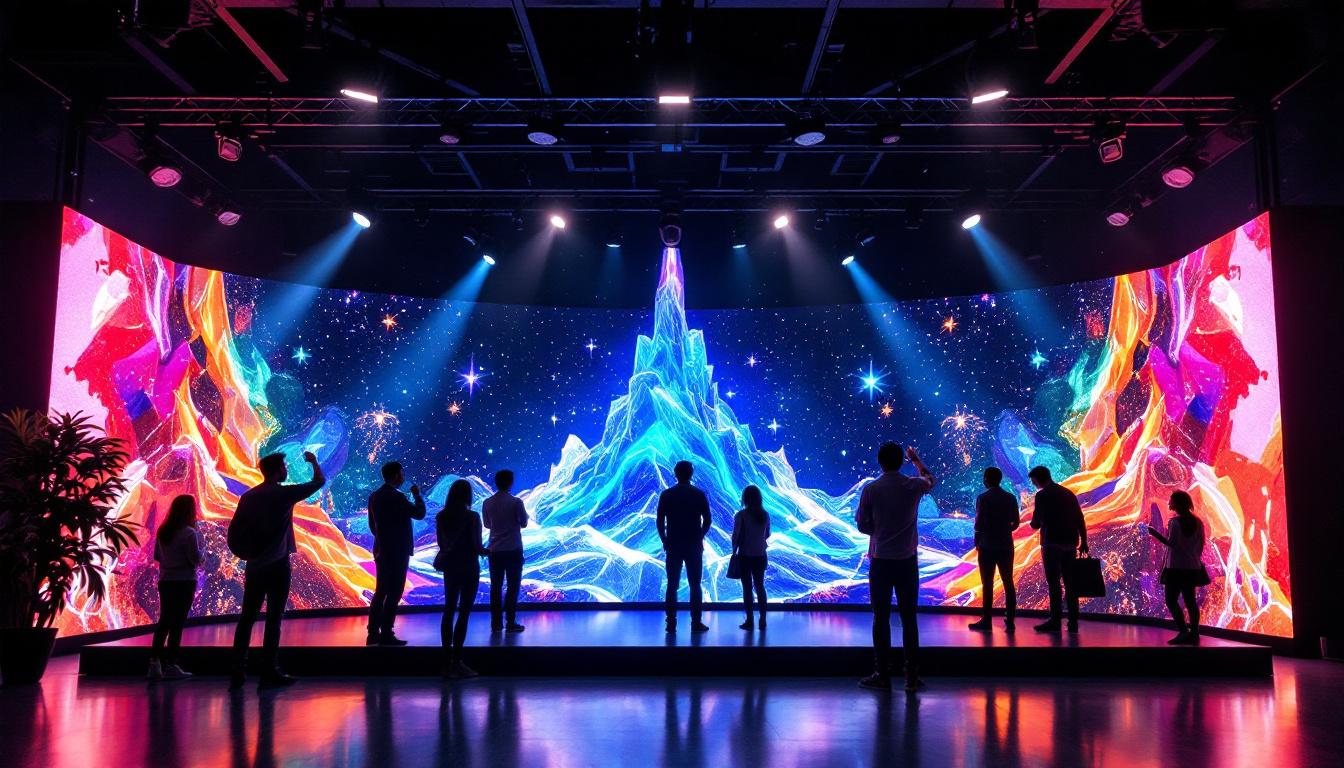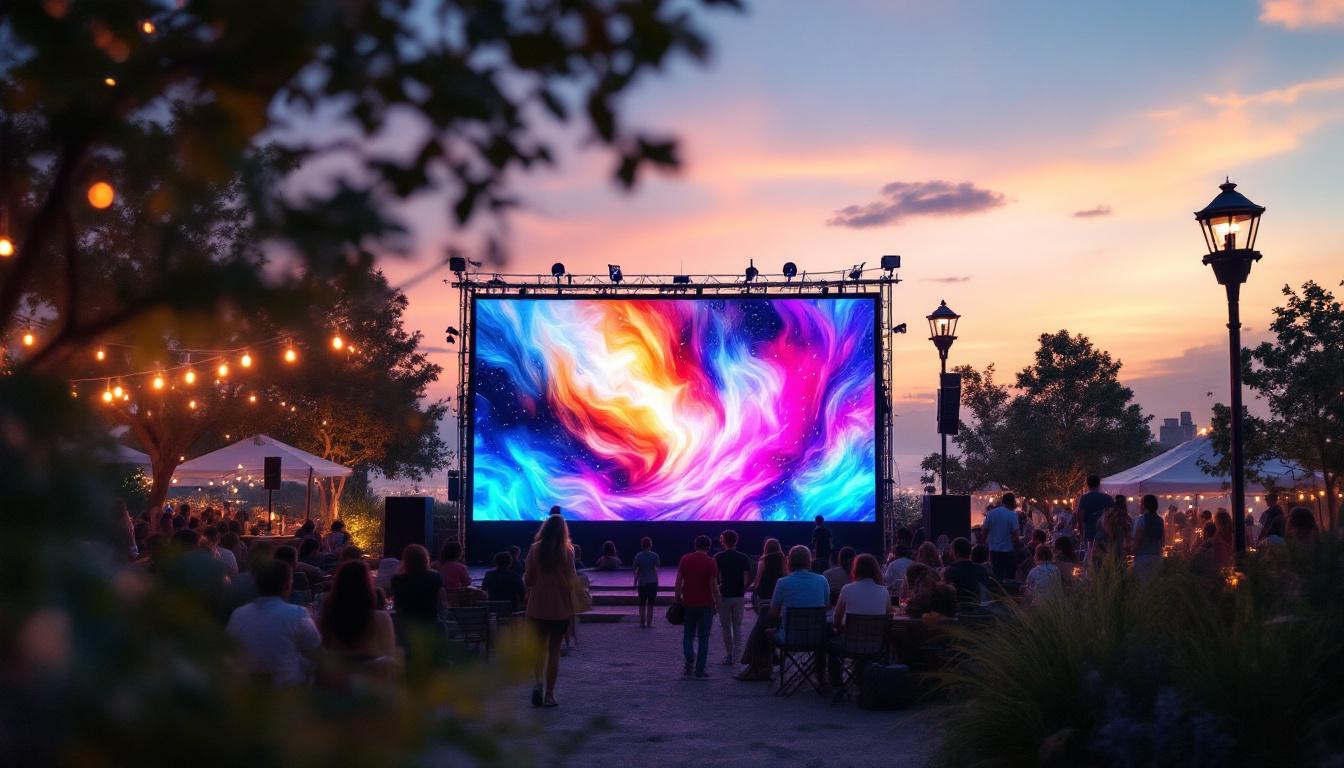
Outdoor projection screens have revolutionized the way people experience movies, sports, concerts, and events under the open sky. Among the various technologies available, LED displays have emerged as a powerful alternative to traditional projection screens, offering vibrant visuals, durability, and flexibility. This article explores the essentials of outdoor LED displays, their advantages over conventional projection screens, and key considerations for selecting and installing them in outdoor environments.
Understanding Outdoor Projection Screens and LED Displays
Traditional Outdoor Projection Screens
Outdoor projection screens typically involve a projector casting images onto a large fabric or rigid surface. These setups have been popular for backyard movie nights, drive-in theaters, and public events for decades. The quality of the image depends heavily on the projector’s brightness (measured in lumens), ambient light conditions, and the screen’s reflectivity.
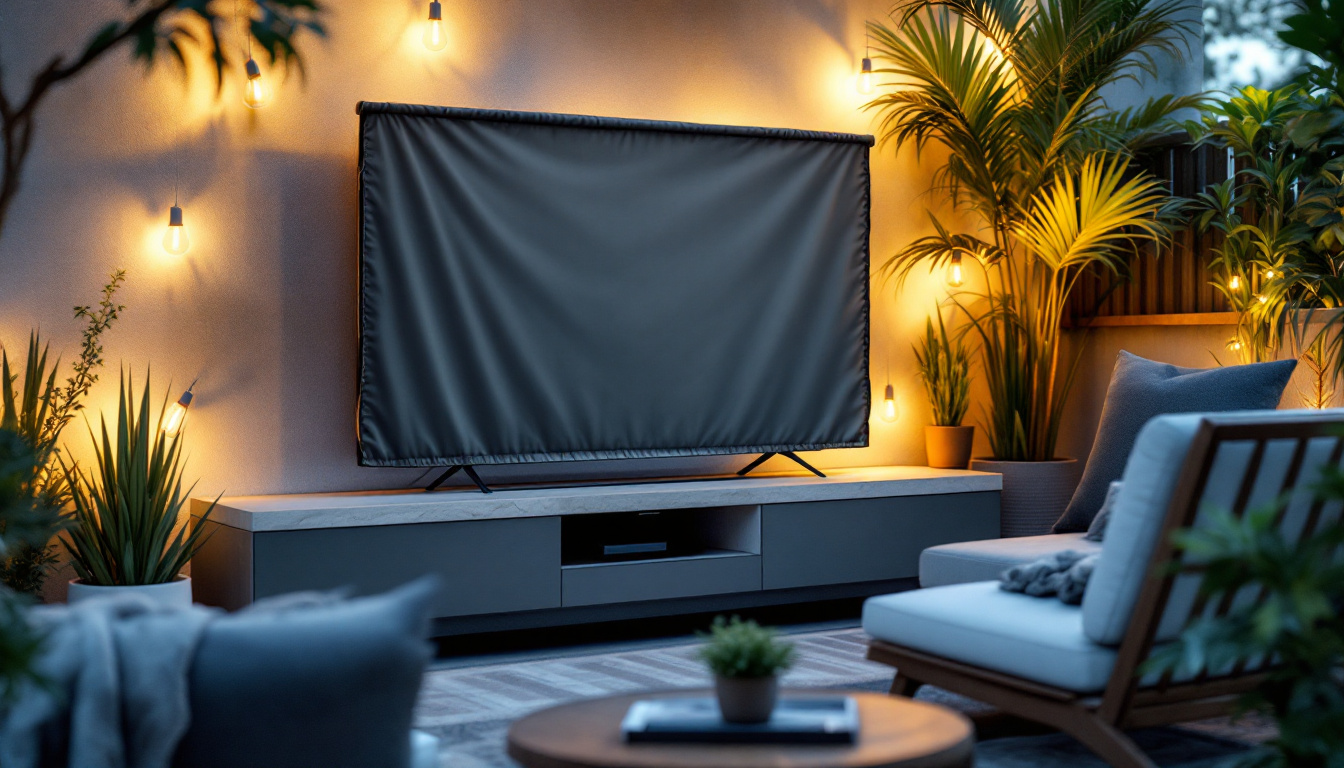
While traditional projection screens can deliver large images at relatively low cost, they face challenges outdoors. Ambient light from street lamps, the sun, or nearby buildings can wash out the image, reducing contrast and clarity. Additionally, weather conditions such as wind and rain can affect the screen’s stability and longevity. To mitigate these issues, many enthusiasts invest in high-gain screens that enhance brightness and contrast, as well as portable projector enclosures designed to protect equipment from the elements. Furthermore, the choice of screen material plays a crucial role; materials like PVC or specialized fabrics can improve durability and image quality, making them more suitable for outdoor use.
Another factor to consider is the setup and takedown process. Traditional projection screens often require a bit more effort to assemble, particularly larger models that need a sturdy frame. This can be a deterrent for casual users who prefer a more straightforward solution. However, with the right tools and a little practice, many find the experience rewarding, especially when hosting gatherings that create lasting memories. The charm of watching a classic film under the stars, surrounded by friends and family, continues to make outdoor projection a beloved pastime.
What Are Outdoor LED Displays?
Outdoor LED displays consist of an array of light-emitting diodes (LEDs) that form pixels, producing images directly without the need for an external projector. These displays are modular, scalable, and can be configured in various sizes and shapes. Unlike projection screens, LED displays emit their own light, making them highly visible even in bright daylight conditions.
Modern outdoor LED displays use high-brightness LEDs capable of producing thousands of nits (a unit of luminance), ensuring vivid images in direct sunlight. Their design includes weatherproof enclosures, anti-glare coatings, and temperature regulation systems to withstand harsh outdoor environments. This resilience makes them ideal for a variety of applications, from advertising billboards to sports stadiums and concert venues. Additionally, many LED displays support dynamic content, allowing for real-time updates and interactive features that engage audiences in ways traditional projection cannot.
Moreover, the energy efficiency of LED technology is a significant advantage. Compared to traditional projection systems, LED displays consume less power while delivering superior brightness and color accuracy. This efficiency not only reduces operational costs but also aligns with growing environmental concerns, making them a more sustainable choice for outdoor visual displays. As technology continues to advance, we can expect even more innovative features, such as enhanced connectivity options and integration with smart systems, further expanding the possibilities for outdoor entertainment and advertising.
Advantages of Outdoor LED Displays Over Traditional Projection Screens
Superior Brightness and Visibility
One of the most significant benefits of LED displays is their brightness. Typical outdoor LED screens can reach brightness levels of 5,000 to 10,000 nits or more, compared to projectors that usually range from 2,000 to 5,000 lumens. This means LED displays maintain clear, vibrant images even in full daylight, while projectors struggle to overcome ambient light.
For venues such as sports arenas, outdoor concerts, or public squares, this enhanced visibility ensures that content remains engaging and accessible to large audiences regardless of the time of day.
Durability and Weather Resistance
Outdoor LED displays are engineered to endure various weather conditions. Most come with IP65 or higher ratings, indicating protection against dust and water jets. This robustness allows them to operate reliably in rain, wind, and extreme temperatures without damage.
In contrast, traditional projection setups require careful protection for both the projector and screen, often necessitating additional enclosures or tents that add to the complexity and cost of installation.
Flexibility and Customization
LED displays offer remarkable flexibility in size and shape. Because they are made up of modular panels, screens can be assembled to fit specific dimensions or curved surfaces. This adaptability enables creative installations, such as wrap-around displays or irregular shapes that would be impossible with traditional projection screens.
Additionally, LED displays support dynamic content, including live video feeds, animations, and interactive elements, enhancing audience engagement at events.
Lower Maintenance and Operational Costs
While the initial investment for an outdoor LED display is typically higher than a projector and screen setup, operational costs tend to be lower over time. LED displays have longer lifespans, often exceeding 100,000 hours, and do not require bulb replacements or frequent recalibration.
Energy consumption is also optimized in modern LED technology, and the absence of moving parts reduces the risk of mechanical failures. These factors contribute to lower maintenance and downtime, which is critical for commercial or public installations.
Key Considerations When Choosing an Outdoor LED Display
Pixel Pitch and Resolution
Pixel pitch refers to the distance between the centers of adjacent LEDs, usually measured in millimeters. A smaller pixel pitch means higher resolution and sharper images, which is essential for close viewing distances. For outdoor applications where viewers may be further away, pixel pitches between 6mm and 20mm are common.
Choosing the right pixel pitch depends on the typical viewing distance and the content type. For example, a sports stadium might use a larger pixel pitch for distant spectators, while an outdoor advertising billboard requires higher resolution for clarity at closer range.
Brightness and Contrast Ratio
Brightness is crucial for outdoor visibility. LED displays intended for daylight use should have a minimum brightness of 5,000 nits to ensure clear images. Some high-end models can reach 10,000 nits or more, suitable for extremely bright environments.
Contrast ratio—the difference between the darkest and brightest parts of the image—also affects image quality. High contrast ratios improve color depth and detail, especially important for video content and live broadcasts.
Weatherproofing and Durability Ratings
Outdoor LED displays must have robust weatherproofing features. Look for IP65 or higher ratings, which guarantee protection against dust ingress and water jets from any direction. Additionally, displays should have UV-resistant coatings to prevent sun damage and corrosion-resistant materials for long-term durability.
Temperature management is another key factor. LED modules generate heat during operation, so integrated cooling systems or heat dissipation designs are essential to maintain performance and extend lifespan.
Installation and Maintenance Logistics
Consider the installation environment carefully. The structure supporting the LED display must be sturdy and capable of withstanding wind loads. Modular designs facilitate easier transport, assembly, and repair, minimizing downtime.
Maintenance access is vital for cleaning, troubleshooting, and component replacement. Some LED screens feature front-access panels, allowing technicians to service the display without dismantling the entire installation.
Applications of Outdoor LED Displays
Entertainment and Events
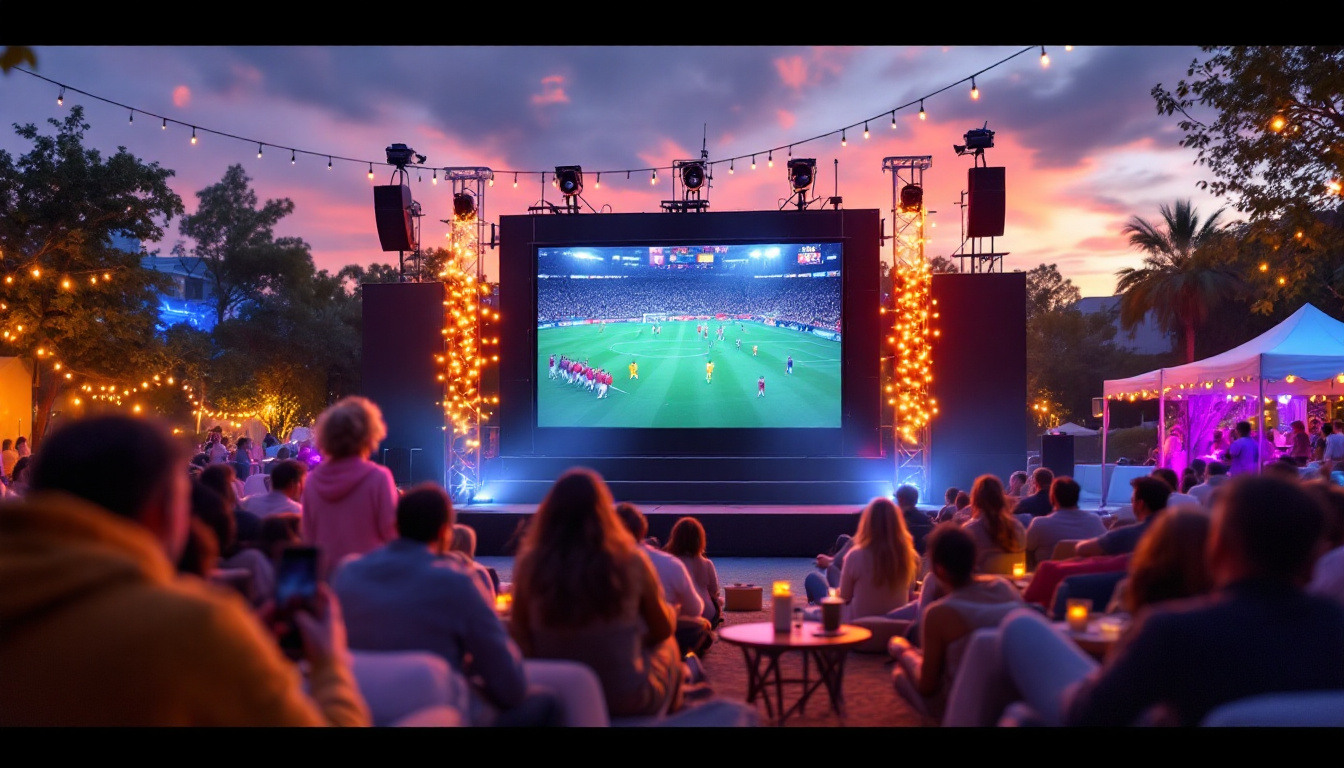
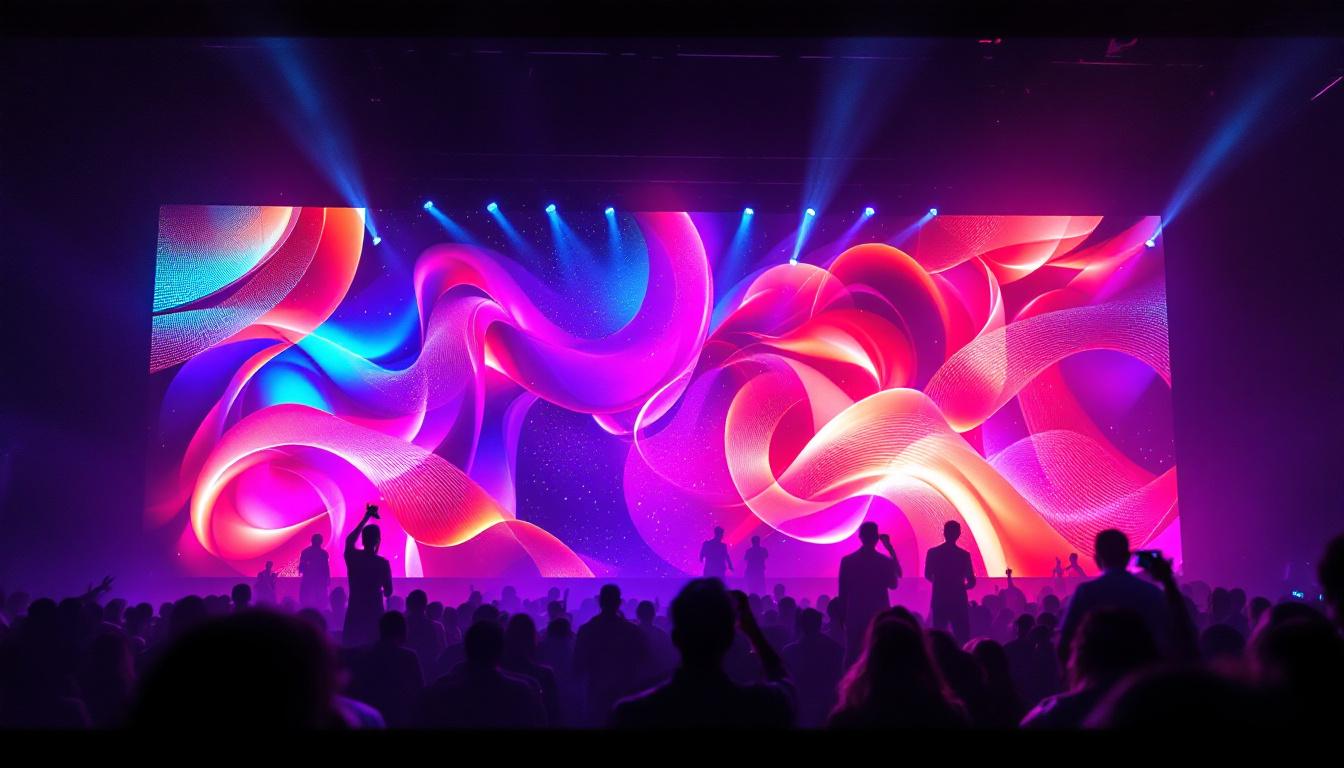
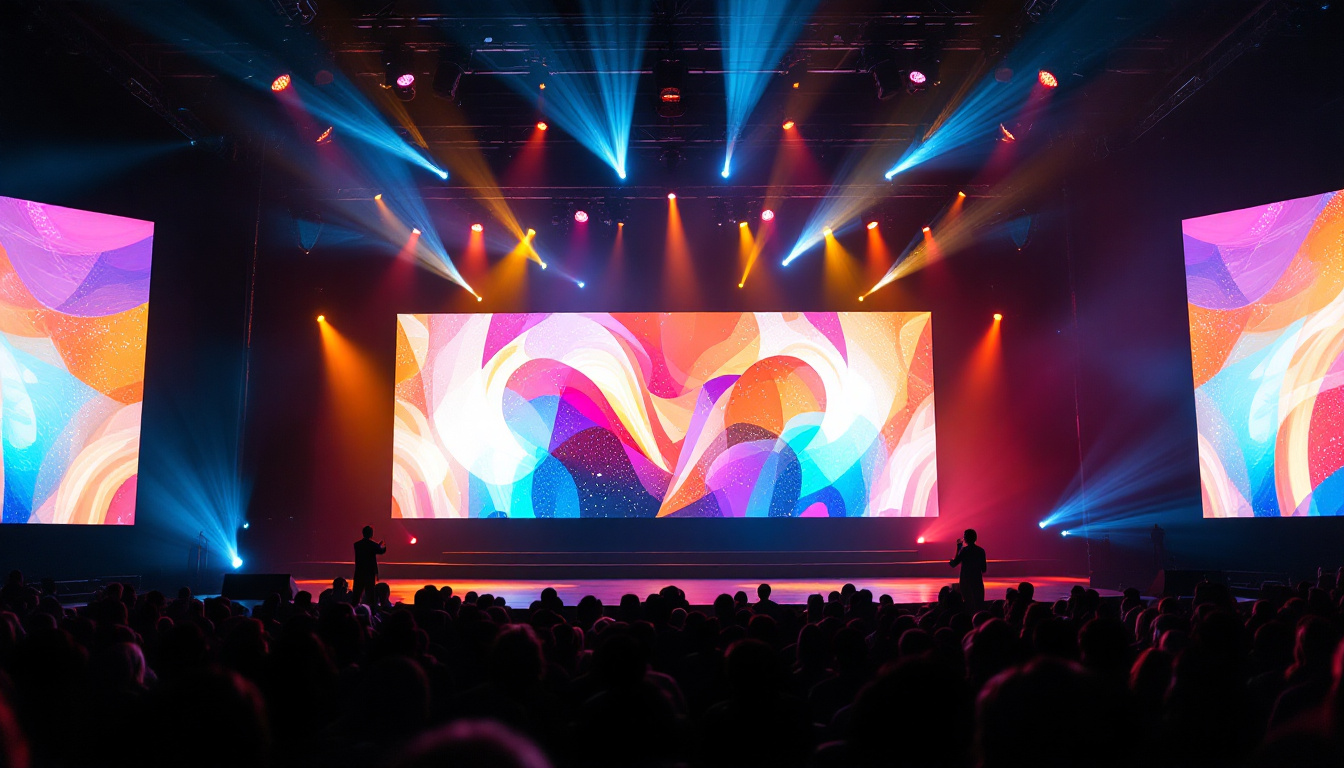
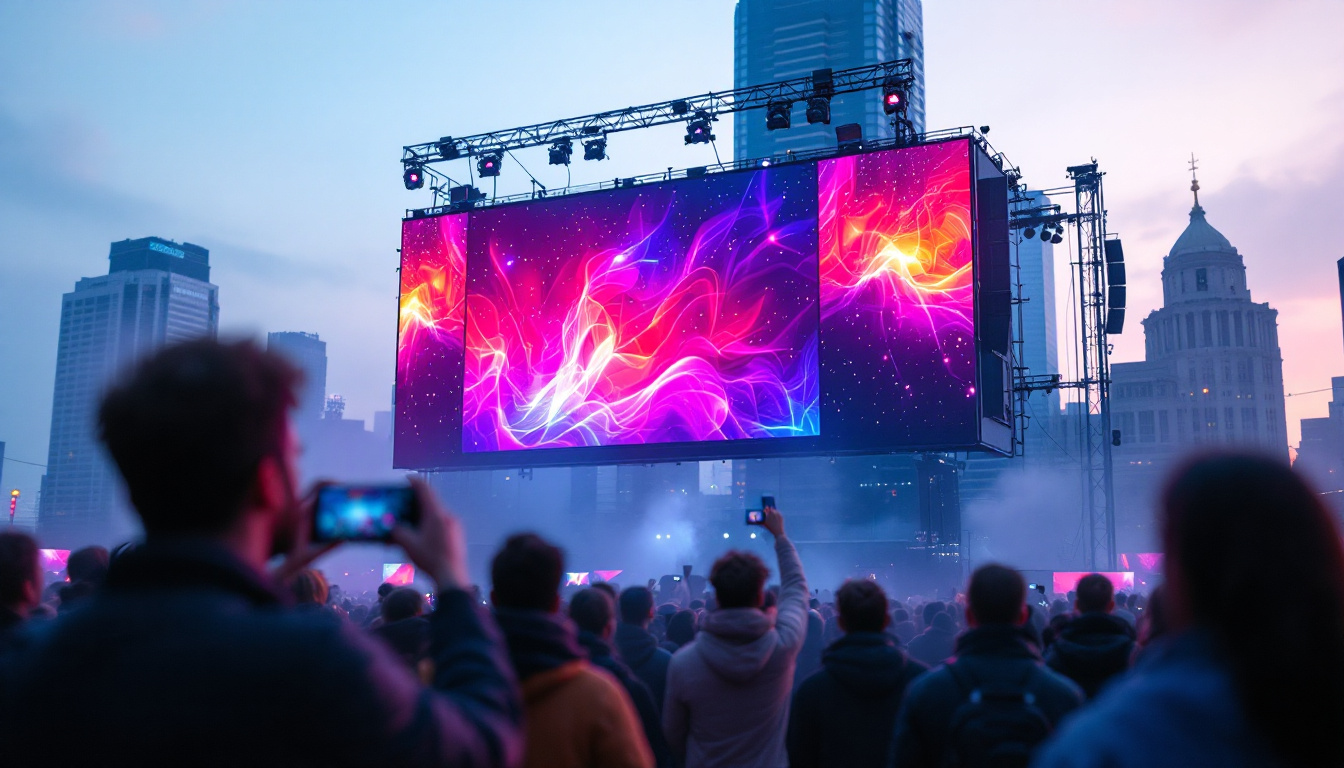
Outdoor concerts, festivals, and movie screenings benefit greatly from LED displays. Their brightness and size ensure that large crowds can enjoy high-quality visuals regardless of lighting conditions. Interactive features and live video integration enhance audience engagement and create immersive experiences.
Sports Venues and Arenas
LED screens are now standard in stadiums worldwide. They display live game footage, replays, advertisements, and real-time statistics. Their durability and visibility make them ideal for both daytime and nighttime events, improving fan experience and generating additional revenue through advertising.
Advertising and Public Information
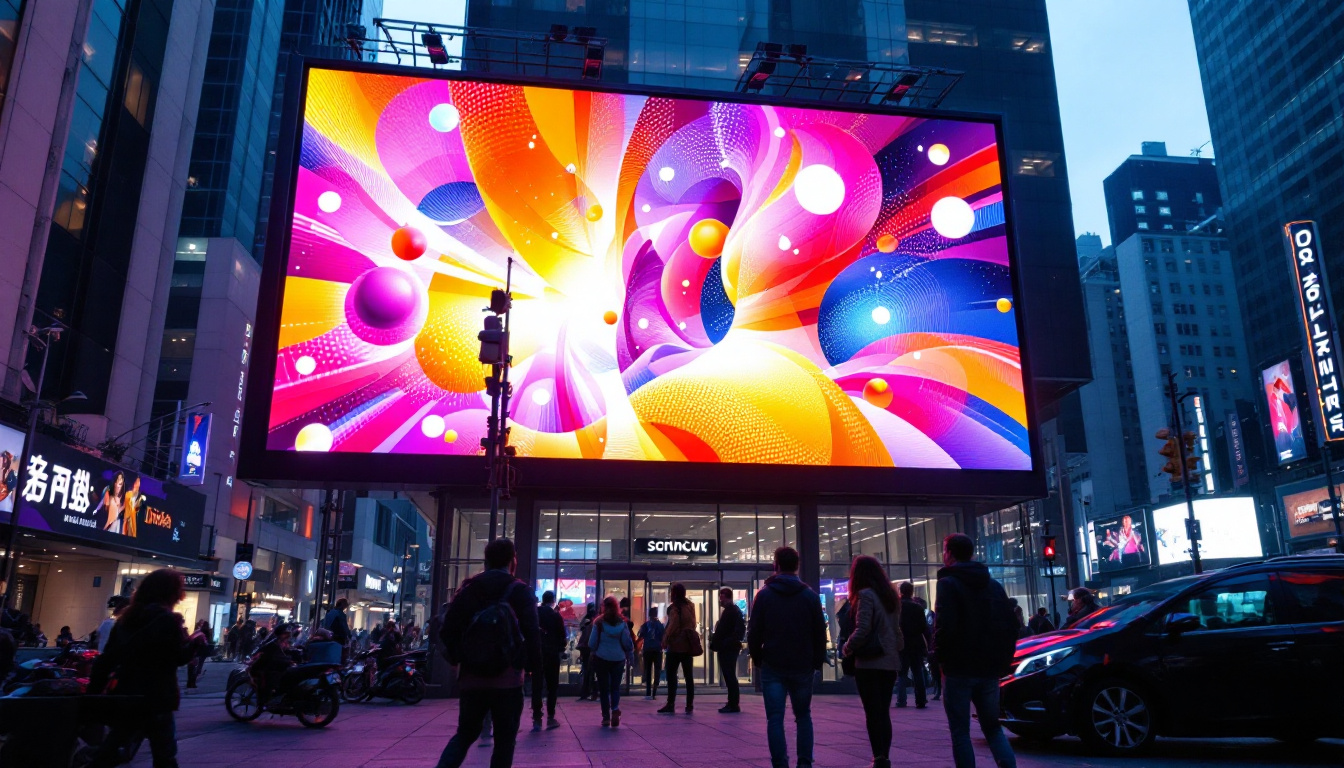
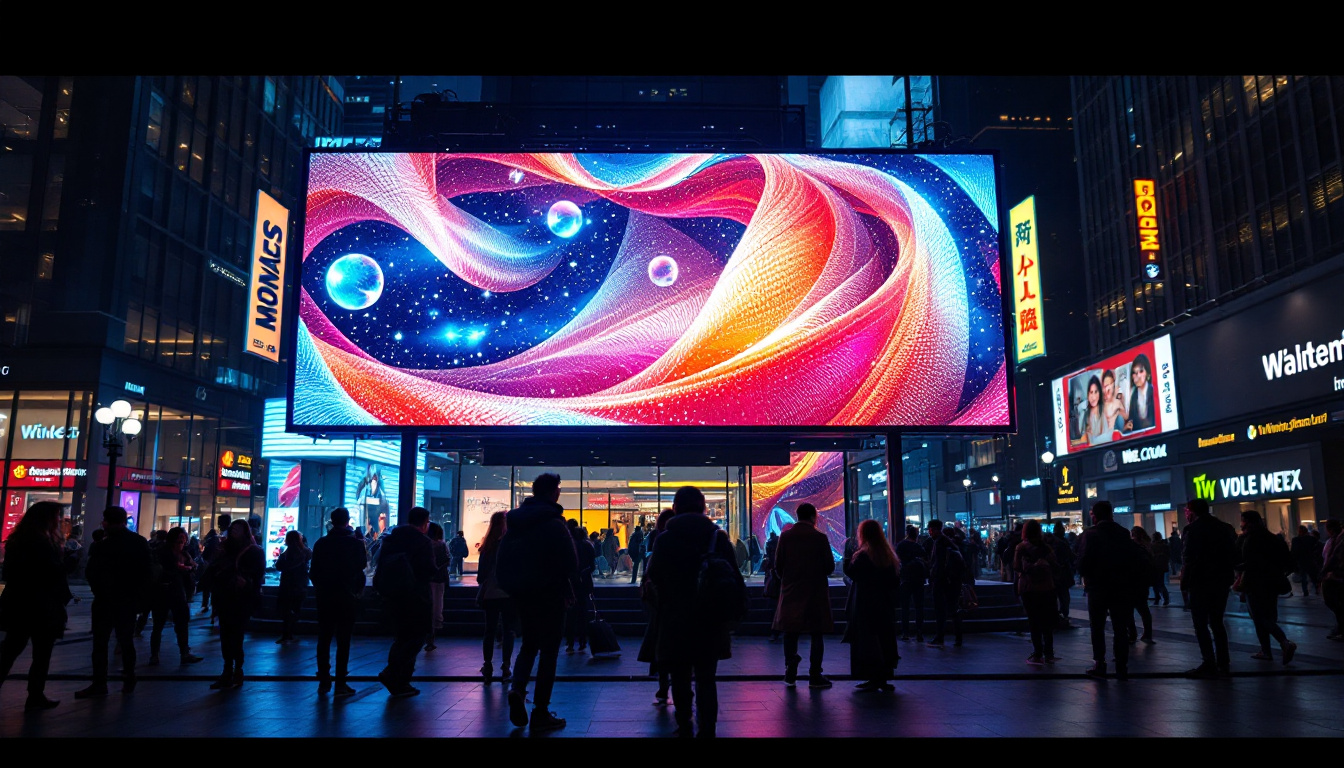
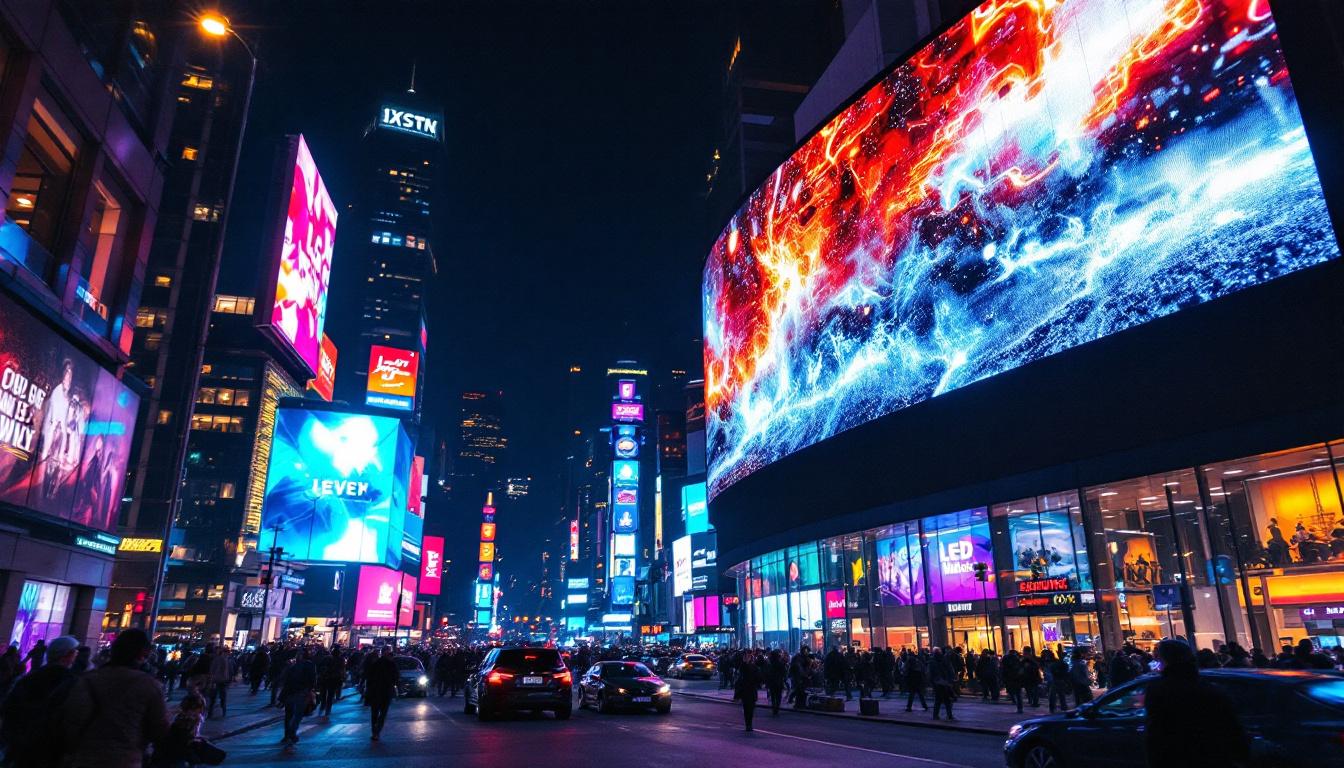
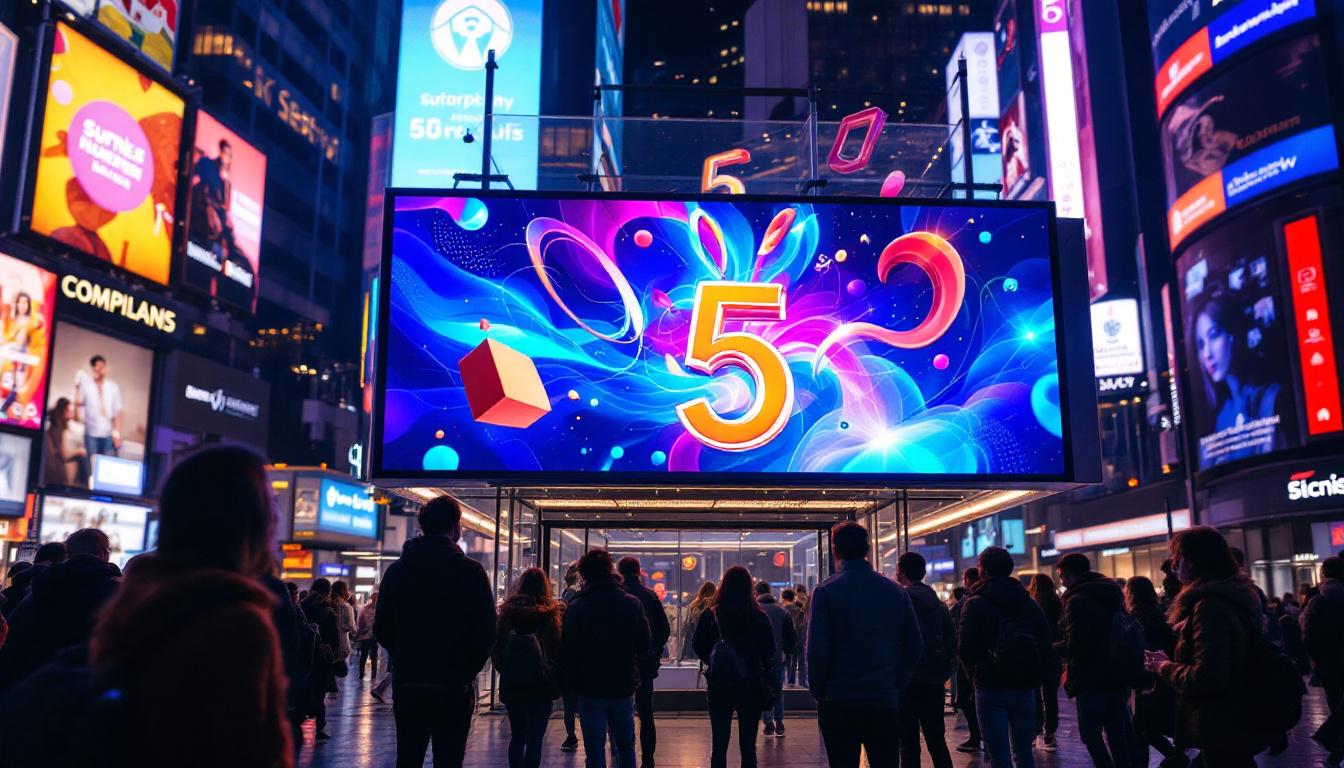
Outdoor LED billboards and digital signage are increasingly prevalent in urban centers. Their dynamic content capabilities allow advertisers to update messages instantly, tailor campaigns by time of day, and attract attention with motion and color. Public agencies also use LED displays for emergency alerts, transit information, and community announcements.
Corporate and Educational Campuses
Many corporations and universities install outdoor LED displays to communicate with employees, students, and visitors. These screens provide event schedules, news updates, and promotional content, fostering community engagement and enhancing the campus environment.
Future Trends in Outdoor LED Display Technology
Higher Resolution and Miniaturization
Advancements in LED manufacturing are driving smaller pixel pitches and higher resolutions, enabling outdoor screens to deliver near-retina quality images. This trend will expand the range of applications, including outdoor art installations and interactive digital experiences.
Energy Efficiency and Sustainability
As environmental concerns grow, LED display manufacturers are focusing on reducing power consumption and using recyclable materials. Innovations such as adaptive brightness control, which adjusts screen brightness based on ambient light, help minimize energy use without compromising visibility.
Integration with Smart Technologies
Future outdoor LED displays will increasingly integrate with IoT (Internet of Things) systems, enabling remote monitoring, predictive maintenance, and dynamic content management. AI-driven analytics may tailor content in real-time based on audience demographics and behavior, maximizing engagement and advertising effectiveness.
Conclusion
Outdoor LED displays represent a transformative technology for projection and large-format visual communication. Their superior brightness, durability, and flexibility make them the preferred choice for a wide range of outdoor applications, from entertainment and sports to advertising and public information. While the initial investment is higher than traditional projection screens, the long-term benefits in performance, maintenance, and audience impact are substantial.
When selecting an outdoor LED display, it is essential to consider factors such as pixel pitch, brightness, weatherproofing, and installation logistics to ensure optimal performance and longevity. Staying informed about emerging trends and innovations will help organizations leverage this technology to create compelling, dynamic outdoor experiences.
Discover LumenMatrix’s Innovative LED Display Solutions
Ready to elevate your outdoor visual experience with the latest in LED display technology? Look no further than LumenMatrix, a leader in crafting cutting-edge LED solutions that transform spaces and captivate audiences. From vibrant outdoor LED walls to dynamic sports displays and beyond, LumenMatrix offers a diverse range of products designed to make your message shine. Check out LumenMatrix LED Display Solutions today and see how we can help you create unforgettable visual experiences that engage and inspire.