In the evolving landscape of visual display technology, the term “projector canvas” has taken on new meaning, especially with the rise of LED displays. While traditional projectors rely on a physical screen or canvas to cast images, LED displays integrate the canvas and light source into one seamless unit. This article explores the fundamentals of projector canvases, the technology behind LED displays, and how LED canvases are transforming the way we experience visuals in both commercial and personal settings.
Understanding the Traditional Projector Canvas
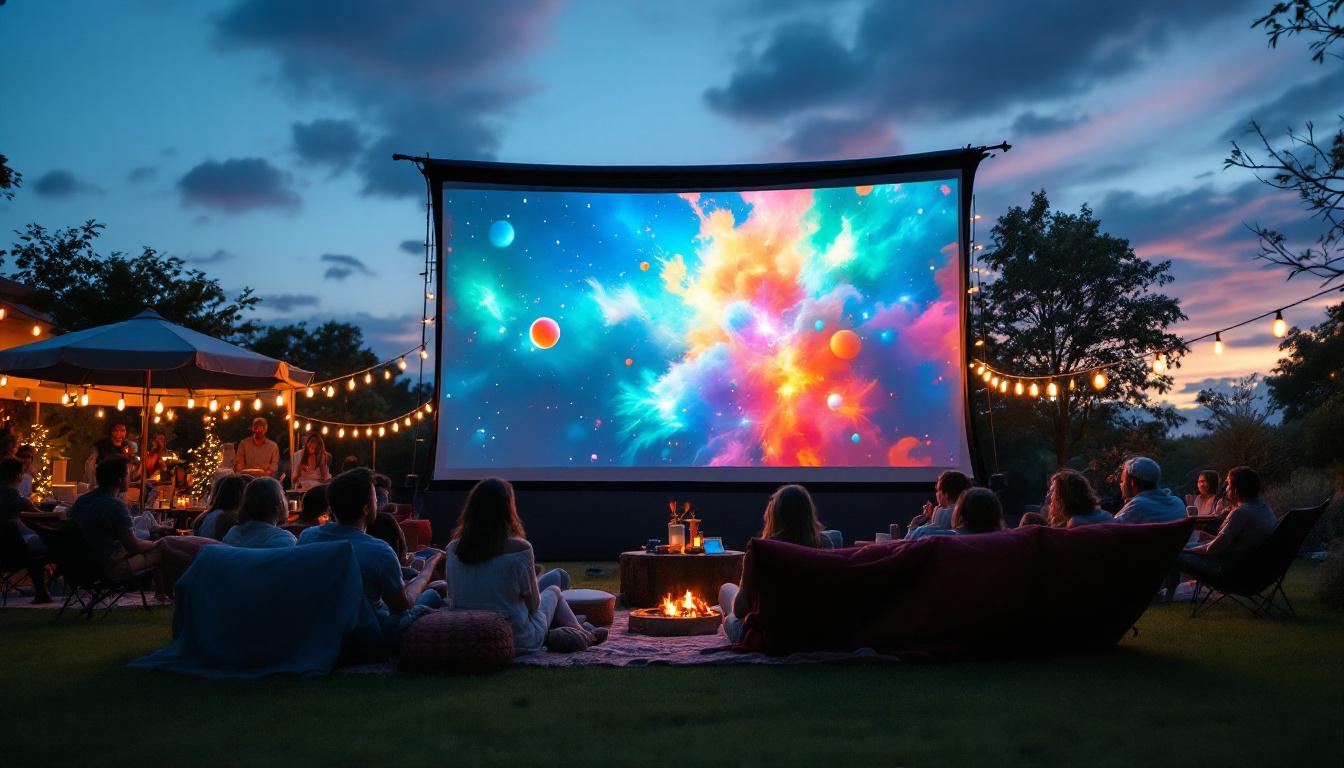
Historically, a projector canvas refers to the surface onto which a projector casts its image. This surface plays a crucial role in image quality, color accuracy, and viewing experience. Common projector canvases include matte white screens, gray screens, and specialized ambient light rejecting (ALR) screens.
Matte white screens are the most prevalent, offering a neutral surface that reflects projected light evenly. However, they are highly sensitive to ambient light, which can wash out the image. Gray screens help improve contrast in brighter environments by absorbing some ambient light, but they may slightly alter color perception. ALR screens use optical coatings to reject light from specific angles, enhancing image clarity in well-lit rooms.
The quality of the projector canvas directly impacts the viewer’s experience. A poorly chosen or low-quality screen can diminish the sharpness and vibrancy of the projected image, regardless of the projector’s capabilities.
In addition to the type of screen, the size and aspect ratio of the projector canvas are essential considerations. A larger screen can create a more immersive experience, especially for cinematic presentations, but it must be compatible with the projector’s specifications to avoid distortion. Aspect ratios, such as 16:9 for widescreen or 4:3 for traditional formats, can also influence how content is displayed and perceived. Choosing the appropriate aspect ratio ensures that the image fills the screen without cropping important visual information, which is particularly crucial for presentations or films where every detail matters.
Furthermore, the installation and positioning of the projector canvas can significantly affect performance. The distance from the projector to the screen, known as the throw distance, must be calculated carefully to achieve the desired image size and clarity. Additionally, the screen’s placement should minimize reflections from windows or overhead lights, which can detract from the viewing experience. Properly managing these factors not only enhances the visual quality but also contributes to a more engaging and enjoyable experience for the audience, whether in a home theater, classroom, or corporate setting.
The Rise of LED Displays as Projector Canvases
Unlike traditional projectors, LED displays do not require an external canvas or screen. Instead, they use light-emitting diodes (LEDs) arranged in a matrix to produce images directly. This integration of light source and display surface offers several advantages, fundamentally changing how visual content is presented.
LED displays have surged in popularity over the past decade, especially in large-scale applications such as stadiums, concerts, and digital billboards. According to a 2023 market report by Grand View Research, the global LED display market is projected to reach $27.2 billion by 2028, growing at a compound annual growth rate (CAGR) of 12.5%. This growth is driven by improvements in LED technology, falling costs, and increasing demand for high-quality digital signage.
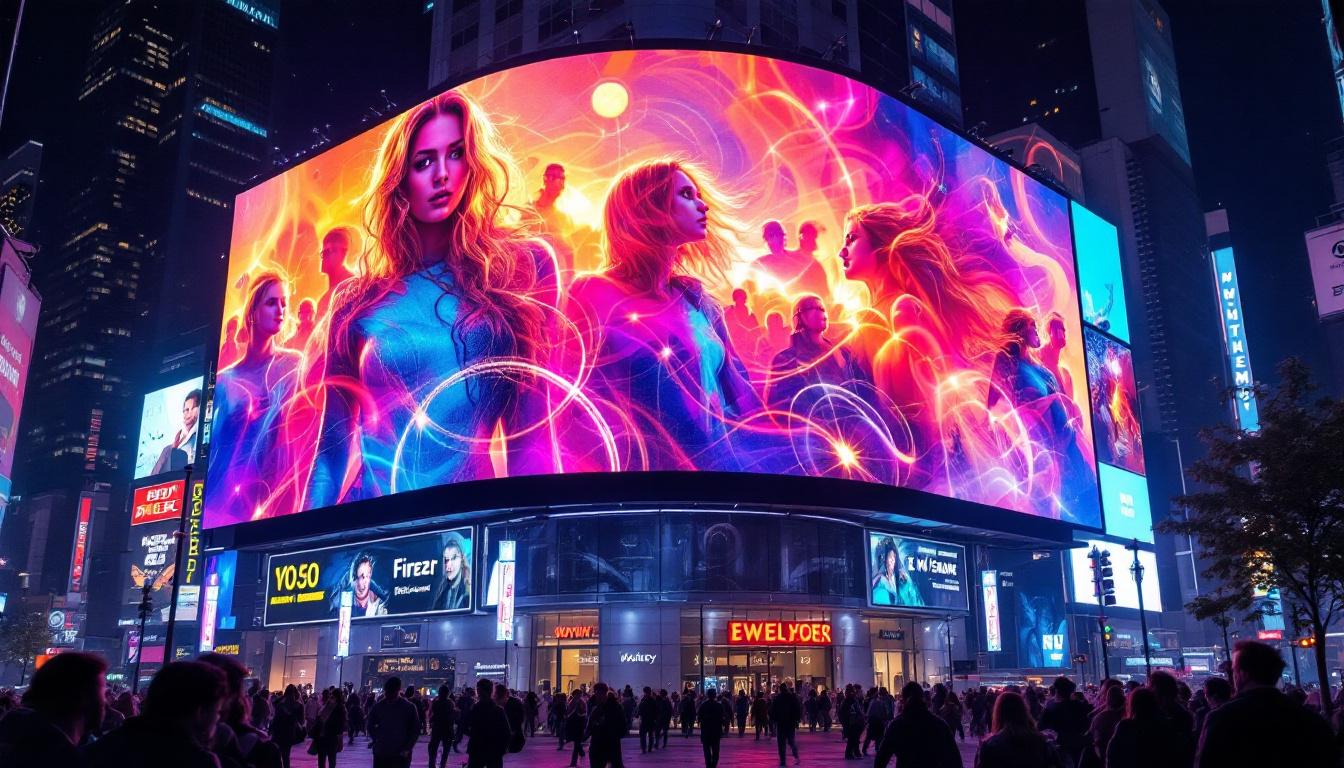
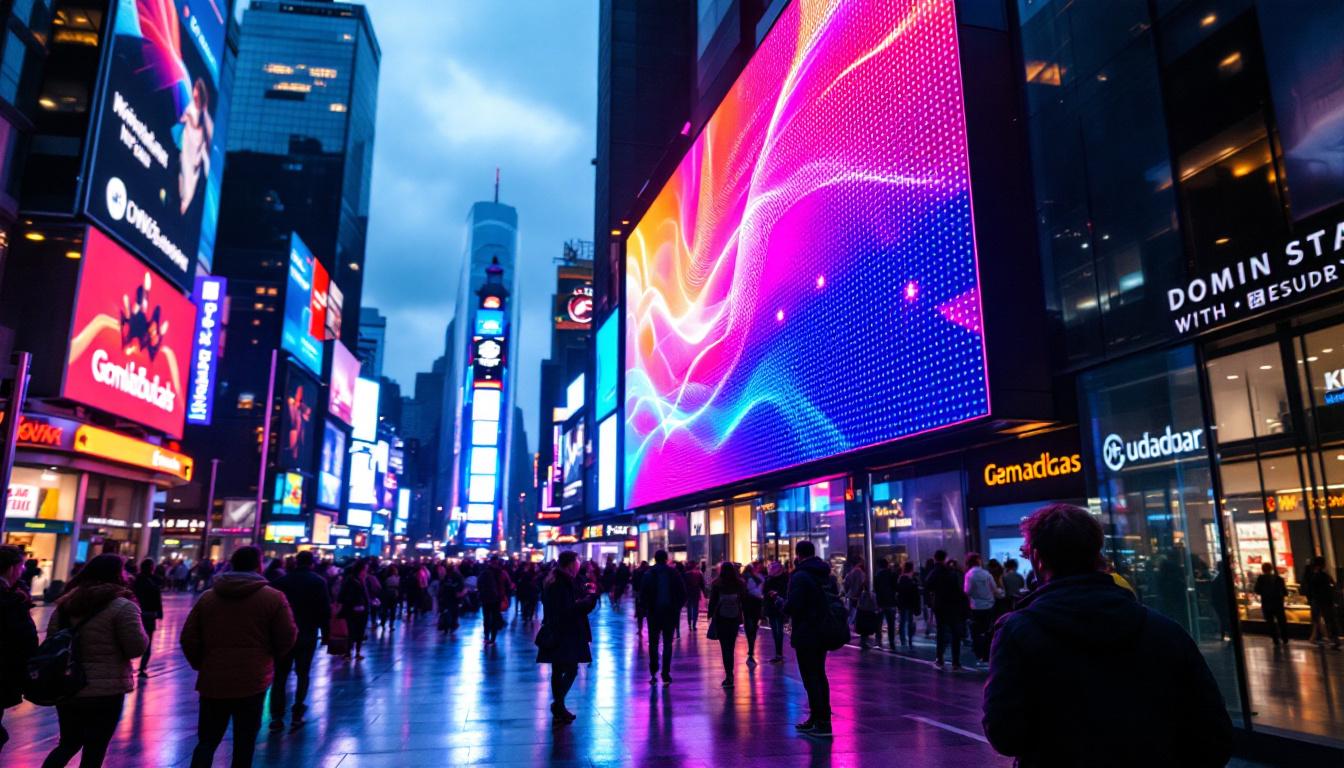
One key benefit of LED displays as projector canvases is their ability to deliver bright, vivid images even in direct sunlight or brightly lit environments. This makes them ideal for outdoor advertising and events where traditional projectors would struggle. Moreover, the versatility of LED displays allows them to be used in various settings, from sports arenas to shopping malls, where capturing the audience’s attention is crucial.
How LED Displays Work
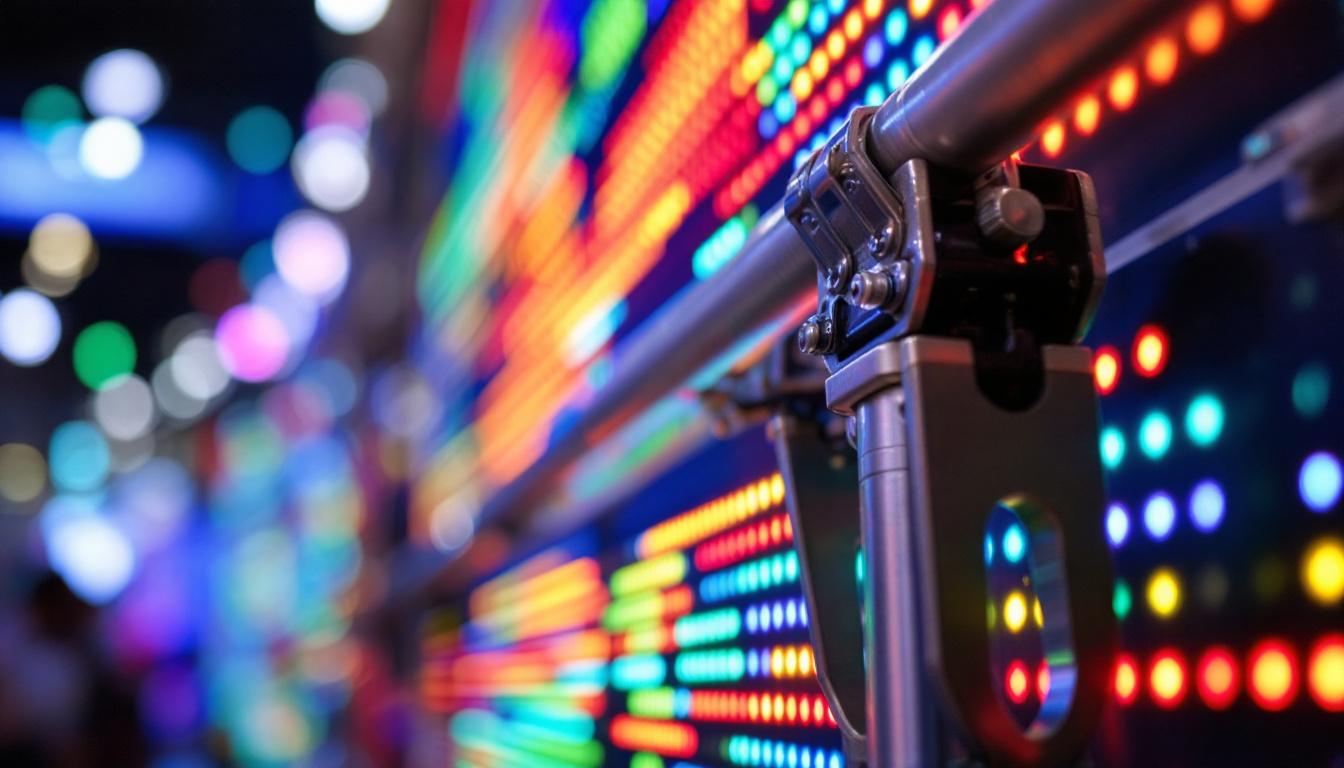
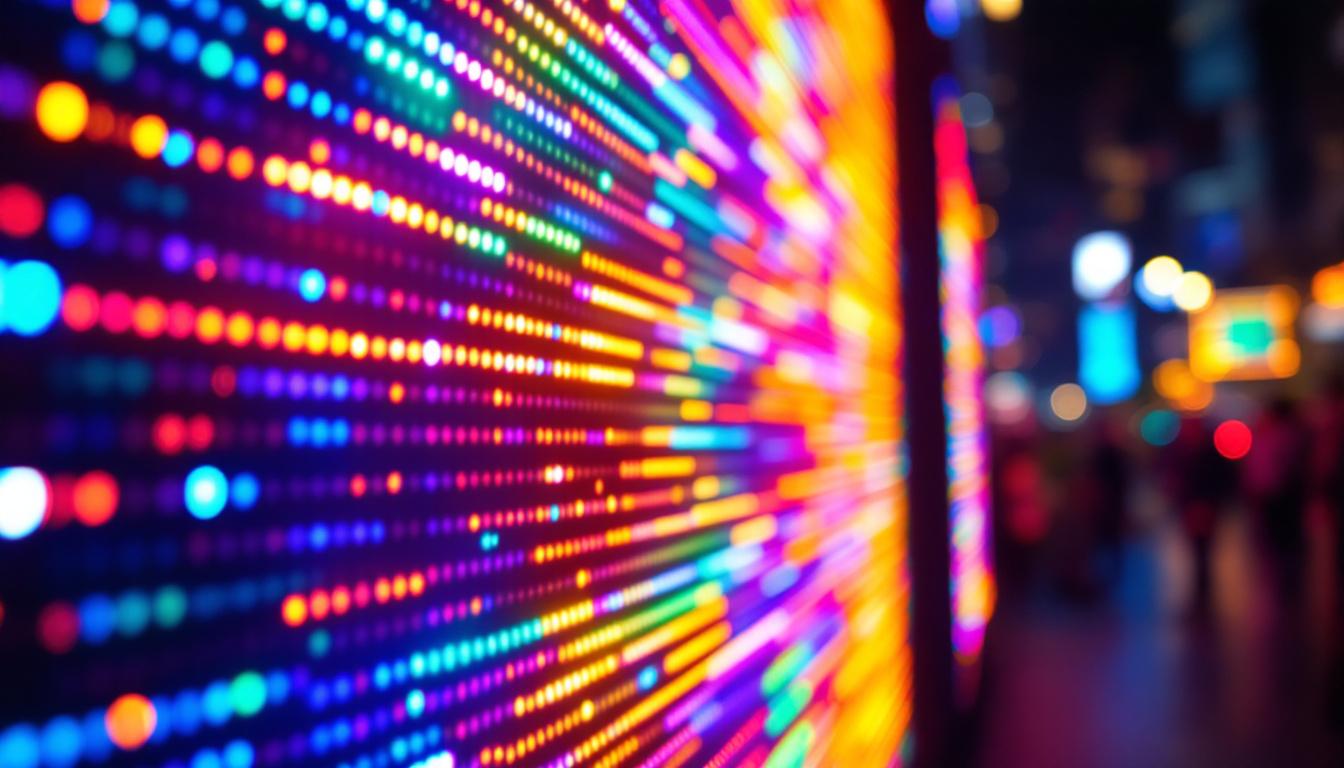
LED displays consist of thousands to millions of tiny LEDs, each acting as an individual pixel. These LEDs emit light in red, green, and blue (RGB) wavelengths, which combine to produce a full spectrum of colors. By controlling the intensity of each LED, the display can render detailed images and video with high brightness and contrast.
The resolution of an LED display depends on the pixel pitch—the distance between the centers of adjacent LEDs. Smaller pixel pitches result in higher resolution and finer image detail, making them suitable for close viewing distances. For example, a pixel pitch of 1.2 mm is common in indoor LED displays used for corporate presentations or retail environments, while larger pixel pitches (e.g., 10 mm or more) are typical for outdoor billboards viewed from a distance. Furthermore, advancements in technology have led to the development of flexible LED displays that can be curved or shaped to fit unconventional spaces, opening up new creative possibilities for designers and advertisers alike.
Advantages Over Traditional Projection
LED displays eliminate many of the limitations associated with traditional projectors and screens. Since the light source is embedded in the display, there is no need for a dark room or specialized screen material. This allows for more flexible installation options and consistent image quality regardless of ambient lighting conditions.
Additionally, LED displays offer superior color accuracy and brightness. High-end LED panels can achieve brightness levels exceeding 5,000 nits, compared to 1,000 to 3,000 lumens typical of projectors. This makes LED canvases especially effective for outdoor use or venues with high ambient light. In addition to their brightness, LED displays also support a wider color gamut, enabling them to reproduce more vibrant and lifelike images, which is particularly beneficial for applications like art exhibitions and high-definition video displays.
Another important advantage is durability. LED displays are generally more robust and require less maintenance than projectors, which depend on lamps that degrade over time and need replacement. The lifespan of LED modules can exceed 100,000 hours, translating into lower long-term operational costs. This durability is complemented by their energy efficiency; LED technology consumes significantly less power than traditional projection systems, making them a more environmentally friendly option for large-scale installations. As businesses and organizations increasingly focus on sustainability, the energy-saving attributes of LED displays are becoming a compelling selling point.
Applications of LED Projector Canvases
LED displays as projector canvases have found applications across a wide range of industries and use cases. Their versatility and performance make them suitable for environments where traditional projection falls short.
Entertainment and Events
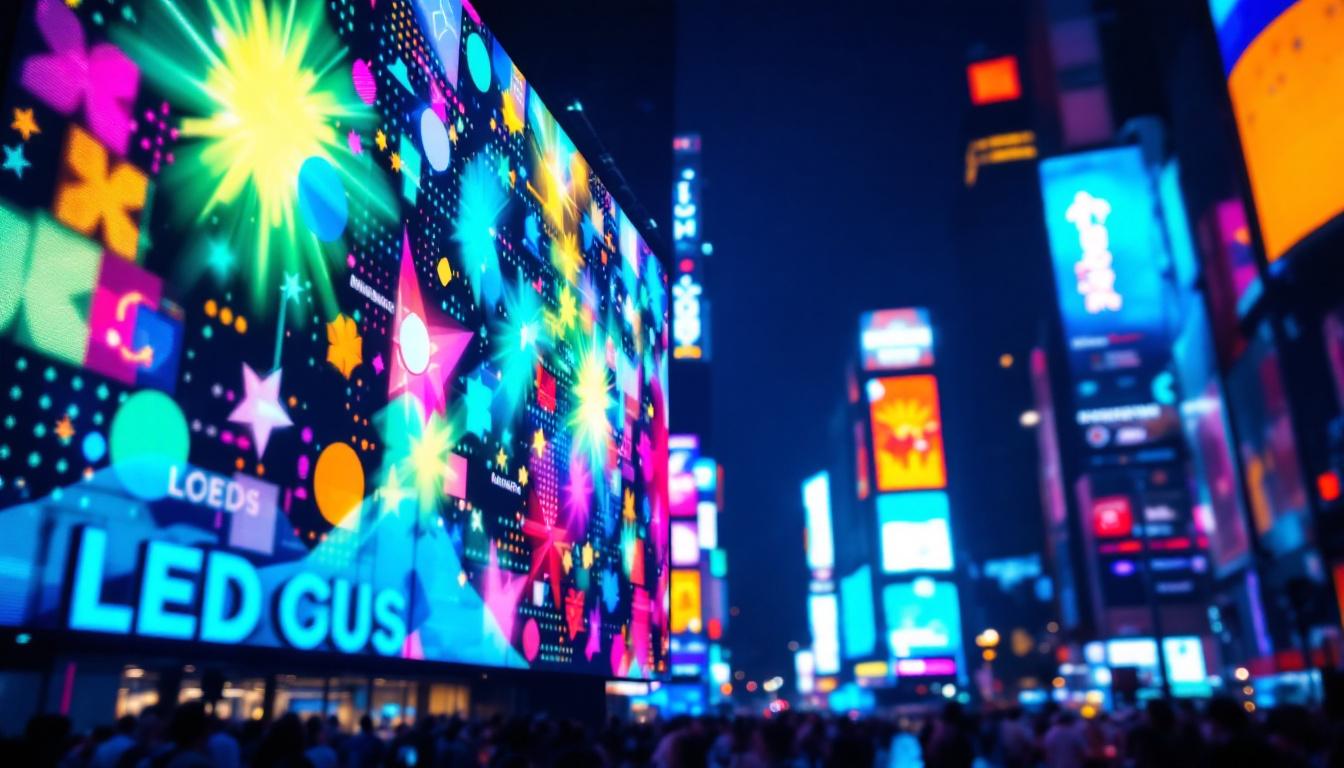
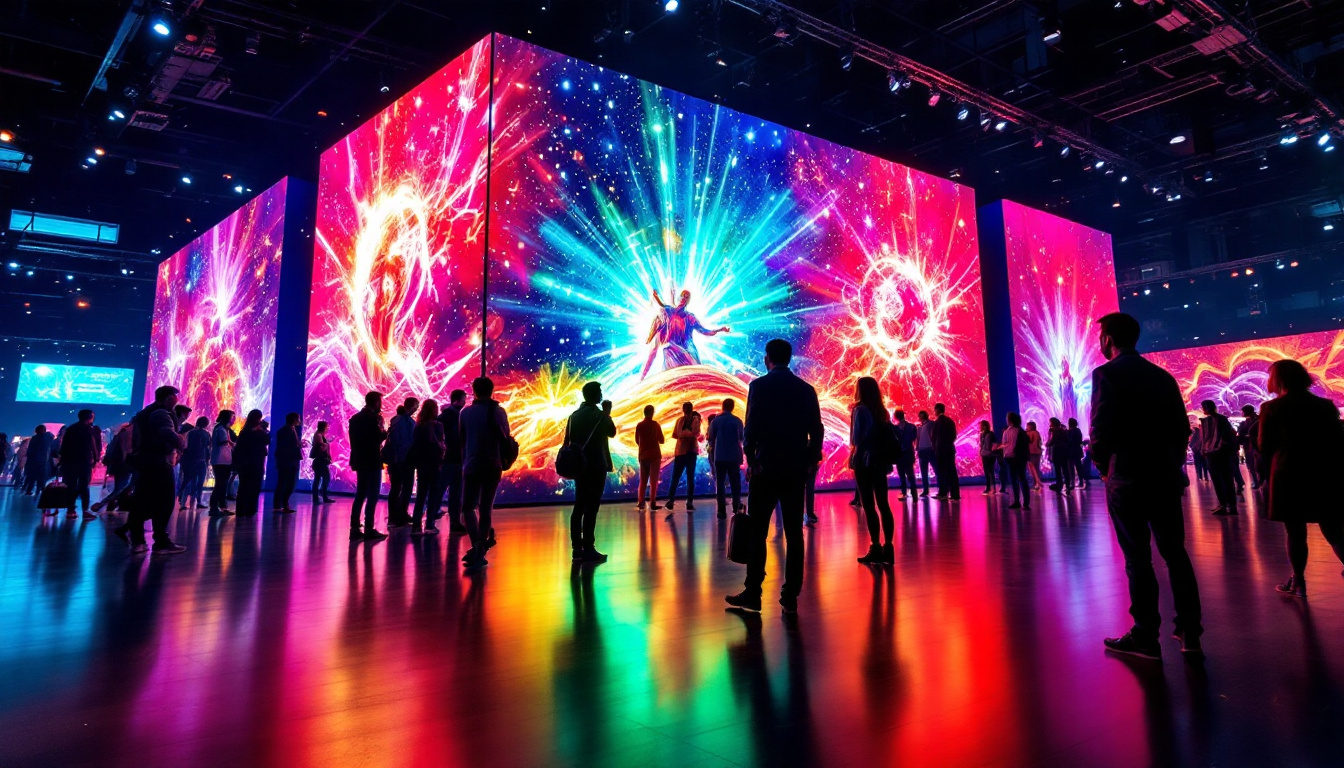
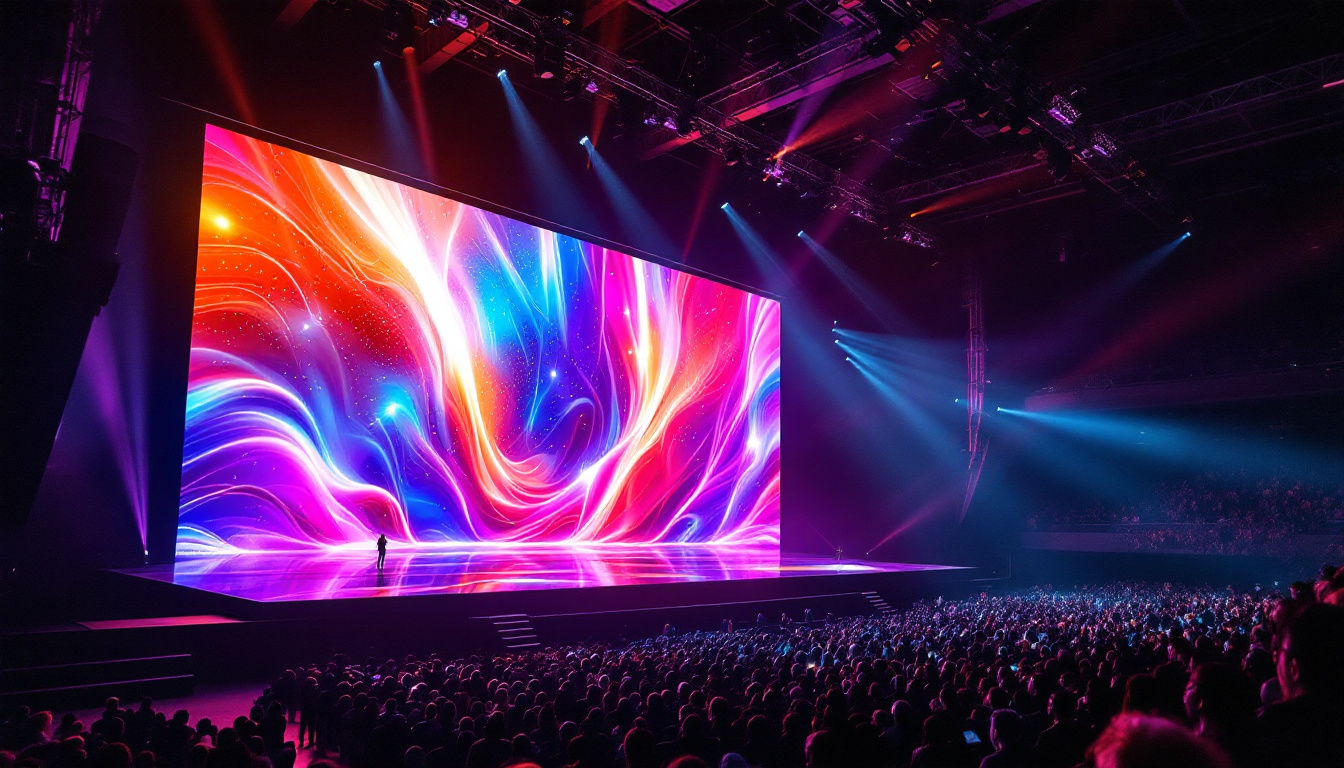
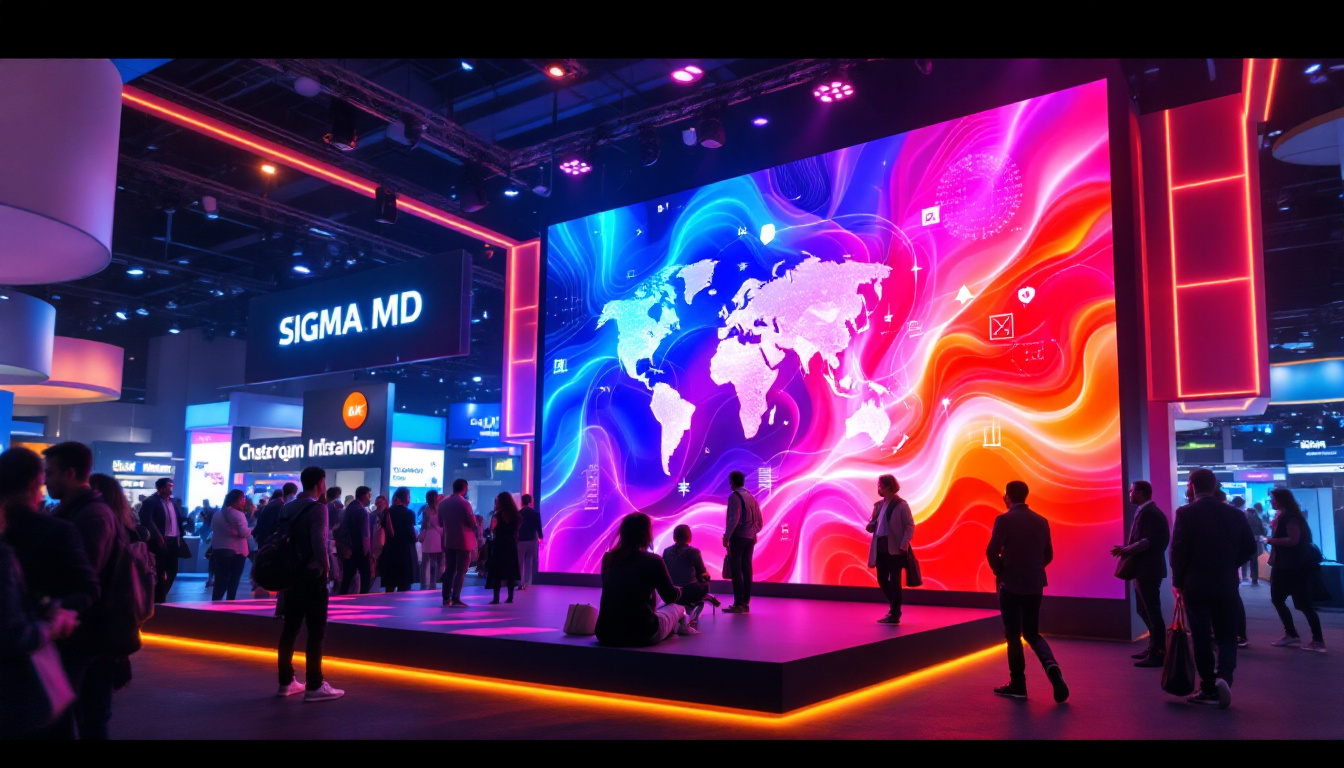
Concerts, festivals, and live events often use massive LED walls as backdrops and screens to engage audiences. These LED canvases provide bright, dynamic visuals that remain visible even in daylight or under stage lighting. For example, the Coachella Valley Music and Arts Festival uses large-scale LED displays to enhance the concert experience, delivering crisp visuals to tens of thousands of attendees.
In theaters and cinemas, LED screens are increasingly replacing projection systems. Samsung’s Onyx Cinema LED screens offer ultra-high-definition visuals with exceptional contrast and color accuracy, creating immersive viewing experiences. These LED canvases eliminate issues like screen glare and projector alignment, improving overall picture quality.
Corporate and Educational Settings
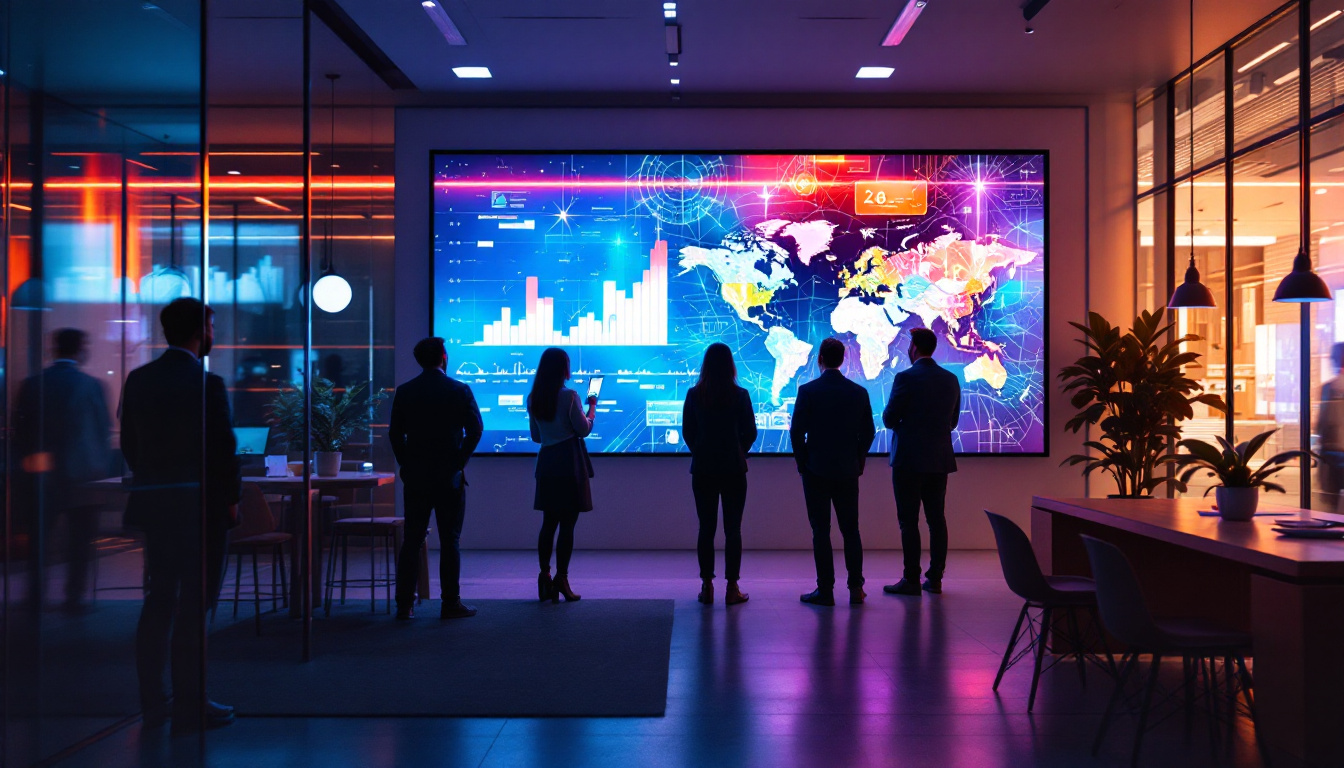
In corporate environments, LED displays serve as dynamic canvases for presentations, video conferencing, and digital signage. Their high brightness and clarity make them effective in well-lit conference rooms and auditoriums. Universities and educational institutions are also adopting LED walls for lecture halls and collaborative spaces, enhancing engagement with clear, vibrant content.
Retail and Advertising
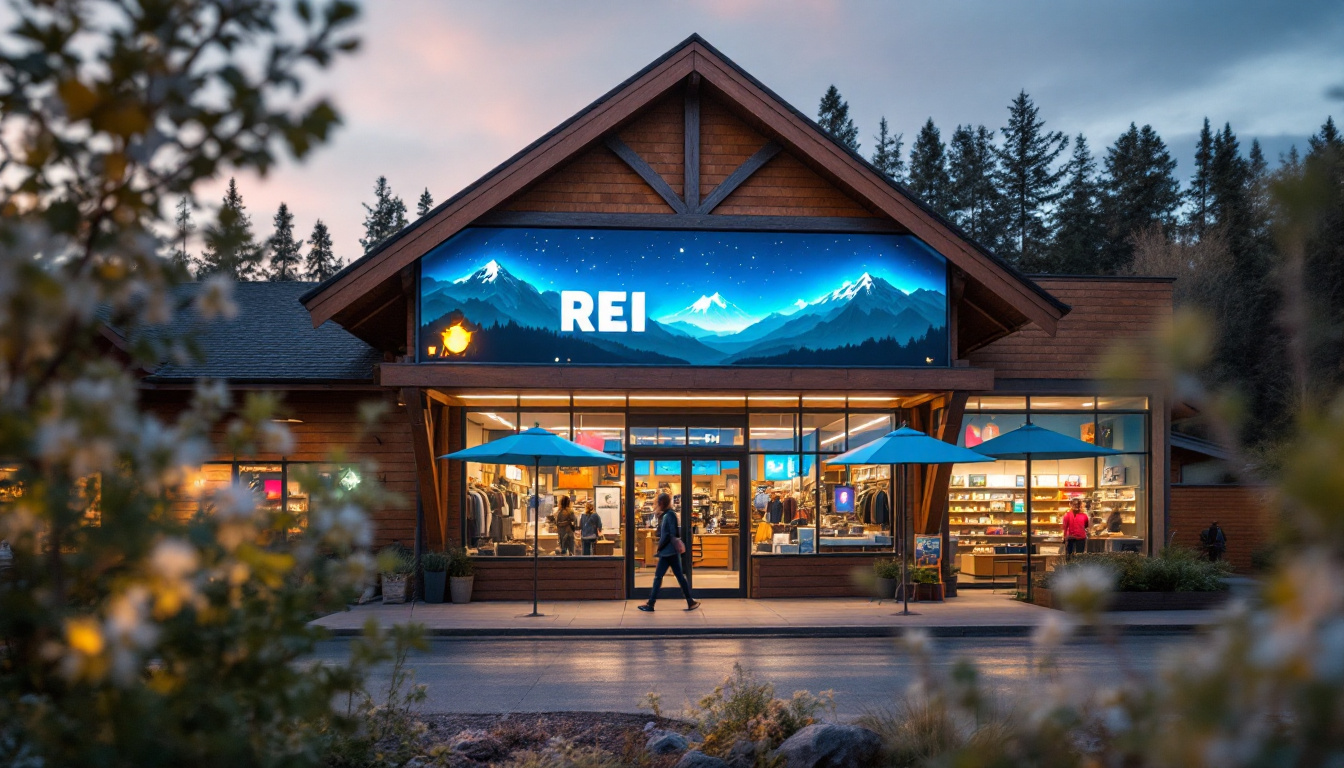
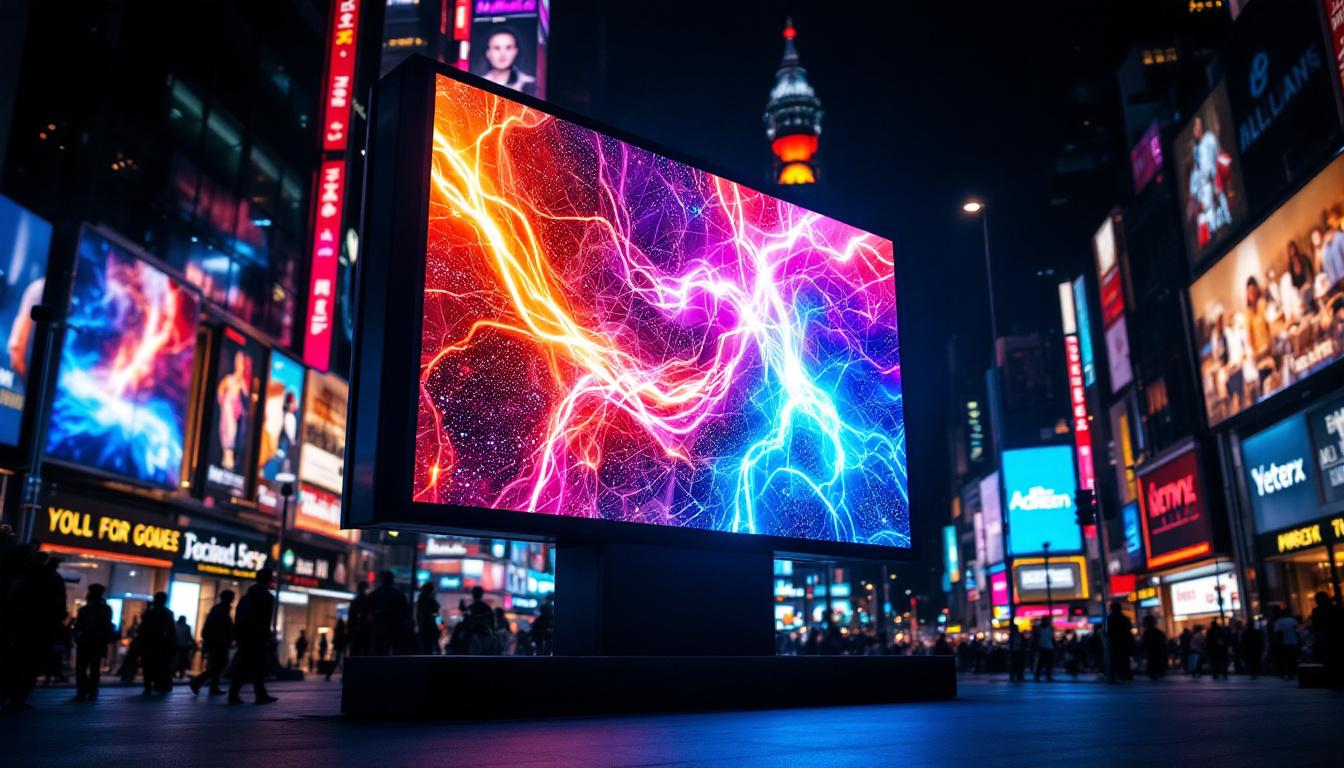
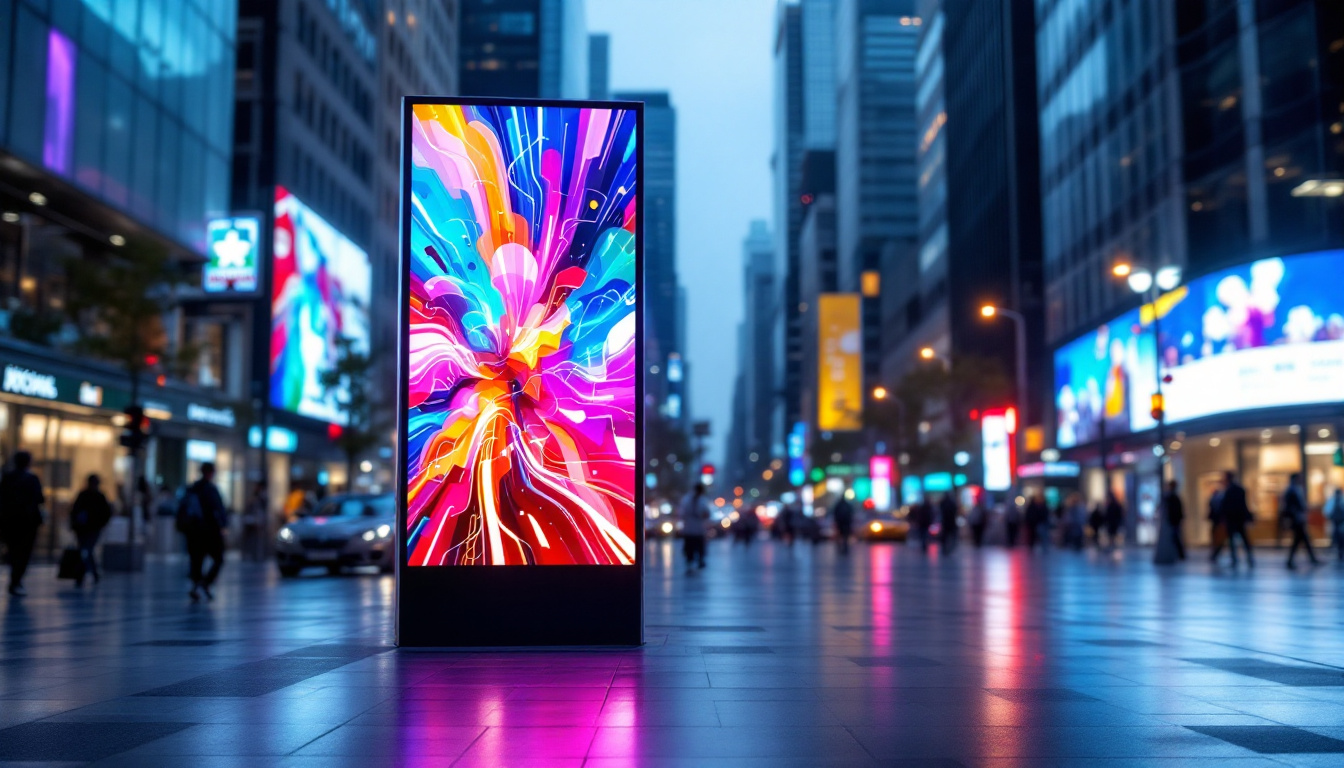
Retailers leverage LED displays as eye-catching canvases for promotional content and branding. Digital signage powered by LED technology can be updated in real-time, allowing for targeted marketing campaigns. Outdoor LED billboards along highways and in city centers deliver high-impact advertisements visible day and night, outperforming traditional printed billboards.
Architectural and Public Spaces
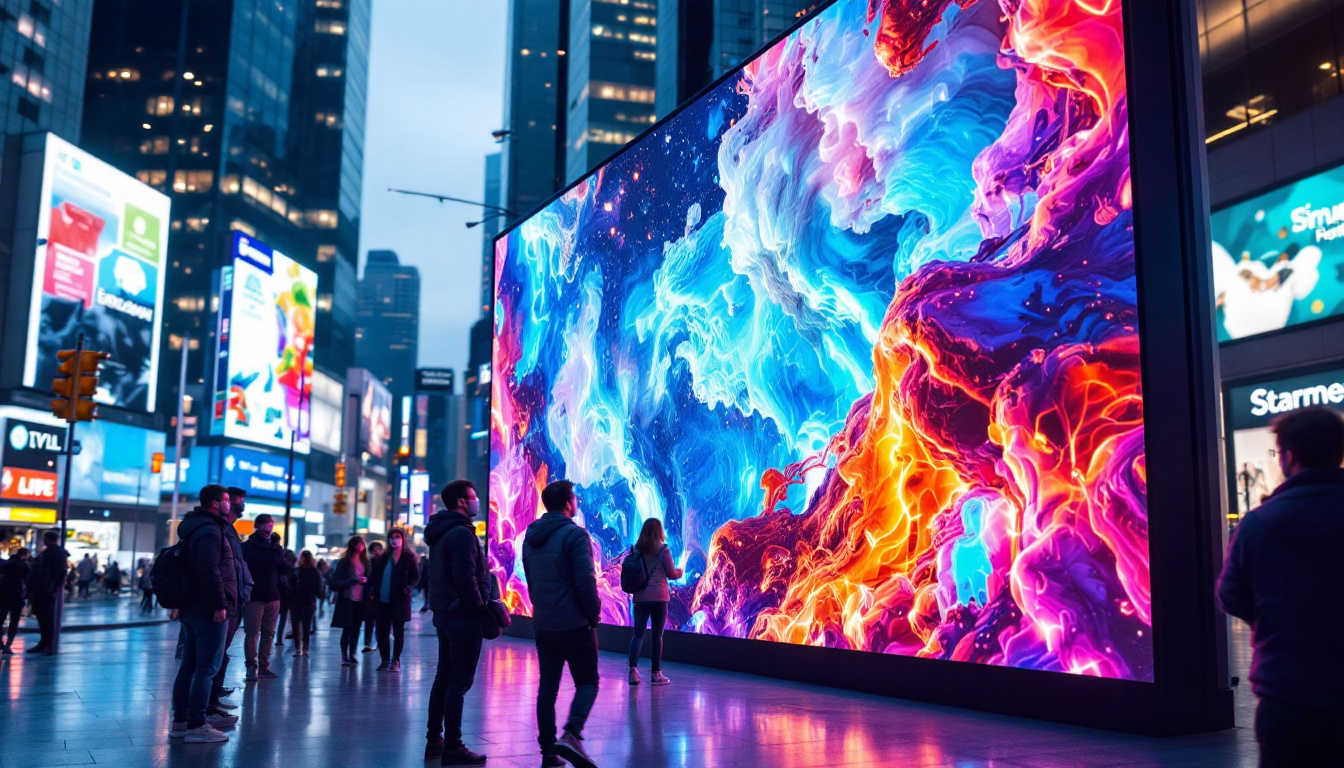
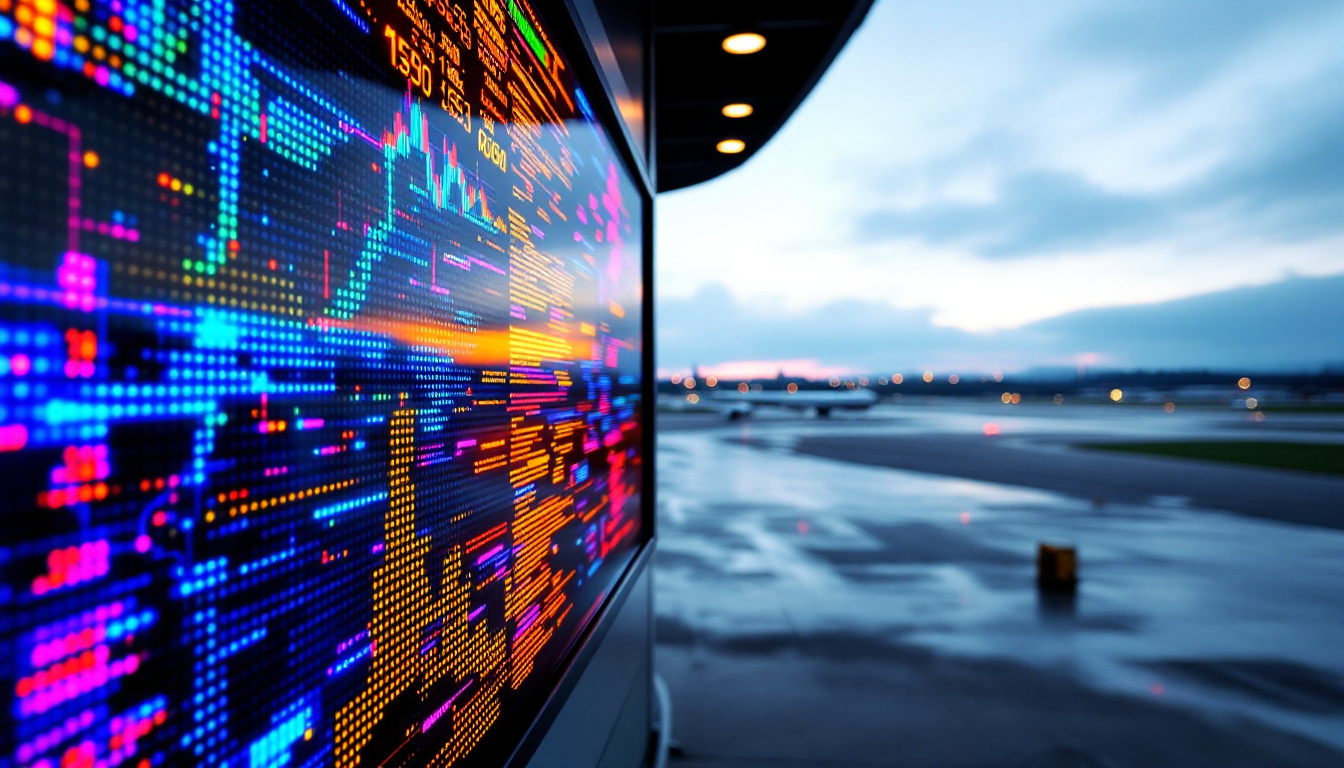
Architectural installations use LED canvases to transform building facades into dynamic art pieces or information displays. Public transportation hubs, airports, and stadiums deploy LED walls to provide wayfinding, schedules, and entertainment, enhancing the user experience.
Considerations When Choosing an LED Projector Canvas
While LED displays offer many benefits, selecting the right LED projector canvas requires careful consideration of several factors to ensure optimal performance and value.
Resolution and Pixel Pitch
The intended viewing distance is a critical determinant of the required resolution and pixel pitch. For close-range viewing, such as in conference rooms or retail stores, a smaller pixel pitch (1-3 mm) is necessary to avoid visible pixelation. For large outdoor displays viewed from a distance, a larger pixel pitch (10 mm or more) is acceptable and more cost-effective.
Brightness and Contrast
Brightness is measured in nits, and higher values ensure visibility in bright environments. Contrast ratio affects image depth and color richness. When selecting an LED display, it is important to consider the ambient lighting conditions of the installation site to choose a display with adequate brightness and contrast capabilities.
Durability and Maintenance
Outdoor LED canvases must be weather-resistant and capable of withstanding temperature fluctuations, moisture, and dust. Look for displays with appropriate IP (Ingress Protection) ratings. Maintenance access and modular design also influence ease of repairs and longevity.
Connectivity and Control Systems
Modern LED displays integrate with various content management systems and support multiple input sources. Ensure the display supports the necessary connectivity options and offers user-friendly control interfaces for seamless operation.
The Future of Projector Canvases: LED and Beyond
As LED technology continues to advance, the line between projector and canvas will blur further. MicroLED and OLED displays promise even higher resolution, improved color fidelity, and thinner, more flexible form factors. These innovations will expand the possibilities for immersive visual experiences in homes, businesses, and public spaces.
Emerging trends also include transparent LED displays that can function as windows or glass walls, integrating digital content without obstructing views. Combined with augmented reality (AR) and interactive technologies, LED projector canvases will become more than just screens—they will be dynamic, interactive environments.
In conclusion, LED displays as projector canvases represent a significant leap forward in visual technology. Their brightness, durability, and versatility make them ideal for a wide range of applications, from entertainment to advertising. Understanding the technology and key considerations can help businesses and individuals make informed decisions to harness the full potential of LED projector canvases.
Discover the Future of Visual Experience with LumenMatrix
Ready to elevate your visual displays to the next level? LumenMatrix is at the forefront of LED display innovation, offering a comprehensive range of solutions tailored to your needs. From captivating Indoor and Outdoor LED Wall Displays to dynamic Vehicle and Sports LED Displays, our products are designed to make your brand stand out. Experience the revolution in visual communication with our All-in-One LED Displays, LED Transparent Displays, and more. Don’t just take our word for it; check out LumenMatrix LED Display Solutions today and see how we can help you create truly immersive and engaging visual experiences.