In today’s rapidly evolving digital landscape, LED displays have become a cornerstone technology for industries ranging from advertising to entertainment, and even industrial applications. Hanwha, a global leader in advanced technology and manufacturing, offers extensive training programs that demystify the complexities of LED display technology. This article explores the fundamentals of LED displays, their applications, and how Hanwha’s training equips professionals with the knowledge and skills to excel in this dynamic field.
Understanding LED Display Technology
What is an LED Display?
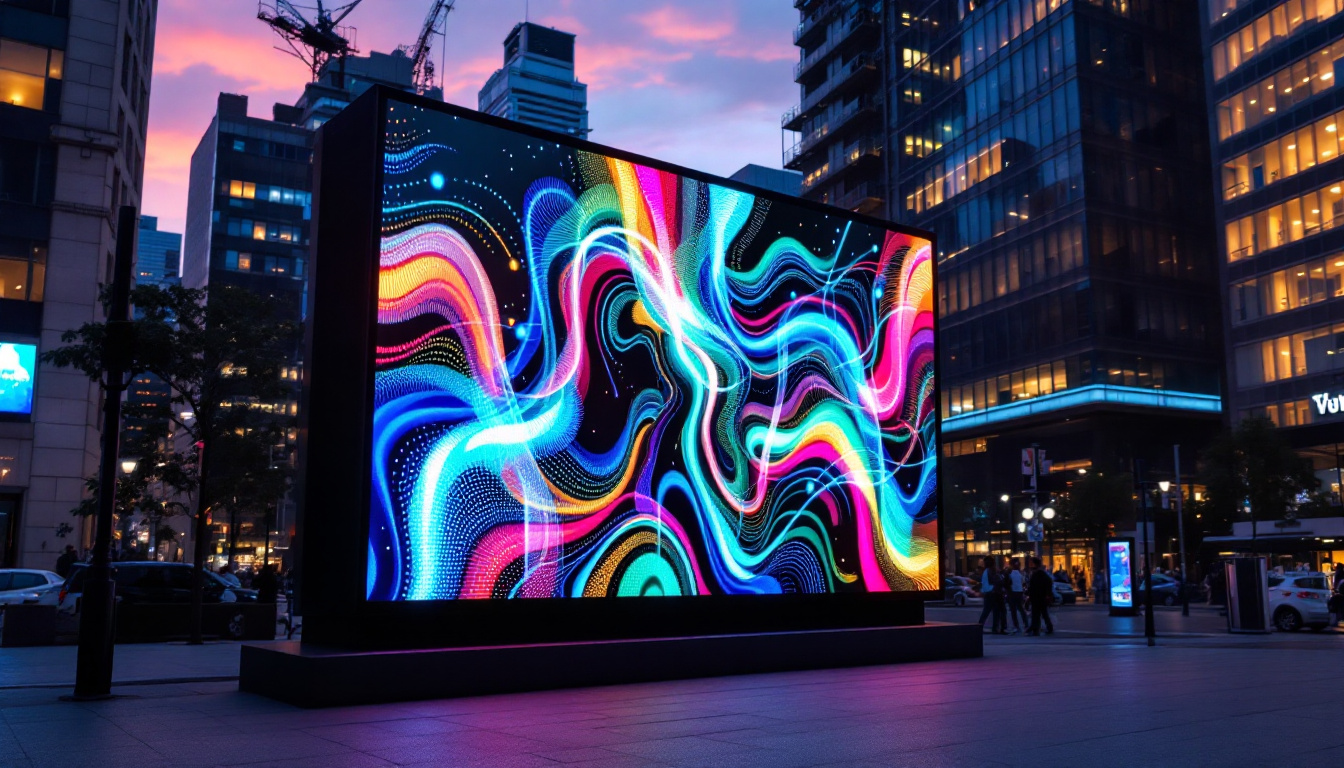
LED, or Light Emitting Diode, displays are screens that use tiny light-emitting diodes as pixels to create images and videos. Unlike traditional LCD screens that rely on backlighting, LED displays emit their own light, resulting in brighter images, better contrast, and improved energy efficiency. This technology is widely used in outdoor billboards, stadium screens, digital signage, and even indoor video walls.
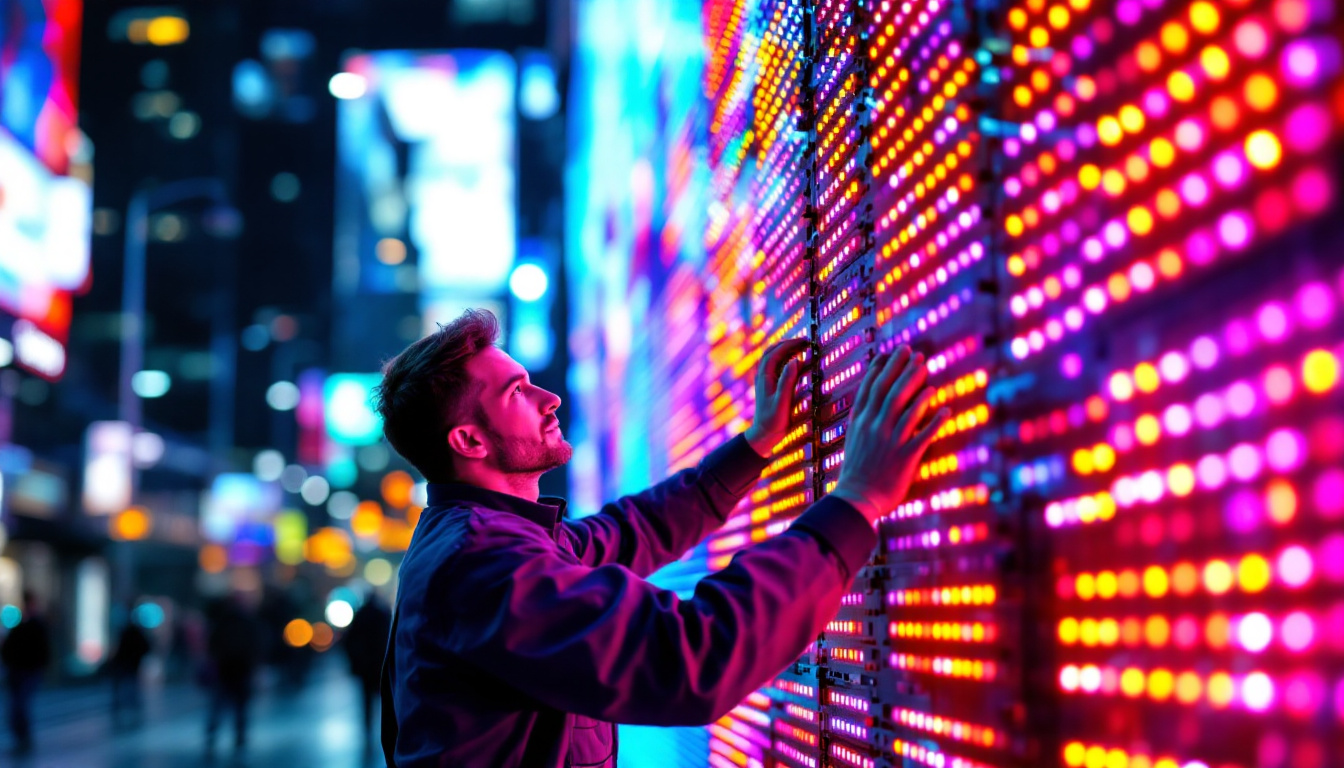
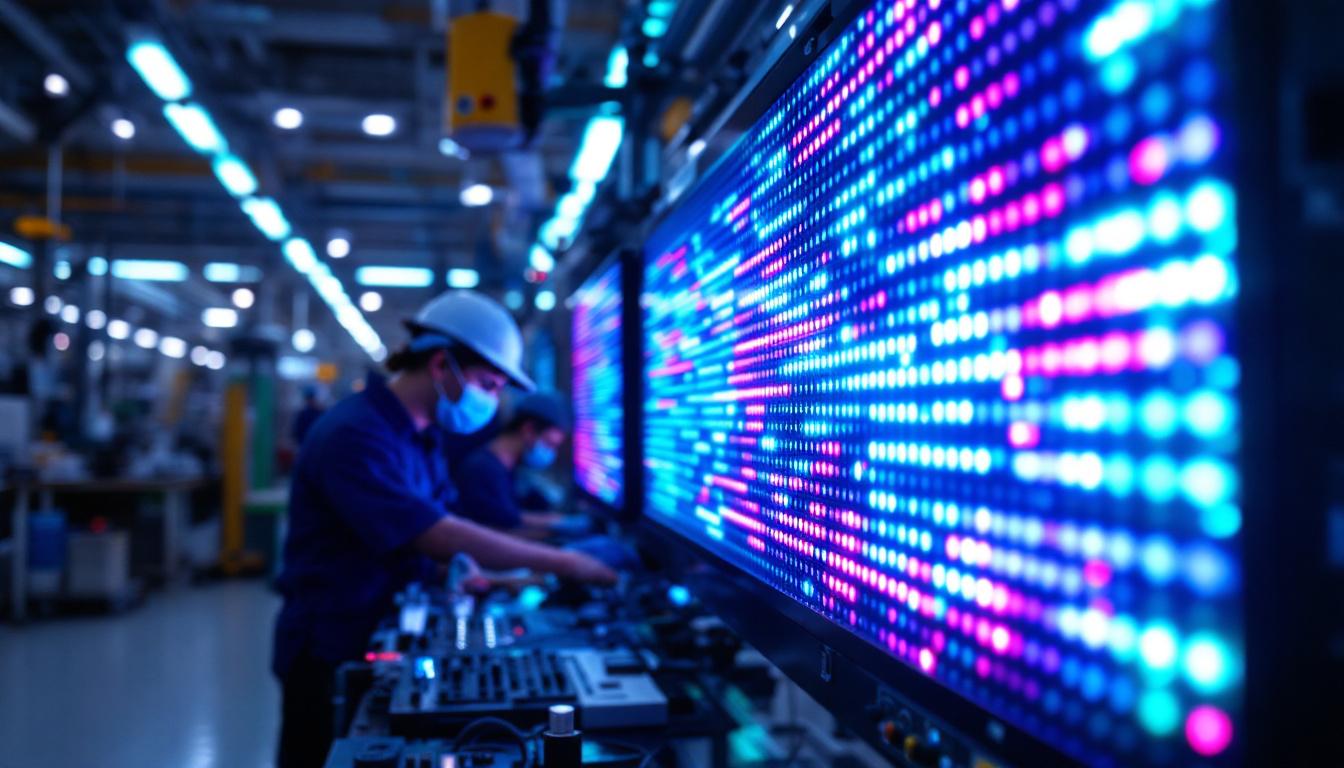
LED displays are composed of numerous small modules, each containing a grid of LEDs. These modules can be combined to form large-scale displays of virtually any size. The ability to scale and customize LED displays makes them highly versatile for various applications. Additionally, the modular design allows for easier maintenance and repair, as individual modules can be replaced without needing to take down the entire display. This feature is particularly beneficial for businesses that rely on continuous operation for advertising or information dissemination.
Types of LED Displays
There are primarily two types of LED displays: direct-view LED displays and LED-backlit LCD displays. Direct-view LED displays use LEDs as the actual pixels that produce the image, while LED-backlit LCDs use LEDs as a backlight source behind an LCD panel.
Direct-view LED displays are favored for large outdoor and indoor installations due to their superior brightness and viewing angles. These displays are further categorized by pixel pitch—the distance between the centers of two adjacent LEDs. A smaller pixel pitch means higher resolution and sharper images, which is crucial for close-up viewing environments. In contrast, larger pixel pitches are often used for distant viewing, such as on highways or large stadiums, where viewers are further away from the display. The choice of pixel pitch can significantly impact the overall visual experience and effectiveness of the display in communicating messages.
Key Components of LED Displays
Understanding the anatomy of an LED display is essential for anyone working in this field. The main components include:
- LED Modules: These are the building blocks of the display, containing arrays of LEDs arranged in a grid.
- Power Supply: Provides consistent electrical power to the LEDs and control systems.
- Control System: Processes input signals and controls the timing and intensity of each LED.
- Cabinet: The physical enclosure that houses the modules and electronics, designed for durability and weather resistance in outdoor applications.
In addition to these core components, LED displays often incorporate advanced technologies such as image processing and color calibration systems to enhance visual performance. Image processing helps to optimize the display quality by adjusting brightness, contrast, and color accuracy in real-time, ensuring that the content looks its best regardless of environmental conditions. Furthermore, many modern LED displays are equipped with smart connectivity options, allowing for remote management and content updates via the internet. This capability is particularly advantageous for businesses that need to change their messaging frequently or monitor display performance from afar.
The Advantages of LED Displays in Modern Applications
Superior Visual Quality
One of the most compelling reasons for the widespread adoption of LED displays is their exceptional visual performance. LEDs offer vibrant colors, high brightness levels, and excellent contrast ratios. This makes them ideal for environments where visibility is critical, such as outdoor advertising or live event broadcasting.
For example, LED billboards can maintain visibility even under direct sunlight, with brightness levels often exceeding 5,000 nits. This capability ensures that messages are clear and eye-catching regardless of ambient lighting conditions. Furthermore, the pixel density of LED displays allows for stunning detail, making them suitable for high-resolution content such as videos and intricate graphics. The ability to produce a wide color gamut means that brands can convey their messages with greater emotional impact, enhancing viewer engagement and retention.
Energy Efficiency and Longevity
Compared to traditional lighting and display technologies, LEDs are highly energy-efficient. They consume less power, which translates to lower operating costs and a smaller environmental footprint. Additionally, LED displays have a longer lifespan, often exceeding 100,000 hours of operation, reducing maintenance and replacement expenses. This longevity not only benefits businesses financially but also contributes to sustainability efforts by minimizing waste generated from discarded displays.
Moreover, advancements in LED technology continue to improve their efficiency. Innovations such as smart dimming capabilities allow displays to adjust brightness based on ambient light conditions, further conserving energy. This means that during nighttime or in dimly lit environments, the displays can operate at lower power levels without sacrificing visibility, making them an even more attractive option for eco-conscious companies.
Flexibility and Scalability
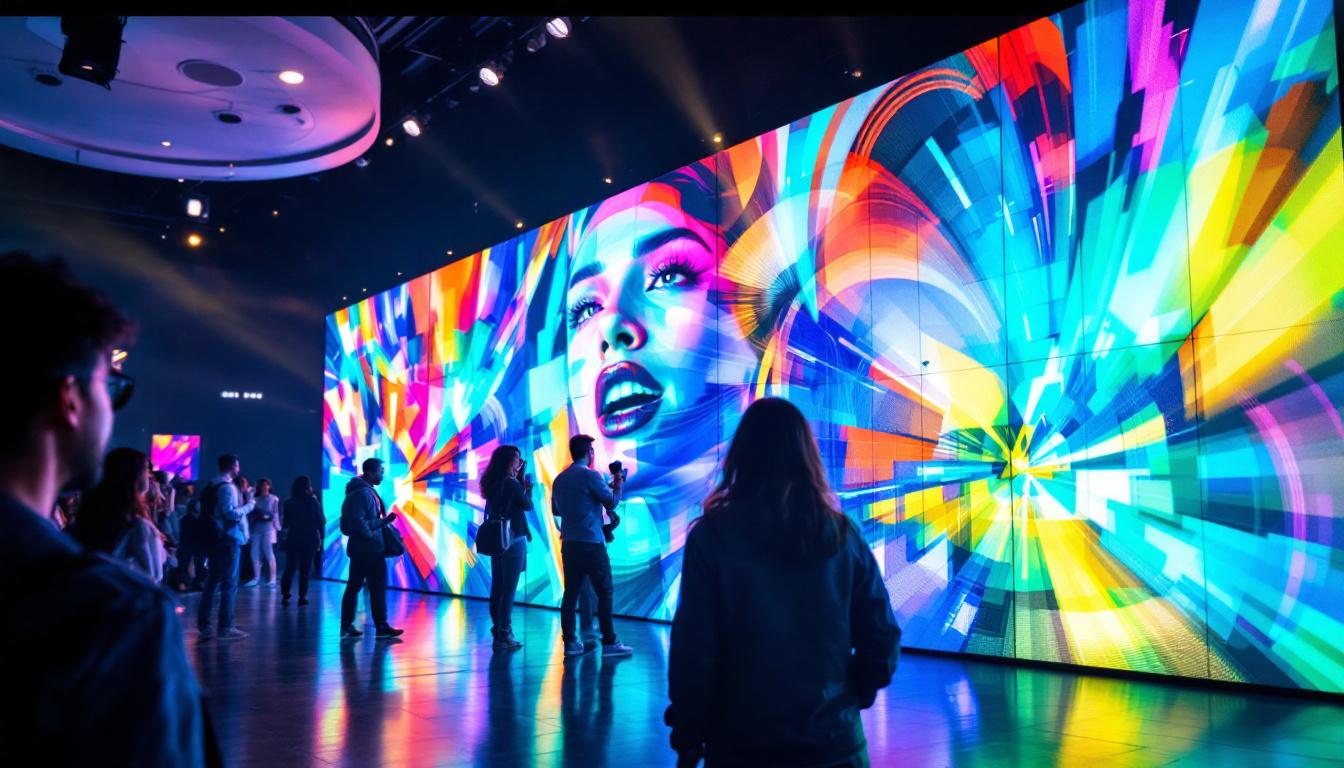
LED displays can be customized to fit a wide range of sizes and shapes, from small indoor screens to massive outdoor video walls. This scalability allows businesses and event organizers to tailor their visual communications precisely to their needs. Moreover, LED technology supports flexible and curved displays, opening new possibilities for creative installations. This adaptability is particularly beneficial in venues such as concert halls, museums, and retail spaces, where unique display configurations can enhance the overall aesthetic and viewer experience.
In addition to physical flexibility, LED displays can also be integrated with various content management systems, enabling dynamic content updates and interactive features. This means that businesses can easily change advertisements, display real-time information, or even engage customers through interactive touchscreens. The ability to adapt content on-the-fly not only keeps the audience engaged but also allows for targeted messaging that can respond to current events or promotions.
Durability and Reliability
LED displays are built to withstand harsh environmental conditions, including rain, wind, and extreme temperatures. This robustness makes them suitable for outdoor applications where traditional screens would fail. Hanwha’s training emphasizes the importance of selecting the right materials and protective measures to ensure long-term reliability. For instance, many LED displays come with IP ratings that indicate their resistance to dust and moisture, ensuring that they perform consistently in various weather conditions.
Additionally, the solid-state nature of LEDs means they are less prone to damage from shocks and vibrations compared to fragile LCD or plasma screens. This durability is particularly advantageous in high-traffic areas or during live events where equipment may be subject to movement or accidental impact. With lower susceptibility to failure, businesses can rely on LED displays to deliver uninterrupted service, which is crucial for maintaining brand visibility and customer satisfaction in competitive environments.
Hanwha’s Comprehensive LED Display Training Program
Training Objectives and Audience
Hanwha’s LED display training is designed for engineers, technicians, sales professionals, and project managers involved in the LED display industry. The program aims to provide a thorough understanding of LED technology, installation techniques, maintenance practices, and troubleshooting methods.
Whether participants are new to the industry or seasoned professionals seeking to update their skills, Hanwha’s training offers practical knowledge and hands-on experience. This approach ensures that learners can confidently design, deploy, and maintain LED display systems.
Curriculum Overview
The training curriculum covers a broad spectrum of topics, including:
- LED Display Fundamentals: Basic principles, types of LEDs, and display configurations.
- Design and Engineering: Pixel pitch selection, module design, and system architecture.
- Installation Procedures: Mechanical assembly, electrical connections, and calibration.
- Control Systems and Software: Signal processing, content management, and remote monitoring.
- Maintenance and Troubleshooting: Common issues, diagnostic tools, and repair techniques.
- Industry Standards and Safety: Compliance with regulations and best practices.
Hands-On Learning and Real-World Applications
Hanwha’s training emphasizes experiential learning through practical exercises and real-world case studies. Participants work directly with LED modules, control systems, and diagnostic equipment to develop problem-solving skills.
For instance, trainees might simulate installation scenarios, calibrate displays for optimal performance, or troubleshoot signal disruptions. This hands-on approach ensures that theoretical knowledge is reinforced by practical experience, making the training highly effective.
Industry Applications and Case Studies
Outdoor Advertising and Digital Signage
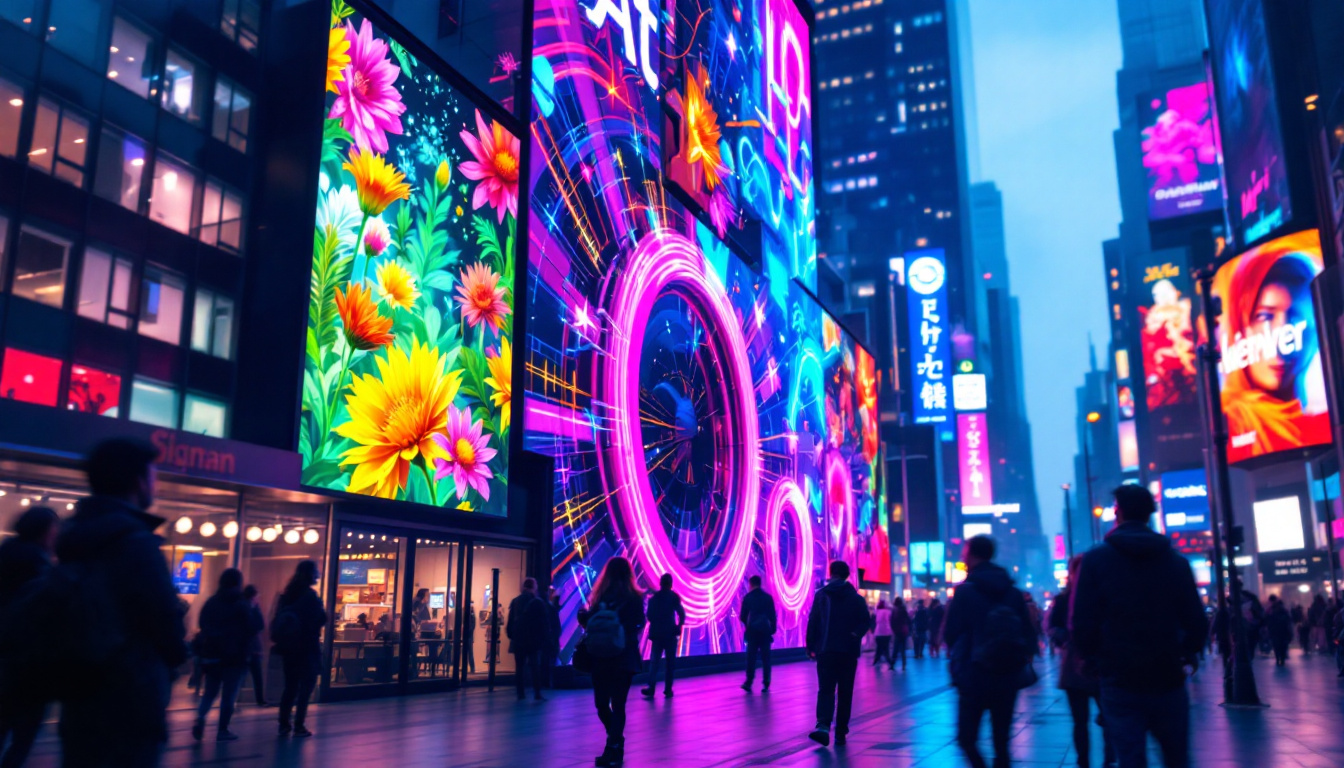
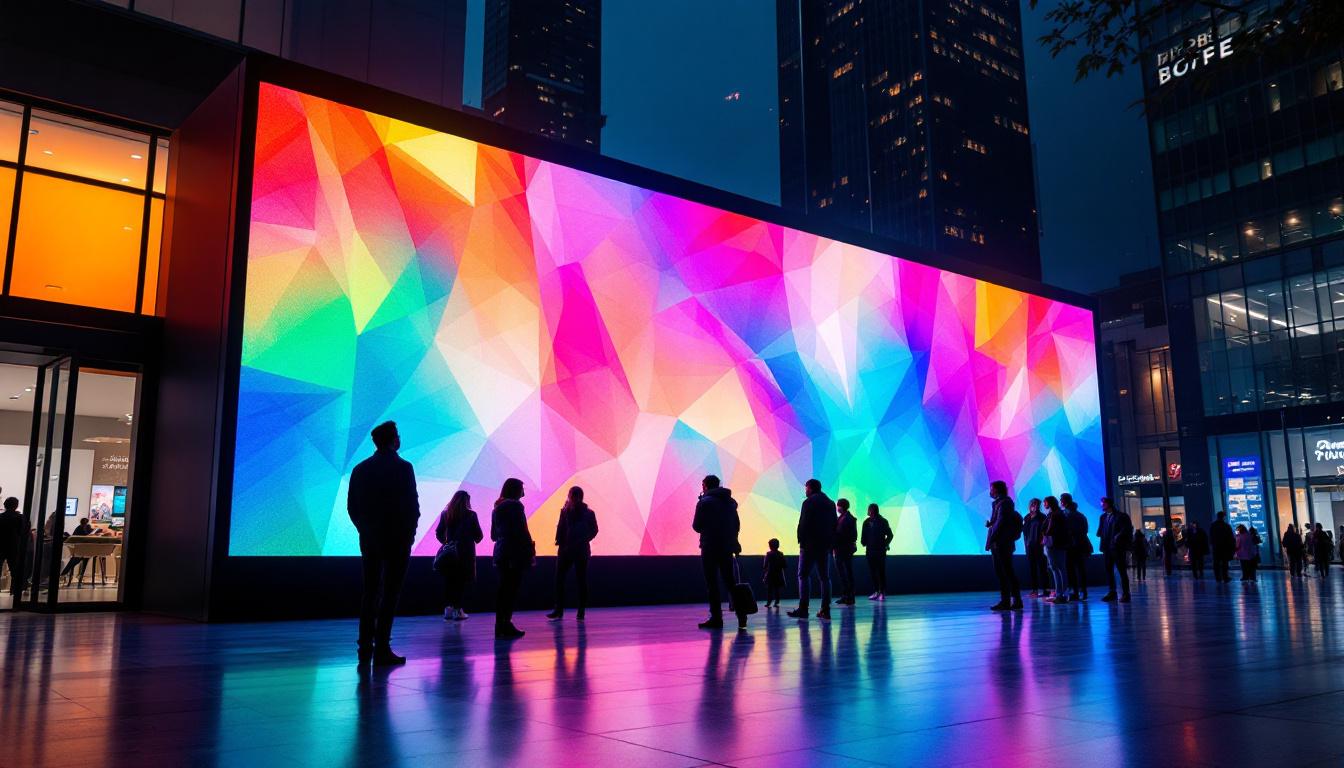
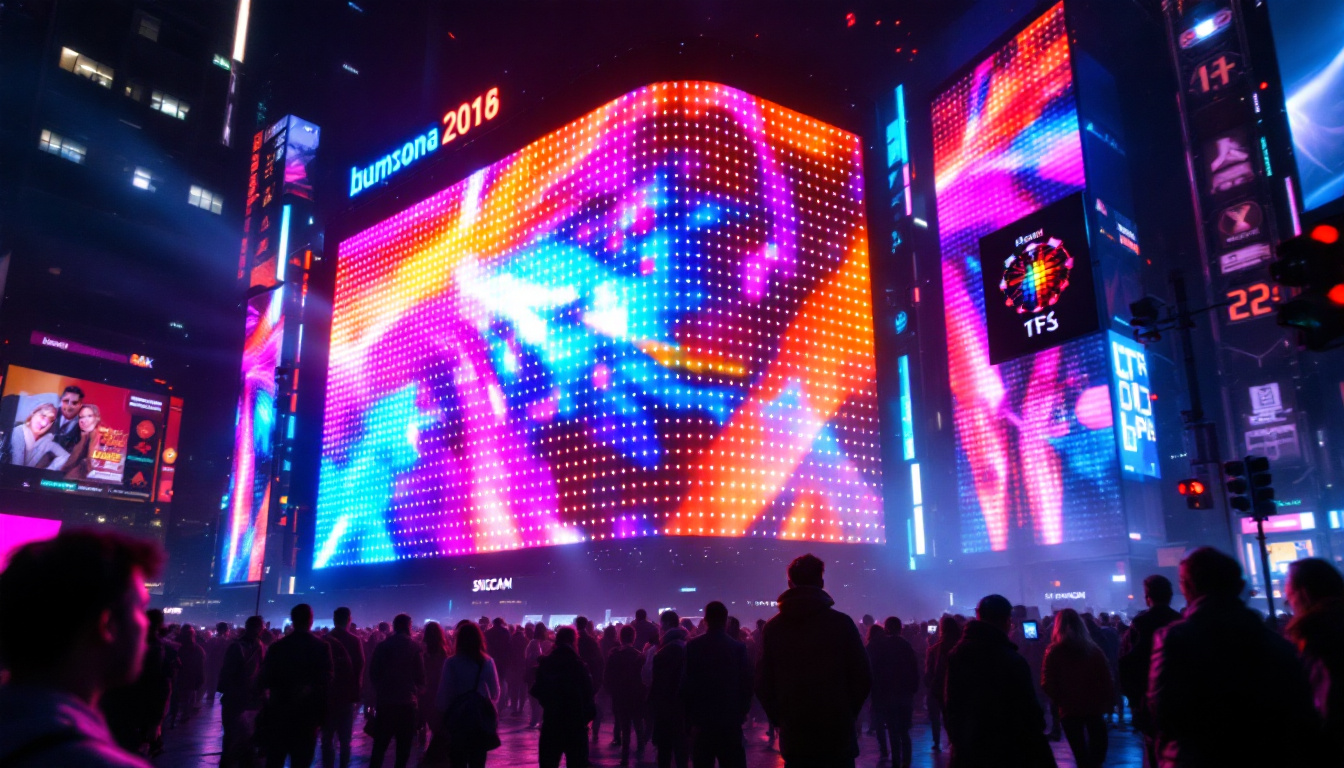
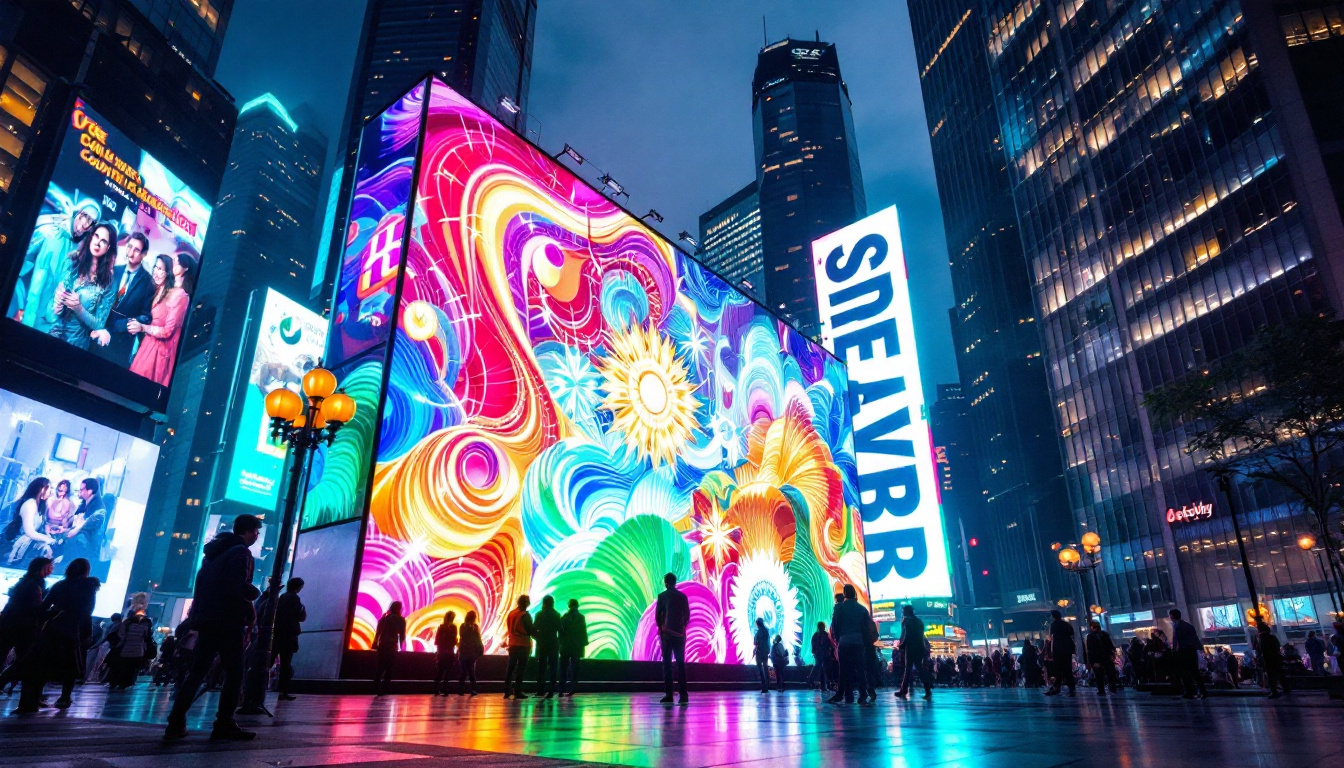
LED displays have revolutionized outdoor advertising by enabling dynamic, eye-catching content that can be updated in real time. Hanwha has partnered with numerous advertising agencies to deploy large-scale LED billboards in major cities worldwide. These installations have demonstrated significant increases in audience engagement and advertising ROI.
For example, a recent project in Seoul involved a 500-square-meter LED display on a commercial building facade. The display’s high resolution and brightness attracted millions of viewers, boosting brand visibility for advertisers.
Sports and Entertainment Venues
Stadiums and arenas utilize LED displays for scoreboards, video walls, and immersive fan experiences. Hanwha’s training covers the unique requirements of these venues, such as synchronization with live broadcasts and integration with audio systems.
In a notable case, Hanwha supported the installation of a curved LED video wall in a major sports arena, enhancing the spectator experience and providing new advertising opportunities during events.
Corporate and Retail Environments
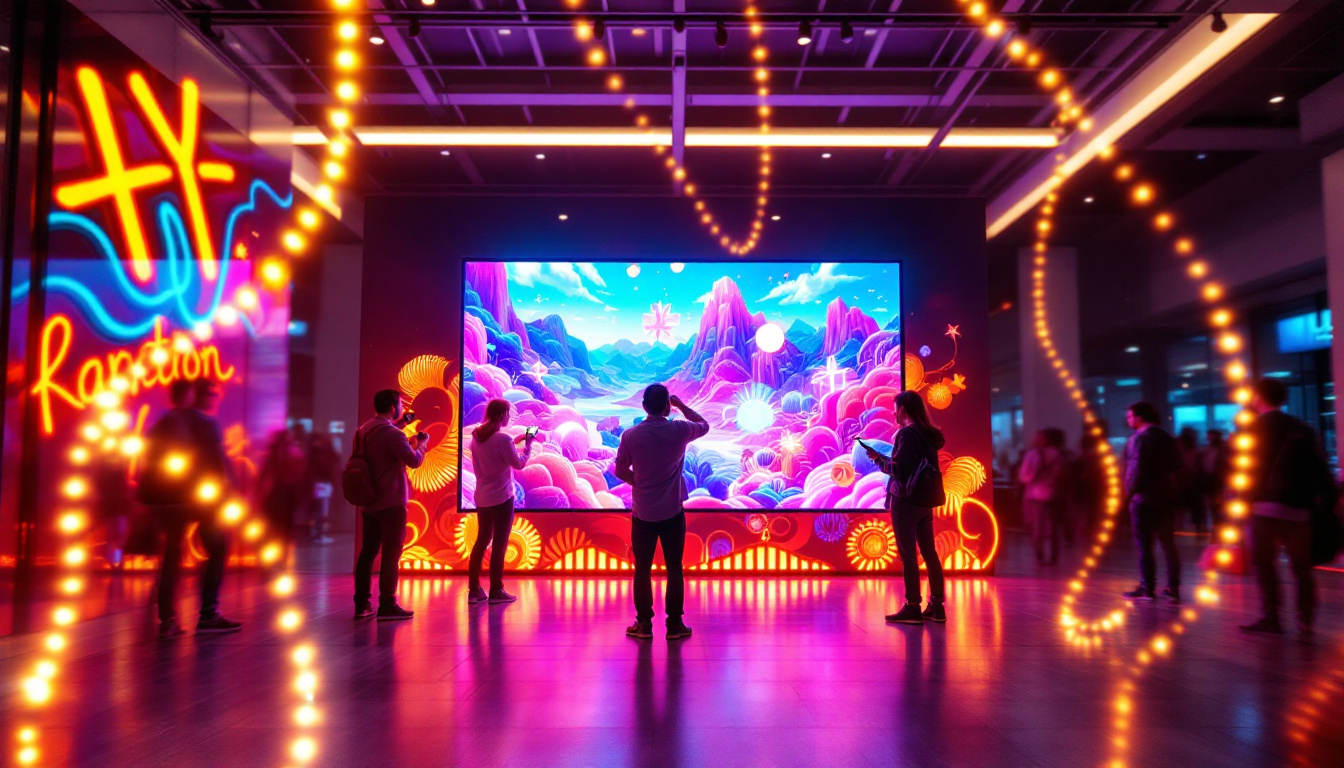
Indoor LED displays are increasingly popular in corporate lobbies, retail stores, and conference centers. They serve as digital signage, interactive kiosks, and branding tools. Hanwha’s training helps professionals select the appropriate pixel pitch and display configuration to match viewing distances and ambient lighting conditions.
Retailers have reported increased customer engagement and sales uplift after installing LED video walls, thanks to their vibrant and dynamic content capabilities.
Future Trends in LED Display Technology
Mini-LED and Micro-LED Innovations
Emerging technologies like mini-LED and micro-LED promise even higher resolution, improved color accuracy, and greater energy efficiency. These advancements are expected to drive the next generation of LED displays, particularly in high-end consumer electronics and professional applications.
Hanwha’s training curriculum is continuously updated to incorporate these cutting-edge developments, ensuring that professionals stay ahead of industry trends.
Integration with AI and IoT
The integration of LED displays with artificial intelligence (AI) and the Internet of Things (IoT) is creating smarter, more interactive signage solutions. AI can optimize content delivery based on audience demographics, weather conditions, and time of day, while IoT connectivity enables remote monitoring and predictive maintenance.
Hanwha is actively exploring these technologies, preparing trainees to implement intelligent LED display systems that enhance user engagement and operational efficiency.
Sustainability and Environmental Impact
As environmental concerns grow, LED display manufacturers and users are focusing on sustainability. This includes using eco-friendly materials, improving energy efficiency, and designing for recyclability. Hanwha’s training addresses these aspects, promoting responsible practices throughout the LED display lifecycle.
Conclusion: Empowering Professionals Through Hanwha Training
LED display technology is a dynamic and rapidly advancing field with vast applications across industries. Hanwha’s comprehensive training programs provide the essential knowledge and practical skills needed to navigate this complex landscape effectively. By understanding the fundamentals, mastering installation and maintenance, and staying abreast of emerging trends, professionals can leverage LED displays to create impactful visual experiences and drive business success.
For organizations and individuals looking to deepen their expertise in LED display technology, Hanwha’s training represents a valuable investment in future-proofing careers and projects. As LED technology continues to evolve, ongoing education and hands-on experience will remain critical to harnessing its full potential.
Discover LumenMatrix’s Innovative LED Display Solutions
Ready to elevate your visual communication with the latest in LED display technology? Look no further than LumenMatrix, where innovation meets excellence. Our diverse range of LED display solutions, from Indoor and Outdoor LED Wall Displays to specialized options like Vehicle, Sports, and Floor LED Displays, is designed to captivate your audience and amplify your message. With LumenMatrix, you can create custom, all-encompassing visual experiences with our All-in-One and Transparent LED Displays. Embrace the future of digital signage and join the revolution in visual storytelling. Check out LumenMatrix LED Display Solutions today and transform your space into a dynamic canvas.