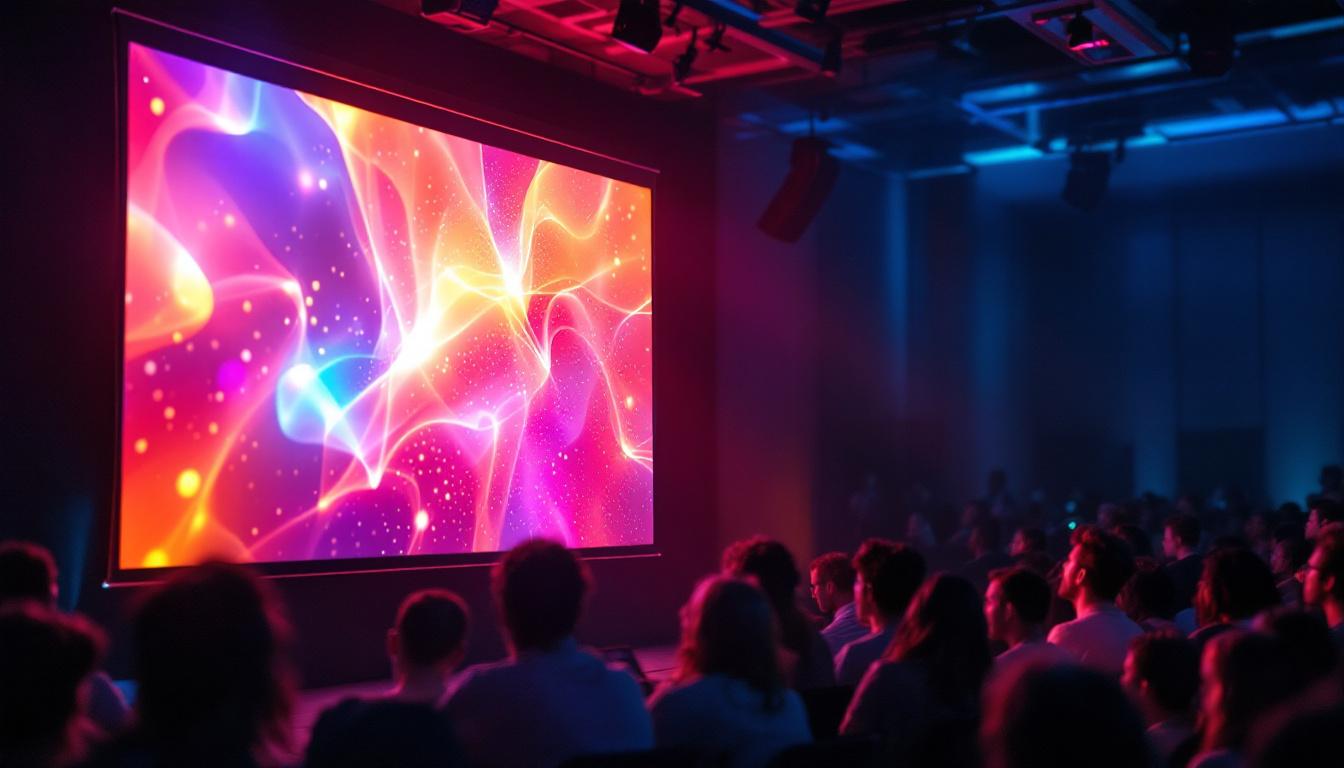
In the rapidly evolving world of visual display technology, LED displays have emerged as a dominant force, transforming how businesses, educators, and entertainment venues present visual content. While traditional projection screens have long been the standard for large-scale presentations and events, LED displays offer a compelling alternative with distinct advantages. This article explores the fundamentals of LED displays, their benefits compared to traditional projection screens, and key considerations when purchasing LED display systems.
Understanding LED Displays: What Are They?
LED, or Light Emitting Diode, displays are composed of an array of tiny light sources that emit their own light when powered. Unlike projection screens, which rely on an external projector to cast images onto a surface, LED displays are self-illuminating panels that produce bright, vivid images directly from the screen itself.
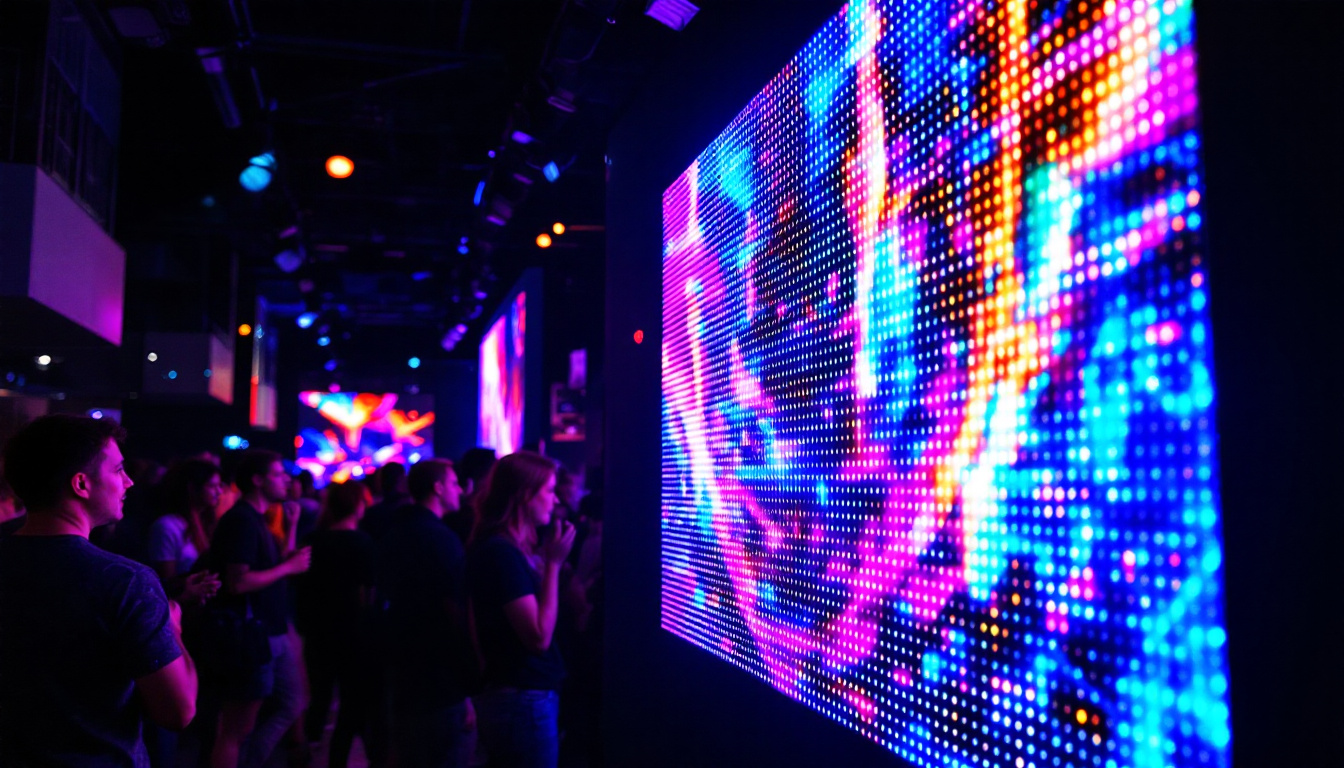
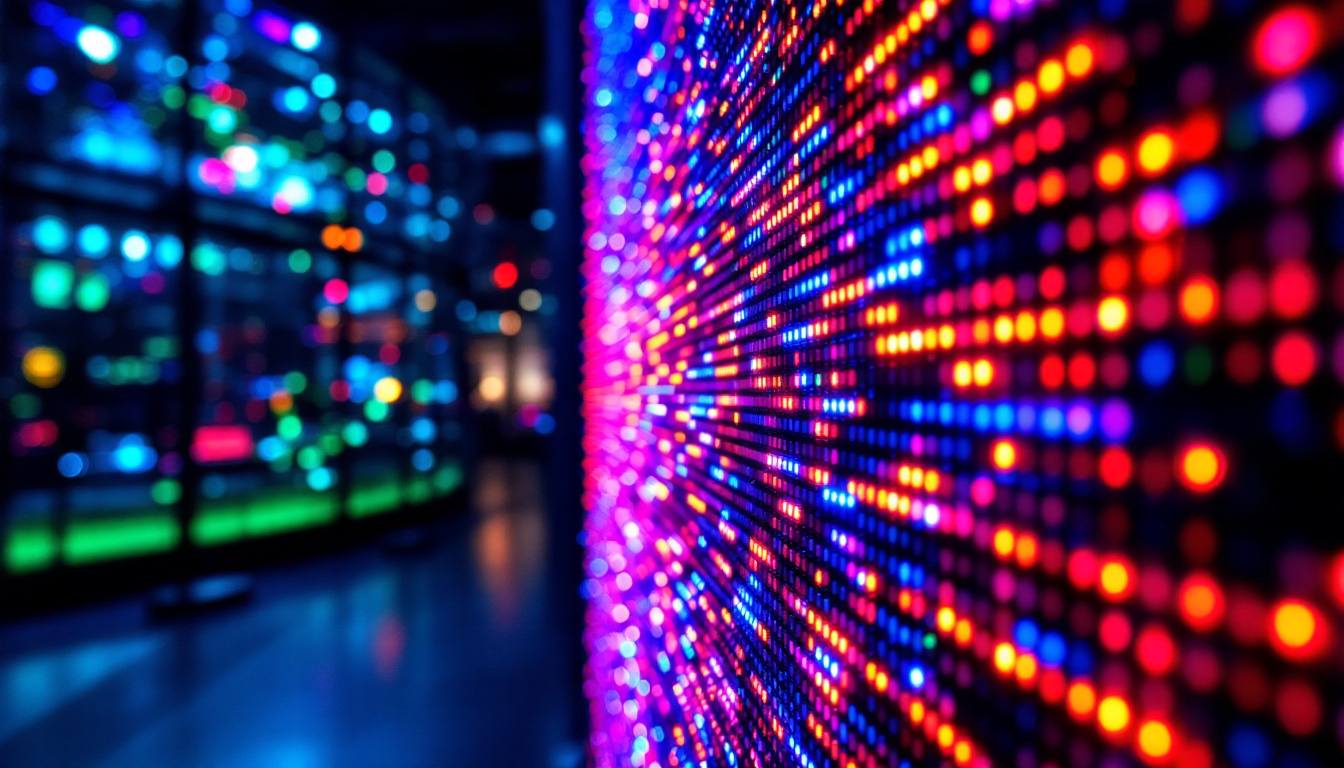
The technology behind LED displays involves numerous small diodes arranged in a grid pattern. These diodes can be individually controlled to display different colors and brightness levels, allowing for highly detailed and dynamic images. Modern LED displays use RGB (red, green, blue) diodes to create a full spectrum of colors, resulting in vibrant visuals with excellent contrast ratios.
Types of LED Displays
LED displays come in various forms, primarily categorized into indoor and outdoor models. Indoor LED displays are designed for controlled lighting environments such as conference rooms, auditoriums, and retail spaces. They typically feature a higher pixel density, which translates to sharper images at closer viewing distances.
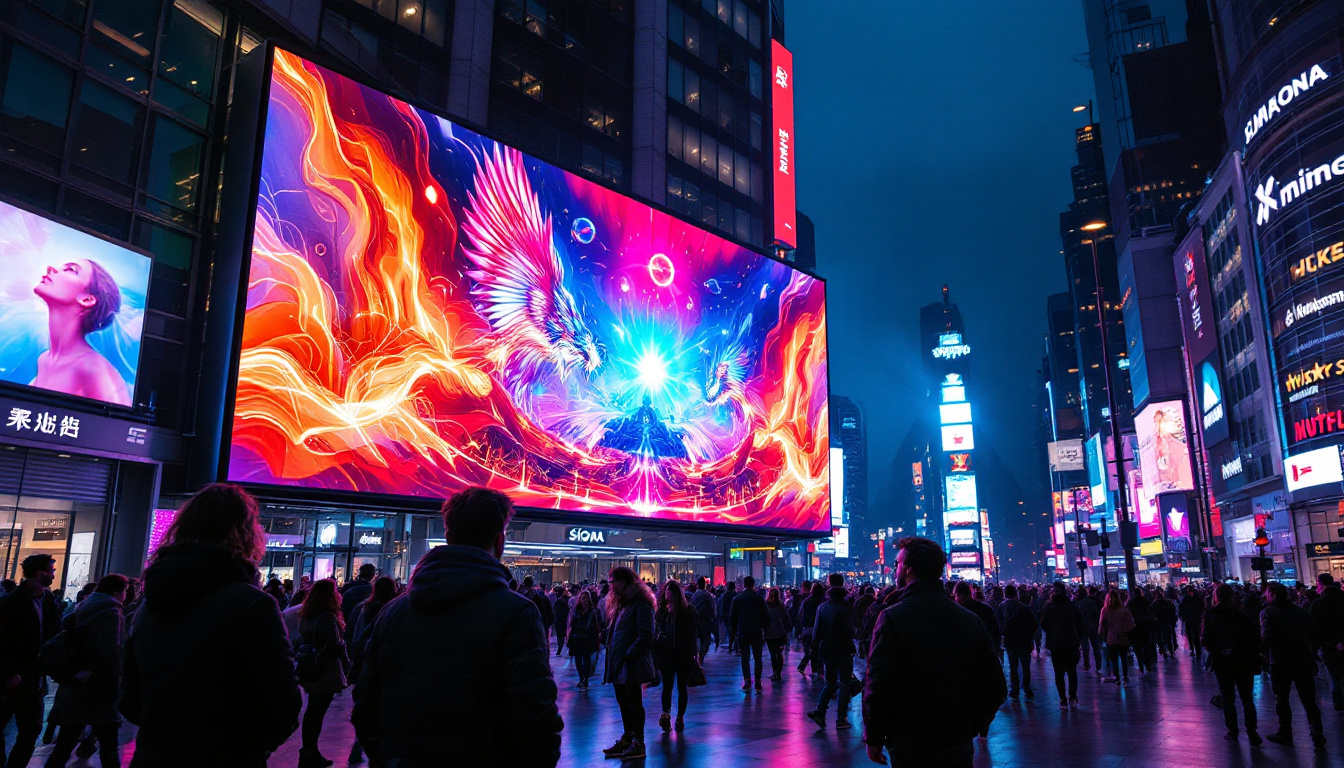
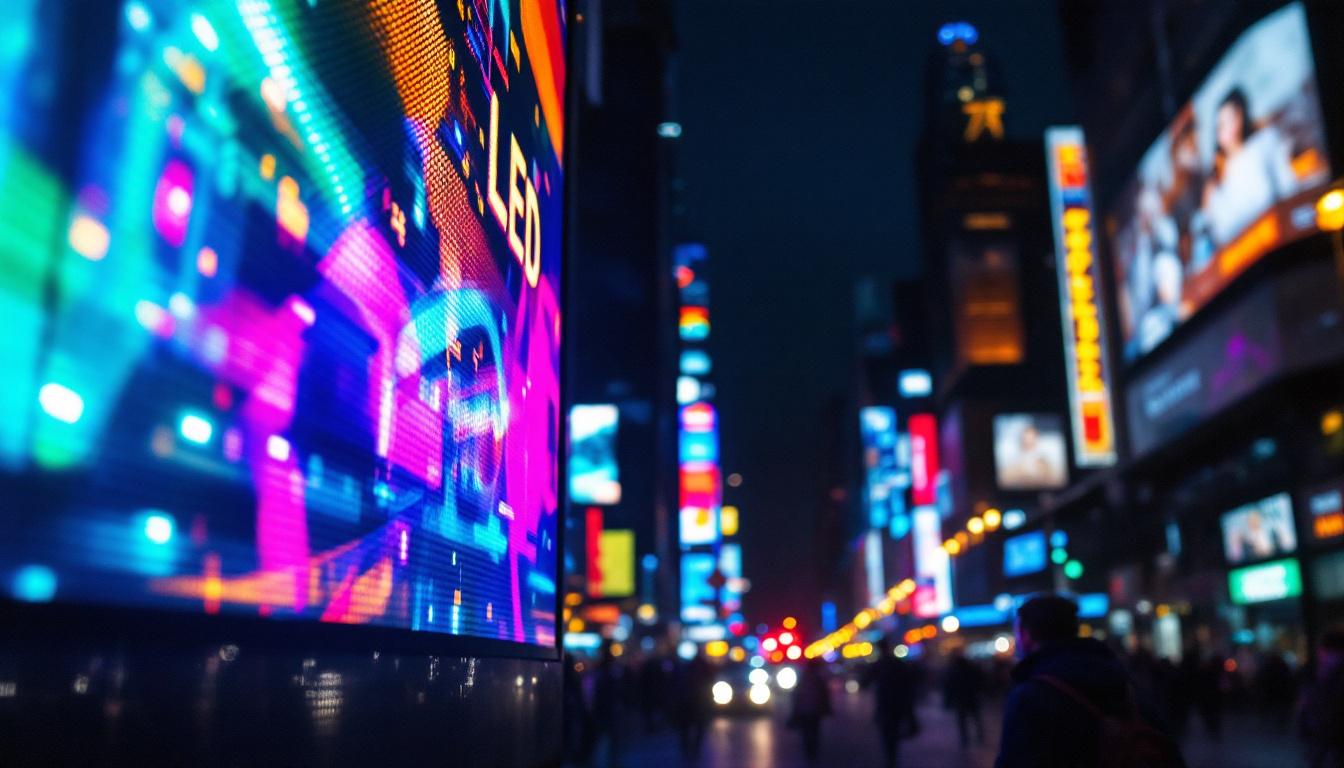
Outdoor LED displays, on the other hand, are built to withstand environmental conditions like sunlight, rain, and dust. These displays are brighter to combat ambient light and often have larger pixel pitches, meaning the individual LEDs are spaced further apart, which is acceptable since viewers tend to be farther away.
In addition to these primary categories, LED displays can also be classified based on their technology, such as OLED (Organic Light Emitting Diode) and MicroLED. OLED displays utilize organic compounds to emit light, allowing for deeper blacks and more vibrant colors, making them ideal for high-end televisions and mobile devices. MicroLED, a newer technology, consists of microscopic LEDs that can be individually controlled, offering similar advantages to OLED but with greater durability and brightness. This innovation is paving the way for modular displays that can be customized in size and shape, providing endless possibilities for creative installations.
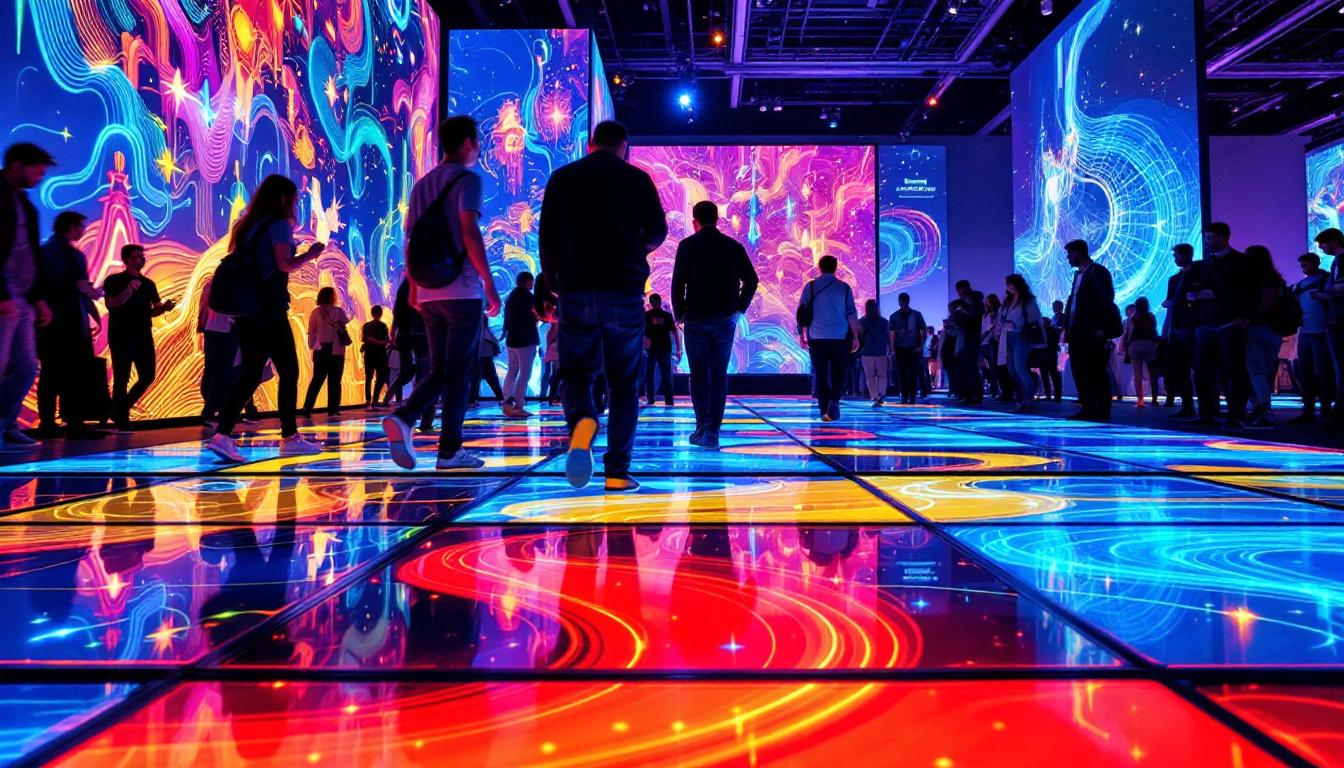
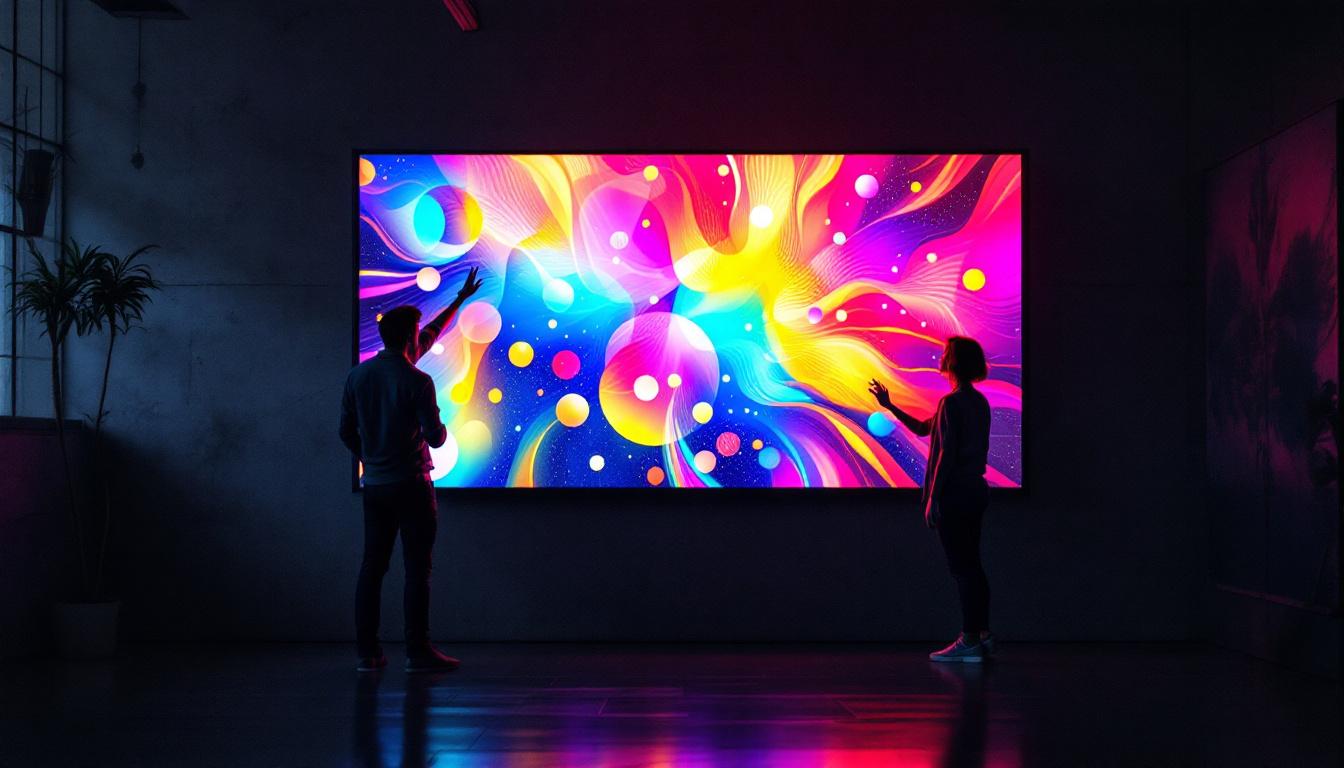
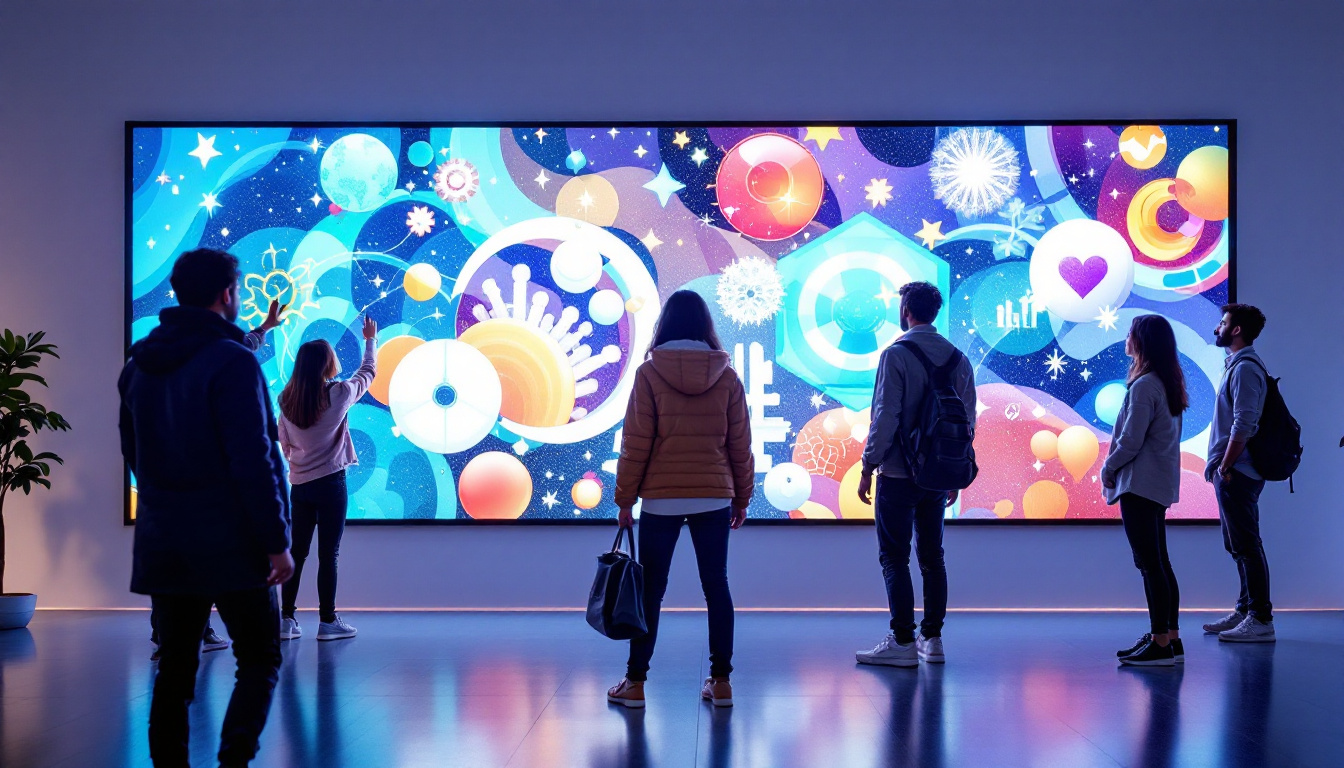
Furthermore, the application of LED displays extends beyond traditional uses. They are increasingly found in innovative settings, such as digital signage in public spaces, interactive displays in museums, and immersive environments in theme parks. The versatility of LED technology allows for engaging experiences that capture the attention of audiences, making it a popular choice for advertisers and event planners alike. As technology continues to evolve, the potential for LED displays to transform how we interact with visual content is boundless, promising even more advancements in the near future.
LED Displays vs. Traditional Projection Screens
When considering a visual display solution, it’s essential to understand how LED displays compare to traditional projection screens. Each technology has its strengths and weaknesses, and the choice depends on the specific application and environment.
Brightness and Visibility
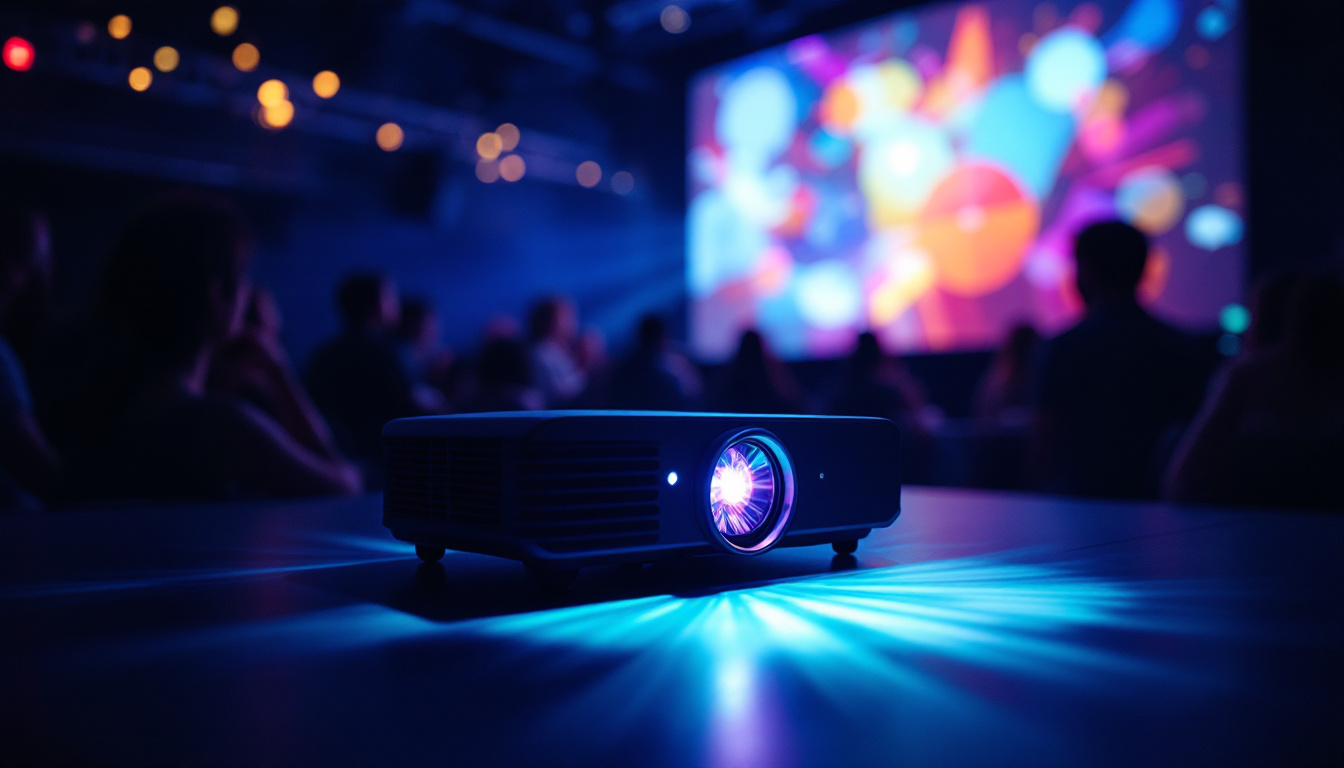
One of the most significant advantages of LED displays over projection screens is brightness. LED displays can achieve brightness levels upwards of 1,000 to 5,000 nits or more, making them visible even in direct sunlight or brightly lit rooms. In contrast, projectors typically produce brightness measured in lumens, and their images can wash out in high ambient light conditions.
This makes LED displays particularly suitable for outdoor events, trade shows, and retail environments where lighting control is limited.
Image Quality and Resolution
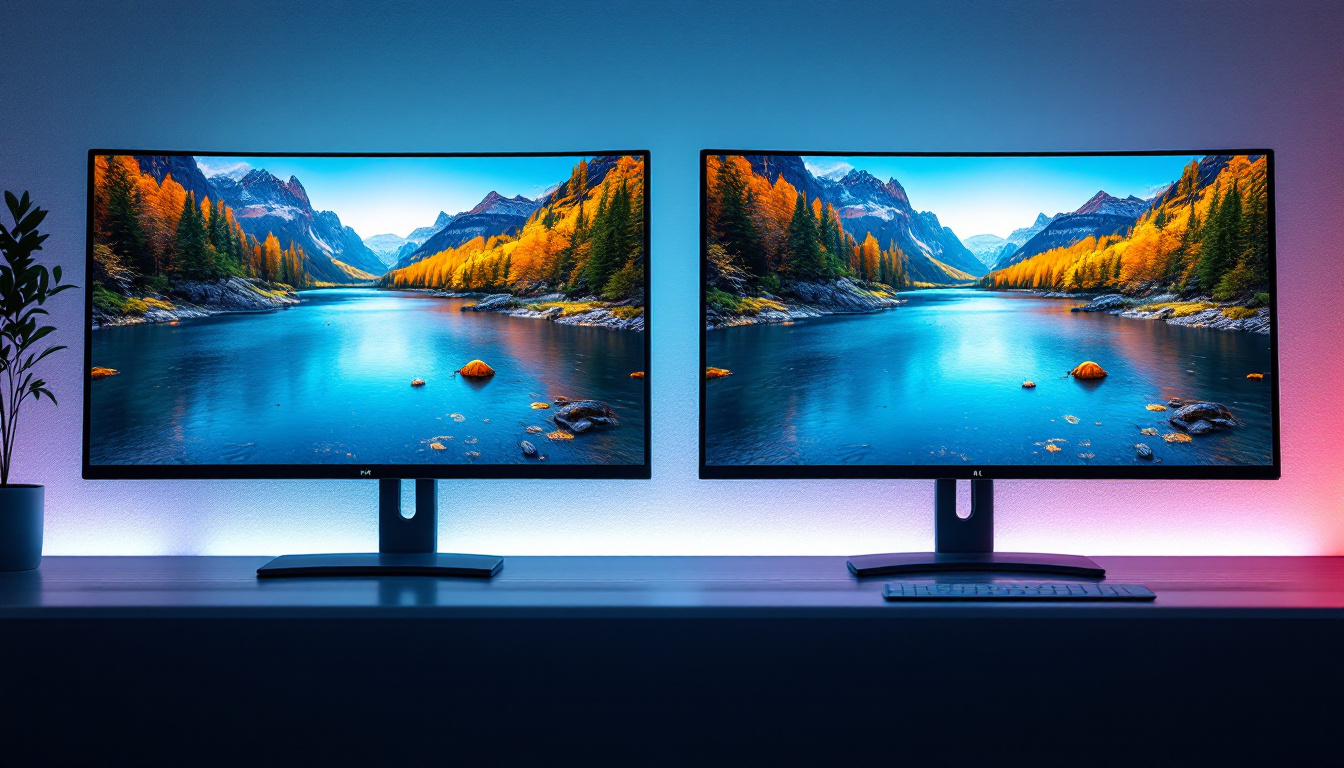
LED displays offer superior image quality with excellent contrast ratios and color accuracy. Since each LED emits its own light, blacks appear truly black, unlike projection screens where black areas can appear gray due to ambient light reflection. Additionally, LED displays provide consistent brightness across the entire screen, whereas projectors can suffer from hotspots or uneven illumination.
Resolution is another important factor. While high-end projectors can produce 4K images, LED displays can be configured with extremely high pixel densities for ultra-sharp images, especially in indoor settings where viewers are close to the screen.
Installation and Maintenance
Projection screens require a projector, which needs to be mounted and aligned correctly. Projectors also have bulbs or lamps that require periodic replacement, and their lenses can accumulate dust or require cleaning. In contrast, LED displays are modular panels that can be assembled into various sizes and shapes. They require less maintenance and have longer lifespans, often exceeding 100,000 hours of operation.
However, LED displays generally come with a higher upfront cost compared to projectors and screens, though the total cost of ownership may be lower over time due to reduced maintenance.
Flexibility and Customization
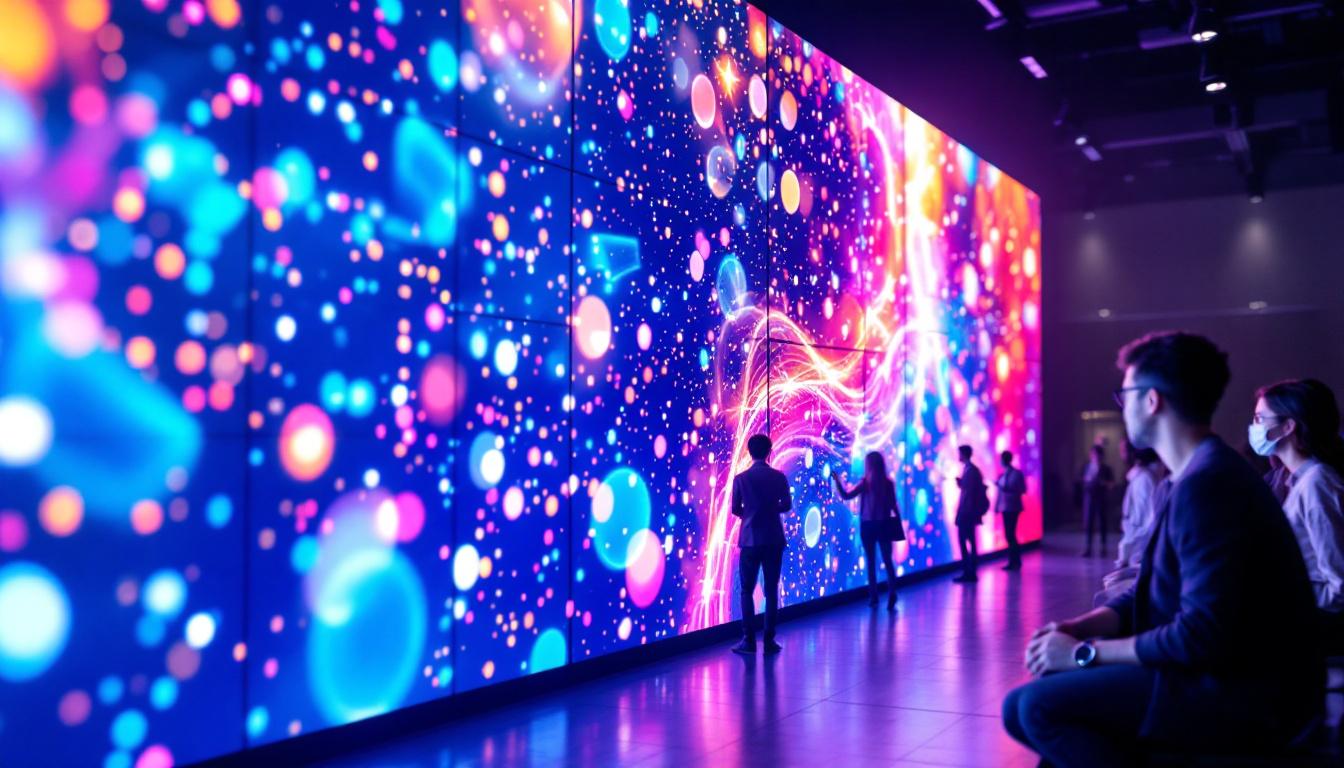
LED displays offer unparalleled flexibility in terms of size and shape. They can be built into curved surfaces, wrapped around corners, or assembled into massive video walls. This adaptability makes them ideal for creative installations in retail, entertainment, and corporate environments.
Projection screens, while available in various sizes and aspect ratios, are limited to flat surfaces and require a projector to display images.
Key Considerations When Buying LED Displays
Choosing the right LED display involves evaluating several critical factors to ensure the display meets the intended use case and budget.
Pixel Pitch and Viewing Distance
Pixel pitch refers to the distance between the centers of adjacent LEDs on the display, measured in millimeters. A smaller pixel pitch means higher pixel density and sharper images, which is essential for displays viewed from close distances.
For indoor applications such as conference rooms or retail stores where viewers are close to the screen, pixel pitches as low as 1.2mm to 2.5mm are common. Outdoor displays, viewed from farther away, can have pixel pitches ranging from 6mm to 20mm or more.
Brightness and Contrast Ratio
Brightness is measured in nits and determines how well the display performs in various lighting conditions. For indoor environments, 800 to 1,500 nits is typically sufficient, while outdoor displays may require 3,000 to 5,000 nits or higher.
The contrast ratio, the difference between the brightest whites and darkest blacks, affects image depth and realism. LED displays generally offer excellent contrast ratios, often exceeding 5,000:1, which enhances visual clarity.
Resolution and Screen Size
The resolution should align with the screen size and viewing distance to ensure clear, detailed images. Larger screens require higher resolutions to maintain image quality, especially if viewers will be close to the display.
Many LED displays are modular, allowing buyers to customize screen size and resolution by combining multiple panels. This modularity enables scalable solutions tailored to specific needs.
Durability and Environmental Resistance
For outdoor installations, it is crucial to select LED displays with appropriate IP (Ingress Protection) ratings that indicate resistance to dust and water. Ratings such as IP65 or higher are common for outdoor models, ensuring longevity and reliable performance in harsh weather.
Indoor displays typically have lower IP ratings but should still be robust enough to withstand typical environmental factors like humidity and temperature fluctuations.
Connectivity and Control Systems
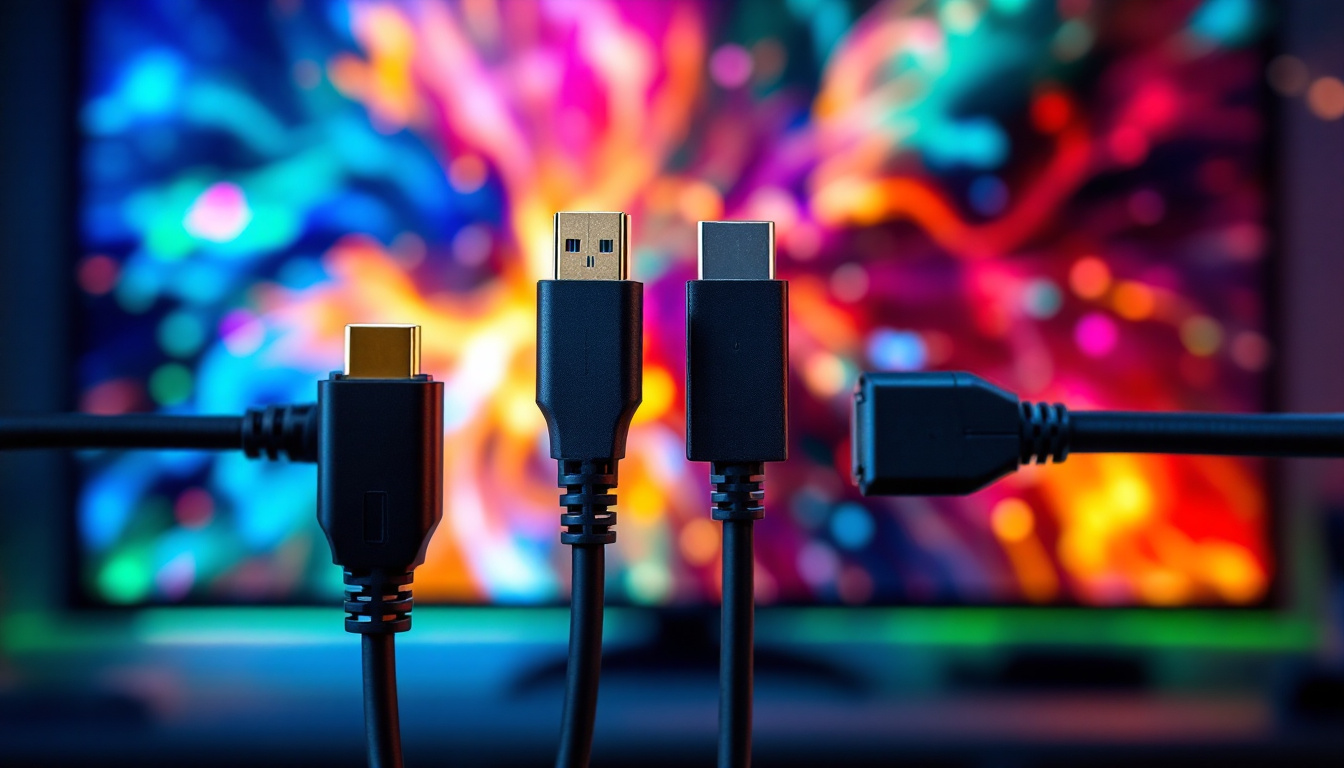
Modern LED displays support a variety of input sources including HDMI, DisplayPort, DVI, and network-based streaming. Integrated control systems allow users to manage content remotely, schedule playlists, and adjust settings for optimal performance.
When purchasing, consider the compatibility with existing AV infrastructure and the ease of content management software.
Applications of LED Displays Across Industries
LED displays have become increasingly popular across a wide range of sectors due to their versatility and superior performance.
Corporate and Educational Settings
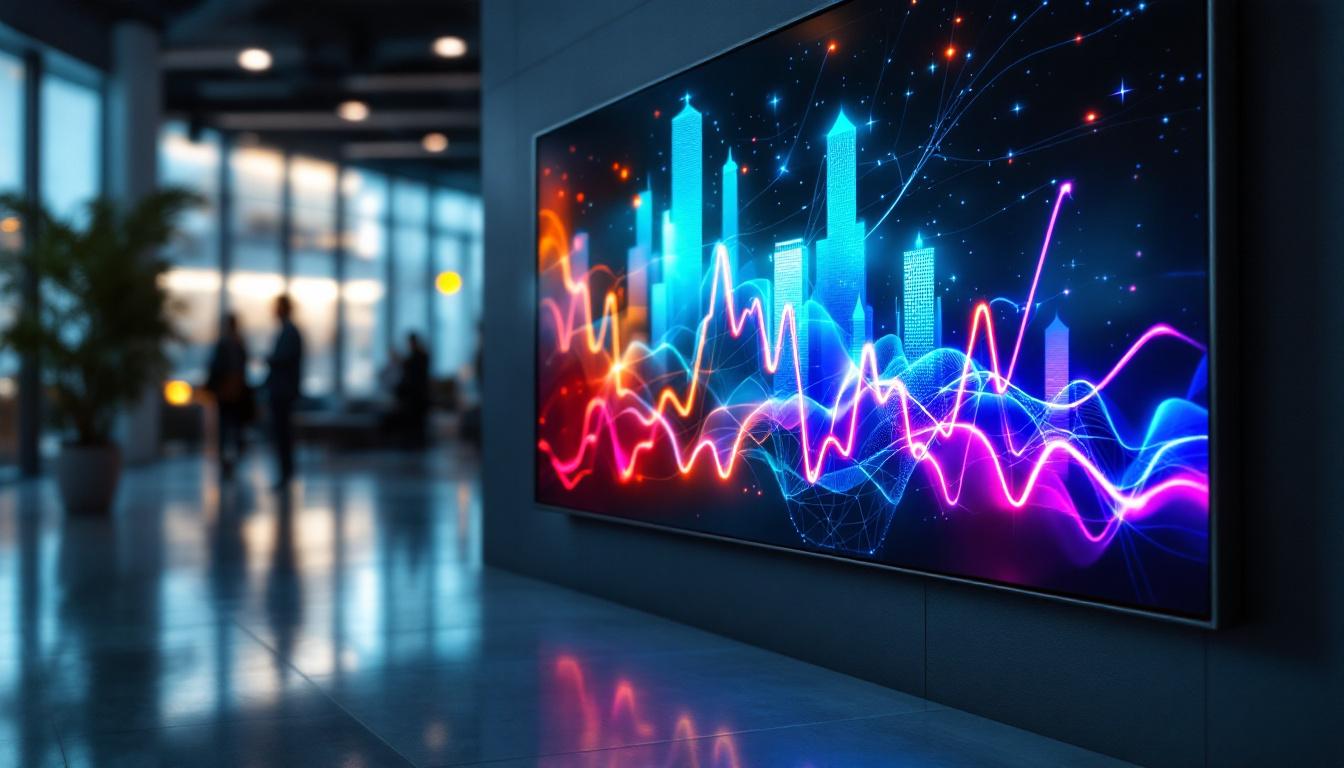
In corporate environments, LED displays are used for presentations, video conferencing, and digital signage. Their high resolution and brightness facilitate clear communication and engagement during meetings and events.
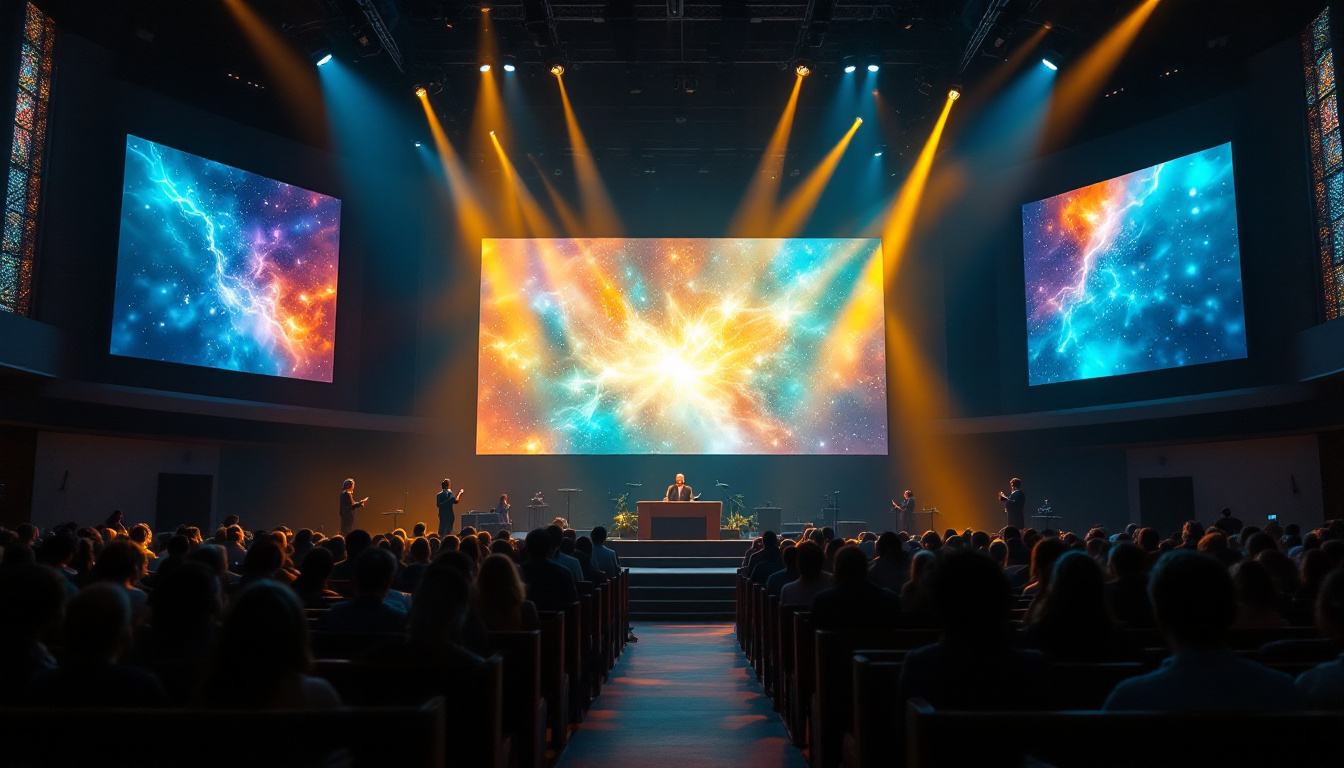
Educational institutions benefit from LED displays by enhancing lecture halls and auditoriums with dynamic visual aids, improving student interaction and learning experiences.
Retail and Advertising
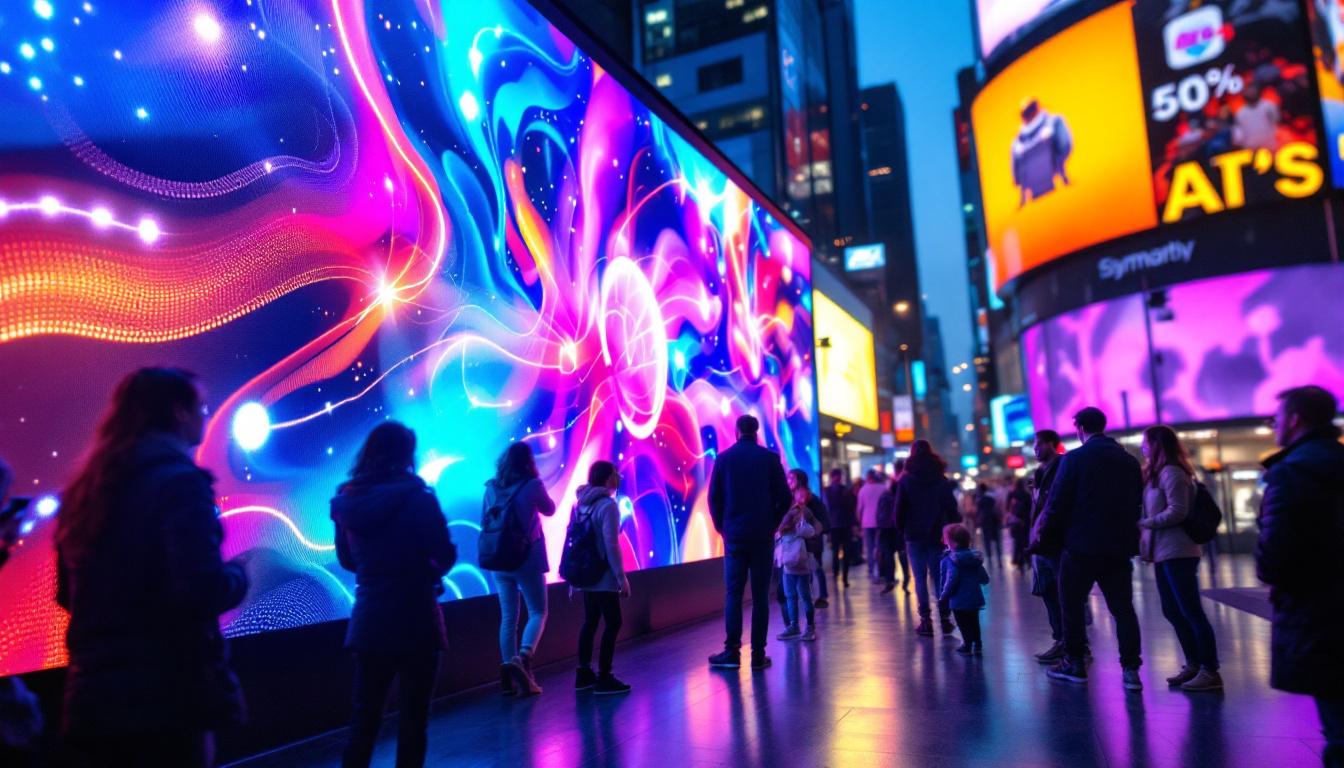
Retailers leverage LED displays for eye-catching digital signage that attracts customers and promotes products. The ability to display vibrant, changing content in high traffic areas increases brand visibility and sales potential.
Outdoor LED billboards have become a staple in advertising, offering advertisers the flexibility to update content in real-time and target audiences effectively.
Entertainment and Sports Venues
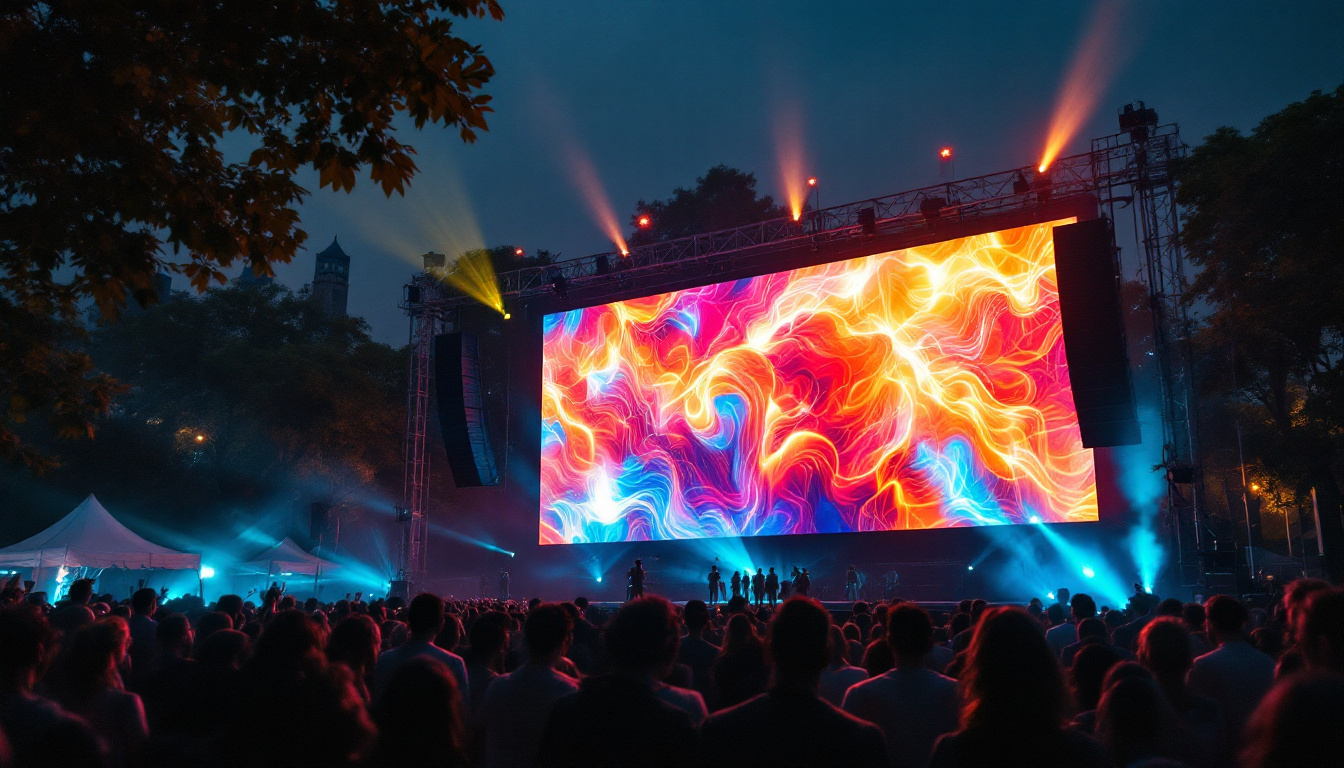
LED displays are widely used in stadiums, concert halls, and theaters to deliver immersive experiences. Large video walls and scoreboards provide spectators with clear views of live action, replays, and interactive content.
The durability and brightness of LED displays make them ideal for both indoor and outdoor entertainment venues.
Where to Find Projection Screens and LED Displays for Sale
With the growing demand for LED display technology, numerous suppliers and manufacturers offer a broad range of products tailored to different needs and budgets.
When shopping for LED displays, it is important to work with reputable vendors who provide detailed product specifications, customization options, and reliable customer support. Many companies also offer consultation services to help buyers select the best display solution based on their specific use case.
Additionally, online marketplaces and specialized AV retailers provide access to a variety of LED display models, from compact indoor panels to massive outdoor video walls.
Tips for Purchasing
- Define your application and environment clearly to determine the appropriate specifications.
- Request product demonstrations or sample videos to assess image quality.
- Consider total cost of ownership, including installation, maintenance, and energy consumption.
- Check warranty terms and after-sales support services.
- Verify compatibility with existing AV systems and content management platforms.
Conclusion
LED displays represent a transformative advancement in visual presentation technology, offering unmatched brightness, image quality, and flexibility compared to traditional projection screens. Whether for corporate presentations, retail advertising, or large-scale entertainment venues, LED displays provide a durable and visually stunning solution that can be tailored to diverse environments and applications.
Understanding the technical aspects such as pixel pitch, brightness, resolution, and environmental ratings is crucial when selecting the right LED display. By carefully evaluating these factors and working with experienced suppliers, buyers can invest in a display system that delivers exceptional performance and long-term value.
As LED technology continues to advance and costs become more accessible, the adoption of LED displays is expected to grow, further reshaping how visual content is delivered and experienced worldwide.
Discover LumenMatrix’s Innovative LED Display Solutions
Ready to elevate your visual presentation capabilities? Look no further than LumenMatrix, a pioneer in LED display technology. Our comprehensive range of products, from Indoor and Outdoor LED Wall Displays to specialized solutions like Vehicle LED Displays and LED Sports Displays, is designed to meet your unique needs. Embrace the future of visual communication with our Custom LED Displays, All-in-One LED Displays, and LED Transparent Displays. Experience the difference in clarity, engagement, and brand visibility with LumenMatrix. Check out LumenMatrix LED Display Solutions today and transform your space into a dynamic visual experience.