In today’s digital landscape, large touchscreen monitors have become essential tools across various industries, from corporate boardrooms to educational institutions and creative studios. Their ability to combine interactive touch technology with vibrant LED displays makes them a versatile choice for enhancing user experience and productivity. This article delves into the core aspects of large touchscreen monitors, focusing on the LED display technology that powers their stunning visuals and responsive touch capabilities.
Understanding Large Touchscreen Monitors
What Defines a Large Touchscreen Monitor?
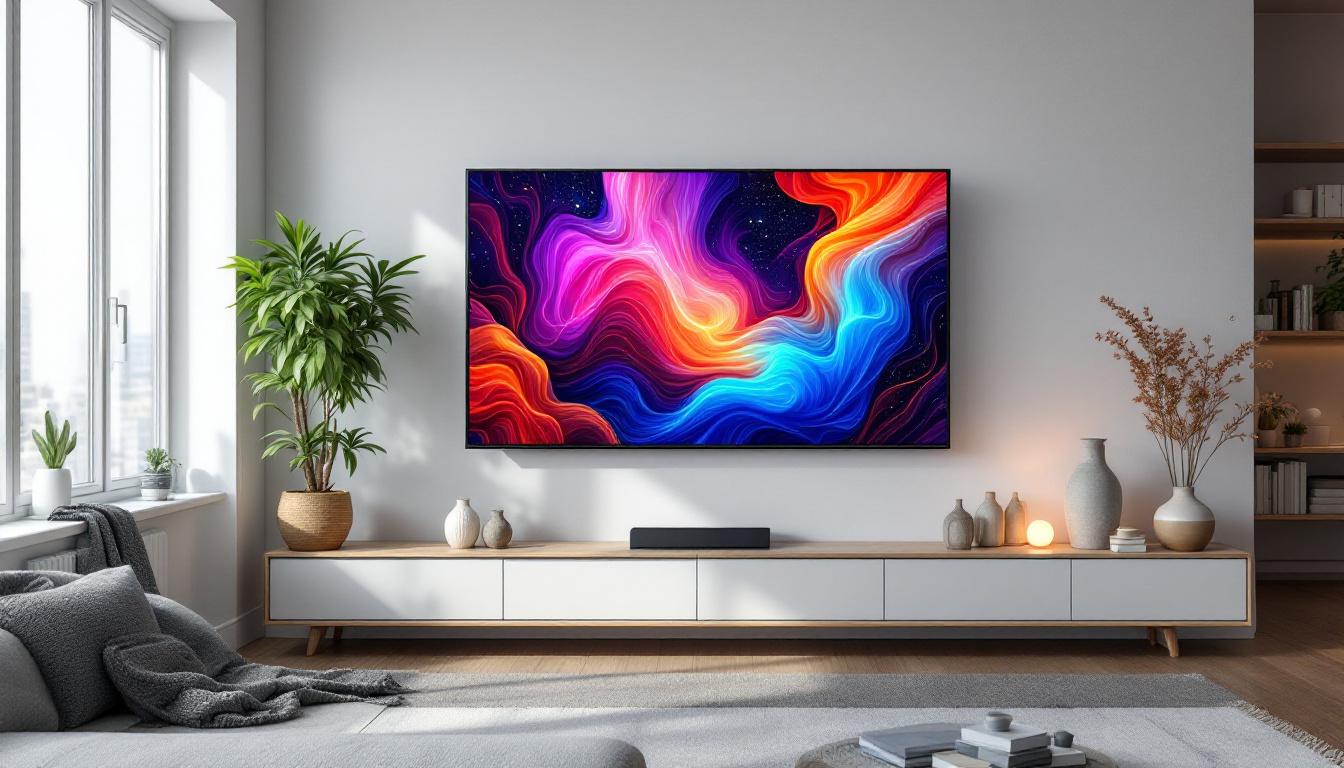
A large touchscreen monitor typically refers to a display device that exceeds the standard desktop monitor size, generally measuring 27 inches or larger diagonally. These monitors integrate touch-sensitive technology, allowing users to interact directly with the screen through gestures such as tapping, swiping, and pinching. The size and touch functionality make them ideal for collaborative environments, digital signage, presentations, and creative workflows.
Unlike traditional monitors, large touchscreen monitors offer a more intuitive and engaging interface. They eliminate the need for peripheral input devices like a mouse or keyboard in many scenarios, streamlining user interaction. The combination of size and touch capability supports multitasking and enhances accessibility, especially in public or educational settings. Furthermore, many large touchscreen monitors come equipped with high-definition displays, providing vibrant colors and sharp images that enhance the overall user experience. This visual clarity is particularly beneficial in settings where detailed graphics or intricate designs are presented, ensuring that every detail is visible and engaging.
Common Use Cases and Industries
Large touchscreen monitors have found applications in a variety of fields. In corporate environments, they serve as interactive whiteboards for meetings and brainstorming sessions, enabling real-time collaboration. Educational institutions use them to create dynamic learning experiences, allowing students to engage directly with digital content. Teachers can easily annotate lessons, share multimedia resources, and facilitate group activities, transforming the traditional classroom into an interactive learning hub.
Retail and hospitality sectors utilize these monitors for interactive kiosks, digital menus, and wayfinding systems, enhancing customer engagement. These displays not only provide information but also allow customers to interact with products in a tactile way, improving their shopping experience. Meanwhile, creative professionals rely on large touchscreen displays for design, video editing, and 3D modeling, where precision and visual clarity are paramount. The ability to manipulate designs directly on the screen can lead to more fluid creativity, as artists can sketch, edit, and refine their work in real time, making the creative process more efficient and enjoyable. Additionally, industries such as healthcare are beginning to adopt large touchscreen monitors for patient engagement, allowing for interactive displays that can educate patients about their health conditions and treatment options in a more engaging manner.
LED Display Technology: The Backbone of Visual Excellence
What is an LED Display?
LED, or Light Emitting Diode, displays use tiny semiconductor diodes that emit light when an electric current passes through them. This technology is the foundation for many modern screens, including large touchscreen monitors. LED displays are known for their brightness, energy efficiency, and ability to produce vivid colors with high contrast ratios.
There are two primary types of LED displays used in monitors: direct LED and edge-lit LED. Direct LED involves placing LEDs directly behind the screen, providing uniform backlighting and better control over contrast. Edge-lit LED places LEDs along the edges of the screen, allowing for thinner designs but sometimes at the cost of uniform brightness.
Advantages of LED Displays in Large Touchscreen Monitors
LED technology offers several benefits that make it the preferred choice for large touchscreen monitors:
- Brightness and Visibility: LED displays can achieve high brightness levels, often exceeding 400 nits, ensuring clear visibility even in well-lit environments.
- Energy Efficiency: LEDs consume less power compared to older technologies like CCFL (Cold Cathode Fluorescent Lamp), making them more environmentally friendly and cost-effective over time.
- Color Accuracy and Range: LED backlighting supports a wide color gamut, allowing for rich, vibrant images essential for design and media applications.
- Thin and Lightweight Designs: LED technology enables slimmer monitor profiles, which is crucial for large screens that need to be mounted or integrated into tight spaces.
- Longevity and Durability: LEDs have longer lifespans and are less prone to burn-in compared to older display technologies, ensuring sustained performance.
How LED Displays Enhance Touchscreen Performance
The integration of LED displays with touchscreen technology is a synergy that enhances overall user experience. The high brightness and contrast of LED screens improve the visibility of touch targets, making it easier for users to interact accurately. Additionally, the fast response times of LED displays reduce lag, which is critical for touch responsiveness.
Modern large touchscreen monitors often incorporate advanced touch technologies such as projected capacitive (PCAP) touch, which supports multi-touch gestures and provides a smooth, precise touch experience. The combination of PCAP touch with LED display technology ensures that users benefit from both visual clarity and tactile responsiveness.
Key Features to Consider When Choosing a Large Touchscreen Monitor
Resolution and Screen Size
Resolution is a critical factor in determining the clarity and detail of the display. Large touchscreen monitors commonly offer Full HD (1920×1080), Quad HD (2560×1440), or 4K UHD (3840×2160) resolutions. Higher resolutions provide sharper images, which is especially important for detailed work such as graphic design or video editing.
The screen size should align with the intended use. For instance, a 32- to 43-inch monitor is suitable for collaborative office settings, while sizes above 50 inches are often used for digital signage or interactive kiosks. Balancing size with resolution ensures that the display remains sharp and legible at typical viewing distances.
Touch Technology Types
Several touch technologies are employed in large touchscreen monitors, each with its strengths:
- Projected Capacitive (PCAP): Offers multi-touch support, high accuracy, and durability. It is the most common technology in modern large touchscreens.
- Infrared (IR): Uses an array of IR sensors around the screen edges to detect touch. It supports multi-touch but can be less precise than PCAP.
- Resistive: Detects pressure applied to the screen. It is less common in large monitors due to lower clarity and multi-touch limitations.
Choosing the right touch technology depends on factors like the environment, usage intensity, and budget.
Connectivity and Compatibility
Large touchscreen monitors should offer versatile connectivity options to integrate seamlessly with various devices. Common ports include HDMI, DisplayPort, USB-C, and legacy VGA. USB ports are essential for connecting peripherals or enabling touch functionality.
Compatibility with operating systems such as Windows, macOS, and Linux ensures broad usability. Additionally, support for software platforms used in education, business, or creative work enhances the monitor’s versatility.
Additional Features
Many large touchscreen monitors come with extra features that improve usability and convenience:
- Anti-glare and Anti-fingerprint Coatings: Reduce reflections and smudges, maintaining screen clarity in various lighting conditions.
- Adjustable Stands and Mounting Options: Facilitate ergonomic positioning and flexible installation.
- Built-in Speakers and Cameras: Useful for video conferencing and multimedia presentations.
- Software Integration: Some monitors include bundled software for annotation, screen sharing, and collaboration.
Future Trends in Large Touchscreen LED Displays
Advancements in Display Technology
The future of large touchscreen monitors is closely tied to innovations in LED and related display technologies. Mini-LED and Micro-LED are emerging as next-generation backlighting solutions, offering even greater brightness, contrast, and energy efficiency. These technologies use smaller LEDs to achieve more precise local dimming, resulting in deeper blacks and more vibrant colors.
OLED (Organic Light Emitting Diode) displays are also gaining traction due to their self-emissive nature, which eliminates the need for backlighting and allows for ultra-thin, flexible screens with exceptional color accuracy. While currently more common in smaller devices, OLED technology is expected to expand into larger touchscreen monitors as manufacturing costs decrease.
Enhanced Interactivity and AI Integration
Touchscreen monitors are evolving beyond simple touch input. Integration with artificial intelligence (AI) and machine learning is enabling features such as gesture recognition, voice control, and predictive touch responses. These advancements aim to create more natural and efficient ways for users to interact with digital content.
Moreover, collaboration tools embedded within touchscreen monitors are becoming smarter, supporting remote teamwork with real-time translation, handwriting recognition, and seamless cloud connectivity. This trend is particularly relevant as hybrid work models continue to grow.
Sustainability and Eco-Friendly Designs
As environmental concerns rise, manufacturers are focusing on producing large touchscreen monitors with sustainable materials and energy-efficient components. LED technology already contributes to lower power consumption, but future designs will emphasize recyclability, reduced hazardous substances, and longer product lifecycles.
Consumers and organizations increasingly prioritize green certifications and eco-labels when selecting technology products, influencing the market toward more responsible manufacturing practices.
Conclusion
Large touchscreen monitors equipped with LED displays represent a powerful convergence of interactive technology and visual excellence. Their ability to deliver bright, vibrant images combined with responsive touch capabilities makes them indispensable tools across numerous sectors. Understanding the nuances of LED technology, touch mechanisms, and key features helps users make informed decisions tailored to their specific needs.
As display technology continues to advance, the future promises even more immersive and intelligent large touchscreen monitors that will redefine how people interact with digital content. Whether for collaboration, education, retail, or creative work, investing in a high-quality LED touchscreen monitor is a step toward enhancing productivity and engagement in an increasingly digital world.
Discover LumenMatrix’s Innovative LED Solutions
Ready to elevate your interactive experiences with the latest in LED display technology? LumenMatrix is at the forefront of creating immersive visual solutions that bring your content to life. From dynamic Indoor LED Walls to vibrant Outdoor Displays, and from sleek LED Posters to customizable Floor Displays, our extensive range of products is designed to captivate and engage. Embrace the future of digital signage with LumenMatrix and transform how you communicate visually. Check out LumenMatrix LED Display Solutions today and see the difference innovation can make.