Framed TVs: LED Display Explained
In recent years, framed TVs have revolutionized the way consumers integrate technology into their living spaces. Combining the functionality of a high-quality television with the aesthetic appeal of framed artwork, these devices offer a unique blend of entertainment and design. Central to this innovation is the LED display technology that powers these screens, delivering vivid colors, sharp images, and energy efficiency. This article delves into the world of framed TVs, focusing on the LED display technology that makes them stand out in the crowded television market.
Understanding Framed TVs: The Intersection of Art and Technology
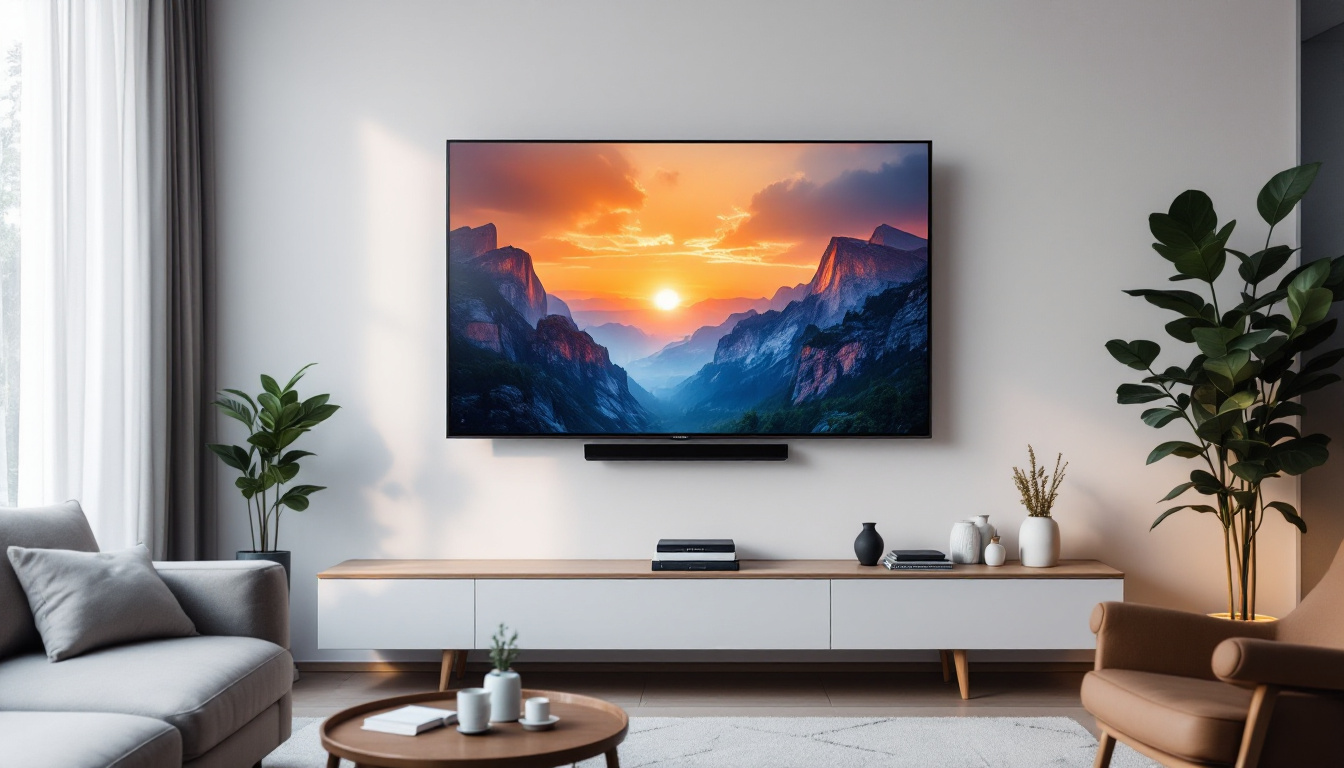
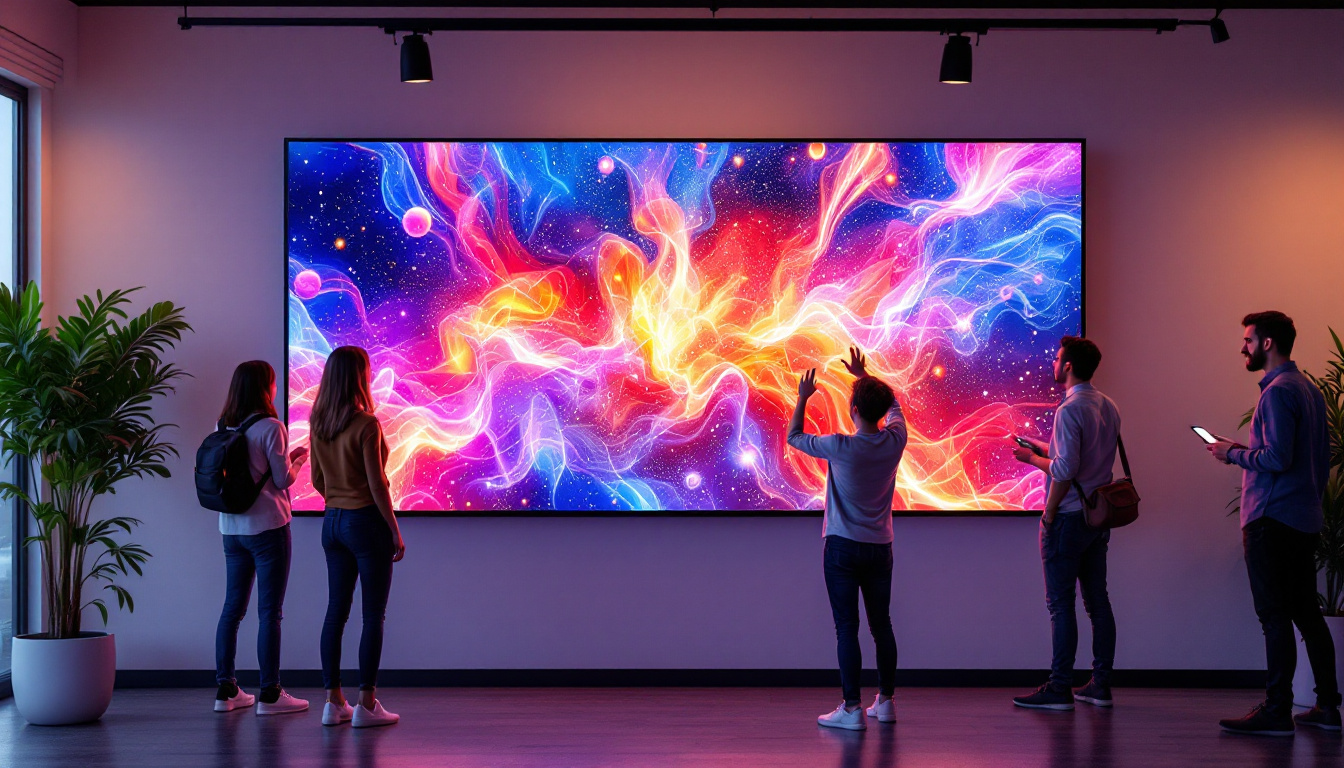
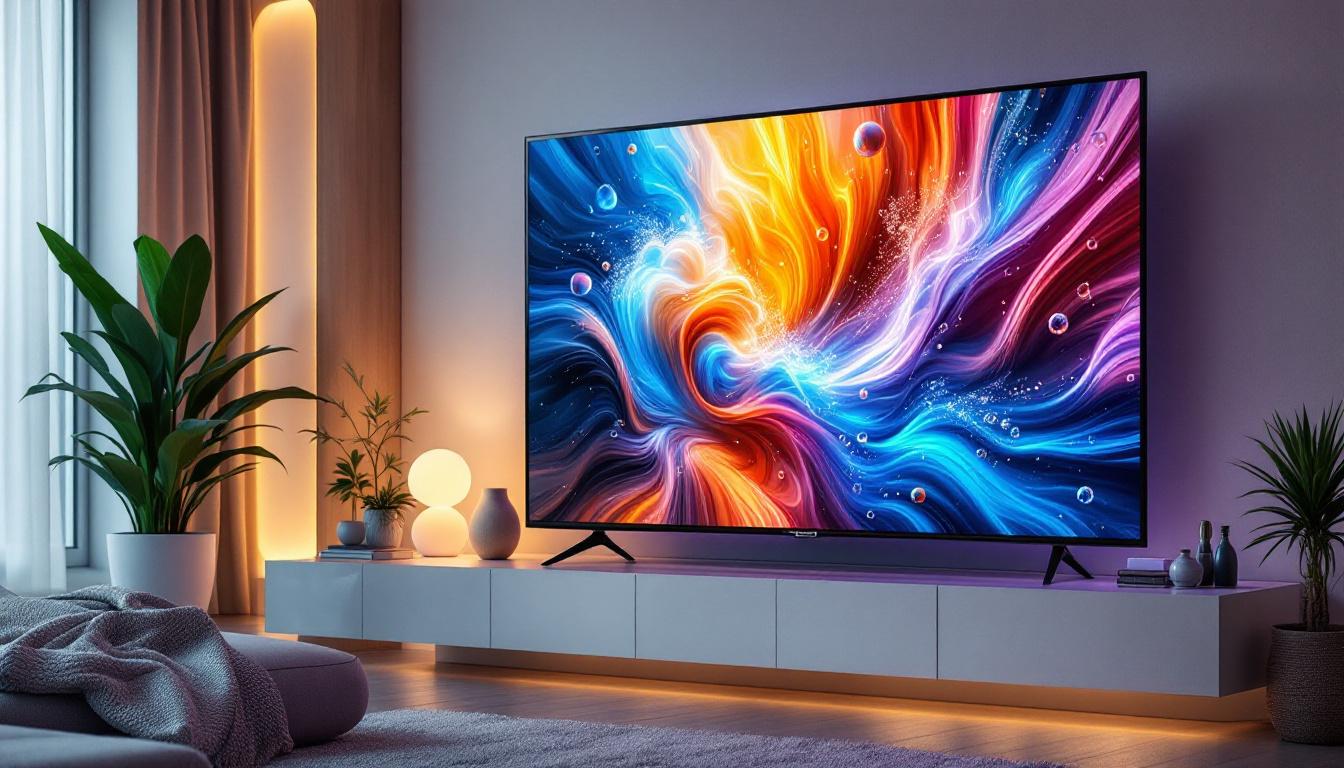
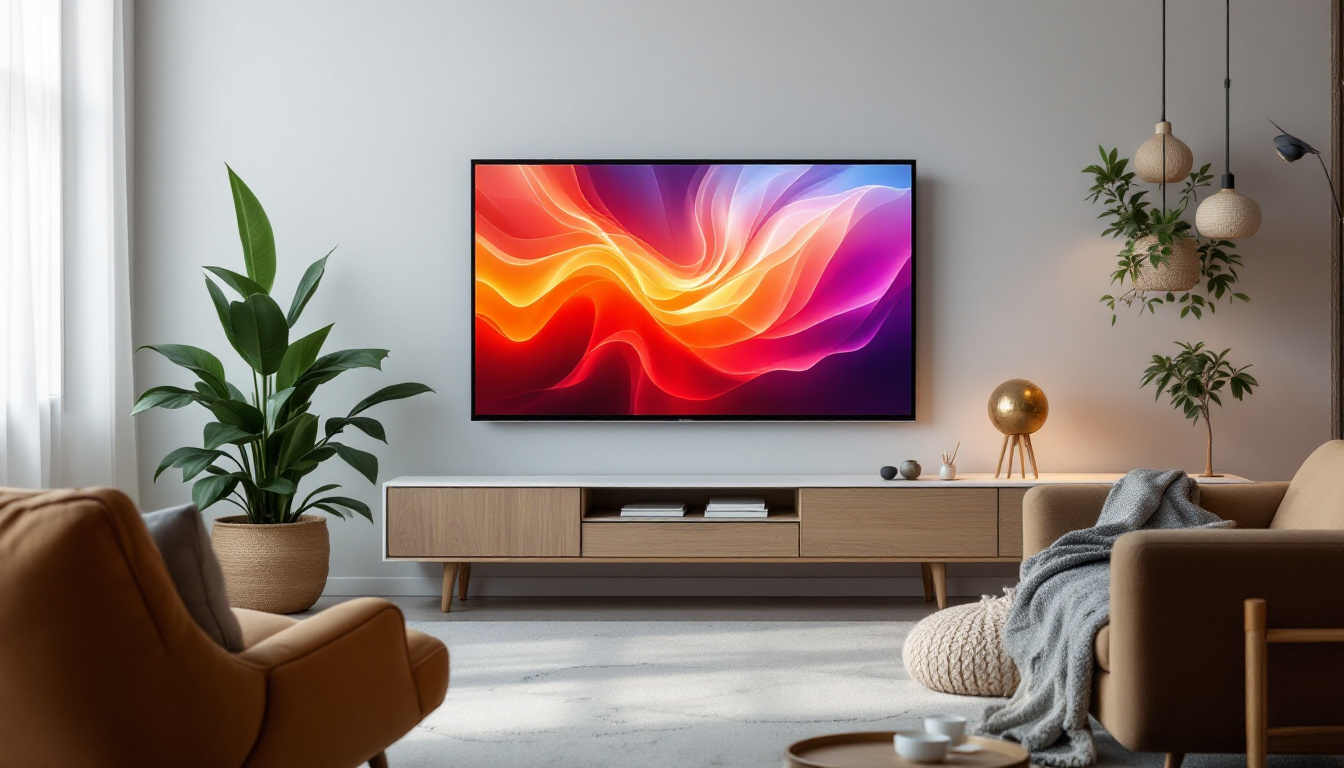
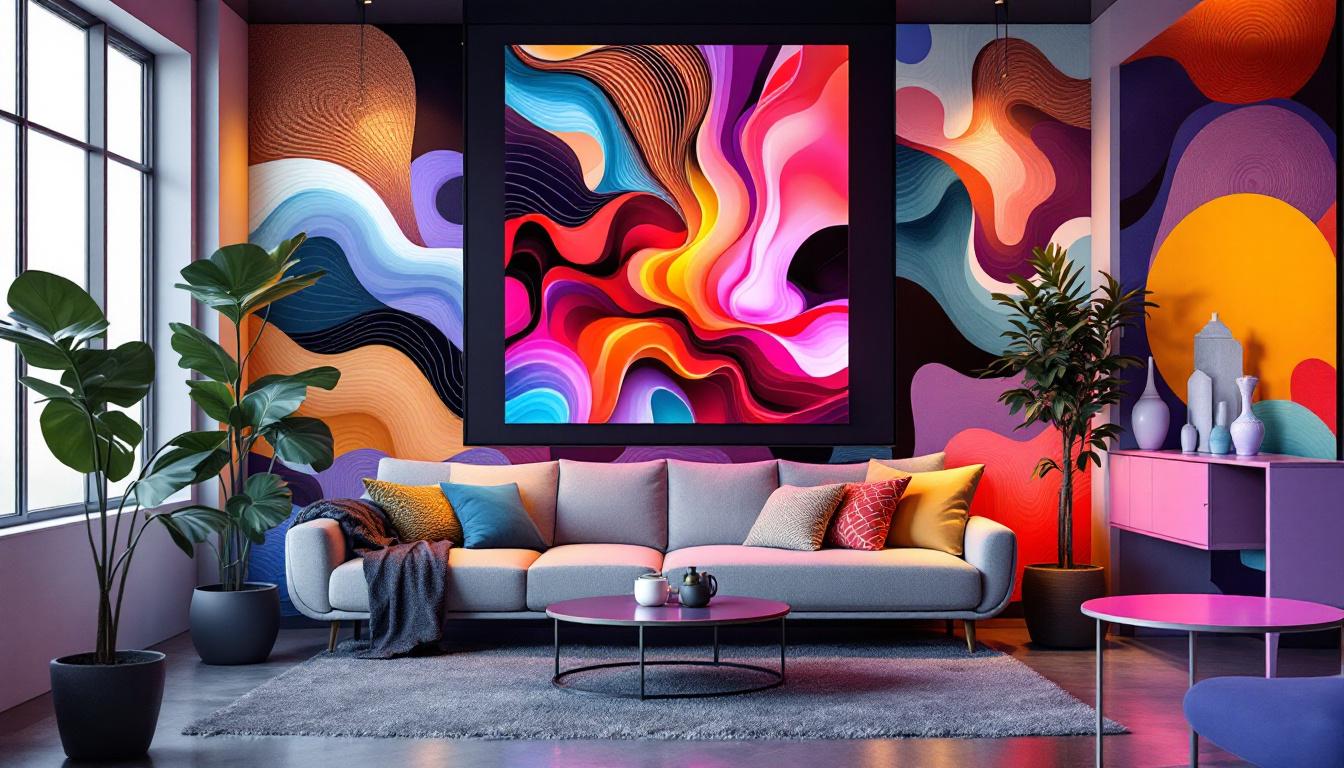
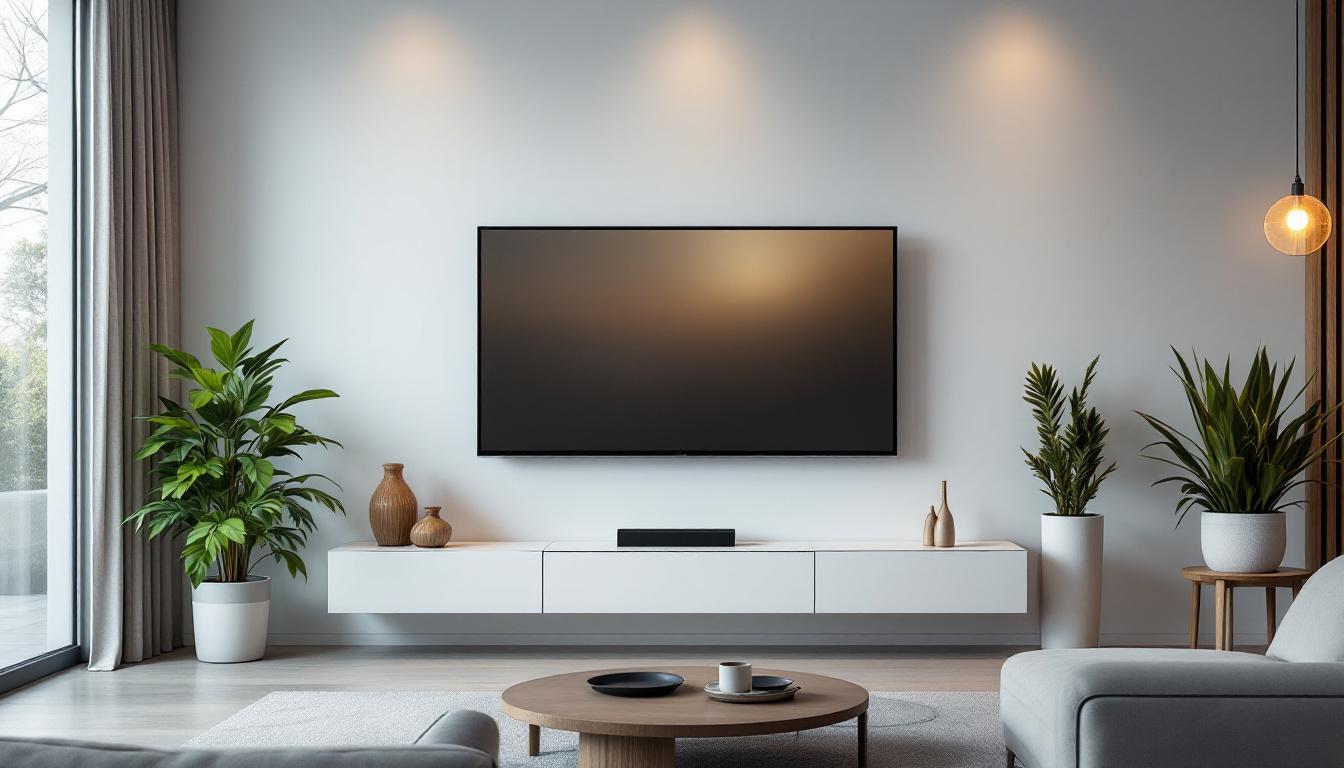
Framed TVs, sometimes referred to as “art TVs,” are designed to seamlessly blend into home decor by mimicking the appearance of traditional framed artwork. Unlike conventional flat-screen TVs that often dominate a room with their black bezels and reflective surfaces, framed TVs offer customizable bezels and display art or photographs when not in use. This feature transforms a blank screen into a dynamic piece of wall art, enhancing the ambiance of any room. By integrating technology with artistic expression, framed TVs allow homeowners to curate their living spaces in a way that reflects their personal style and taste.
The concept gained significant traction with the introduction of products like Samsung’s “The Frame,” which popularized the idea of a television doubling as a digital canvas. According to market research, framed TVs have seen a steady increase in sales, with the global digital signage market—where similar display technologies are used—expected to grow at a CAGR of 9.5% from 2023 to 2030. This growth reflects consumer demand for multifunctional devices that offer both utility and style. As more brands enter the market, consumers are presented with a wider array of options, from varying screen sizes to different frame styles, enabling them to find the perfect fit for their unique spaces.
Why Choose a Framed TV?
Choosing a framed TV is not just about aesthetics; it’s also about enhancing the user experience. These TVs often come with features such as customizable bezels in various colors and finishes, allowing homeowners to match the TV frame to their interior design. Additionally, the ability to display high-resolution artwork or personal photographs when the TV is off reduces the feeling of having a large, blank screen on the wall. This versatility makes framed TVs an appealing choice for those who appreciate art and want to maintain a cohesive look in their home.
Moreover, framed TVs typically include sensors that adjust the brightness and color temperature of the display based on ambient lighting, ensuring that the artwork looks natural and appealing throughout the day. This adaptive technology improves viewing comfort and helps the TV blend more naturally into its environment. Some models even offer a gallery mode, allowing users to curate a rotating selection of artwork from renowned artists or personal collections, turning their living rooms into mini art galleries. This feature not only adds a touch of sophistication to home decor but also encourages conversations about art and design, making the framed TV a focal point of social gatherings.
LED Display Technology: The Heart of Framed TVs
At the core of framed TVs lies LED (Light Emitting Diode) display technology, which has become the industry standard for modern televisions. LED displays offer numerous advantages over older technologies such as LCD with CCFL backlighting or plasma screens, including better energy efficiency, thinner panels, and superior picture quality.
How LED Displays Work
LED displays are essentially a type of LCD panel that uses light-emitting diodes as the backlight source instead of traditional fluorescent lamps. The display consists of millions of tiny pixels, each made up of red, green, and blue subpixels. These subpixels combine to produce the full spectrum of colors seen on the screen.
The LED backlight illuminates the LCD panel, which modulates the light to create images. This approach allows for higher brightness levels, improved contrast ratios, and more vibrant colors compared to older backlighting methods. Additionally, LED backlights can be arranged in different configurations, such as edge-lit or full-array, impacting the display’s performance and price.
Types of LED Backlighting
Understanding the types of LED backlighting is crucial when evaluating framed TVs, as it directly influences picture quality and price points.
- Edge-Lit LED: LEDs are positioned along the edges of the screen. This design allows for thinner panels and lower manufacturing costs but can result in uneven brightness and less precise local dimming.
- Full-Array LED: LEDs are distributed evenly across the entire back of the screen. This setup enables better control of brightness and contrast through local dimming zones, enhancing black levels and overall picture quality.
- Mini-LED: A newer advancement where thousands of tiny LEDs provide even more precise local dimming, higher brightness, and improved contrast. Mini-LED technology is increasingly found in premium framed TVs, offering near-OLED levels of picture quality without the risk of burn-in.
Advantages of LED Displays in Framed TVs
LED technology brings several benefits that make it ideal for framed TVs, especially given their dual role as entertainment devices and decorative elements.
Energy Efficiency and Longevity
LED displays consume significantly less power than older technologies like plasma or CCFL-backlit LCDs. This efficiency is particularly important for framed TVs, which may be used for extended periods displaying artwork. Lower power consumption not only reduces electricity bills but also contributes to a smaller environmental footprint.
Additionally, LEDs have a longer lifespan, often exceeding 60,000 hours of use. This durability ensures that framed TVs remain functional and visually appealing for many years, making them a worthwhile investment.
Superior Picture Quality
LED displays provide bright, vibrant images with high contrast ratios, essential for both television viewing and displaying digital art. The ability to achieve deep blacks and vivid colors enhances the realism and immersion of content, whether it’s a blockbuster movie or a classic painting.
Furthermore, advancements such as HDR (High Dynamic Range) support in LED TVs allow for a wider range of colors and brightness levels, making images more lifelike. This feature is particularly valuable in framed TVs, where the quality of displayed artwork is a key selling point.
Thin and Lightweight Design
The slim profile of LED technology enables manufacturers to create framed TVs that closely resemble traditional picture frames. This thinness not only contributes to a sleek aesthetic but also simplifies wall mounting and integration into various interior styles.
Challenges and Considerations with LED Framed TVs
While LED technology offers many advantages, there are some challenges and considerations to keep in mind when selecting a framed TV.
Viewing Angles
One common limitation of LED LCD displays is restricted viewing angles. Colors and contrast can shift when viewed from the side, which may affect the appearance of artwork displayed on framed TVs. Manufacturers have addressed this issue by incorporating IPS (In-Plane Switching) panels, which provide wider viewing angles and better color consistency.
Reflection and Glare
Because framed TVs are often installed in living rooms or open spaces with ambient light, reflections and glare can detract from the viewing experience. Many framed TVs include anti-reflective coatings or matte screen finishes to mitigate this problem, but it remains an important factor to consider during installation and placement.
Price Considerations
Framed TVs with advanced LED technology, customizable bezels, and art display features tend to be priced higher than standard TVs. Consumers should weigh the aesthetic and functional benefits against their budget. However, as technology advances and competition increases, prices are gradually becoming more accessible.
Future Trends in LED Displays for Framed TVs
The framed TV market continues to evolve, driven by innovations in LED display technology and consumer demand for seamless integration of technology and design.
Mini-LED and Micro-LED Advancements
Mini-LED technology is already making framed TVs brighter and more contrast-rich, edging closer to the performance of OLED displays without their susceptibility to burn-in. Micro-LED, which uses microscopic LEDs to form each pixel, promises even greater brightness, energy efficiency, and durability. Although still in early stages for consumer TVs, micro-LED could redefine the framed TV experience in the coming years.
Enhanced Smart Features and AI Integration
Future framed TVs are expected to incorporate more sophisticated AI capabilities, such as automatic art curation based on user preferences, adaptive brightness and color tuning, and voice-controlled customization. These features will enhance usability and personalization, making framed TVs even more appealing to tech-savvy consumers.
Sustainability and Eco-Friendly Materials
As environmental concerns grow, manufacturers are exploring sustainable materials for both the frames and internal components of framed TVs. Energy-efficient LED displays combined with recyclable or biodegradable frames will appeal to environmentally conscious buyers looking to reduce their carbon footprint without sacrificing style or performance.
Conclusion
Framed TVs represent a compelling fusion of technology and design, offering consumers a way to enjoy high-quality entertainment while enhancing their living spaces with customizable digital art. LED display technology is at the heart of this innovation, providing the brightness, color accuracy, and energy efficiency necessary to deliver stunning visuals both during viewing and when showcasing artwork.
Understanding the nuances of LED backlighting, picture quality, and design considerations can help buyers make informed decisions when selecting a framed TV. As LED technology continues to advance, framed TVs are poised to become even more versatile and visually impressive, solidifying their place in modern home entertainment and interior design.
Discover the Art of Visual Experience with LumenMatrix
Embrace the future of home entertainment and interior design with LumenMatrix’s cutting-edge LED display solutions. As a pioneer in LED technology, LumenMatrix offers an array of innovative products, from Indoor and Outdoor LED Wall Displays to Custom and Transparent LED solutions, designed to bring your visual communication to life. Whether you’re looking to enhance your living space with a framed TV or captivate audiences with dynamic digital signage, LumenMatrix has the perfect solution to meet your needs. Check out LumenMatrix LED Display Solutions and transform your environment into a breathtaking display of technology and artistry.