In the rapidly evolving world of television technology, LED displays have become the cornerstone of modern viewing experiences. From stunning picture quality to energy efficiency, LED TVs have transformed how audiences engage with content. This article delves deep into the technology behind LED displays, exploring their advantages, how they work, and what consumers should consider when choosing a touch television with an LED screen.
Understanding LED Display Technology
What is an LED Display?
LED stands for Light Emitting Diode, a semiconductor device that emits light when an electric current passes through it. In the context of television screens, LED displays use these tiny diodes as a backlight source to illuminate the pixels on the screen. Unlike older LCD TVs that relied on cold cathode fluorescent lamps (CCFLs), LED TVs employ arrays of LEDs to enhance brightness, contrast, and energy efficiency.
It’s important to clarify that LED TVs are essentially LCD TVs that use LED backlighting instead of CCFLs. This distinction often confuses consumers, but the key takeaway is that the image is still created by liquid crystals, with LEDs providing the light source. The evolution from CCFL to LED technology has not only improved the viewing experience but has also contributed to a more sustainable approach to television manufacturing, as LEDs consume less power and have a longer lifespan compared to their fluorescent counterparts. Furthermore, the compact size of LEDs allows for innovative designs in television sets, enabling manufacturers to create ultra-thin models that can seamlessly blend into any living space.
Types of LED Backlighting
There are primarily two types of LED backlighting used in televisions: edge-lit and direct-lit (or full-array). Each has unique characteristics that affect picture quality and design.
- Edge-lit LED: LEDs are placed along the edges of the screen, and light is diffused across the panel. This design allows for thinner TVs and is often more affordable but may suffer from uneven brightness and less precise local dimming.
- Full-array LED: LEDs are distributed evenly behind the entire screen. This allows for local dimming zones, where parts of the screen can be dimmed independently to enhance contrast and black levels, resulting in superior picture quality.
Understanding these types helps consumers make informed decisions based on their priorities, whether it’s sleek design or premium image quality. Additionally, advancements in technology have led to the emergence of mini-LED and micro-LED displays, which offer even greater control over brightness and color accuracy. Mini-LEDs use smaller diodes to create more local dimming zones, significantly improving contrast and reducing blooming effects, while micro-LED technology takes this a step further by utilizing individual micro-sized LEDs for each pixel, resulting in breathtaking picture clarity and vibrant colors. These innovations are pushing the boundaries of what is possible in display technology, making it an exciting time for consumers looking to upgrade their viewing experience.
The Advantages of LED TVs in Modern Touch Televisions
Superior Picture Quality
LED technology has significantly improved picture quality compared to older display technologies. LED TVs offer higher brightness levels, which is especially beneficial for viewing in well-lit rooms. The ability to implement local dimming in full-array LED TVs enhances contrast ratios, delivering deeper blacks and more vibrant colors.
For example, recent models boast peak brightness levels exceeding 1,000 nits, making HDR (High Dynamic Range) content more impactful. HDR enhances the color and contrast range, providing a more lifelike and immersive viewing experience. This capability is particularly noticeable in scenes with a wide range of lighting, where the details in shadows and highlights are preserved, allowing viewers to appreciate the full artistry of cinematography. Furthermore, advancements in color accuracy and wider color gamuts, such as DCI-P3, ensure that the colors displayed are true to life, making everything from nature documentaries to blockbuster films visually stunning.
Energy Efficiency and Longevity
Compared to CCFL-backlit LCDs and plasma TVs, LED TVs consume less power, making them more environmentally friendly and cost-effective over time. According to the U.S. Department of Energy, LED TVs can use up to 30-40% less energy than older LCD models, contributing to lower electricity bills and reduced carbon footprints.
Additionally, LEDs have longer lifespans, often rated at 60,000 to 100,000 hours of usage. This durability means that LED TVs generally remain functional and maintain picture quality for many years, providing excellent value for consumers. The reduced need for frequent replacements not only saves money but also minimizes electronic waste, aligning with sustainable practices. Moreover, many manufacturers are now incorporating eco-friendly materials and processes in the production of LED TVs, further enhancing their appeal to environmentally conscious consumers.
Thin and Lightweight Designs
The compact size of LEDs enables manufacturers to produce ultra-thin and lightweight televisions. This design flexibility has revolutionized how TVs integrate into living spaces, allowing for wall-mounted setups that resemble framed artwork. The sleek profiles also contribute to easier installation and transport.
In addition to aesthetic benefits, the lightweight nature of LED TVs allows for innovative mounting solutions, including swivel and tilt mounts that enhance viewing angles and comfort. This adaptability means that homeowners can easily reposition their TVs to suit different activities, whether it’s movie nights, gaming sessions, or casual viewing. The thin bezels on modern LED TVs also maximize screen real estate, providing a more immersive experience without taking up unnecessary space. As a result, these televisions not only serve as entertainment devices but also as stylish elements of home décor, blending seamlessly with modern interior designs.
Touchscreen Integration in LED Televisions
How Touch Technology Works on LED Screens
Touch televisions combine the visual benefits of LED displays with interactive touch capabilities, creating a versatile device suitable for both entertainment and productivity. The touch functionality is typically achieved through capacitive or infrared touch technologies layered over the LED screen.
Capacitive touchscreens detect electrical signals from the human finger, offering precise and responsive interactions. Infrared touchscreens use a grid of IR sensors to detect touch points, which can support multiple simultaneous touches but may be less sensitive than capacitive systems.
Applications of Touch LED TVs
Touchscreen LED TVs are increasingly popular in various settings beyond traditional home entertainment:
- Education: Interactive displays enhance learning by allowing students and teachers to engage directly with digital content, annotate presentations, and collaborate in real time.
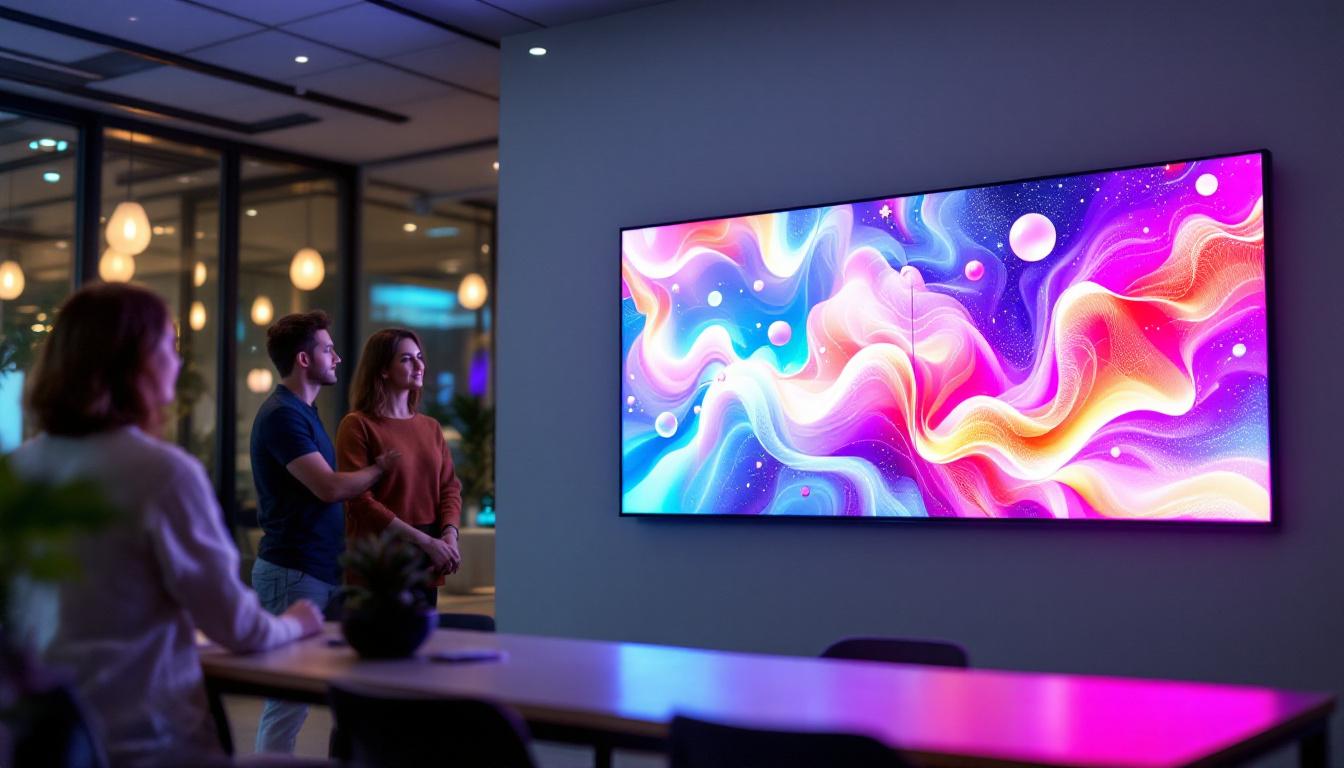
- Business: Conference rooms benefit from touch televisions for video conferencing, brainstorming sessions, and dynamic presentations.
- Retail and Hospitality: Touchscreen displays serve as interactive kiosks, providing product information, wayfinding, and customer engagement.
These applications demonstrate the versatility of touch LED TVs, making them valuable tools across industries.
Key Features to Consider When Buying a Touch LED Television
Screen Size and Resolution
Choosing the right screen size depends on the viewing environment and personal preferences. Larger screens provide a more immersive experience but require adequate space and appropriate viewing distances. Common sizes range from 43 inches to over 75 inches for home use.
Resolution is equally critical. Most modern LED TVs offer 4K Ultra HD resolution (3840 x 2160 pixels), which delivers crisp and detailed images. For touch televisions, higher resolution ensures that touch interactions are accurately reflected on the screen without pixelation or lag.
Touch Responsiveness and Multi-Touch Support
The quality of touch interaction varies between models. A responsive touchscreen with minimal latency is essential for smooth navigation and usability. Multi-touch support allows multiple users to interact simultaneously, a feature particularly useful in collaborative environments like classrooms and meeting rooms.
Connectivity Options
Modern touch LED TVs come equipped with a variety of connectivity ports, including HDMI, USB, and wireless options such as Wi-Fi and Bluetooth. These interfaces enable easy connection to external devices like computers, gaming consoles, and mobile devices, expanding the TV’s functionality.
Operating System and Software Compatibility
Many touch televisions run on smart TV platforms such as Android TV, webOS, or proprietary operating systems. The choice of OS impacts the availability of apps, ease of use, and integration with other devices. For touch TVs, software that supports touch gestures and interactive applications enhances the overall experience.
Future Trends in LED and Touch Television Technology
Mini-LED and Micro-LED Innovations
Emerging technologies like Mini-LED and Micro-LED promise to elevate LED display performance further. Mini-LED uses thousands of tiny LEDs as backlights, enabling more precise local dimming and improved contrast ratios. Micro-LED technology goes a step further by using microscopic LEDs as individual pixels, potentially delivering perfect black levels, infinite contrast, and exceptional brightness without the need for backlighting.
These advancements are expected to become mainstream in the coming years, offering consumers even better picture quality and energy efficiency.
Enhanced Touch and Gesture Controls
Future touch televisions may incorporate advanced gesture recognition and haptic feedback to create more intuitive and immersive interactions. Integration with voice assistants and AI-driven interfaces will further streamline user experiences, allowing seamless control over content and connected smart home devices.
Flexible and Transparent Displays
Research into flexible and transparent LED displays could redefine television design. Flexible screens may allow for rollable or foldable TVs, while transparent displays could enable innovative applications in retail and augmented reality environments.
Conclusion
LED display technology has revolutionized the television industry by delivering superior picture quality, energy efficiency, and sleek designs. When combined with touch capabilities, LED televisions become powerful interactive tools suitable for a wide range of applications beyond traditional viewing.
Understanding the underlying technology, key features, and future trends empowers consumers and businesses to make informed decisions when selecting a touch television. As LED and touch technologies continue to advance, the possibilities for enhanced entertainment, education, and collaboration are virtually limitless.
Explore the Future of Touch Television with LumenMatrix
Ready to experience the pinnacle of touch television technology? LumenMatrix is at the forefront of innovation, offering a wide array of LED display modules tailored to your needs. From captivating Indoor and Outdoor LED Wall Displays to dynamic Vehicle and Sports LED Displays, our solutions are designed to revolutionize visual communication. Discover the transformative power of our LED Poster Displays, Floor LED Displays, Custom LED Displays, All-in-One LED Displays, and LED Transparent Displays. Elevate your brand visibility and engage your audience like never before. Check out LumenMatrix LED Display Solutions today and step into the future of interactive viewing.