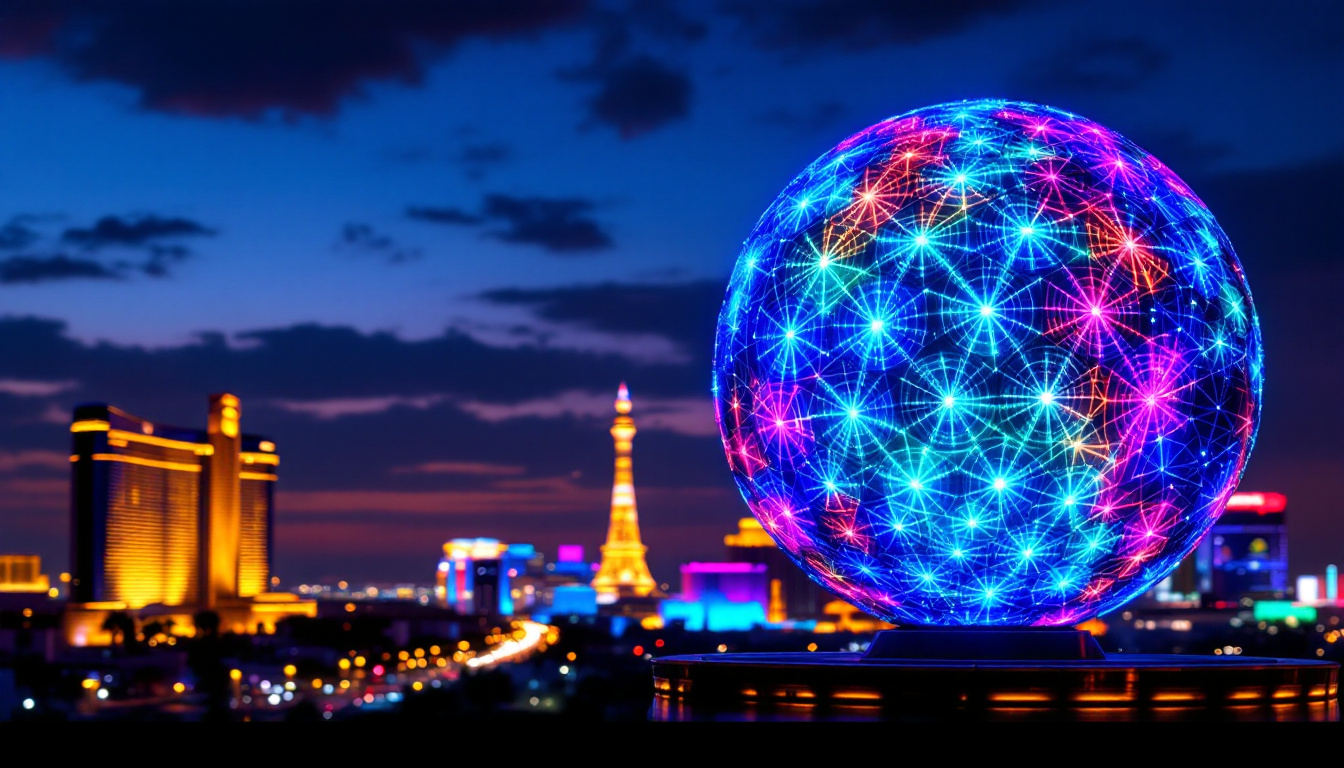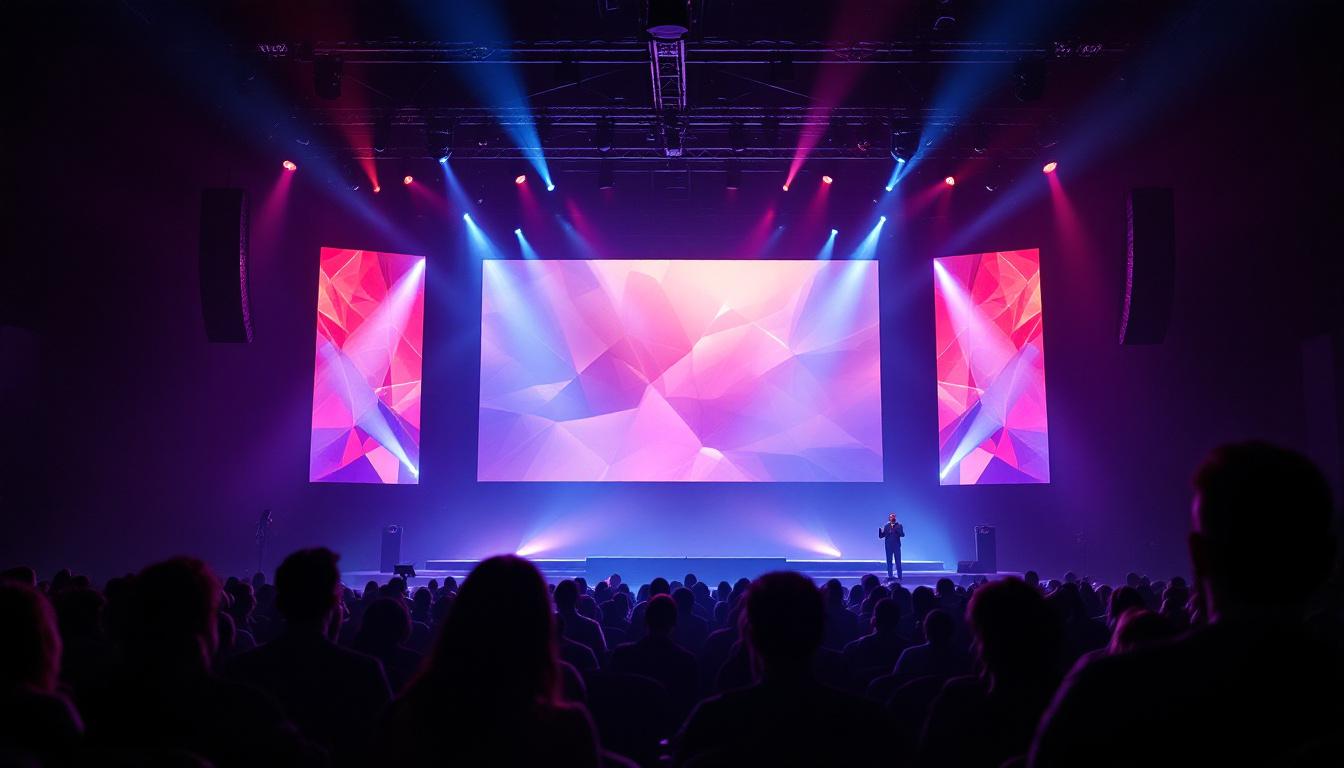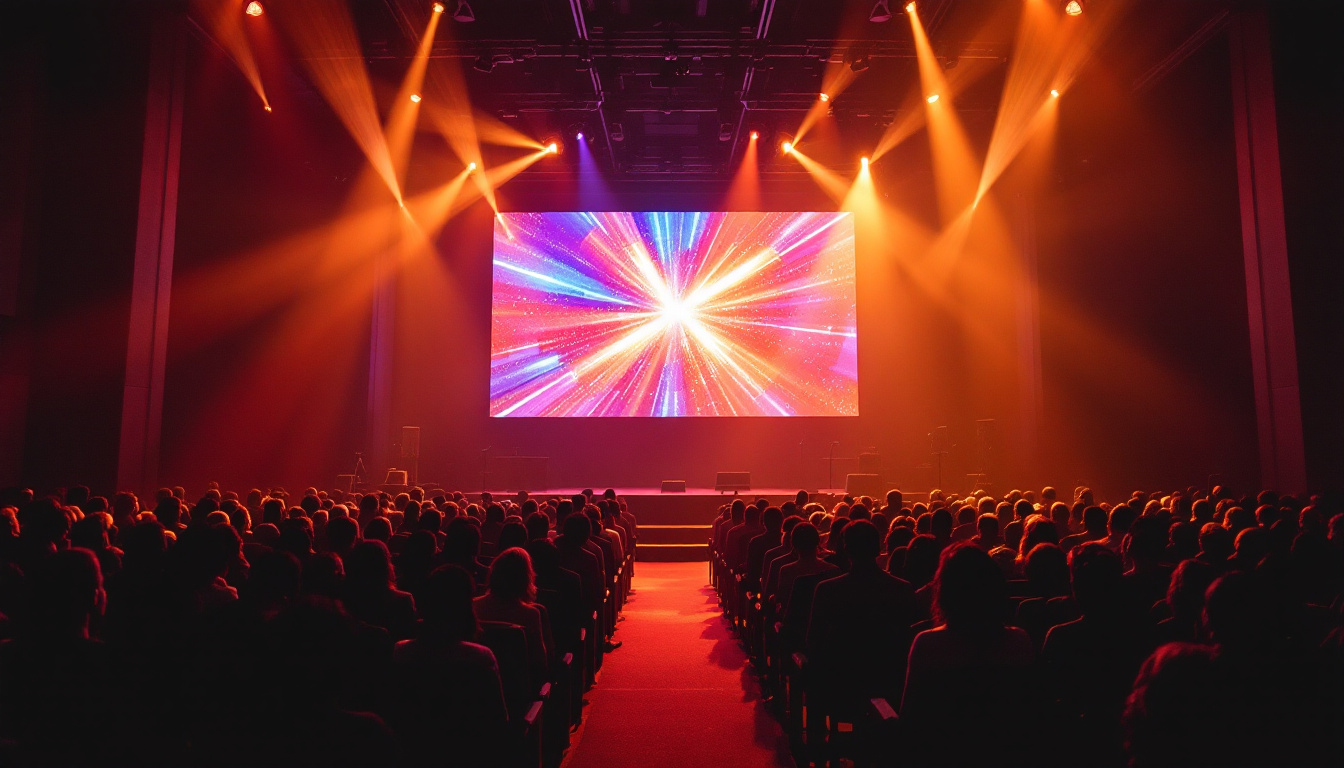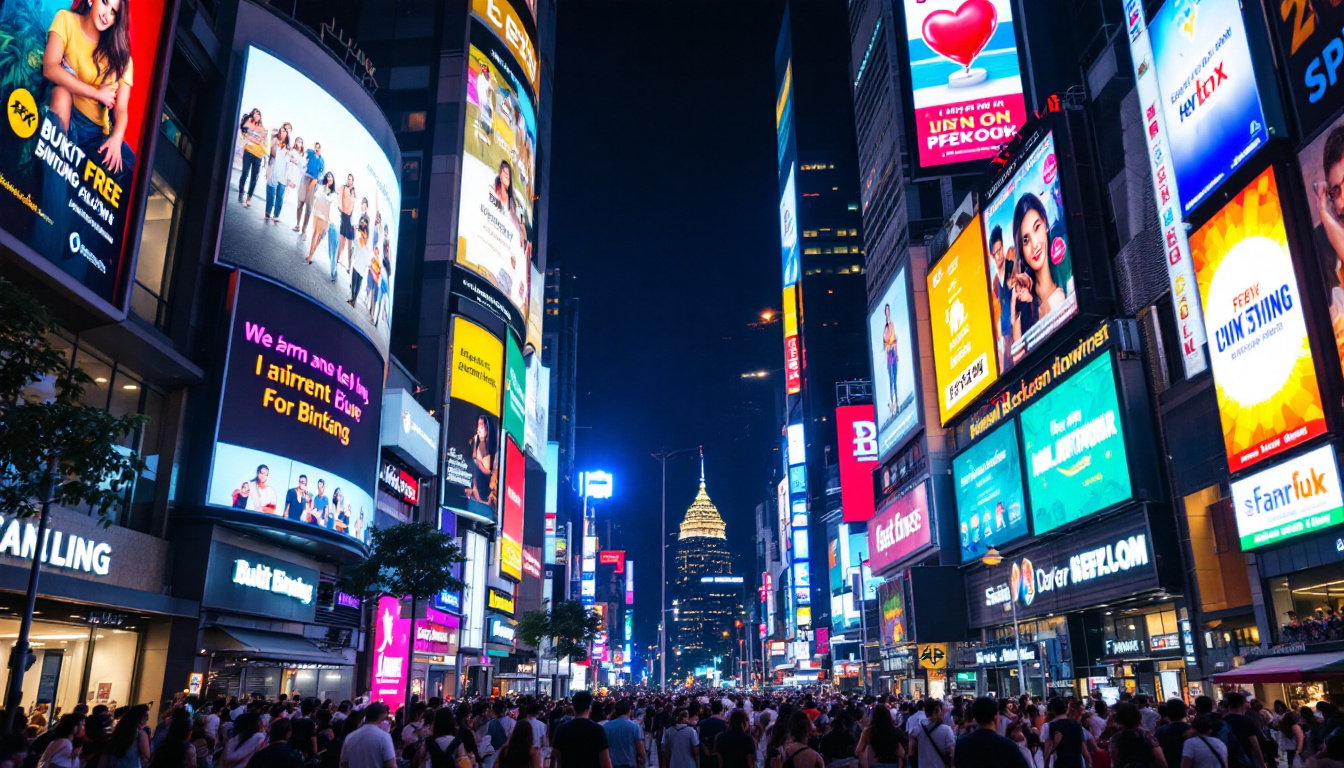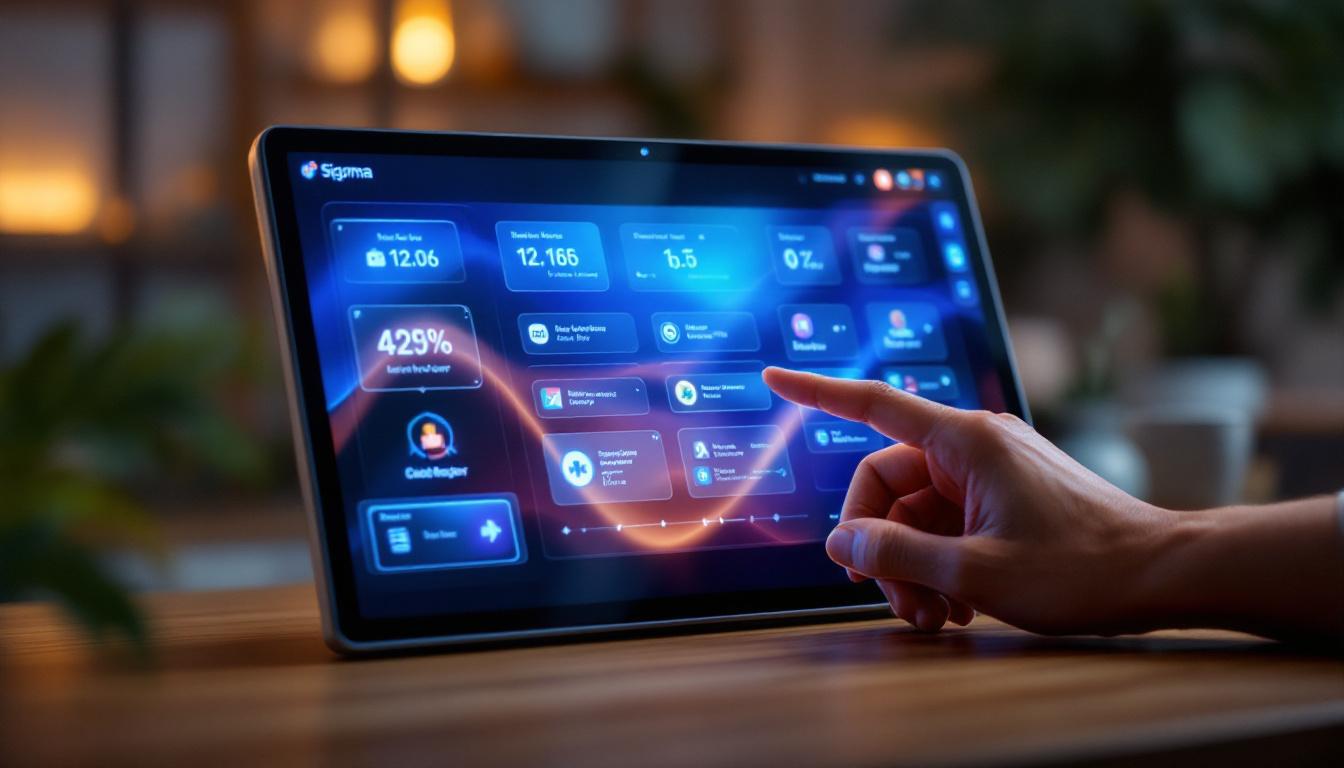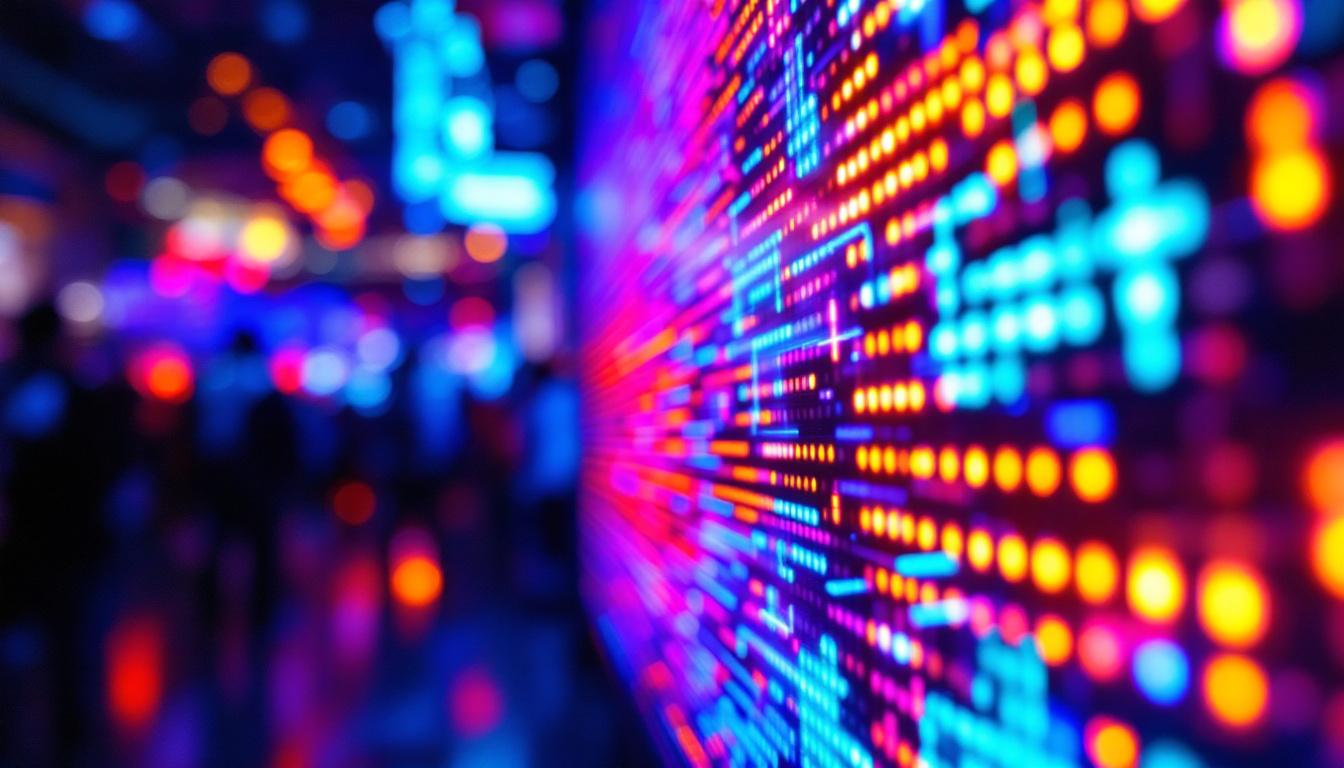
In the rapidly evolving world of home automation and audiovisual technology, LED displays have emerged as a cornerstone of modern design and functionality. Recognized for their innovation and impact, LED displays have frequently been honored at the prestigious CEDIA Awards, which celebrate excellence in custom electronic design and installation. This article delves into the technology behind LED displays, their significance in the industry, and why they continue to be a favorite among CEDIA Award winners.
Understanding LED Display Technology
What is an LED Display?
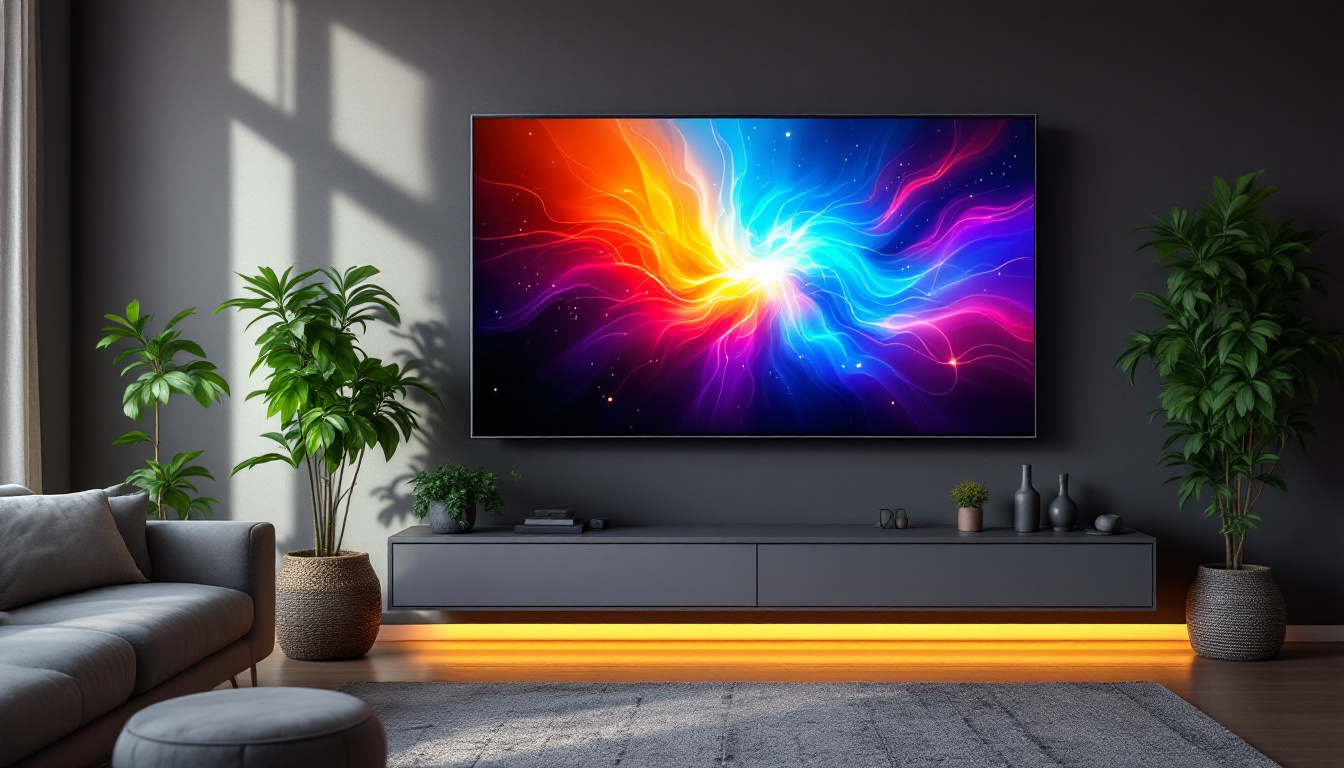
LED, or Light Emitting Diode, displays are screens that use an array of tiny LEDs to create images. Unlike traditional LCD or plasma screens, LED displays emit their own light, which results in brighter images, deeper blacks, and higher contrast ratios. These qualities make LED technology particularly suitable for environments where image quality is paramount, such as home theaters, control rooms, and luxury residential installations. The ability to produce vibrant colors and sharp details enhances the viewing experience, making LED displays a preferred choice for professionals in film, gaming, and digital art.
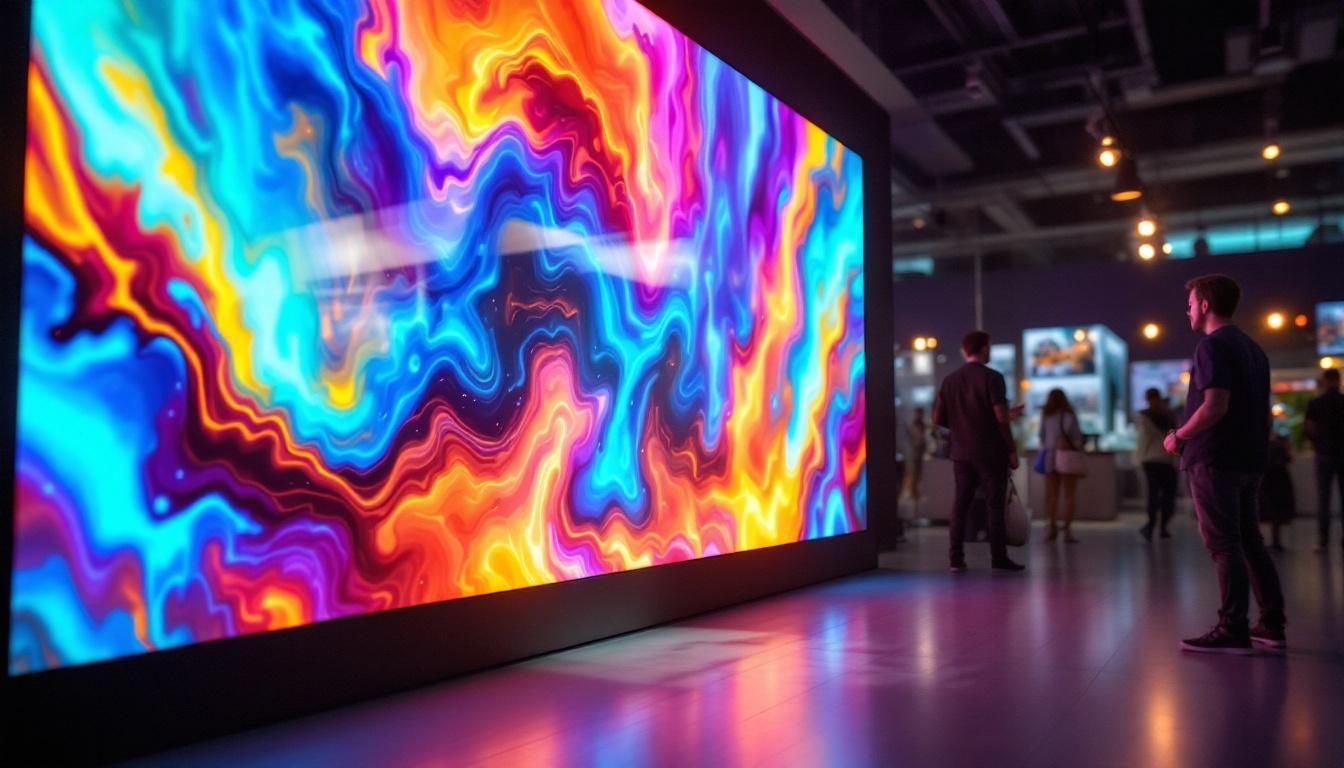
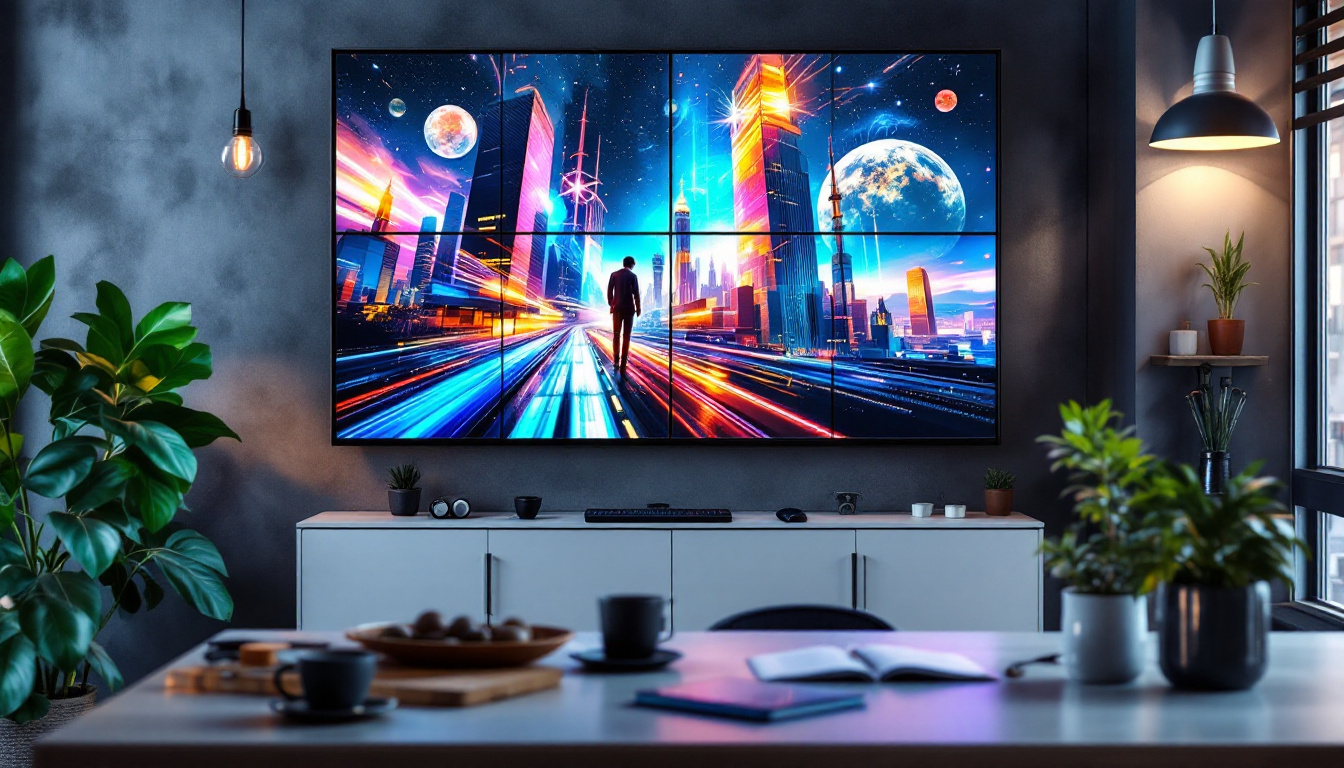
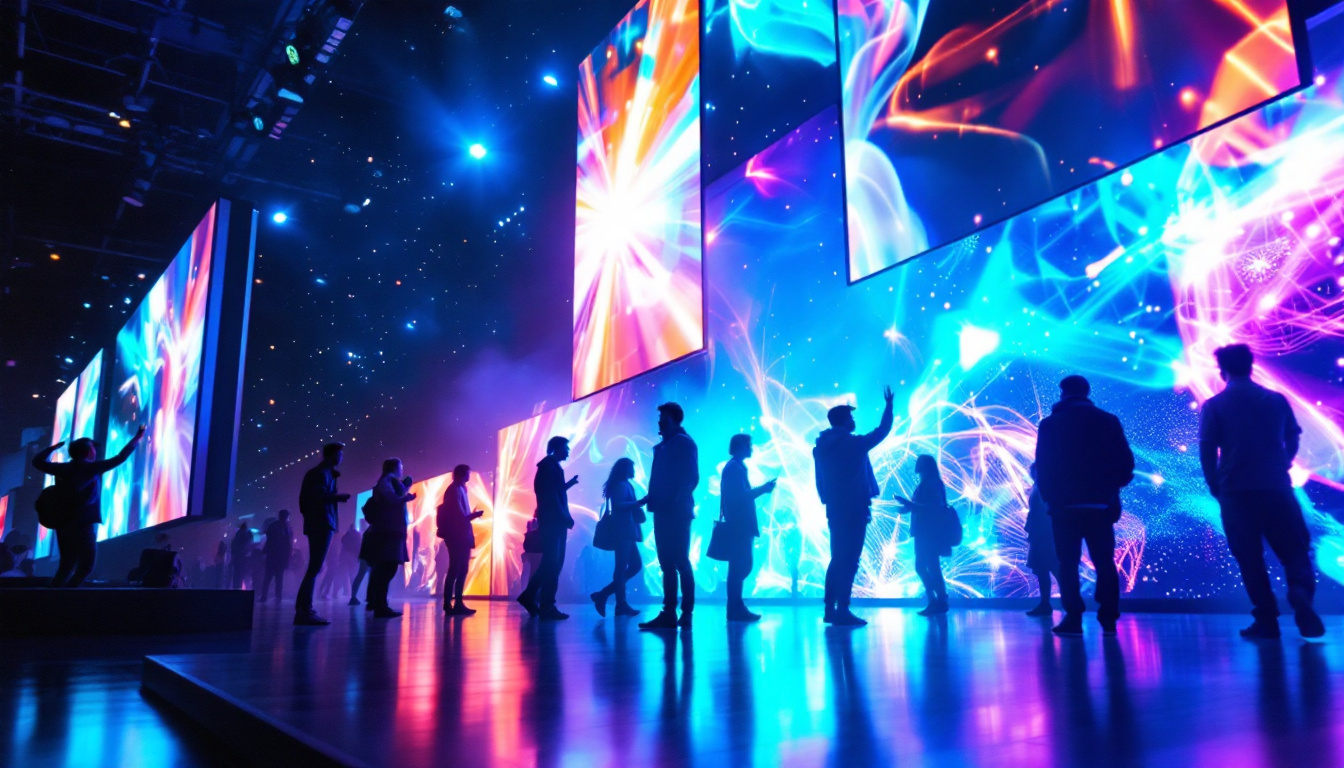
LED displays come in various forms, including direct-view LED panels and LED-backlit LCDs. Direct-view LED displays consist of thousands of individual LEDs arranged in a grid, each capable of producing its own light and color. This allows for exceptional brightness and color accuracy, which is why they are often used in large-scale video walls and immersive home entertainment systems. Furthermore, the modular nature of these displays means that they can be easily expanded or reconfigured, making them ideal for events and exhibitions where adaptability is crucial.
Key Advantages of LED Displays
One of the primary advantages of LED displays is their superior brightness and energy efficiency. LEDs consume less power compared to other display technologies, making them both cost-effective and environmentally friendly. Additionally, LED displays offer a longer lifespan, often exceeding 100,000 hours of use, which translates into reduced maintenance and replacement costs. This longevity is particularly beneficial for commercial applications, where downtime can result in significant financial losses. Moreover, the low heat generation of LED technology not only contributes to energy savings but also reduces the need for extensive cooling systems in large installations.
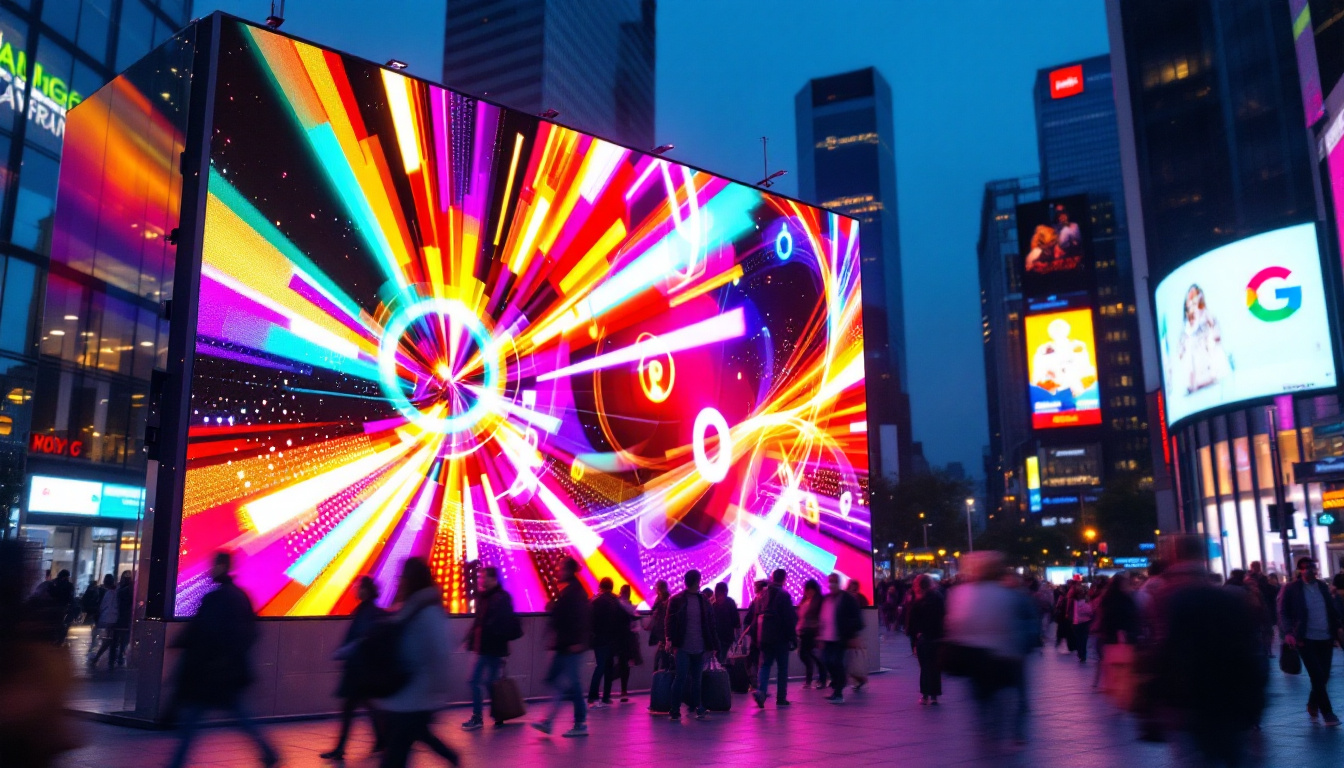
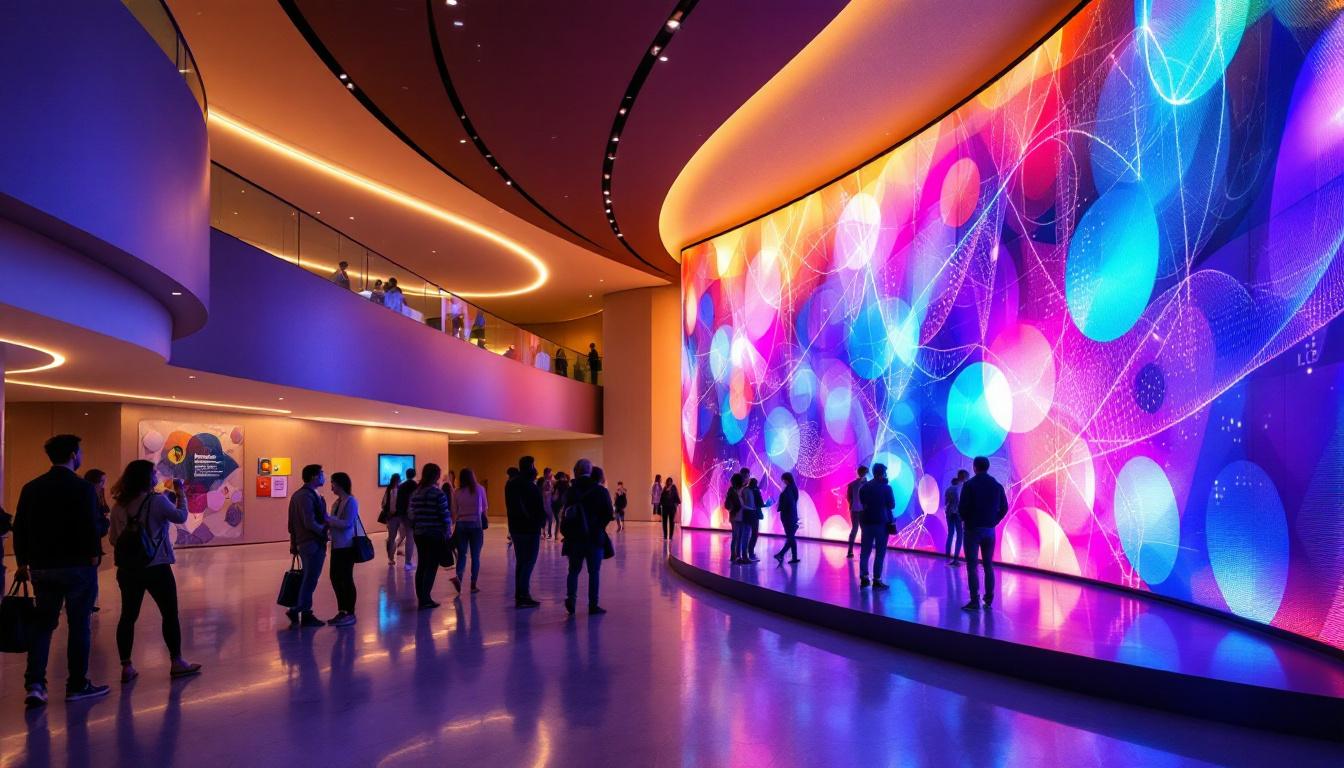
Another critical benefit is the flexibility in size and shape. LED panels can be custom-fabricated to fit virtually any space, from expansive video walls that span entire walls to curved or irregularly shaped installations that blend seamlessly with architectural designs. This adaptability has made LED displays a favorite among CEDIA Award-winning projects, where bespoke solutions are often required. Additionally, advancements in technology have led to the development of transparent LED displays, which allow for creative applications in retail environments, enabling businesses to showcase products while maintaining visibility through the screen. This innovation not only enhances aesthetic appeal but also engages customers in a unique way, merging digital content with physical spaces.
The Role of LED Displays in CEDIA Award-Winning Projects
Innovation in Custom Home Theaters
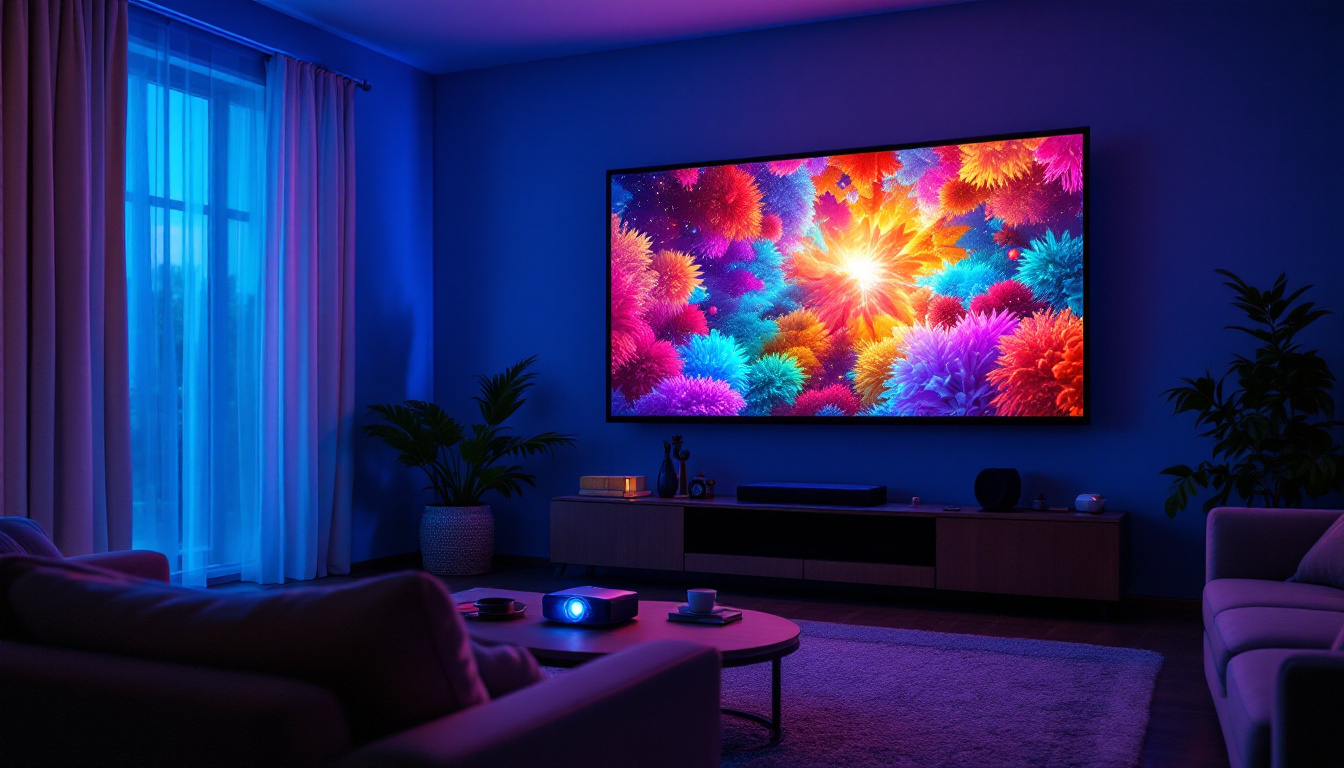
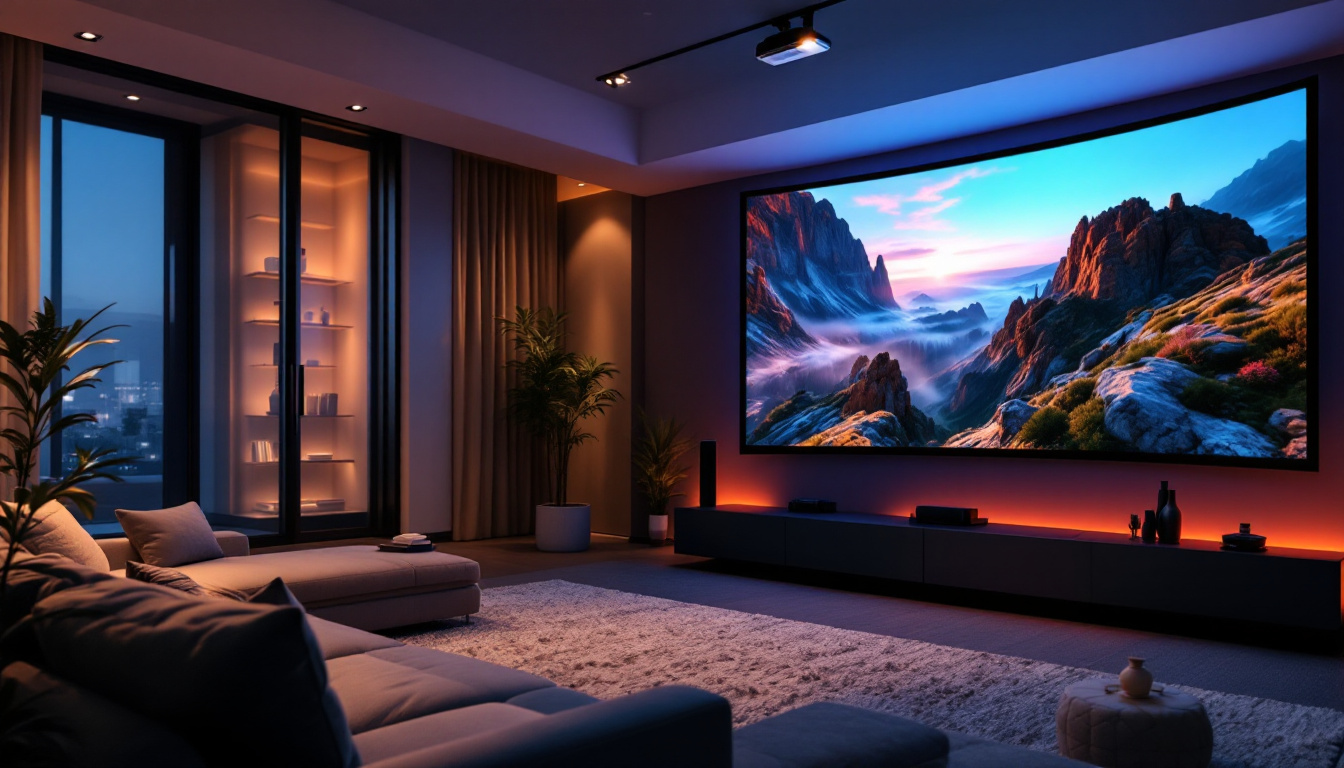
CEDIA Award winners consistently push the boundaries of home theater design, and LED displays play a pivotal role in this innovation. High-end home theaters now frequently incorporate direct-view LED walls that provide unparalleled image quality and immersive viewing experiences. Unlike traditional projection systems, LED displays offer consistent brightness regardless of ambient light conditions, making them ideal for rooms with large windows or open layouts.
For example, a recent CEDIA Award-winning home theater featured a 4K direct-view LED video wall that wrapped around the viewing area, creating a panoramic effect that fully engaged viewers. The installer integrated advanced calibration tools to ensure color accuracy and uniformity across the entire display, demonstrating the level of precision achievable with modern LED technology. This meticulous attention to detail not only enhances the visual experience but also elevates the overall aesthetic of the space, making it a focal point of the home. Additionally, the use of LED technology allows for thinner bezels and more versatile configurations, enabling designers to craft unique layouts that fit seamlessly within the architecture of the room.
Seamless Integration with Smart Home Systems
Another reason LED displays have become a staple in CEDIA Award projects is their compatibility with smart home automation. These displays can be seamlessly integrated into control systems, allowing homeowners to manage content, lighting, and sound with intuitive interfaces. This integration enhances user experience and adds a layer of convenience and sophistication to the installation.
Many award-winning projects showcase LED displays that serve multiple functions, such as switching between entertainment modes, displaying security camera feeds, or presenting ambient visuals that complement the home’s interior design. The flexibility of LED technology enables designers and integrators to create dynamic environments tailored to the client’s lifestyle. For instance, in one project, the LED display was programmed to transition from a vibrant movie scene to a calming nature landscape as the evening progressed, transforming the room’s atmosphere to suit different activities. Furthermore, the ability to control these displays via mobile apps or voice commands empowers homeowners to customize their viewing experience effortlessly, making technology an integral part of their daily lives.
Technical Considerations for LED Display Installations
Resolution and Pixel Pitch
When selecting an LED display for a custom installation, resolution and pixel pitch are critical factors. Pixel pitch refers to the distance between individual LEDs on the panel, typically measured in millimeters. A smaller pixel pitch means higher resolution and sharper images, which is especially important for close viewing distances common in residential settings.
For instance, a pixel pitch of 1.2mm to 1.5mm is ideal for home theaters and living rooms, providing crisp visuals without visible pixelation. Larger pixel pitches, such as 2.5mm or more, are better suited for installations where viewers are farther away, like in large media rooms or commercial applications. Additionally, understanding the viewing angle is crucial; displays with a narrower pixel pitch often provide better image quality from various angles, making them suitable for multi-seating arrangements in a home theater setup.
Calibration and Color Accuracy
Achieving perfect color accuracy and uniform brightness across an LED display requires meticulous calibration. Professional integrators use specialized tools to adjust color temperature, gamma, and brightness levels, ensuring the display performs optimally in its environment. This process is essential in high-end installations, where image quality is a top priority.
Moreover, LED displays must be calibrated to work harmoniously with other audiovisual components, such as projectors, sound systems, and lighting controls. This holistic approach to system design is a hallmark of CEDIA Award-winning projects, reflecting the expertise and attention to detail of the installers. Furthermore, ongoing maintenance and recalibration are often necessary to account for changes in ambient light conditions or wear over time, ensuring that the display continues to deliver an exceptional viewing experience.
Installation Challenges and Solutions
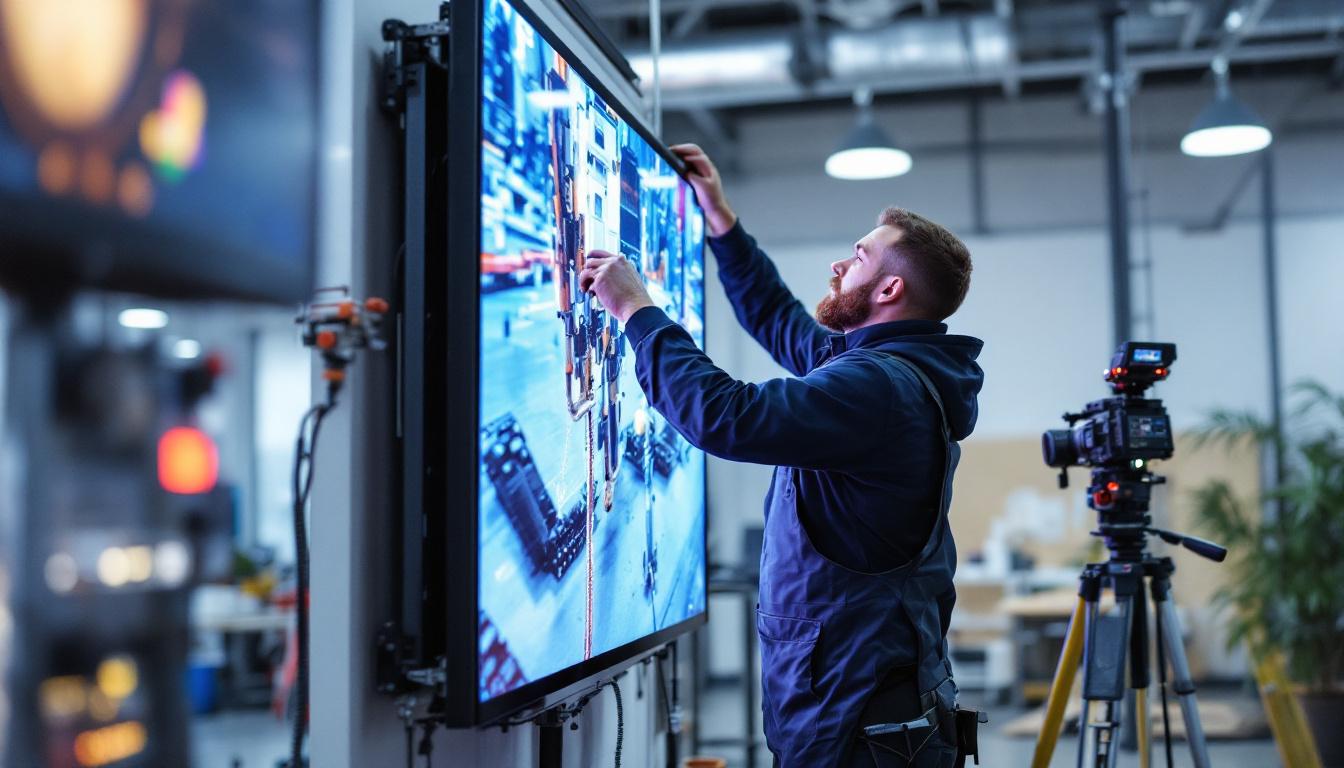
Installing LED displays, especially large-format or custom-shaped panels, presents unique challenges. Structural support, ventilation, and cable management must be carefully planned to ensure safety, performance, and aesthetics. Additionally, installers must consider heat dissipation, as LEDs generate heat that can affect longevity and image quality if not properly managed.
Innovative mounting solutions, such as modular frames and precision alignment systems, have been developed to address these challenges. These technologies allow for quick installation and easy maintenance, which are crucial for minimizing downtime and ensuring client satisfaction. Furthermore, the integration of smart technology into LED displays has opened up new avenues for installation, allowing for features such as remote monitoring and diagnostics. This capability not only enhances the user experience but also provides installers with valuable data to preemptively address potential issues, ensuring that the display remains in peak condition over its lifespan.
The Future of LED Displays in Custom Electronics
Emerging Trends and Technologies
The LED display market continues to evolve, driven by advancements in mini-LED and micro-LED technologies. These innovations promise even higher brightness, improved contrast ratios, and enhanced energy efficiency. Micro-LED displays, in particular, offer the potential for true black levels and infinite contrast, rivaling OLED technology but with greater durability and brightness.
Additionally, transparent and flexible LED displays are gaining traction, enabling new design possibilities. Transparent LED panels can be integrated into windows or glass walls, providing information or decorative visuals without obstructing views. Flexible LED displays can conform to curved surfaces, opening creative avenues for architects and designers.
Impact on the Custom Installation Industry
As LED technology advances, custom installers will have more tools to create immersive, personalized environments that blend seamlessly with architecture and lifestyle. The ability to deliver high-performance, visually stunning displays that integrate with smart home systems will continue to set CEDIA Award winners apart.
Furthermore, the growing demand for sustainable and energy-efficient solutions aligns well with the benefits of LED displays. Homeowners increasingly prioritize eco-friendly technologies, and LED displays offer a compelling combination of performance and green credentials.
Conclusion: Why LED Displays Are a CEDIA Award Favorite
LED displays represent a convergence of cutting-edge technology, design flexibility, and superior performance. Their ability to deliver stunning visuals, integrate seamlessly with smart home systems, and adapt to unique architectural demands makes them a preferred choice for CEDIA Award-winning projects. As the technology continues to advance, LED displays will undoubtedly play an even greater role in shaping the future of custom electronic design and installation.
For homeowners, designers, and integrators alike, understanding the capabilities and advantages of LED displays is essential for creating next-level audiovisual experiences that are both beautiful and functional. The recognition these displays receive at the CEDIA Awards underscores their importance and impact in the industry today.
Discover the Future of Visual Experience with LumenMatrix
Ready to elevate your space with the award-winning capabilities of LED display technology? LumenMatrix is at the forefront of innovation, offering a diverse range of LED display solutions tailored to your needs. From immersive Indoor LED Wall Displays to dynamic Outdoor LED Wall Displays, and from versatile Vehicle LED Displays to engaging LED Sports Displays, our products are designed to captivate and communicate with unparalleled clarity. Embrace the future of visual storytelling with LumenMatrix’s cutting-edge LED display modules. Check out LumenMatrix LED Display Solutions today and transform your visual communication into an unforgettable experience.