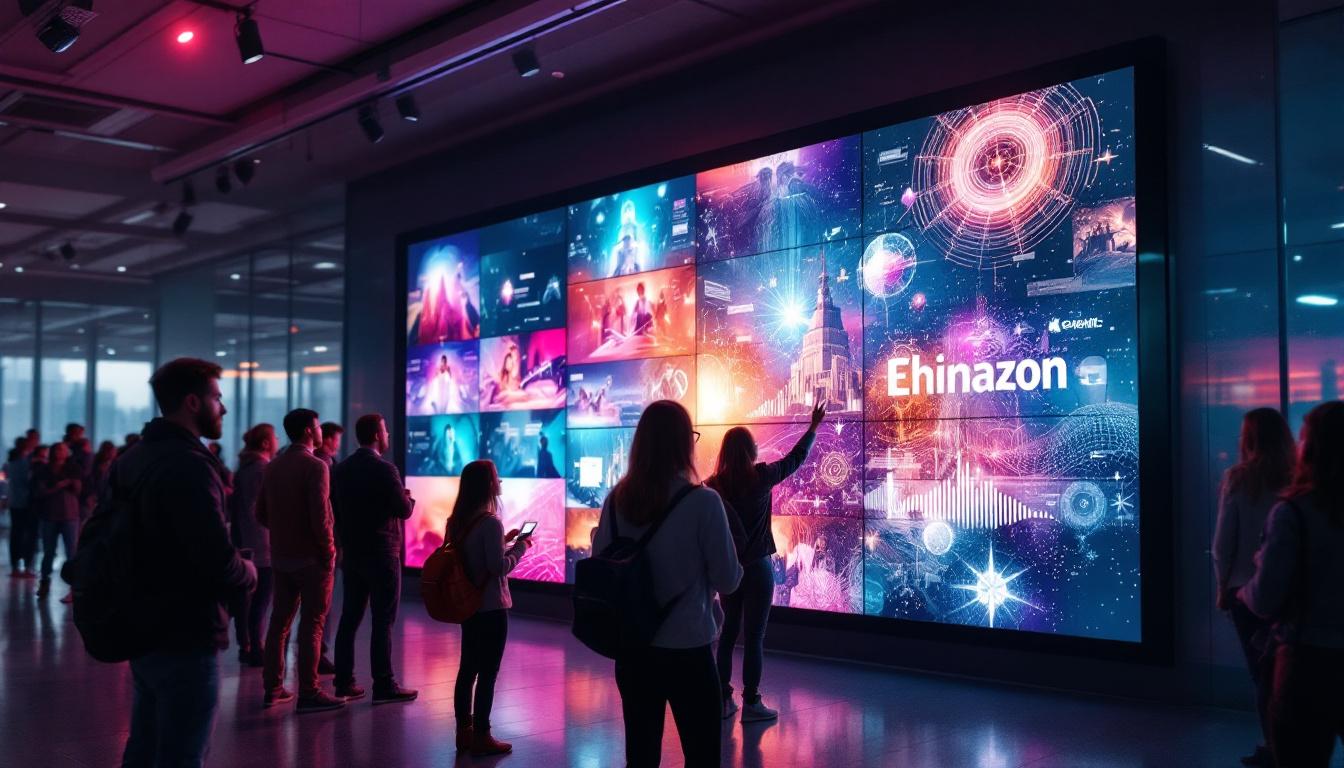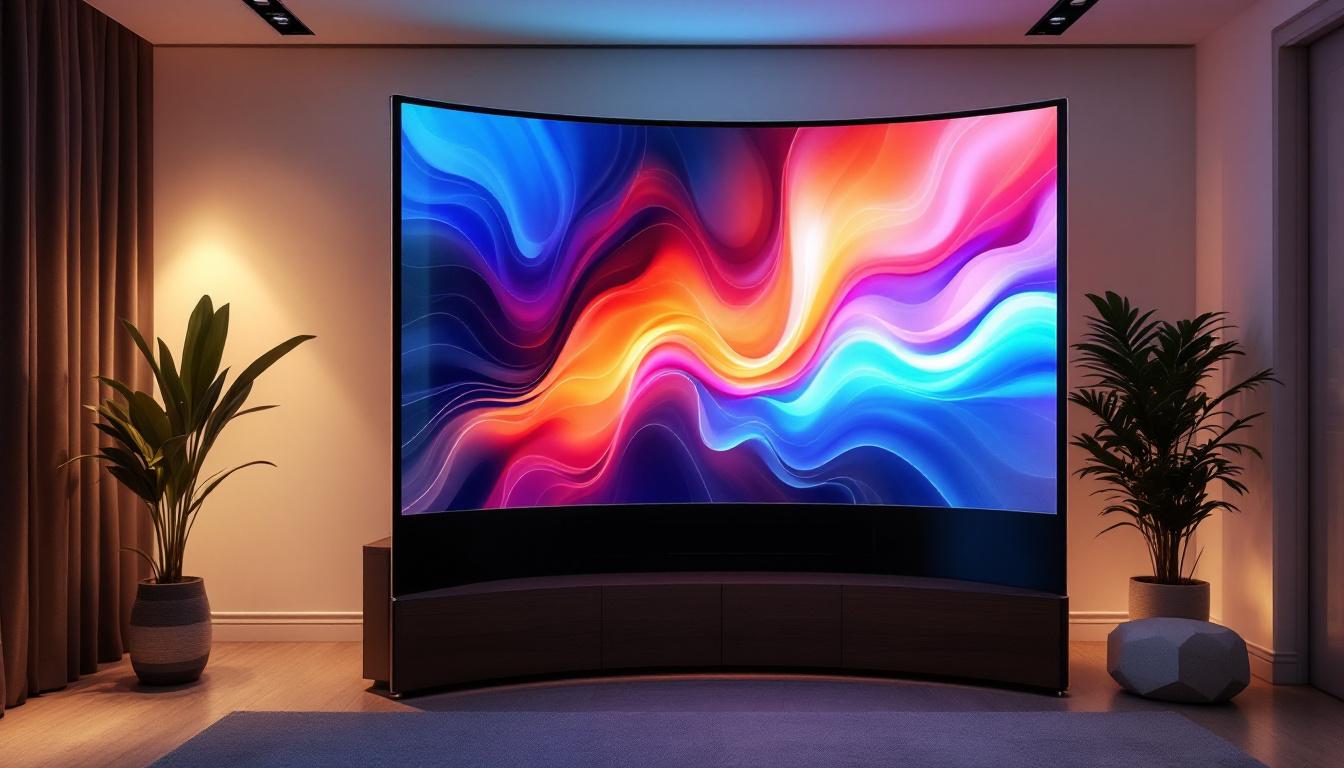
In today’s fast-paced advertising landscape, capturing attention is more challenging than ever. Businesses and brands are constantly seeking innovative ways to stand out, and LED displays have emerged as a powerful tool in this quest. Off the wall screen printing, combined with dynamic LED displays, offers a unique blend of traditional and modern marketing techniques that can elevate any promotional campaign.
Understanding LED Displays: The Basics
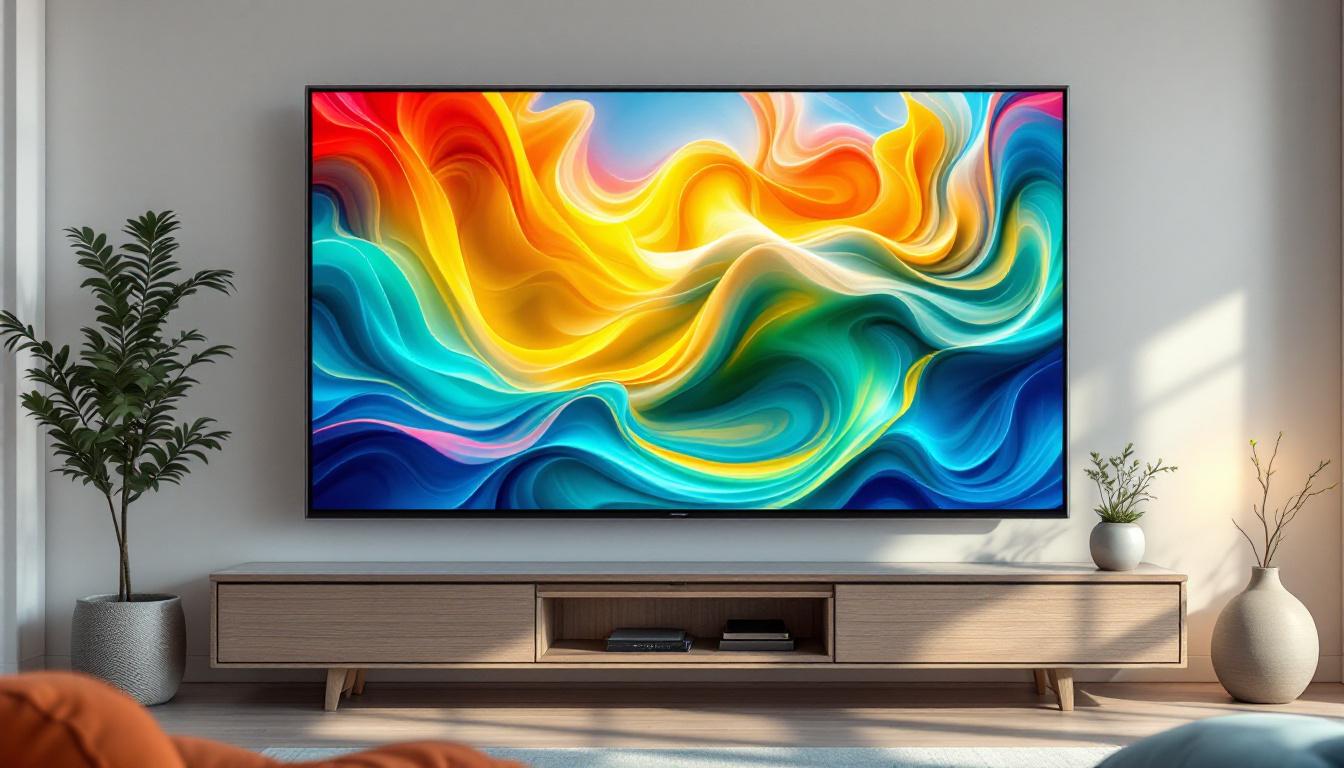
LED, or Light Emitting Diode, displays are electronic visual display boards that use light-emitting diodes to present images, videos, and text. Unlike traditional print media, LED displays are dynamic, capable of changing content in real-time, and highly visible even under direct sunlight.
The technology behind LED displays has evolved significantly over the past decade. Modern LED screens boast higher resolutions, improved color accuracy, and enhanced energy efficiency. These advancements make LED displays a preferred choice for outdoor advertising, retail environments, and event promotions. The shift towards LED technology is also driven by the increasing demand for sustainable solutions, as LED displays consume significantly less power compared to older display technologies, thereby reducing the overall carbon footprint of advertising campaigns.
How LED Displays Work
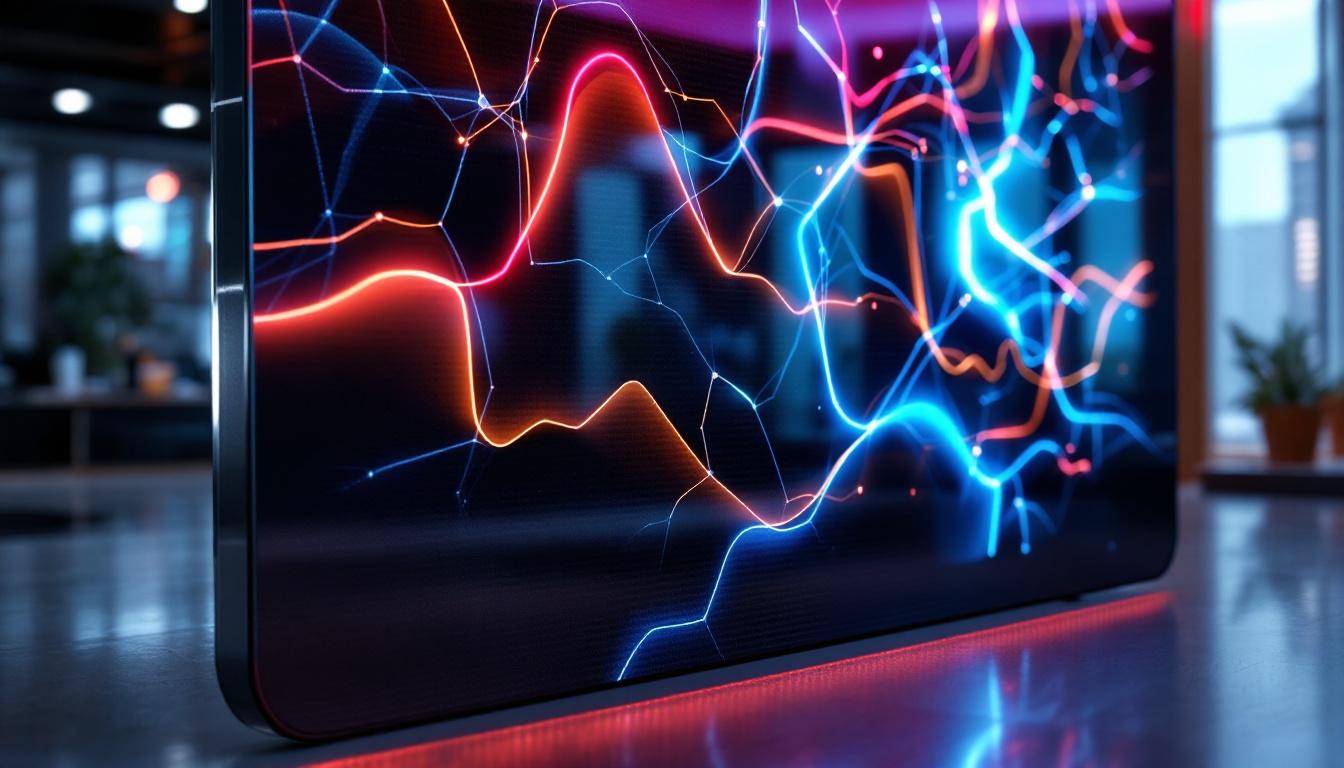
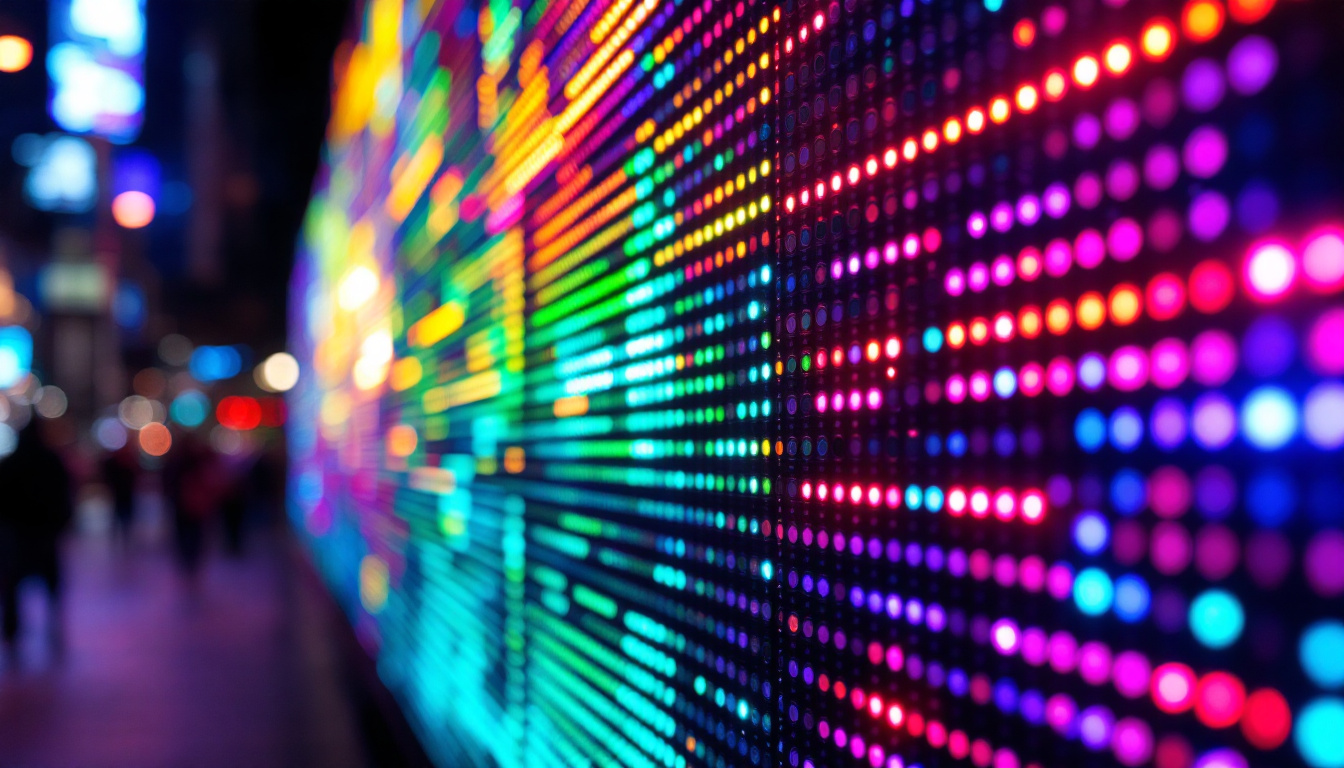
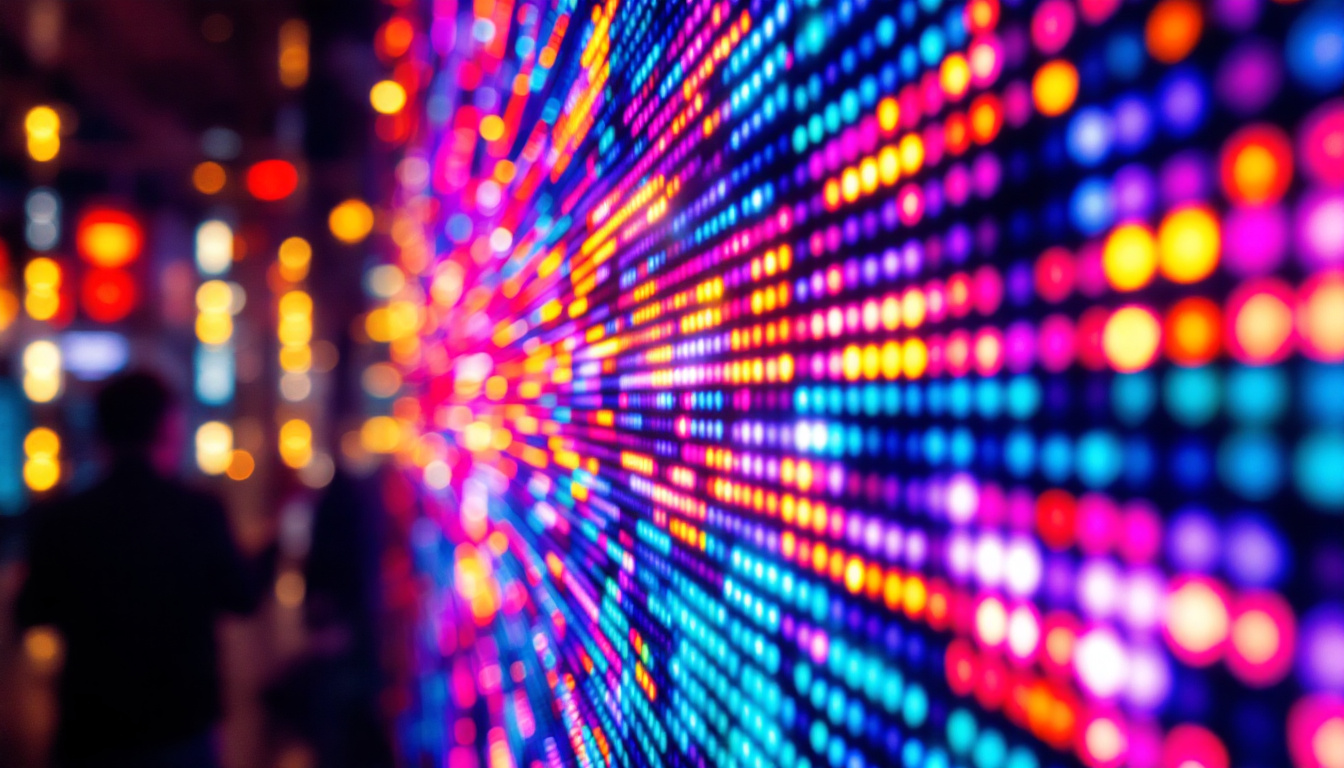
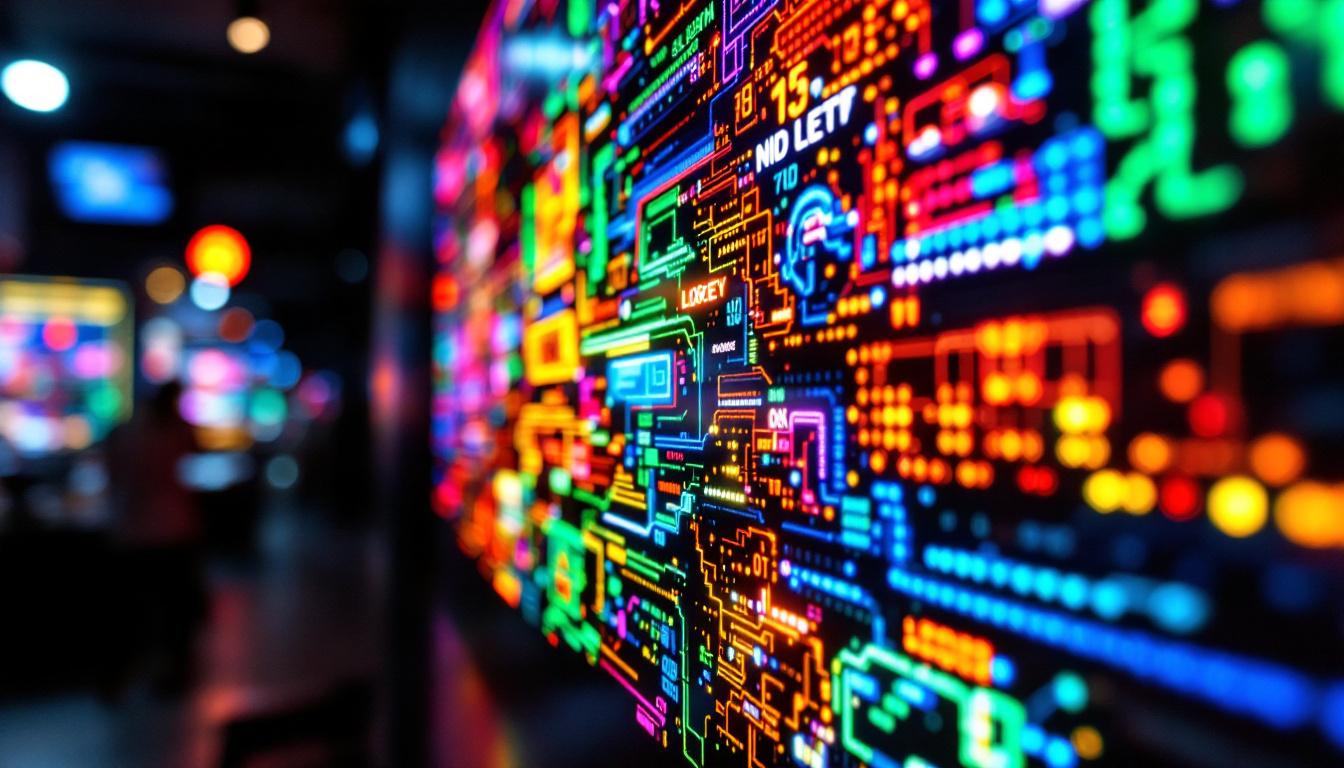
At the core of an LED display are thousands of tiny diodes that emit light when an electrical current passes through them. These diodes are arranged in a grid, with each diode representing a pixel on the screen. By controlling the intensity and color of each diode, the display can produce vivid images and videos. This precise control over each pixel allows for stunning visual effects, including animations and transitions that can captivate audiences and enhance brand messaging.
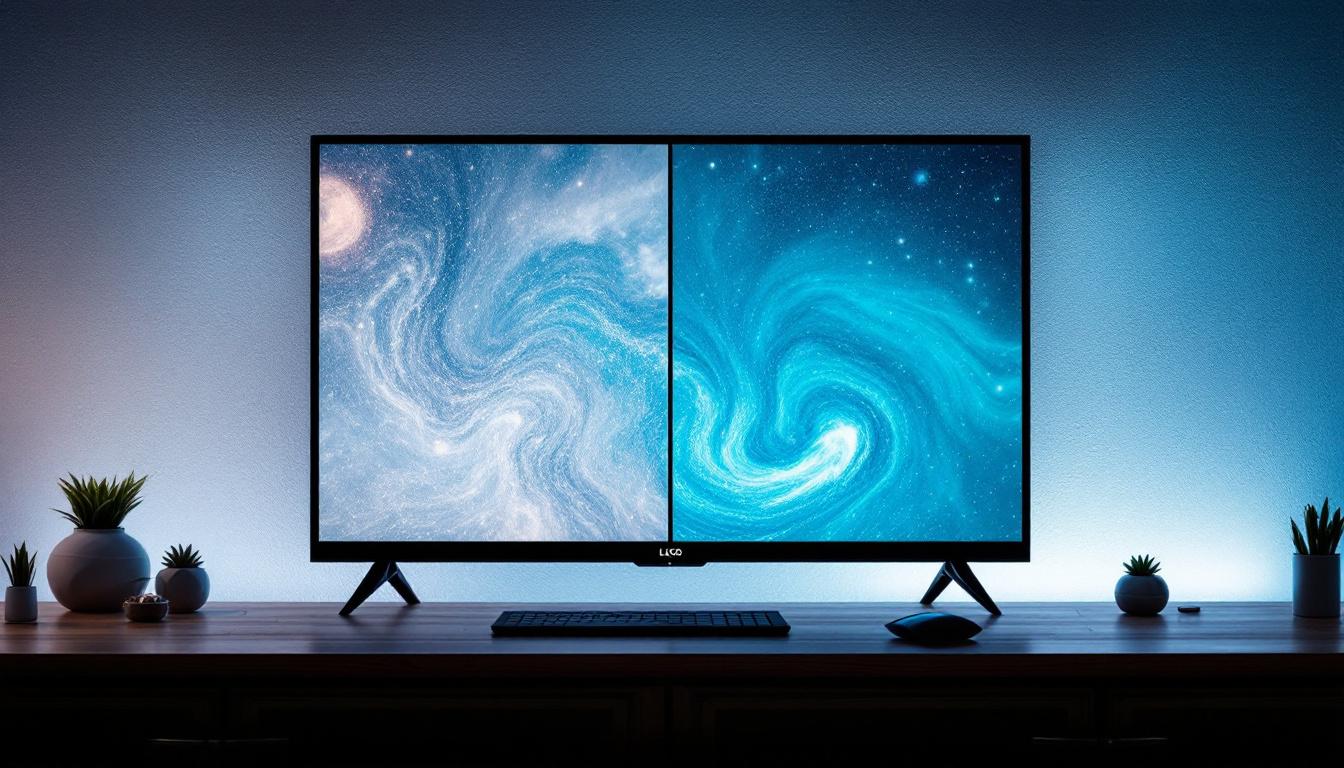
LED displays are categorized into two main types: direct view and backlit. Direct view LED displays use the diodes themselves to create the image visible to the viewer, making them ideal for large outdoor screens. Backlit LED displays, on the other hand, use LEDs as a light source behind an LCD panel, commonly found in televisions and monitors. The flexibility in design and application of these two types has led to a wide array of uses, from large-scale public displays to intimate settings like conference rooms, where clarity and detail are paramount.
Types of LED Displays for Advertising
There are several types of LED displays used in advertising, each suited for different environments and purposes:
- Outdoor LED Displays: Designed to withstand weather elements, these displays are bright enough to be seen in daylight and are often used for billboards and stadium screens. Their durability and brightness ensure that advertisements remain effective regardless of the conditions, making them a staple in urban landscapes.
- Indoor LED Displays: These have higher resolution and finer pixel pitch, making them perfect for retail stores, trade shows, and corporate events. The clarity and vibrancy of indoor LED displays can significantly enhance customer engagement, drawing attention to promotional content and brand messaging.
- Transparent LED Displays: These innovative screens allow light to pass through, enabling them to be placed on windows without obstructing the view. This unique feature not only serves functional purposes but also adds an aesthetic appeal, allowing businesses to showcase products while maintaining visibility from the outside.
- Flexible LED Displays: Made with bendable materials, these displays can wrap around curved surfaces, opening new creative possibilities for advertising. This adaptability allows brands to create immersive experiences that can transform any space into a captivating visual environment, pushing the boundaries of traditional advertising.
Moreover, the integration of smart technology with LED displays has revolutionized advertising strategies. Many modern LED displays come equipped with sensors and connectivity options, enabling real-time data analysis and targeted advertising. This means that businesses can adjust their content based on audience demographics, time of day, or even weather conditions, ensuring that their messaging is always relevant and impactful. As technology continues to advance, the potential applications for LED displays in advertising will only expand, making them an essential component of modern marketing strategies.
The Intersection of Off The Wall Screen Printing and LED Displays
Screen printing has long been a staple in the world of promotional materials, offering vibrant, durable graphics on a variety of surfaces. When combined with LED technology, screen printing can create eye-catching installations that blend static and dynamic visuals seamlessly.
What is Off The Wall Screen Printing?
Off the wall screen printing refers to creative and unconventional uses of screen printing techniques beyond traditional flat surfaces. This can include printing on textured materials, three-dimensional objects, or integrating printed graphics with digital elements like LED displays.
By leveraging off the wall screen printing, brands can produce tactile, visually compelling displays that complement the bright, changing imagery of LED screens. This hybrid approach enhances brand messaging by engaging multiple senses and creating memorable experiences.
Benefits of Combining Screen Printing with LED Displays
The synergy between screen printing and LED displays offers several advantages:
- Enhanced Visual Impact: Screen printed elements provide a tangible, high-quality backdrop or frame for the dynamic content on LED screens, making the entire display more striking.
- Durability and Weather Resistance: Screen printing inks are often UV-resistant and weatherproof, ensuring that printed components maintain their appearance alongside rugged LED hardware.
- Customization and Branding: Combining techniques allows for highly customized installations that reflect a brand’s identity in both static and animated forms.
- Cost Efficiency: Using screen printing for static elements can reduce the need for constant digital content updates, balancing cost and flexibility.
Applications of LED Displays in Modern Advertising
LED displays have transformed how businesses communicate with their audiences. Their versatility and high visibility make them suitable for a wide range of applications.
Retail and Point of Sale
Retail environments benefit greatly from LED displays, which can showcase promotions, new products, and interactive content. Studies show that digital signage can increase sales by up to 30%, as dynamic content draws shoppers’ attention more effectively than static signs.
Integrating screen printed branding elements around LED displays further reinforces brand recognition and provides a cohesive shopping experience.
Events and Exhibitions
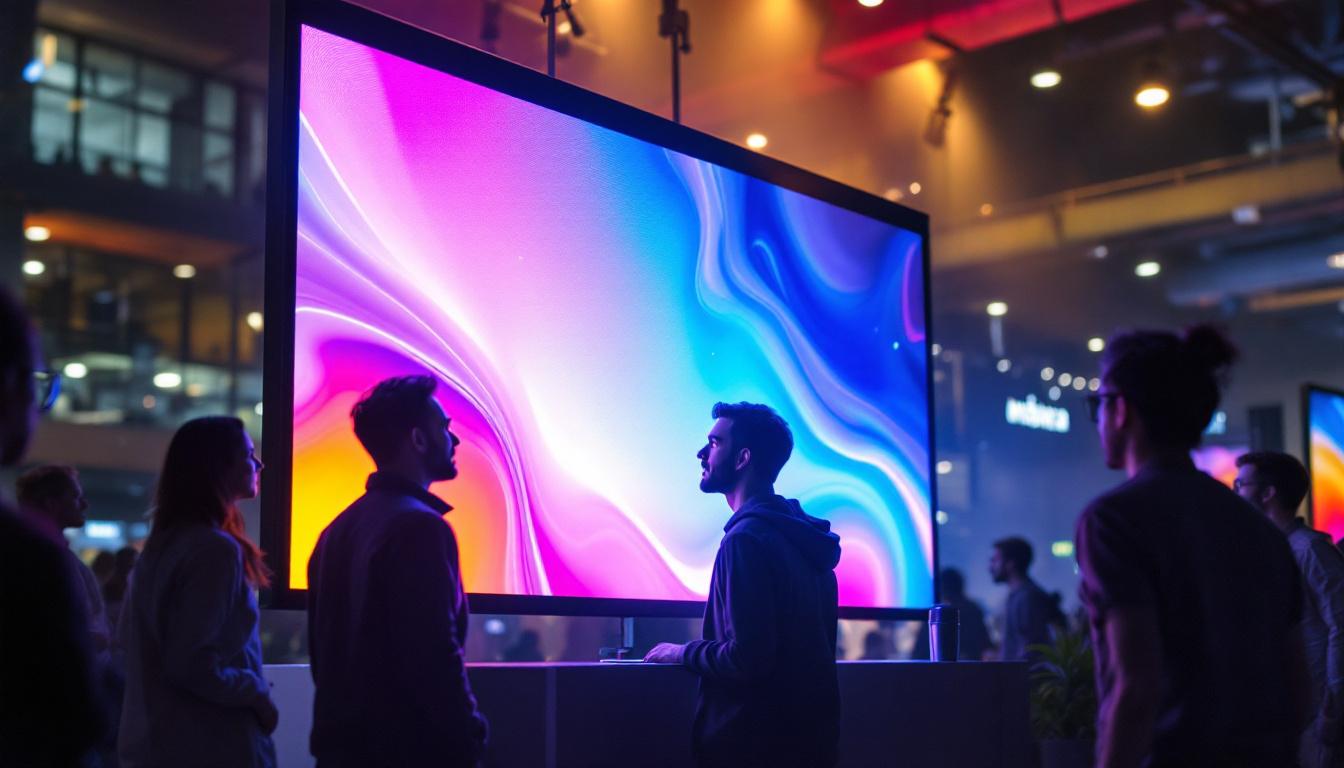
Trade shows and events rely on impactful visuals to attract visitors. LED displays, combined with off the wall screen printing, create immersive booths that stand out in crowded venues. The ability to switch content quickly allows exhibitors to tailor messages to different audiences throughout the event.
Outdoor Advertising and Billboards
Traditional billboards are increasingly being replaced or supplemented by LED displays due to their flexibility and ability to deliver multiple messages. For example, Times Square in New York City is renowned for its massive LED billboards that captivate millions daily.
Screen printed elements can be used to frame or decorate these displays, adding texture and depth that purely digital screens lack.
Technical Considerations When Using LED Displays
While LED displays offer numerous benefits, there are important technical factors to consider to maximize their effectiveness.
Resolution and Pixel Pitch
Resolution refers to the number of pixels on the display, while pixel pitch is the distance between individual LEDs. A smaller pixel pitch means higher resolution and sharper images, which is crucial for close viewing distances, such as indoor displays.
For outdoor applications where viewers are farther away, a larger pixel pitch is acceptable and can reduce costs.
Brightness and Viewing Angles
Brightness is measured in nits and determines how well the display performs under various lighting conditions. Outdoor LED displays typically require brightness levels of 5,000 to 8,000 nits to remain visible in direct sunlight.
Viewing angles are also critical; high-quality LED displays maintain consistent color and brightness even when viewed from wide angles, ensuring the message reaches a broader audience.
Content Management Systems (CMS)
Modern LED displays are often paired with CMS software that enables remote content updates, scheduling, and analytics. This allows marketers to adapt campaigns quickly and measure engagement, optimizing ROI.
Future Trends in LED Display Technology
The LED display industry continues to innovate, pushing the boundaries of what’s possible in visual communication.
MicroLED and MiniLED Technology
Emerging MicroLED and MiniLED technologies promise even higher resolutions, better color accuracy, and improved energy efficiency. These advancements will enable more immersive and lifelike displays, suitable for both indoor and outdoor use.
Interactive and Smart LED Displays
Integration with sensors and AI is leading to interactive LED displays that respond to audience behavior, creating personalized experiences. For example, smart displays can change content based on the demographics of nearby viewers or environmental conditions.
Sustainability and Energy Efficiency
With increasing focus on sustainability, LED manufacturers are developing eco-friendly materials and designs that reduce energy consumption and extend product lifespans. This aligns with corporate social responsibility goals and reduces operational costs.
Conclusion
Off the wall screen printing combined with LED display technology represents a compelling fusion of traditional craftsmanship and cutting-edge innovation. This combination enables brands to create visually stunning, durable, and adaptable advertising solutions that captivate audiences in diverse environments.
As LED technology advances and creative printing techniques evolve, the opportunities for impactful marketing will only grow. Businesses investing in these hybrid solutions stand to benefit from enhanced brand visibility, improved customer engagement, and a competitive edge in the crowded advertising space.
Understanding the technical aspects and strategic applications of LED displays is essential for marketers aiming to harness their full potential. By thoughtfully integrating off the wall screen printing with LED technology, brands can craft memorable experiences that truly stand out — off the wall and beyond.
Discover LumenMatrix’s Innovative LED Solutions
Ready to take your brand’s visibility to the next level with cutting-edge LED display technology? Explore LumenMatrix’s comprehensive range of LED display modules, from vibrant Indoor and Outdoor LED Wall Displays to dynamic Vehicle and Sports LED Displays. Each solution is crafted to captivate your audience and deliver your message with unparalleled clarity. Whether you’re looking for a Custom LED Display, an All-in-One solution, or a striking LED Transparent Display, LumenMatrix is your partner in revolutionizing visual communication. Check out LumenMatrix LED Display Solutions today and transform your advertising strategy with the power of LED innovation.