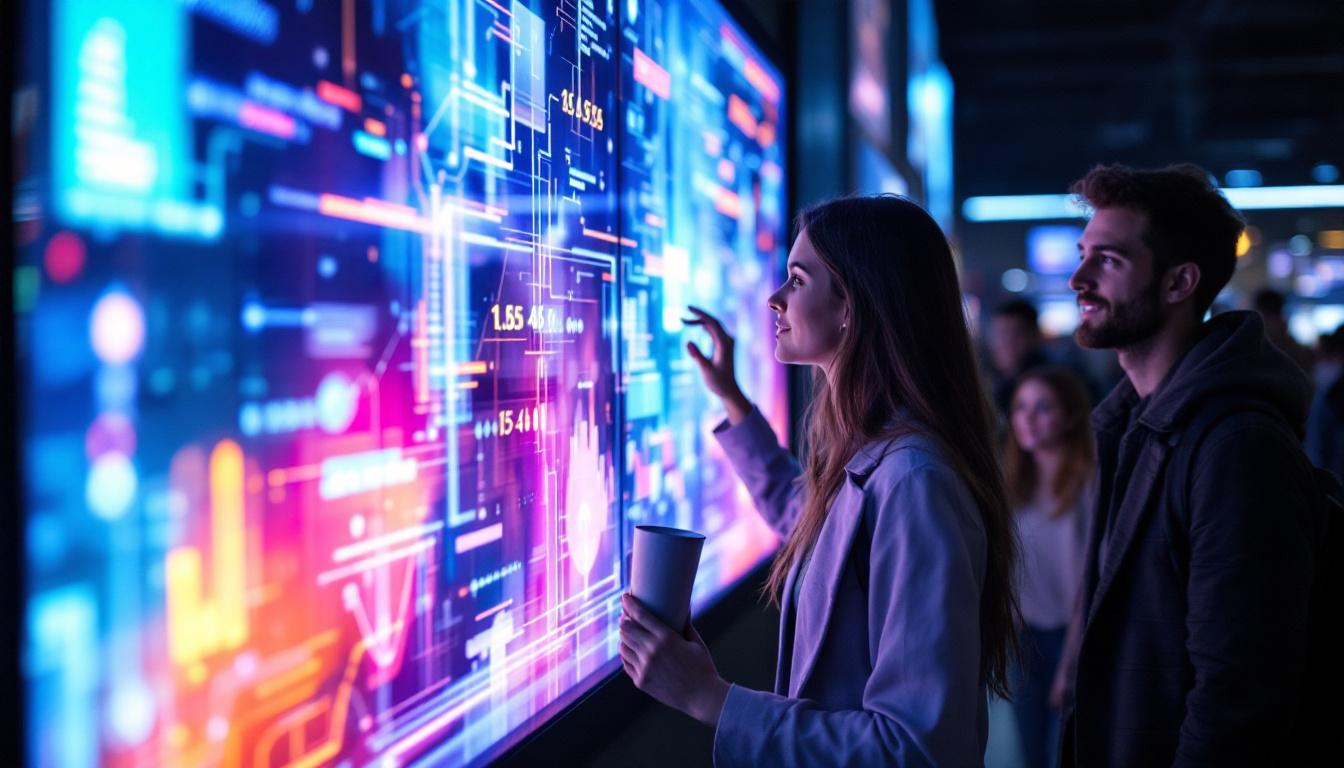
In today’s fast-evolving digital landscape, interactive screen technologies have become integral to communication, education, retail, and entertainment. Among these technologies, LED displays stand out for their brightness, versatility, and scalability. When combined with interactive screen software, LED displays transform from simple visual tools into dynamic, engaging platforms that captivate audiences and enhance user experiences.
This article delves into the fundamentals of LED displays, explores how interactive screen software enhances their capabilities, and discusses practical applications and future trends. Whether you are a business owner, educator, or technology enthusiast, understanding the synergy between LED hardware and interactive software is essential for leveraging this powerful technology.
Understanding LED Display Technology
What Is an LED Display?
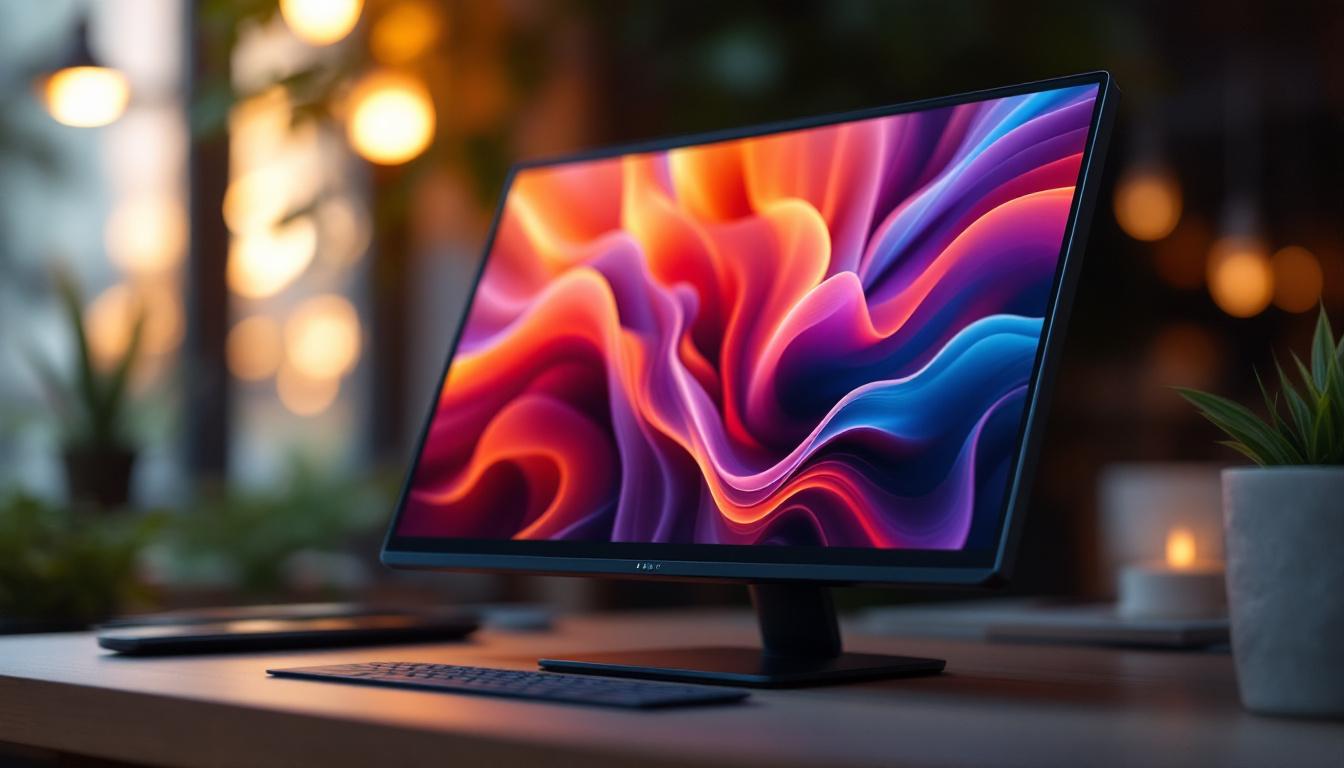
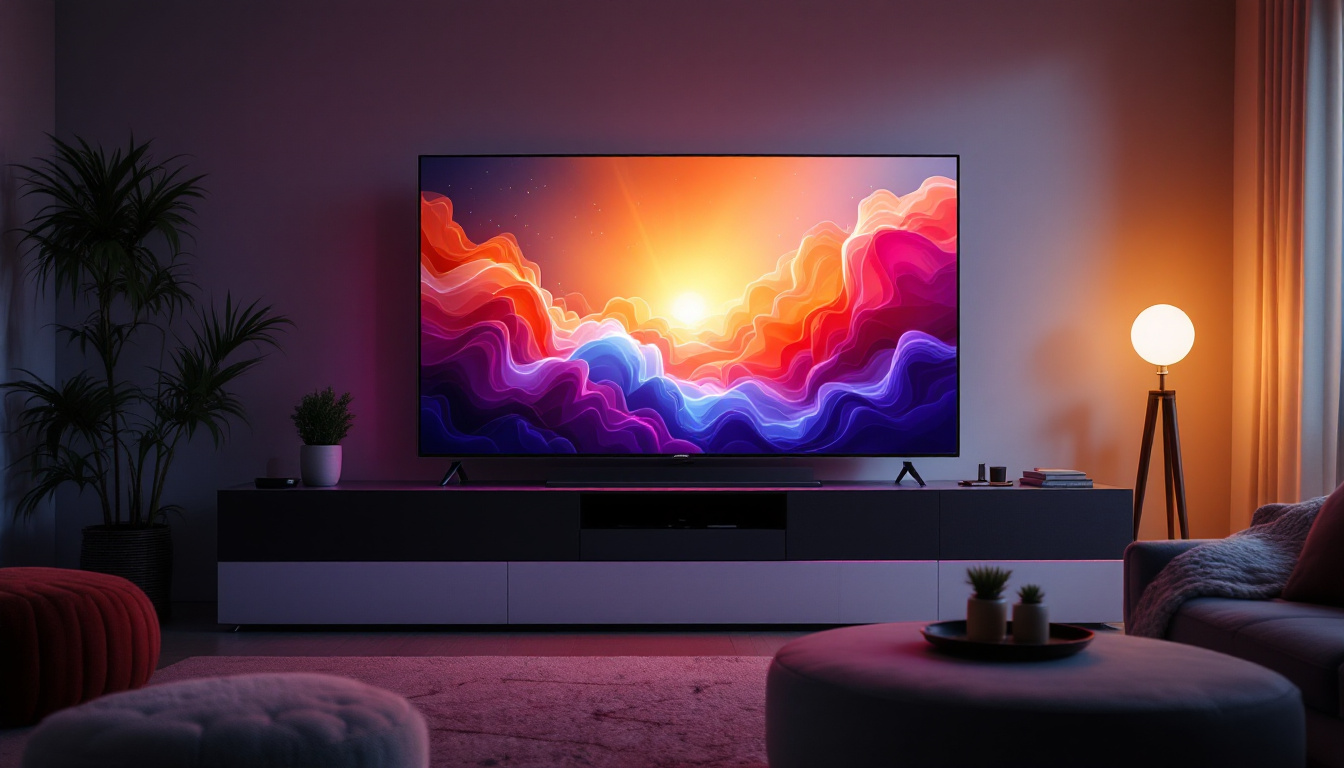
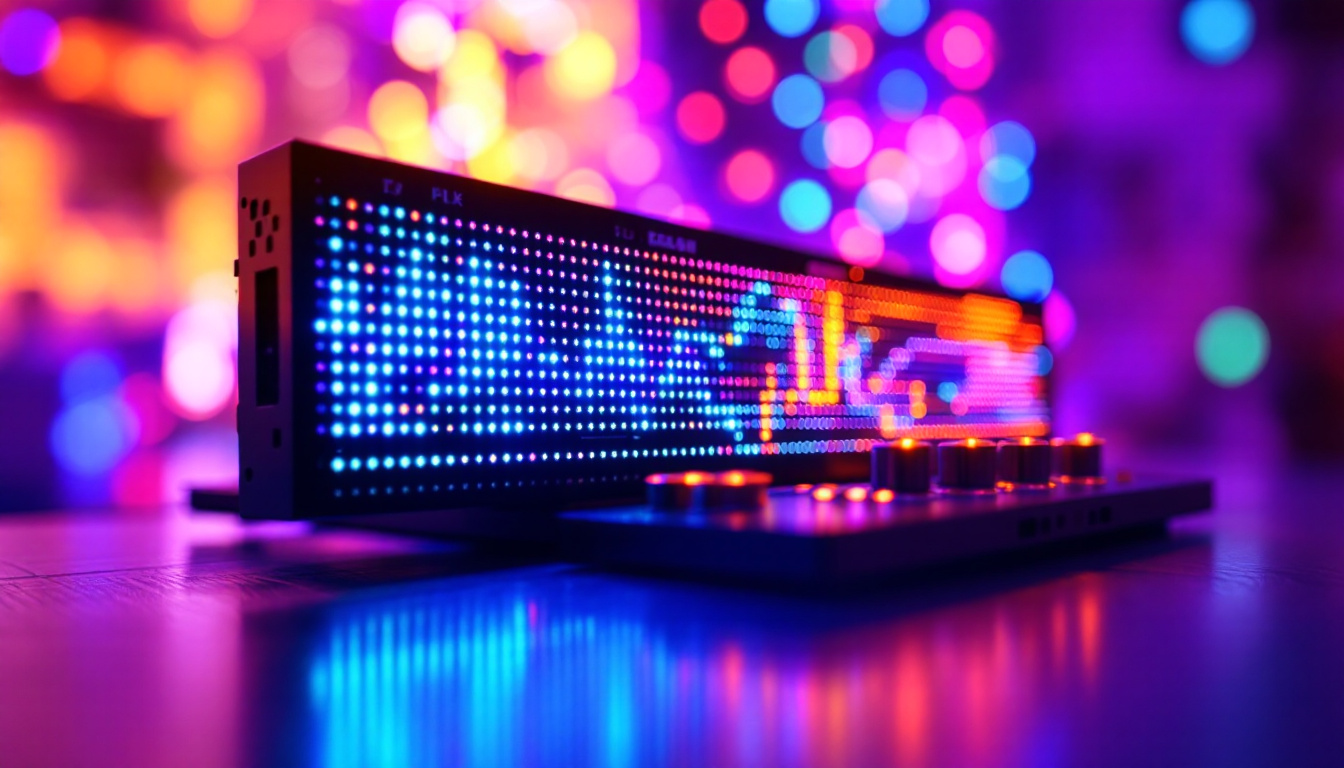
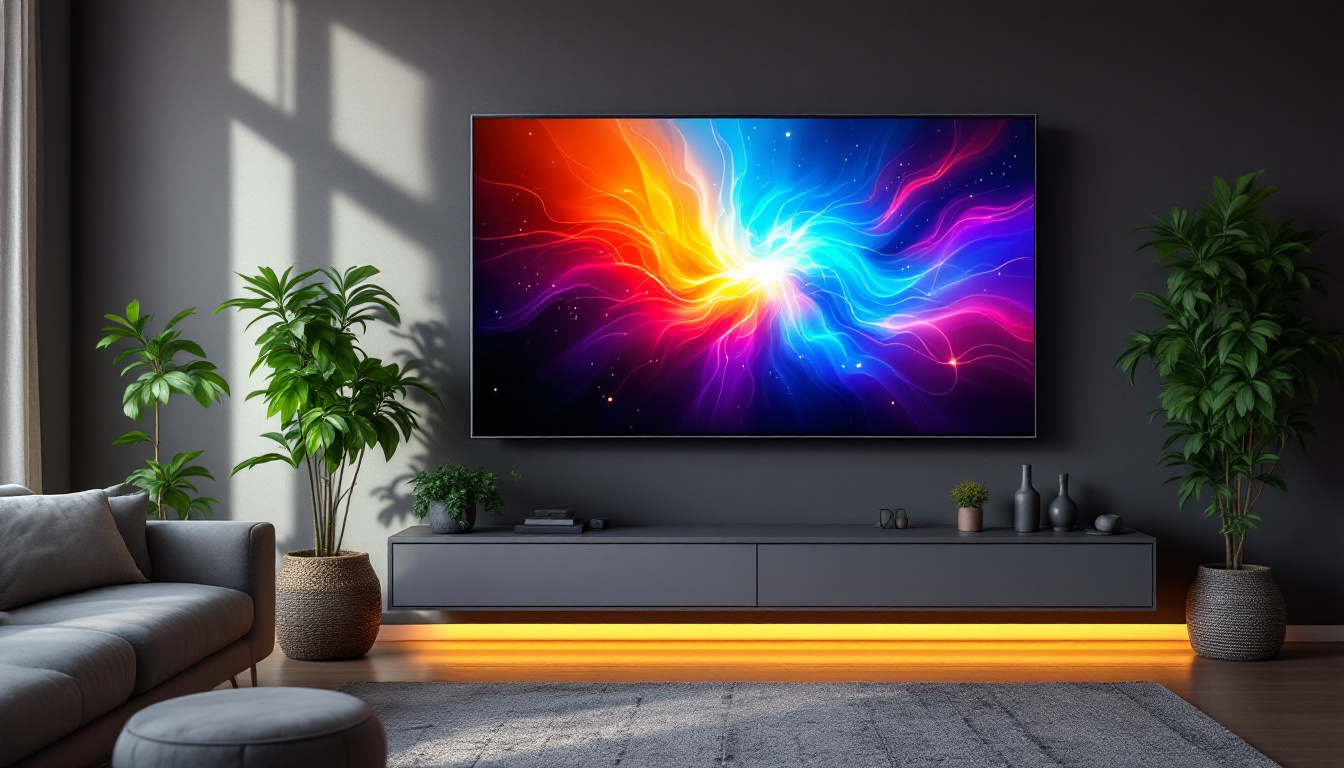
LED, or Light Emitting Diode, displays are screens composed of numerous tiny light-emitting diodes that produce bright, vivid images. Unlike traditional LCD or plasma screens, LED displays use these diodes as pixels, which can be individually controlled to emit light at varying intensities and colors. This results in superior brightness, contrast, and energy efficiency.
LED displays come in various forms, including:
- Indoor LED Displays: Designed for close viewing distances, these displays offer high pixel density and fine resolution.
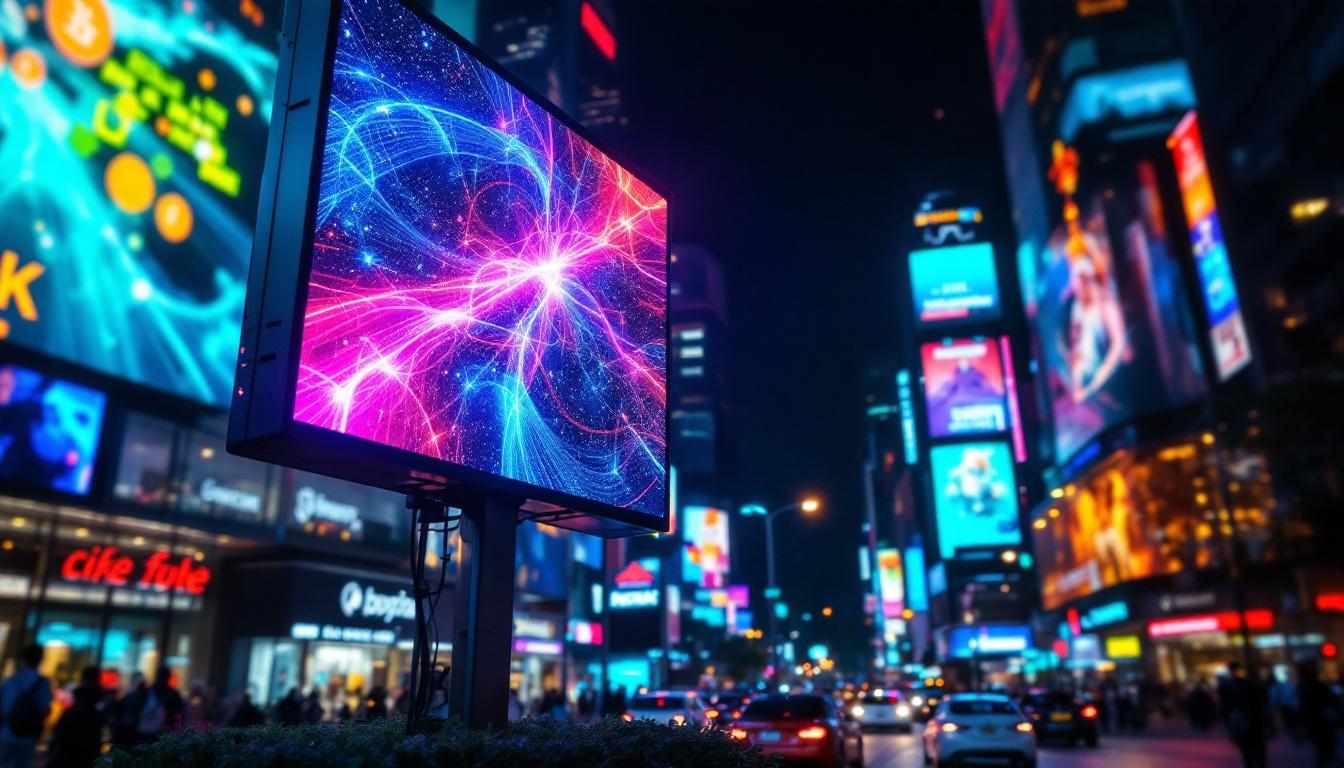
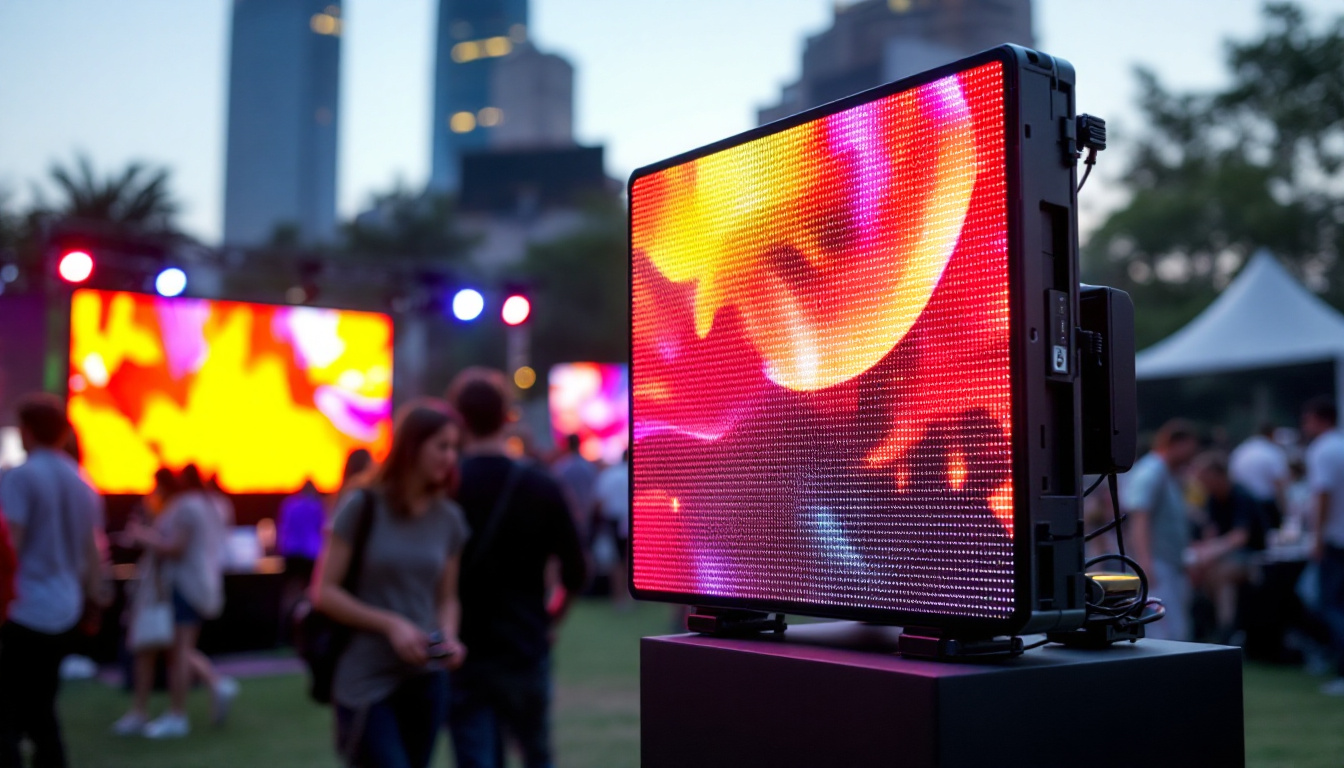
- Outdoor LED Displays: Built to withstand weather conditions and provide visibility in direct sunlight, these displays are larger with lower pixel density.
- Flexible and Transparent LED Displays: Emerging technologies that allow for curved, bendable, or see-through screens, expanding creative possibilities.
Key Advantages of LED Displays
LED technology offers several advantages that make it a popular choice for interactive screens:
- Brightness and Visibility: LED displays can achieve brightness levels exceeding 5,000 nits, making them easily viewable even in bright outdoor environments.
- Energy Efficiency: LEDs consume less power compared to other display technologies, reducing operational costs and environmental impact.
- Durability and Longevity: LEDs have a longer lifespan, often exceeding 100,000 hours, and are resistant to shocks and vibrations.
- Scalability: LED panels can be combined seamlessly to create large-format displays of virtually any size.
In addition to these advantages, LED displays are also known for their exceptional color accuracy and depth. The ability to produce a wider color gamut allows for more vibrant and lifelike images, making them ideal for applications in advertising, entertainment, and art installations. Furthermore, advancements in technology have led to the development of HDR (High Dynamic Range) capabilities in LED displays, which enhance the contrast and color range even further, providing viewers with an immersive visual experience.
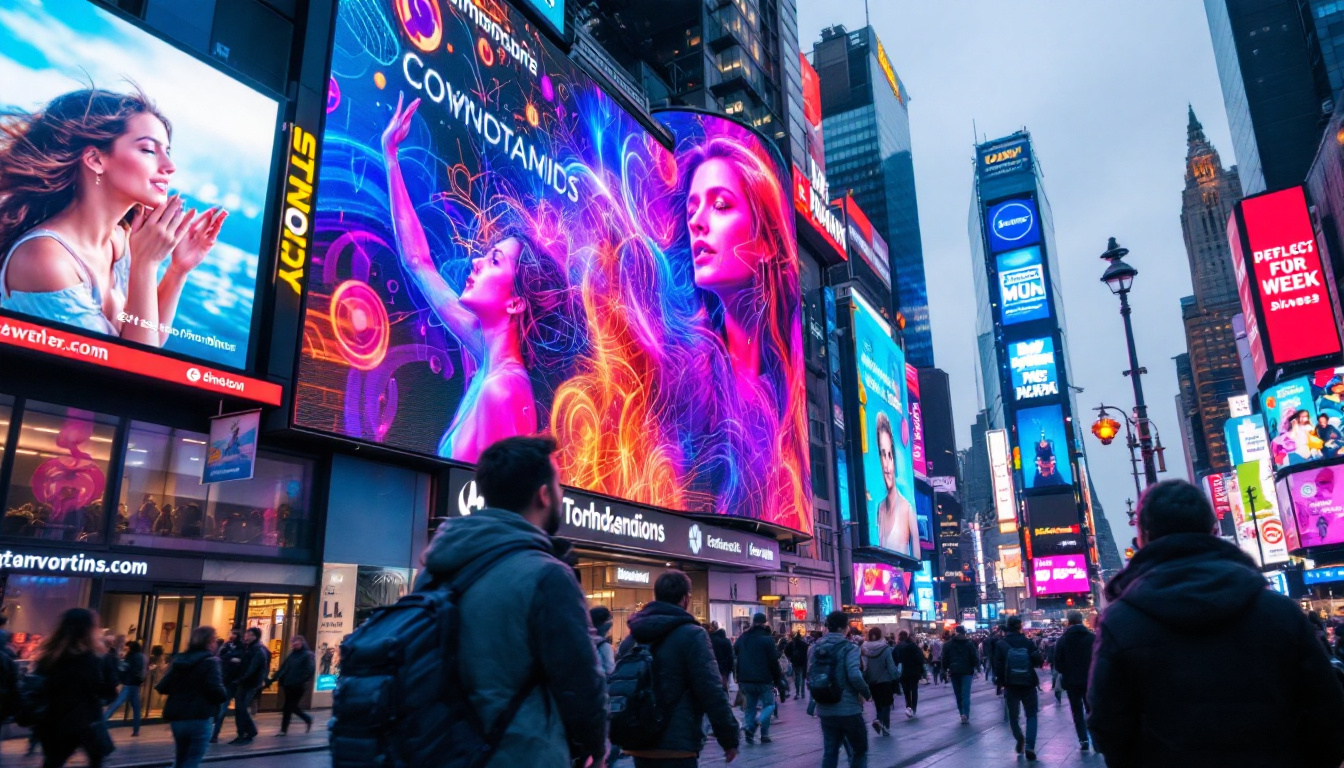
Another noteworthy aspect of LED displays is their adaptability to various environments and uses. From sports arenas and concert venues to retail spaces and corporate settings, LED technology can be tailored to meet specific needs. For instance, in retail, dynamic LED signage can attract customers with eye-catching visuals and timely promotions, while in corporate environments, LED walls can facilitate engaging presentations and collaborative workspaces. This versatility makes LED displays a preferred choice across diverse industries, continually pushing the boundaries of what is possible in visual communication.
The Role of Interactive Screen Software
What Is Interactive Screen Software?
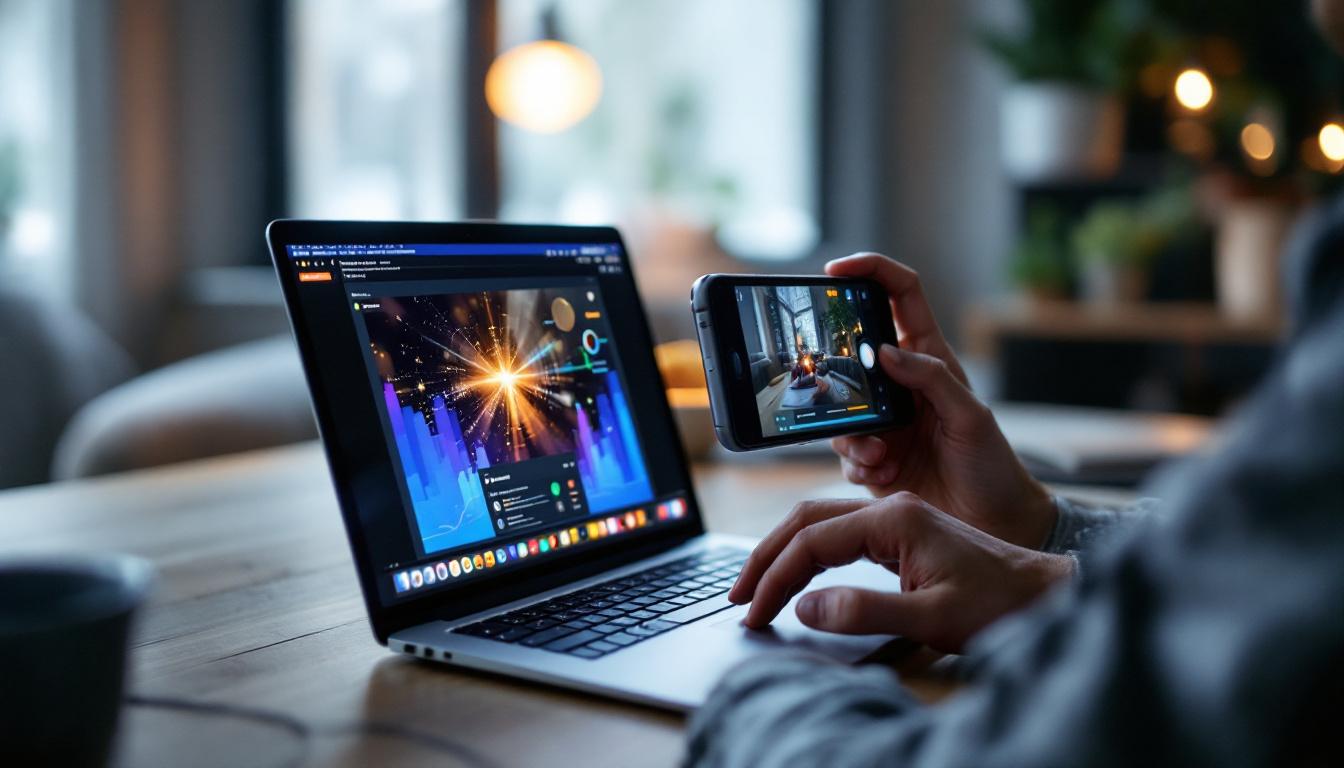
Interactive screen software refers to applications and platforms that enable users to engage directly with a display through touch, gestures, or connected devices. This software transforms static LED displays into interactive hubs, allowing for real-time content manipulation, data visualization, and immersive experiences.
These software solutions often include features such as multi-touch support, gesture recognition, content management systems (CMS), and integration with external data sources or IoT devices. The goal is to create intuitive interfaces that encourage user participation and facilitate communication. By leveraging the latest advancements in technology, interactive screen software not only enhances user engagement but also fosters a more collaborative environment, making it an essential tool in various sectors, from education to corporate settings.
How Interactive Software Enhances LED Displays
While LED displays provide the vibrant visual canvas, interactive software adds layers of functionality and engagement:
- Real-Time Interaction: Users can manipulate content directly on the screen, such as zooming into maps, selecting products, or navigating presentations.
- Dynamic Content Updates: Content managers can update information remotely and instantly, ensuring displays always show the latest data.
- Personalization: Interactive software can tailor content based on user input, location, or demographics, enhancing relevance.
- Multi-User Collaboration: Supports simultaneous interactions by multiple users, ideal for meetings, classrooms, or public installations.
Moreover, the integration of analytics tools within interactive screen software allows organizations to track user engagement and behavior patterns. This data can be invaluable for refining content strategies and understanding audience preferences. For instance, educational institutions can analyze how students interact with learning materials, enabling educators to adjust their teaching methods accordingly. Similarly, retail environments can monitor customer interactions with products displayed on interactive screens, providing insights that can drive marketing strategies and improve customer experiences.
Furthermore, the versatility of interactive screen software extends beyond traditional applications. In the realm of events and exhibitions, these tools can create captivating experiences that draw in attendees. From interactive kiosks that provide information to engaging displays that allow users to explore products in a hands-on manner, the potential for creativity is limitless. As technology continues to evolve, we can expect even more innovative features that will further enhance the capabilities of interactive screen software, making it an indispensable asset in our increasingly digital world.
Applications of Interactive LED Displays
Retail and Advertising
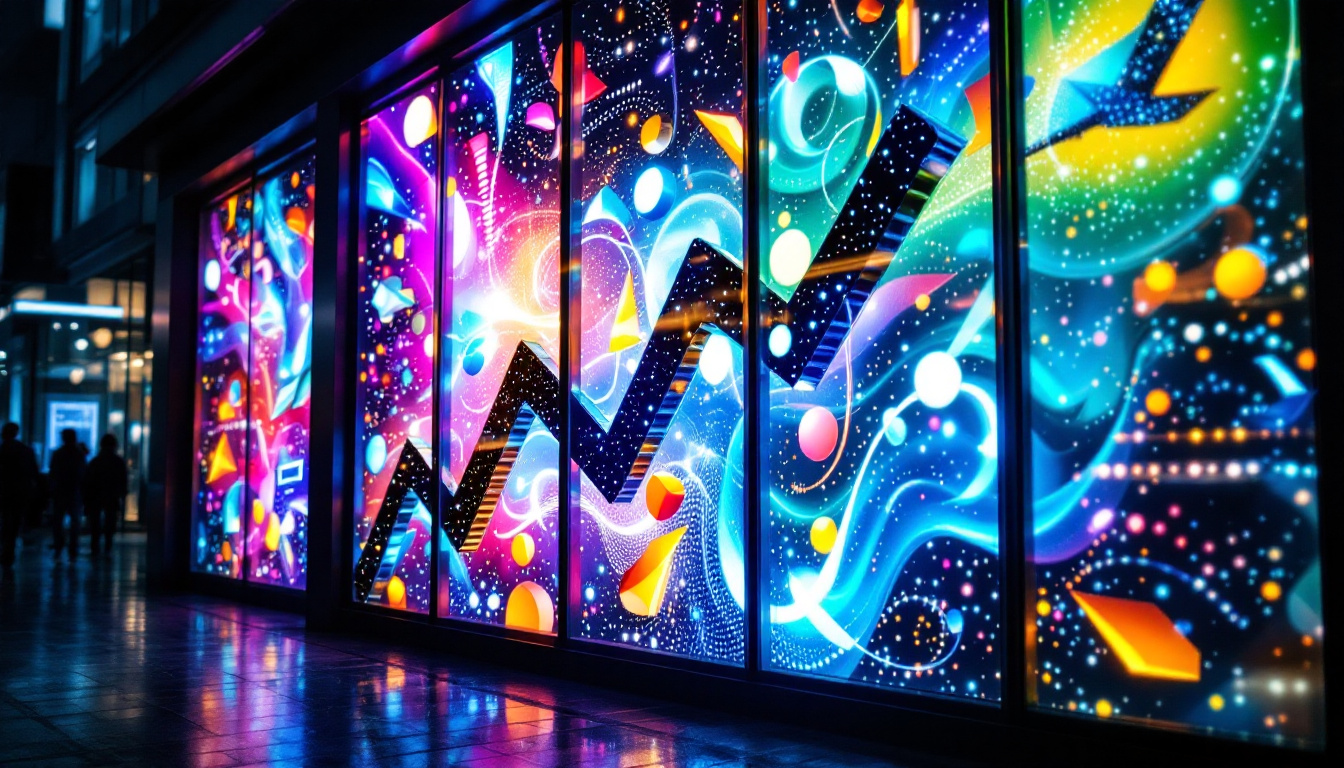
Retailers leverage interactive LED displays to attract customers and provide immersive shopping experiences. For example, interactive window displays allow passersby to browse product catalogs, customize items, or access promotions without entering the store. In-store LED walls can display dynamic advertisements that respond to customer presence or preferences.
According to a 2023 report by Grand View Research, the global digital signage market, heavily driven by LED display adoption, is expected to reach $32.84 billion by 2030. This growth underscores the increasing importance of interactive LED solutions in retail marketing strategies.
Education and Training
In educational environments, interactive LED displays facilitate collaborative learning and engagement. Large-format LED touchscreens serve as digital whiteboards, enabling instructors and students to annotate, share multimedia content, and participate in interactive lessons. The high brightness and clarity ensure visibility even in well-lit classrooms.
Training centers and corporate environments also benefit from interactive LED displays by delivering immersive simulations, real-time data visualization, and interactive presentations that enhance knowledge retention.
Corporate and Conference Settings
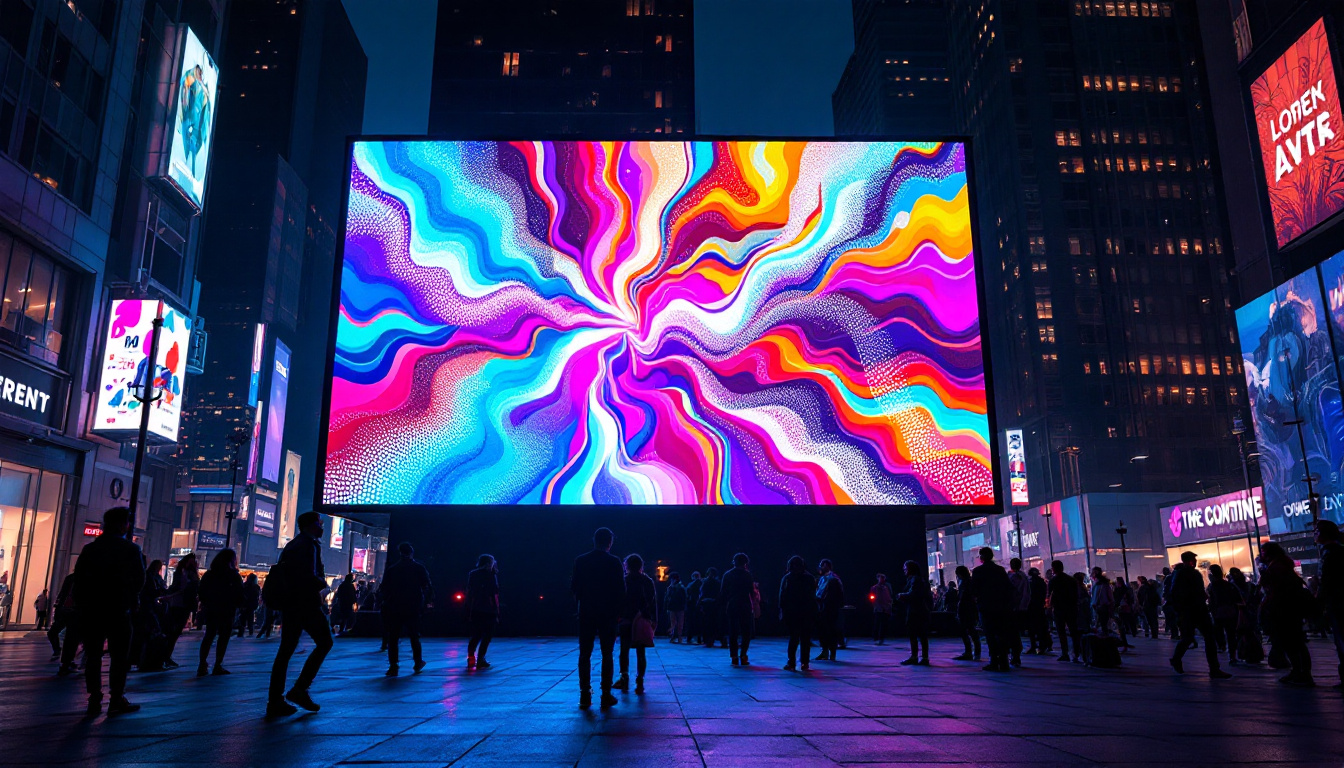
Interactive LED displays are increasingly popular in boardrooms and conference venues. Their scalability allows for impressive video walls that can be used for presentations, video conferencing, and collaborative brainstorming sessions. Integrated interactive software supports multi-user input, annotation, and seamless content sharing from multiple devices.
Businesses report improved meeting efficiency and engagement when utilizing interactive LED screens, with a 2022 survey by TechRepublic noting a 40% increase in participant interaction during meetings that used such technologies.
Public Spaces and Events
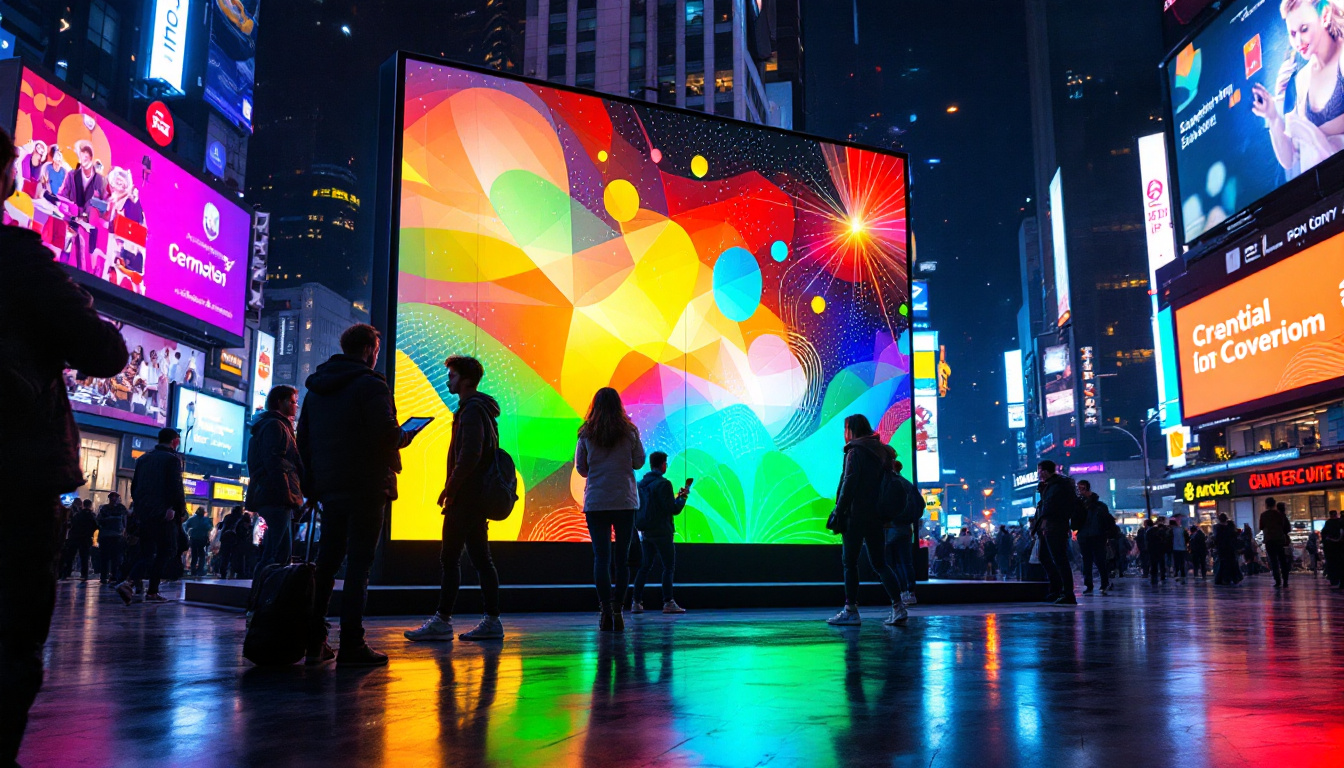
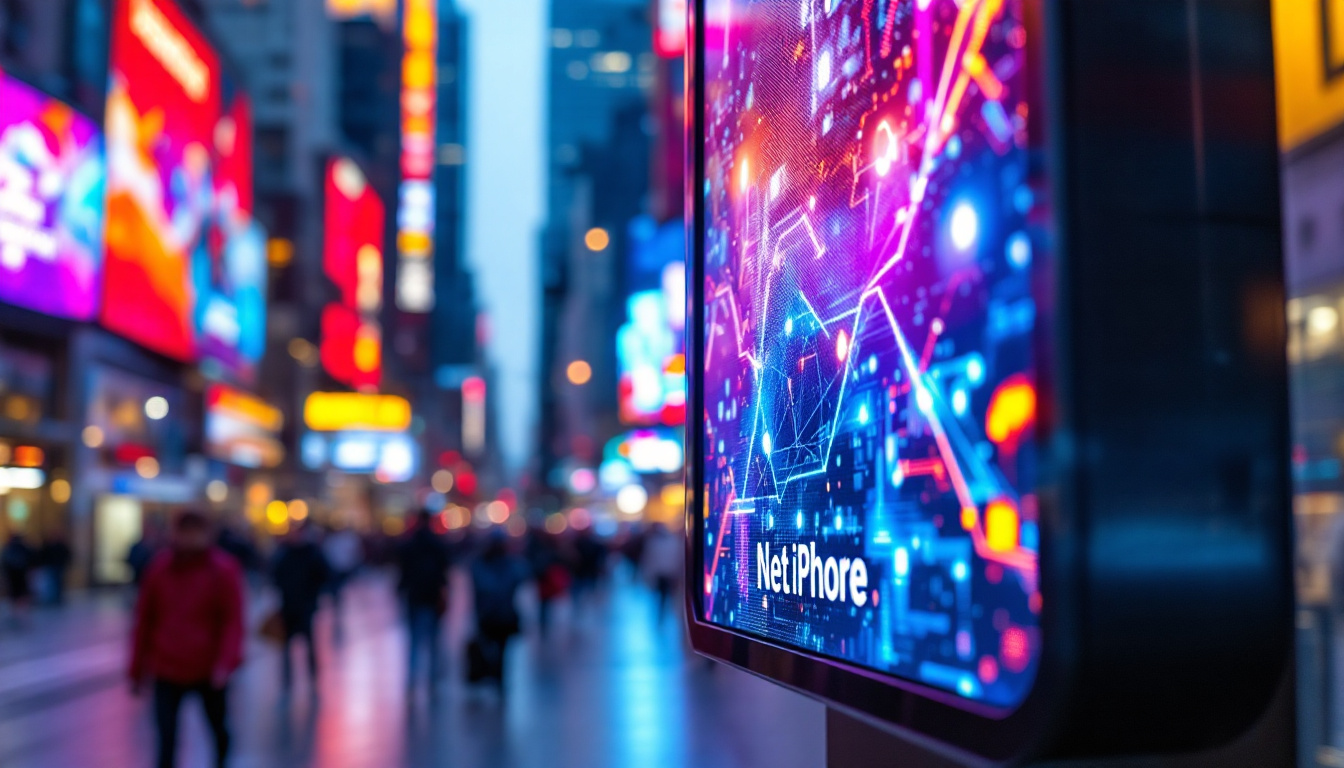
From airports to museums and stadiums, interactive LED displays provide wayfinding, information dissemination, and entertainment. Visitors can interact with maps, schedules, or exhibits, enhancing their experience and reducing the need for staff assistance.
Event organizers use interactive LED walls to create immersive environments, incorporating live social media feeds, audience polling, and real-time content updates that keep attendees engaged.
Choosing the Right Interactive LED Display Solution
Assessing Your Needs
Selecting the appropriate LED display and interactive software depends on several factors:
- Viewing Environment: Consider lighting conditions, viewing distance, and indoor vs. outdoor placement.
- Resolution and Pixel Pitch: Higher resolution and smaller pixel pitch are essential for close-up interactions.
- Interactivity Requirements: Determine the number of simultaneous users, types of interaction (touch, gesture), and integration needs.
- Content Management: Evaluate the ease of updating and managing content, including remote access capabilities.
- Budget and Maintenance: Factor in initial costs, energy consumption, and long-term maintenance.
Integration and Compatibility
Ensuring compatibility between the LED hardware and interactive software is critical. Many LED manufacturers offer proprietary software solutions optimized for their displays, but third-party software platforms may provide broader functionality or better integration with existing systems.
Additionally, consider compatibility with peripheral devices such as cameras, sensors, and mobile devices to unlock advanced interactive features like gesture control or personalized content delivery.
Future Trends in Interactive LED Displays
Advancements in Display Technology
Emerging innovations such as microLED and miniLED promise even higher brightness, contrast, and energy efficiency. These technologies will enable thinner, more flexible displays with enhanced color accuracy and durability.
Transparent and flexible LED displays are gaining traction, allowing for creative installations in retail windows, automotive dashboards, and architectural designs.
Artificial Intelligence and Analytics Integration
Interactive screen software is increasingly incorporating artificial intelligence (AI) to analyze user behavior, optimize content delivery, and provide predictive insights. For instance, AI-powered facial recognition can tailor advertisements based on demographics, while analytics dashboards help businesses measure engagement and ROI.
Augmented Reality (AR) and Mixed Reality (MR)
The convergence of interactive LED displays with AR and MR technologies is poised to create immersive environments where digital content seamlessly blends with the physical world. This integration will revolutionize training, retail, entertainment, and public information systems by offering rich, context-aware interactions.
Conclusion
Interactive screen software combined with LED display technology offers a powerful platform for engaging audiences across diverse sectors. By understanding the core features, benefits, and applications of LED displays and their interactive capabilities, organizations can make informed decisions that enhance communication, improve user experiences, and drive business growth.
As technology continues to evolve, staying abreast of the latest developments in LED hardware and interactive software will be essential for maximizing the potential of these dynamic digital tools.
Discover LumenMatrix LED Display Solutions
Ready to elevate your interactive digital experiences with cutting-edge LED technology? Explore LumenMatrix’s comprehensive range of LED display solutions, from vibrant indoor and outdoor displays to innovative transparent and custom options. Embrace the future of visual communication with LumenMatrix and create unforgettable visual narratives that resonate with your audience. Check out LumenMatrix LED Display Solutions today and see how our commitment to excellence can transform your space and captivate your viewers.