The recent wave of blockbuster films, including the latest Batman installments, has showcased a remarkable shift in how filmmakers create immersive backgrounds and environments. One of the most groundbreaking technologies driving this change is the use of LED display walls during filming. This technique not only enhances visual storytelling but also revolutionizes production workflows. In this article, we delve into the technology behind LED display filming, explore its application in Batman movies, and explain why it represents the future of cinematic background creation.
Understanding LED Display Technology in Film Production
What Are LED Display Walls?
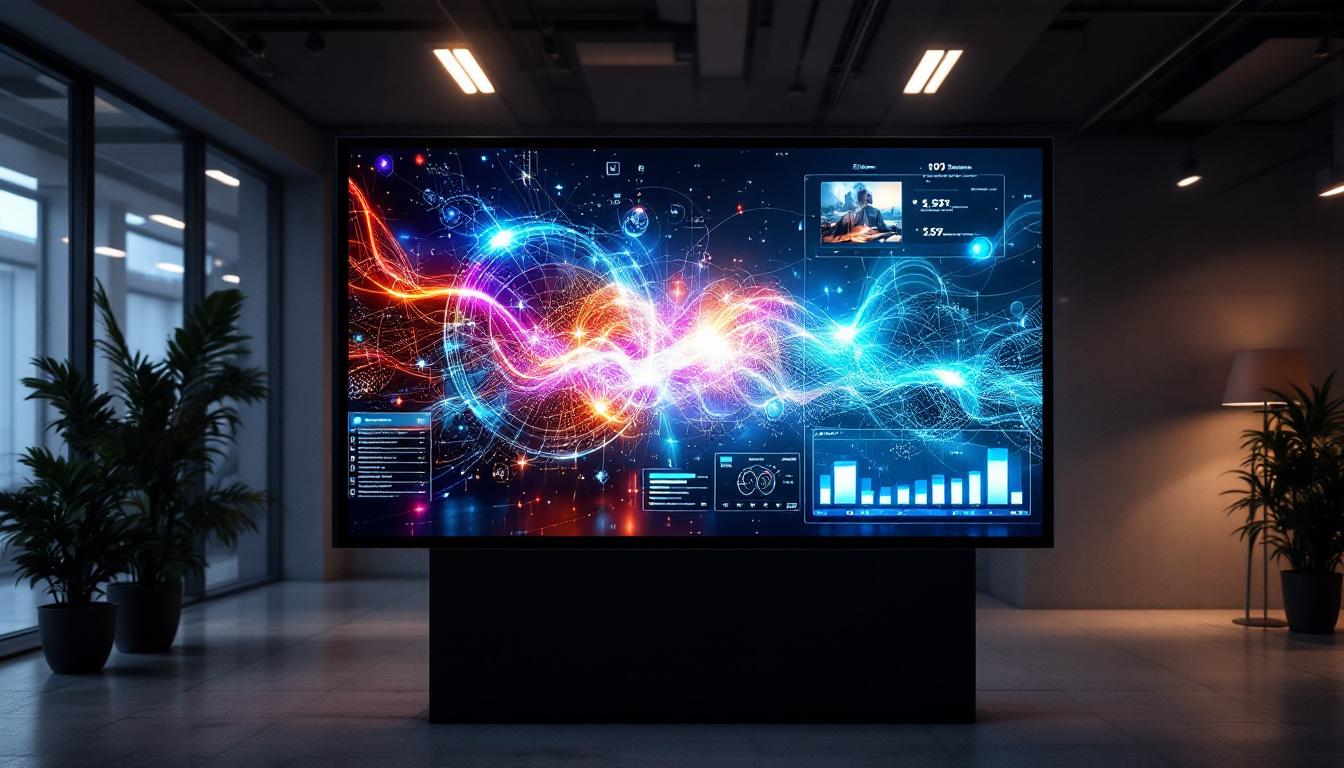
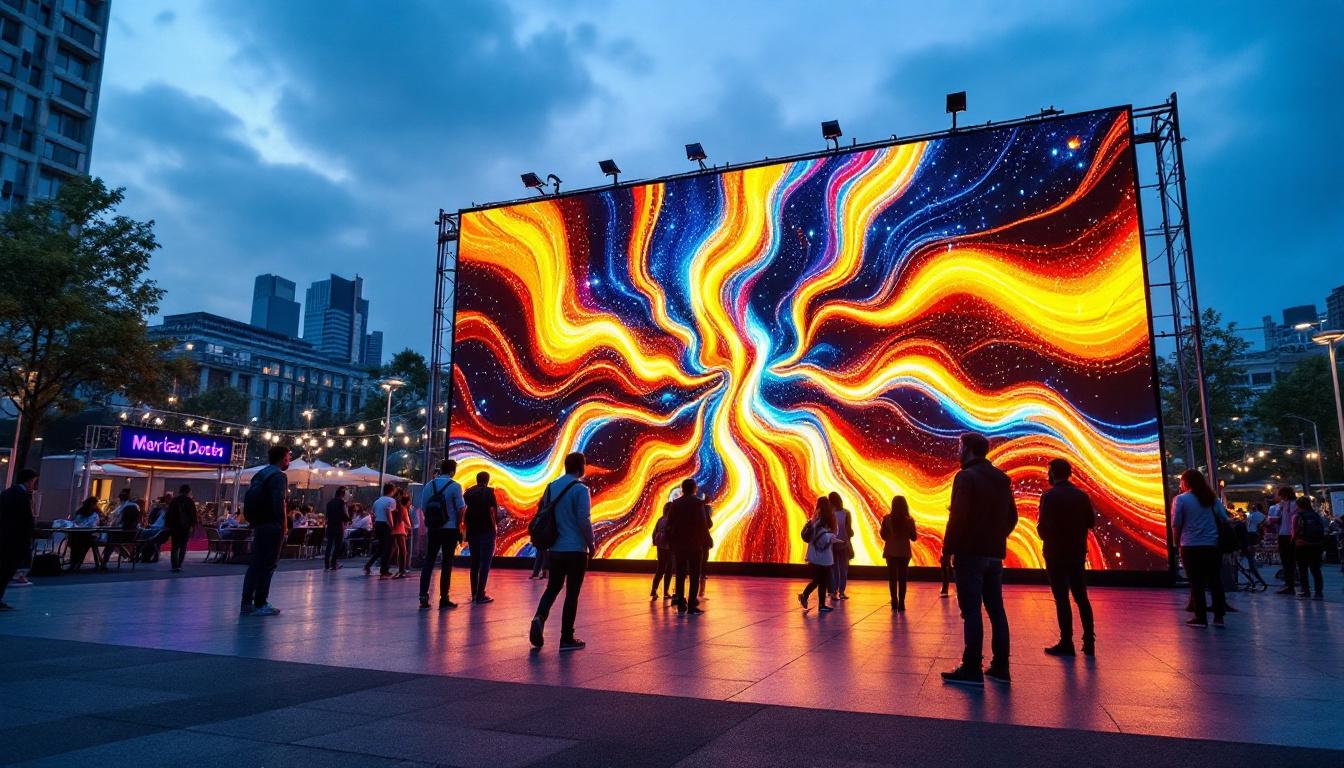
LED display walls are large, high-resolution screens composed of numerous light-emitting diodes (LEDs) that can display dynamic images and videos. Unlike traditional green screens, these walls can project detailed backgrounds in real-time, offering actors and directors a live, immersive environment to interact with. The technology has evolved rapidly, with modern LED walls capable of producing vivid colors, deep contrast, and seamless imagery that matches the camera’s perspective.
The core advantage of LED display walls lies in their ability to synchronize with camera movements using real-time rendering engines, such as Unreal Engine. This synchronization ensures that the background perspective shifts naturally as the camera moves, creating a convincing 3D effect without the need for post-production compositing. This innovation is often referred to as “virtual production.” The integration of these advanced technologies not only enhances the visual quality of the film but also opens up new creative possibilities for filmmakers, allowing them to experiment with complex environments that would be challenging to achieve through traditional methods.
Comparison to Traditional Green Screen Techniques
For decades, green screen technology has been the go-to solution for creating fantastical backgrounds in films. Actors perform in front of a solid green backdrop, which is later replaced with digital environments during post-production. While effective, this method has several limitations:
- Lack of real-time feedback: Actors and directors cannot see the final environment during shooting, which can affect performances and framing.
- Lighting challenges: Matching the lighting of actors to the digital background requires meticulous planning and can be time-consuming.
- Post-production dependency: The final look depends heavily on extensive visual effects work after filming.
In contrast, LED display walls provide live backgrounds that enhance on-set lighting and allow the cast to engage with their environment more naturally. This reduces guesswork and streamlines the entire production process. Moreover, the ability to adjust the displayed imagery on-the-fly means that directors can experiment with different settings and atmospheres during shooting, fostering a more collaborative and creative environment on set. This flexibility not only saves time but also encourages spontaneity in performances, as actors can react to their surroundings in real-time, leading to more authentic and engaging storytelling.
Furthermore, the use of LED walls can significantly reduce the logistical challenges associated with location shooting. Filmmakers can create elaborate, immersive worlds without the need for extensive travel or complex set constructions. This is particularly beneficial for productions with tight schedules or budgets, as it allows for greater control over the shooting environment. As the technology continues to advance, we can expect to see even more innovative applications of LED display walls in film production, pushing the boundaries of what is possible in visual storytelling.
How LED Display Technology Was Used in Batman Films
Creating Gotham City in Real-Time
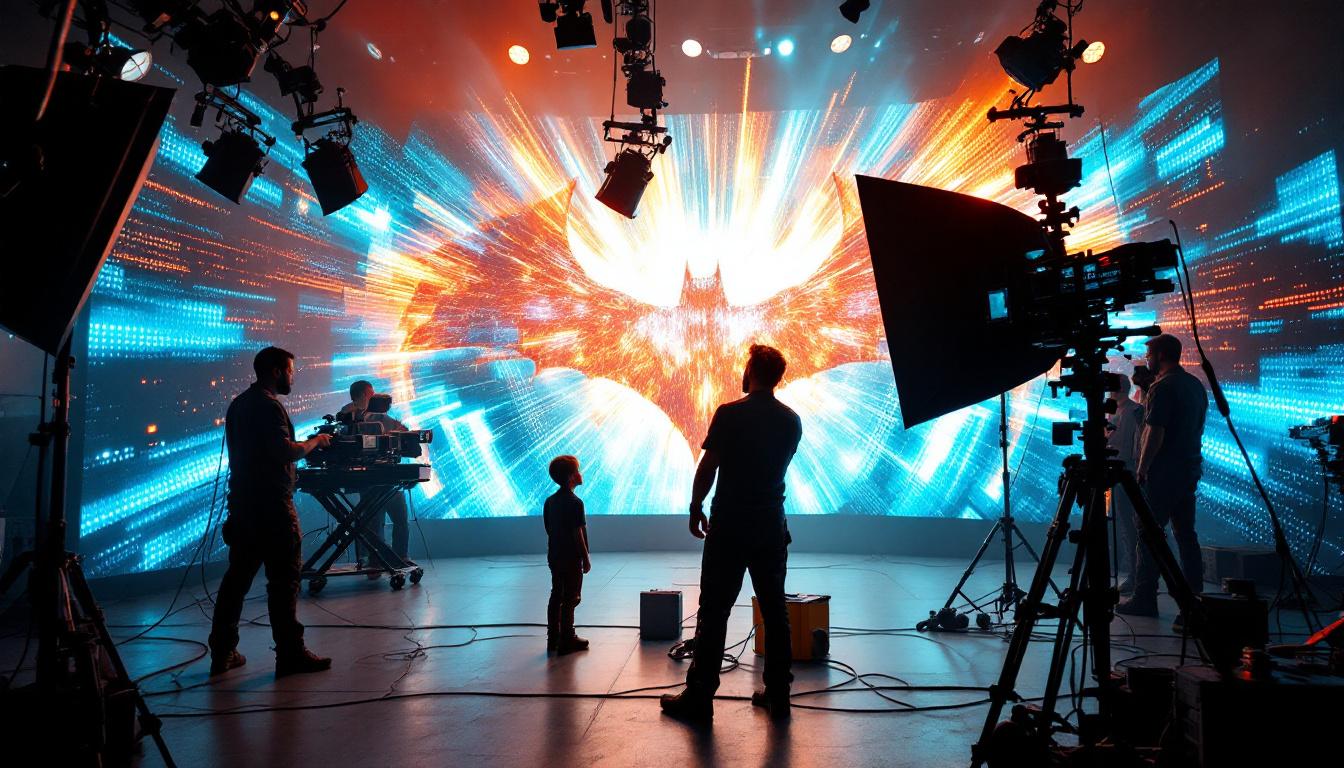
The Batman franchise, known for its dark and atmospheric urban settings, has greatly benefited from the use of LED display walls. Instead of relying solely on location shoots or green screen compositing, filmmakers have embraced virtual production to create Gotham City’s iconic skyline and streetscapes directly on set.
By projecting detailed 3D models of Gotham onto LED walls, directors can adjust lighting, weather conditions, and time of day instantly. This flexibility allows for seamless scene transitions and consistent visual tone throughout the film. For example, a night scene featuring rain-slicked streets illuminated by neon signs can be rendered live, providing authentic reflections and lighting effects on the actors and set pieces. The ability to simulate dynamic weather patterns, such as sudden downpours or fog rolling through the city, adds an extra layer of realism that traditional methods struggle to replicate. This not only enhances the visual storytelling but also immerses the audience deeper into the gritty world of Gotham.
Enhancing Actor Performance and Director Vision
One of the less obvious but highly impactful benefits of LED background screens is their effect on actor performance. When actors see the environment they are supposed to be in, their immersion deepens, leading to more natural reactions and interactions. In Batman films, where mood and atmosphere are critical, this can make a significant difference. The psychological impact of being surrounded by a fully realized digital environment allows actors to tap into their characters more effectively, resulting in performances that resonate with authenticity and emotional depth.
Directors also gain greater creative control. They can experiment with different background elements on the fly, adjusting the look and feel of a scene without waiting for post-production. This immediacy fosters a more collaborative and efficient filmmaking process. Moreover, the use of LED technology allows for real-time feedback during filming, enabling directors to make instant adjustments based on how the actors are interacting with their surroundings. This not only streamlines the production schedule but also encourages a more dynamic creative environment, where spontaneous ideas can be explored and integrated into the final cut, ultimately enriching the narrative and visual experience of the film.
Technical Aspects of LED Display Filming
Resolution and Pixel Pitch
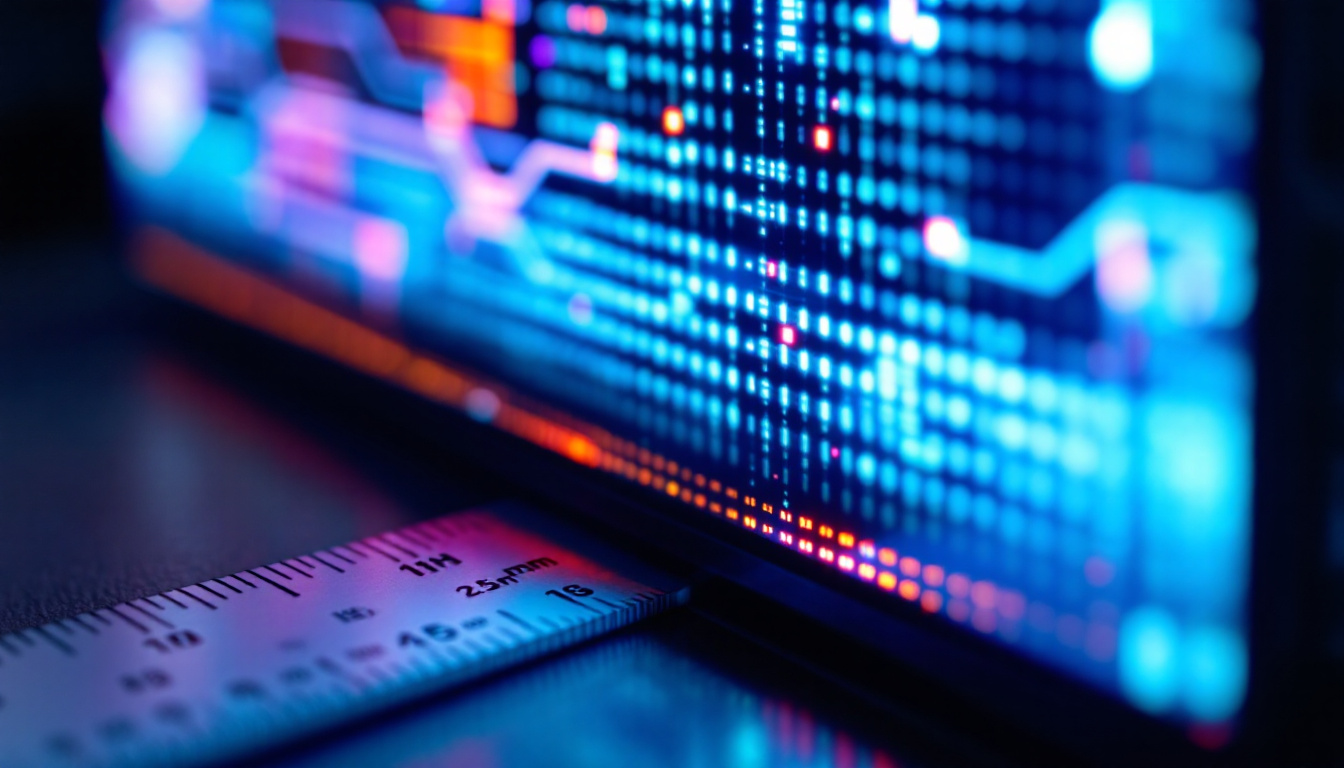
The quality of an LED display wall is largely determined by its resolution and pixel pitch. Pixel pitch refers to the distance between individual LEDs on the screen, measured in millimeters. A smaller pixel pitch means higher resolution and sharper images, which is vital for close-up shots and detailed backgrounds.
For Batman productions, LED walls often feature pixel pitches as low as 1.5mm to 2.5mm, ensuring crisp visuals even when the camera is near the screen. The walls are typically modular, allowing for large-scale setups that wrap around the set to create a 360-degree immersive environment.
Real-Time Rendering and Camera Tracking
Central to LED display filming is the integration of real-time rendering engines like Unreal Engine. These platforms render complex 3D environments instantly, responding dynamically to camera movements. Using sophisticated camera tracking systems, the LED wall adjusts the displayed imagery to maintain correct perspective and parallax effects.
This technology is crucial for maintaining the illusion of depth and realism. For Batman scenes involving dynamic camera moves—such as chase sequences or sweeping cityscape shots—the background shifts convincingly, preventing any visual disconnect between foreground and background elements.
Lighting Integration
One of the most innovative aspects of LED display walls is their contribution to on-set lighting. The light emitted from the screens naturally illuminates actors and set pieces, matching the colors and intensity of the virtual environment. This eliminates the need for complex lighting setups to mimic background lighting and reduces inconsistencies that can arise during compositing.
For Batman’s moody and often low-light scenes, this capability is invaluable. It helps maintain the franchise’s signature noir aesthetic while ensuring that all elements blend seamlessly.
Benefits and Challenges of Using LED Displays in Filming
Benefits
- Enhanced Immersion: Actors and crew experience the environment in real-time, improving performance and creative decisions.
- Reduced Post-Production Time: Many visual effects are captured in-camera, decreasing reliance on costly and time-consuming post-production work.
- Greater Creative Flexibility: Directors can modify backgrounds instantly, experiment with lighting and weather, and shoot scenes in any virtual location.
- Cost Efficiency: While initial setup costs are high, savings accrue by reducing location shoots, travel expenses, and post-production VFX.
- Environmental Impact: Virtual production reduces the need for physical sets and location travel, lowering the carbon footprint of filmmaking.
Challenges
Despite its advantages, LED display filming presents several challenges:
- High Initial Investment: Building and maintaining LED walls and real-time rendering infrastructure requires significant capital.
- Technical Complexity: Coordinating camera tracking, rendering, and LED synchronization demands specialized expertise.
- Limitations in Scale: While LED walls can create vast environments, extremely large or complex scenes may still require traditional methods or hybrid approaches.
- Heat and Power Consumption: LED walls consume substantial power and generate heat, necessitating robust cooling and electrical systems.
The Future of Virtual Production in Batman and Beyond
The success of LED display technology in Batman films signals a broader trend toward virtual production in Hollywood. As LED panels become more affordable and real-time rendering engines grow more powerful, this approach is likely to become standard practice for major productions.
Future advancements may include even higher resolution displays, improved camera tracking precision, and integration with augmented reality (AR) tools to further enhance on-set visualization. Moreover, AI-driven rendering techniques could automate environment adjustments, making virtual production more accessible to smaller studios and independent filmmakers.
For franchises like Batman, which demand visually rich and atmospheric storytelling, LED display filming offers an unparalleled toolset to push creative boundaries while optimizing production efficiency.
Conclusion
The adoption of LED display walls for background filming represents a paradigm shift in how movies like Batman are brought to life. By combining cutting-edge display technology, real-time rendering, and precise camera tracking, filmmakers can create immersive, dynamic environments that elevate storytelling and streamline production workflows.
While challenges remain, the benefits of LED display filming—from enhanced actor immersion to reduced post-production demands—make it a compelling choice for high-profile productions. As technology continues to advance, audiences can expect increasingly spectacular and believable cinematic worlds, with Batman’s Gotham City leading the way.
Explore the Future of Visual Storytelling with LumenMatrix
As the cinematic landscape evolves, so does the technology that brings it to life. LumenMatrix stands at the forefront of this evolution, offering a wide array of LED display solutions that are transforming the way stories are told on screen. From the atmospheric streets of Gotham to the most intricate visual environments, our LED display modules are designed to captivate and engage. Whether you’re looking to enhance brand visibility or create immersive experiences, LumenMatrix has the cutting-edge technology to make your vision a reality. Check out LumenMatrix LED Display Solutions and join the revolution in visual communication.