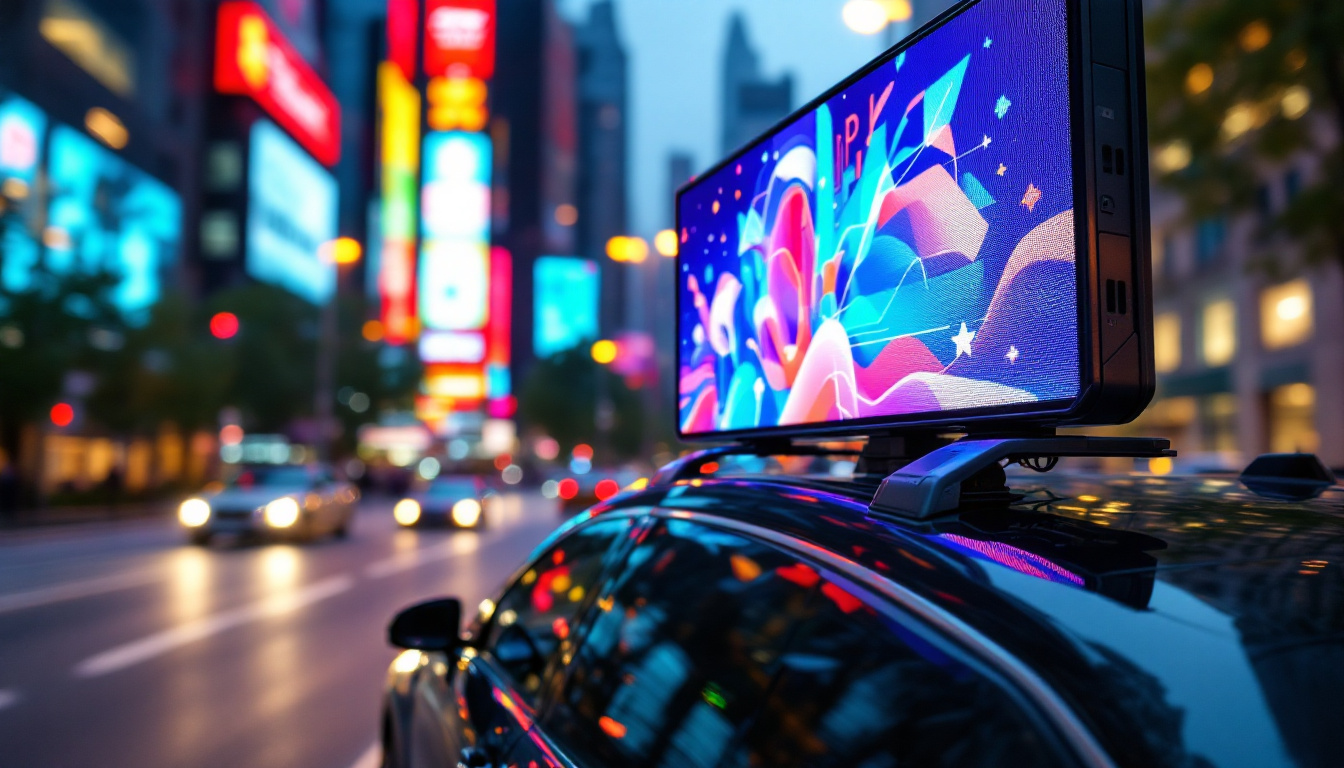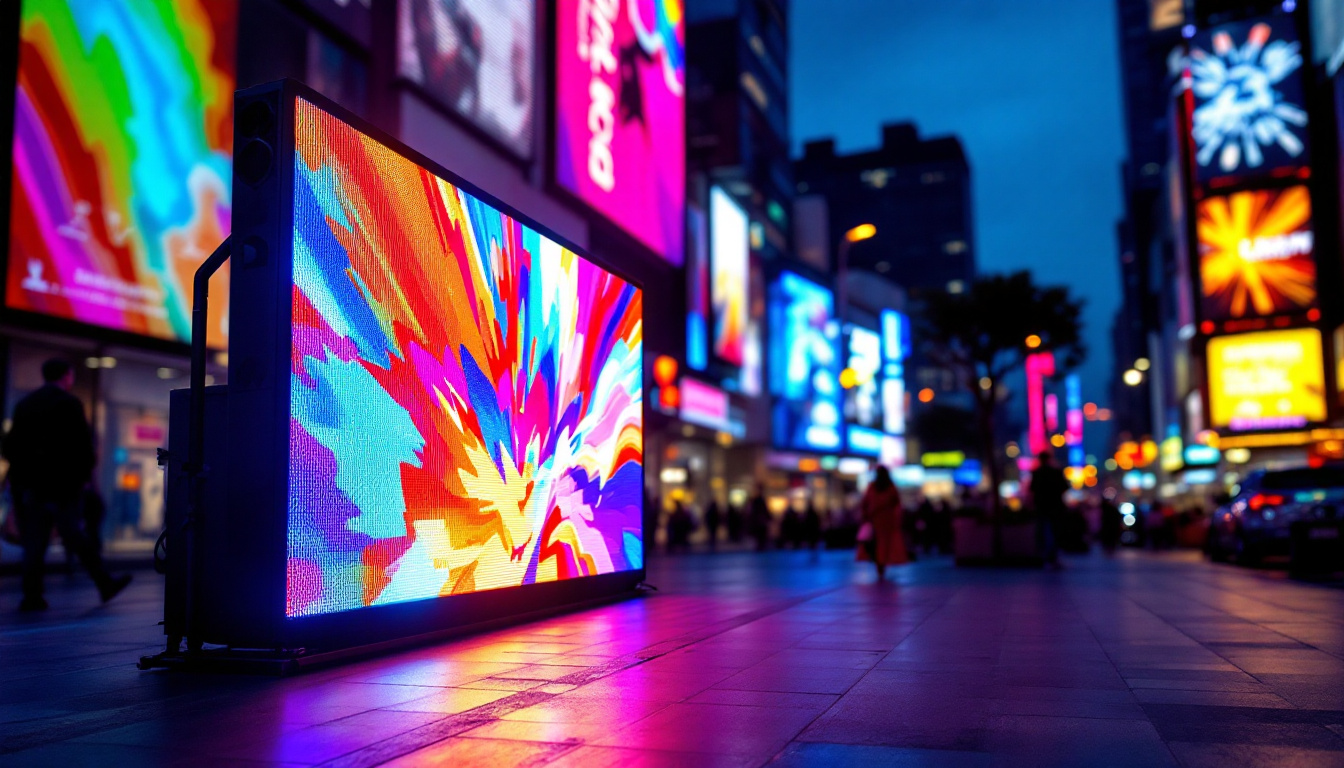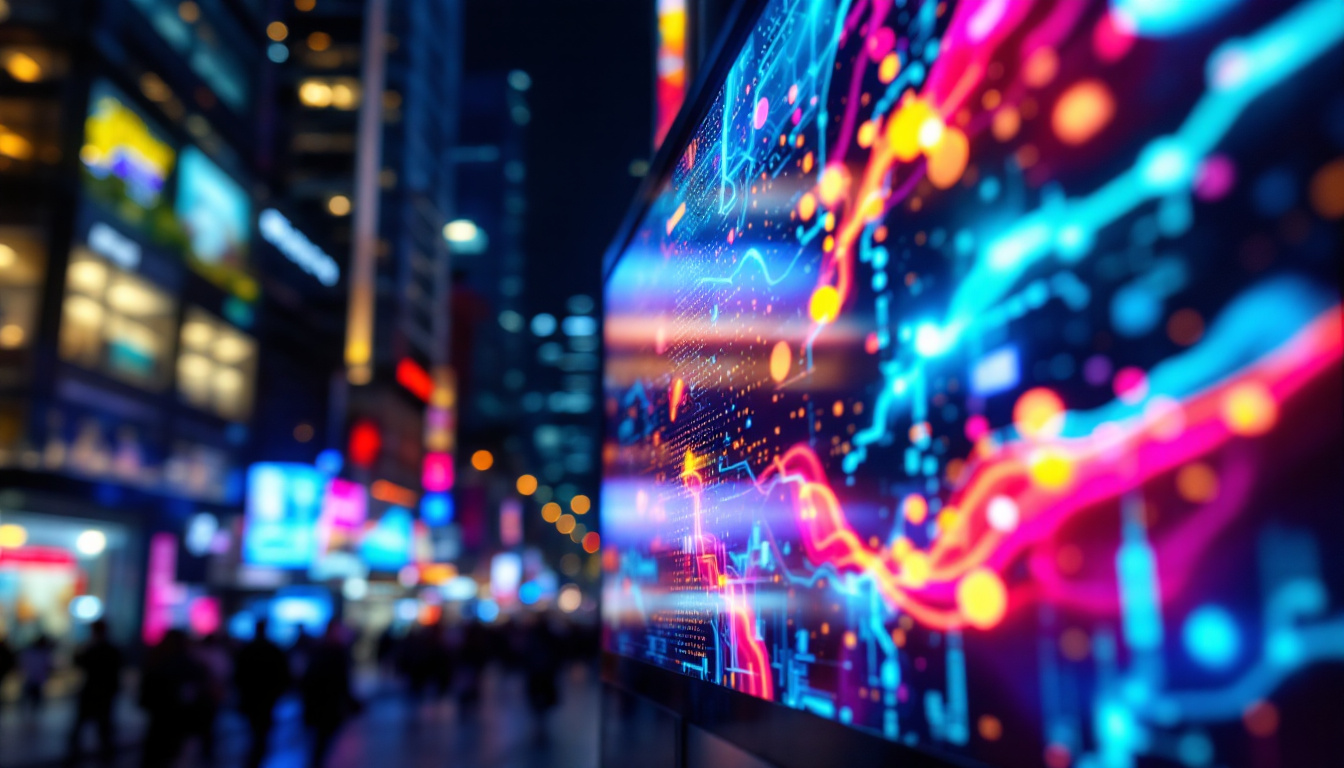
In the rapidly evolving world of outdoor advertising, LED display billboards have become a dominant force, transforming how brands communicate with their audiences. As we move through 2024, understanding the technology, advantages, and strategic applications of LED billboard ads is essential for marketers, advertisers, and business owners alike. This article delves into the core aspects of LED display billboards, exploring their technology, benefits, challenges, and future trends shaping the outdoor advertising landscape.
Understanding LED Billboard Technology
What Are LED Billboards?
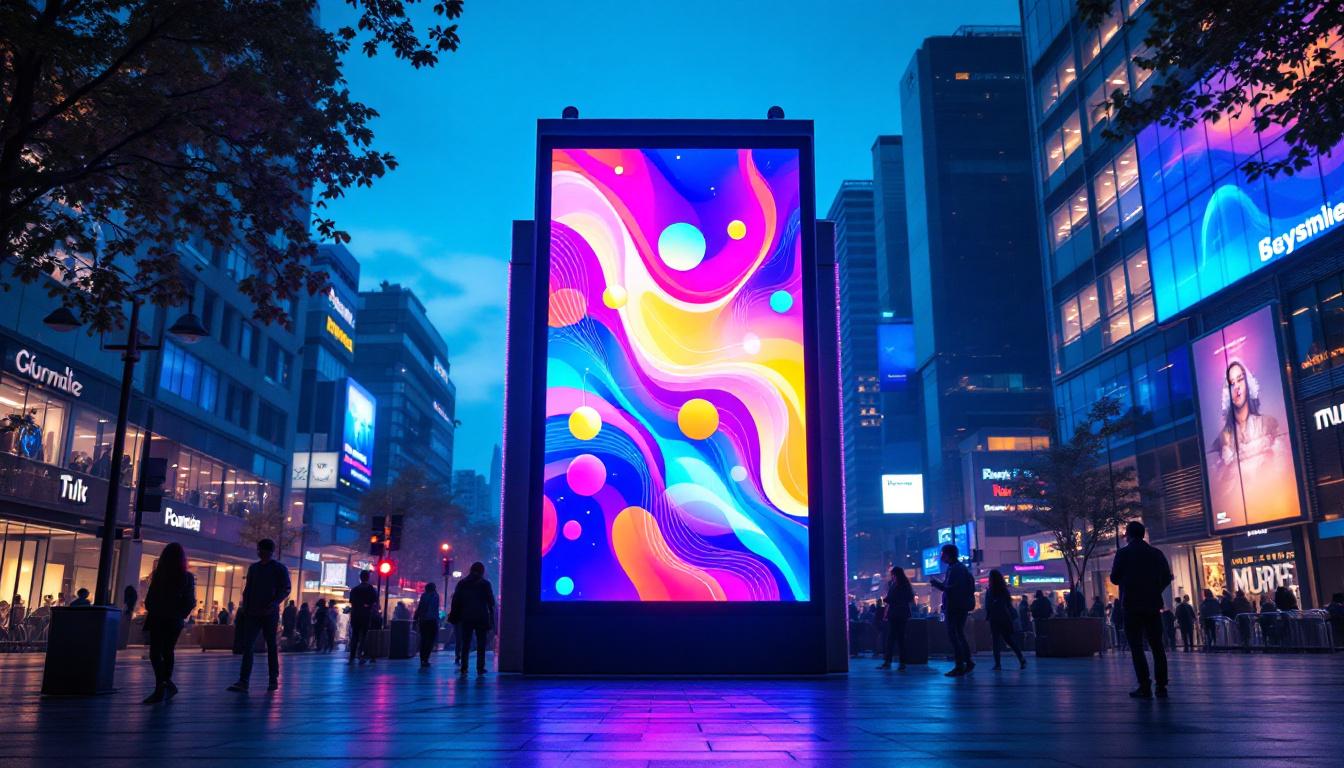
LED billboards are large outdoor advertising displays that use light-emitting diodes (LEDs) to create vibrant, dynamic images and videos. Unlike traditional static billboards that rely on printed vinyl or paper, LED billboards offer a digital canvas capable of showcasing multiple advertisements in rotation, animations, and real-time content updates.
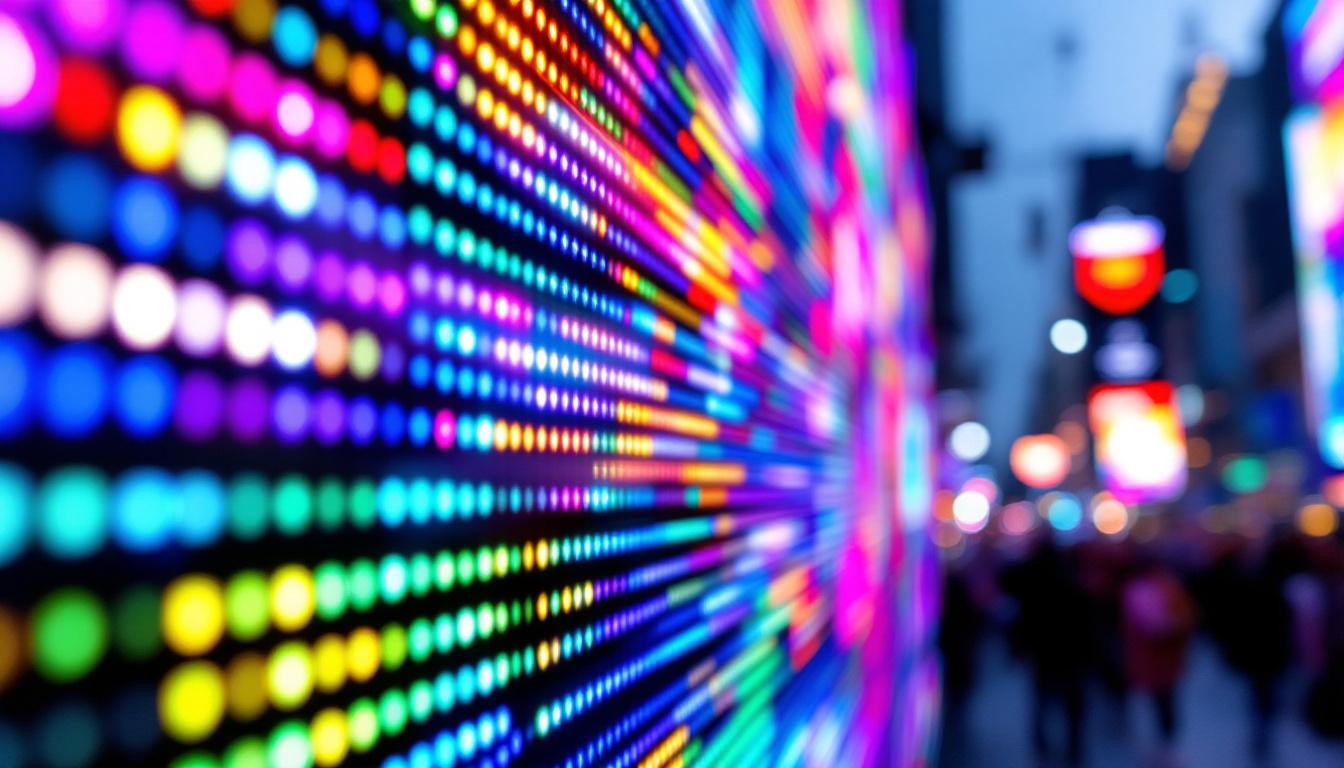
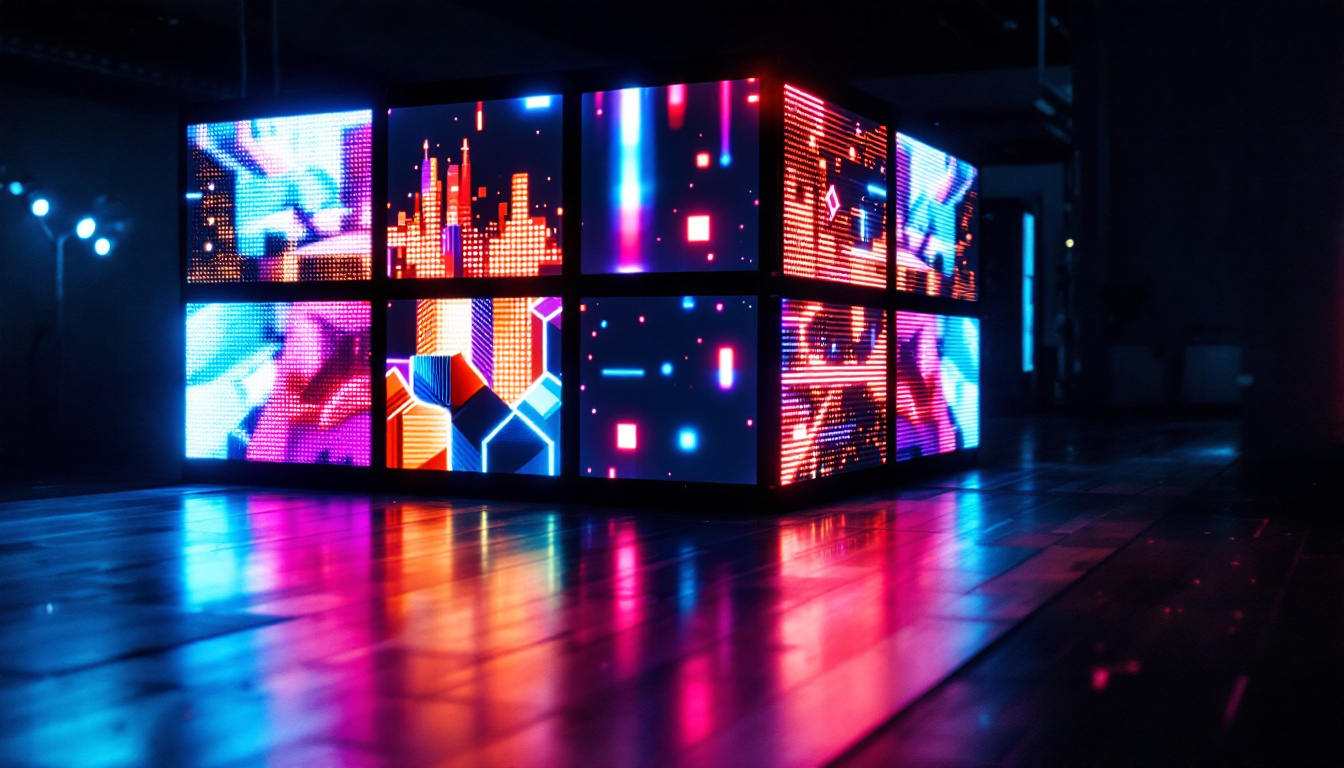
Each LED billboard consists of thousands of tiny LED modules arranged in a grid. These modules emit light in various colors, combining to form high-resolution images that are visible even in bright daylight. Advances in LED technology have improved brightness, color accuracy, and energy efficiency, making these billboards more effective and sustainable. Additionally, the ability to change content quickly allows advertisers to tailor their messages to specific audiences or events, enhancing engagement and relevance.
Furthermore, LED billboards can be equipped with sensors that adjust brightness based on ambient light conditions, ensuring optimal visibility at all times while conserving energy. This adaptability not only reduces operational costs but also contributes to the environmental sustainability of digital advertising. As cities become more populated and competitive, the strategic placement of these billboards in high-traffic areas can significantly amplify brand visibility and consumer interaction.
How LED Billboards Work
At the core of an LED billboard is a control system that manages the content displayed. Advertisers upload digital files—ranging from static images to complex video sequences—to a central server. This content is then transmitted to the billboard through wired or wireless networks, often allowing remote management and scheduling.
The LEDs themselves are semiconductor devices that emit light when an electric current passes through them. Modern LED billboards use full-color RGB (red, green, blue) LEDs, which mix these colors at varying intensities to produce a broad spectrum of colors. The resolution of an LED billboard is determined by its pixel pitch—the distance between individual LED clusters—with smaller pitches delivering sharper images. This technology enables advertisers to create eye-catching visuals that can capture the attention of passersby, even from a distance.
Moreover, the integration of smart technology into LED billboards has opened up new avenues for advertising. Many billboards now incorporate data analytics tools that track viewer engagement and demographic information, allowing advertisers to refine their strategies based on real-time feedback. This data-driven approach not only maximizes the effectiveness of advertising campaigns but also provides insights into consumer behavior, helping brands to connect with their target audience in more meaningful ways. As the landscape of outdoor advertising continues to evolve, LED billboards stand at the forefront, merging technology with creativity to redefine how messages are communicated in public spaces.
Advantages of LED Billboard Advertising in 2024
Dynamic and Eye-Catching Content
One of the most significant advantages of LED billboards is their ability to display dynamic content. Movement, animation, and video naturally attract more attention than static images. Studies show that digital billboards can increase recall rates by up to 47% compared to traditional billboards, making them a powerful tool for brand awareness.
Additionally, the ability to rotate multiple ads on a single billboard allows advertisers to maximize exposure and target different demographics throughout the day. For example, a billboard near a business district might show professional services during office hours and entertainment options in the evening.
Real-Time Content Updates and Flexibility
Unlike printed billboards that require physical replacement, LED billboards can be updated instantly. This flexibility enables advertisers to respond quickly to market changes, promotions, or events. For instance, a retailer can promote flash sales or limited-time offers with immediate effect, enhancing campaign responsiveness.
Moreover, LED billboards can integrate with external data sources such as weather forecasts, traffic conditions, or social media feeds to deliver contextually relevant messages. This level of personalization can significantly improve audience engagement and campaign effectiveness.
Improved Visibility and Reach
LED billboards are designed to be highly visible in various lighting conditions, including direct sunlight and nighttime. Their brightness can reach up to 6,000 nits, ensuring clear visibility from long distances. This makes them ideal for high-traffic locations such as highways, city centers, and transportation hubs.
Furthermore, LED billboards offer 24/7 advertising potential, unlike some traditional formats that lose impact after dark. This continuous visibility increases the number of impressions and the overall return on investment (ROI).
Key Considerations When Using LED Billboard Ads
Cost and Budgeting
While LED billboards offer numerous benefits, they come with higher initial costs compared to static billboards. The installation of LED technology, ongoing electricity consumption, and maintenance expenses contribute to the overall budget. However, many advertisers find that the increased engagement and flexibility justify the investment.
In 2024, the average cost for renting a digital billboard in major U.S. cities ranges from $2,500 to $15,000 per four-week period, depending on location and size. Ownership costs for businesses installing their own LED displays can vary widely, from $50,000 for smaller units to several hundred thousand dollars for large, high-resolution screens.
Content Strategy and Design
Effective LED billboard advertising requires a tailored content strategy. Due to the brief exposure time—often just a few seconds as drivers or pedestrians pass by—messages must be clear, concise, and visually striking. Designers should prioritize bold colors, large fonts, and simple calls to action.
Additionally, advertisers should consider the rotation of ads and timing to optimize audience targeting. For example, traffic patterns and demographic data can inform when and where specific ads should run. Incorporating video or animation should be done thoughtfully to avoid overwhelming viewers or causing distractions.
Regulatory and Environmental Factors
LED billboards are subject to local regulations regarding brightness, size, and placement. Many municipalities have introduced guidelines to minimize light pollution and ensure road safety. Advertisers must work closely with local authorities to comply with these standards.
Environmental concerns also play a role. Although LED technology is more energy-efficient than older lighting methods, the cumulative power consumption of large digital displays can be significant. Some advertisers are adopting solar-powered solutions or using energy management systems to reduce their environmental footprint.
Case Studies: Successful LED Billboard Campaigns in 2024
Interactive Campaigns Driving Engagement
One standout example from early 2024 involved a leading automotive brand launching an interactive LED billboard campaign in New York City. The billboard featured a live social media feed where users could post messages and photos with a specific hashtag. Selected posts were displayed in real-time, creating a dynamic conversation between the brand and its audience.
This campaign resulted in a 35% increase in social media engagement and a measurable uptick in showroom visits. The interactive nature of the LED billboard helped the brand stand out in a crowded advertising environment.
Localized Advertising with Real-Time Updates
A major fast-food chain utilized LED billboards in multiple urban locations to promote limited-time menu items based on local weather conditions. On hot days, the billboards displayed refreshing beverage offers, while colder days highlighted warm meal deals.
This data-driven approach led to a 20% increase in sales during the campaign period, demonstrating how LED billboards’ real-time update capabilities can directly influence consumer behavior.
The Future of LED Billboard Advertising
Integration with AI and Data Analytics
Artificial intelligence (AI) is poised to revolutionize LED billboard advertising by enabling hyper-targeted, adaptive content delivery. Using real-time data such as traffic flow, demographic shifts, and consumer behavior, AI algorithms can optimize which ads to display and when.
For example, AI-powered billboards could adjust messaging based on the predominant audience at a given time, increasing relevance and effectiveness. Predictive analytics may also help advertisers anticipate market trends and tailor campaigns proactively.
Advancements in Display Technology
Emerging technologies like microLED and transparent LED panels promise to enhance the visual quality and versatility of billboards. MicroLED offers higher brightness, better color accuracy, and longer lifespan compared to traditional LEDs, while transparent displays can be integrated into architectural elements without obstructing views.
These innovations will expand creative possibilities for advertisers, enabling more immersive and aesthetically pleasing outdoor campaigns.
Sustainability and Energy Efficiency
As environmental awareness grows, the outdoor advertising industry is increasingly focusing on sustainability. Future LED billboards are expected to incorporate renewable energy sources, advanced power-saving modes, and recyclable materials to reduce their ecological impact.
Advertisers who prioritize green practices may gain a competitive edge by appealing to eco-conscious consumers and complying with stricter regulations.
Conclusion
LED billboard advertising in 2024 represents a dynamic and powerful medium that blends cutting-edge technology with creative storytelling. Its ability to deliver vibrant, flexible, and contextually relevant content makes it an indispensable tool for brands aiming to capture attention in a crowded marketplace.
While costs and regulatory considerations require careful planning, the benefits of LED billboards—from enhanced visibility to real-time updates—offer compelling advantages. As AI, display technologies, and sustainability initiatives continue to evolve, LED billboard advertising will remain at the forefront of outdoor marketing innovation.
For businesses and advertisers looking to make a lasting impression in 2024 and beyond, embracing LED display technology is not just an option but a strategic imperative.
Illuminate Your Brand with LumenMatrix
As you consider the future of outdoor advertising, LumenMatrix stands ready to elevate your brand’s presence. Our commitment to innovation in LED display technology ensures your message is not only seen but truly experienced. From the bustling streets to the most competitive marketplaces, our range of solutions, including Indoor and Outdoor LED Wall Displays, Vehicle LED Displays, and more, are designed to captivate and engage. Embrace the power of visual storytelling with our advanced LED display solutions. Check out LumenMatrix LED Display Solutions today and transform how your brand connects with the world.