Custom TV Wall: LED Display Explained
In recent years, the demand for large-scale, high-quality visual displays has surged across various sectors—from corporate boardrooms and retail environments to entertainment venues and control centers. At the heart of many of these installations lies the LED display technology, renowned for its brightness, clarity, and versatility. Custom TV walls built with LED displays have transformed how businesses and organizations communicate visually, offering tailor-made solutions that fit specific spatial and functional needs.
This article delves into the world of custom TV walls, focusing on LED display technology. It explores what makes LED displays unique, the benefits of custom configurations, and the key considerations when designing and installing these impressive visual setups.
Understanding LED Display Technology
What is an LED Display?
LED stands for Light Emitting Diode, a semiconductor device that emits light when an electric current passes through it. LED displays are composed of thousands to millions of these tiny diodes arranged in a matrix to form images, videos, or text. Unlike traditional LCD or projection screens, LED displays generate their own light, which results in superior brightness and contrast.
LED displays are commonly categorized into two types: direct view LED and LED-backlit LCD. Direct view LED displays use individual LEDs as pixels, making them suitable for large-format screens such as video walls and outdoor billboards. LED-backlit LCDs, on the other hand, use LEDs as a light source behind an LCD panel and are typical in smaller televisions and monitors. The versatility of these displays allows them to be utilized in various applications, from advertising and entertainment to information dissemination in public spaces.
In addition to their practical applications, LED displays have revolutionized the way information is presented. For instance, in sports arenas, they provide real-time updates and replays, enhancing the spectator experience. Similarly, in retail environments, vibrant LED signage attracts customers’ attention, showcasing promotions and products in a visually appealing manner. This adaptability has made LED technology a preferred choice across multiple sectors, including education, healthcare, and transportation.
Key Features of LED Displays
One of the standout features of LED displays is their exceptional brightness. They can achieve luminance levels upwards of 1,000 nits, making them visible even in direct sunlight. This is a critical advantage for outdoor or brightly lit indoor environments.
Another important characteristic is the wide viewing angle. High-quality LED displays maintain color accuracy and image clarity across angles of 160 degrees or more, ensuring that viewers from different positions experience consistent picture quality. This feature is particularly beneficial in settings such as conference rooms and classrooms, where multiple viewers may be seated at varying angles to the screen.
LED displays also offer excellent color reproduction and contrast ratios. With the ability to produce deep blacks and vibrant colors, they deliver an immersive viewing experience that is difficult to replicate with other display technologies. This capability is further enhanced by advancements in color calibration and processing, allowing for a more dynamic range of colors and finer details in images. As a result, LED displays are increasingly favored for applications that demand high fidelity, such as graphic design, video editing, and gaming.
Moreover, LED technology is known for its energy efficiency. Compared to traditional display technologies, LED displays consume significantly less power, which not only reduces operational costs but also minimizes environmental impact. This energy efficiency is particularly advantageous for large installations, where the cumulative savings can be substantial over time. Additionally, many modern LED displays are designed with longevity in mind, boasting longer lifespans and reduced maintenance needs, making them a cost-effective solution in the long run.
The Rise of Custom TV Walls
What is a Custom TV Wall?
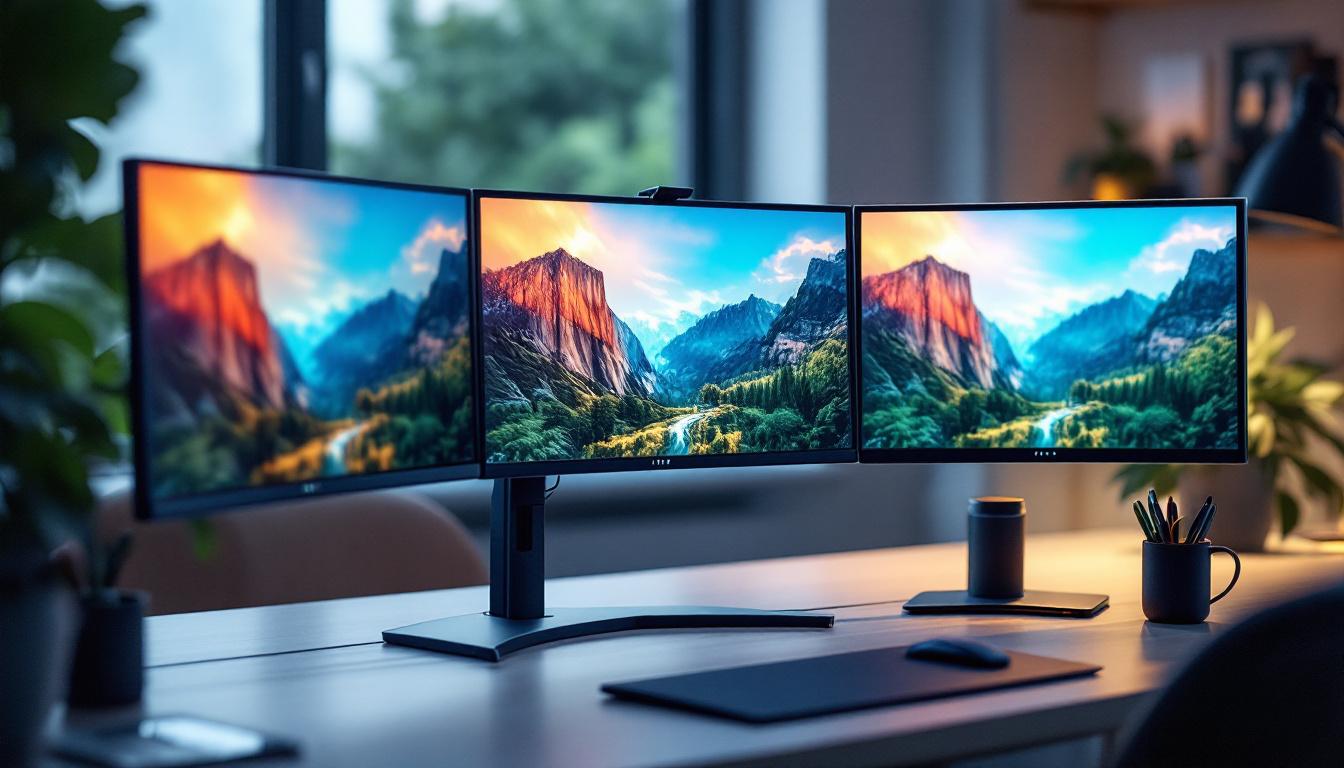
A custom TV wall is a large-scale display solution composed of multiple screens or panels seamlessly integrated to create one expansive visual surface. Unlike off-the-shelf televisions or monitors, custom TV walls are designed to fit specific dimensions, resolutions, and use cases. They can be configured in various shapes and sizes, from traditional rectangular grids to curved or irregular layouts.
Custom TV walls are commonly used in environments where a single large display is necessary, such as control rooms, conference centers, retail stores, and entertainment venues. They enable the presentation of high-resolution content on a scale that captivates audiences and enhances communication.
Why Choose a Custom Solution?
Off-the-shelf TVs or monitors have limitations in terms of size, bezel width, and flexibility. When multiple screens are tiled together to form a video wall, bezels—the borders around each screen—can interrupt the image, creating distracting gaps. Custom TV walls using LED display panels minimize or eliminate bezel gaps, providing a nearly seamless viewing experience.
Moreover, custom LED walls allow for precise control over pixel pitch—the distance between individual LEDs. Smaller pixel pitches result in higher resolution and sharper images, which is essential for close-up viewing environments such as corporate lobbies or broadcast studios.
Customization also extends to the shape and installation method. Whether the wall needs to curve around a corner, fit into an irregular space, or be mounted on a ceiling, LED display technology offers the flexibility to meet these unique requirements.
Technical Considerations for Custom LED TV Walls
Pixel Pitch and Resolution
Pixel pitch is a critical factor in determining the image quality of an LED display. It refers to the distance between the centers of two adjacent pixels, usually measured in millimeters. A smaller pixel pitch means more pixels per unit area, resulting in higher resolution and finer detail.
For example, a pixel pitch of 1.2mm is considered ultra-fine and is suitable for environments where viewers are close to the screen, such as command centers or control rooms. Larger pixel pitches, such as 4mm or 6mm, are appropriate for displays viewed from a distance, like outdoor advertising billboards or stadium screens.
Choosing the right pixel pitch depends on the intended viewing distance and the level of detail required. A general rule of thumb is that the optimal viewing distance (in meters) is roughly equal to the pixel pitch (in millimeters) multiplied by 1,000.
Brightness and Contrast
Brightness is measured in nits (candelas per square meter). For indoor environments, LED displays typically range between 600 and 1,200 nits, while outdoor displays require much higher brightness levels, often exceeding 5,000 nits, to combat sunlight glare.
Contrast ratio—the difference between the brightest whites and the darkest blacks—is another important specification. LED displays generally offer superior contrast compared to LCDs because each LED emits light independently, allowing for true black levels when LEDs are turned off.
Refresh Rate and Color Accuracy
The refresh rate, measured in hertz (Hz), indicates how many times per second the image is updated. Higher refresh rates reduce flicker and motion blur, which is particularly important for video content and dynamic visuals. Most LED video walls operate at refresh rates of 3,840 Hz or higher, ensuring smooth playback.
Color accuracy is essential for applications such as broadcast studios, retail displays, and digital signage where brand colors and image fidelity matter. Advanced LED displays support wide color gamuts and can be calibrated to meet industry standards like Rec. 709 or DCI-P3.
Design and Installation of Custom LED TV Walls
Planning the Layout
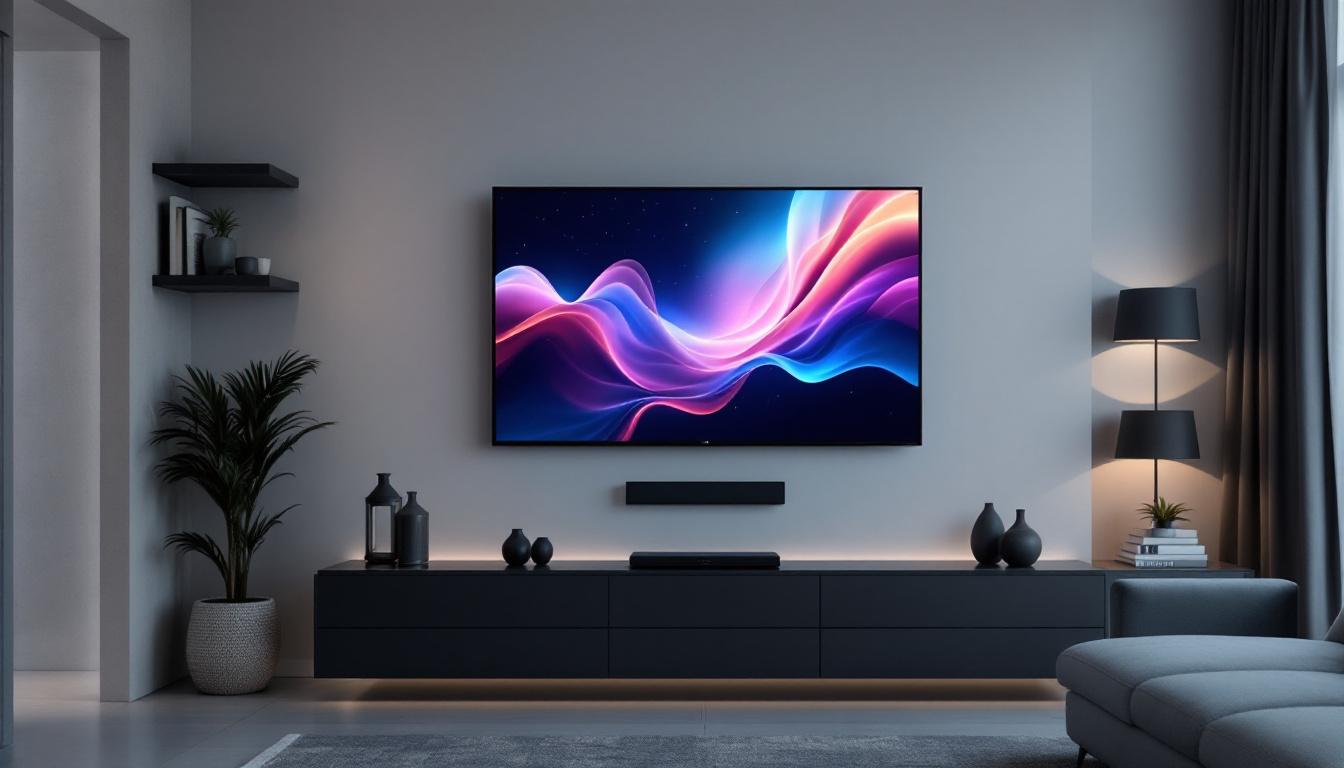
Designing a custom LED TV wall begins with understanding the space and the intended use. Factors such as room dimensions, ambient lighting, viewing angles, and content type influence the layout and specifications.
For example, a corporate boardroom may require a sleek, wall-mounted display with a pixel pitch optimized for close viewing, while a retail store might prioritize brightness and dynamic content to attract shoppers from a distance.
Structural and Electrical Considerations
LED panels can be heavy and require robust mounting structures to ensure safety and stability. Engineers must assess wall strength, weight distribution, and accessibility for maintenance.
Electrical infrastructure is equally important. LED walls consume significant power, especially large-scale installations, so adequate power supply, cooling, and ventilation must be incorporated into the design.
Content Management Systems
Custom LED walls are only as effective as the content they display. Content management systems (CMS) allow operators to control what appears on the screen, schedule playlists, and manage multiple inputs. Modern CMS solutions support real-time data feeds, interactive content, and multi-source integration, enhancing the versatility of LED walls.
Applications of Custom LED TV Walls
Corporate and Conference Environments
In corporate settings, custom LED walls are used for presentations, video conferencing, and digital signage. Their high resolution and brightness ensure that information is clear and engaging, even in well-lit rooms. Companies leverage these displays to enhance collaboration and impress clients.
Retail and Advertising
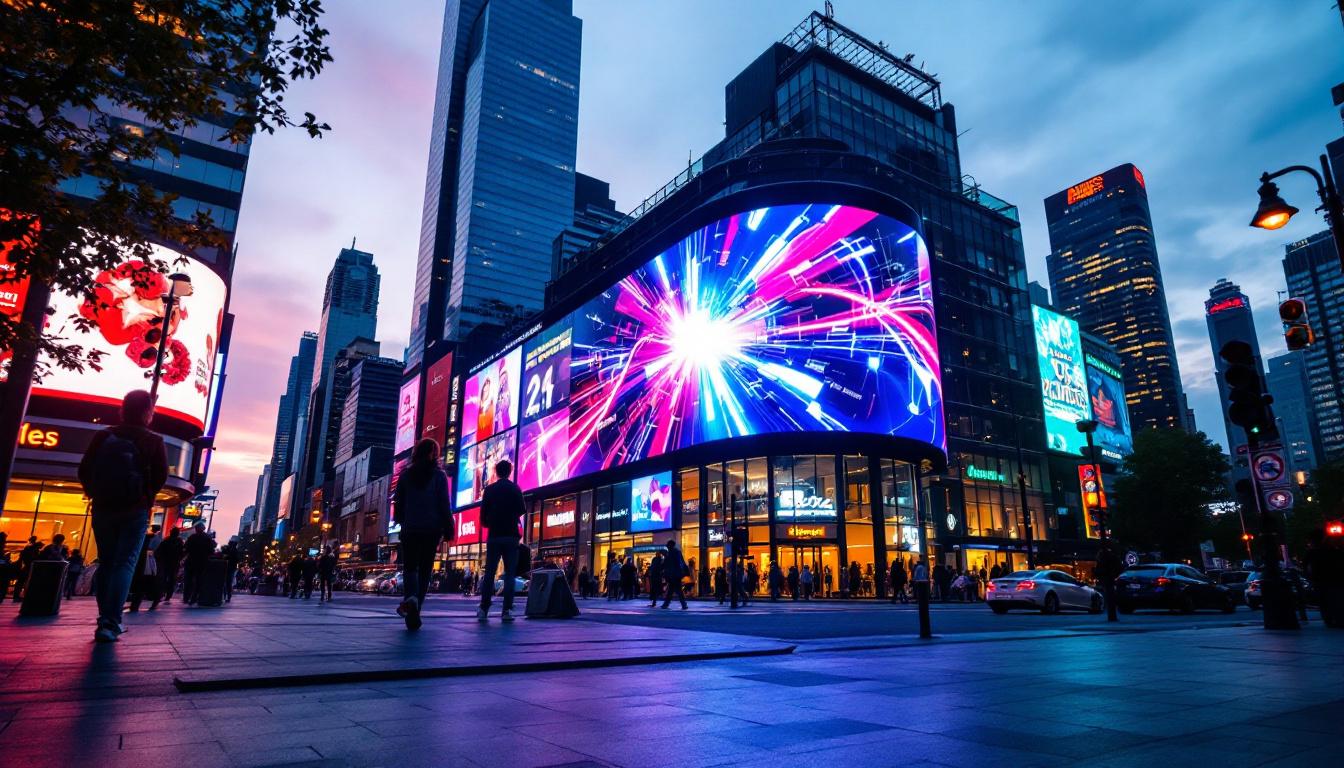
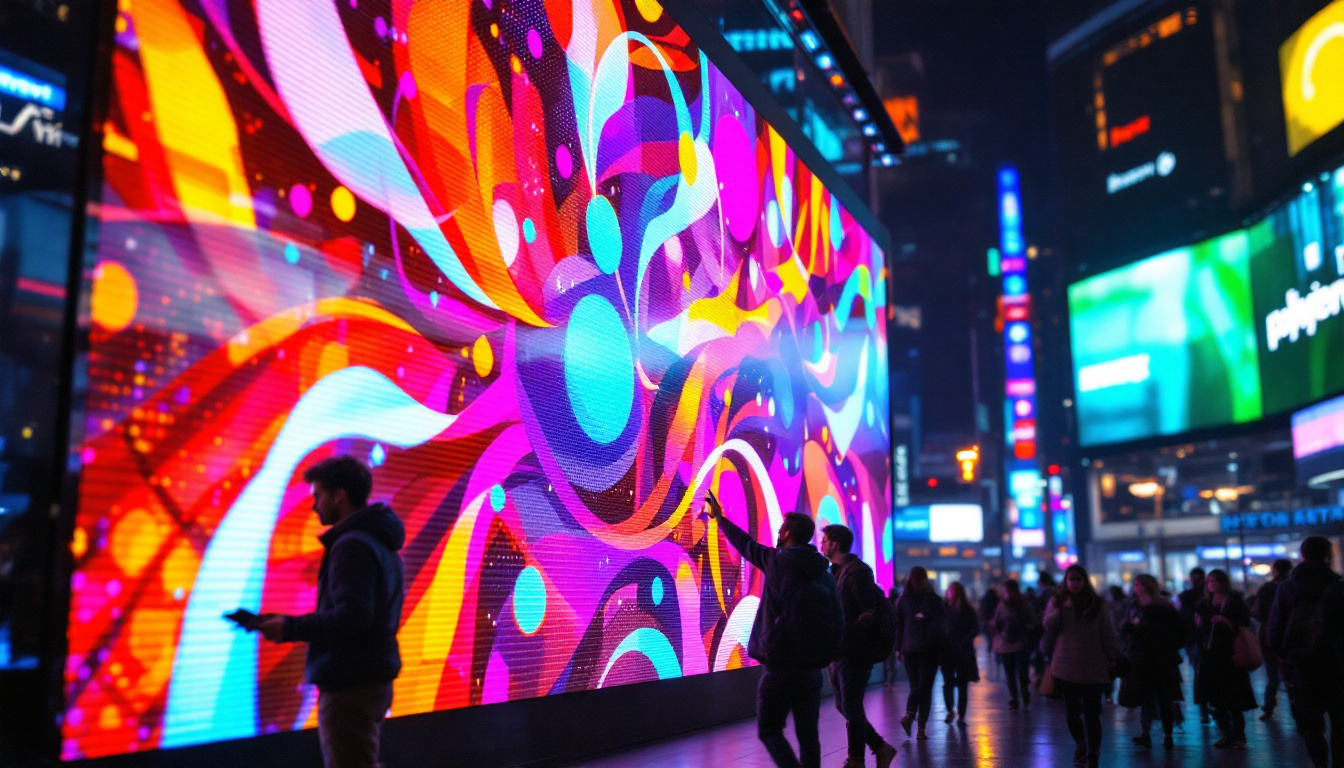
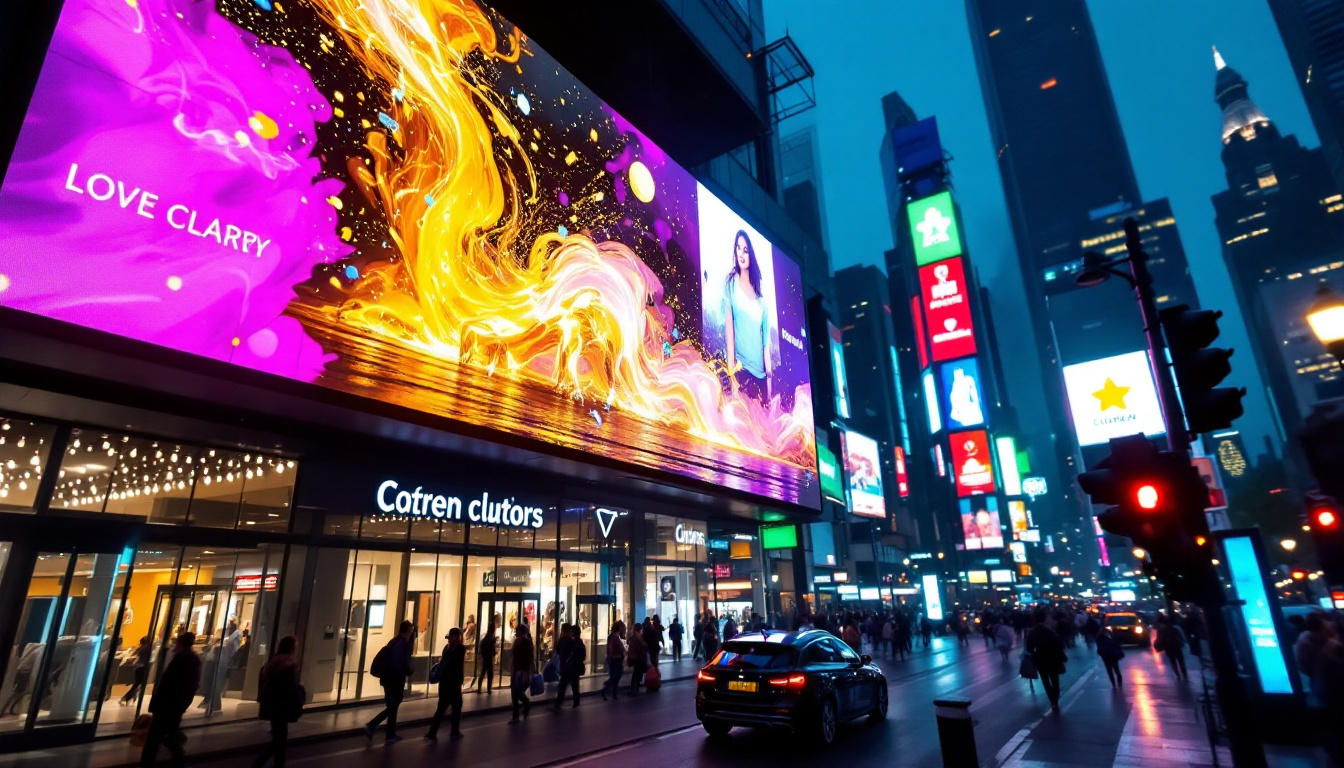
Retailers use LED walls to create immersive shopping experiences. Dynamic advertisements, promotional videos, and interactive displays capture customer attention and drive sales. The ability to customize size and shape allows integration into store architecture, making the display a part of the brand identity.
Entertainment and Sports Venues
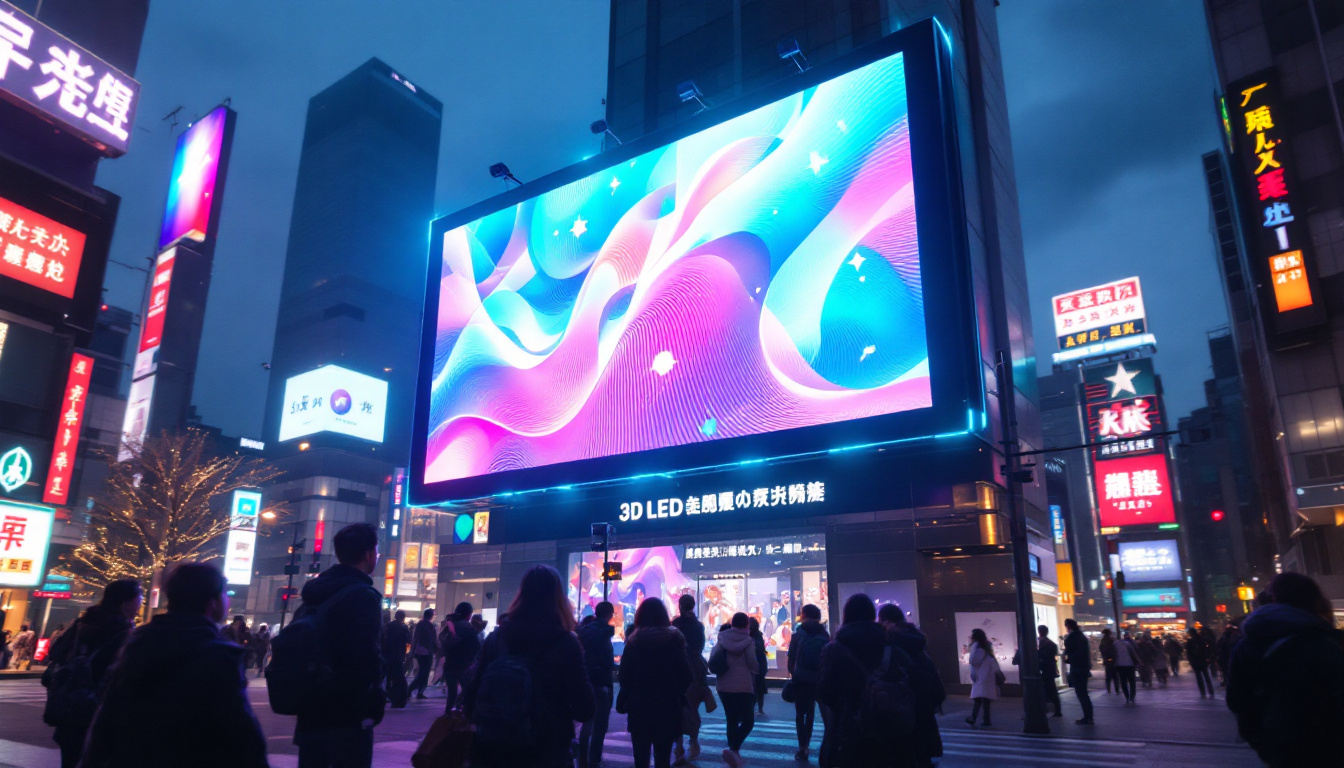
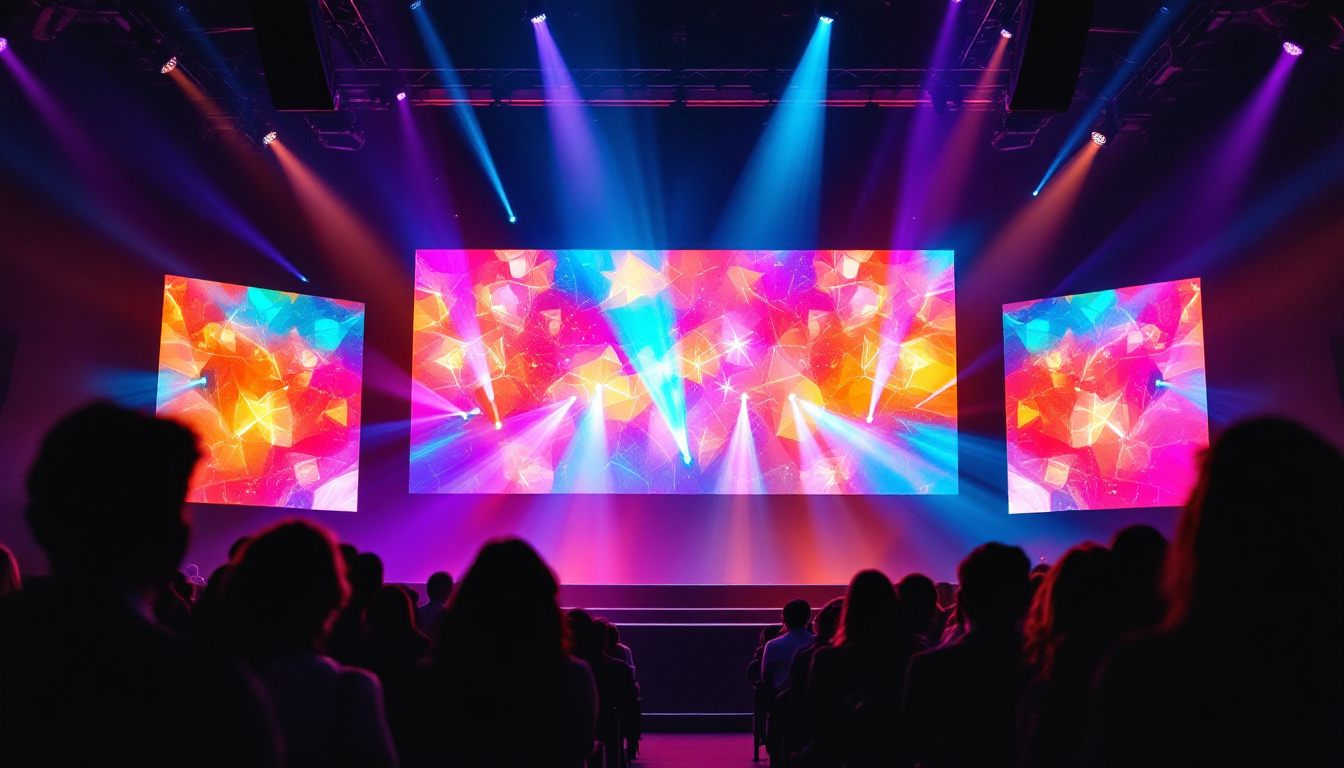
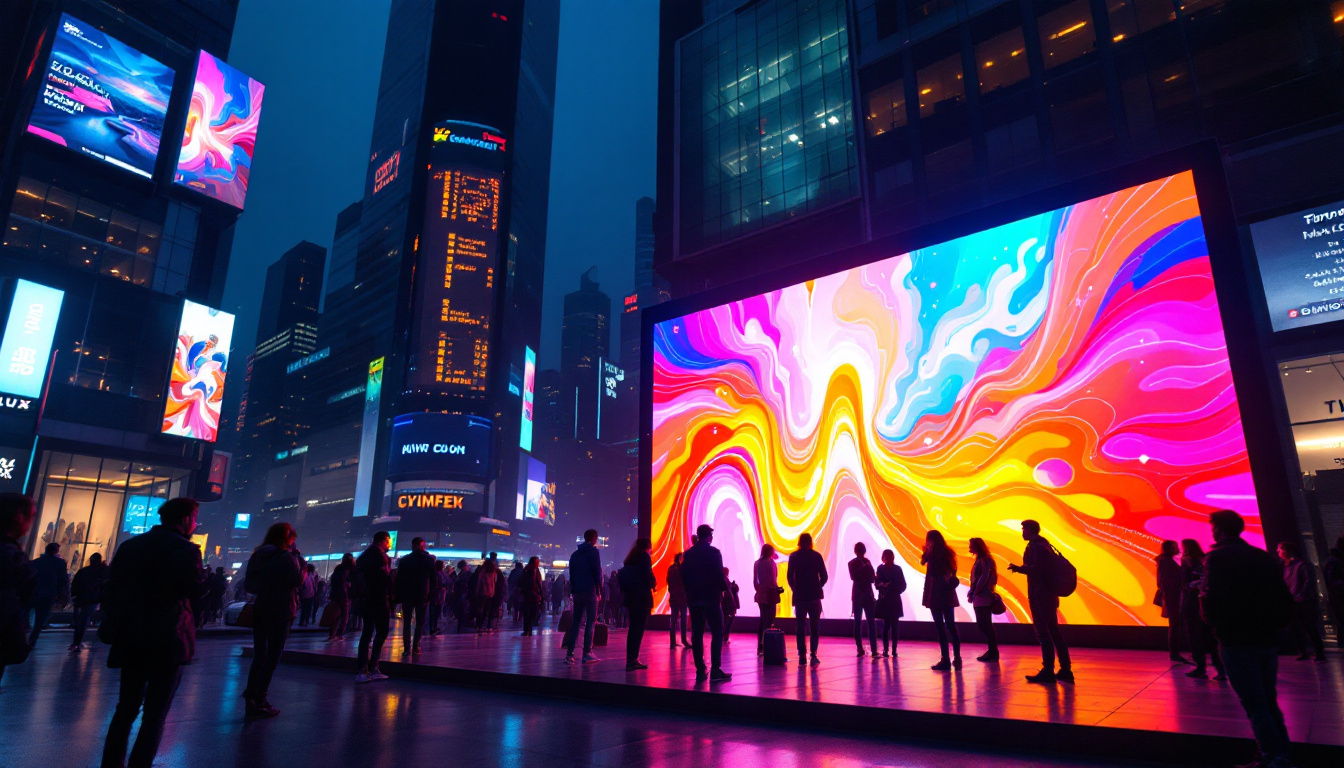
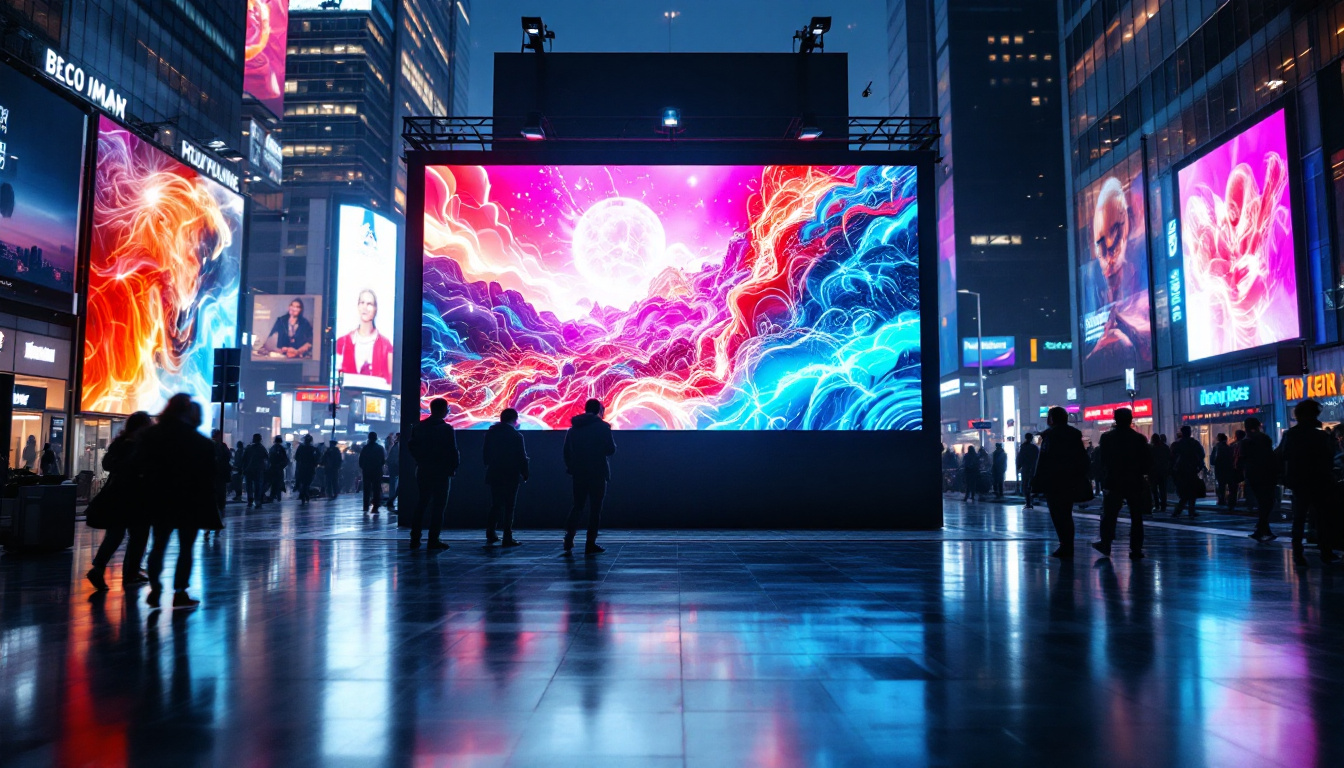
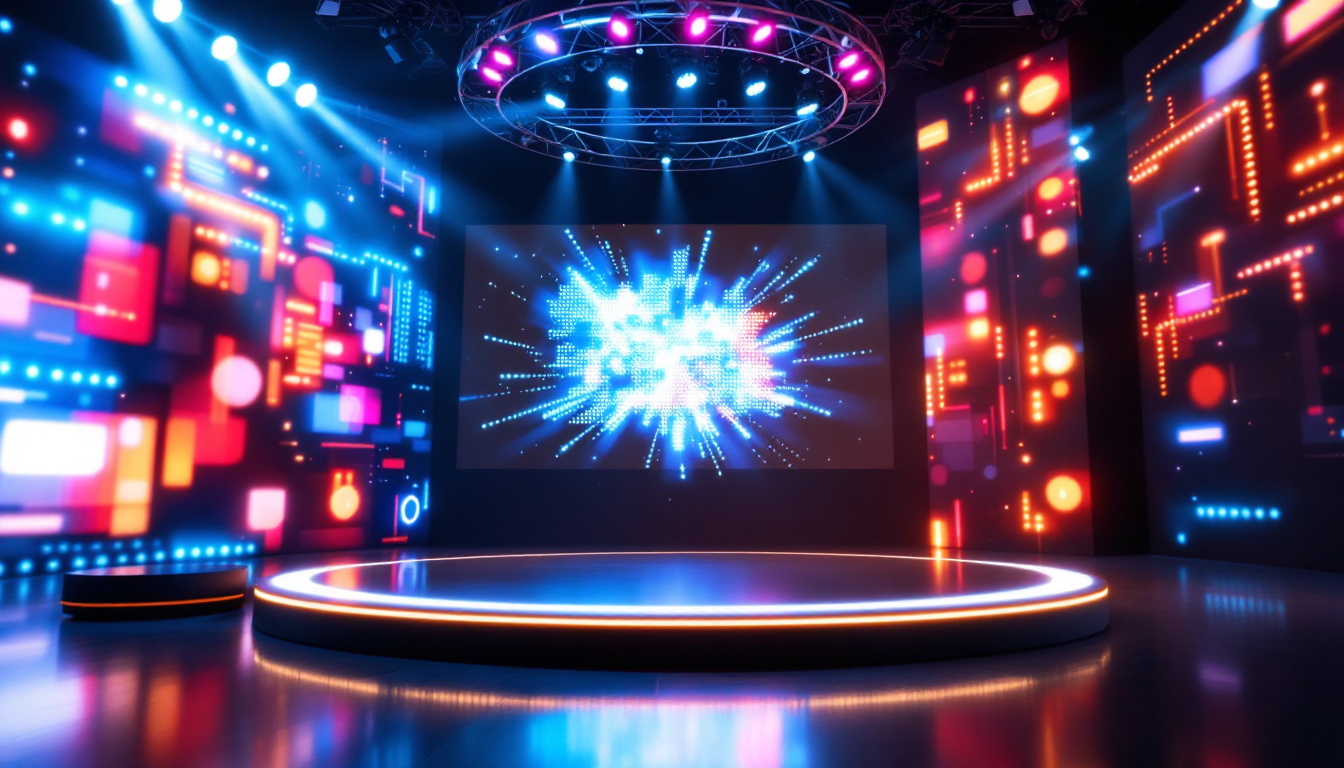
Stadiums, concert halls, and theaters utilize massive LED walls to deliver live video feeds, replays, and immersive visual effects. The durability and brightness of LED displays make them ideal for both indoor and outdoor entertainment applications.
Control Rooms and Command Centers
In mission-critical environments such as traffic management centers, security monitoring, and emergency response, LED walls provide real-time data visualization with unparalleled clarity. The ability to display multiple data streams simultaneously enhances situational awareness and decision-making.
Future Trends in LED Display Technology
MicroLED and MiniLED Innovations
Emerging technologies like MicroLED and MiniLED promise even higher resolution, improved energy efficiency, and thinner form factors. MicroLED displays use microscopic LEDs to achieve pixel-level control, potentially revolutionizing custom TV walls with unprecedented image quality.
Flexible and Transparent LED Displays
Flexible LED panels enable curved or irregularly shaped video walls, expanding design possibilities. Transparent LED displays, which allow light to pass through, are gaining traction in retail and architectural applications, blending digital content with physical environments.
AI-Driven Content and Smart Integration
Artificial intelligence is beginning to influence content delivery on LED walls, enabling personalized messaging, real-time analytics, and adaptive visuals based on audience engagement. Integration with IoT devices and smart building systems will further enhance functionality.
Conclusion
Custom TV walls built with LED display technology represent a powerful tool for communication, branding, and entertainment across diverse industries. Their superior brightness, flexibility, and image quality make them an ideal choice for large-scale visual installations. Understanding the technical aspects, design considerations, and application possibilities is key to leveraging the full potential of LED TV walls.
As LED technology continues to evolve, the future promises even more innovative and immersive display solutions that will redefine visual experiences in public and private spaces alike.
Discover LumenMatrix’s Innovative LED Solutions
Ready to elevate your space with a custom LED TV wall that offers unmatched brightness, flexibility, and image quality? Explore LumenMatrix’s comprehensive range of LED display solutions, from Indoor and Outdoor LED Wall Displays to specialized options like Vehicle, Sports, and Floor LED Displays. Embrace the future of visual communication with our Custom, All-in-One, and Transparent LED Displays, designed to captivate your audience and amplify your message. Check out LumenMatrix LED Display Solutions today and transform your visual experience.