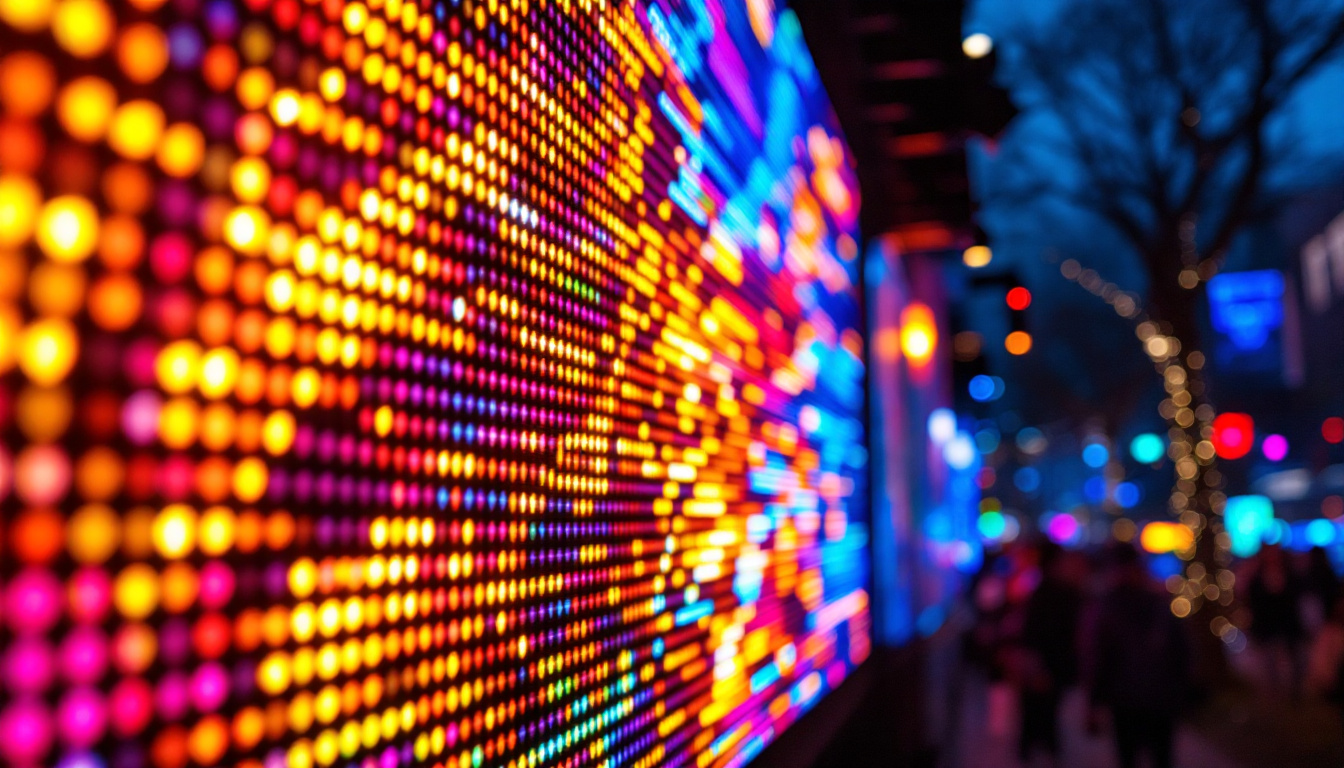
In today’s digital age, LED displays have become an integral part of our visual environment, from vibrant advertising billboards to dynamic event screens and even everyday consumer electronics. For those working as LED technicians or aspiring to enter this field, understanding the intricacies of LED displays is essential. This article delves into the technology behind LED displays, their types, applications, and the critical role of LED technicians in maintaining and optimizing these systems.
Understanding LED Display Technology
What is an LED Display?
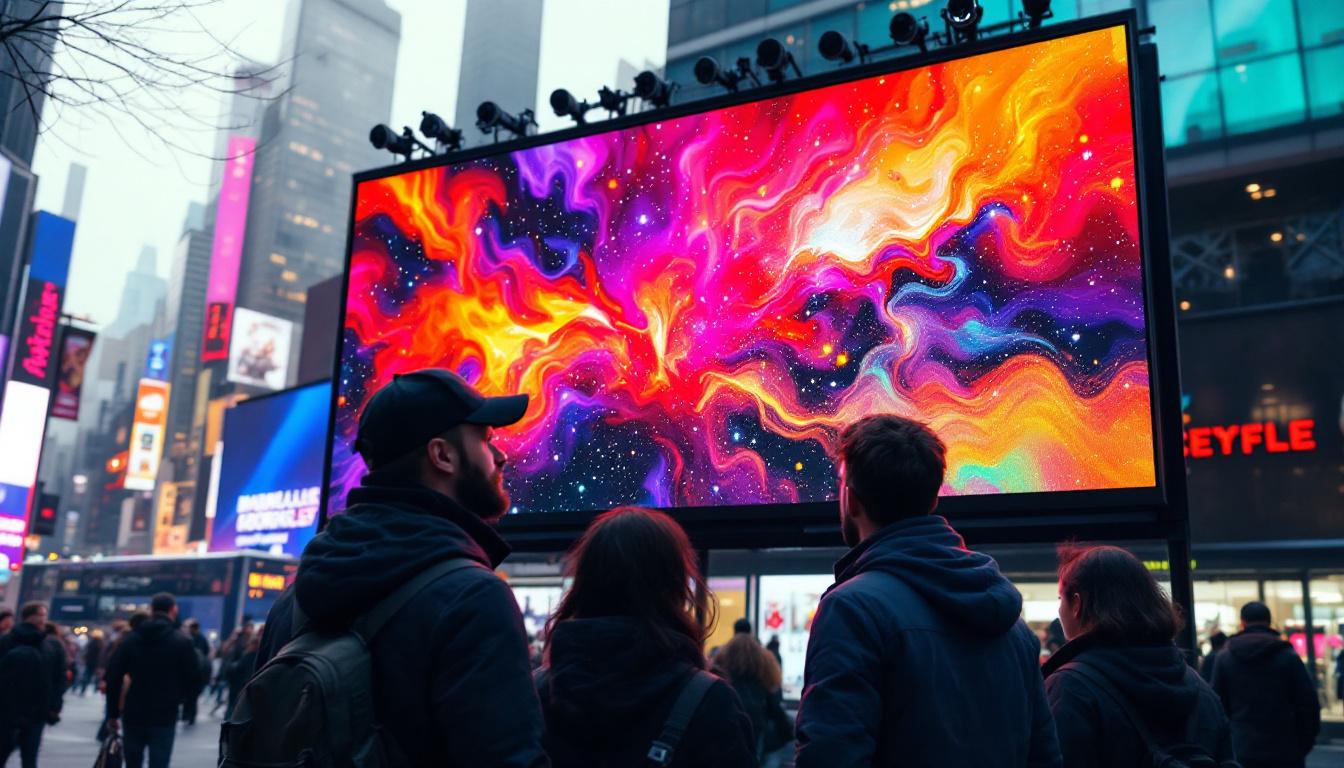
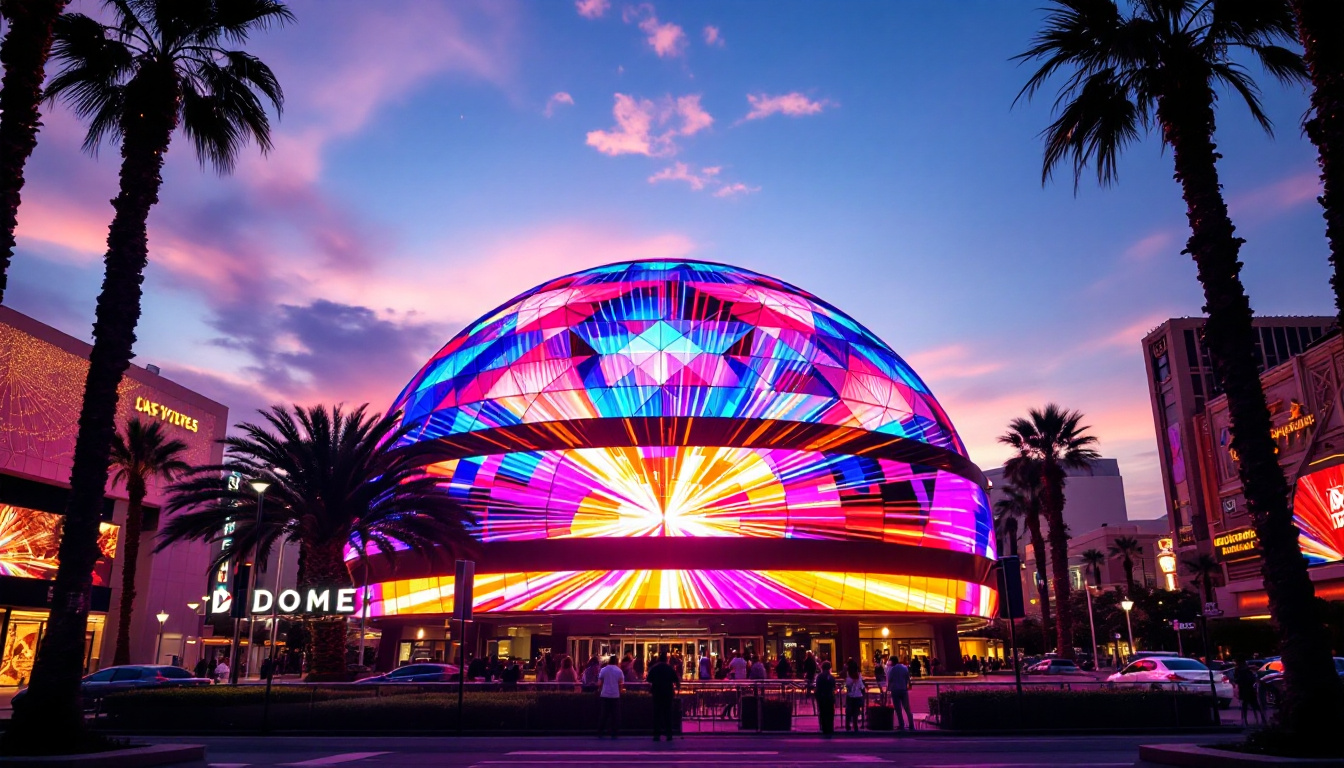
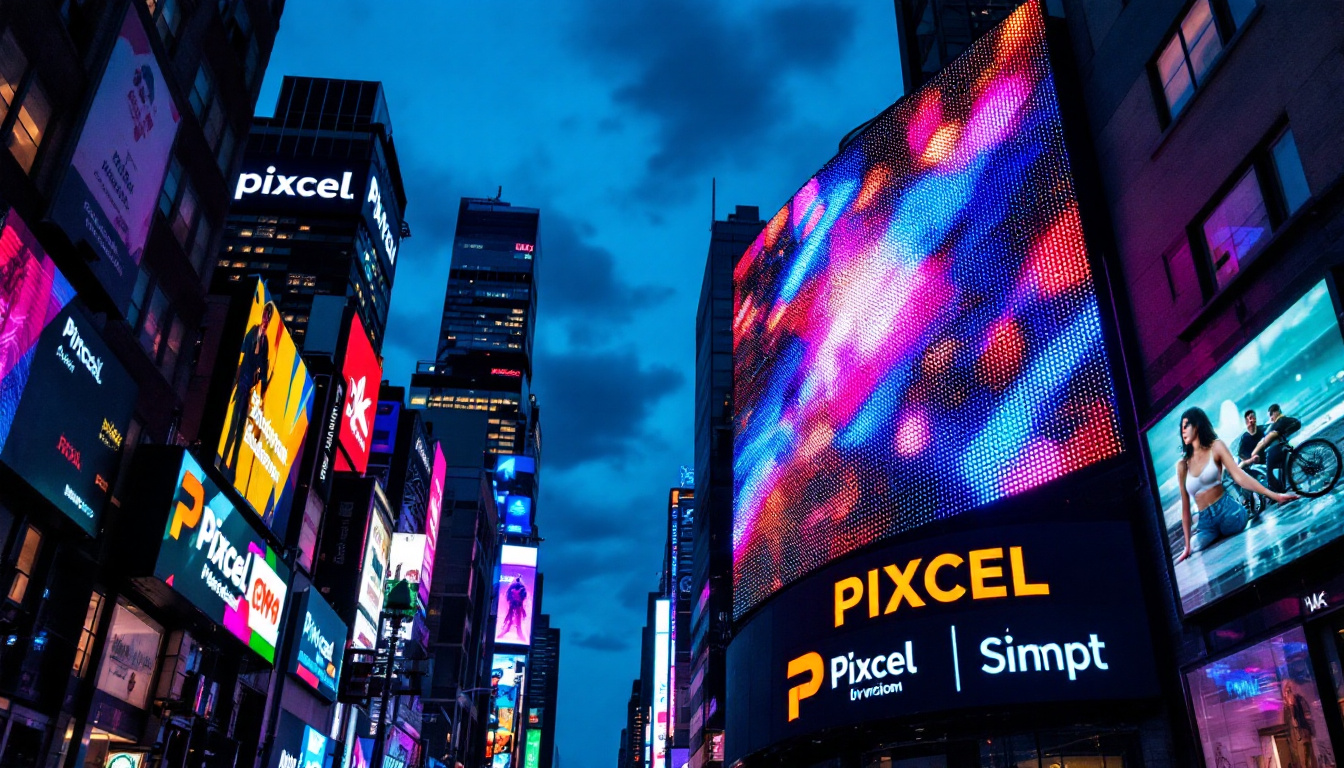
LED, or Light Emitting Diode, displays are screens that use an array of tiny light-emitting diodes to produce images and videos. Unlike traditional LCD or plasma screens, LED displays generate their own light, which results in brighter images, higher contrast ratios, and better energy efficiency. This self-illumination capability makes LED displays suitable for both indoor and outdoor environments, including direct sunlight conditions. The durability and resilience of LED technology also mean that these displays can withstand harsh weather, making them ideal for billboards and signage in bustling urban landscapes.
At the core, each LED pixel consists of one or more diodes that emit light when an electric current passes through them. By controlling the intensity and color of each diode, the display can render a full spectrum of colors and dynamic visuals. The modular nature of LED panels allows technicians to assemble large-scale displays of virtually any size and shape, making them highly versatile. This adaptability has led to innovative applications in various fields, from entertainment at concerts and sporting events to information dissemination in public spaces, where they can provide real-time updates and engage audiences effectively.
How Do LED Displays Work?
LED displays operate by controlling the electrical current to individual LEDs arranged in a grid. Each LED can emit red, green, or blue light, and by adjusting the brightness of these three primary colors, the display can produce millions of color combinations. This RGB color mixing is fundamental to the vivid and accurate color reproduction that LED displays are known for. The precision in color control not only enhances the viewing experience but also allows for the creation of stunning visual effects that can captivate audiences, making LED displays a popular choice for artistic installations and immersive environments.
The display controller processes incoming video signals and converts them into electrical signals that drive the LEDs. This process involves complex timing and synchronization to ensure smooth motion and image clarity. Modern LED displays also incorporate advanced technologies such as pulse-width modulation (PWM) to control brightness and reduce power consumption. Additionally, many LED displays now feature smart capabilities, allowing them to connect to the internet and integrate with various content management systems. This connectivity enables remote updates and real-time content changes, which is particularly beneficial for advertising and information boards that need to stay current with minimal effort.
Types of LED Displays and Their Applications
Indoor vs. Outdoor LED Displays
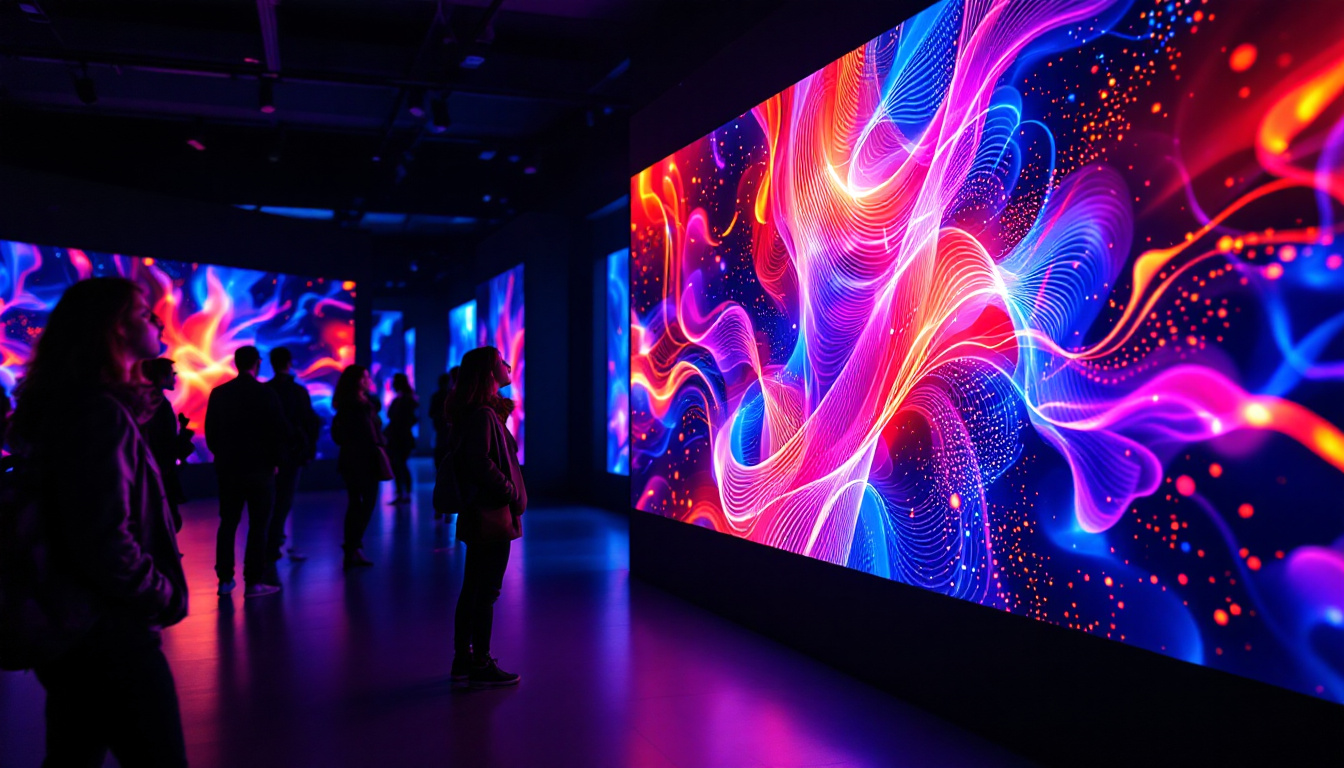
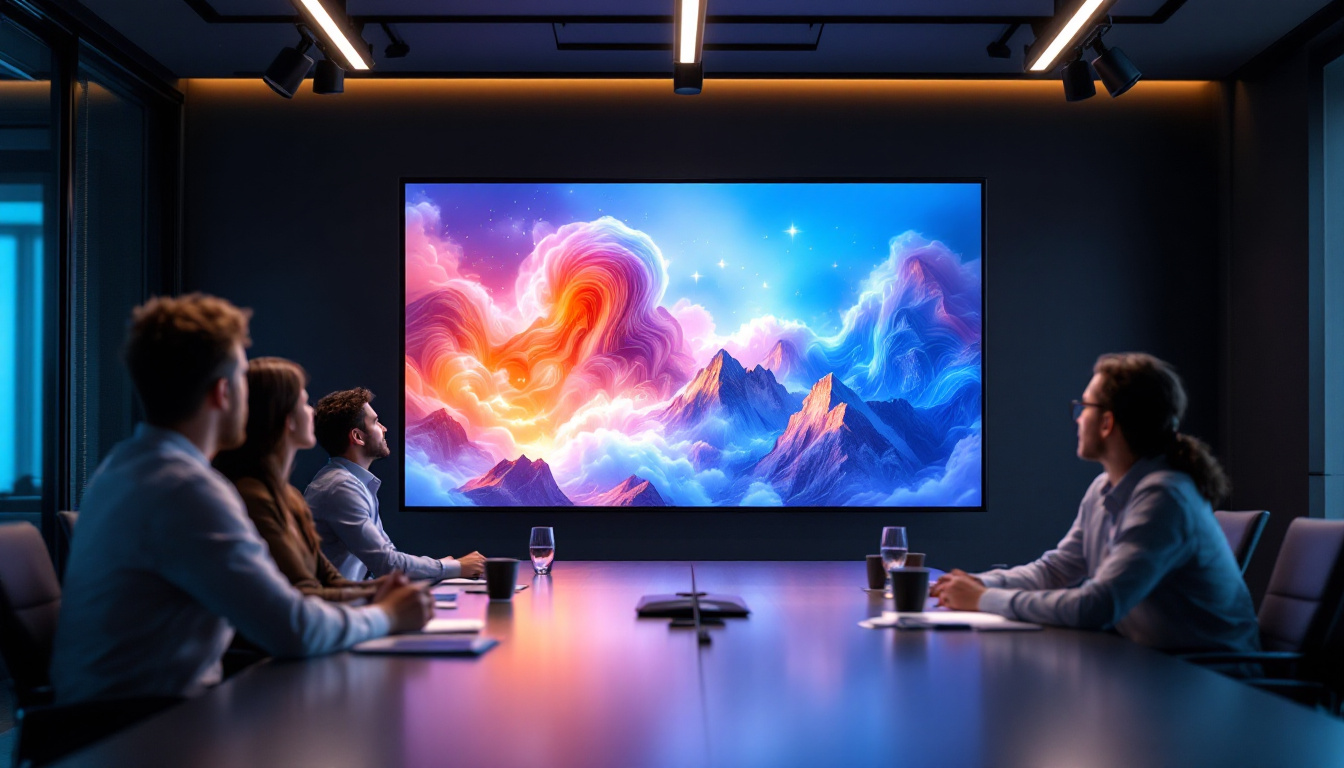
One of the primary distinctions in LED display technology is between indoor and outdoor displays. Indoor LED displays typically have a higher pixel density, meaning the LEDs are packed closer together, resulting in sharper images at close viewing distances. These displays are common in conference rooms, retail stores, and entertainment venues.
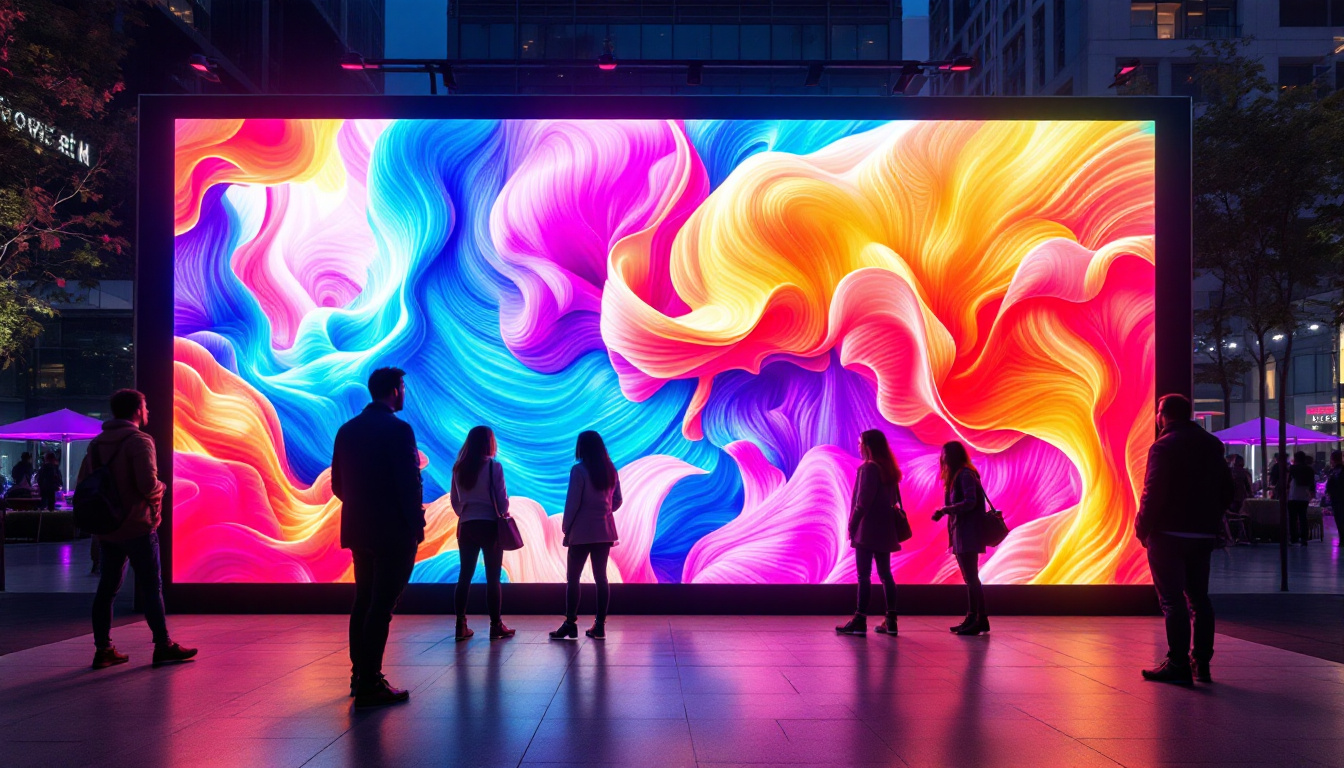
Outdoor LED displays, on the other hand, are designed to withstand harsh weather conditions and direct sunlight. They have a lower pixel density but compensate with higher brightness levels, often exceeding 5,000 nits, to remain visible even in bright daylight. These are widely used for billboards, stadium screens, and public information displays.
Fixed vs. Rental LED Displays
Fixed LED displays are permanently installed in a specific location. They are built for long-term use and often customized to fit architectural features or branding requirements. These displays require robust mounting systems and weatherproofing if placed outdoors.
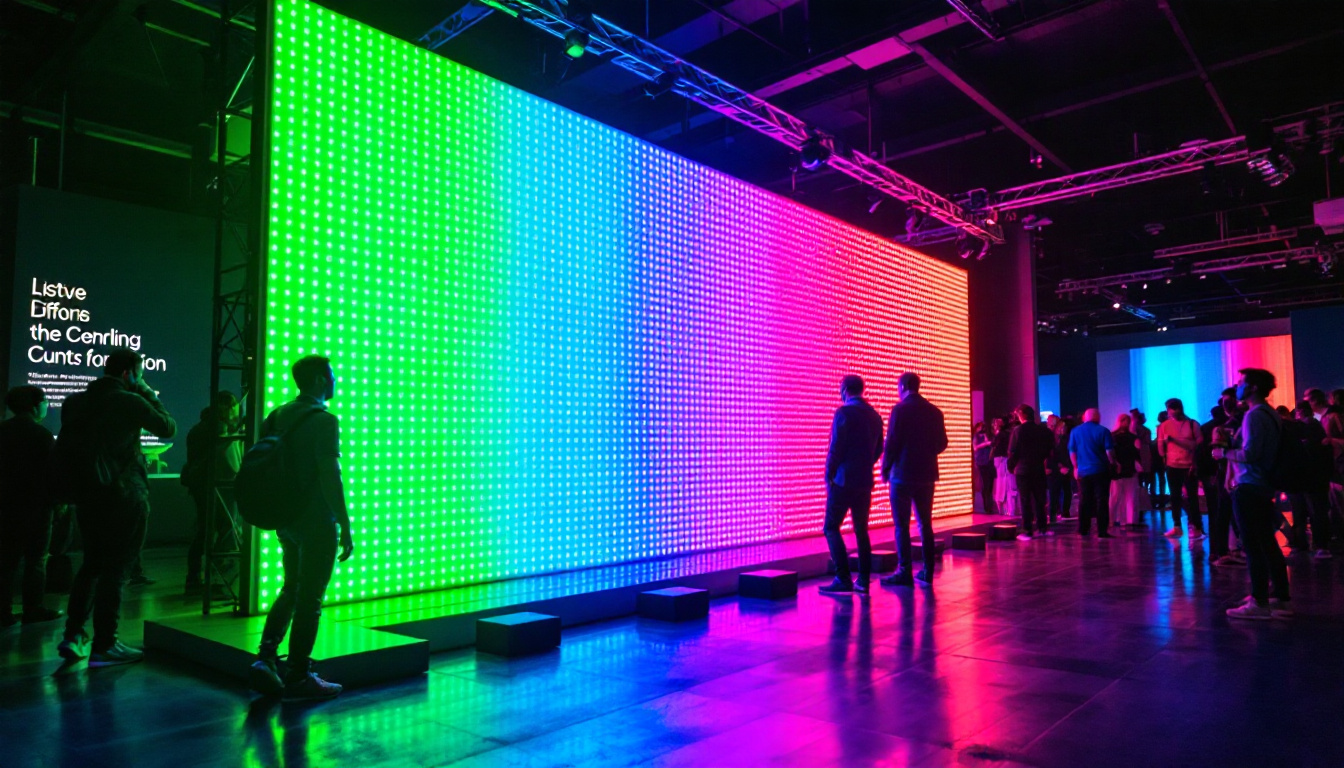
Rental LED displays are designed for temporary setups such as concerts, trade shows, and sporting events. They prioritize portability, quick assembly, and modularity. Rental displays often feature lightweight cabinets and quick-lock mechanisms to facilitate rapid deployment and teardown.
Transparent and Flexible LED Displays
Innovations in LED technology have led to the development of transparent LED displays, which allow light to pass through the screen. These are ideal for storefront windows and architectural applications where maintaining visibility is important. Transparent LED displays can achieve up to 70% transparency, blending digital content with the physical environment.
Flexible LED displays use bendable substrates, enabling curved or irregular screen shapes. This flexibility opens new creative possibilities for designers and advertisers, allowing LED screens to conform to unique surfaces and structures.
The Role of an LED Technician
Installation and Calibration
LED technicians play a crucial role in the installation and calibration of LED displays. Installation involves assembling the LED panels, securing them to the mounting structure, and connecting the power and data cables. Precision is vital to ensure seamless image continuity and structural safety.
Calibration is equally important. Technicians adjust color balance, brightness, and contrast to achieve uniformity across the entire display. This process often involves specialized software tools and measurement devices such as colorimeters. Proper calibration ensures that the display delivers consistent and vibrant visuals, enhancing viewer experience.
Maintenance and Troubleshooting
Regular maintenance is essential to prolong the lifespan of LED displays and prevent downtime. LED technicians conduct routine inspections to identify issues such as dead pixels, power supply failures, or connectivity problems. They also clean the panels to remove dust and debris that can affect performance.
When problems arise, troubleshooting skills are critical. Technicians use diagnostic tools to pinpoint faults, whether in the LED modules, control systems, or wiring. Quick and effective repairs minimize disruptions, especially for high-profile installations like sports arenas or advertising billboards.
Software and Firmware Management
Modern LED displays rely heavily on software for content management, signal processing, and system diagnostics. LED technicians must be proficient in operating control software to upload content, schedule playlists, and monitor system health remotely.
Firmware updates are also part of the technician’s responsibilities. These updates can improve performance, add new features, or fix security vulnerabilities. Staying current with software and firmware ensures the display operates smoothly and securely.
Key Considerations for LED Display Projects
Pixel Pitch and Resolution
Pixel pitch, the distance between the centers of two adjacent LEDs, directly affects the display’s resolution and viewing distance. Smaller pixel pitches yield higher resolution and are suitable for close-up viewing, while larger pixel pitches are cost-effective for large displays viewed from afar.
Choosing the right pixel pitch depends on the installation environment and intended audience. For example, a retail store display might use a 1.5mm pitch for crisp visuals at arm’s length, whereas a stadium screen might use a 10mm pitch optimized for visibility from hundreds of meters away.
Brightness and Contrast Ratio
Brightness is measured in nits and determines how well the display performs under various lighting conditions. Outdoor displays typically require higher brightness levels to combat sunlight glare, while indoor displays can operate at lower brightness to reduce eye strain and power consumption.
The contrast ratio, the difference between the darkest black and the brightest white the display can produce, influences image depth and clarity. High contrast ratios contribute to more vivid and engaging content.
Power Consumption and Heat Management
LED displays can consume significant power, especially large outdoor installations. Efficient power management reduces operational costs and environmental impact. Many modern LED modules incorporate energy-saving technologies such as dynamic brightness adjustment based on ambient light.
Heat generated by LEDs and power supplies must be effectively dissipated to prevent damage and maintain performance. LED technicians ensure proper ventilation and cooling systems are in place, particularly for enclosed or high-density displays.
Future Trends in LED Display Technology
Mini-LED and Micro-LED Innovations
Emerging technologies like Mini-LED and Micro-LED promise to revolutionize display quality. Mini-LED uses thousands of tiny LEDs as backlighting for LCD panels, enhancing contrast and brightness. Micro-LED takes this further by using microscopic LEDs as individual pixels, offering exceptional color accuracy, brightness, and energy efficiency without the limitations of organic materials found in OLEDs.
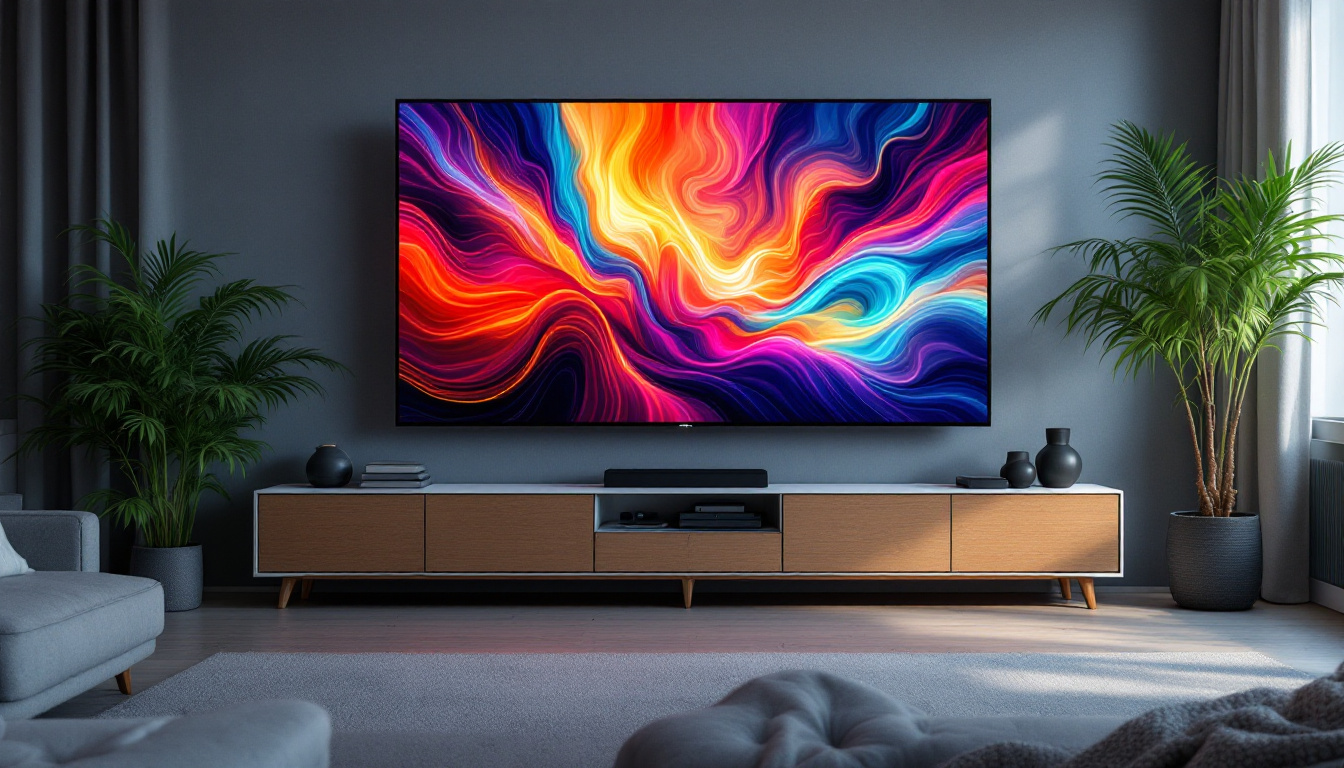
These advancements are gaining traction in premium televisions, smartphones, and high-end commercial displays, pushing the boundaries of what LED technology can achieve.
Integration with IoT and Smart Systems
LED displays are increasingly integrated with Internet of Things (IoT) platforms, enabling remote monitoring, predictive maintenance, and dynamic content updates based on real-time data. Smart LED displays can adjust brightness automatically, display targeted advertisements, or provide interactive experiences based on user engagement.
This connectivity enhances operational efficiency and opens new possibilities for advertisers and event organizers.
Sustainability and Eco-Friendly Designs
As environmental concerns grow, manufacturers and technicians are focusing on sustainable LED display solutions. This includes using recyclable materials, designing for easy disassembly and repair, and optimizing energy consumption.
LED technicians contribute to sustainability by implementing best practices in installation, maintenance, and end-of-life management, ensuring that LED displays have a minimal environmental footprint.
Conclusion
LED displays represent a dynamic and rapidly evolving technology that shapes how information and entertainment are delivered worldwide. For LED technicians, mastering the technical aspects of LED display systems—from installation and calibration to maintenance and software management—is critical to ensuring these vibrant screens perform at their best.
Understanding the different types of LED displays, their applications, and the latest technological trends equips technicians to meet the demands of diverse projects and deliver exceptional visual experiences. As LED technology continues to advance, the role of the LED technician will remain vital in bridging innovation with practical implementation.
Discover Cutting-Edge LED Display Solutions
Ready to elevate your visual experience with the latest in LED technology? Look no further than LumenMatrix, a pioneer in crafting immersive LED display modules tailored to your needs. Whether you’re seeking to enhance brand visibility with an Indoor LED Wall Display, captivate passersby with an Outdoor LED Wall Display, or innovate with Custom LED Display solutions, LumenMatrix has you covered. Embrace the future of visual communication and let your message shine with unparalleled clarity and impact. Check out LumenMatrix LED Display Solutions today and transform your space into a dynamic visual spectacle.