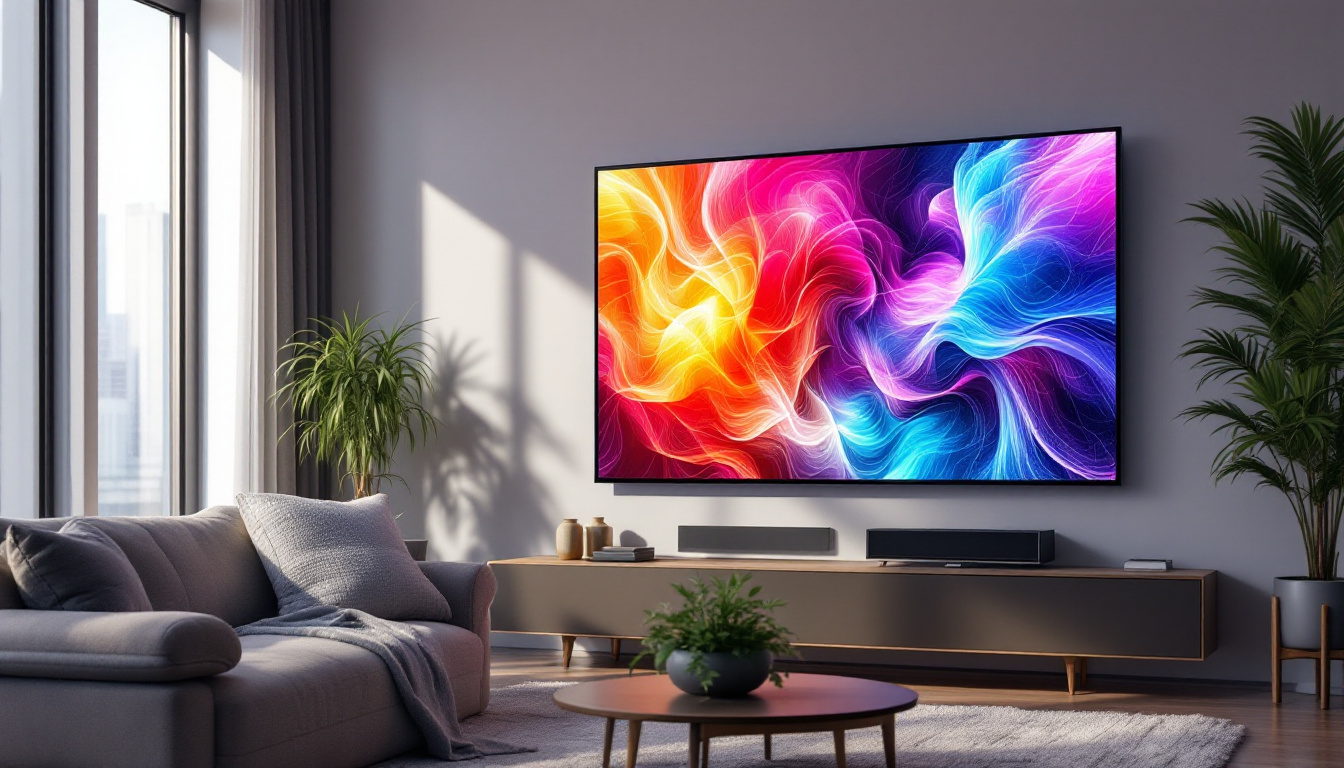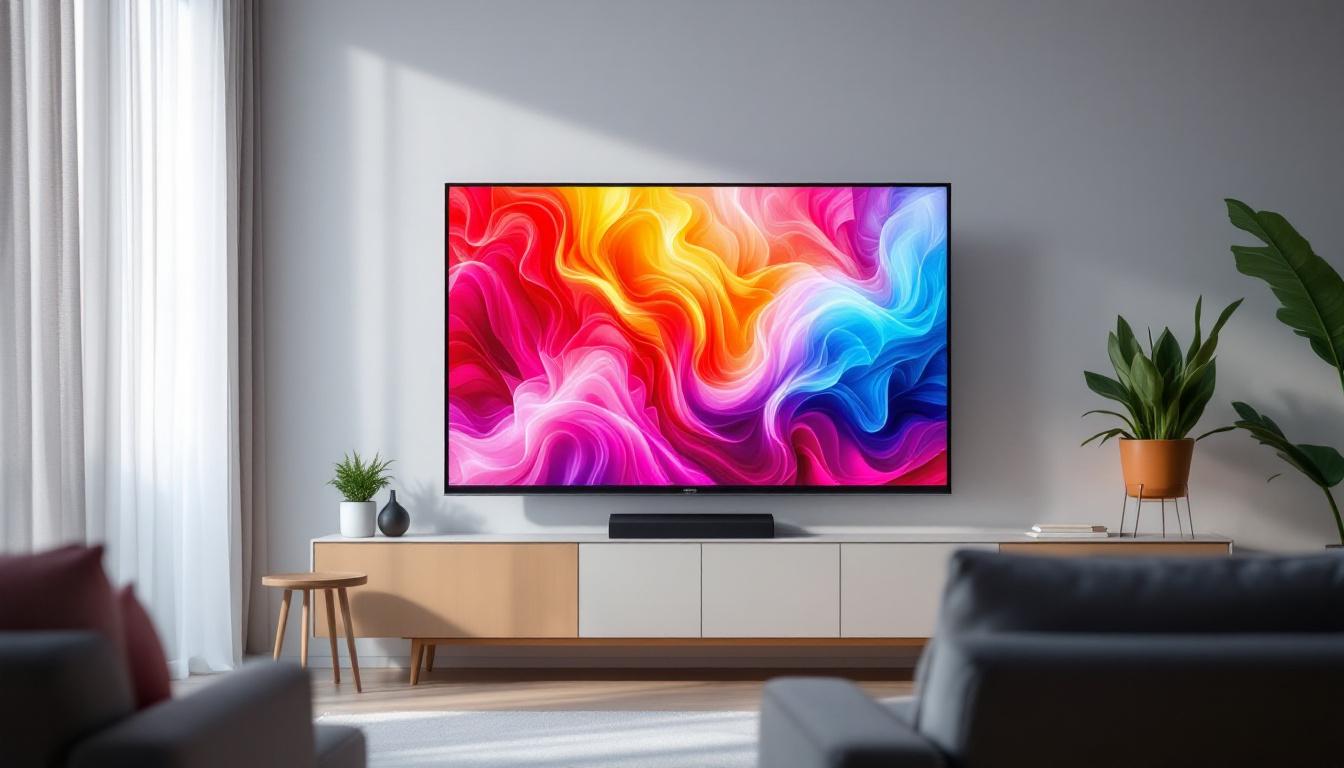
In today’s world of rapidly advancing television technology, terms like LED, LCD, OLED, and QLED are often used interchangeably, causing confusion among consumers. One of the most common questions is: What exactly is an LED LCD TV? This article aims to demystify this popular television technology, explaining what LED LCD TVs are, how they work, their advantages and disadvantages, and how they compare to other display technologies available in the market today.
Understanding the Basics: What Is an LED LCD TV?
At its core, an LED LCD TV is a type of television that uses Liquid Crystal Display (LCD) technology combined with Light Emitting Diode (LED) backlighting. Despite what the name might suggest, the screen itself is not made of LEDs; rather, LEDs are used as the source of backlight behind the LCD panel.
LCD technology relies on liquid crystals that do not emit light on their own. Instead, they manipulate light passing through them to create images. To illuminate these crystals, a backlight is necessary. Earlier LCD TVs used Cold Cathode Fluorescent Lamps (CCFLs) as backlights, but modern LCD TVs use LEDs because they are more energy-efficient, thinner, and provide better control over brightness and contrast.
How LED Backlighting Works
In an LED LCD TV, the LEDs are positioned either directly behind the LCD panel (full-array backlighting) or along the edges of the screen (edge-lit backlighting). The light emitted by the LEDs passes through the liquid crystal layer and color filters to produce the image you see on the screen.
The type and arrangement of LEDs significantly impact the picture quality. Full-array LED backlighting allows for local dimming, where specific zones of LEDs can be dimmed or brightened independently, enhancing contrast and black levels. Edge-lit LED TVs, while thinner and often more affordable, generally offer less precise control over local dimming.
Moreover, the advancements in LED technology have led to the development of various enhancements, such as Quantum Dot technology, which further improves color accuracy and vibrancy. This technology uses tiny semiconductor particles that emit specific colors when illuminated, resulting in a broader color spectrum and more lifelike images. As a result, viewers can enjoy a more immersive experience, especially when watching high-definition content or engaging in gaming.
Additionally, many LED LCD TVs now come equipped with smart features, allowing users to stream content directly from popular platforms like Netflix, Hulu, and YouTube without the need for external devices. This integration of smart technology not only enhances convenience but also opens up a world of entertainment options, making it easier than ever to access a variety of shows, movies, and online content all from the comfort of your living room.
The Evolution of LED LCD TVs: From CCFL to LED Backlighting
The transition from CCFL to LED backlighting marked a significant milestone in television technology. CCFL backlights, used in older LCD TVs, are fluorescent tubes that provide uniform lighting but have several drawbacks, including higher power consumption, bulkier design, and less precise brightness control.
LED backlighting, introduced in the late 2000s, revolutionized LCD TVs by enabling slimmer designs, improved energy efficiency, and better picture quality. According to a 2023 report by the Consumer Technology Association, over 90% of LCD TVs sold globally now use LED backlighting, underscoring its dominance in the market.
Key Benefits of LED Backlighting
- Energy Efficiency: LEDs consume significantly less power than CCFLs, which translates to lower electricity bills and a smaller environmental footprint.
- Thinner and Lighter Design: LED backlights allow manufacturers to produce ultra-thin TVs that are easier to mount on walls and fit into modern living spaces.
- Improved Brightness and Contrast: LEDs can achieve higher brightness levels and, with local dimming, better contrast ratios, resulting in more vibrant images.
- Longer Lifespan: LEDs generally last longer than CCFLs, reducing the need for repairs or replacements.
Types of LED Backlighting in LED LCD TVs
Not all LED LCD TVs are created equal. The way LEDs are arranged and controlled can vary, affecting picture quality and price. Understanding these differences can help consumers make informed choices.
Edge-Lit LED TVs
Edge-lit LED TVs place LEDs along the edges of the screen. Light is then diffused across the display using light guides. This design allows for very slim TV profiles and is generally more affordable. However, edge-lit TVs often struggle with uniform brightness and local dimming capabilities, which can lead to less impressive black levels and contrast.
Full-Array LED TVs
Full-array LED TVs have a grid of LEDs directly behind the LCD panel. This arrangement allows for more precise control of brightness across different parts of the screen through a feature called local dimming. By dimming LEDs in dark areas and brightening those in bright areas, full-array TVs deliver deeper blacks and better contrast, enhancing overall picture quality.
Mini-LED TVs: The Next Step
Mini-LED technology is an advancement of full-array LED backlighting, using thousands of tiny LEDs instead of hundreds. This allows for even more precise local dimming, improved contrast, and higher peak brightness. Mini-LED TVs are becoming increasingly popular in premium models, offering a viewing experience closer to OLED TVs but often at a lower cost.
Comparing LED LCD TVs to Other Display Technologies
To fully appreciate LED LCD TVs, it’s important to understand how they stack up against other popular display technologies, such as OLED and QLED.
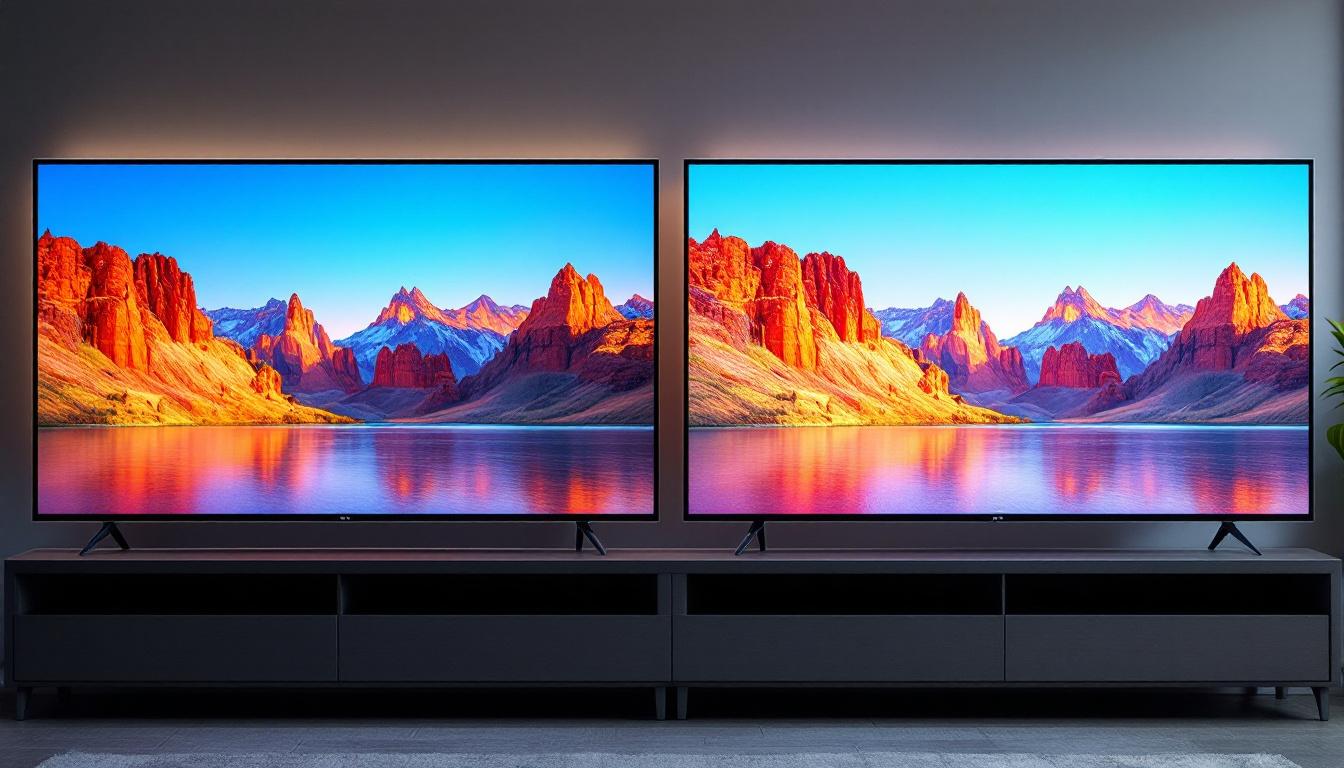
LED LCD vs. OLED
Organic Light Emitting Diode (OLED) TVs differ fundamentally from LED LCDs. OLED pixels emit their own light and can be turned off individually, resulting in perfect blacks and exceptional contrast. This self-emissive property gives OLED TVs superior picture quality, especially in dark scenes.
However, OLEDs tend to be more expensive and can suffer from burn-in issues over time, where static images leave a permanent mark on the screen. LED LCD TVs, especially those with full-array local dimming, have improved significantly and offer a more affordable alternative with excellent brightness and no burn-in risk.
LED LCD vs. QLED
QLED (Quantum Dot LED) TVs are essentially LED LCD TVs enhanced with a quantum dot layer that improves color accuracy and brightness. QLEDs often use full-array or mini-LED backlighting and can achieve higher peak brightness than standard LED LCDs, making them ideal for bright rooms.
While QLEDs provide vibrant colors and excellent brightness, they still rely on backlighting and cannot achieve the perfect blacks of OLED. Nevertheless, QLED TVs represent a strong middle ground between traditional LED LCDs and OLEDs in terms of price and performance.
Advantages and Limitations of LED LCD TVs
Advantages
- Wide Availability and Affordability: LED LCD TVs are widely available across all price ranges, making them accessible to most consumers.
- Bright and Vivid Images: With LED backlighting, these TVs can achieve high brightness levels suitable for well-lit rooms.
- Energy Efficiency: LED backlights consume less power compared to older technologies.
- Durability: LED LCD TVs typically have a long lifespan and are less susceptible to burn-in.
- Variety of Sizes and Features: From budget models to premium versions with advanced local dimming and HDR support, there’s an LED LCD TV for every need.
Limitations
- Black Levels and Contrast: Despite improvements, LED LCD TVs cannot match the perfect blacks of OLED due to the nature of backlighting.
- Viewing Angles: Colors and contrast may degrade when viewed from wide angles compared to OLED TVs.
- Uniformity Issues: Edge-lit models may suffer from uneven brightness or “clouding” effects.
- Motion Blur: Some LED LCD TVs may exhibit motion blur in fast-moving scenes, though this varies by model and refresh rate.
Choosing the Right LED LCD TV for Your Needs
When selecting an LED LCD TV, several factors should be considered to ensure the best viewing experience tailored to your environment and preferences.
Screen Size and Resolution
Screen size depends largely on your room size and viewing distance. For most living rooms, sizes between 50 to 65 inches are popular. Resolution is equally important; 4K Ultra HD has become the standard, offering four times the pixels of Full HD and sharper images.
Backlighting Type
Full-array LED TVs with local dimming generally provide better picture quality, especially in dark scenes, compared to edge-lit models. If budget allows, opting for full-array or mini-LED backlighting is recommended.
HDR Support
High Dynamic Range (HDR) enhances the contrast and color range of content. Look for TVs that support HDR10 or Dolby Vision to enjoy a more immersive viewing experience.
Smart Features and Connectivity
Modern LED LCD TVs come with built-in smart platforms that allow streaming from popular services like Netflix, Amazon Prime, and Disney+. Ensure the TV supports your preferred apps and has sufficient HDMI ports for external devices.
Conclusion: The Enduring Popularity of LED LCD TVs
LED LCD TVs remain the dominant technology in the television market due to their balance of affordability, picture quality, and energy efficiency. By combining LCD panels with LED backlighting, manufacturers have created TVs that are bright, thin, and capable of delivering vibrant images suitable for a variety of viewing environments.
While newer technologies like OLED and QLED offer specific advantages, LED LCD TVs continue to evolve, with innovations such as mini-LED backlighting narrowing the performance gap. For most consumers, an LED LCD TV offers excellent value and versatility, making it a reliable choice for home entertainment.
Understanding the technology behind LED LCD TVs empowers consumers to make informed decisions, ensuring their investment delivers the best possible viewing experience for years to come.
Discover the Future of Visual Experience with LumenMatrix
As you consider upgrading your home entertainment system, embrace the cutting-edge technology that LumenMatrix offers. Specializing in a wide array of LED display solutions, from Indoor and Outdoor LED Wall Displays to innovative LED Transparent Displays, LumenMatrix is at the forefront of enhancing visual communication. Whether you’re looking to create an immersive sports-watching experience or captivate passersby with high-impact advertising, LumenMatrix has the technology to bring your vision to life. Check out LumenMatrix LED Display Solutions today and step into a world where clarity, engagement, and dynamic visuals redefine what’s possible.