In the realm of modern technology, displaying vivid, high-resolution images has become a cornerstone of visual communication. Among the most captivating content categories are space images—those breathtaking snapshots of galaxies, nebulae, and celestial phenomena captured by advanced telescopes and satellites. When these awe-inspiring visuals are presented in 4K resolution on LED displays, the experience transcends ordinary viewing, offering unparalleled clarity and depth. This article explores how LED display technology brings cool space images to life in 4K, breaking down the science, technology, and applications behind this stunning visual fusion.
Understanding 4K Resolution and Its Impact on Space Imagery
What is 4K Resolution?
4K resolution refers to a display resolution of approximately 3840 x 2160 pixels, which is four times the pixel count of Full HD (1920 x 1080). This increase in pixel density results in sharper, more detailed images, making it ideal for showcasing intricate visuals such as space images. The higher pixel count means that viewers can appreciate finer details in celestial bodies, from the swirling arms of distant galaxies to the subtle color gradients in nebulae. The clarity offered by 4K resolution transforms the viewing experience, allowing for a more immersive journey through the cosmos.
Why 4K Matters for Space Images
Space photography often involves capturing minute details that are invisible to the naked eye. For example, the Hubble Space Telescope and the James Webb Space Telescope produce images with remarkable detail, revealing the structure of star clusters and the composition of planetary atmospheres. When these images are displayed in 4K, the enhanced resolution allows scientists, educators, and enthusiasts to explore these details without loss of clarity. This level of detail is crucial not only for aesthetic appreciation but also for scientific analysis, as subtle variations in color and brightness can indicate different physical properties and processes occurring in space.
Moreover, 4K displays support wider color gamuts and higher dynamic ranges, which are essential for rendering the vivid colors and contrasts found in space imagery. This capability brings out the true beauty of cosmic phenomena, from the fiery hues of star-forming regions to the deep blues of distant planets. The ability to see these colors accurately can enhance our understanding of the universe; for instance, the varying colors of stars can indicate their temperature and age, while the colors in nebulae can reveal the presence of different elements and compounds. As technology continues to advance, the combination of 4K resolution with sophisticated imaging techniques promises to unveil even more secrets of the universe, allowing us to witness the majesty of space like never before.
The Technology Behind LED Displays
What is an LED Display?
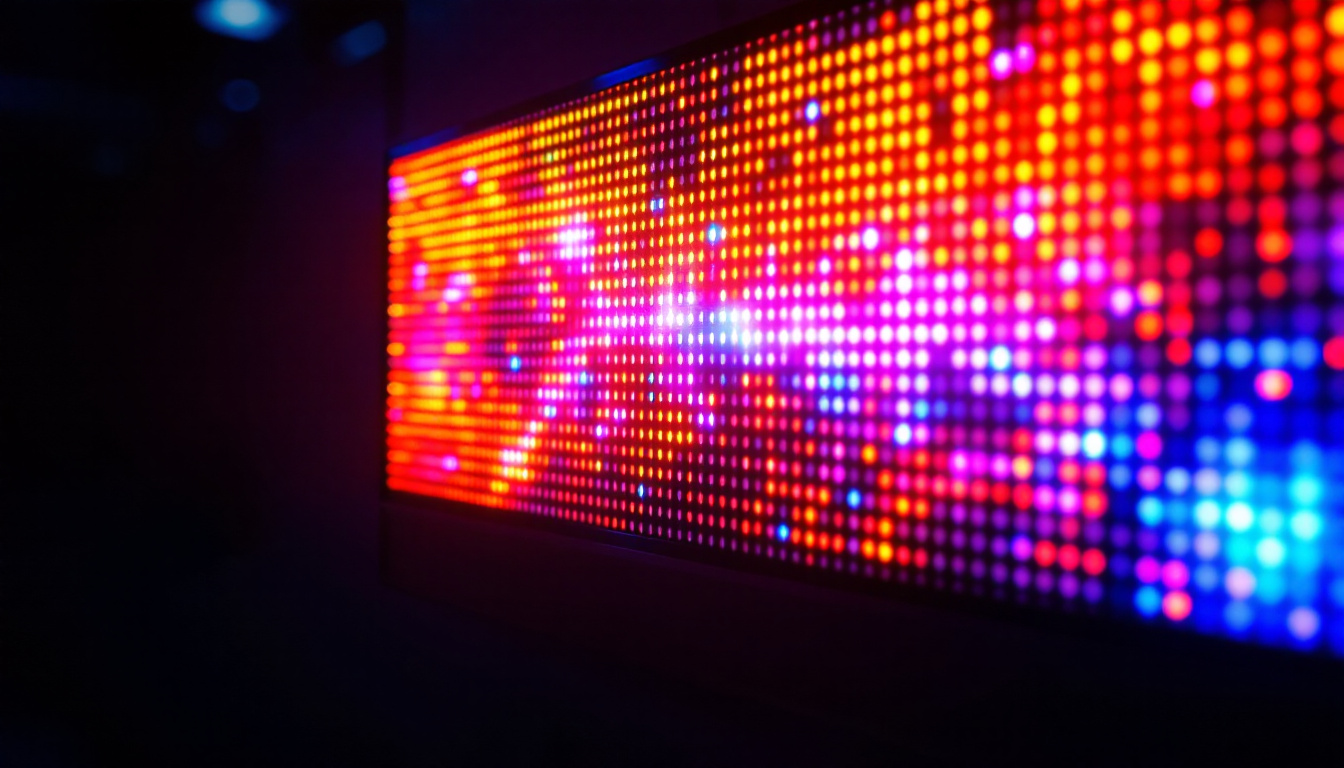
LED (Light Emitting Diode) displays are a type of flat-panel display technology that uses an array of light-emitting diodes as pixels to produce images. Unlike traditional LCDs, which rely on backlighting, LED displays can provide higher brightness, better contrast, and more vibrant colors. This makes them particularly well-suited for displaying high-resolution, colorful images such as those from space.
Types of LED Displays
There are several types of LED displays, each with unique characteristics:
- Direct View LED (DVLED): Uses individual LEDs as pixels, offering excellent brightness and contrast. Common in large-scale video walls and outdoor displays.
- Mini-LED: Employs thousands of tiny LEDs as a backlight for LCD panels, enabling improved local dimming and contrast.
- Micro-LED: An emerging technology featuring microscopic LEDs that function as individual pixels, promising superior brightness, efficiency, and lifespan.
For displaying 4K space images, high-end DVLED and Mini-LED panels are currently the most prevalent, offering the best balance of resolution, brightness, and color accuracy. These technologies not only enhance visual quality but also contribute to energy efficiency, making them a more sustainable choice for large installations.
How LED Displays Enhance Space Images
LED displays excel in rendering high dynamic range (HDR) content, which is crucial for space imagery. HDR allows for a broader range of luminance, making it possible to display both the faint glow of distant stars and the intense brightness of nearby suns simultaneously. This capability prevents the loss of detail in shadows and highlights, preserving the integrity of the image.
Additionally, LED displays can achieve high refresh rates and low latency, which are beneficial when space images are part of interactive exhibits or live feeds from space missions. The result is a smooth, immersive viewing experience that captivates audiences. Furthermore, the color accuracy of LED displays enhances the representation of celestial bodies, allowing viewers to appreciate the true hues of planets, nebulae, and galaxies as they appear in the cosmos.
Moreover, the versatility of LED technology means that these displays can be configured in various shapes and sizes, making them ideal for planetariums, museums, and educational institutions. Curved and flexible LED screens can create a more engaging environment, enveloping viewers in a 360-degree experience of the universe. This innovative approach not only educates but also inspires a sense of wonder about the vastness of space, encouraging deeper exploration and curiosity about the cosmos.
Sources of Cool Space Images in 4K
NASA and Other Space Agencies
NASA has been at the forefront of capturing and distributing stunning space images. Their archives include 4K-ready content from missions such as the Hubble Space Telescope, Mars rovers, and the James Webb Space Telescope. These images are often processed and enhanced to highlight scientific data while maintaining visual appeal. The breathtaking views of distant galaxies, nebulae, and the intricate details of planetary surfaces are not only a feast for the eyes but also serve as vital tools for researchers studying the universe. NASA’s commitment to public outreach ensures that these images are widely accessible, allowing anyone with an internet connection to explore the cosmos from the comfort of their home.
Other space agencies like the European Space Agency (ESA), Japan Aerospace Exploration Agency (JAXA), and the Indian Space Research Organisation (ISRO) also contribute high-quality space imagery. Collaborative projects often result in composite images that combine data from multiple instruments, offering a richer visual narrative. For instance, the collaboration between NASA and ESA on the Solar and Heliospheric Observatory (SOHO) has produced stunning images of solar phenomena, including solar flares and coronal mass ejections, which are crucial for understanding solar activity and its effects on Earth.
Amateur Astronomy and Citizen Science
Advancements in consumer-grade telescopes and imaging technology have empowered amateur astronomers to capture impressive space images. Many enthusiasts share their work online, some in 4K resolution, showcasing phenomena such as lunar eclipses, planetary transits, and deep-sky objects. These contributions enrich the visual tapestry of space imagery and often complement professional data. Platforms like social media and dedicated astronomy forums have become vibrant communities where amateur astronomers can exchange tips, techniques, and results, fostering a spirit of collaboration and learning.
Citizen science projects, such as Galaxy Zoo, invite the public to help classify galaxies and other celestial objects using images captured by telescopes. This not only democratizes the scientific process but also allows amateur astronomers to feel connected to real research efforts. The thrill of discovering new celestial phenomena or contributing to significant scientific findings adds an exciting layer to the hobby, inspiring many to delve deeper into the mysteries of the universe.
Commercial Space Companies
Private companies involved in space exploration, such as SpaceX and Blue Origin, have begun releasing high-resolution images and videos from their missions. These visuals not only serve promotional purposes but also provide the public with unprecedented views of space activities, often in ultra-high definition. The stunning imagery from SpaceX’s Crew Dragon missions, for example, captures the awe-inspiring sight of astronauts launching into orbit, as well as breathtaking views of Earth from space. Such visuals help demystify space travel and inspire a new generation of space enthusiasts.
Moreover, commercial ventures like Planet Labs are revolutionizing Earth observation by deploying fleets of small satellites that capture high-resolution images of the planet daily. These images are not only useful for environmental monitoring and disaster response but also offer a unique perspective on our planet’s dynamic changes. As these companies continue to innovate and push the boundaries of space exploration, the availability of high-quality imagery will only expand, providing even more opportunities for public engagement and scientific discovery.
Applications of 4K LED Displays for Space Imagery
Educational Institutions and Museums
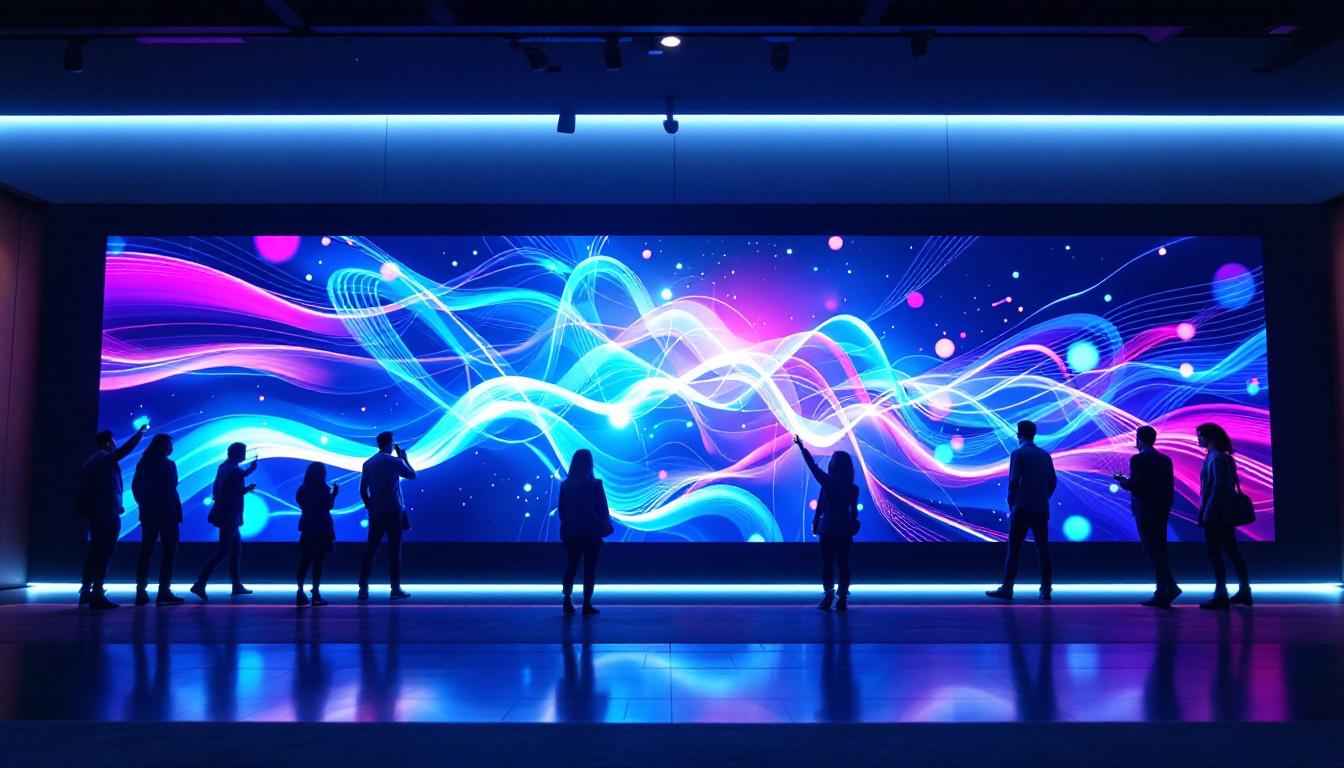
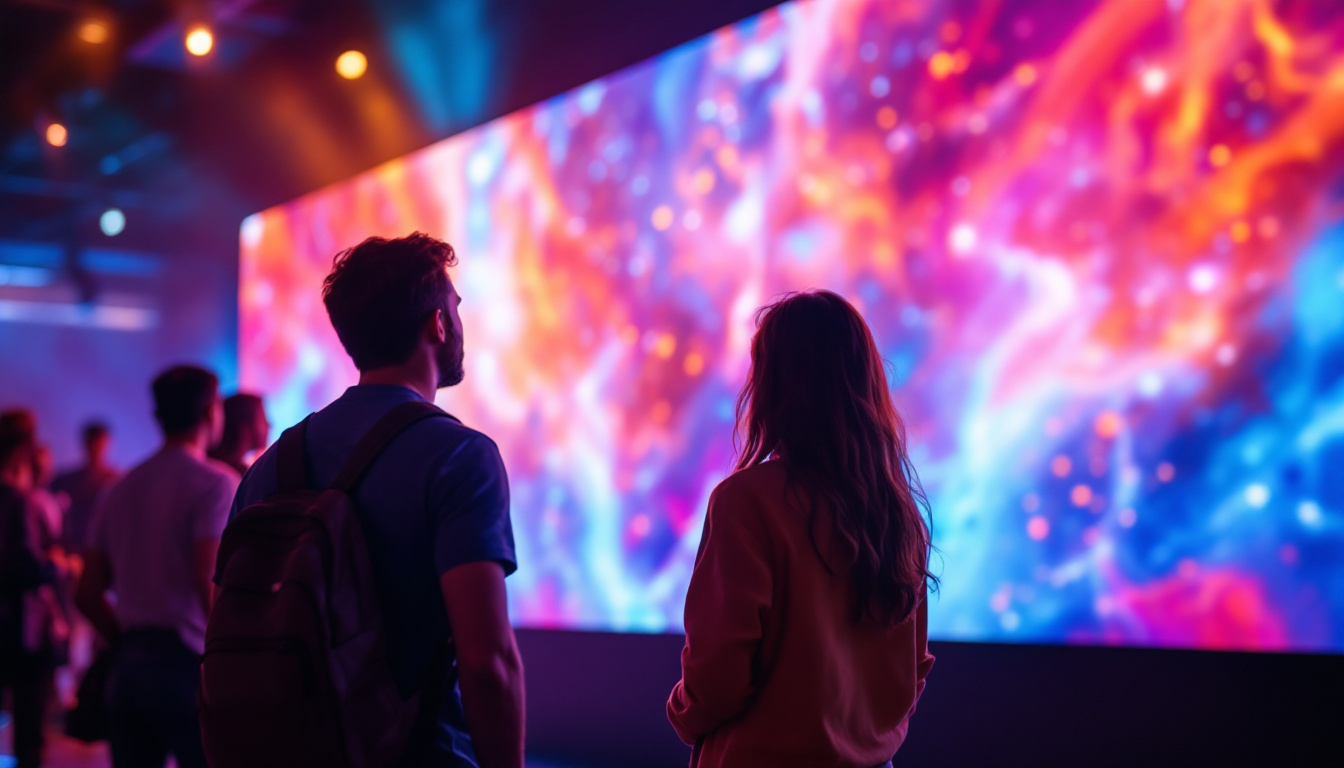
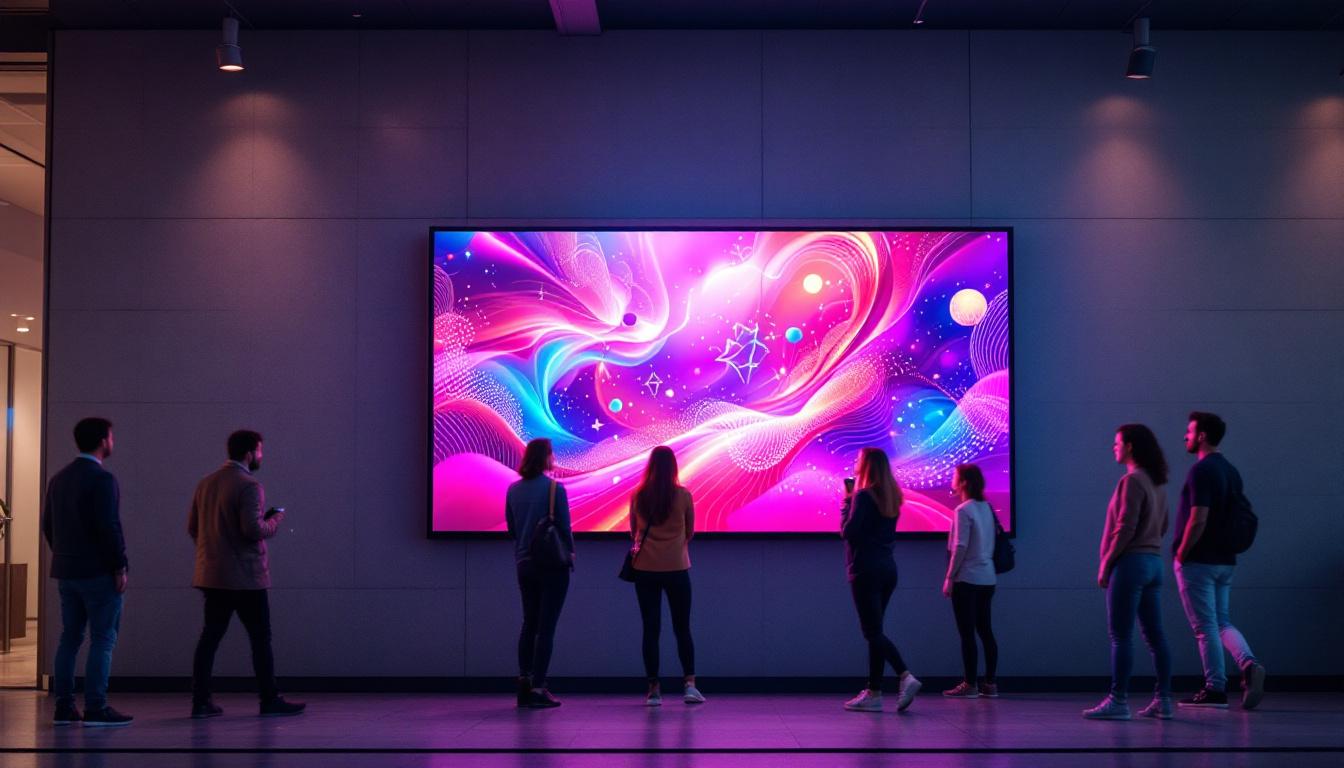
Universities, planetariums, and science museums utilize 4K LED displays to create immersive learning environments. By showcasing detailed space images, educators can engage students and visitors more effectively, fostering curiosity and understanding of astrophysics and cosmology.
Interactive exhibits often combine 4K visuals with augmented reality (AR) or virtual reality (VR) technologies, allowing users to explore space phenomena in three dimensions. LED displays serve as the foundation for these experiences, delivering crisp visuals that enhance realism.
Broadcasting and Media
Television networks and streaming platforms use 4K LED displays for producing and broadcasting space-related documentaries and live events, such as rocket launches and astronomical phenomena. The clarity and color fidelity of LED screens ensure that viewers receive an immersive and visually rich experience.
Corporate and Public Installations
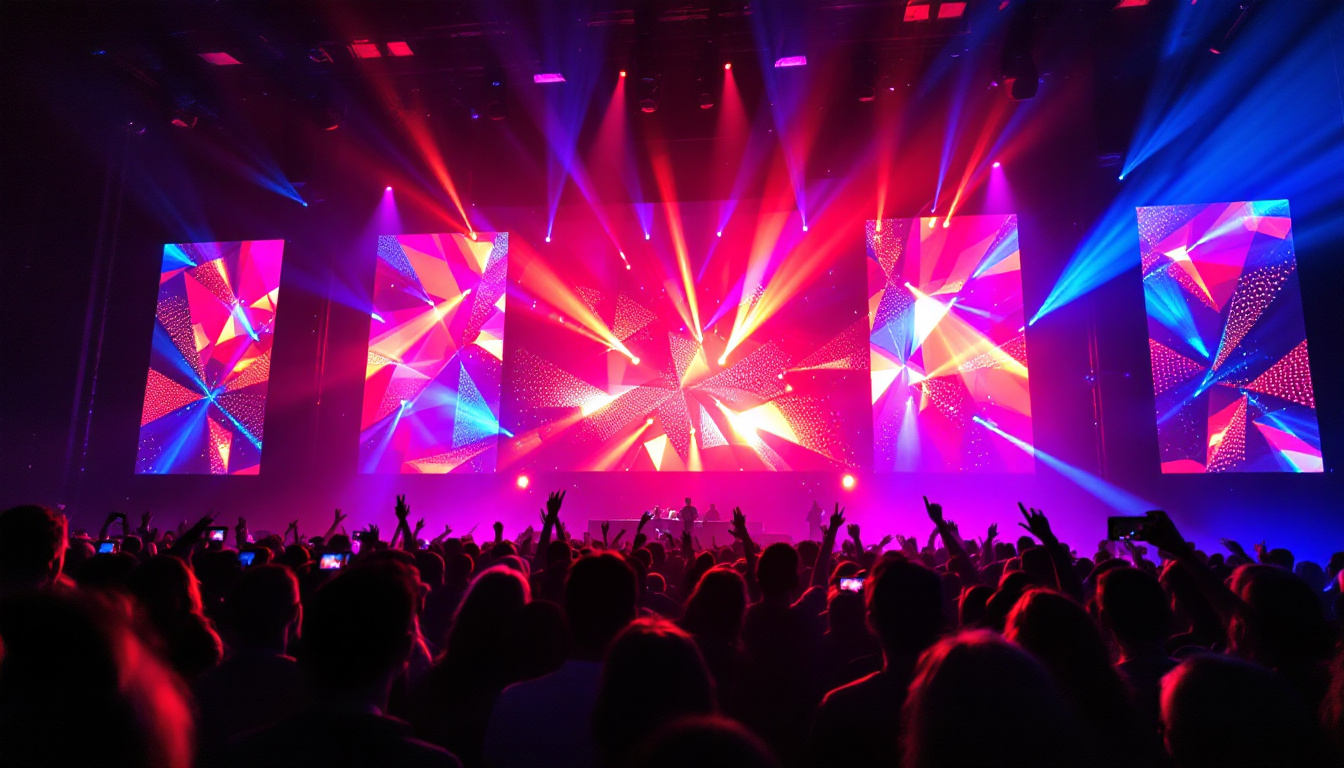
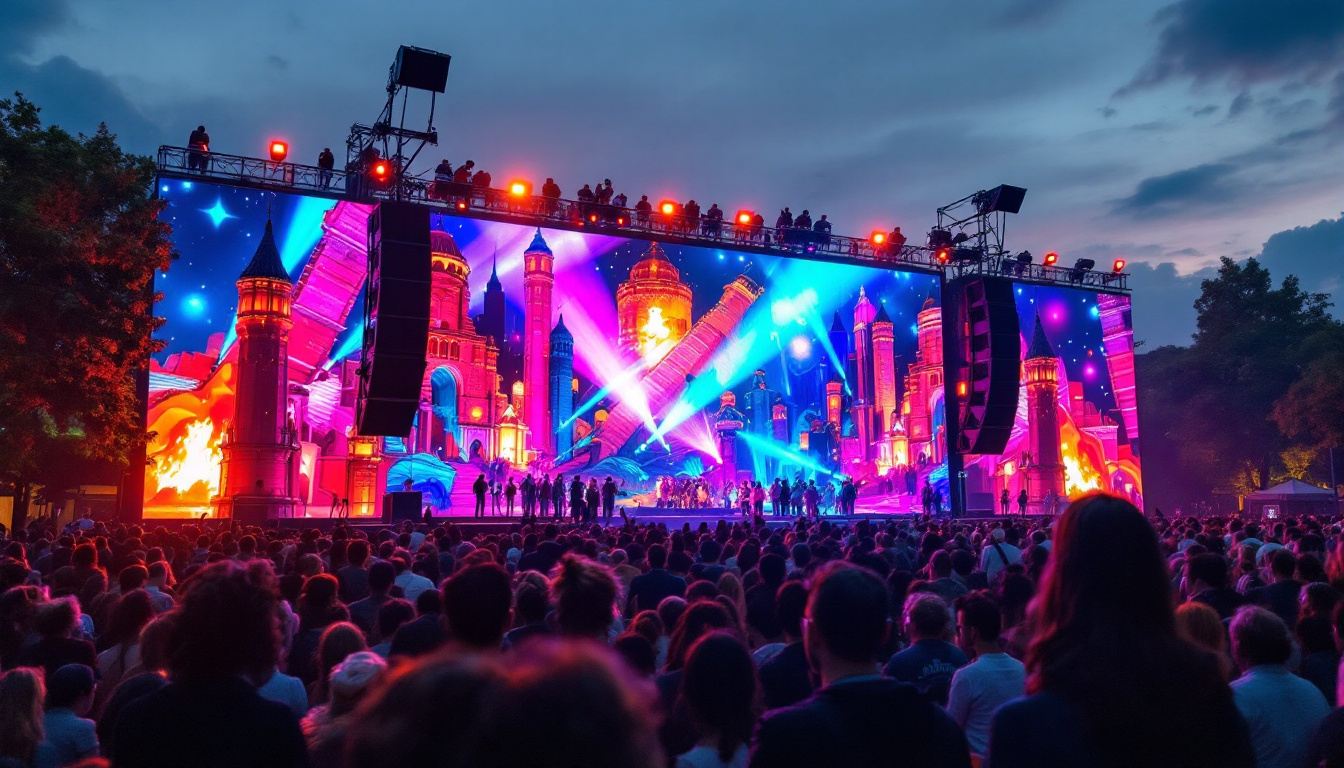
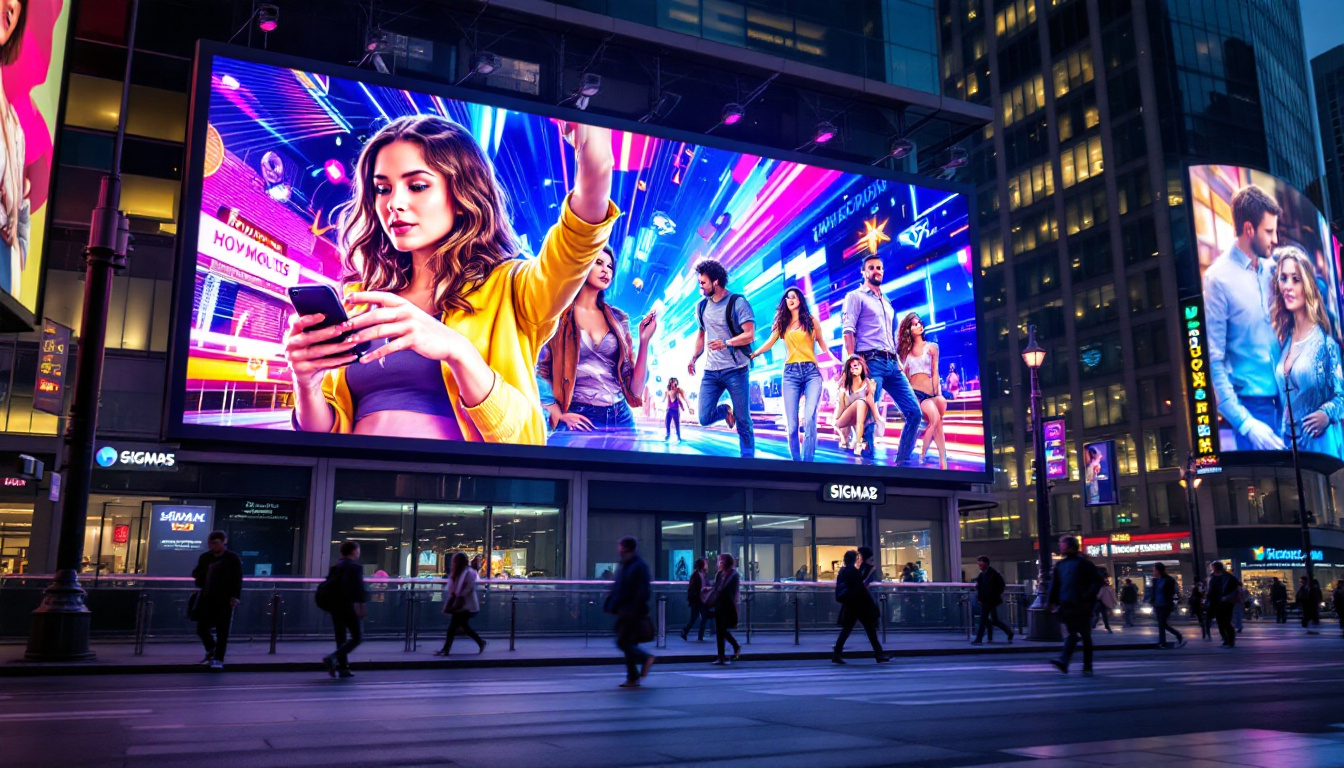
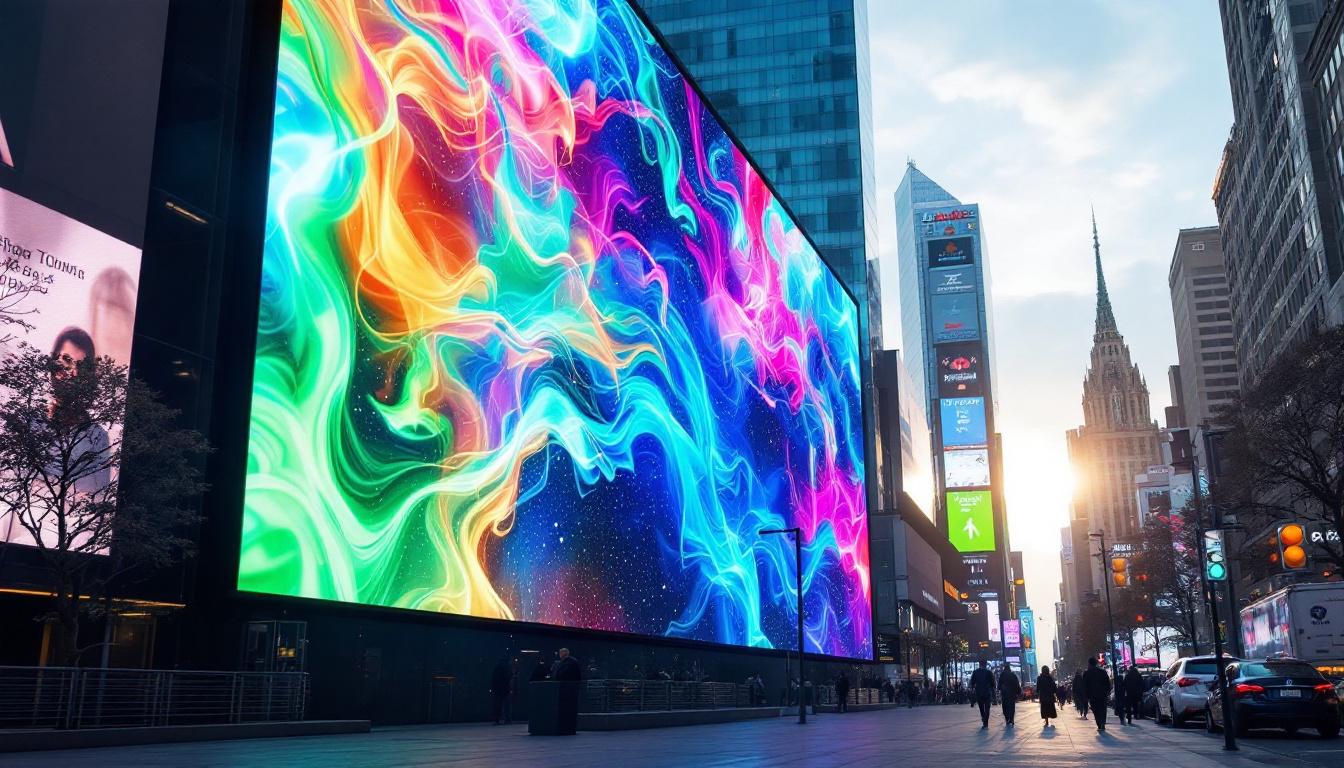
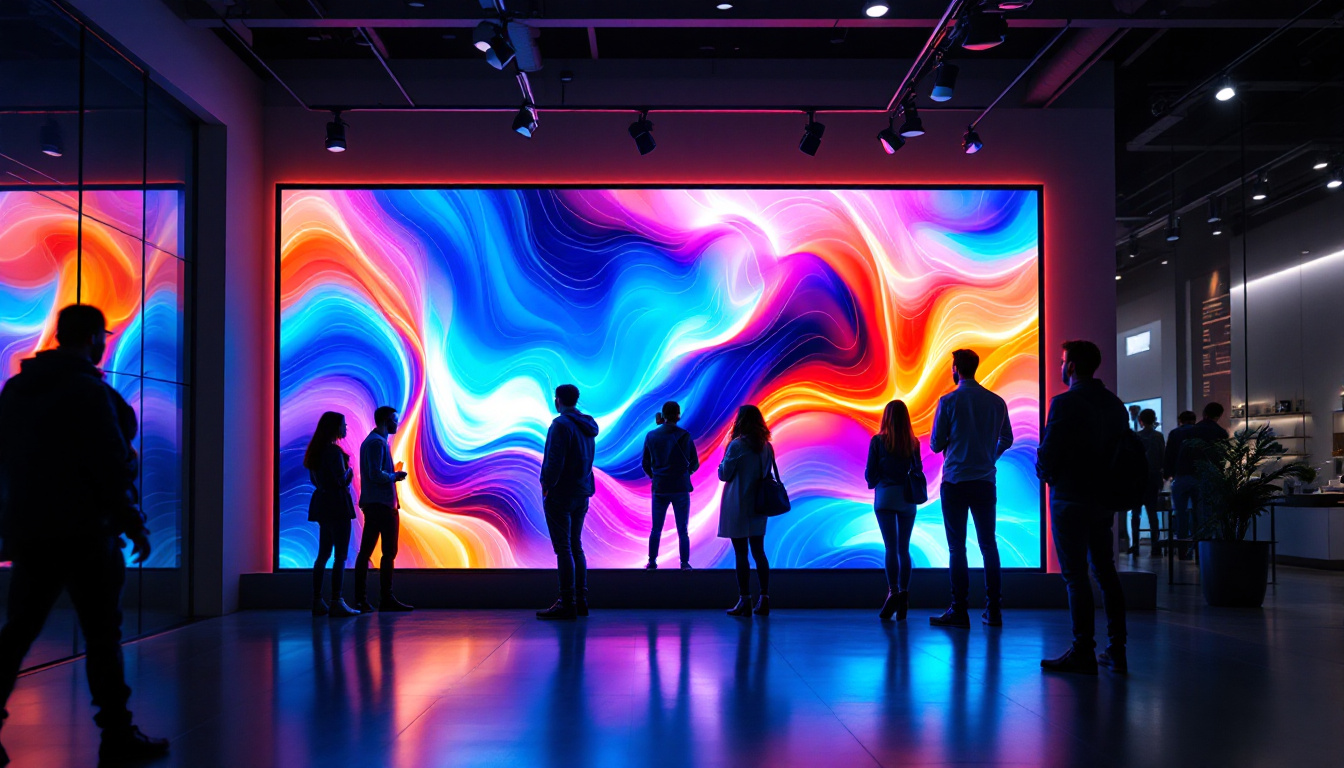
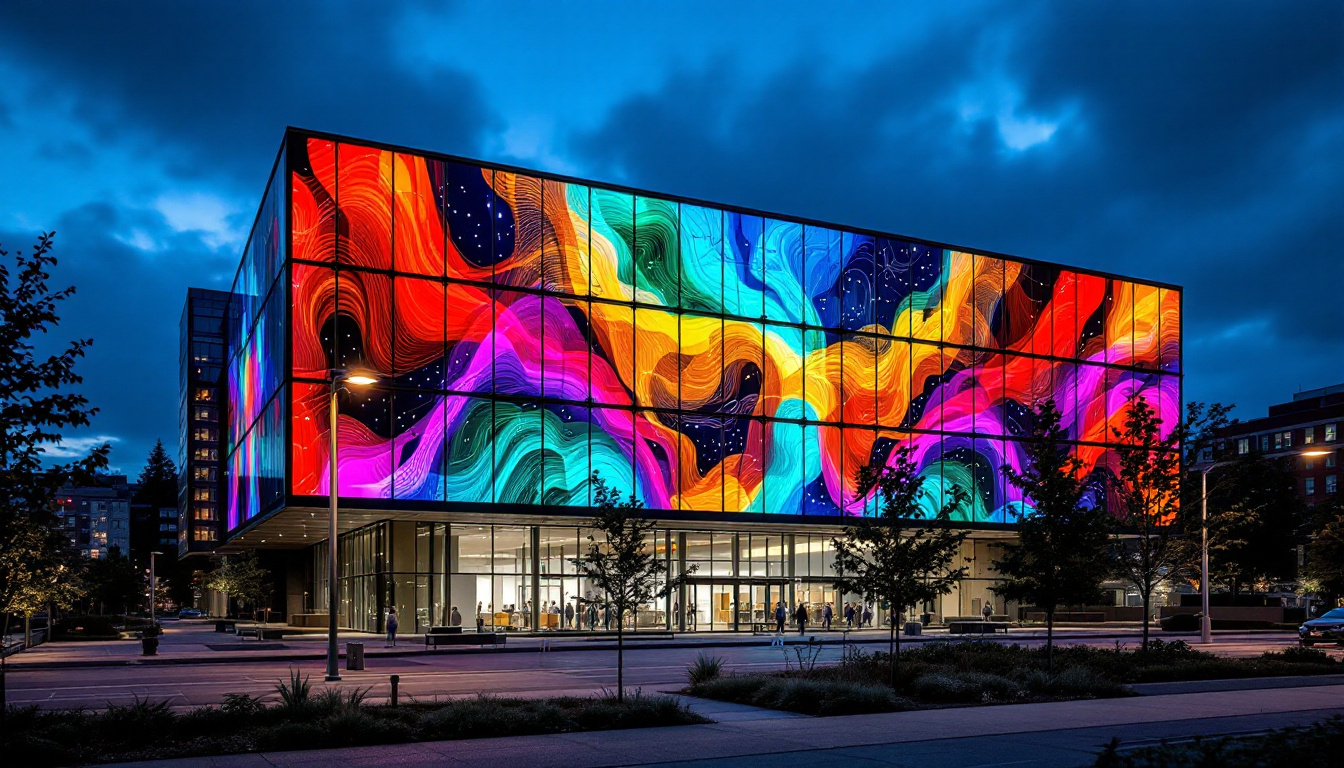
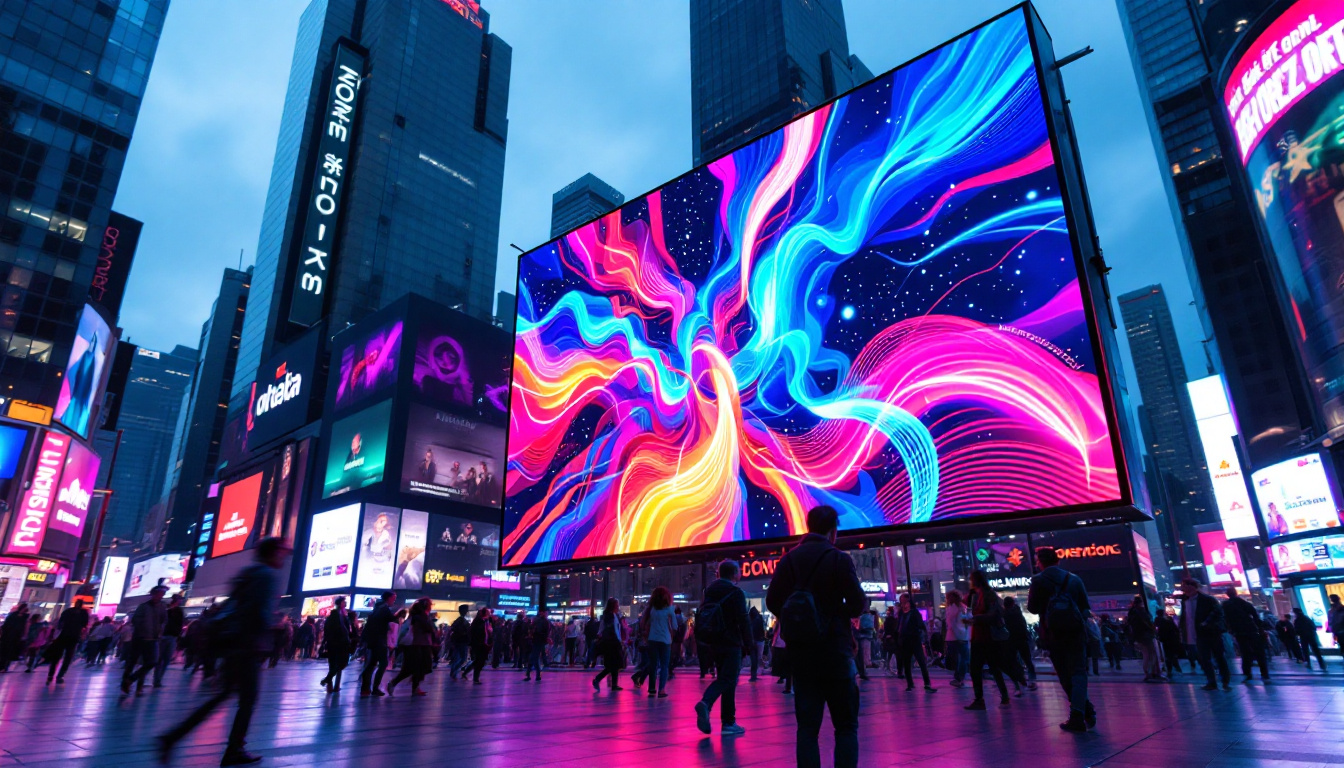
Large-scale LED video walls featuring 4K space imagery are increasingly common in corporate lobbies, public squares, and events. These displays serve multiple purposes: inspiring awe, promoting scientific literacy, and enhancing brand identity through association with cutting-edge technology and exploration.
Challenges and Future Trends in 4K LED Space Displays
Technical Challenges
Displaying 4K space images on LED screens requires significant processing power and bandwidth, especially for real-time or interactive content. Managing heat dissipation and power consumption in large LED panels also presents engineering challenges.
Color accuracy and calibration remain critical to ensure that the displayed images faithfully represent the original data. Variations in LED manufacturing and aging can affect color consistency over time, necessitating regular maintenance and calibration.
Emerging Technologies
Micro-LED technology promises to revolutionize 4K and even 8K displays by offering higher brightness, better energy efficiency, and longer lifespans compared to current LED technologies. As production costs decrease, micro-LEDs could become the standard for displaying ultra-high-definition space imagery.
Advances in AI-driven image processing are also enhancing the quality of space images. Techniques such as super-resolution and noise reduction allow for clearer, more detailed visuals, which can be displayed on LED screens with greater fidelity.
Expanding Accessibility
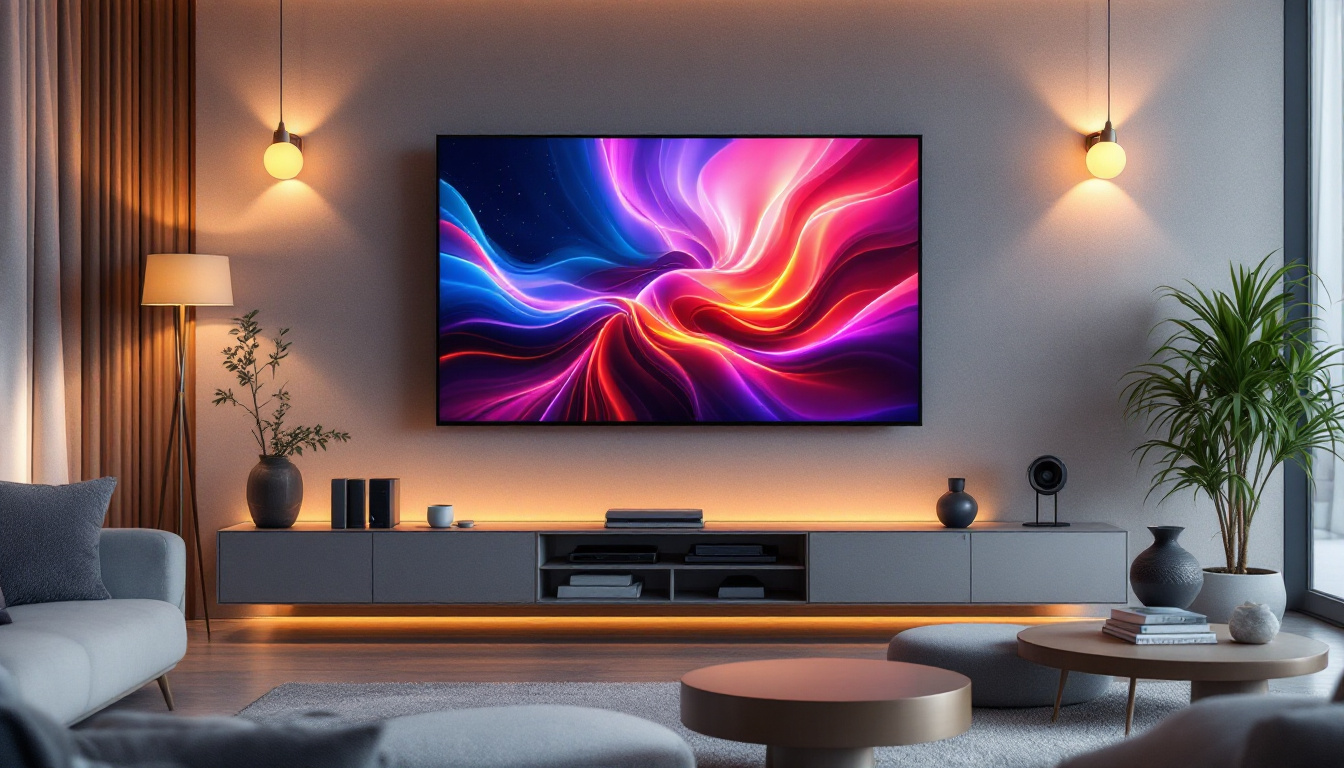
As 4K LED displays become more affordable, access to high-quality space imagery will expand beyond specialized institutions to homes and classrooms worldwide. This democratization of space visuals supports STEM education and inspires the next generation of scientists and explorers.
Conclusion
Cool space images in 4K resolution displayed on LED screens represent a remarkable convergence of science, technology, and art. The clarity, color accuracy, and dynamic range offered by LED displays bring the wonders of the universe closer to viewers than ever before. Whether in educational settings, media productions, or public installations, these technologies enhance our understanding and appreciation of the cosmos.
As LED display technology continues to evolve, and as more high-resolution space images become available, the visual experience of exploring the universe will only grow richer and more immersive. For anyone fascinated by the stars, planets, and galaxies, the marriage of 4K space imagery and LED displays offers a window to the infinite.
Explore the Universe with LumenMatrix LED Displays
Ready to bring the cosmos into your space with unparalleled clarity and vibrancy? Discover LumenMatrix’s innovative LED display solutions, where cutting-edge technology meets visual artistry. From Indoor and Outdoor LED Wall Displays to specialized solutions like Vehicle and Sports Displays, LumenMatrix offers a spectrum of options to illuminate your brand and captivate your audience. Embrace the future of visual communication and create immersive experiences that resonate. Check out LumenMatrix LED Display Solutions today and transform the way you share your message with the world.