In the rapidly evolving world of digital displays, LED TV walls have become a cornerstone technology for delivering vivid, large-scale visuals in various environments—from corporate lobbies and control rooms to stadiums and retail spaces. Understanding what makes LED TV walls unique, how they function, and why they are preferred over other display technologies is essential for businesses and individuals looking to invest in impactful visual solutions.
What Is a TV Wall?
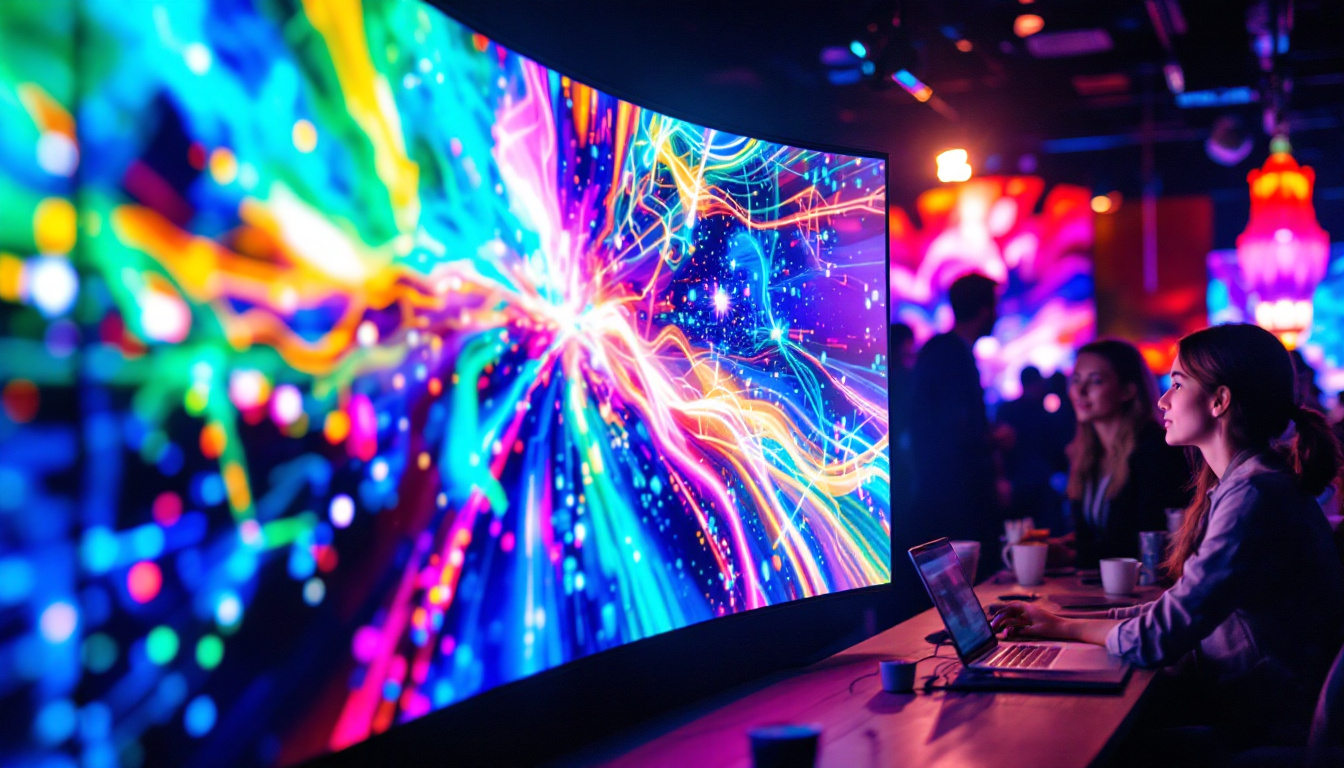
A TV wall, often referred to as a video wall, is a large display surface made up of multiple smaller screens or panels tiled together to form one continuous, expansive screen. This configuration allows for the presentation of images, videos, or data on a much larger scale than a single screen could provide.
Historically, TV walls were constructed using LCD or plasma screens, but modern installations predominantly use LED technology due to its superior brightness, color accuracy, and scalability. LED TV walls are especially favored in environments requiring high visibility and dynamic content, such as broadcast studios, sports arenas, and command centers.
Key Components of a TV Wall
The fundamental components of a TV wall include the display panels, the mounting structure, and the video processing hardware. Each panel contains an array of LEDs (Light Emitting Diodes) that illuminate to create images. These panels are carefully aligned to minimize the bezels (the borders around each screen), creating a seamless viewing experience.
Video processors and controllers manage the input signals, ensuring that content is distributed correctly across the multiple screens. Advanced software can also enable content to span across the entire wall or be divided into sections displaying different information simultaneously.
In addition to the core components, the installation of a TV wall often involves a robust infrastructure to support its operation. This includes proper cooling systems to prevent overheating, especially in high-usage environments, as well as cable management solutions to keep the setup tidy and organized. Furthermore, many installations incorporate redundancy measures to ensure that if one panel fails, the overall display remains functional, maintaining the integrity of the visual presentation.
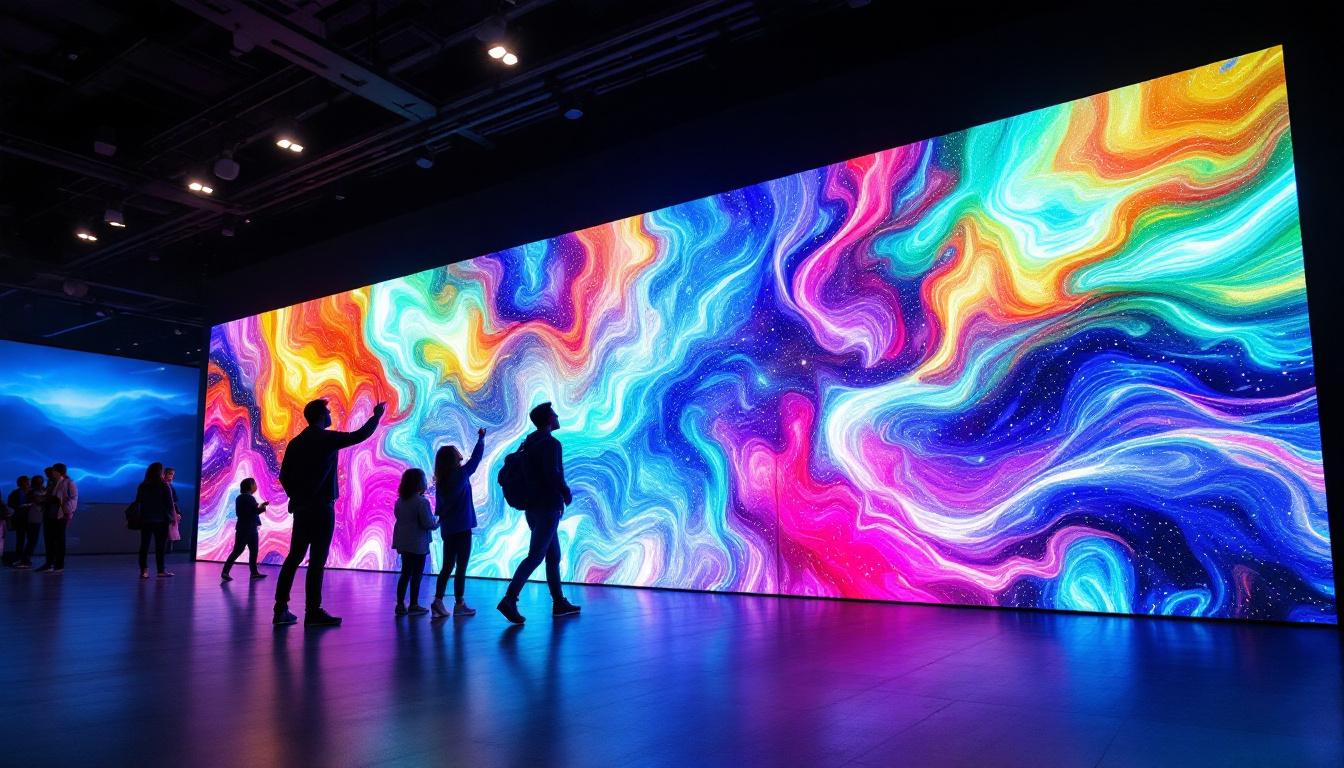
Moreover, the versatility of TV walls extends beyond traditional uses. They are increasingly being employed in retail environments for advertising, in museums for interactive exhibits, and in corporate settings for presentations and video conferencing. The ability to customize content dynamically allows businesses to engage their audiences in innovative ways, making TV walls a powerful tool for communication and marketing strategies.
Understanding LED Display Technology
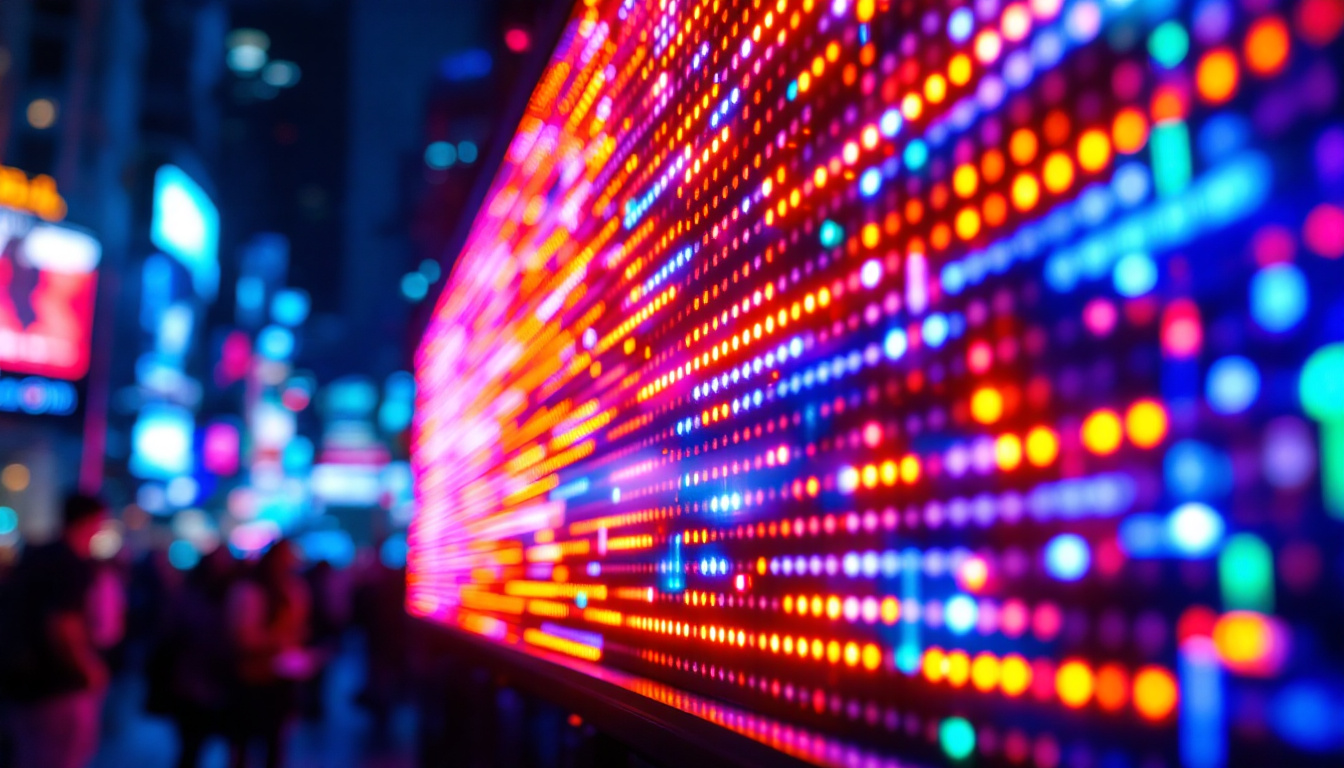
LED displays leverage light-emitting diodes to produce images. Unlike LCD screens, which rely on backlighting, LEDs emit their own light, resulting in higher contrast ratios and more vibrant colors. This self-illuminating property not only enhances the visual experience but also contributes to energy efficiency, as LEDs consume less power compared to traditional display technologies. As a result, LED displays are increasingly being adopted in various settings, from retail environments to large-scale events, where captivating visuals are essential to engage audiences.
Types of LED Displays
There are primarily two types of LED displays used in TV walls: direct-view LED and LED-backlit LCD. Direct-view LED displays consist of millions of tiny LEDs arranged in a matrix, each capable of emitting red, green, or blue light. This direct emission allows for exceptional brightness and color uniformity, making them ideal for large-scale video walls. Their modular design also enables seamless integration into various configurations, allowing for creative installations that can adapt to different spaces and artistic visions.
On the other hand, LED-backlit LCD panels use LEDs as a backlight behind an LCD panel. While they offer good image quality and are commonly used in consumer TVs, they do not provide the same level of brightness or viewing angles as direct-view LED walls. However, advancements in technology have improved the performance of LED-backlit LCDs, making them a viable option for many commercial applications. They are often more cost-effective than direct-view displays, making them a popular choice for businesses looking to enhance their visual communication without breaking the bank.
Pixel Pitch and Resolution
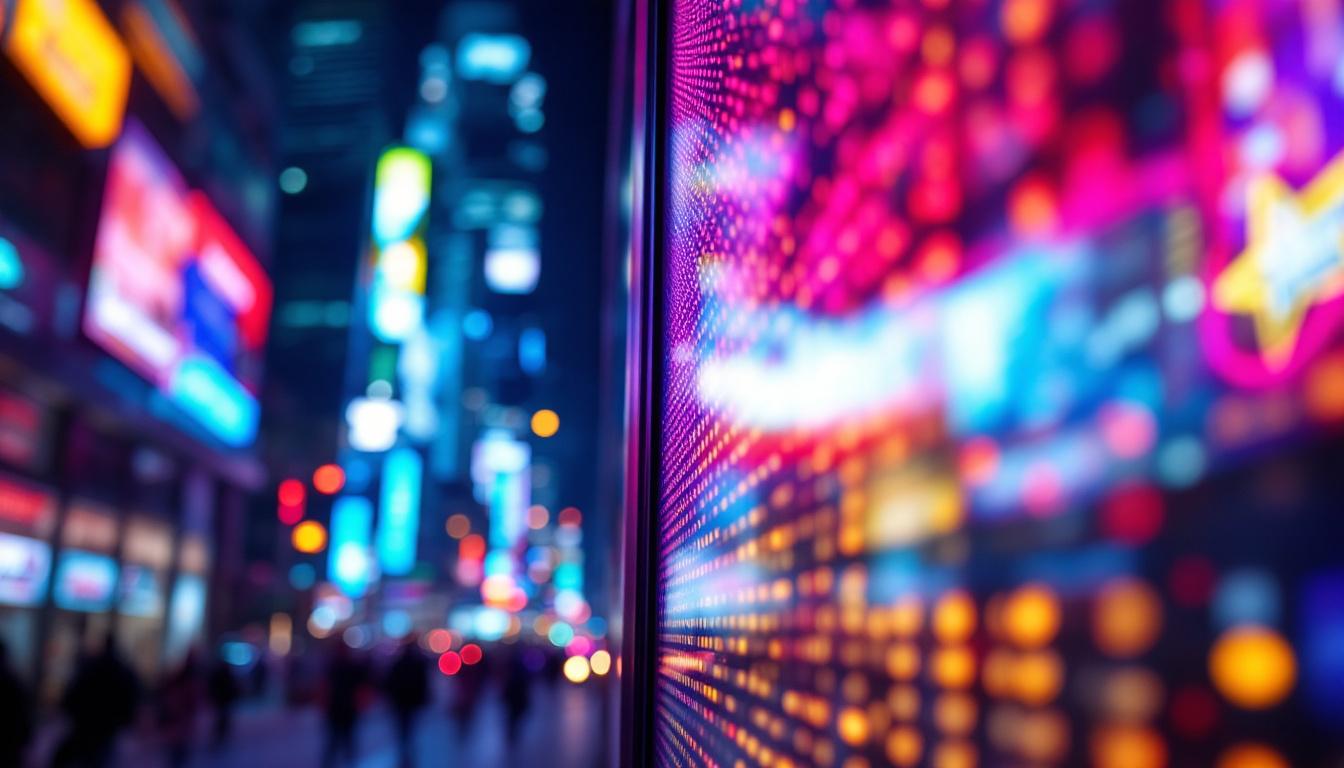
One of the most critical factors in LED displays is pixel pitch, which refers to the distance between the centers of two adjacent pixels. Pixel pitch is measured in millimeters and directly influences the display’s resolution and viewing distance. A smaller pixel pitch means higher resolution and closer optimal viewing distance, making it suitable for indoor environments like control rooms or conference halls. The technology behind pixel pitch has evolved significantly, allowing manufacturers to produce displays with incredibly fine pitches, resulting in stunningly crisp visuals that captivate viewers.
For example, a 1.5mm pixel pitch LED wall provides sharp, detailed images even when viewed up close, while a 10mm pitch is more appropriate for outdoor or large venue applications where viewers are farther away. Moreover, the choice of pixel pitch also affects the overall cost and installation complexity of the display system. As such, businesses must carefully consider their specific needs and the intended viewing environment when selecting the appropriate pixel pitch, ensuring they achieve the best balance between image quality and budget. Understanding these nuances can empower organizations to make informed decisions that enhance their visual storytelling capabilities.
Advantages of LED TV Walls
LED TV walls offer several advantages over traditional display technologies, making them the preferred choice for many applications.
Superior Brightness and Visibility
LED panels can achieve brightness levels exceeding 1,000 nits, significantly higher than typical LCD screens. This makes them highly visible even in brightly lit environments or outdoor settings. For instance, stadium LED walls must compete with sunlight, and their high brightness ensures clear visibility for spectators.
Wide Viewing Angles and Color Accuracy
LED displays provide consistent color and brightness across wide viewing angles. This is crucial in environments like retail stores or control rooms where multiple viewers observe the screen from different positions. The accurate color reproduction also enhances the visual experience, making content more engaging and lifelike.
Scalability and Flexibility
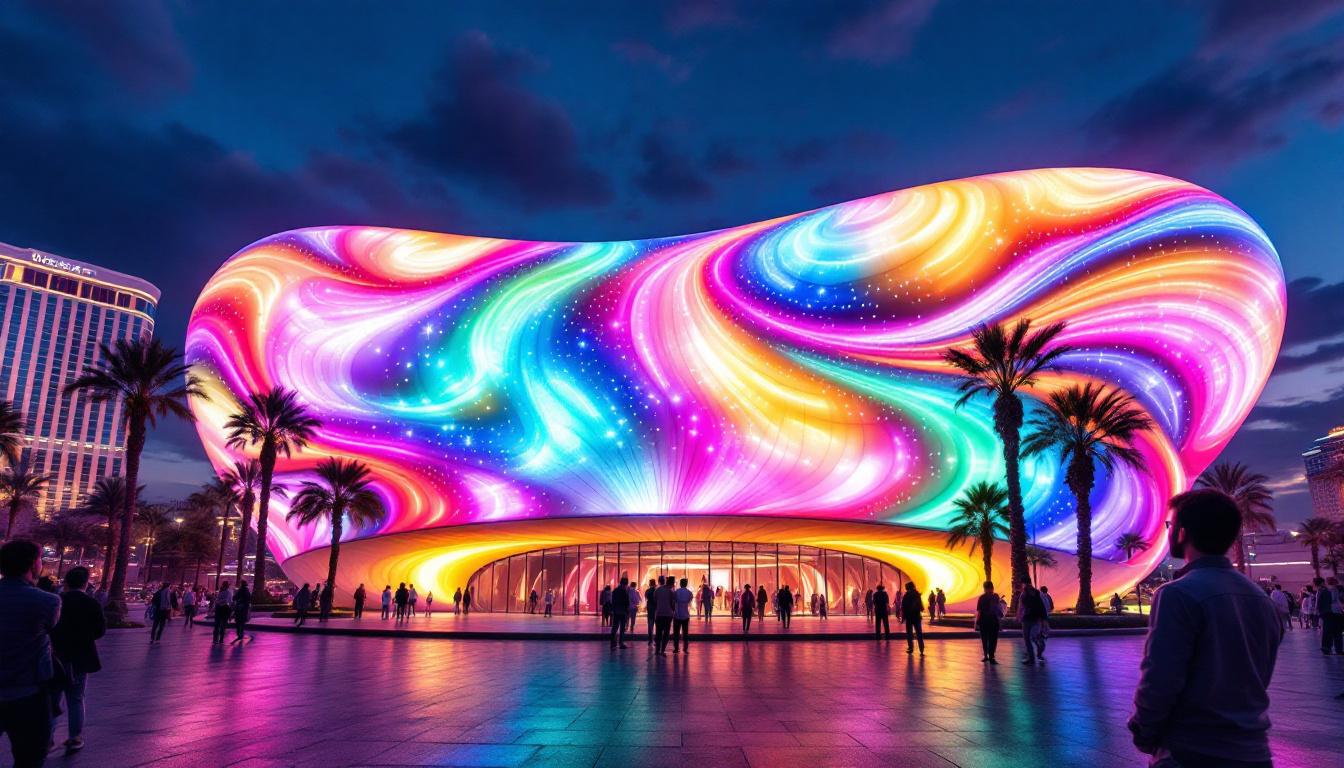
Because LED TV walls are modular, they can be scaled to virtually any size or shape. This flexibility allows designers to create custom installations tailored to specific spaces and requirements. Additionally, LED panels can be curved or angled, offering creative possibilities not achievable with traditional flat screens.
Energy Efficiency and Longevity
Modern LED technology is energy efficient, consuming less power than equivalent LCD or plasma displays. Furthermore, LEDs have a longer lifespan, often rated for 50,000 to 100,000 hours of operation, reducing maintenance and replacement costs over time.
Applications of LED TV Walls
The versatility of LED TV walls has led to their adoption across numerous industries and use cases.
Corporate and Commercial Spaces
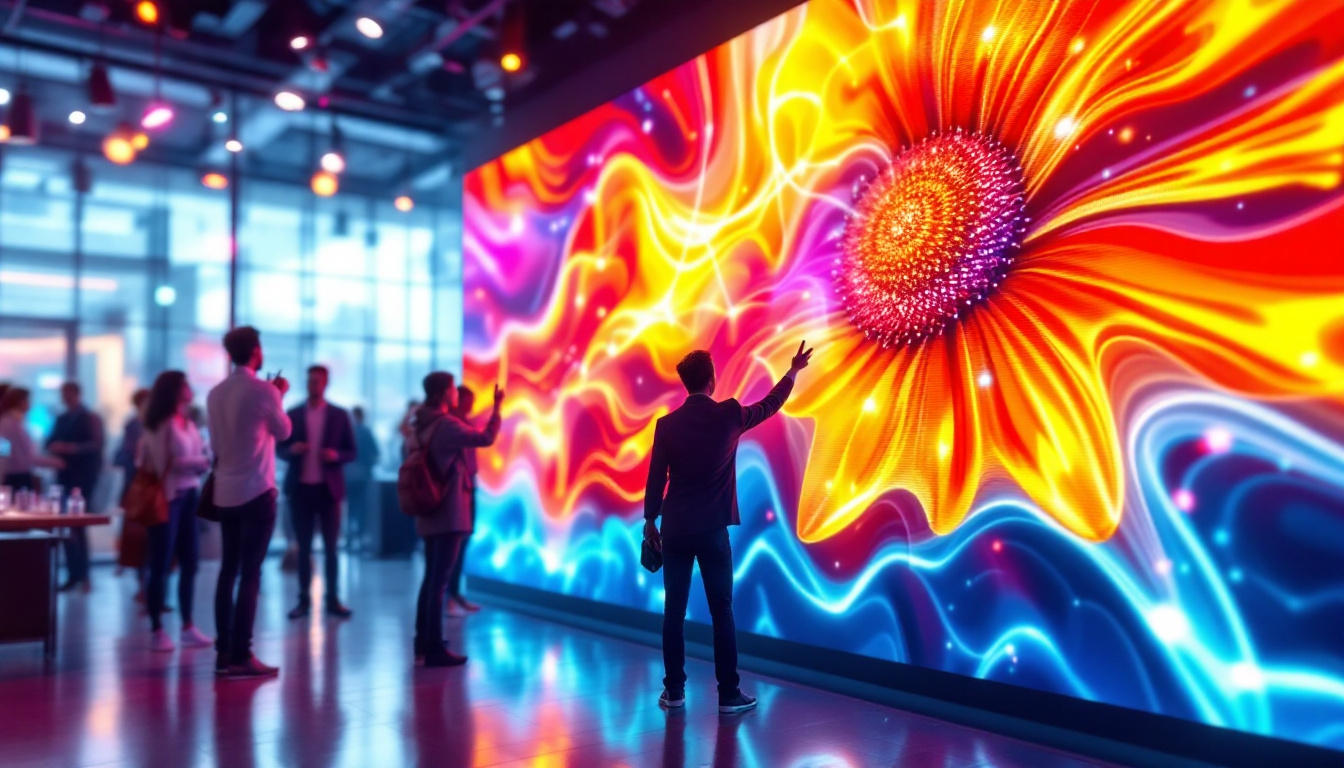
In corporate environments, LED walls serve as dynamic communication tools in lobbies, conference rooms, and auditoriums. They can display branding, presentations, or live data feeds, enhancing engagement and professionalism.
Broadcast and Media Production
Television studios and media production houses use LED walls as immersive backdrops that can change dynamically, replacing traditional green screens and physical sets. This technology enables creative storytelling and cost-effective production workflows.
Control Rooms and Command Centers
For mission-critical operations such as traffic management, emergency response, and security monitoring, LED video walls provide real-time data visualization with exceptional clarity. The ability to display multiple data sources simultaneously supports faster decision-making.
Sports and Entertainment Venues
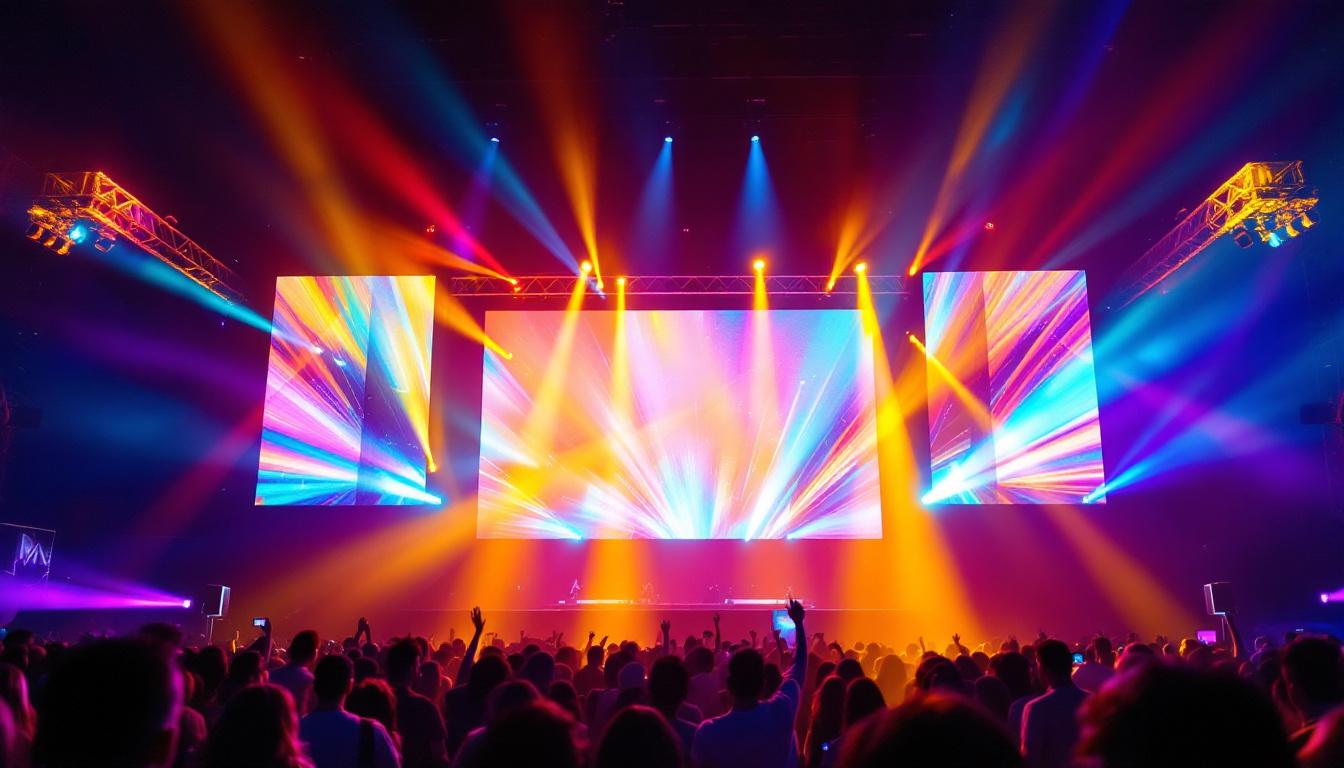
Stadiums and arenas utilize massive LED walls to enhance the spectator experience by displaying live game footage, replays, and interactive content. These walls must be durable and weather-resistant to withstand outdoor conditions.
Retail and Advertising
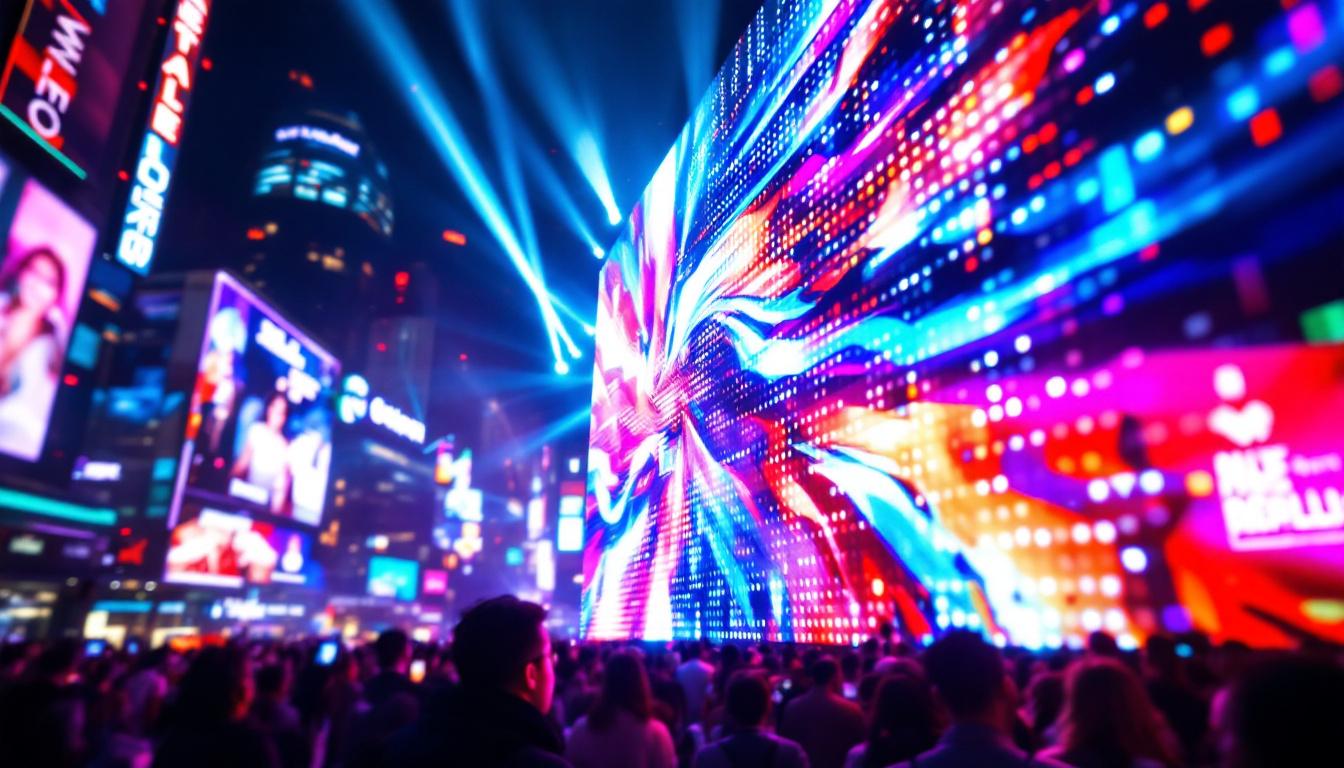
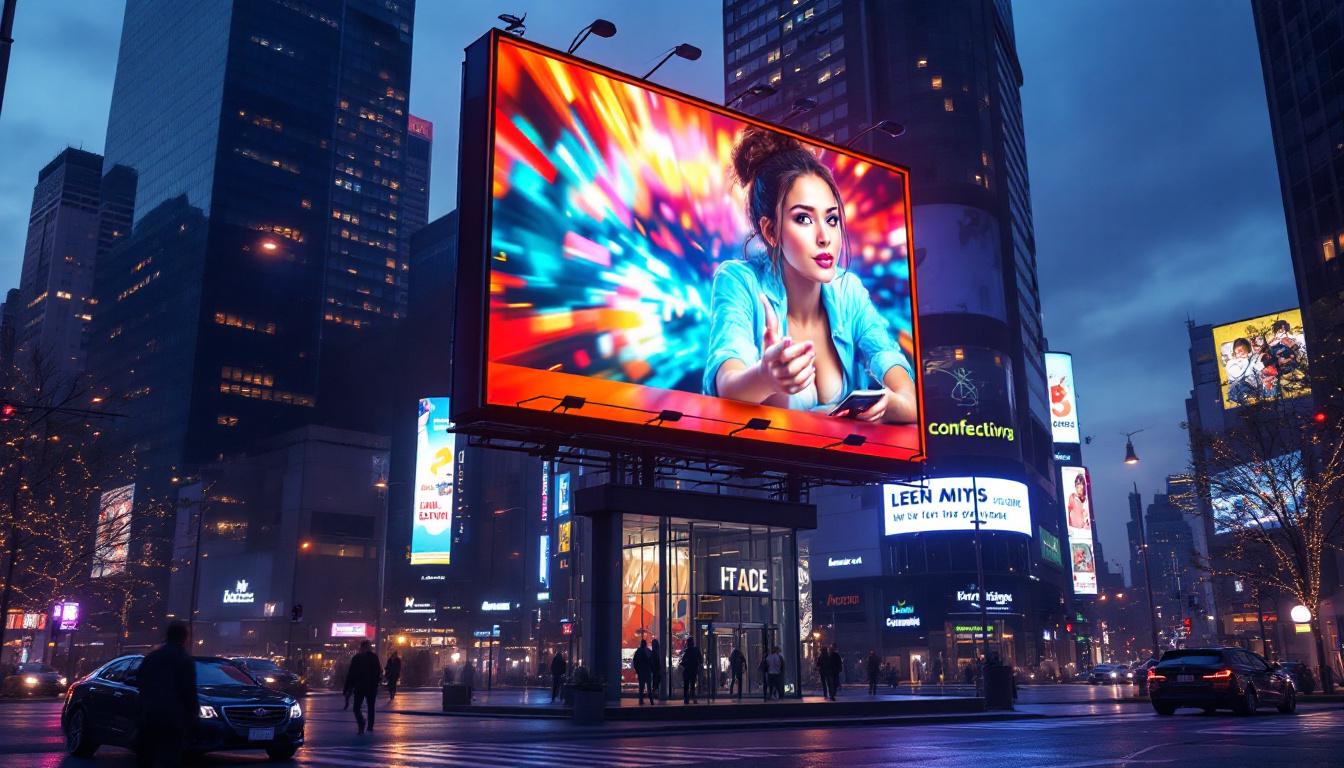
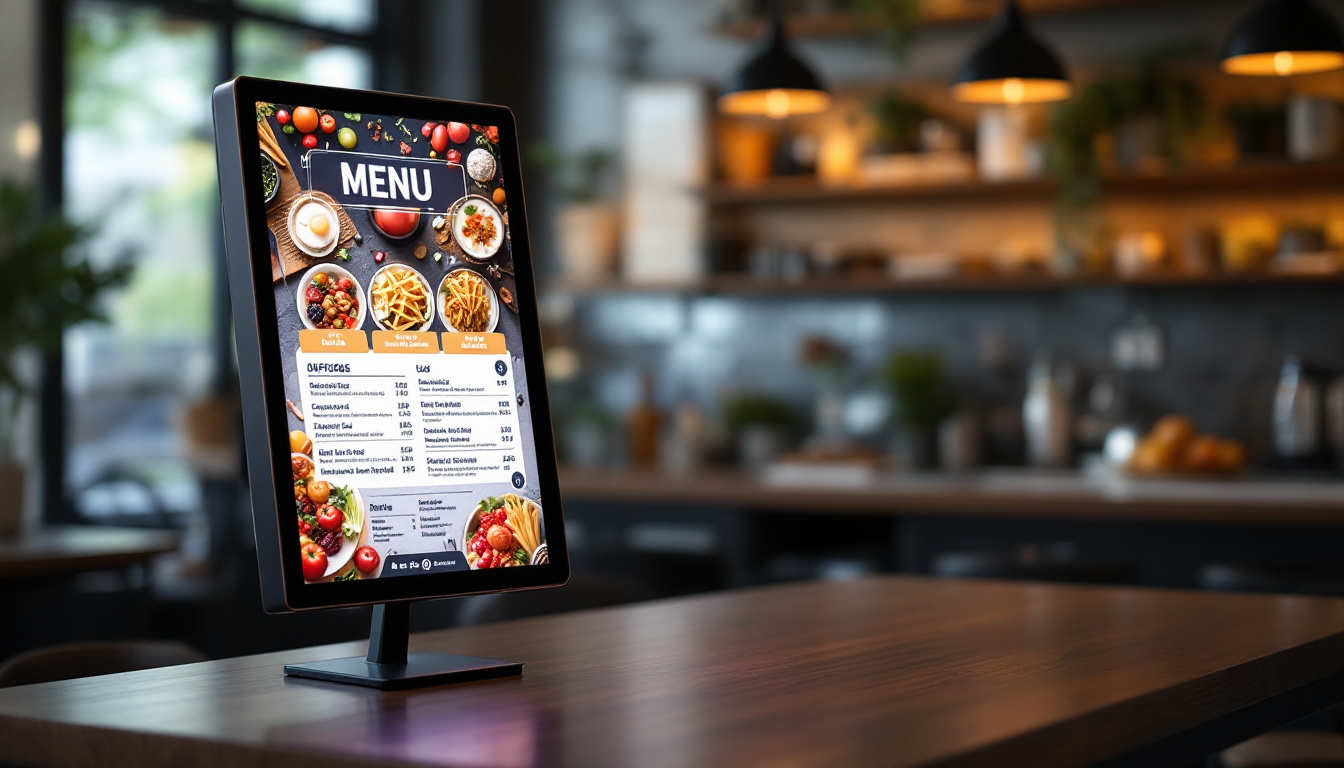
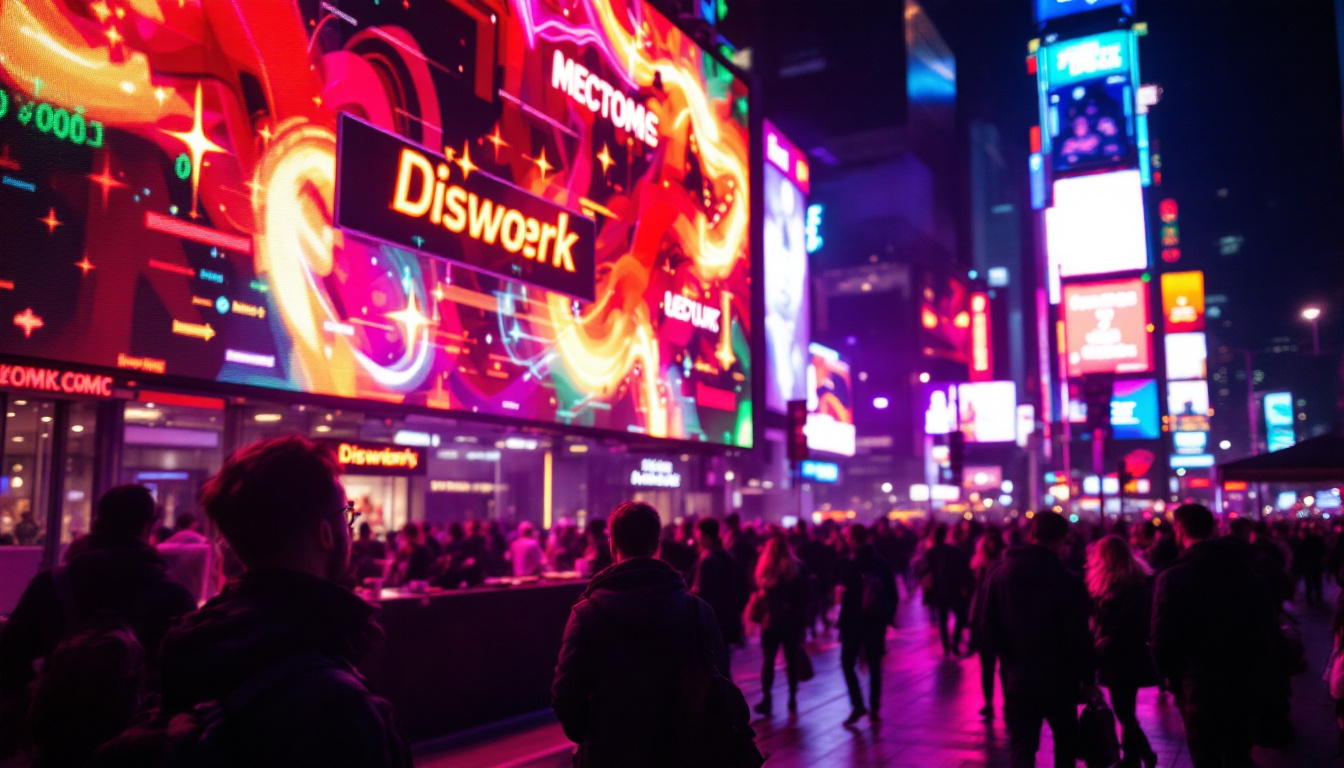
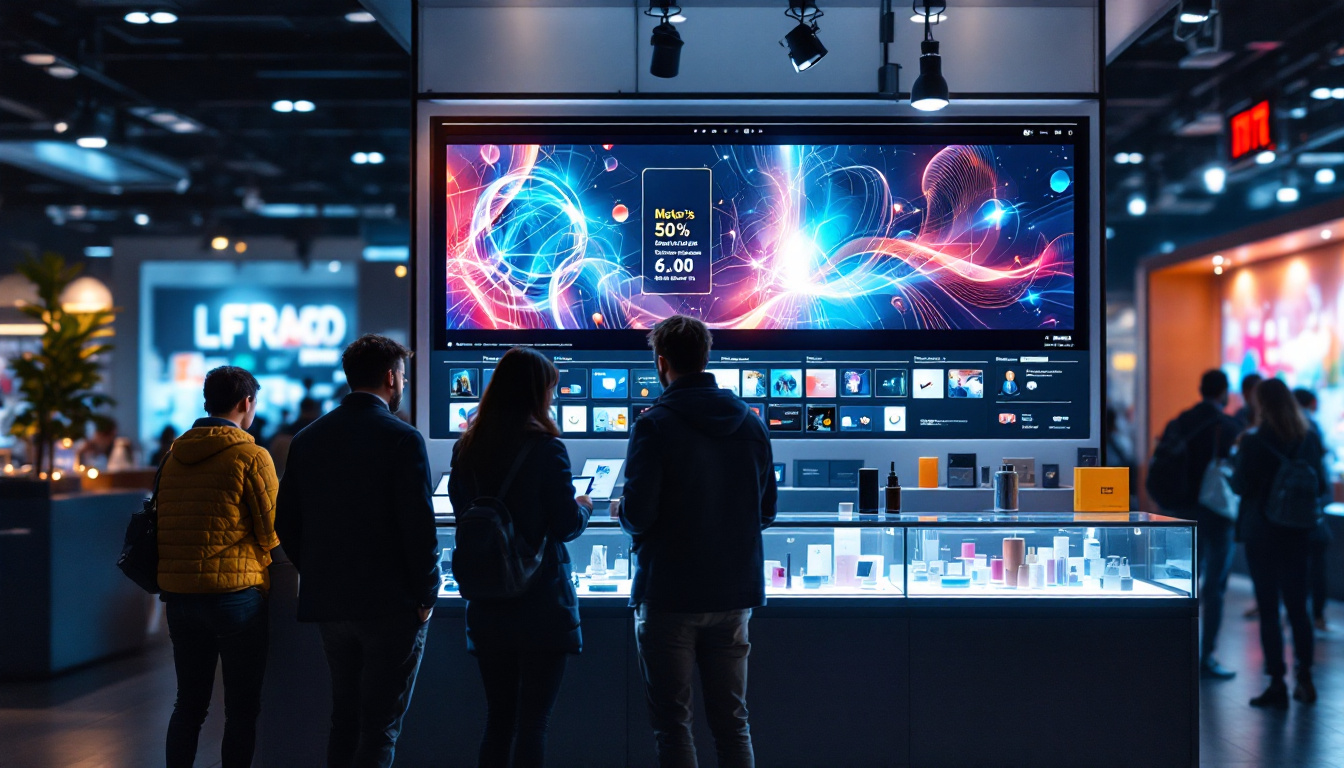
Retailers and advertisers leverage LED walls for eye-catching digital signage that attracts customers and promotes products effectively. The high brightness and color vibrancy help content stand out in busy commercial environments.
Choosing the Right LED TV Wall
Selecting the appropriate LED TV wall requires consideration of several factors to ensure the installation meets specific needs and budget constraints.
Indoor vs. Outdoor Use
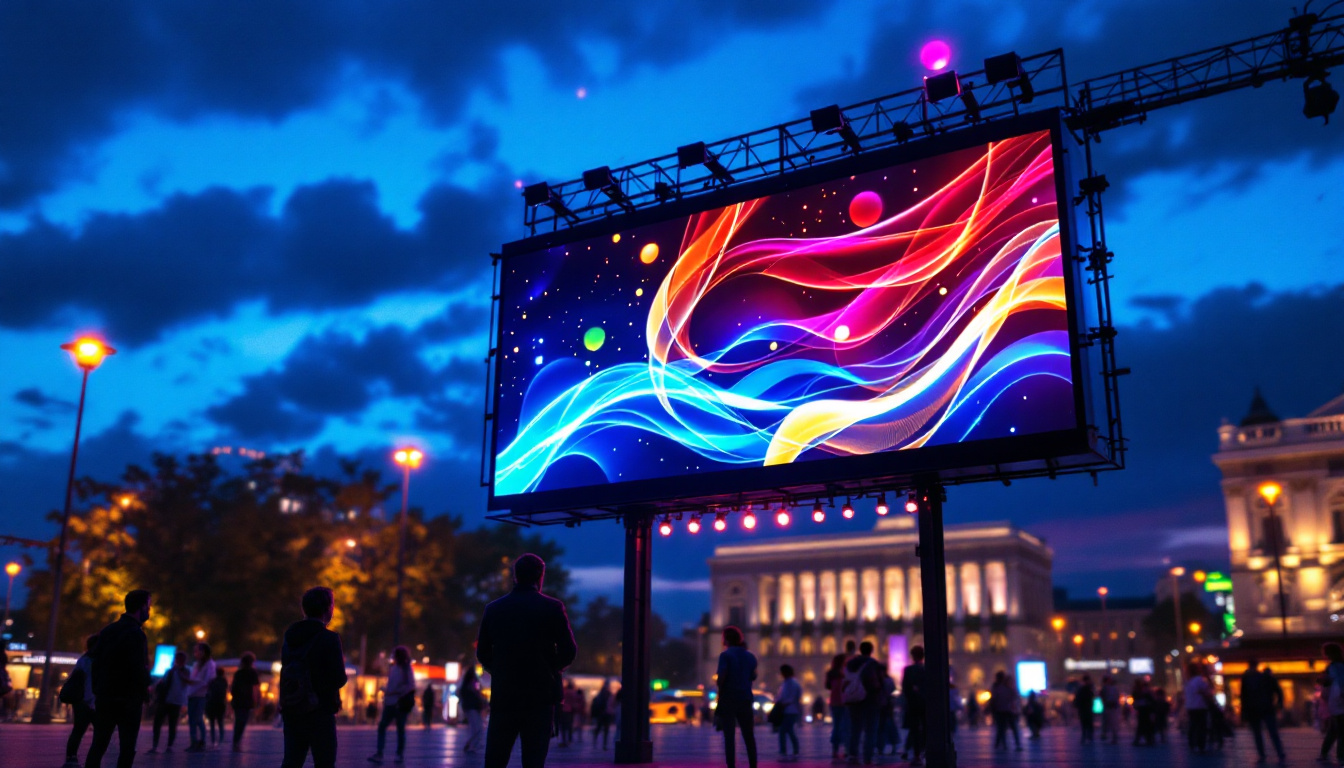
Indoor LED walls typically have smaller pixel pitches and lower brightness requirements, while outdoor LED walls need to be weatherproof and capable of extremely high brightness to combat sunlight glare. Understanding the installation environment is critical.
Resolution and Viewing Distance
Determining the optimal pixel pitch depends on the typical viewing distance. For example, a retail store with close customer interaction may require a 1.2mm to 2.5mm pixel pitch, whereas a large outdoor billboard might use 10mm or higher.
Content and Usage Patterns
The type of content displayed—whether static images, video, or real-time data—affects the choice of hardware and software. Additionally, usage patterns, such as continuous 24/7 operation versus occasional use, influence durability and maintenance considerations.
Budget and Total Cost of Ownership
While LED TV walls can represent a significant upfront investment, factors such as energy efficiency, lifespan, and maintenance costs contribute to the total cost of ownership. It is important to balance initial costs with long-term value.
Installation and Maintenance Considerations
Proper installation and ongoing maintenance are essential to maximize the performance and longevity of LED TV walls.
Professional Installation
Due to the complexity and precision required, professional installation is recommended. This includes ensuring proper alignment, secure mounting, and integration with video processing systems.
Calibration and Color Uniformity
Regular calibration ensures consistent color and brightness across all panels. Advanced calibration tools and software help maintain image quality over time.
Cleaning and Environmental Protection
LED panels should be cleaned periodically to remove dust and debris, especially in outdoor or industrial environments. Protective coatings and enclosures can safeguard against moisture, temperature extremes, and physical damage.
The Future of LED TV Walls
Technological advancements continue to push the boundaries of LED display capabilities. Emerging trends include microLED technology, which offers even higher resolution and energy efficiency by using microscopic LEDs, and flexible LED panels that enable innovative form factors.
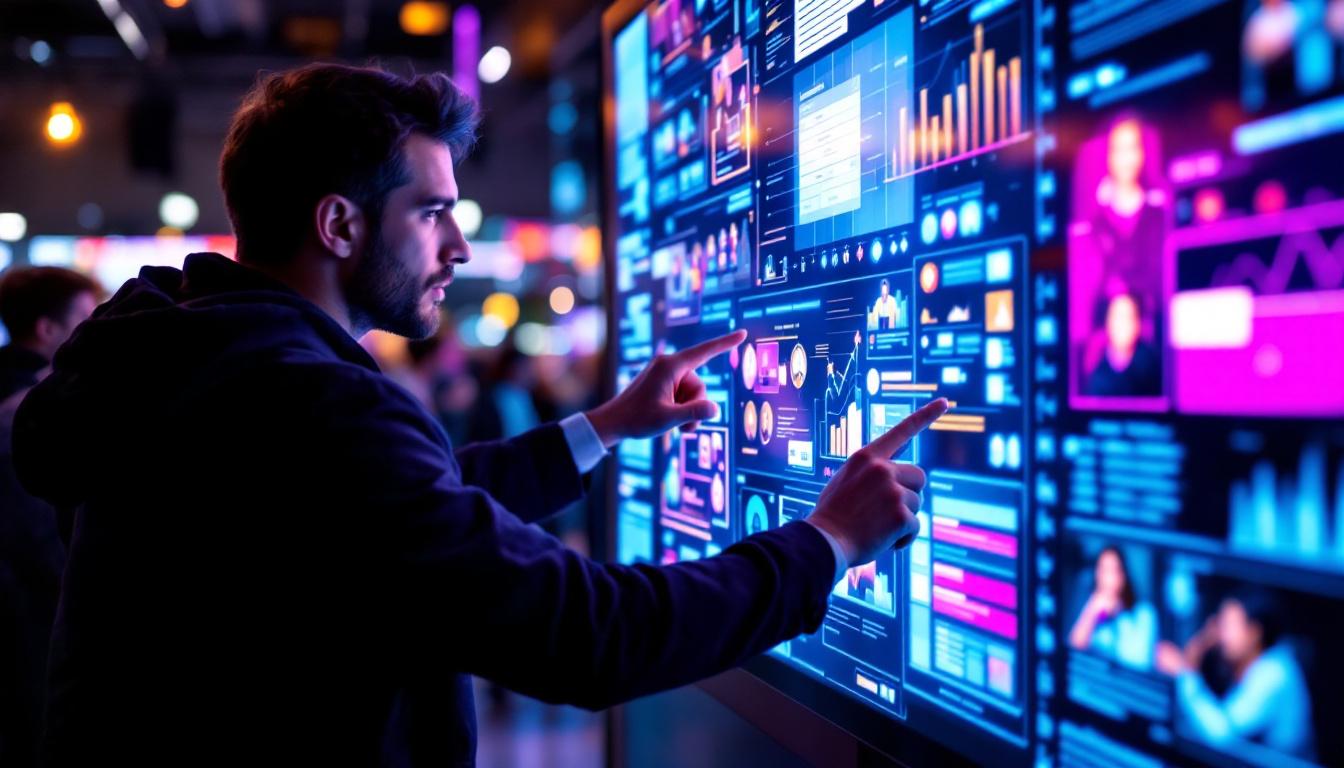
Integration with artificial intelligence and augmented reality is also on the horizon, allowing LED walls to become interactive and context-aware, transforming how audiences engage with digital content.
Conclusion
LED TV walls represent a powerful and versatile display solution that combines brightness, scalability, and visual impact. Whether used for corporate communication, entertainment, or critical data visualization, understanding the underlying technology and application requirements is key to making an informed decision.
As LED technology continues to evolve, TV walls will play an increasingly prominent role in shaping immersive visual experiences across industries worldwide.
Discover LumenMatrix LED Display Solutions
Ready to elevate your space with unparalleled brightness, precision, and dynamic visual storytelling? Explore LumenMatrix’s comprehensive range of LED display solutions, from Indoor and Outdoor LED Wall Displays to innovative options like Vehicle, Sports, and Floor LED Displays. Our mission is to transform your visual communication with displays that captivate and engage. Check out LumenMatrix LED Display Solutions today and experience the future of digital signage.