Precision measurement is a cornerstone in engineering, manufacturing, and quality control. When working with small dimensions, especially in industries like machining or electronics, the ability to convert and understand measurements between different units is crucial. One common conversion is from thousandths of an inch (also known as mils or thou) to millimeters (mm). Modern digital measurement tools, particularly those with LED displays, simplify this process by providing instant, accurate conversions. This article delves into the significance of thousandths of an inch to millimeters conversions, the role of LED displays in measurement devices, and practical applications where this knowledge is indispensable.
Understanding Thousandths of an Inch and Millimeters
What Are Thousandths of an Inch?
Thousandths of an inch, often abbreviated as “thou” or “mil,” represent one one-thousandth of an inch (0.001 inch). This unit is widely used in industries requiring fine tolerances, such as aerospace, automotive, and precision machining. For example, a machinist might specify a tolerance of ±2 thousandths of an inch, meaning the part must be within 0.002 inches of the target dimension.
The term “thou” dates back to early English measurement systems and remains prevalent in North America, particularly in the United States and Canada. While the metric system is globally dominant, many industries still rely on imperial units for legacy reasons or because of the nature of their equipment. In manufacturing settings, the ability to measure in thousandths of an inch can be crucial for ensuring that components fit together seamlessly. For instance, in the assembly of an aircraft engine, even a slight deviation measured in thousandths can lead to significant performance issues, highlighting the importance of precision in engineering.
Why Millimeters Are Important
Millimeters are a metric unit of length, equal to one-thousandth of a meter. The metric system is the international standard for scientific and industrial measurements, favored for its decimal-based simplicity and universal adoption. One millimeter equals approximately 0.03937 inches, making it a convenient unit for precise measurements.
In many regions outside North America, millimeters are the default unit for manufacturing and engineering. Even in countries where imperial units are common, the global nature of supply chains and engineering standards often necessitates familiarity with metric units. Converting thousandths of an inch to millimeters ensures compatibility and accuracy across borders and disciplines. For example, when collaborating on international projects, engineers must often convert measurements to millimeters to align with the specifications of foreign manufacturers. This conversion process not only aids in maintaining quality control but also fosters clearer communication among teams, as they work towards a common understanding of dimensions and tolerances.
The Conversion: Thousandths of an Inch to Millimeters
Mathematical Conversion Explained
Converting thousandths of an inch to millimeters involves a straightforward mathematical relationship. Since 1 inch equals exactly 25.4 millimeters, one thousandth of an inch (0.001 inch) can be converted as follows:
1 thou (0.001 inch) = 0.001 × 25.4 mm = 0.0254 mm
Therefore, to convert any value in thousandths of an inch to millimeters, multiply the value by 0.0254. For example, 10 thousandths of an inch equals 0.254 mm (10 × 0.0254). This conversion is particularly useful in fields such as engineering and manufacturing, where precise measurements are critical. Understanding this relationship allows professionals to ensure that components fit together correctly, which can be the difference between success and failure in a project.
Additionally, the importance of accuracy in these conversions cannot be overstated. In many industries, even the slightest miscalculation can lead to significant errors, impacting the quality and functionality of the final product. Therefore, having a reliable method for converting between these two units is essential for maintaining high standards of precision.
Common Conversion Examples
Understanding typical conversions can help visualize the scale of measurements:
- 5 thousandths of an inch = 0.127 mm
- 20 thousandths of an inch = 0.508 mm
- 50 thousandths of an inch = 1.27 mm
- 100 thousandths of an inch (0.1 inch) = 2.54 mm
These examples illustrate how even small changes in thousandths of an inch translate into millimeters, emphasizing the need for precision in measurement and conversion. For instance, in the world of machining, a tolerance of just a few thousandths of an inch can determine whether a part functions correctly or not. Thus, engineers and machinists often rely on these conversions to ensure that their specifications are met, which can involve using calipers or micrometers that measure in both inches and millimeters.
Moreover, in the realm of 3D printing and design, understanding these conversions is crucial for creating models that fit together seamlessly. Designers often need to switch between measurement systems depending on the software or hardware being used, and having a firm grasp of how to convert between thousandths of an inch and millimeters can streamline the workflow, reducing the risk of errors during the production process. This knowledge not only enhances efficiency but also fosters innovation in design as creators can accurately translate their ideas into tangible products.
Role of LED Displays in Measurement Tools
Why LED Displays Matter
Modern measurement tools such as calipers, micrometers, and digital indicators often feature LED displays to present measurement data clearly and instantly. The LED (Light Emitting Diode) technology offers several advantages:
- Visibility: LED displays provide bright, easy-to-read numbers even in low-light or high-glare environments.
- Accuracy: Digital readouts reduce human error associated with reading analog scales or vernier markings.
- Speed: Instantaneous display of measurements speeds up workflows in production and inspection.
These benefits are particularly important when working with fine measurements such as thousandths of an inch, where misreading can lead to costly errors.
How LED Displays Facilitate Unit Conversion
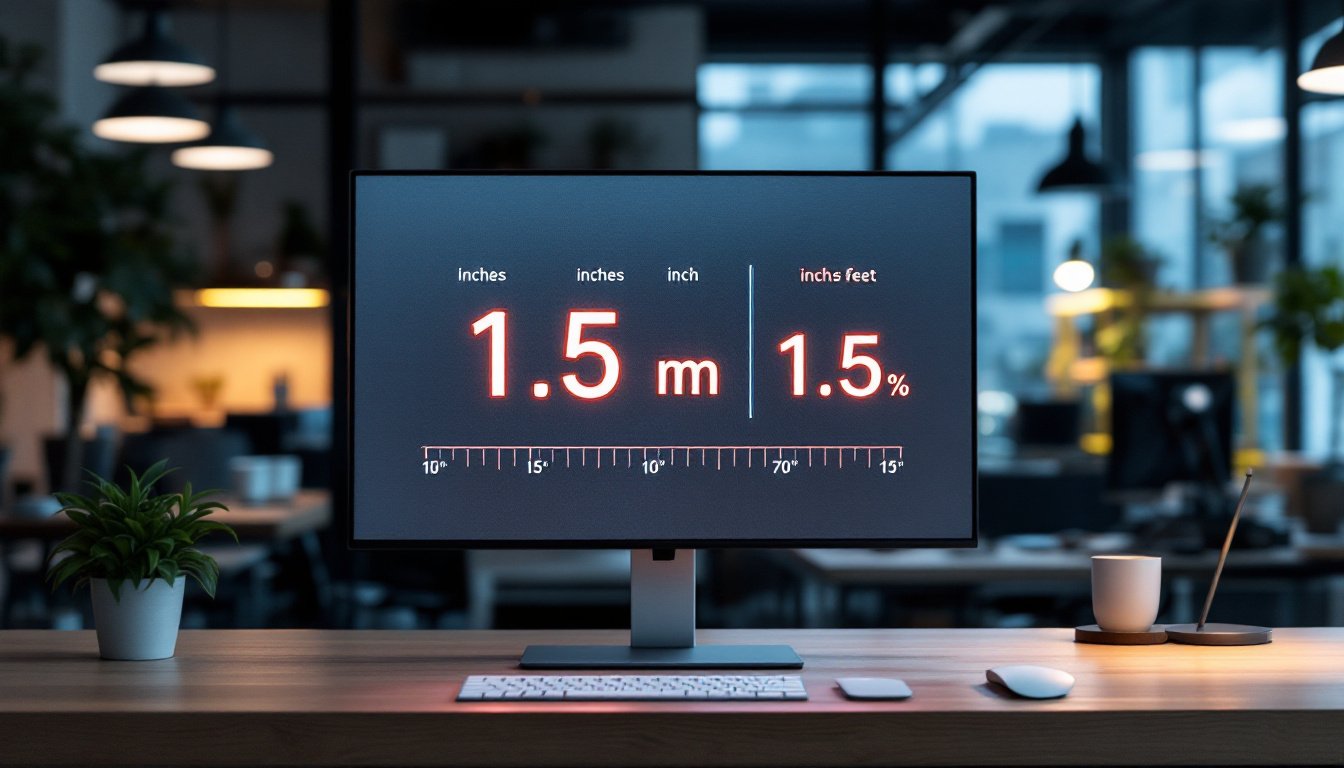
Many digital measuring instruments with LED displays include a built-in unit conversion feature. Users can toggle between imperial units (inches, thousandths of an inch) and metric units (millimeters) with the press of a button. This capability eliminates the need for manual calculations or external conversion charts.
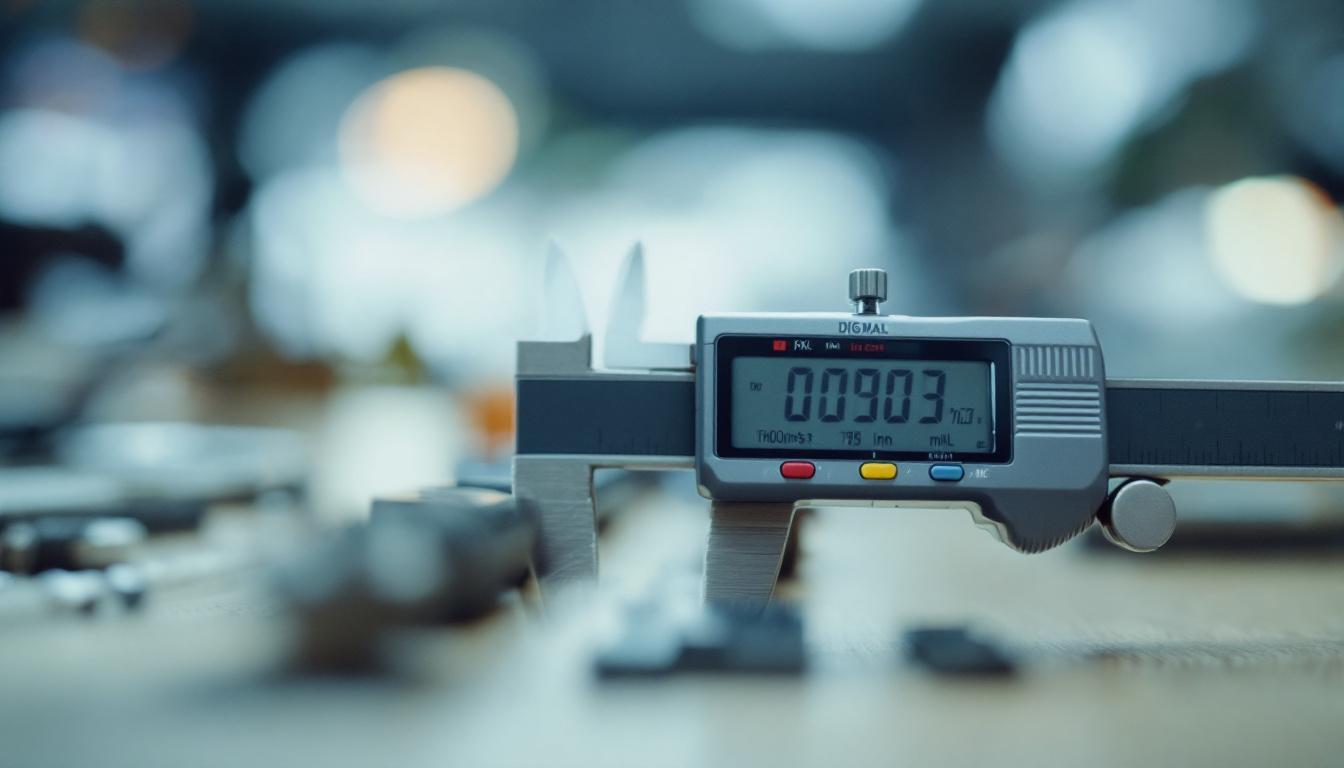
For example, a digital caliper might display a measurement as 0.012 inches. By switching the unit mode, the LED display instantly converts and shows 0.3048 mm. This seamless transition enhances efficiency and reduces the chance of conversion errors.
Advancements in Display Technology
Beyond basic LED displays, some modern measurement devices incorporate OLED (Organic LED) or LCD (Liquid Crystal Display) screens with backlighting and higher resolution. These improvements provide even greater clarity and can include additional features such as:
- Data logging and storage
- Wireless connectivity for transferring measurements to computers or mobile devices
- Graphical interfaces showing tolerances and alerts
Such innovations further empower professionals to maintain precision and streamline quality control processes.
Applications of Thousandths of an Inch to Millimeters Conversion
Precision Machining and Manufacturing
In precision machining, tolerances often fall within a few thousandths of an inch. Components such as engine parts, aerospace fittings, and medical devices require exact dimensions to function correctly and safely. Converting these measurements to millimeters is essential when collaborating with international suppliers or adhering to metric-based design specifications.
For example, a CNC (Computer Numerical Control) machine operator may receive a blueprint specifying hole diameters in millimeters but need to set tool offsets in thousandths of an inch. Using a digital caliper with an LED display that toggles units simplifies this process and ensures accuracy.
Quality Control and Inspection
Quality control inspectors frequently measure parts to verify compliance with design tolerances. The ability to quickly convert between thousandths of an inch and millimeters helps inspectors interpret specifications, especially when documentation includes mixed units.
LED display measuring tools enable inspectors to record measurements directly in the required unit, minimizing transcription errors. This capability is vital in industries where traceability and documentation are critical, such as automotive manufacturing and electronics assembly.
Electronics and PCB Manufacturing
Printed circuit boards (PCBs) and electronic components often involve measurements in both metric and imperial units. For instance, component lead spacing might be specified in millimeters, while enclosure dimensions could be in inches.
Accurate conversion between thousandths of an inch and millimeters ensures proper fit and function. Digital measurement tools with LED displays help engineers and technicians quickly verify dimensions during prototyping and production.
Educational and Training Contexts
Understanding unit conversions is fundamental in engineering education and vocational training. Students and apprentices benefit from hands-on experience with digital measurement tools that display both thousandths of an inch and millimeters. This exposure builds competence in interpreting technical drawings and performing precise measurements.
Moreover, LED displays provide immediate feedback, reinforcing learning and helping users develop confidence in their measurement skills.
Best Practices for Using LED Display Measurement Tools
Calibration and Maintenance
To ensure accuracy, digital measurement tools with LED displays must be regularly calibrated against certified standards. Calibration verifies that the device provides correct readings and conversions. Many manufacturers recommend calibration intervals ranging from six months to a year, depending on usage intensity.
Proper maintenance includes keeping the device clean, avoiding exposure to extreme temperatures or moisture, and replacing batteries as needed to maintain display brightness and reliability.
Understanding Display Limitations
While LED displays enhance readability, users should be aware of potential limitations. For instance, some devices might round measurements to a certain decimal place, which could affect precision in critical applications. Additionally, rapid changes in measurement or unstable positioning can cause fluctuating readings.
Operators should take multiple measurements and ensure the tool is properly zeroed before use. Familiarity with the specific device’s user manual is essential to maximize accuracy and functionality.
Integrating Digital Measurements with Data Systems
Many modern LED display measurement tools support data output via USB, Bluetooth, or proprietary connectors. Integrating these devices with digital quality management systems or CAD software streamlines data collection and analysis.
This integration reduces manual data entry errors and provides real-time monitoring of production quality. For organizations aiming to implement Industry 4.0 practices, leveraging LED display measurement tools with connectivity features is a strategic advantage.
Conclusion
Converting thousandths of an inch to millimeters is a fundamental skill in precision measurement, bridging the gap between imperial and metric systems. LED display measurement tools play a pivotal role in this process by offering clear, instant readings and seamless unit conversions. Their use enhances accuracy, efficiency, and confidence across various industries—from manufacturing and aerospace to electronics and education.
As technology advances, the integration of LED displays with smart features and connectivity options continues to transform how professionals measure, record, and interpret critical dimensions. Understanding the principles behind these measurements and the capabilities of modern tools empowers users to maintain high standards of quality and precision in their work.
Explore Cutting-Edge Measurement Solutions with LumenMatrix
Ready to elevate your precision measurement capabilities? Discover LumenMatrix’s innovative LED display technology, designed to bring unparalleled clarity and efficiency to your engineering and manufacturing processes. From Indoor and Outdoor LED Wall Displays to specialized solutions like Vehicle, Sports, and Floor LED Displays, LumenMatrix offers a comprehensive range of products to meet your unique needs. Embrace the future of visual communication with our Custom, All-in-One, and Transparent LED Displays. Check out LumenMatrix LED Display Solutions today and transform the way you share your message with the world.