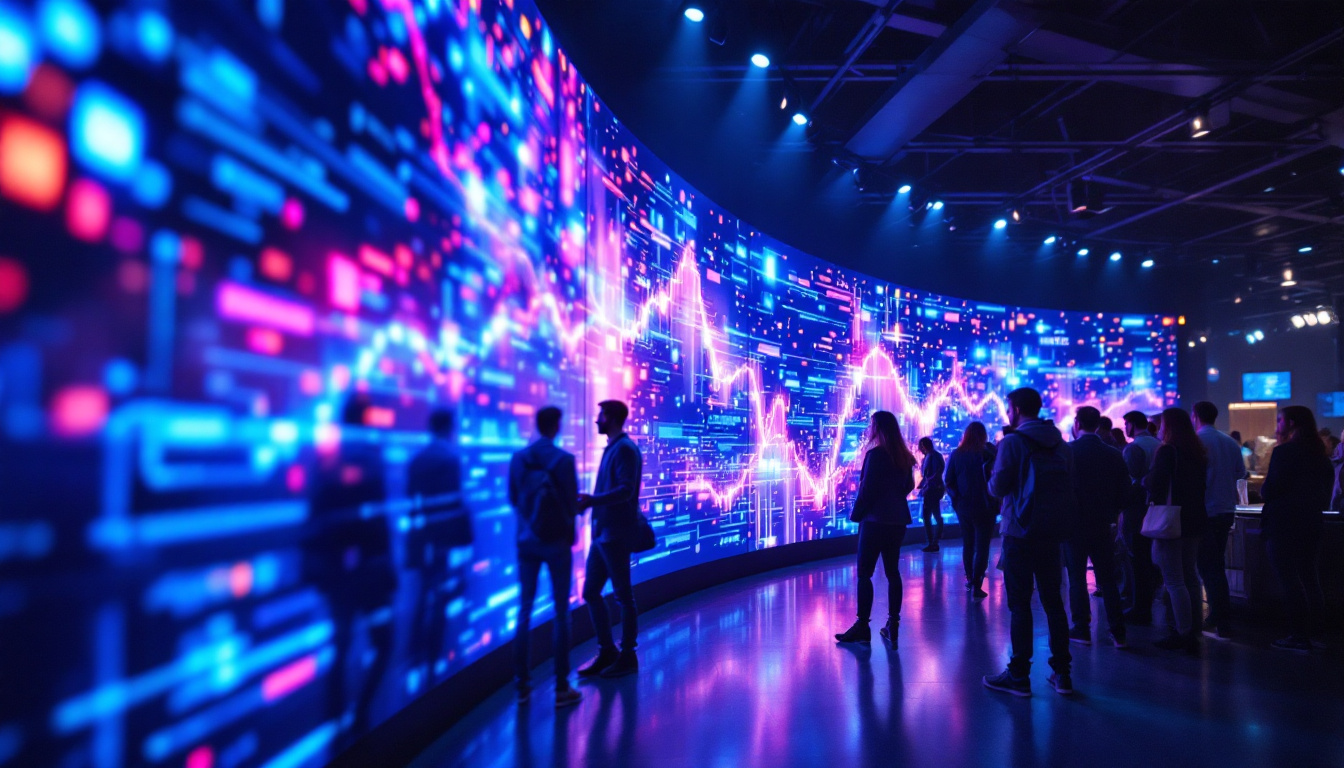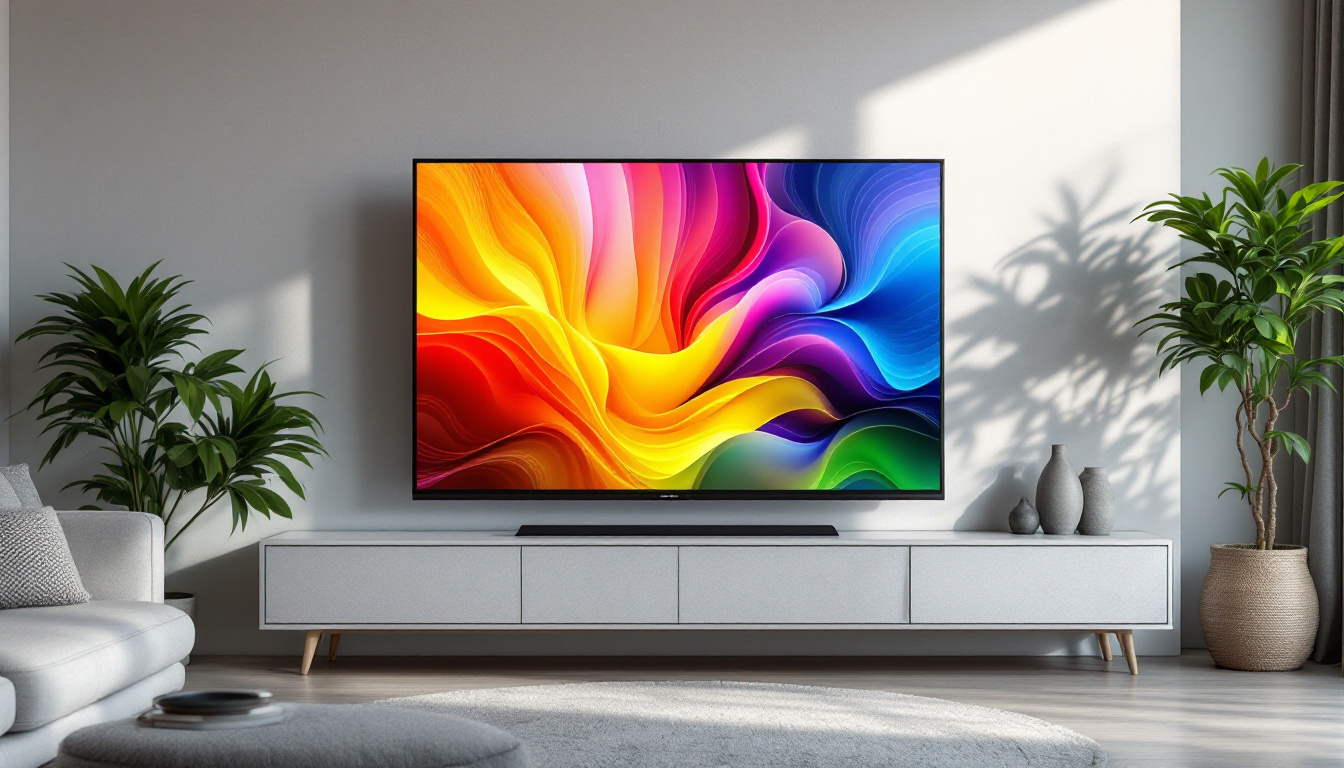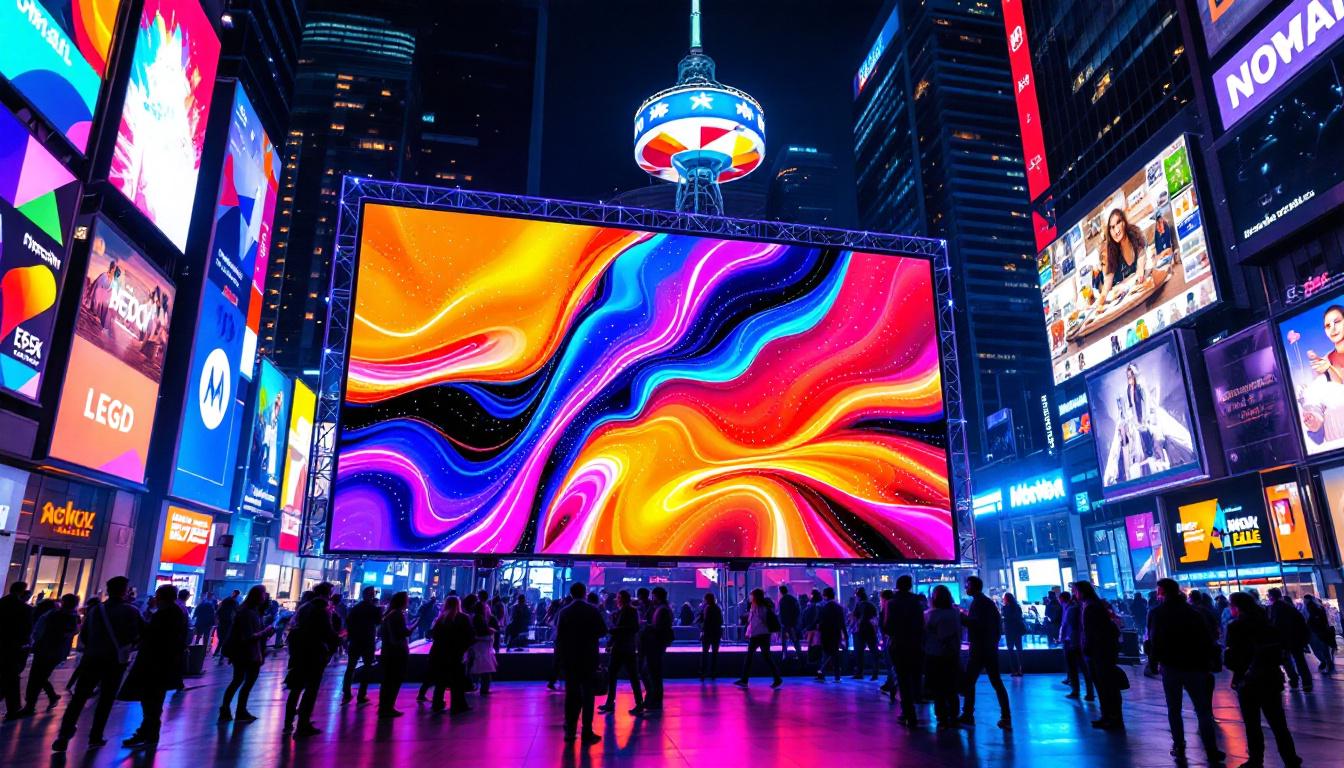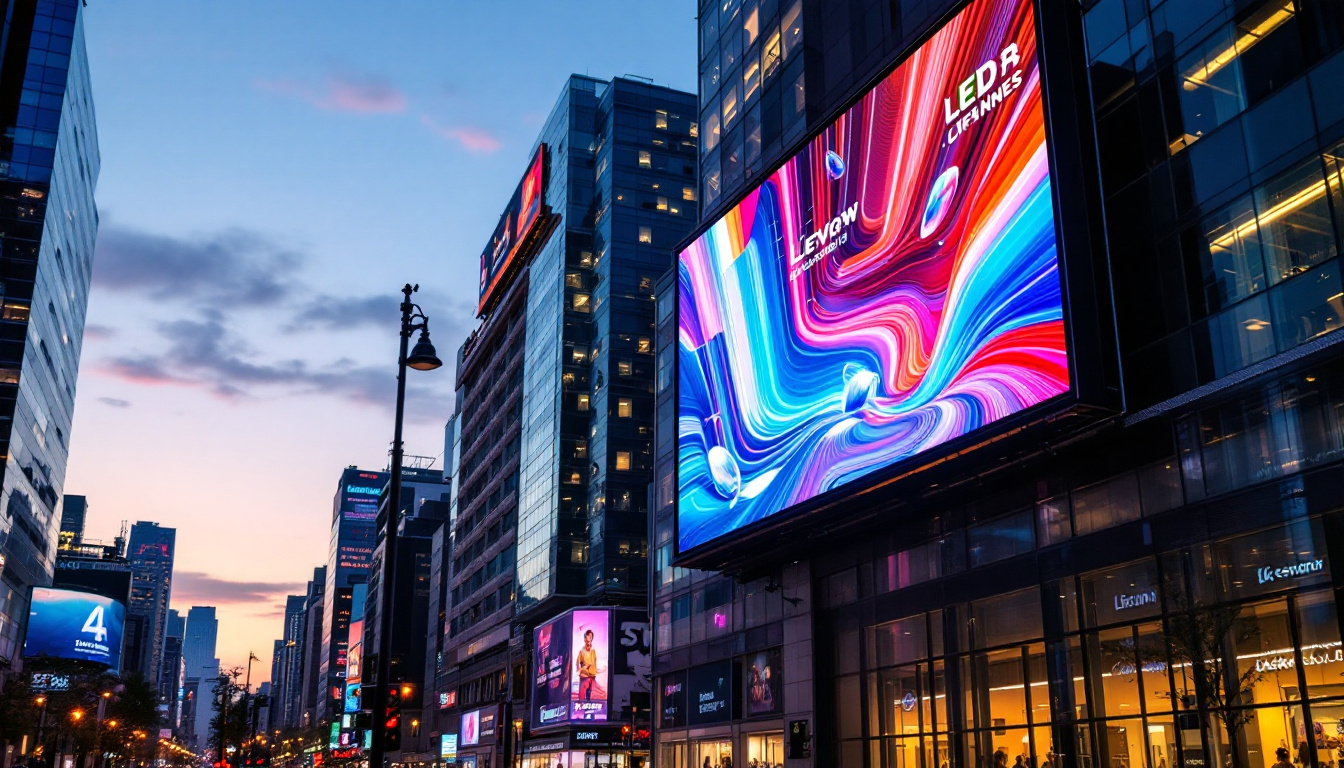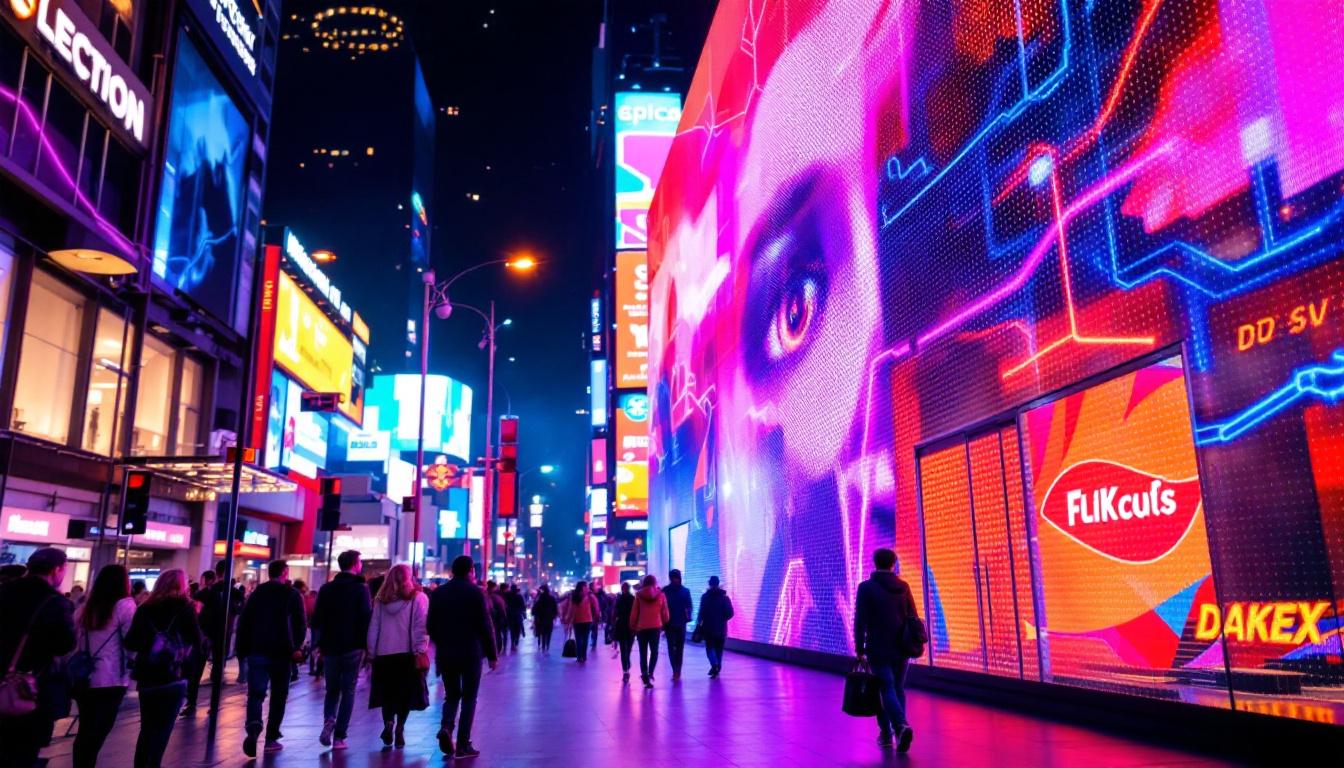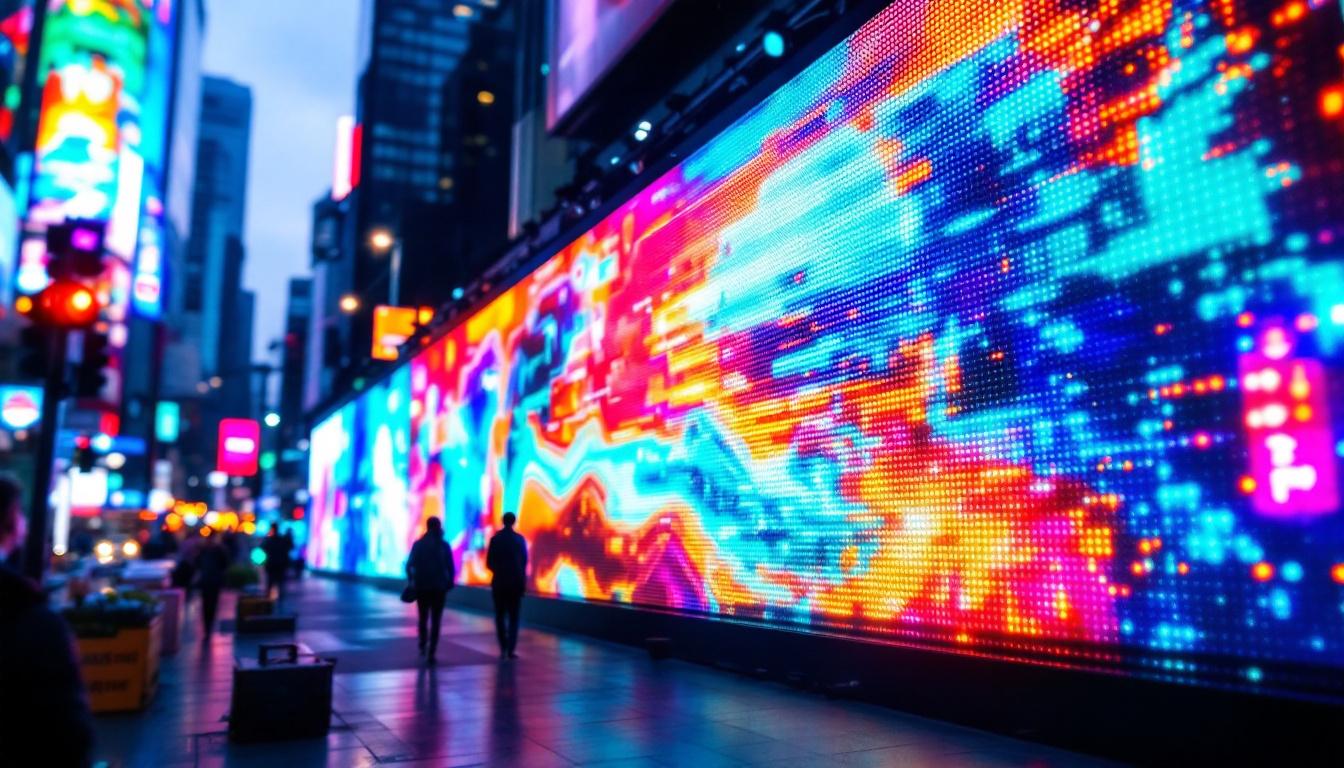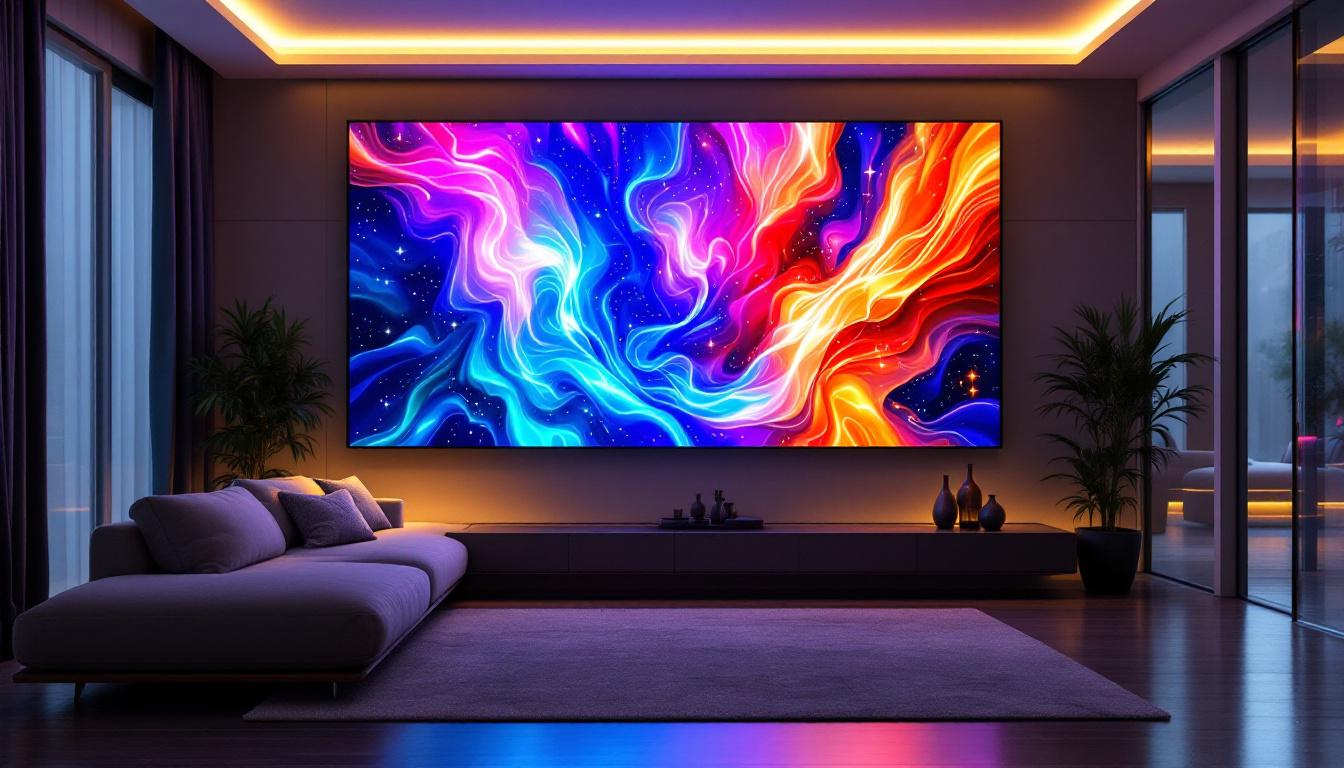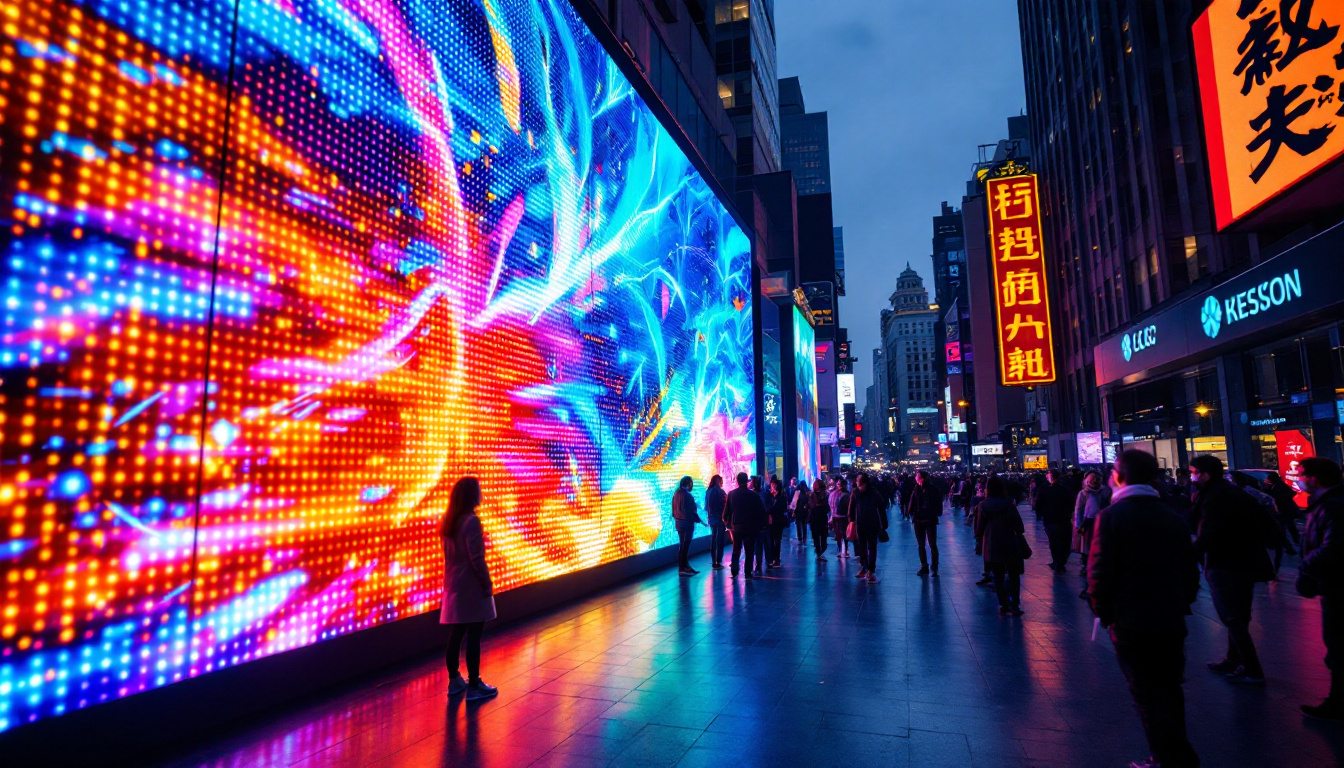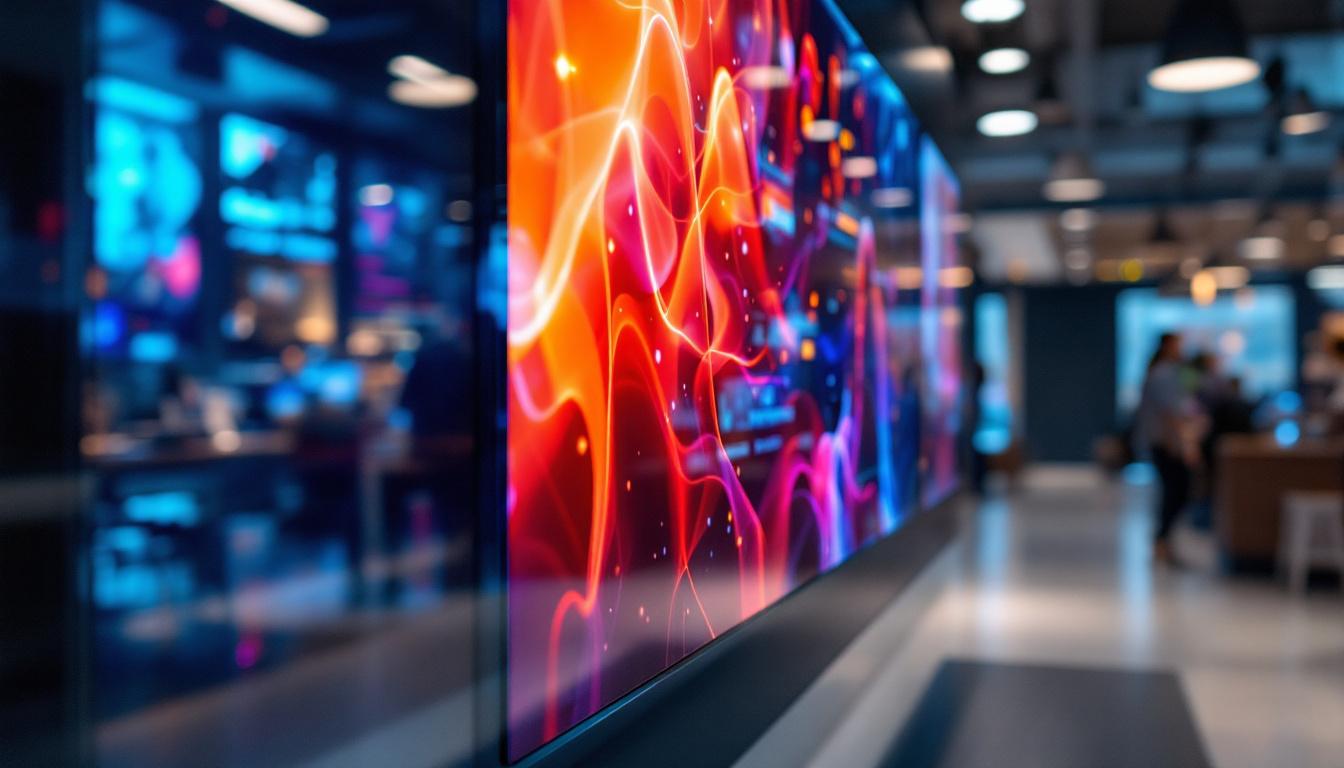
In today’s fast-paced retail environment, capturing customer attention is more challenging than ever. Traditional static signs are no longer enough to engage shoppers and convey dynamic content effectively. This is where digital signage, particularly LED displays, has revolutionized the way stores communicate with their audience. From vibrant promotions to interactive wayfinding, LED digital signage offers unparalleled versatility and impact.
Understanding LED Digital Signage
LED (Light Emitting Diode) digital signage refers to display screens that use LED technology to produce bright, colorful images and videos. Unlike LCD or OLED screens, LED displays consist of thousands of tiny diodes that emit light individually, allowing for exceptional brightness and contrast. This makes them ideal for both indoor and outdoor retail environments.
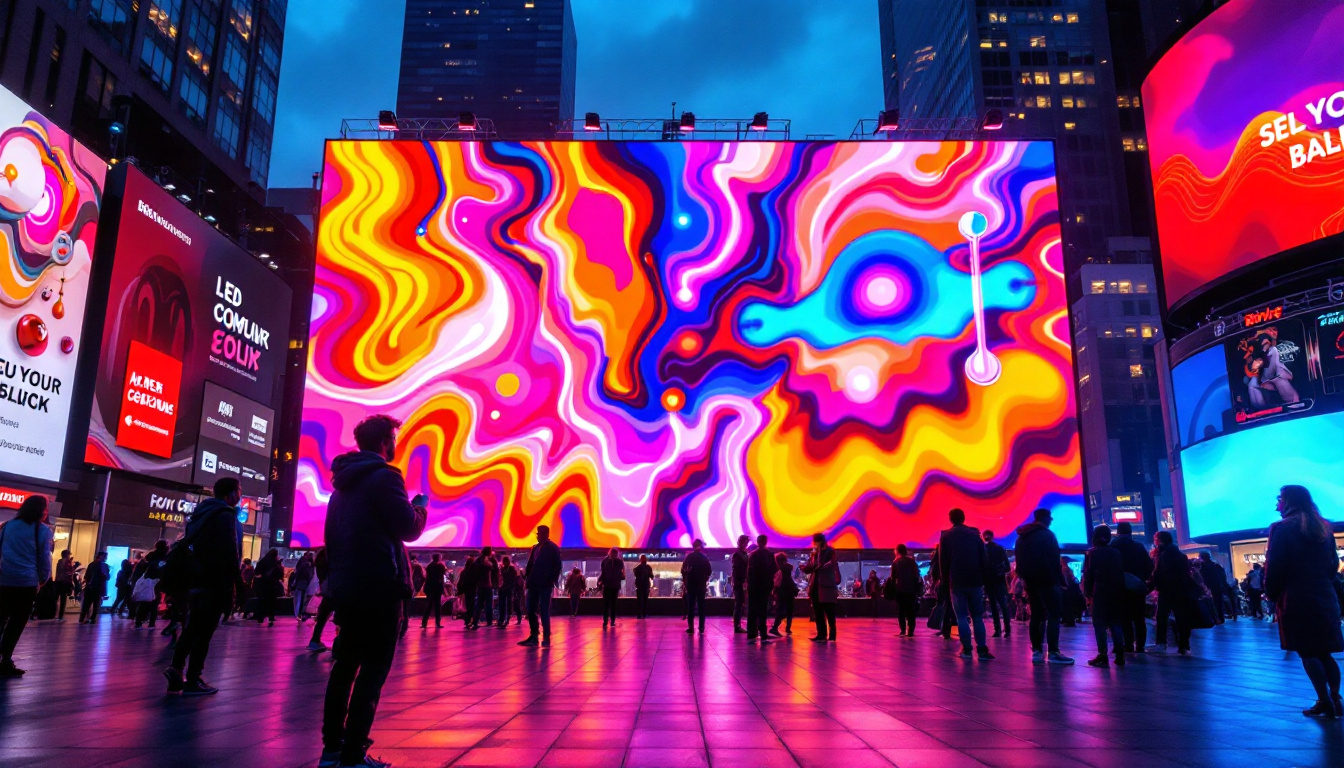
LED signage can range from small, high-resolution panels to massive video walls that span entire storefronts. Their modular design allows retailers to customize size and shape, ensuring the display fits perfectly within their space and branding strategy. The versatility of LED signage means that it can be used for a variety of applications, from advertising and promotions to wayfinding and information displays, enhancing the overall customer experience.
How LED Technology Works
At the core of LED displays are light-emitting diodes arranged in clusters called pixels. Each pixel contains red, green, and blue diodes that combine to produce a full spectrum of colors. By adjusting the intensity of each diode, the display can render vivid images and smooth video playback. This technology not only allows for stunning visuals but also enables dynamic content updates, which can be crucial for time-sensitive promotions or seasonal campaigns.
Because LEDs emit their own light, they don’t rely on backlighting like LCD screens. This self-illumination results in superior brightness and energy efficiency, which is crucial for retail settings where displays must be visible under various lighting conditions. Additionally, LED technology is known for its longevity and low maintenance costs, making it a smart investment for retailers looking to enhance their visual merchandising without incurring high operational expenses over time.
Types of LED Displays Used in Retail
Retailers typically choose from several types of LED displays based on their specific needs:
- Indoor LED Displays: Designed for controlled lighting environments, these offer high resolution and pixel density, perfect for detailed content like product videos and dynamic pricing.
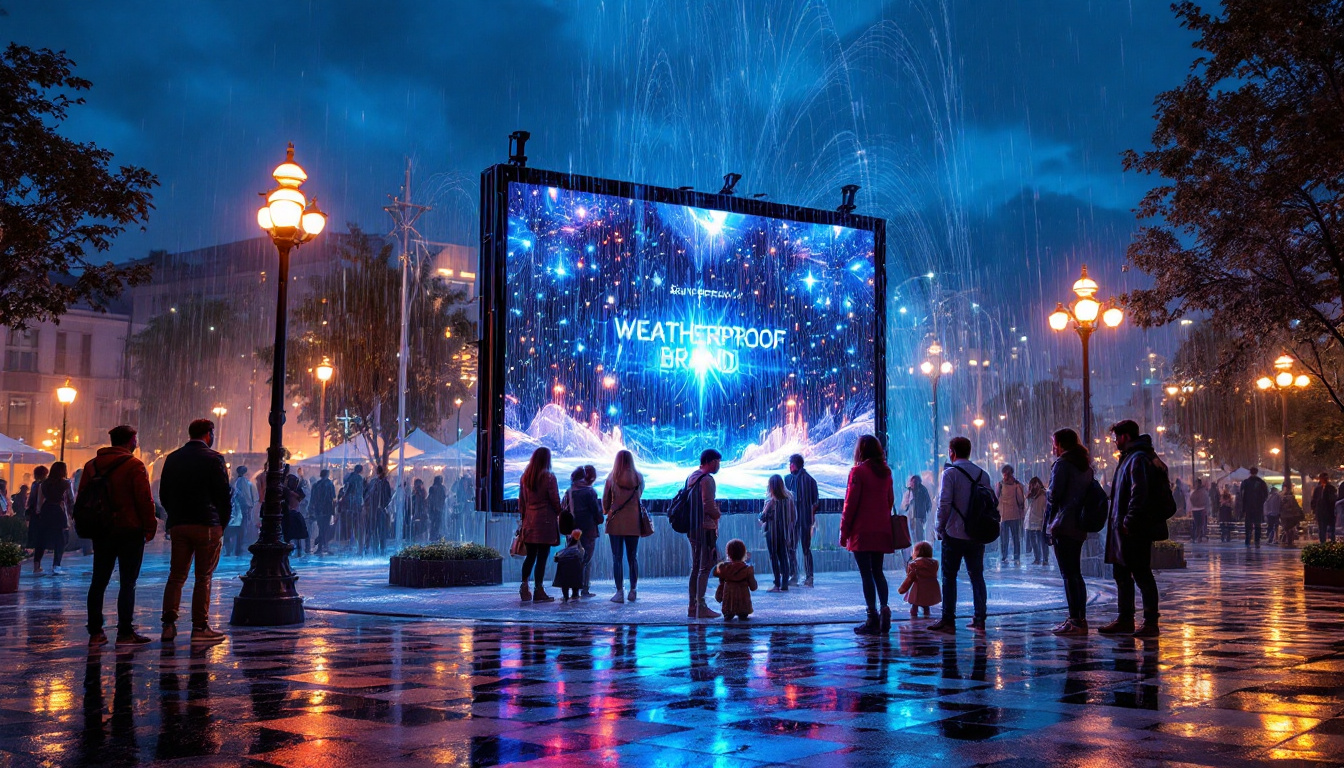
- Outdoor LED Displays: Built to withstand weather elements, these displays are brighter and more durable, making them suitable for storefront signage and promotional messaging visible from afar.
- Transparent LED Displays: These innovative panels allow light to pass through, enabling retailers to maintain window visibility while showcasing digital content.
Furthermore, there are also specialized options such as curved LED displays, which can create immersive environments by wrapping around corners or creating unique shapes that draw attention. These displays are particularly effective in high-traffic areas, as they can engage customers from multiple angles. Additionally, advancements in LED technology have led to the development of flexible LED screens that can be bent and shaped to fit unconventional spaces, offering even greater creative freedom for retailers looking to stand out in a competitive market.
Benefits of LED Digital Signage in Retail Shops
Adopting LED digital signage brings numerous advantages that can directly impact a retailer’s bottom line and customer experience.
Enhanced Visual Impact and Engagement
One of the most significant benefits of LED displays is their ability to attract attention through vibrant colors and motion. Studies show that digital signage can increase customer engagement by up to 400% compared to static signs. The dynamic nature of LED signage encourages shoppers to spend more time in-store, increasing the likelihood of purchase.
Furthermore, LED displays can showcase multiple messages and promotions in rotation, keeping content fresh and relevant without the need for physical replacements. This adaptability not only caters to different customer demographics but also allows retailers to respond swiftly to market trends, ensuring that their messaging resonates with the current audience. For instance, during peak shopping seasons or special events, retailers can highlight limited-time offers or exclusive products, creating a sense of urgency that can drive sales.
Improved Brand Communication and Flexibility
LED signage allows retailers to tailor their messaging instantly. Whether promoting flash sales, new arrivals, or seasonal events, content can be updated remotely and in real time. This flexibility is invaluable in today’s market where consumer trends shift rapidly. Retailers can utilize data analytics to determine which promotions are performing well and adjust their messaging accordingly, ensuring that they are always presenting the most effective content to their customers.
Additionally, LED displays support multimedia content including videos, animations, and interactive elements, enabling brands to tell their story more effectively and create memorable shopping experiences. By integrating social media feeds or customer testimonials into the display, retailers can foster a sense of community and connection with their audience, encouraging shoppers to engage not just with the products but with the brand itself. This interactive approach can transform a simple shopping trip into an engaging experience, making customers more likely to return.
Cost Efficiency and Sustainability
While the initial investment in LED digital signage may be higher than traditional signage, the long-term benefits often outweigh the costs. LEDs consume significantly less power than other display technologies and have a longer lifespan, reducing maintenance and replacement expenses. Retailers can benefit from lower energy bills, which can be particularly advantageous for large stores with multiple displays running simultaneously.
Moreover, the ability to update content digitally eliminates printing costs and waste associated with paper-based signage, aligning with growing sustainability goals in retail operations. As consumers become increasingly eco-conscious, showcasing a commitment to sustainability can enhance a brand’s reputation. Retailers can also leverage LED signage to promote their green initiatives, such as using recycled materials or reducing carbon footprints, further appealing to environmentally aware shoppers. By integrating such practices, businesses not only save costs but also position themselves as leaders in sustainability within their industry.
Key Features to Consider When Choosing LED Displays for Your Shop
Selecting the right LED display involves evaluating several critical factors to ensure the signage meets your specific retail needs.
Resolution and Pixel Pitch
Resolution refers to the number of pixels in the display, which directly affects image clarity. Pixel pitch is the distance between individual pixels, measured in millimeters. A smaller pixel pitch means higher resolution and sharper images, ideal for close viewing distances.
For indoor retail environments where customers view displays up close, a pixel pitch of 1.5mm to 3mm is recommended. Outdoor displays can have a larger pixel pitch since they are viewed from a distance, typically between 6mm and 20mm.
Brightness and Contrast Ratio
Brightness is measured in nits and determines how visible the display is under various lighting conditions. Indoor LED displays generally require 800 to 1,200 nits, while outdoor displays need much higher brightness levels, often exceeding 5,000 nits, to combat sunlight glare.
Contrast ratio, the difference between the darkest black and brightest white, affects image depth and realism. High contrast ratios improve readability and visual appeal, especially in brightly lit retail spaces.
Durability and Weather Resistance
For outdoor installations, durability is paramount. Look for LED displays with an IP65 or higher rating, indicating protection against dust and water. Robust casing and temperature control features ensure the display operates reliably in varying weather conditions.
Control Systems and Content Management
Modern LED signage solutions come with sophisticated content management systems (CMS) that allow retailers to schedule, update, and monitor content remotely. Integration with inventory systems, social media feeds, and customer analytics tools can further enhance the effectiveness of digital signage campaigns.
Practical Applications of LED Digital Signage in Retail
LED digital signage is versatile and can be employed in various ways to boost retail performance and customer satisfaction.
Promotional Displays and Flash Sales
Dynamic LED signs are perfect for announcing limited-time offers and flash sales. Their eye-catching visuals create urgency and drive impulse purchases, which are critical in competitive retail markets.
Wayfinding and Interactive Kiosks
Large LED screens can serve as interactive directories or wayfinding tools within shopping centers or large stores. By integrating touchscreens and intuitive interfaces, retailers can enhance the shopping experience and reduce the need for staff assistance.
Brand Storytelling and Customer Engagement
LED displays can showcase brand heritage, product origins, or customer testimonials through engaging video content. This storytelling approach builds emotional connections with shoppers, fostering loyalty and repeat visits.
Future Trends in LED Digital Signage for Retail
The digital signage landscape continues to evolve rapidly, driven by technological advancements and changing consumer behaviors.
Integration with Artificial Intelligence and Analytics
AI-powered digital signage can personalize content based on customer demographics, behavior, and preferences detected via cameras and sensors. This targeted approach increases relevance and effectiveness, maximizing return on investment.
Augmented Reality (AR) and Immersive Experiences
Emerging AR technologies combined with LED displays enable immersive shopping experiences, such as virtual try-ons or interactive product demonstrations. These innovations can differentiate retailers and attract tech-savvy consumers.
Energy-Efficient and Eco-Friendly Solutions
As sustainability becomes a priority, manufacturers are developing LED displays with even lower power consumption and recyclable materials. Retailers adopting these solutions can enhance their corporate social responsibility profiles while reducing operational costs.
Conclusion
LED digital signage has transformed retail communication by offering dynamic, engaging, and flexible solutions that resonate with modern consumers. Whether enhancing visual appeal, improving operational efficiency, or supporting sustainability goals, LED displays provide a powerful tool for retailers aiming to stay competitive in an increasingly digital marketplace.
Investing in the right LED signage, tailored to your store’s unique environment and objectives, can drive customer engagement, increase sales, and elevate brand presence. As technology advances, embracing LED digital signage will continue to be a strategic imperative for forward-thinking retailers.
Discover LumenMatrix LED Display Solutions
Ready to elevate your retail space with the latest in LED display technology? LumenMatrix is at the forefront of creating immersive and dynamic visual experiences that captivate customers and amplify your brand’s message. From Indoor and Outdoor LED Wall Displays to innovative solutions like Vehicle LED Displays and LED Transparent Displays, our extensive range ensures that your business stands out in the digital age. Experience the transformative power of LumenMatrix’s LED display modules and join the revolution in visual communication. Check out LumenMatrix LED Display Solutions today and see the difference for yourself.