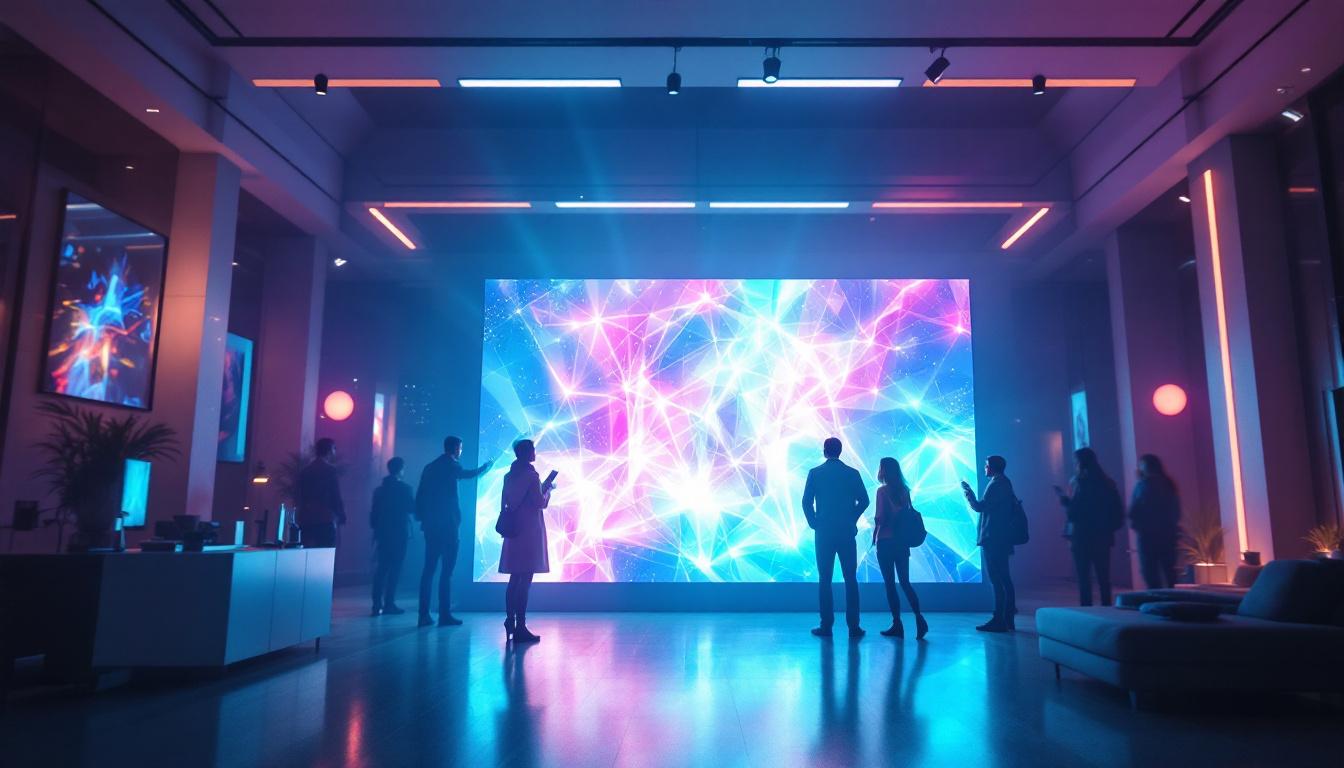
In the rapidly evolving world of display technology, LED displays have become a cornerstone for vibrant, energy-efficient visual solutions. Among the various types of LED display technologies, COB LED stands out for its unique construction and performance advantages. This article delves into the definition of COB LED, explores its technology, applications, and benefits, and explains why it is gaining traction in both commercial and industrial sectors.
What is COB LED Technology?
COB stands for “Chip on Board,” a method of LED packaging where multiple LED chips are mounted directly onto a substrate to form a single module. Unlike traditional LED packaging, where each LED chip is individually packaged and then assembled, COB integrates several LED chips closely together on a single board. This design allows for a more compact, efficient, and uniform light source.
In a COB LED display, thousands of these LED modules are arranged to create a seamless screen capable of producing high-resolution images. The close proximity of the chips reduces the gaps between light sources, resulting in smoother visuals and higher pixel density. This technology is particularly beneficial in applications requiring high-quality imaging, such as digital signage, television screens, and even in architectural lighting where aesthetics and performance are paramount.
Moreover, the ability to create larger displays without visible seams or interruptions enhances the viewer’s experience, making COB LED technology a preferred choice for modern visual installations. The uniformity of light output not only improves the overall visual quality but also contributes to energy efficiency, as COB LEDs can achieve higher lumens per watt compared to their traditional counterparts.
How COB Differs from Traditional LED Packaging
Traditional LED displays typically use SMD (Surface-Mounted Device) or DIP (Dual In-line Package) LEDs. SMD LEDs involve mounting individual LED components on a circuit board, while DIP LEDs are older and bulkier, often used in large outdoor displays. COB LED technology differs by integrating multiple LED chips into a single module, which reduces the number of separate components and enhances thermal management.
This integration leads to several advantages, including improved durability, better heat dissipation, and a more uniform light output. The reduction in solder points also minimizes potential failure points, increasing the overall reliability of the display. Additionally, COB technology allows for a more streamlined manufacturing process, as fewer components mean less assembly time and lower production costs. This efficiency can translate to significant savings for manufacturers and consumers alike, making COB LEDs an attractive option in a variety of lighting applications.
Furthermore, the compact nature of COB LEDs enables innovative designs and form factors that were previously challenging to achieve with traditional LED technologies. This flexibility opens up new possibilities for creative installations, such as curved displays or ultra-thin panels, which can be seamlessly integrated into architectural features or used in immersive environments. As the demand for high-quality visual experiences continues to grow, COB LED technology is poised to play a pivotal role in shaping the future of lighting and display solutions.
Technical Advantages of COB LED Displays
COB LED technology offers several technical benefits that make it an attractive choice for modern display applications. These advantages stem from the unique way the LEDs are packaged and the resulting improvements in performance and reliability.
High Pixel Density and Resolution
Because multiple LED chips are closely packed on a single substrate, COB LED displays can achieve higher pixel densities compared to traditional LED displays. This means sharper images, finer details, and smoother gradients, which are crucial for applications requiring high-resolution visuals, such as digital signage, broadcast studios, and control rooms.
Enhanced Heat Dissipation
Heat management is a critical factor in LED display performance and longevity. COB LEDs benefit from a larger surface area for heat dissipation and fewer solder joints, which reduces thermal resistance. Efficient heat dissipation prevents overheating, ensuring stable operation and extending the lifespan of the display.
Improved Brightness and Uniformity
The close arrangement of LED chips in COB modules results in a more uniform light output with minimal dark spots or color inconsistencies. This uniformity enhances the viewing experience, especially in environments where consistent brightness and color accuracy are essential.
Durability and Reliability
With fewer individual components and solder joints, COB LED displays are less prone to mechanical failures. The integrated design also makes the modules more resistant to dust, moisture, and physical impacts, making them suitable for both indoor and outdoor applications.
Applications of COB LED Displays
The versatility and performance of COB LED displays have led to their adoption across various industries. Their ability to deliver high-quality visuals in a compact, durable form factor makes them ideal for numerous applications.
Commercial Advertising and Digital Signage
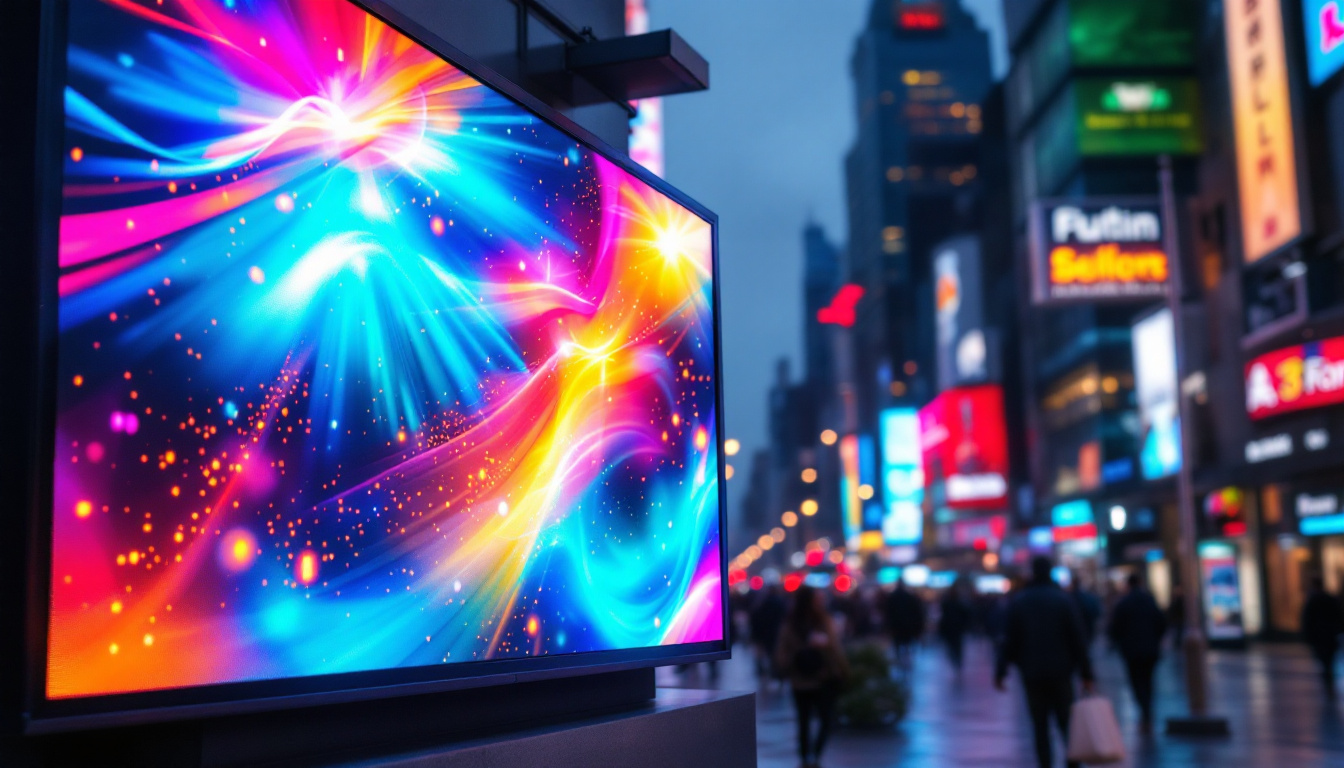
Retailers and advertisers increasingly rely on COB LED displays for eye-catching digital signage. The high resolution and brightness of COB displays allow for vivid, dynamic advertisements that attract consumer attention even in brightly lit environments. Their slim profile also enables creative installation options in storefronts, malls, and public spaces.
Broadcast and Media Production
In television studios and media production environments, COB LED displays are favored for video walls and background screens. Their ability to produce seamless, high-resolution images without visible pixel gaps enhances the visual quality of broadcasts and live events.
Industrial and Control Rooms
Control rooms require reliable, high-resolution displays for monitoring complex systems. COB LED technology provides clear, consistent visuals that help operators make informed decisions. The durability and heat management features ensure these displays perform well in demanding environments.
Architectural and Decorative Lighting
Beyond traditional screens, COB LEDs are used in architectural lighting and decorative installations. Their compact size and uniform light output allow designers to create intricate lighting effects and large-scale displays that are both visually stunning and energy-efficient.
Comparing COB LED with Other LED Technologies
Understanding how COB LED compares with other LED technologies is essential for making informed decisions about display solutions. Below is a comparison with the most common alternatives:
COB LED vs. SMD LED
SMD LEDs are widely used in indoor and outdoor displays due to their versatility and cost-effectiveness. However, SMD displays often have visible gaps between LEDs, which can affect image uniformity at close viewing distances. COB LED displays minimize these gaps, offering smoother visuals and higher pixel density.
Additionally, COB LEDs generally provide better heat dissipation and durability, though they can be more expensive to manufacture. For applications demanding superior image quality and reliability, COB is often the preferred choice.
COB LED vs. MicroLED
MicroLED is an emerging technology that offers even higher pixel densities and energy efficiency by using microscopic LEDs. While MicroLED displays promise exceptional performance, they are currently expensive and complex to produce, limiting their widespread adoption.
COB LED technology bridges the gap between traditional LED displays and MicroLED, providing high-quality visuals at a more accessible price point. For many applications, COB LED offers an optimal balance of performance, cost, and durability.
Key Considerations When Choosing a COB LED Display
Selecting the right COB LED display involves evaluating several factors to ensure the technology aligns with the specific needs of the application.
Pixel Pitch and Viewing Distance
Pixel pitch—the distance between the centers of adjacent LED pixels—directly affects image clarity and viewing distance. COB LEDs can achieve smaller pixel pitches, making them suitable for close-up viewing environments like retail stores or broadcast studios. For larger venues or outdoor displays, a larger pixel pitch might be more cost-effective without compromising visibility.
Brightness and Environmental Conditions
Consider the ambient lighting conditions where the display will be used. COB LED displays typically offer high brightness levels, making them suitable for both indoor and outdoor use. However, outdoor applications require displays with additional weatherproofing and UV resistance.
Installation and Maintenance
COB LED modules are designed to be compact and easy to install. Their integrated design reduces maintenance requirements, but it is important to ensure that the display system allows for easy module replacement and servicing to minimize downtime.
Budget and Total Cost of Ownership
While COB LED displays may have a higher upfront cost compared to traditional SMD displays, their durability, energy efficiency, and reduced maintenance can lead to lower total cost of ownership over time. Evaluating long-term benefits alongside initial investment is crucial for making a cost-effective decision.
The Future of COB LED Technology
COB LED technology continues to evolve, driven by advancements in semiconductor manufacturing and materials science. Researchers are exploring ways to further increase chip density, improve color rendering, and enhance energy efficiency.
Emerging trends include integrating COB LEDs with smart control systems for dynamic brightness adjustment and color calibration, enabling more immersive and adaptive display experiences. Additionally, the growing demand for sustainable and energy-efficient technologies positions COB LED as a key player in the future of digital displays.
As industries increasingly prioritize high-quality visuals and reliability, COB LED displays are poised to become a standard in applications ranging from advertising and entertainment to industrial monitoring and architectural lighting.
Conclusion
COB LED technology represents a significant advancement in LED display design, offering superior brightness, uniformity, durability, and pixel density compared to traditional LED packaging methods. Its unique chip-on-board construction enables seamless, high-resolution displays that meet the demanding needs of modern applications.
From commercial advertising and broadcast studios to industrial control rooms and architectural lighting, COB LED displays provide versatile and reliable solutions. While the initial investment may be higher, the long-term benefits in performance and maintenance make COB LED a compelling choice for businesses and organizations seeking cutting-edge display technology.
Understanding the technical advantages and application possibilities of COB LED is essential for making informed decisions in the competitive landscape of digital displays. As technology advances, COB LED is set to play an increasingly important role in delivering vibrant, energy-efficient, and durable visual experiences.
Discover Cutting-Edge COB LED Displays with LumenMatrix
Ready to elevate your visual experience with the latest in COB LED technology? Look no further than LumenMatrix, a pioneer in crafting LED display modules that transform any space into a dynamic visual spectacle. Whether you’re looking to captivate passersby with an Outdoor LED Wall Display, engage fans with a vibrant LED Sports Display, or innovate with a Custom LED Display, LumenMatrix has the solution to bring your vision to life. Check out LumenMatrix LED Display Solutions today and join the revolution in visual communication.