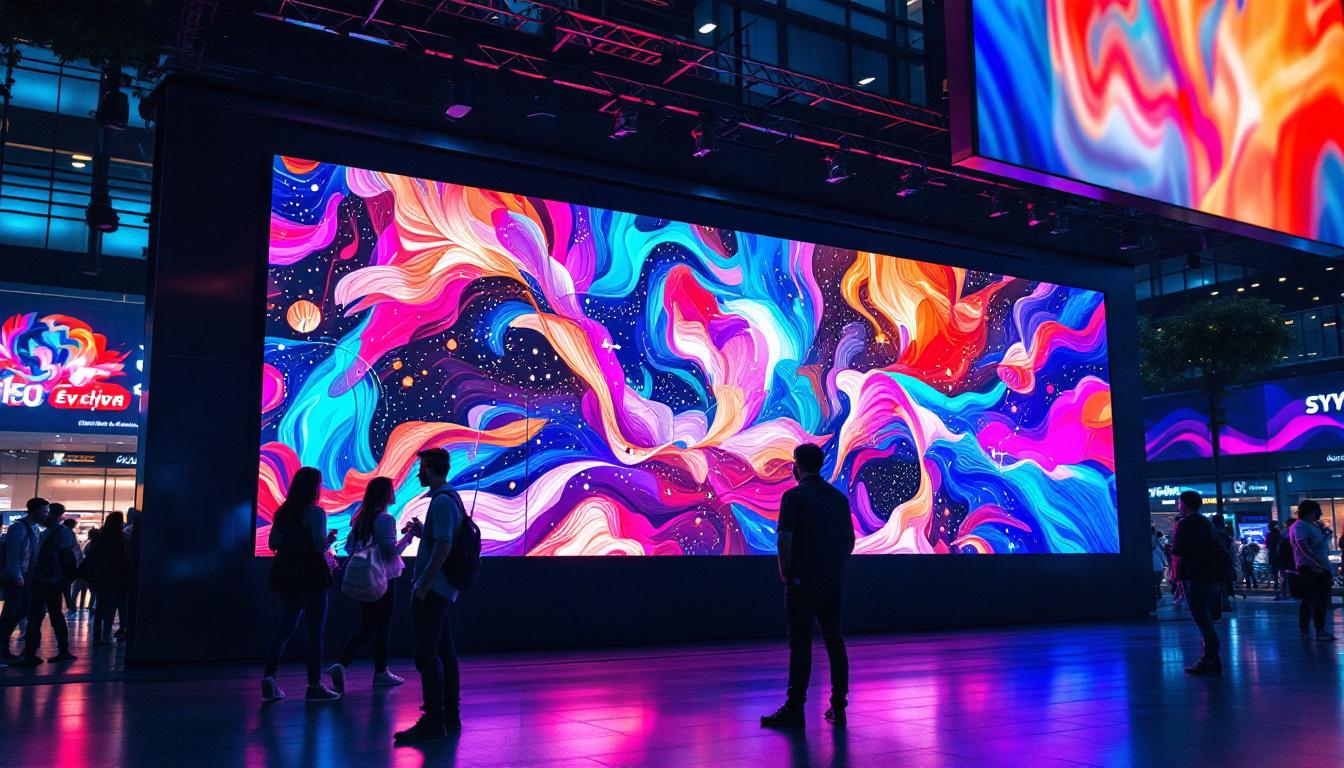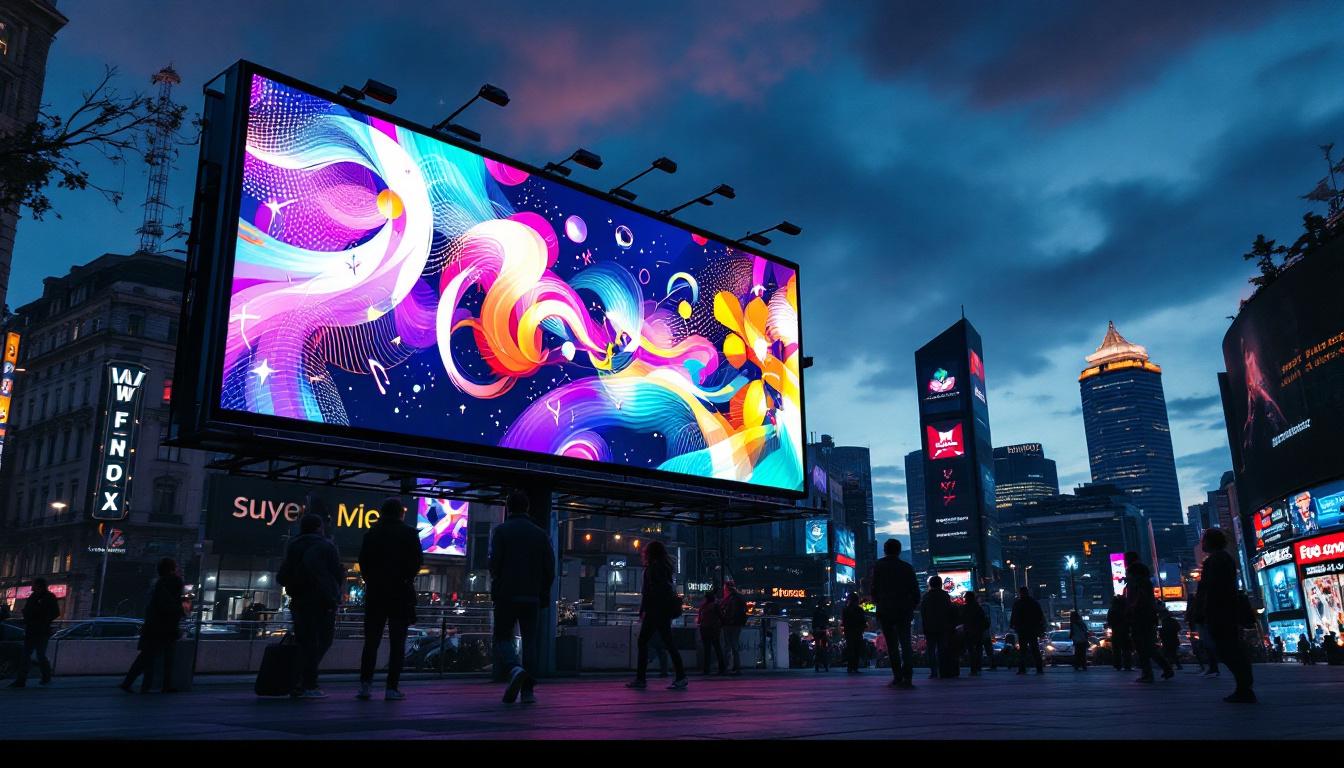
In the fast-paced world of advertising, capturing attention quickly and effectively is paramount. Billboards have been a staple of outdoor advertising for decades, but the evolution from static images to dynamic digital displays has transformed how brands communicate with their audiences. Among these innovations, LED displays stand out as a powerful medium for delivering vibrant, engaging content that can be updated in real time. This article explores the fundamentals of LED billboard displays, their advantages, technological components, and why they have become the preferred choice for advertisers worldwide.
Understanding LED Billboard Displays
LED, or Light Emitting Diode, technology has revolutionized the billboard industry by enabling bright, colorful, and dynamic advertising content. Unlike traditional printed billboards that require physical replacement for each new campaign, LED billboards use an array of tiny light-emitting diodes to create images and videos that can be changed instantly.
These displays consist of thousands, sometimes millions, of individual LEDs arranged in a grid. Each LED emits light in specific colors—typically red, green, and blue—which combine to produce a full spectrum of colors. This capability allows for highly detailed and vibrant visuals that can be seen clearly even in direct sunlight, making LED billboards ideal for outdoor environments. Furthermore, the flexibility of LED technology enables advertisers to run multiple campaigns simultaneously, rotating messages throughout the day to maximize exposure and engagement with potential customers.
How LED Displays Work
At the core of an LED billboard is the pixel, which is made up of three LEDs—red, green, and blue. By adjusting the intensity of each LED, the pixel can display a wide range of colors. Thousands of these pixels work together to form images or videos. The display is controlled by a computer system that sends signals to the LEDs, dictating which lights should be on and at what brightness. This advanced control system allows for real-time updates, enabling advertisers to respond quickly to market changes or current events, ensuring their content remains relevant and engaging.
The refresh rate and resolution of the display determine the quality of the image. Higher resolution LED billboards have smaller pixels and can show more detail, making them suitable for close viewing distances. Conversely, billboards designed for highway viewing prioritize brightness and size over ultra-high resolution. Additionally, many modern LED billboards incorporate smart technology, allowing for features such as weather responsiveness, where the content can change based on environmental conditions, or audience measurement tools that analyze viewer engagement and demographics, providing valuable insights for advertisers.
Advantages of LED Billboard Displays
The shift from traditional billboards to LED displays is driven by several compelling advantages that benefit advertisers, property owners, and audiences alike.
Dynamic Content and Flexibility
One of the most significant benefits of LED billboards is their ability to display dynamic content. Advertisers can run multiple ads in rotation, schedule campaigns to appear at specific times, or even display real-time information such as news, weather, or social media feeds. This flexibility allows for targeted messaging and timely updates without the cost and labor associated with printing and installing new physical billboards. Furthermore, the ability to incorporate interactive elements, such as QR codes or augmented reality features, can enhance audience engagement and create a more immersive advertising experience. This adaptability not only keeps the content fresh but also allows brands to respond quickly to market changes or current events, making their messaging more relevant and impactful.
Enhanced Visibility and Brightness
LED displays are exceptionally bright, often exceeding 5,000 nits, which means they remain visible even in direct sunlight. This high brightness ensures that messages are clear and eye-catching, increasing the likelihood of engagement. Additionally, the vibrant colors and motion capabilities of LED displays naturally draw more attention than static images. The technology behind LED displays also allows for superior contrast ratios, making colors pop and details more discernible, even from a distance. This enhanced visibility is particularly beneficial in urban environments where competition for viewer attention is fierce, as well as in high-traffic areas where quick messaging is crucial for capturing the fleeting interest of passersby.
Cost Efficiency Over Time
While the initial investment in LED billboard technology can be higher than traditional billboards, the long-term savings are significant. Eliminating the need for printing, installation, and disposal of physical materials reduces operational costs. Moreover, the ability to update content remotely and instantly means campaigns can be more responsive and efficient, maximizing advertising ROI. Additionally, LED technology has a longer lifespan compared to traditional lighting methods, which means fewer replacements and maintenance costs over time. This durability not only enhances the overall value proposition of LED billboards but also allows advertisers to allocate their budgets more effectively, focusing on creative content rather than logistical challenges.
Environmental Benefits
LED billboards also offer environmental advantages. Traditional billboards often involve the use of vinyl and other non-biodegradable materials that contribute to waste. Digital displays reduce this waste and consume less power compared to older lighting technologies, especially when equipped with energy-efficient LED modules and smart brightness controls. Moreover, many LED billboards are now designed with sustainability in mind, utilizing recyclable materials and energy sources such as solar power. This commitment to eco-friendliness not only enhances the public image of brands that choose LED advertising but also aligns with the growing consumer preference for environmentally responsible practices. As cities continue to prioritize sustainability, LED billboards position themselves as a forward-thinking choice for modern advertising solutions.
Key Components of LED Billboard Displays
To fully appreciate the technology behind LED billboards, it’s important to understand their main components and how they work together to deliver stunning visuals.
LED Modules and Pixels
The fundamental building blocks of an LED billboard are the LED modules, which contain the individual LEDs arranged in pixels. The size and pitch of these pixels—known as pixel pitch—directly influence the display’s resolution and viewing distance. A smaller pixel pitch means higher resolution and closer viewing capability, while a larger pitch is suitable for distant viewing, such as on highways.
Control Systems
The control system manages the content displayed on the billboard. It includes hardware and software that process input signals and convert them into commands for the LED modules. Modern control systems enable remote management, allowing advertisers to update content from anywhere in the world via the internet.
Power Supply and Cooling
LED billboards require a stable power supply to maintain consistent brightness and performance. Efficient power management is crucial to minimize energy consumption and operational costs. Additionally, LED modules generate heat during operation, so cooling systems—often passive heat sinks or active fans—are integrated to prevent overheating and extend the lifespan of the display.
Enclosure and Weatherproofing
Since billboards are exposed to the elements, the enclosure must protect the delicate electronics from moisture, dust, and temperature extremes. High-quality LED billboards are designed with weatherproof casings that meet industry standards for outdoor use, ensuring durability and reliable performance year-round.
Applications and Trends in LED Billboard Advertising
LED billboards have found applications across various sectors, and their use continues to expand as technology advances and costs decrease.
Urban and Highway Advertising
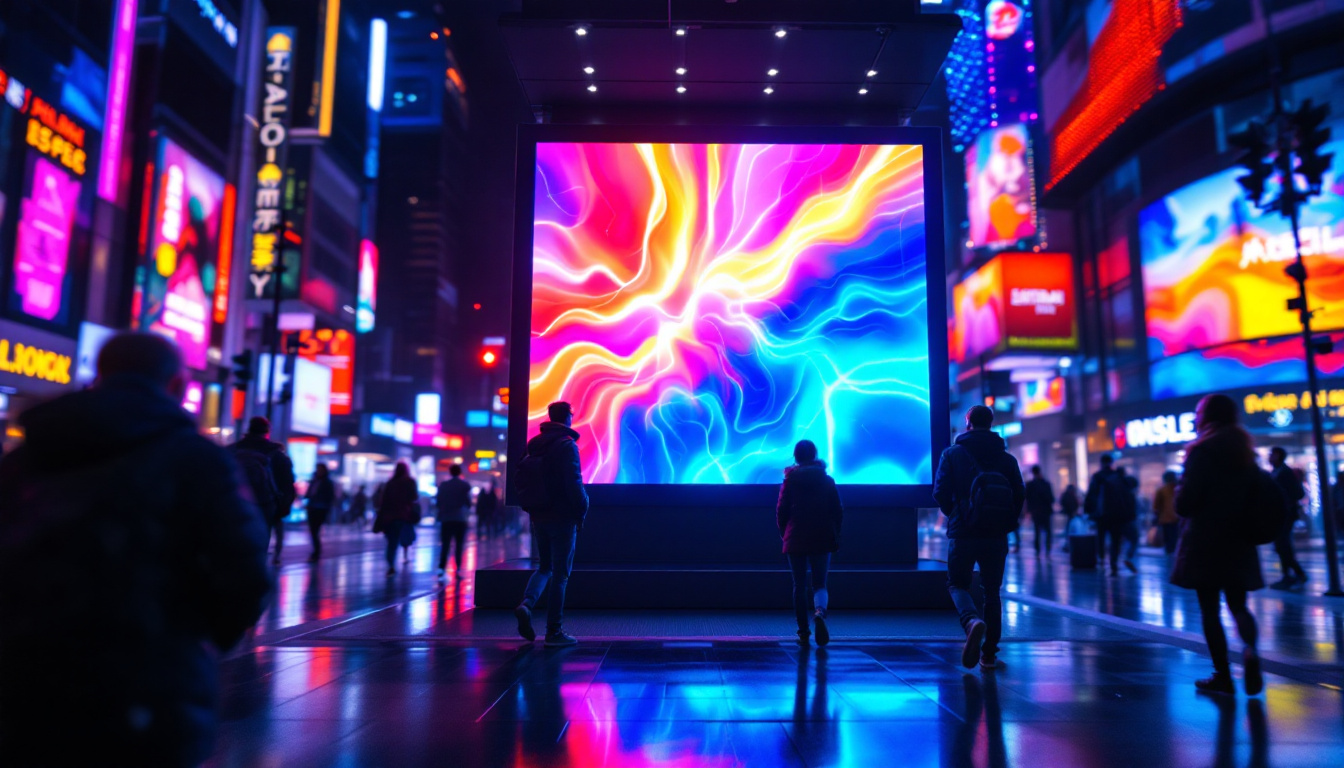
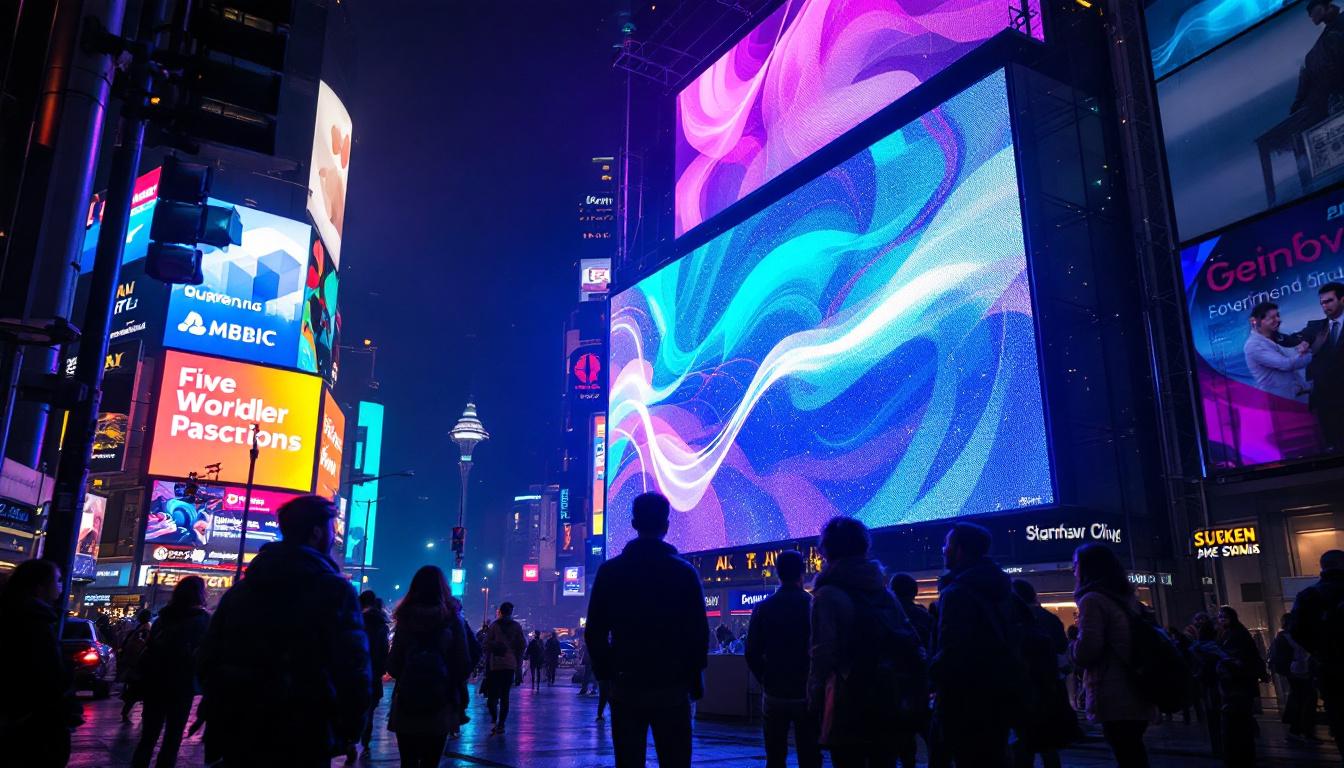
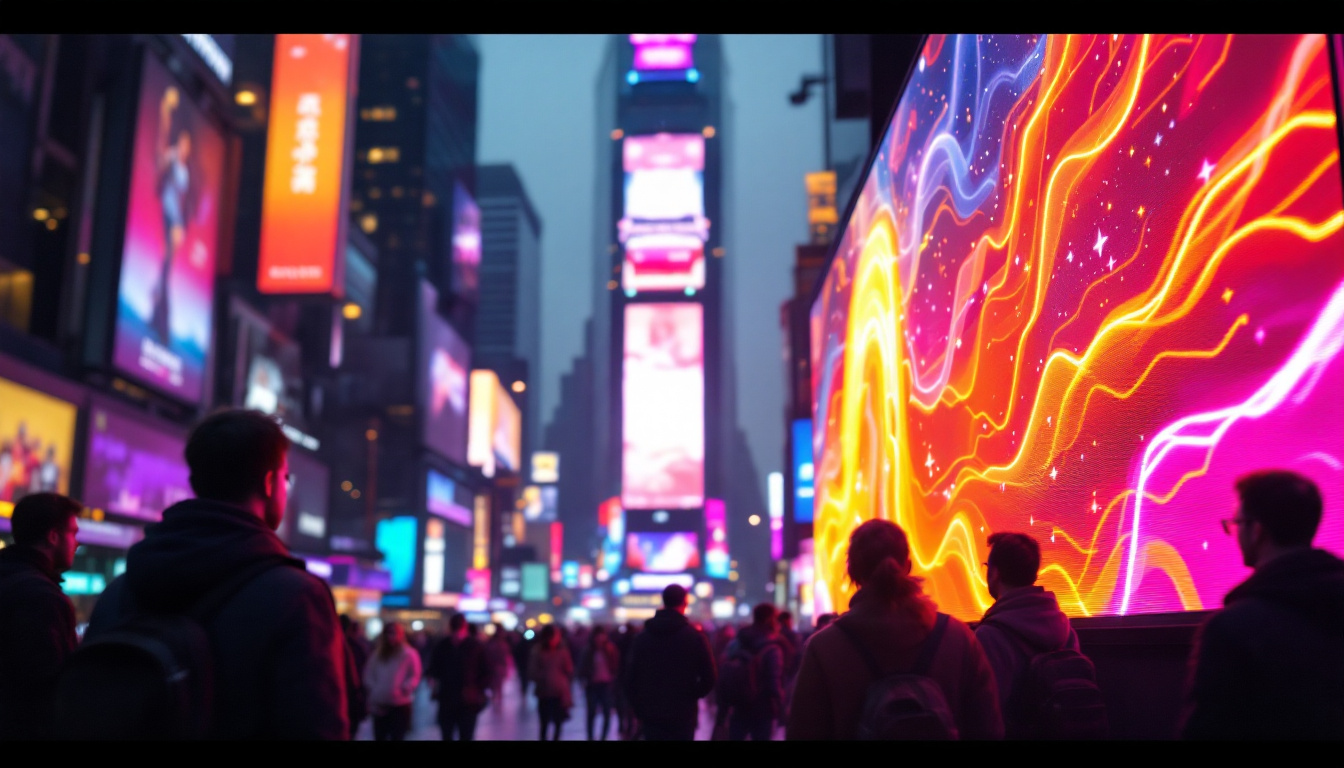
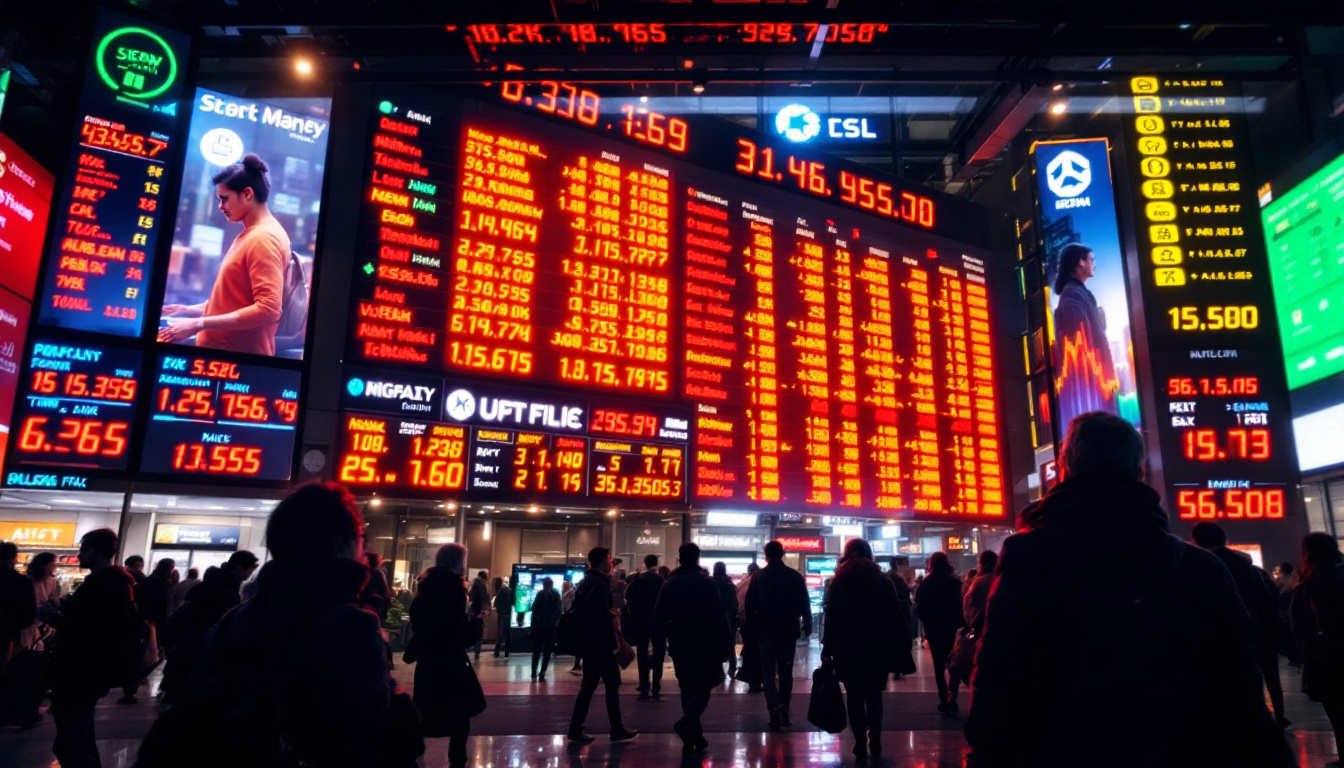
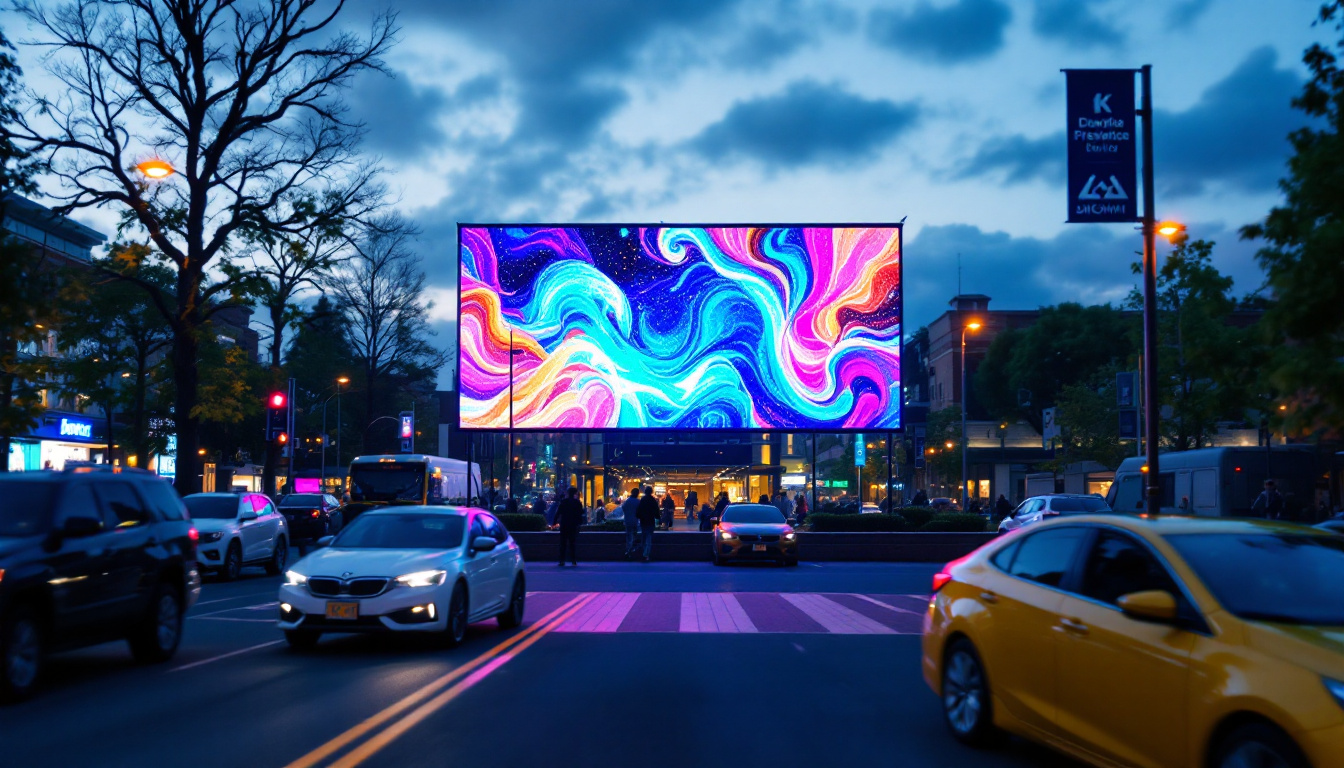
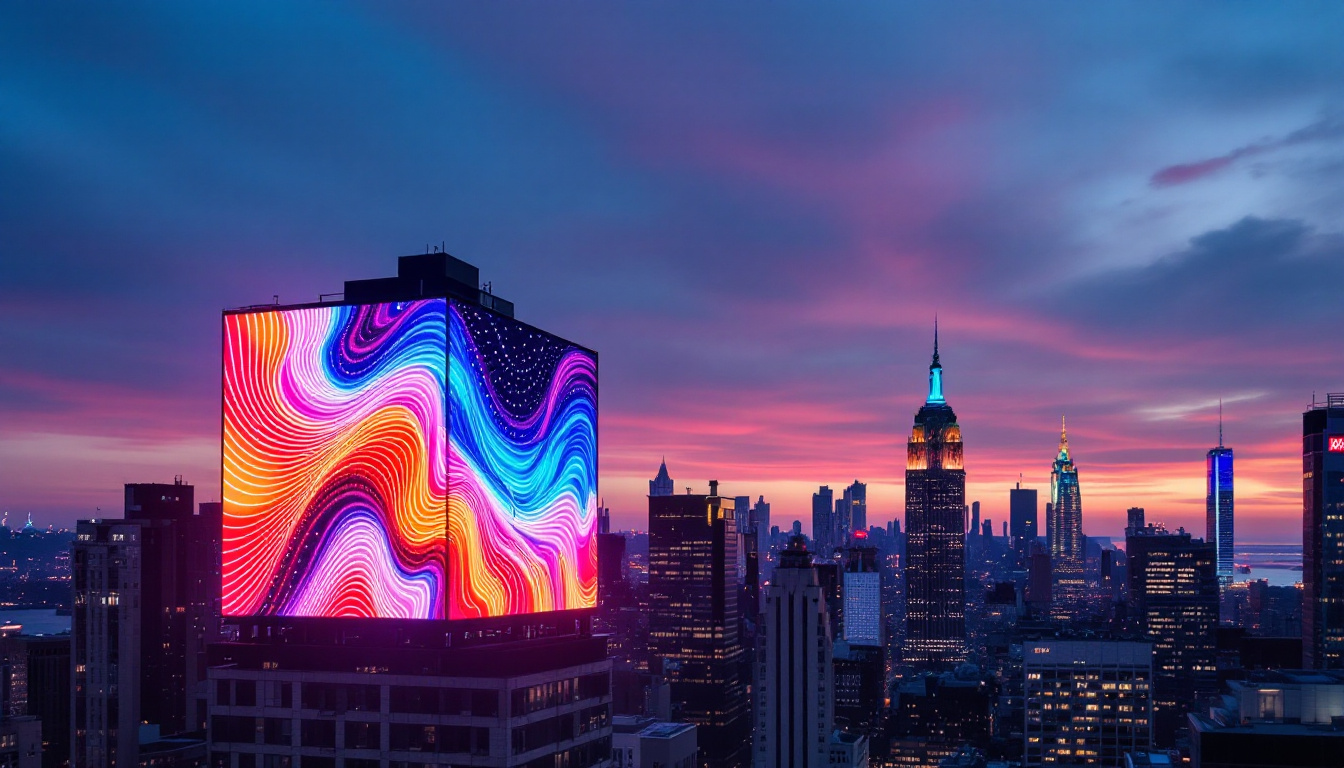
In urban environments, LED billboards are often placed in high-traffic areas such as city centers, shopping districts, and transit hubs. Their ability to display dynamic, eye-catching content makes them ideal for brand awareness campaigns and event promotions. On highways, large-format LED billboards provide crucial visibility for advertisers targeting commuters and travelers.
Interactive and Programmatic Advertising
Recent developments have introduced interactivity to LED billboards. Using sensors, cameras, or mobile integration, billboards can respond to audience behavior, weather conditions, or time of day, tailoring content in real time. Programmatic advertising platforms now enable automated buying and scheduling of billboard ads, increasing efficiency and targeting accuracy.
Integration with Smart City Initiatives
LED billboards are increasingly integrated into smart city infrastructures, serving multiple functions beyond advertising. They can display public service announcements, emergency alerts, traffic updates, and environmental data. This multifunctionality enhances their value to municipalities and communities.
Challenges and Considerations
Despite their many advantages, LED billboard displays come with challenges that advertisers and operators must consider.
Initial Investment and Maintenance
The upfront cost of purchasing and installing LED billboards can be substantial, especially for high-resolution, large-format displays. Additionally, ongoing maintenance is necessary to ensure optimal performance, including cleaning, repairs, and software updates. However, these costs are often offset by the increased revenue potential and operational savings over time.
Light Pollution and Regulatory Compliance
Due to their brightness and dynamic nature, LED billboards can contribute to light pollution, which has raised concerns in residential areas and environmentally sensitive locations. Many jurisdictions have enacted regulations governing brightness levels, operating hours, and content to mitigate these effects. Compliance with local laws is critical to avoid fines and community opposition.
Content Quality and Audience Engagement
Creating compelling content that leverages the capabilities of LED displays is essential. Poorly designed ads or overly complex visuals can reduce effectiveness and distract viewers. Advertisers must balance creativity with clarity, ensuring messages are easily understood within the brief time viewers typically spend looking at billboards.
The Future of LED Billboard Displays
As technology continues to evolve, LED billboard displays are poised to become even more sophisticated and integrated into the digital advertising ecosystem.
Higher Resolution and Flexible Displays
Advancements in LED technology are enabling higher resolution displays with smaller pixel pitches, allowing for sharper images and closer viewing distances. Flexible and curved LED panels are also emerging, offering new possibilities for creative billboard shapes and installations.
Artificial Intelligence and Data-Driven Advertising
The integration of AI and big data analytics will enable billboards to deliver hyper-targeted content based on real-time audience demographics, behavior, and environmental factors. This level of personalization promises to increase engagement and advertising effectiveness significantly.
Sustainability and Energy Efficiency
Future LED billboards will likely incorporate even more energy-efficient components and renewable energy sources, aligning with global sustainability goals. Innovations such as solar-powered billboards and smart brightness controls will reduce environmental impact while maintaining high performance.
Conclusion
LED billboard displays represent a dynamic and versatile evolution in outdoor advertising. Their ability to deliver bright, colorful, and easily updated content makes them invaluable for brands seeking to capture attention in a crowded marketplace. While challenges such as cost and regulatory compliance exist, the benefits of flexibility, visibility, and environmental sustainability position LED billboards as a forward-looking solution for advertisers and communities alike. As technology advances, these displays will continue to shape the future of visual communication in public spaces.
Illuminate Your Brand with LumenMatrix
Ready to elevate your advertising strategy with the vibrant and versatile power of LED displays? Discover LumenMatrix’s comprehensive suite of LED display solutions, from Indoor and Outdoor LED Walls to innovative Vehicle and Transparent Displays. Embrace the future of visual communication with our cutting-edge technology that promises to captivate your audience and amplify your message. Check out LumenMatrix LED Display Solutions today and transform the way your brand shines in the marketplace.