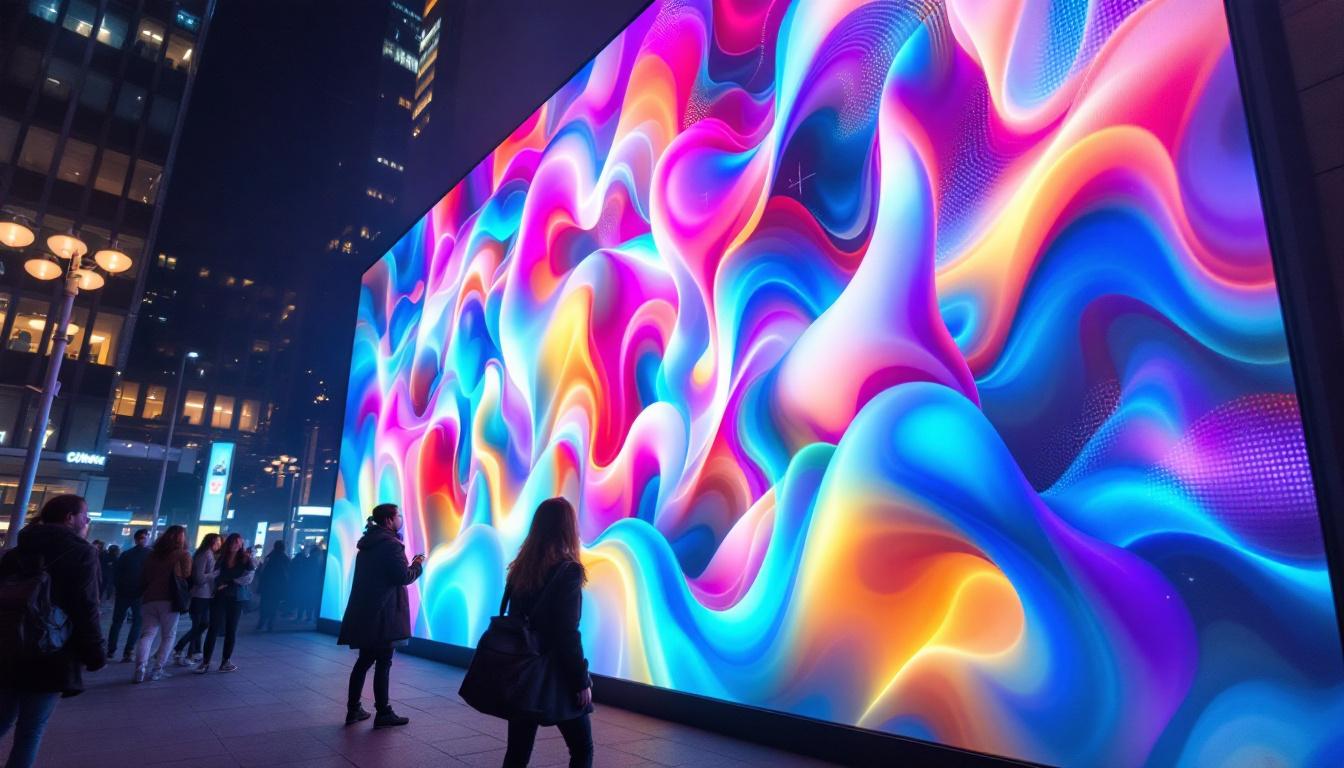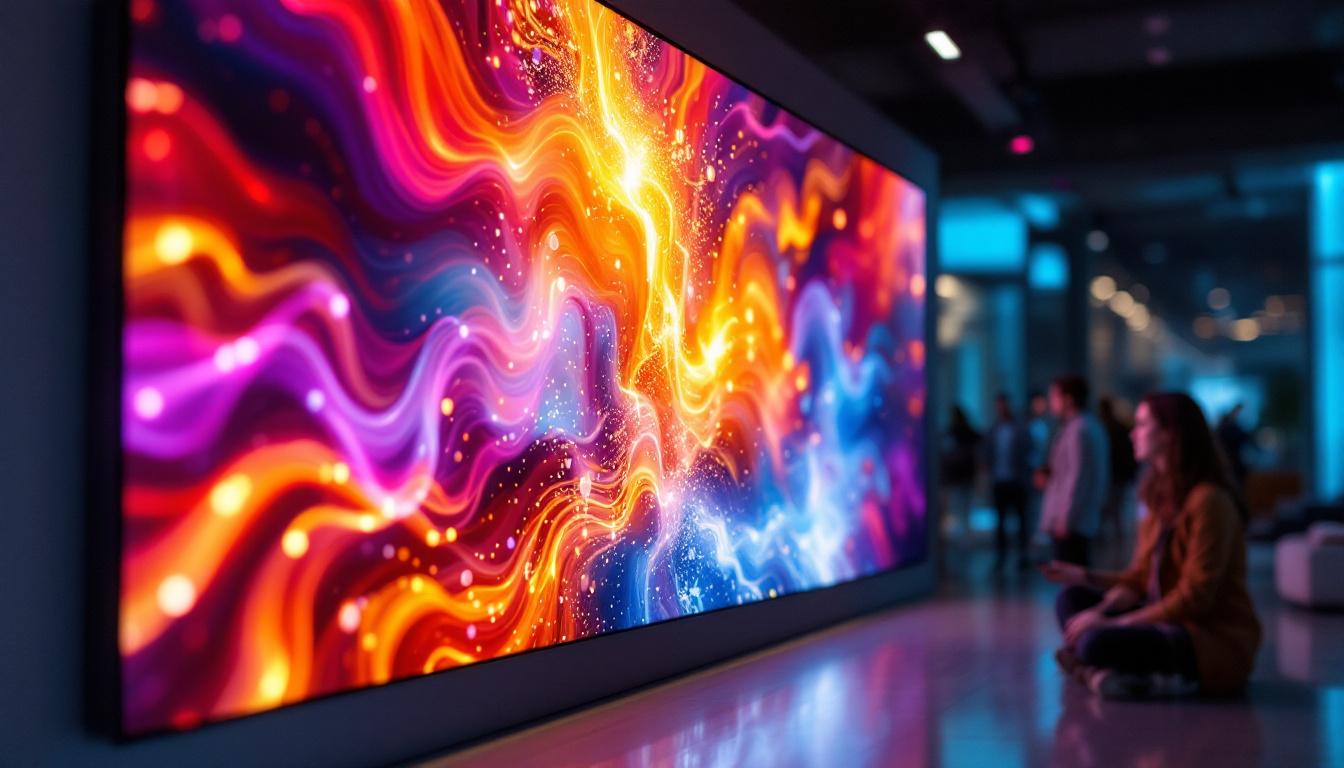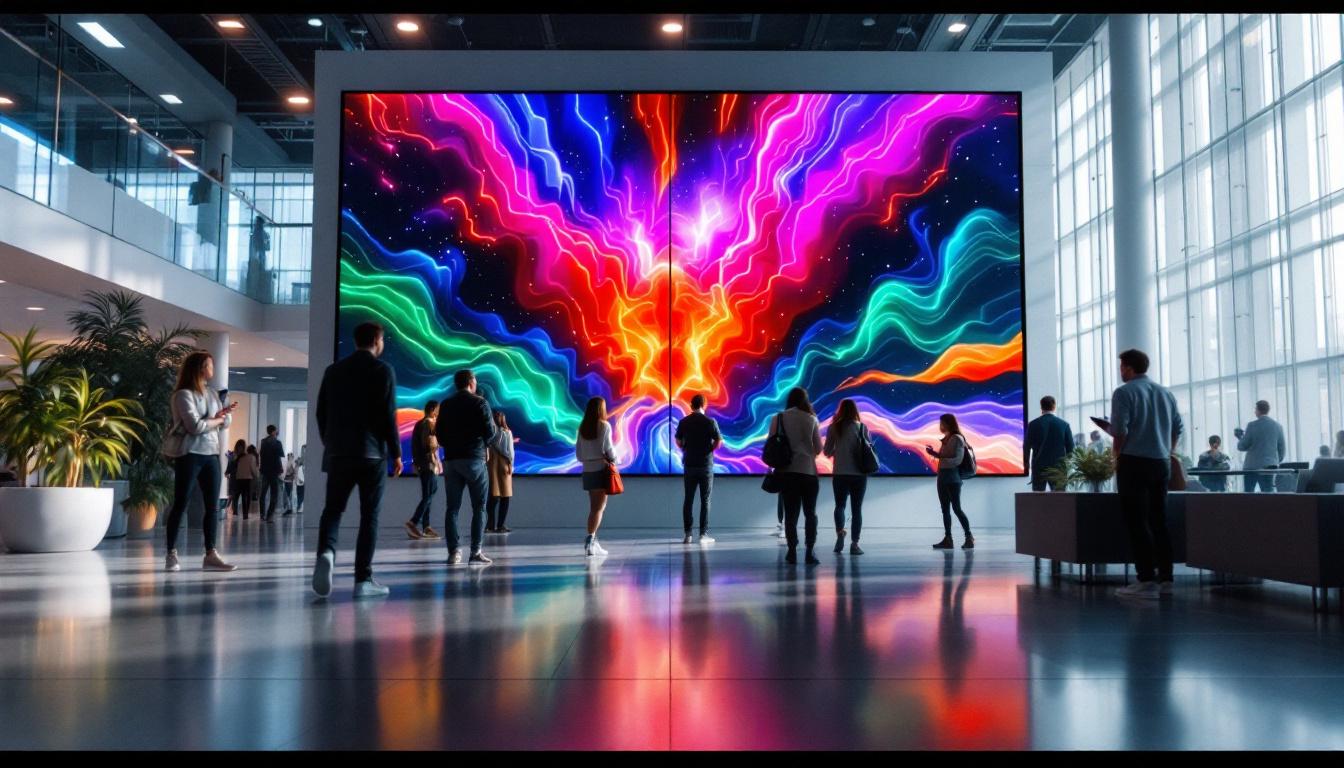
In an era where information is king, the way it is presented can significantly impact its effectiveness. Ticker displays, particularly those utilizing LED technology, have become a staple in various sectors—from financial markets to public transportation and advertising. This article delves into the world of ticker displays, explaining what LED displays are, how they work, and why they have become an indispensable tool for real-time information dissemination.
Understanding Ticker Displays: Origins and Evolution
Ticker displays have a rich history dating back to the late 19th century. Originally, ticker tapes were used to transmit stock prices over telegraph lines, printing them on narrow strips of paper. This innovation revolutionized financial markets by providing near-instantaneous updates, a critical advantage for traders and investors.
With technological advancements, ticker displays evolved from mechanical tape printers to electronic displays. The transition to LED (Light Emitting Diode) technology marked a significant leap, enabling brighter, more versatile, and energy-efficient displays capable of showing dynamic information in real-time.
The Role of Ticker Displays Today
Today, ticker displays are ubiquitous in environments where continuous updates are essential. Stock exchanges use them to broadcast live market data, airports and train stations display arrival and departure information, and retailers leverage them for promotional messages. Their ability to capture attention and convey concise, timely information makes them invaluable in fast-paced settings.
What is an LED Display?
At its core, an LED display is a flat panel that uses light-emitting diodes as pixels to create images or text. Unlike traditional LCD or plasma screens, LED displays are known for their brightness, durability, and energy efficiency, making them ideal for both indoor and outdoor use.
How LED Technology Works
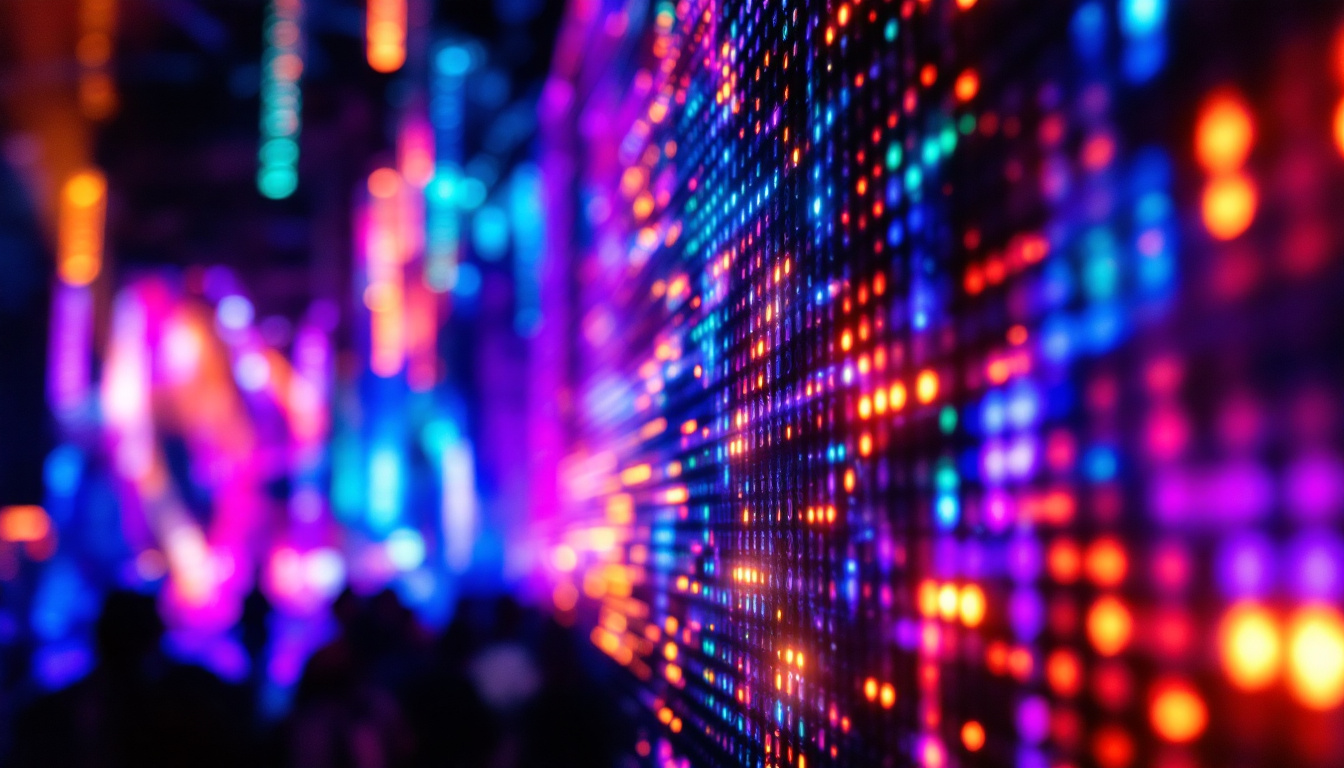
Each LED is a semiconductor device that emits light when an electric current passes through it. By arranging thousands of these tiny LEDs in a grid, the display can produce various colors and shapes by controlling the intensity of each diode. This modular approach allows for scalable screen sizes and resolutions, from small ticker strips to massive video walls.
Modern LED displays often use RGB (Red, Green, Blue) LEDs, which can combine to produce a full spectrum of colors. This capability enables ticker displays not only to show text but also to incorporate graphics, animations, and videos, enhancing the viewer’s engagement.
Advantages of LED Displays Over Other Technologies
LED displays offer several advantages that make them the preferred choice for ticker applications:
- High Brightness: LEDs can produce intense light, ensuring visibility even in direct sunlight, which is crucial for outdoor tickers.
- Energy Efficiency: Compared to incandescent or fluorescent lighting, LEDs consume significantly less power, reducing operational costs.
- Durability: LEDs have a longer lifespan and are more resistant to shock and vibration, making them reliable for continuous use.
- Flexibility: LED modules can be configured in various shapes and sizes, allowing for custom ticker designs.
Applications of LED Ticker Displays
The versatility of LED ticker displays has led to their adoption across multiple industries. Understanding these applications highlights their importance and the reasons behind their widespread use.
Financial Markets
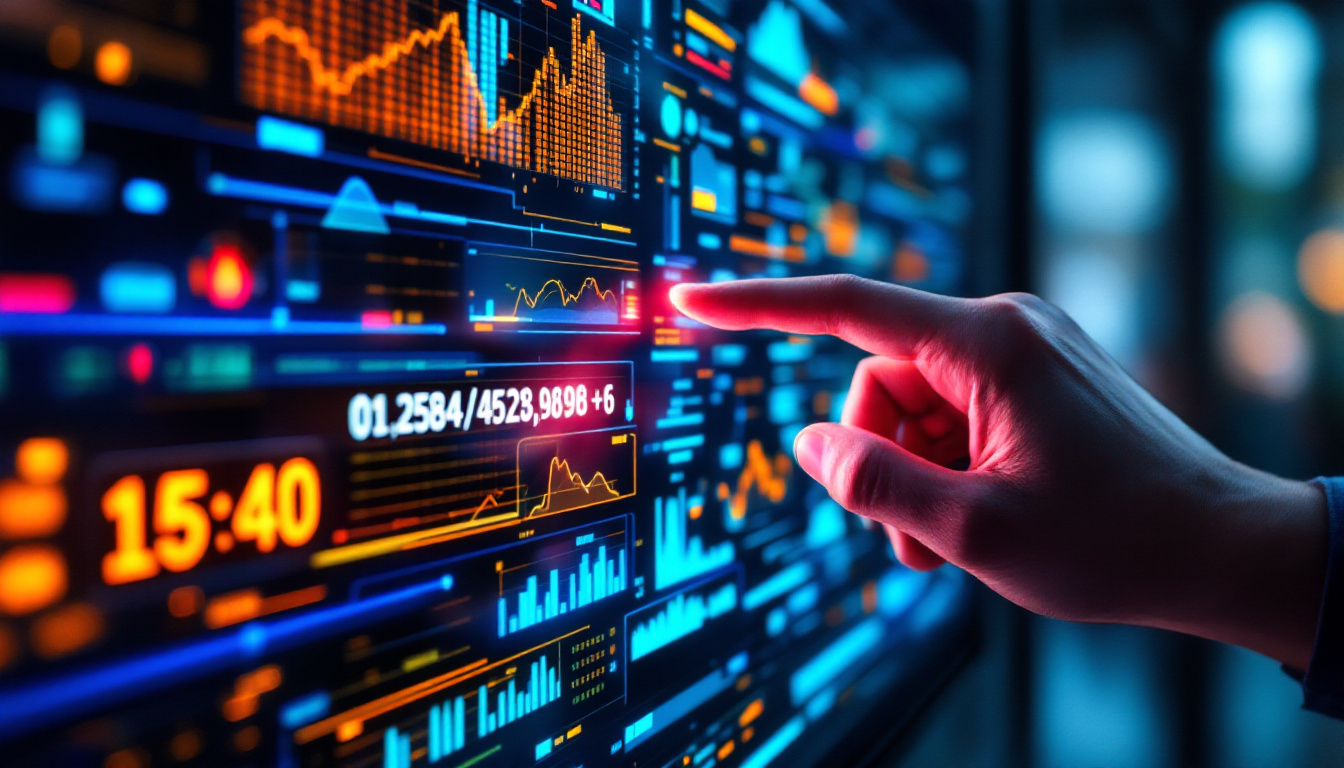
Perhaps the most iconic use of ticker displays is in financial markets. Stock exchanges around the world, such as the New York Stock Exchange and NASDAQ, use LED tickers to broadcast live stock prices, indices, and news headlines. These displays provide traders and investors with up-to-the-second information critical for decision-making.
According to a 2023 report by the Financial Information Services Association, over 85% of major financial institutions rely on LED ticker displays for real-time data dissemination, underscoring their central role in market operations.
Transportation Hubs
Airports, train stations, and bus terminals utilize LED ticker displays to inform passengers about schedules, delays, gate changes, and other essential updates. The high visibility and clarity of LED displays help reduce confusion and improve passenger flow, enhancing overall travel experience.
For example, London Heathrow Airport employs extensive LED ticker systems throughout its terminals, contributing to a 15% reduction in passenger inquiries related to flight information since their installation.
Retail and Advertising
Retailers use LED ticker displays both inside stores and on storefronts to promote sales, new arrivals, or special events. The dynamic nature of LED tickers attracts customer attention more effectively than static signage.
In advertising, LED tickers are often integrated into larger digital billboards, providing scrolling news, weather updates, or promotional messages that keep audiences engaged. According to a 2022 Nielsen study, LED-based digital signage can increase customer engagement by up to 30% compared to traditional signage.
Public Information and Safety
Municipalities and emergency services deploy LED ticker displays for public announcements, weather warnings, and safety alerts. Their ability to quickly update messages in response to evolving situations makes them critical tools in crisis communication.
For instance, during severe weather events, cities like Miami use LED tickers to broadcast evacuation notices and safety instructions, improving public responsiveness and safety outcomes.
Technical Considerations When Choosing an LED Ticker Display
Selecting the right LED ticker display involves understanding several technical factors that affect performance, visibility, and cost-effectiveness.
Resolution and Pixel Pitch
Resolution refers to the number of pixels in the display, while pixel pitch is the distance between the centers of adjacent LEDs. A smaller pixel pitch means higher resolution and sharper images, which is essential for close viewing distances.
For ticker displays typically viewed from a distance, a pixel pitch between 4mm and 10mm is common, balancing clarity with cost. However, indoor tickers in retail environments might require finer pitches to display detailed graphics.
Brightness and Contrast
Brightness is measured in nits (cd/m²) and determines how well the display performs under various lighting conditions. Outdoor tickers often require brightness levels exceeding 5,000 nits to remain visible in direct sunlight, while indoor displays may only need around 800 to 1,500 nits.
Contrast ratio, the difference between the darkest black and the brightest white, also affects readability. High contrast ensures text and graphics stand out clearly against the background.
Refresh Rate and Response Time
Refresh rate, measured in hertz (Hz), indicates how many times per second the display updates its image. Higher refresh rates reduce flicker and improve the smoothness of scrolling text, which is crucial for ticker displays to maintain readability and viewer comfort.
A refresh rate of at least 1,000 Hz is recommended for LED tickers to avoid flickering, especially when recorded or viewed through cameras.
Durability and Weather Resistance
For outdoor applications, LED ticker displays must withstand environmental factors such as rain, dust, temperature fluctuations, and UV exposure. Look for displays with an IP65 or higher rating, indicating protection against water jets and dust ingress.
Additionally, robust housing and cooling systems help maintain performance and extend the lifespan of the display in harsh conditions.
Installation and Maintenance of LED Ticker Displays
Proper installation and ongoing maintenance are vital to ensure the longevity and optimal performance of LED ticker displays.
Installation Best Practices
Installation begins with site assessment, considering viewing angles, ambient lighting, and mounting structures. LED tickers should be positioned to maximize visibility without causing glare or obstructing other signage.
Professional installation teams typically handle electrical connections, structural mounting, and integration with content management systems that control the displayed information.
Content Management and Software Integration
Modern LED ticker displays are controlled via software platforms that allow users to schedule, update, and customize content remotely. Integration with data feeds—such as stock market APIs or transit databases—enables automatic real-time updates without manual intervention.
Choosing a user-friendly content management system (CMS) is essential for efficient operation, especially in environments requiring frequent message changes.
Routine Maintenance and Troubleshooting
Regular maintenance includes cleaning the display surface, checking electrical connections, and inspecting for damaged LEDs or modules. Preventive maintenance can prevent costly downtime and extend the display’s service life.
Many LED tickers come with diagnostic tools that monitor performance and alert operators to issues such as dead pixels or power irregularities, facilitating prompt repairs.
Future Trends in LED Ticker Displays
As technology advances, LED ticker displays continue to evolve, incorporating new features and capabilities that enhance their functionality.
Integration with IoT and AI
Internet of Things (IoT) connectivity allows LED tickers to interact with other smart devices and systems, enabling dynamic content that responds to environmental cues or user behavior. For example, a ticker in a shopping mall might display different promotions based on foot traffic patterns detected by sensors.
Artificial intelligence (AI) can optimize content delivery by analyzing viewer engagement and tailoring messages for maximum impact, improving communication effectiveness.
Higher Resolution and Flexible Displays
Advancements in LED manufacturing are producing displays with finer pixel pitches and flexible form factors. Flexible LED tickers can wrap around curved surfaces or be integrated into architectural elements, opening new design possibilities.
MicroLED technology, which offers even higher brightness and energy efficiency, is poised to further enhance ticker display quality in the coming years.
Environmental Sustainability
With growing emphasis on sustainability, manufacturers are focusing on eco-friendly materials and energy-efficient designs. LED tickers with lower power consumption and recyclable components contribute to reducing the environmental footprint of digital signage.
Conclusion
LED ticker displays have transformed the way real-time information is communicated across industries. Their high visibility, durability, and adaptability make them indispensable tools for financial markets, transportation hubs, retail environments, and public safety communications. Understanding the technology behind LED displays, their applications, and the factors influencing their performance enables organizations to make informed decisions when implementing ticker solutions.
As LED technology continues to advance, ticker displays will become even more versatile and intelligent, further enhancing their role in delivering timely, engaging, and actionable information to audiences worldwide.
Discover LumenMatrix’s Innovative LED Display Solutions
Ready to elevate your real-time information delivery with unparalleled clarity and impact? Explore LumenMatrix’s diverse range of LED display solutions, crafted for those who demand the best in visual communication. From captivating Indoor and Outdoor LED Wall Displays to dynamic Vehicle and Sports LED Displays, LumenMatrix is at the forefront of transforming environments with vibrant, energy-efficient, and custom-designed digital signage. Embrace the future of visual engagement and check out LumenMatrix LED Display Solutions today to see how we can help your business shine.