In today’s world of smart home technology, touch sensitive lamps have become a popular choice for consumers seeking convenience, style, and energy efficiency. These lamps often feature LED displays that not only enhance their aesthetic appeal but also provide functional advantages such as adjustable brightness, color temperature controls, and intuitive user interfaces. Understanding the components behind these touch sensitive lamps, especially the LED displays, is essential for anyone interested in modern lighting technology, whether for purchasing decisions, maintenance, or design innovation.
This article delves into the key parts of touch sensitive lamps, focusing on the LED display technology that makes these lamps both visually appealing and highly functional. From the basic principles of touch sensitivity to the intricacies of LED displays, this comprehensive guide will equip readers with a clear understanding of how these components work together to create seamless lighting experiences.
Understanding Touch Sensitive Lamp Technology
What Makes a Lamp Touch Sensitive?
Touch sensitive lamps operate by detecting changes in electrical capacitance when a user’s finger comes into contact with or near the lamp’s surface. Unlike traditional lamps that rely on mechanical switches, touch sensitive lamps use capacitive touch sensors embedded within the lamp’s body or base. These sensors can detect even the slightest touch, enabling users to turn the lamp on or off, adjust brightness levels, or change lighting modes with a simple tap or swipe.
The technology behind this involves a conductive material connected to a sensing circuit. When a finger touches the lamp, it alters the electrical field, triggering the sensor to send a signal to the lamp’s control unit. This method offers several benefits, including a sleek design with no visible buttons, increased durability due to fewer moving parts, and enhanced user experience through smooth, responsive controls.
Key Components of Touch Sensitive Lamps
While the touch sensor is the heart of a touch sensitive lamp, several other parts work in unison to ensure optimal performance:
- Capacitive Touch Sensor: Detects user interaction by measuring changes in capacitance.
- Microcontroller Unit (MCU): Processes input from the sensor and controls lamp functions accordingly.
- LED Driver Circuit: Regulates power supplied to the LEDs, enabling dimming and color adjustments.
- LED Display Panel: Provides visual feedback and allows users to interact with settings such as brightness and color temperature.
- Power Supply: Converts electrical power to the required voltage and current for the lamp’s components.
Each of these components plays a critical role, but the LED display is particularly important because it bridges the gap between the lamp’s internal functions and the user’s interaction, making the lamp intuitive and versatile.
The Role of LED Displays in Touch Sensitive Lamps
What Is an LED Display?
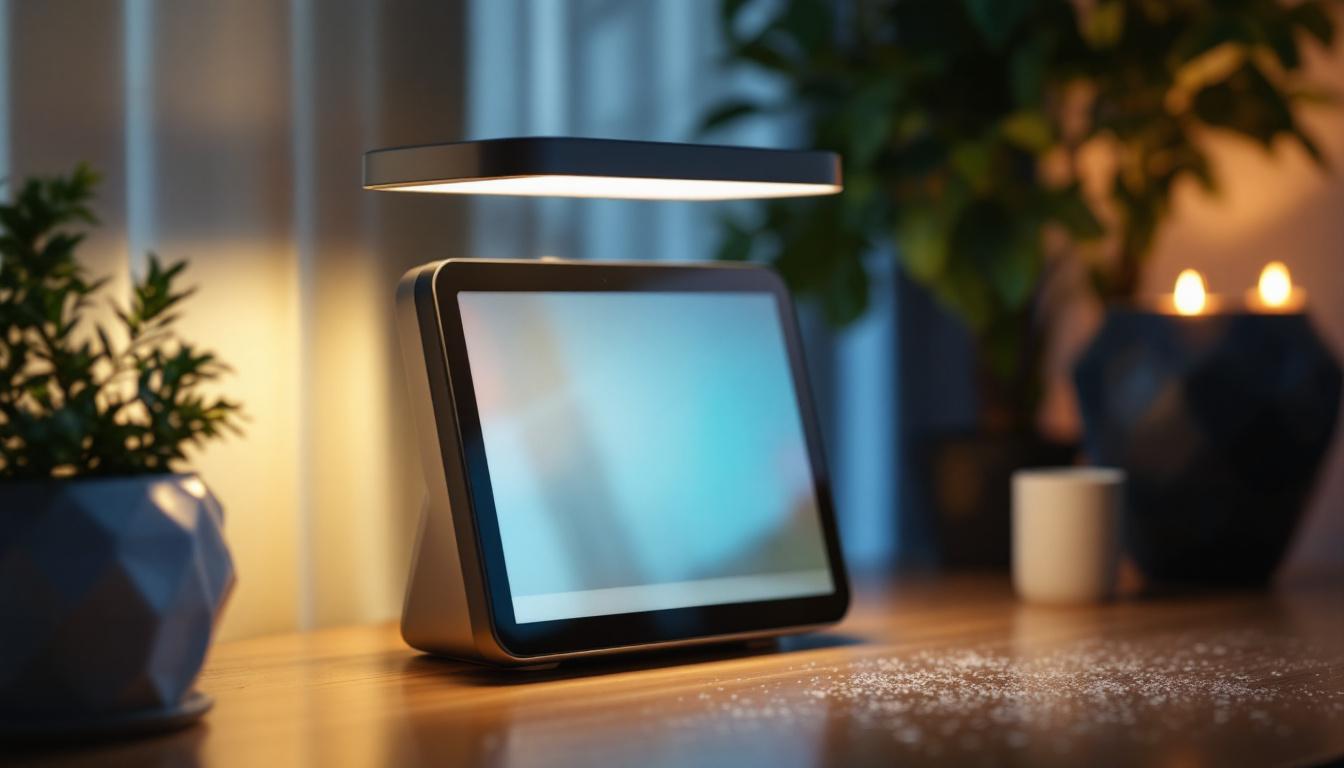
LED (Light Emitting Diode) displays are electronic visual displays that use an array of LEDs to present information such as brightness levels, color settings, timers, or other user interface elements. In touch sensitive lamps, LED displays serve as both indicators and interactive elements, allowing users to see real-time changes and adjust settings with precision.
Unlike traditional indicator lights that might simply show on/off status, modern LED displays can be sophisticated, featuring multi-color LEDs, segmented numeric displays, or even small OLED or LCD screens integrated with LED backlighting. This versatility enables manufacturers to incorporate advanced features such as scene presets, ambient light sensors, and dynamic color adjustments.
Types of LED Displays Used in Lamps
Several types of LED displays are commonly found in touch sensitive lamps, each offering unique advantages:
- Segmented LED Displays: These are numeric or alphanumeric displays made up of individual LED segments. For example, a 7-segment display can show numbers, while a 14- or 16-segment display can show letters as well.
- Dot Matrix LED Displays: Composed of a grid of LEDs, these displays can show more complex characters and simple graphics, providing flexible user interfaces.
- OLED Displays with LED Backlighting: Organic LED displays offer high contrast and wide viewing angles, often combined with LED backlighting for enhanced brightness and energy efficiency.
Choosing the right display depends on the lamp’s design goals, cost considerations, and the level of user interaction desired. For example, a minimalist bedside lamp might use a simple segmented LED to indicate brightness levels, while a high-end smart lamp could incorporate a full-color OLED display for advanced control options.
How LED Displays Enhance User Experience
LED displays in touch sensitive lamps significantly improve usability by providing clear visual cues. Instead of guessing whether the lamp is on or off or what brightness level it is set to, users receive immediate feedback. This is especially important in low-light environments where traditional buttons or switches might be hard to see.
Moreover, LED displays allow for more sophisticated control schemes. Users can cycle through multiple lighting modes, adjust color temperature from warm to cool white, or even select RGB lighting effects. The display can also show timers or sleep mode settings, making the lamp multifunctional beyond simple illumination.
Technical Insights: How LED Displays Work in Touch Sensitive Lamps
Integration with Touch Sensors and Control Circuits
The LED display in a touch sensitive lamp is tightly integrated with the capacitive touch sensor and the lamp’s microcontroller. When a user touches the lamp, the sensor detects the change and sends a signal to the microcontroller. The microcontroller processes this input and determines the appropriate response, such as increasing brightness or changing color.
Simultaneously, the microcontroller updates the LED display to reflect the new setting. This real-time feedback loop ensures that the user interface remains intuitive and responsive. The entire process happens in milliseconds, providing a seamless interaction experience.
Power Management and Efficiency
LED displays are inherently energy-efficient, consuming far less power than traditional incandescent bulbs or even some LCD screens. However, in touch sensitive lamps, power management is crucial to maximize battery life or reduce electricity consumption.
Modern lamps use LED driver circuits designed to regulate current precisely, preventing overdriving the LEDs, which can reduce lifespan and increase heat generation. Additionally, some lamps employ pulse-width modulation (PWM) techniques to dim LEDs without sacrificing efficiency or color accuracy.
Durability and Longevity of LED Displays
One of the advantages of LED technology is its long lifespan. LEDs can operate for tens of thousands of hours without significant degradation. This durability makes LED displays ideal for touch sensitive lamps, which are expected to function reliably over many years.
Furthermore, LED displays are resistant to shock and vibration, unlike mechanical switches that can wear out or fail. This robustness contributes to the overall durability of touch sensitive lamps, reducing maintenance and replacement costs.
Applications and Trends in Touch Sensitive Lamps with LED Displays
Smart Home Integration
Touch sensitive lamps with LED displays are increasingly integrated into smart home ecosystems. Many models now support wireless connectivity protocols such as Wi-Fi, Zigbee, or Bluetooth, allowing users to control lighting remotely via smartphone apps or voice assistants like Amazon Alexa and Google Assistant.
The LED display in these lamps often serves as a status indicator for connectivity, battery level, or current mode. Some advanced lamps even display notifications or alerts, blending lighting with information display in a compact form factor.
Customization and Personalization
Modern consumers demand personalized lighting experiences. Touch sensitive lamps with LED displays enable users to customize settings such as color temperature, brightness, and lighting scenes. For example, a user might program a “reading mode” with bright, cool white light and a “relax mode” with dim, warm light.
Manufacturers have responded by designing lamps with intuitive LED displays that guide users through customization options without requiring complicated interfaces or external devices. This trend enhances user satisfaction and drives innovation in lamp design.
Energy Efficiency and Sustainability
Energy efficiency remains a top priority in lighting technology. LED displays contribute by consuming minimal power and enabling precise control over lamp output. Touch sensitive lamps often include features like automatic shutoff, ambient light sensing, and adaptive brightness, all facilitated by the LED display interface.
These features not only reduce energy consumption but also extend the lifespan of the lamp and its components. As sustainability becomes increasingly important to consumers and regulators, touch sensitive lamps with LED displays stand out as environmentally friendly lighting solutions.
Maintenance and Troubleshooting of LED Displays in Touch Sensitive Lamps
Common Issues and Solutions
Despite their durability, LED displays in touch sensitive lamps can occasionally experience issues such as flickering, dimming, or unresponsiveness. Common causes include:
- Power Supply Problems: Inconsistent voltage or faulty adapters can affect LED performance.
- Sensor Malfunction: Dirt or moisture on the touch sensor can cause erratic behavior.
- Component Wear: Over time, electronic components like capacitors or microcontrollers may degrade.
Solutions typically involve checking and replacing power sources, cleaning the lamp surface, or consulting professional repair services. Many manufacturers provide detailed troubleshooting guides specific to their models.
Tips for Extending LED Display Lifespan
To maximize the lifespan and performance of LED displays in touch sensitive lamps, consider the following tips:
- Avoid Excessive Heat: Ensure proper ventilation around the lamp to prevent overheating.
- Regular Cleaning: Gently clean the lamp’s surface with a soft, dry cloth to maintain sensor responsiveness.
- Use Compatible Power Sources: Always use the manufacturer-recommended adapters and batteries.
- Update Firmware: For smart lamps, keep firmware updated to benefit from performance improvements and bug fixes.
Future Outlook: Innovations in Touch Sensitive Lamp LED Displays
Advancements in Display Technology
Emerging technologies such as micro-LED and quantum dot displays promise even greater brightness, color accuracy, and energy efficiency for lamp displays. These innovations could enable more detailed and vibrant interfaces on touch sensitive lamps, enhancing both functionality and aesthetics.
Integration with Artificial Intelligence
Artificial intelligence (AI) is poised to revolutionize lighting control. Future touch sensitive lamps may use AI algorithms to learn user preferences, adjust lighting automatically based on time of day or activity, and provide personalized lighting recommendations displayed on advanced LED screens.
Eco-Friendly Materials and Manufacturing
As sustainability concerns grow, manufacturers are exploring eco-friendly materials and production methods for LED displays and lamp components. Biodegradable plastics, recyclable metals, and low-impact manufacturing processes will likely become standard, aligning with global efforts to reduce environmental footprints.
Conclusion
Touch sensitive lamps equipped with LED displays represent a significant advancement in lighting technology, combining convenience, efficiency, and style. Understanding the components and functions of these lamps—particularly the role of LED displays—provides valuable insight into how modern lighting solutions enhance everyday life.
From the capacitive touch sensors that detect user input to the sophisticated LED displays that provide intuitive feedback, each element contributes to a seamless and enjoyable lighting experience. As technology continues to evolve, touch sensitive lamps with advanced LED displays will become even more integrated into smart homes, offering greater customization, energy savings, and user engagement.
Whether you are a consumer considering your next lamp purchase, a designer developing new lighting products, or a technician maintaining these devices, a thorough grasp of touch sensitive lamp parts and LED display technology is essential for navigating the future of lighting.
Illuminate Your Space with LumenMatrix
As you consider the future of lighting and the role touch sensitive lamps with LED displays play in enhancing your environment, LumenMatrix stands at the forefront of this innovation. Our commitment to creating visually stunning and technologically advanced LED display modules is unmatched. From captivating Indoor LED Walls to dynamic Outdoor LED Displays, and from sleek LED Posters to interactive Floor LED Displays, LumenMatrix offers a wide array of solutions tailored to meet your unique needs. Elevate your space and experience the pinnacle of LED display technology. Check out LumenMatrix LED Display Solutions today and see how we can transform your visual communication.